
Species
 Berberis hortensisHybrid Mahonia
1 other cultivar

The Story
Plant Bio
Berberis × hortensis is a statuesque evergreen hybrid shrub native to Asia that develops an upright, coarse-stemmed, vase-shaped habit. The dramatic, frond-like foliage consists of large compound leaves with spiny, holly-like leaflets arranged in whorls along the stems, which tend to become bare at the base as the plant matures.
'Charity' is distinguished by its winter-blooming habit, producing long, spreading racemes of bright golden-yellow flowers from December through February. The blooms are followed by dusty blue-black, wax-coated berries, while the new foliage emerges with a distinct bronze-red tint before maturing to deep glossy green.
Uses & Benefits:
Essentials
At a Glance
Plant Type
Shrub
Height
144"
Width
72"
Light
Partial Sun, Shade
Zones
7, 8, 9
Water
Moderate
Humidity
Moderate
Lifespan
Long-lived
Native To
Asia (parents)
Toxicity
Low toxicity (spiny leaves, raw berries can cause mild GI upset)
Bloom period
Winter – Early spring
In flower about 4 months of the year
Planting
How to Grow
- Plant in a sheltered location with partial to full shade, ensuring the soil is rich, organic, and drains freely.
- Water regularly during the first two to three years to establish a deep, drought-tolerant root system.
- Apply a thick layer of organic mulch annually in spring to retain soil moisture and mimic a forest floor environment.
- Protect young plants from rabbit browsing using physical wire cages until the stems woody up and toughen.
Pro Tip
Prune immediately after flowering in spring by cutting leggy stems back to a strong side shoot or node; hacking deep into old, leafless wood results in poor, patchy recovery.
Keep It Thriving
Care Guide
Do
- Prune young branch tips in early spring to encourage a bushier, more compact growth habit.
- Provide supplemental water during prolonged summer dry spells to prevent foliage scorch.
- Ensure excellent air circulation around the foliage to minimize the risk of fungal rust and powdery mildew.
Don't
- Do not plant in heavy, waterlogged soils where standing water will cause root rot.
- Do not prune heavily into old, bare wood unless performing a complete structural renovation.
- Avoid overhead watering, which leaves moisture on the foliage and invites rust infections.
Seasonal Care Calendar
| Task | Jan | Feb | Mar | Apr | May | Jun | Jul | Aug | Sep | Oct | Nov | Dec |
|---|---|---|---|---|---|---|---|---|---|---|---|---|
| Fertilize | ||||||||||||
| Mulch | ||||||||||||
| Pest Check | ||||||||||||
| Prune |
Watch Out For
Pests & Diseases
Common Pests
Common Diseases
In the Garden
Landscape Uses & Companions
Landscape Uses
Companion Plants
Multiply
Propagation Methods
Good to Know
Common Questions
Charity Mahonia questions
What zones can Charity Mahonia grow in?
Charity Mahonia is hardy in USDA Zones 7–9. Inside that range it survives winter in the ground; outside it, grow it as an annual or a container plant you protect.
Is Charity Mahonia deer resistant?
Yes — Charity Mahonia is rated deer-resistant. Deer typically pass it over, though extreme hunger can override any plant's defenses.
When does Charity Mahonia bloom?
Charity Mahonia typically blooms in winter through early spring. Exact timing shifts a week or two with your zone — Sow's bloom calendar maps it to your garden.
Does Charity Mahonia need full sun?
Charity Mahonia does best in part shade.
Is Charity Mahonia drought tolerant?
Yes — once established (usually after the first full season), Charity Mahonia handles dry spells with minimal watering. Water deeply its first year to build the root system that makes that possible.
More Berberis to compare
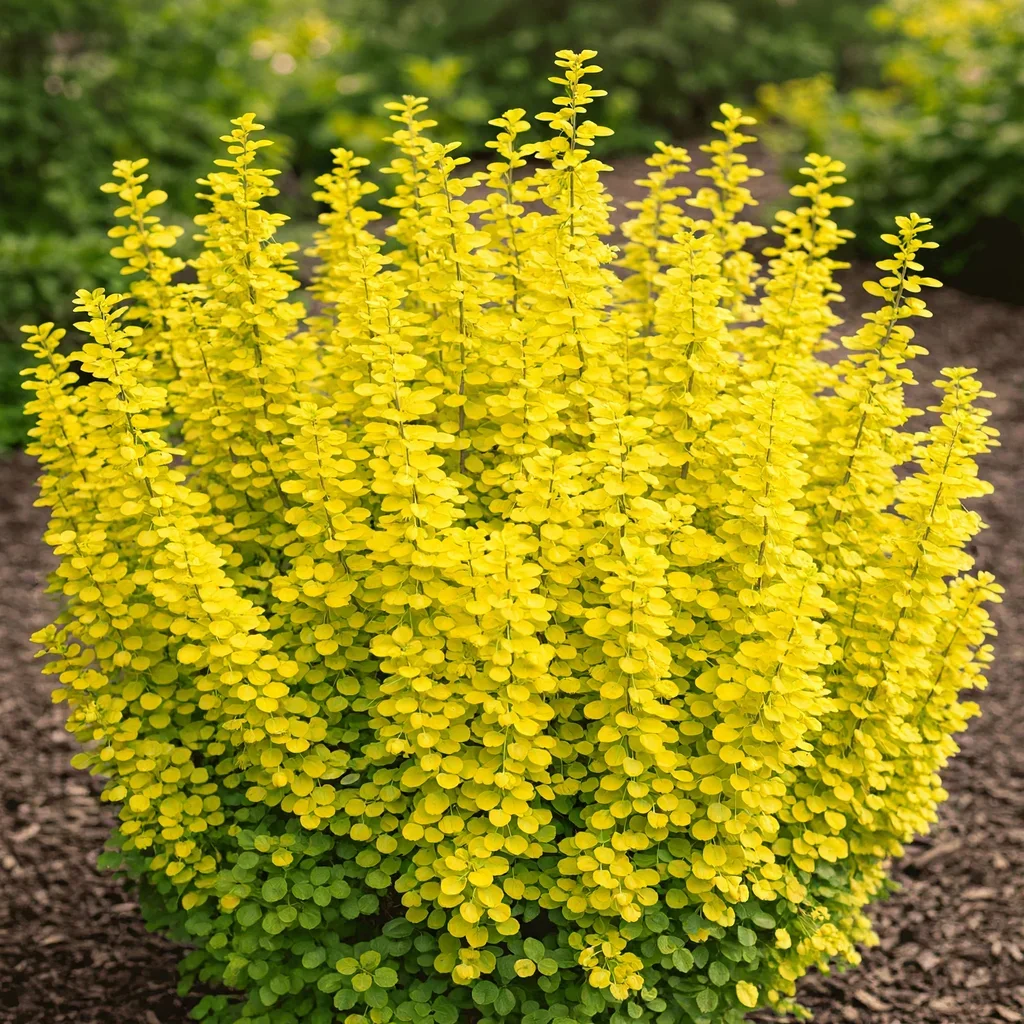
Gold Pillar Japanese Barberry
Berberis thunbergii 'Gold Pillar'
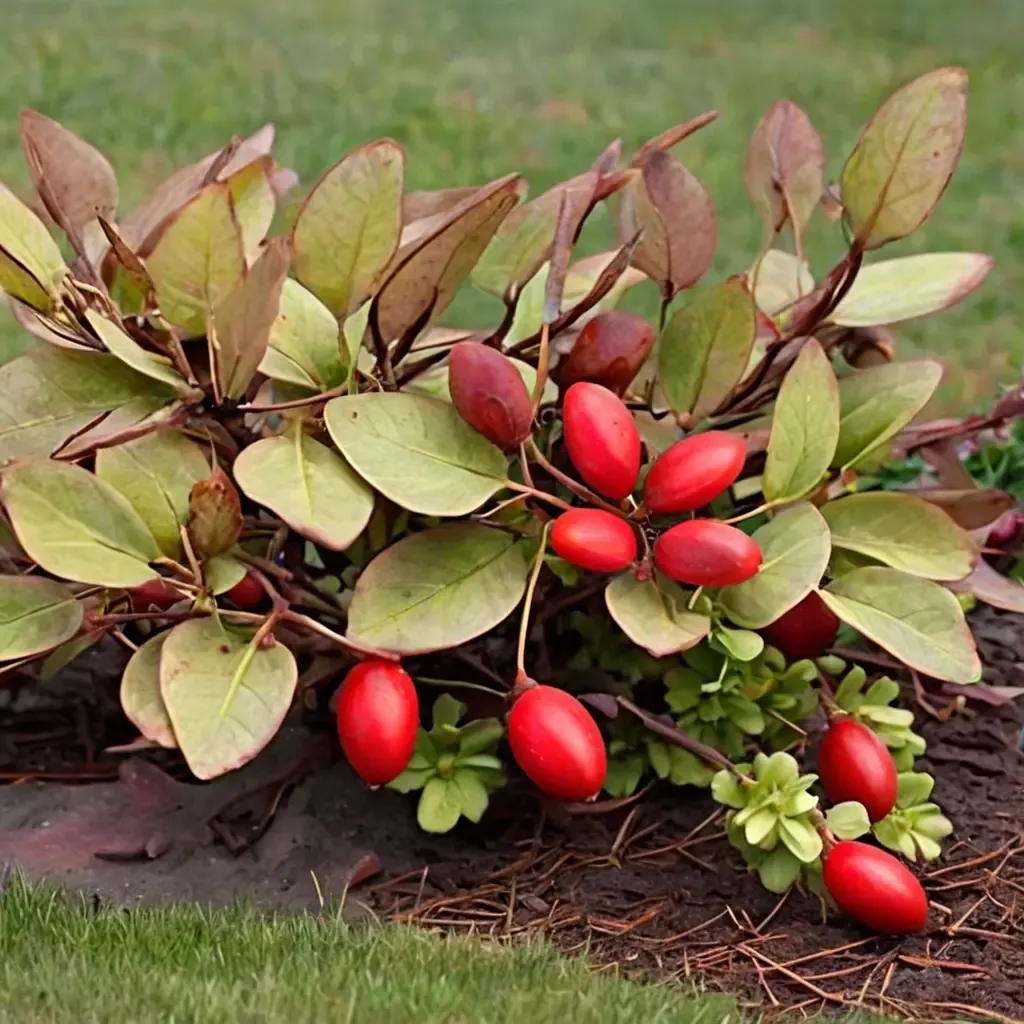
Japanese Barberry
Berberis thunbergii
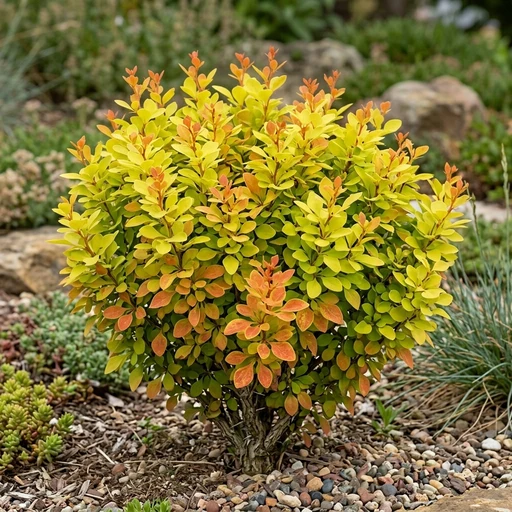
Sunjoy Neo Barberry
Berberis thunbergii 'Sunjoy Neo'
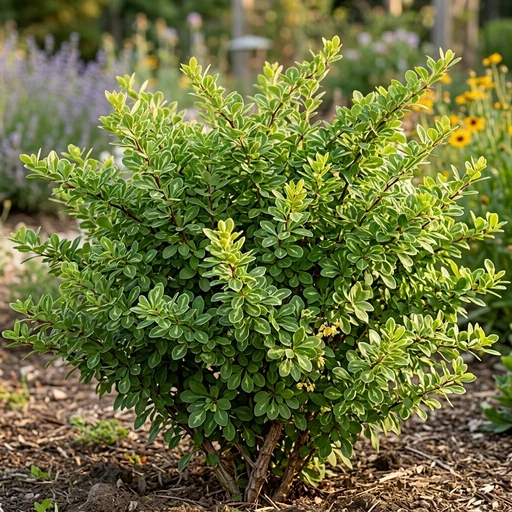
William Penn Barberry
Berberis gladwynensis 'William Penn'
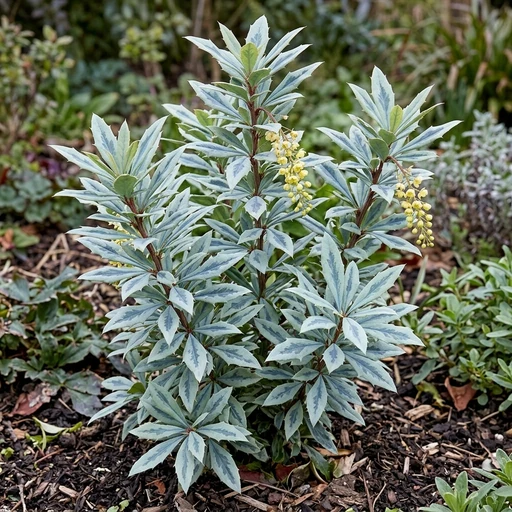
Oregon Grape
Berberis hortensis 'Winter Sun'
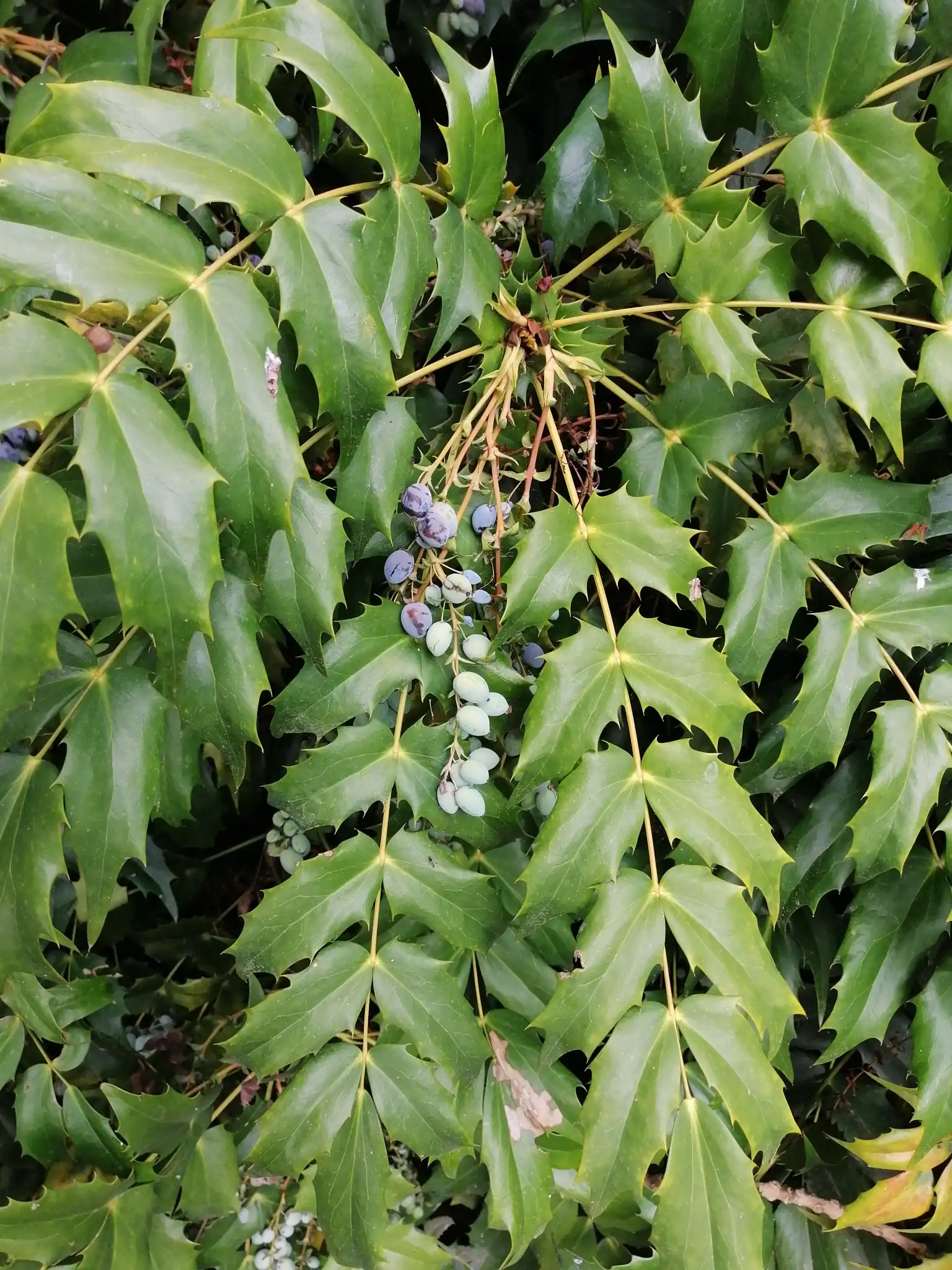
Hybrid Mahonia
Berberis hortensis
Keep exploring
Explore the genus
Hardy in your zone?
Grow Charity Mahonia with confidence
See it in a design of your actual yard, get zone-matched care reminders, and track it season by season in your garden journal.