

The Story
Plant Bio
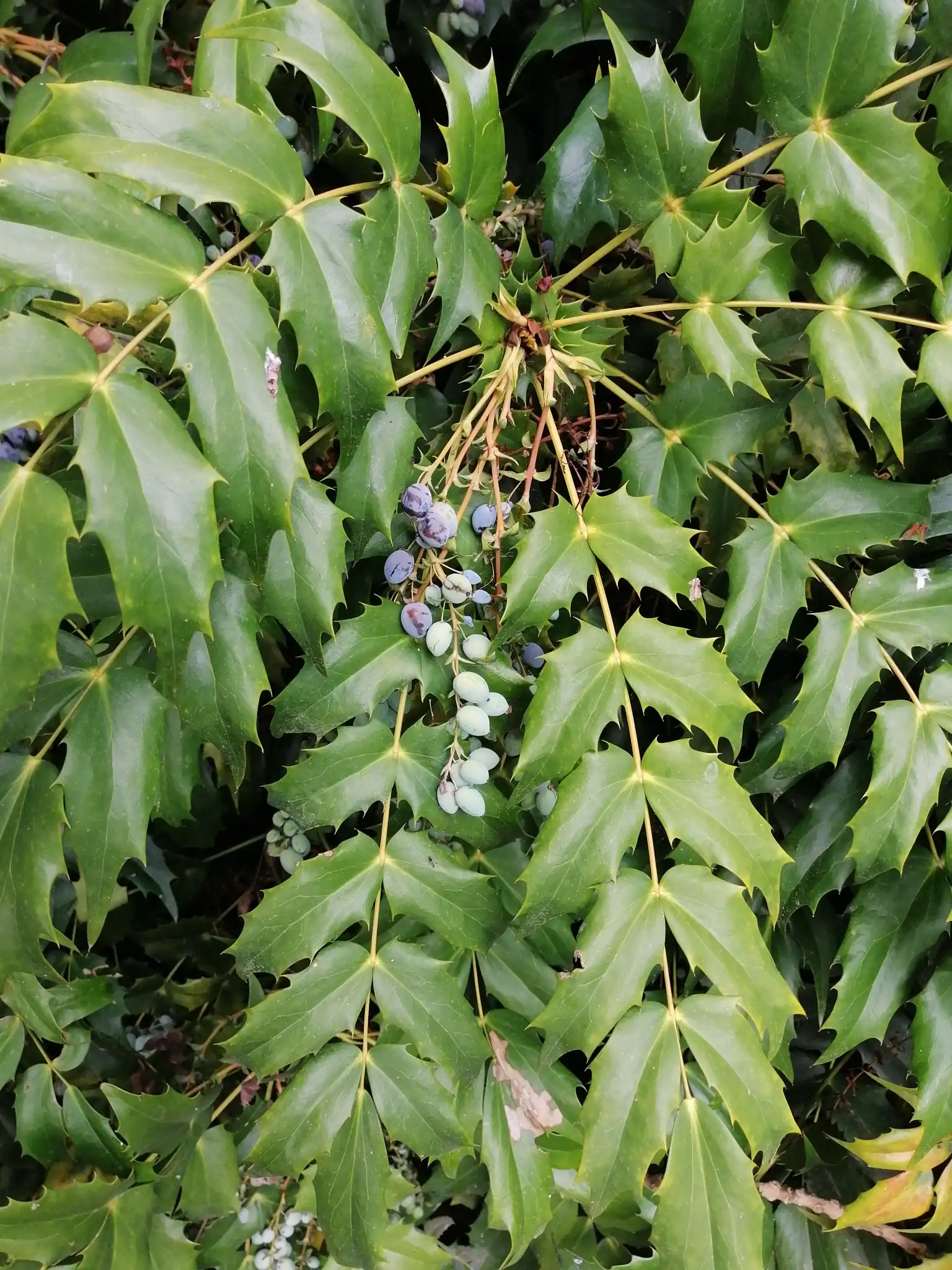
Berberis hortensis is a slow-growing broadleaf evergreen shrub of the tall Mahonia group, three to thirteen feet high. Long compound leaves of eleven to seventeen leaflet pairs give a bold architectural texture, spikes of bell-shaped yellow flowers open in late winter, and clusters of blue-black grape-like fruit follow.
Its value is the flowering season — bright yellow spikes in the depths of winter, when almost nothing else is out and early bees have nothing to work. The blue-black fruit is edible in moderation but causes stomach upset in quantity, so it is better left for birds. The leaflets end in sharp spines, so site it away from paths.
Uses & Benefits:
Essentials
At a Glance
Plant Type
Shrub
Height
96"
Width
84"
Light
Partial Sun, Shade
Zones
6, 7, 8, 9
Water
Moderate
Humidity
Moderate
Lifespan
Perennial
Native To
Eurasian hybrid group
Toxicity
Fruit causes stomach upset in quantity
Planting
How to Grow
- Plant in partial shade in moist, freely drained soil.
- Site it away from paths; the leaflets are spined.
- Shelter it from cold drying winter wind.
- Water through the first two summers.
- Prune only lightly, after flowering.
- Leave the fruit for birds rather than eating it.
Pro Tip
It flowers in midwinter, so put it where you actually walk in January rather than in a summer border you never visit then.
Keep It Thriving
Care Guide
Do
- Plant it in partial shade 🌤️
- Site it clear of paths ⚠️
- Prune lightly after flowering ✂️
- Leave the berries for birds 🐦
Don't
- Plant it beside a walkway ❌
- Eat the fruit in quantity ❌
- Expose it to cold drying wind ❌
Seasonal Care Calendar
| Task | Jan | Feb | Mar | Apr | May | Jun | Jul | Aug | Sep | Oct | Nov | Dec |
|---|---|---|---|---|---|---|---|---|---|---|---|---|
| Enjoy | ||||||||||||
| Prune |
Watch Out For
Pests & Diseases
Common Pests
Common Diseases
In the Garden
Landscape Uses & Companions
Landscape Uses
Companion Plants
Multiply
Propagation Methods
Good to Know
Common Questions
Hybrid Mahonia questions
What zones can Hybrid Mahonia grow in?
Hybrid Mahonia is hardy in USDA Zones 6–9. Inside that range it survives winter in the ground; outside it, grow it as an annual or a container plant you protect.
Is Hybrid Mahonia deer resistant?
Yes — Hybrid Mahonia is rated deer-resistant. Deer typically pass it over, though extreme hunger can override any plant's defenses.
When does Hybrid Mahonia bloom?
Hybrid Mahonia typically blooms in late winter through early spring. Exact timing shifts a week or two with your zone — Sow's bloom calendar maps it to your garden.
Does Hybrid Mahonia need full sun?
Hybrid Mahonia does best in part shade.
Is Hybrid Mahonia drought tolerant?
Yes — once established (usually after the first full season), Hybrid Mahonia handles dry spells with minimal watering. Water deeply its first year to build the root system that makes that possible.
More Berberis to compare
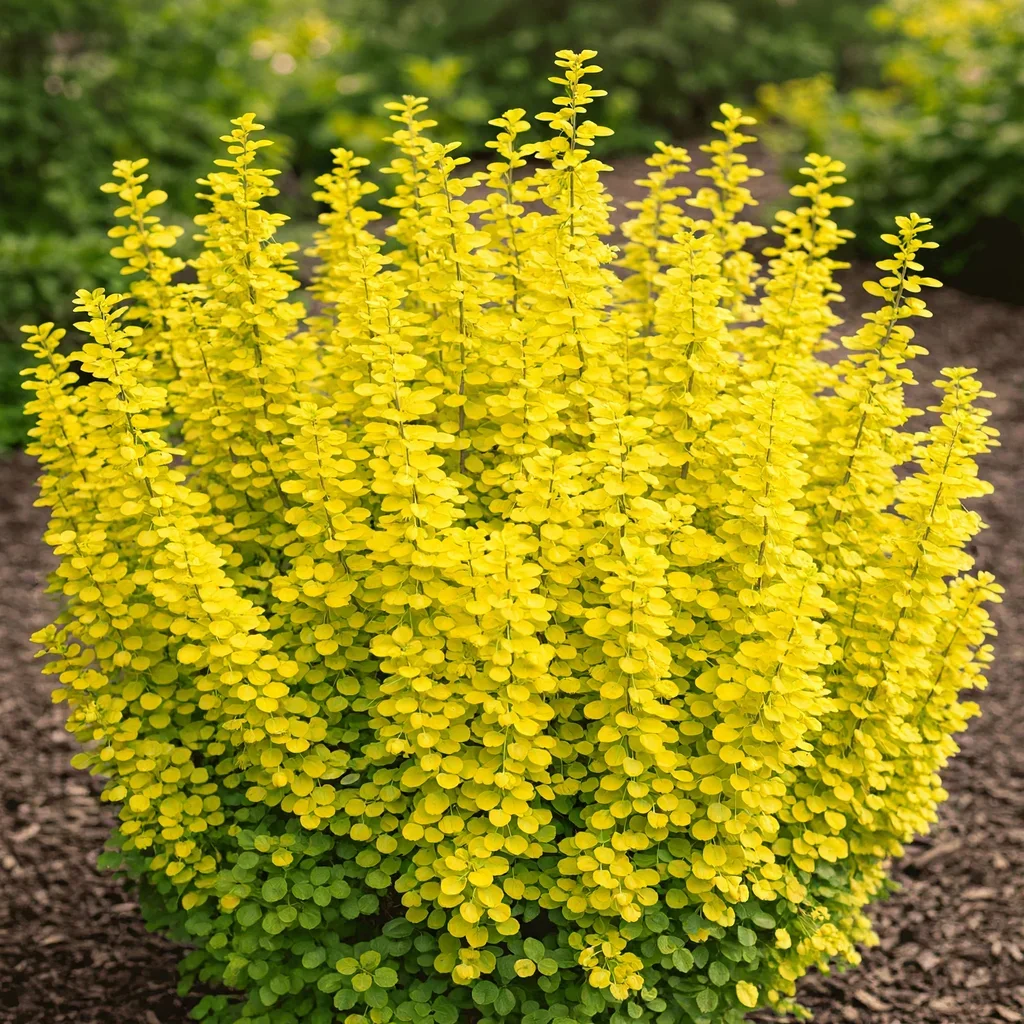
Gold Pillar Japanese Barberry
Berberis thunbergii 'Gold Pillar'
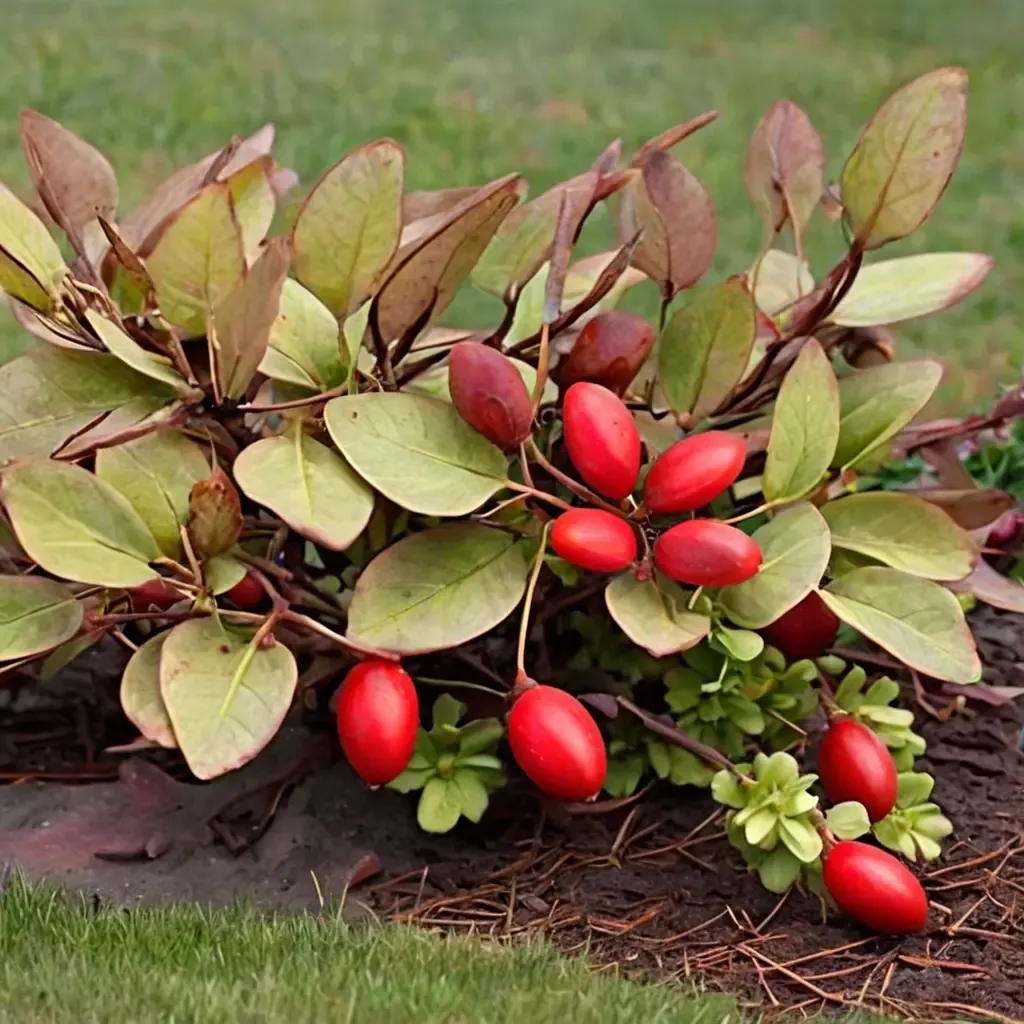
Japanese Barberry
Berberis thunbergii
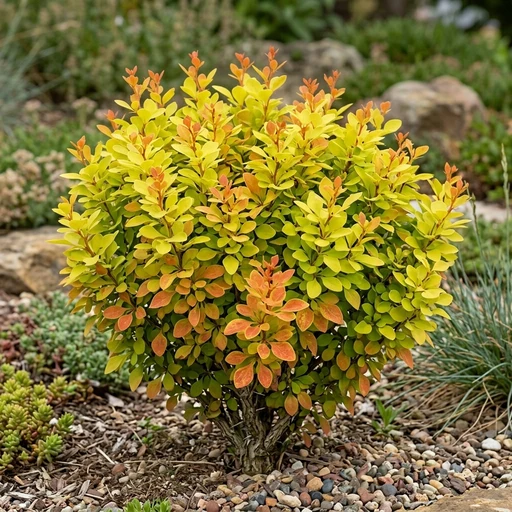
Sunjoy Neo Barberry
Berberis thunbergii 'Sunjoy Neo'
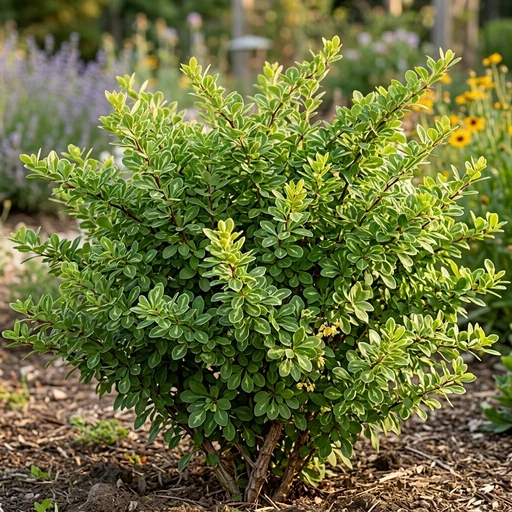
William Penn Barberry
Berberis gladwynensis 'William Penn'
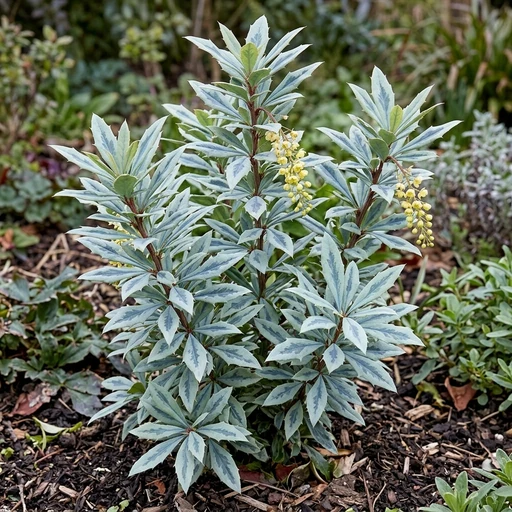
Oregon Grape
Berberis hortensis 'Winter Sun'
Sunjoy Gold Pillar Japanese Barberry
Berberis thunbergii 'Sunjoy Gold Pillar'
Keep exploring
Explore the genus
Hardy in your zone?
Grow Hybrid Mahonia with confidence
See it in a design of your actual yard, get zone-matched care reminders, and track it season by season in your garden journal.