The Story
Plant Bio
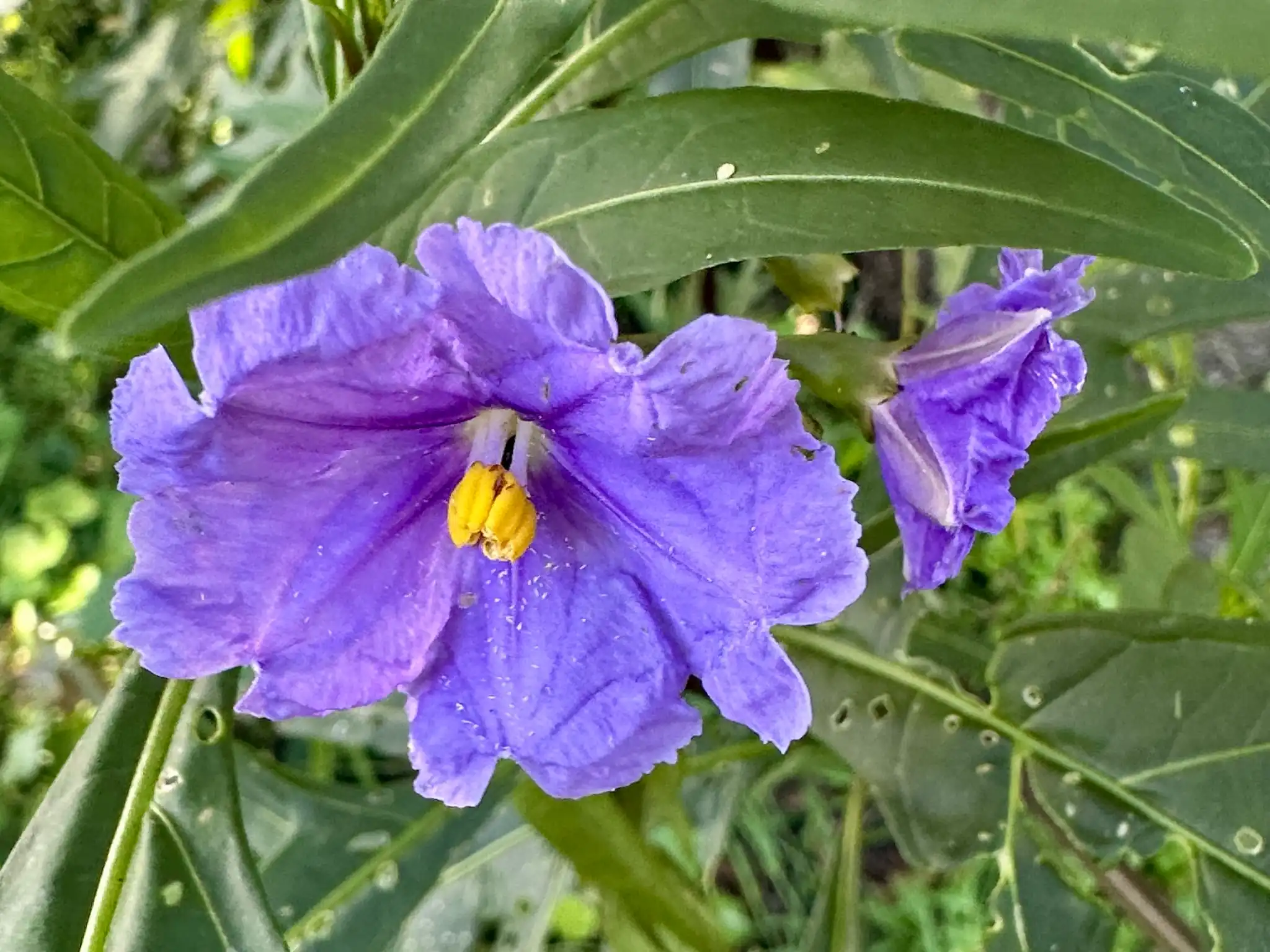
Solanum laciniatum, the kangaroo apple, is a fast-growing, soft-wooded evergreen shrub native to southeastern Australia that reaches heights of up to twelve feet. It features deeply lobed, dark green juvenile foliage resembling a kangaroo's paw print, which transitions to narrower, lance-shaped adult leaves as the plant matures.
The plant produces clusters of deep bluish-purple flowers with prominent yellow anthers throughout spring and summer, followed by egg-shaped berries. These berries turn from toxic green to a bright orange-yellow when fully ripe and safe to consume, though the plant itself is relatively short-lived, declining after five to six years.
Uses & Benefits:
Essentials
At a Glance
Plant Type
Shrub
Height
150"
Width
190"
Light
Full Sun, Partial Sun
Zones
9, 10
Water
Moderate
Humidity
Moderate
Lifespan
5-6 years
Native To
Australia
Toxicity
Toxic foliage and unripe fruit
Bloom period
Spring – Summer
In flower about 6 months of the year
Planting
How to Grow
- Select a planting site in full sun to very light partial shade with well-drained sandy, loamy, or clay soil.
- Dig a hole twice the width of the root ball and set the plant at the same depth it was growing in its container.
- Water thoroughly after planting to settle the soil, and maintain moderate moisture while the root system establishes.
- In zones colder than USDA Zone 9, plant in large containers that can be moved indoors before the first autumn freeze.
Pro Tip
Prune the stems back by up to two-thirds after fruiting to maintain a bushy habit; avoid cutting deep into old, leafless wood as recovery from bare stems is poor.
Keep It Thriving
Care Guide
Do
- Allow the egg-shaped berries to turn completely orange-yellow and fall naturally before attempting to harvest or consume them.
- Provide protection or move container-grown plants indoors to a bright, frost-free location during winter.
- Apply a balanced organic fertilizer or nutrient-rich compost when growing heavily in patio containers.
Don't
- Do not ingest any green, unripe fruits or foliage, as they contain toxic steroidal glycoalkaloids.
- Do not overwater or plant in poorly drained, waterlogged soils, which triggers rapid root rot.
- Do not prune heavily into old, woody, leafless stems, as the plant will fail to regenerate.
Seasonal Care Calendar
| Task | Jan | Feb | Mar | Apr | May | Jun | Jul | Aug | Sep | Oct | Nov | Dec |
|---|---|---|---|---|---|---|---|---|---|---|---|---|
| Fertilize | ||||||||||||
| Pest Check | ||||||||||||
| Propagate | ||||||||||||
| Prune | ||||||||||||
| Winter Prep |
Watch Out For
Pests & Diseases
Common Pests
Common Diseases
In the Garden
Landscape Uses & Companions
Landscape Uses
Companion Plants
Multiply
Propagation Methods
Good to Know
Common Questions
Kangaroo Apple questions
What zones can Kangaroo Apple grow in?
Kangaroo Apple is hardy in USDA Zones 9–10. Inside that range it survives winter in the ground; outside it, grow it as an annual or a container plant you protect.
When does Kangaroo Apple bloom?
Kangaroo Apple typically blooms in spring through summer. Exact timing shifts a week or two with your zone — Sow's bloom calendar maps it to your garden.
Does Kangaroo Apple need full sun?
Kangaroo Apple does best in full sun to part shade. In hot climates, afternoon shade keeps blooms fresher longer.
Is Kangaroo Apple drought tolerant?
Yes — once established (usually after the first full season), Kangaroo Apple handles dry spells with minimal watering. Water deeply its first year to build the root system that makes that possible.
More Solanum to compare
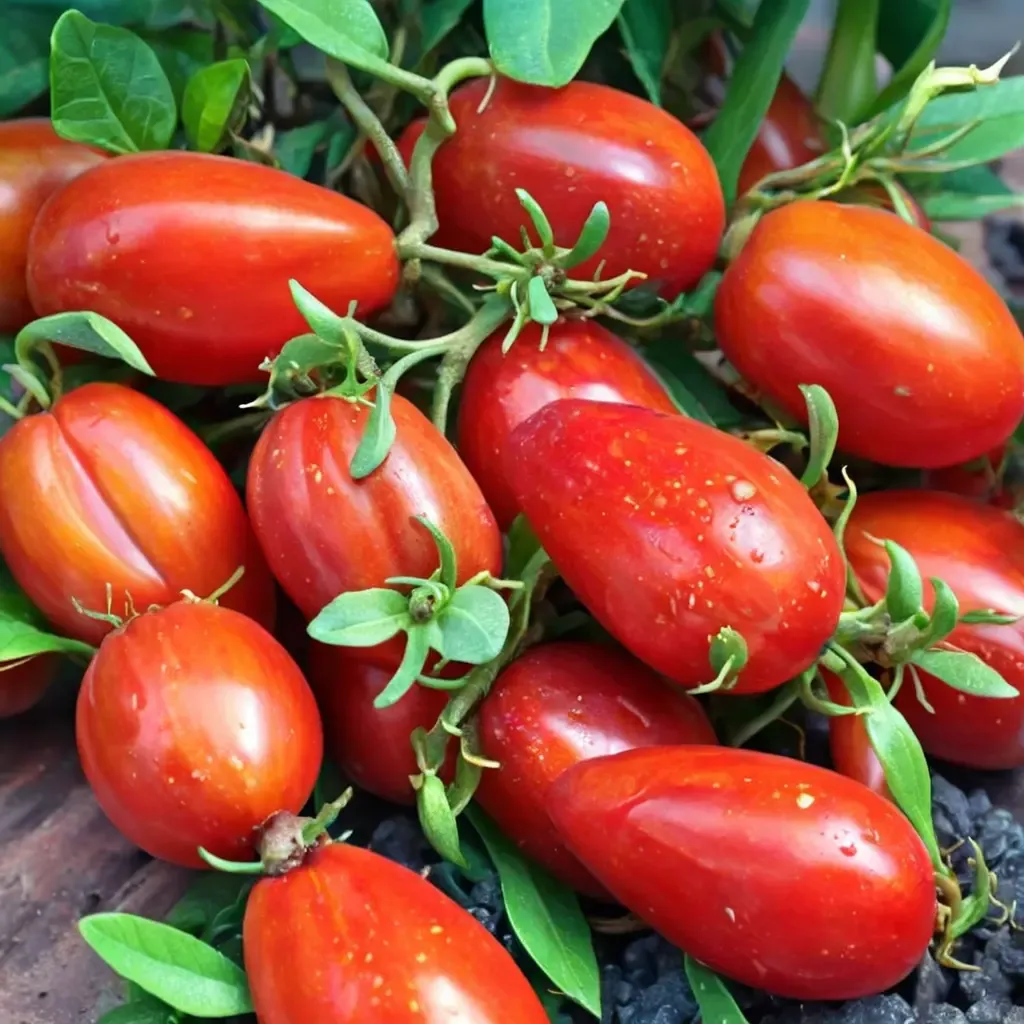
Martino's Roma Tomato
Solanum lycopersicum 'Martino's Roma'
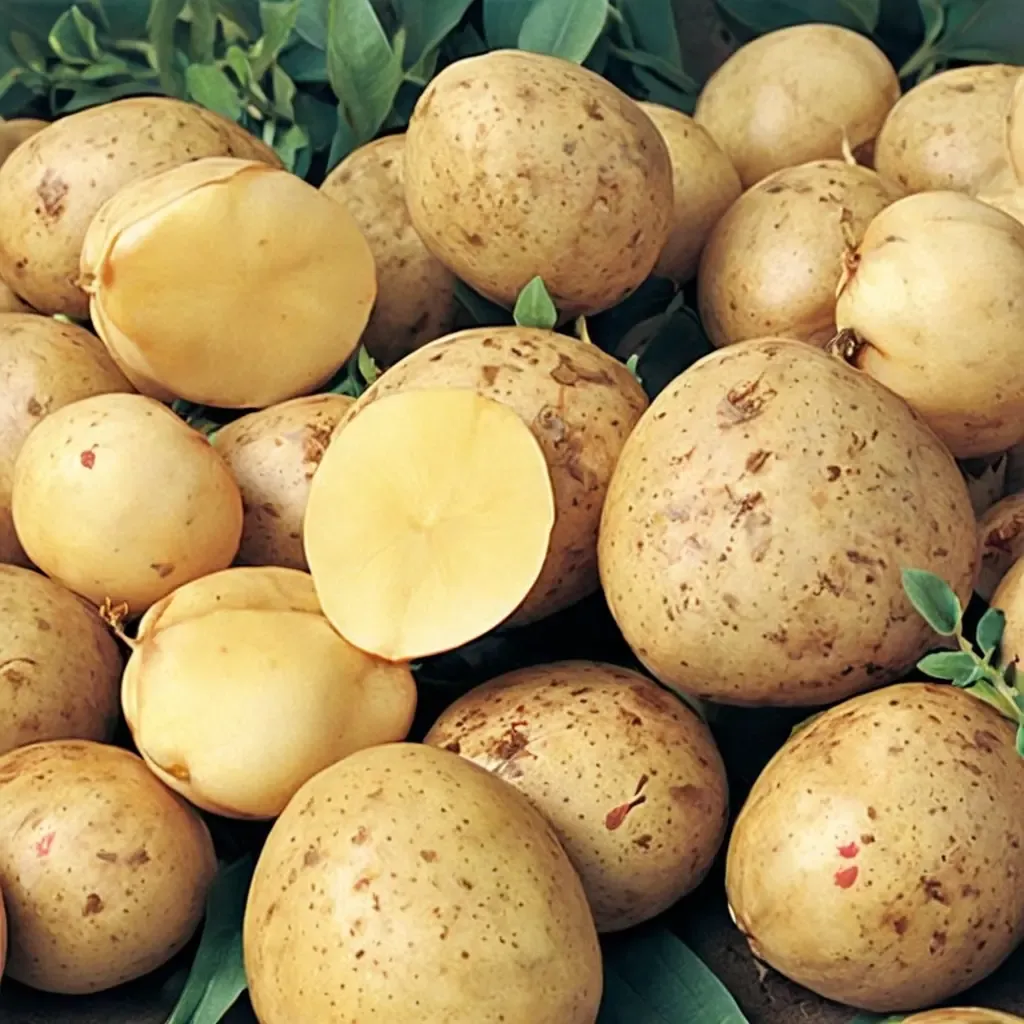
Yukon Gold Potato
Solanum tuberosum 'Yukon Gold'
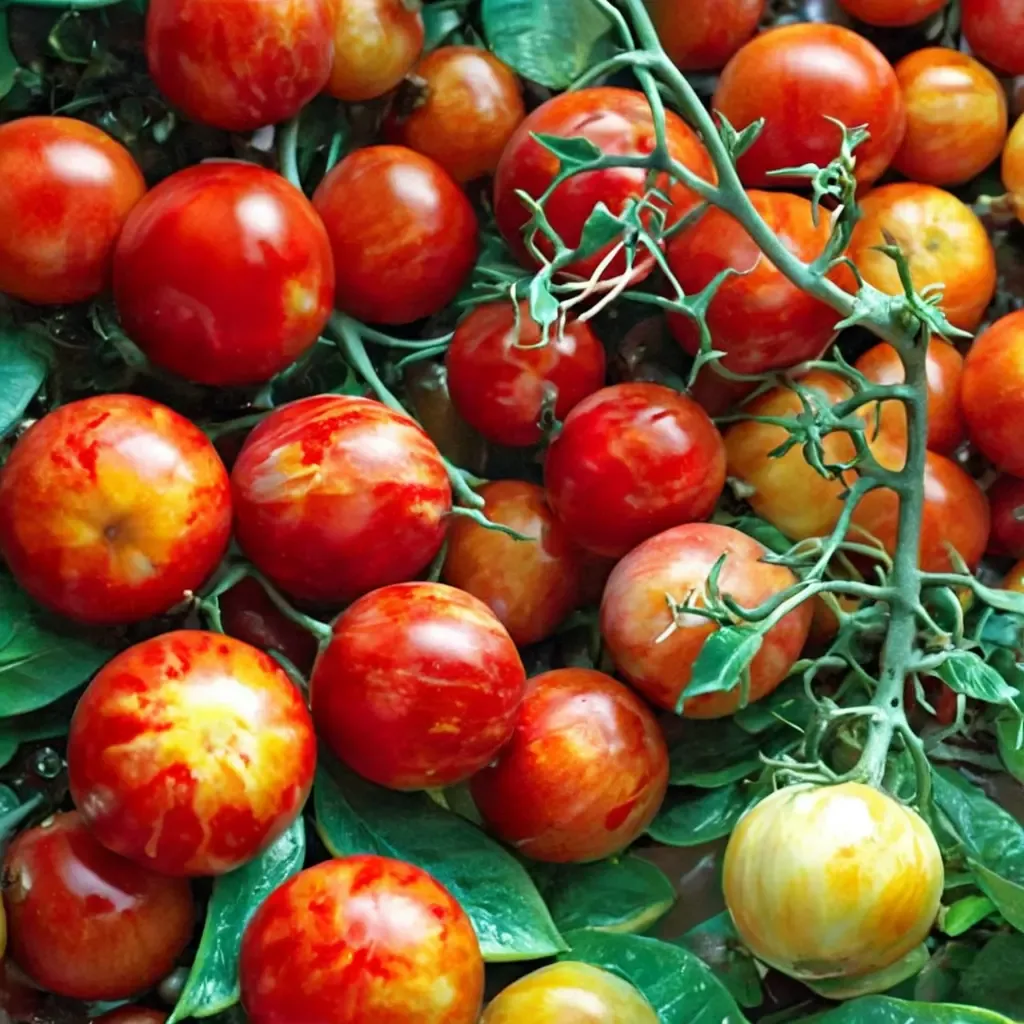
Sweet Tomato
Solanum lycopersicum 'Sweet'
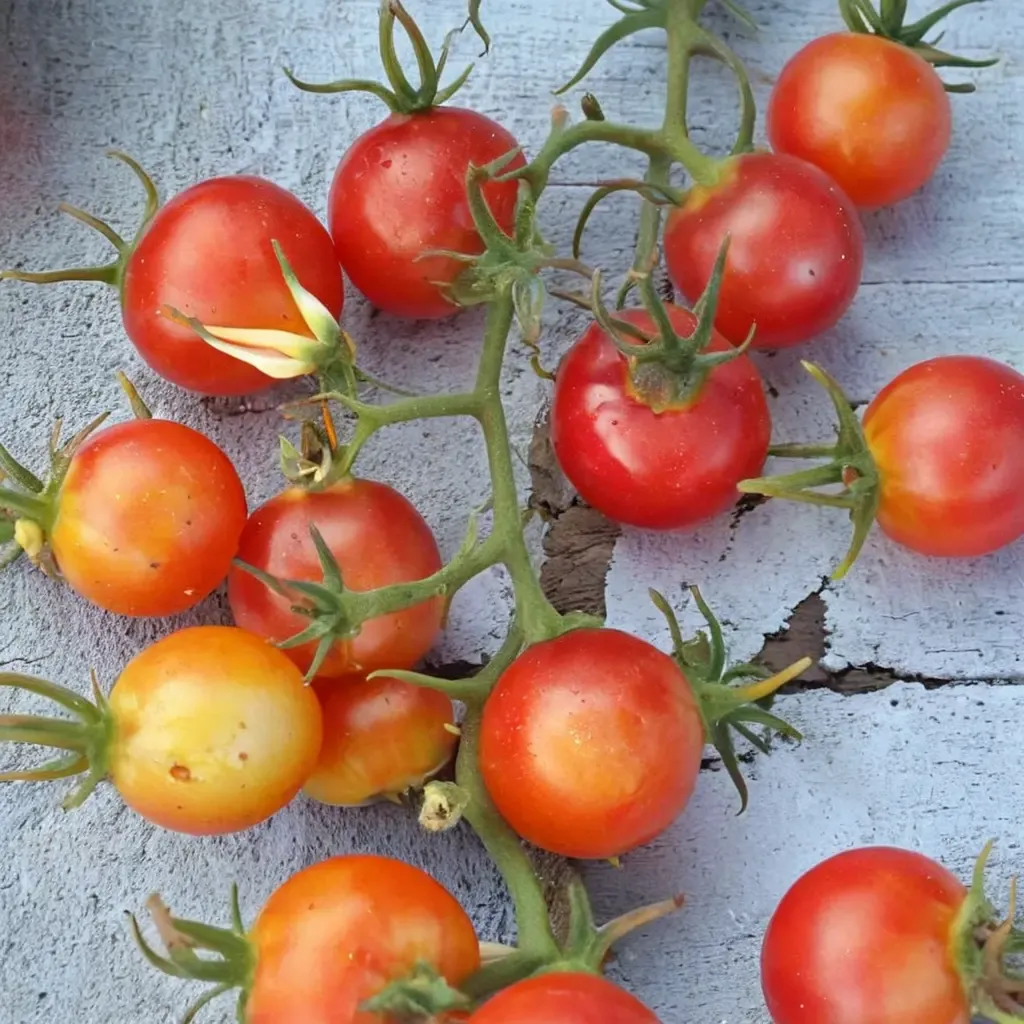
Napa Rose Tomato
Solanum lycopersicum 'Napa Rose'
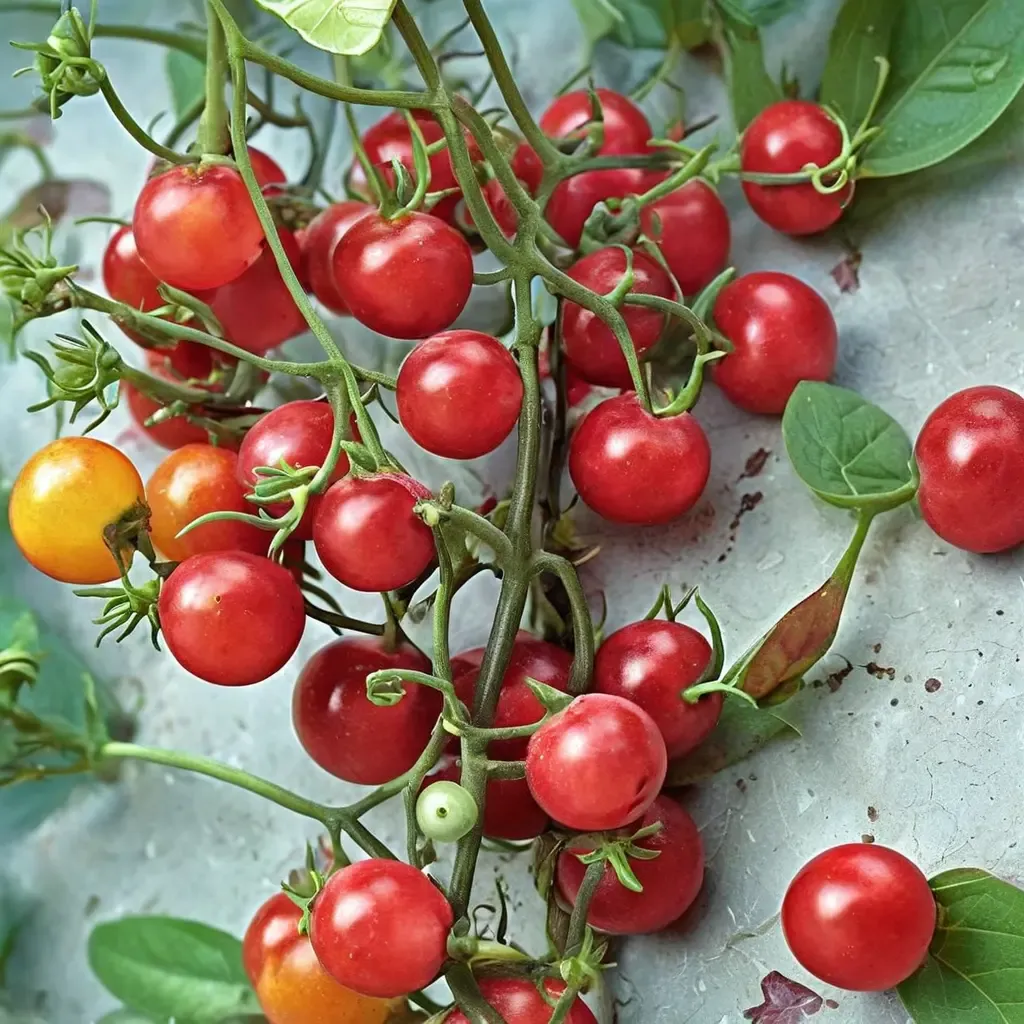
Red Currant Tomato
Solanum lycopersicum 'Red Currant'
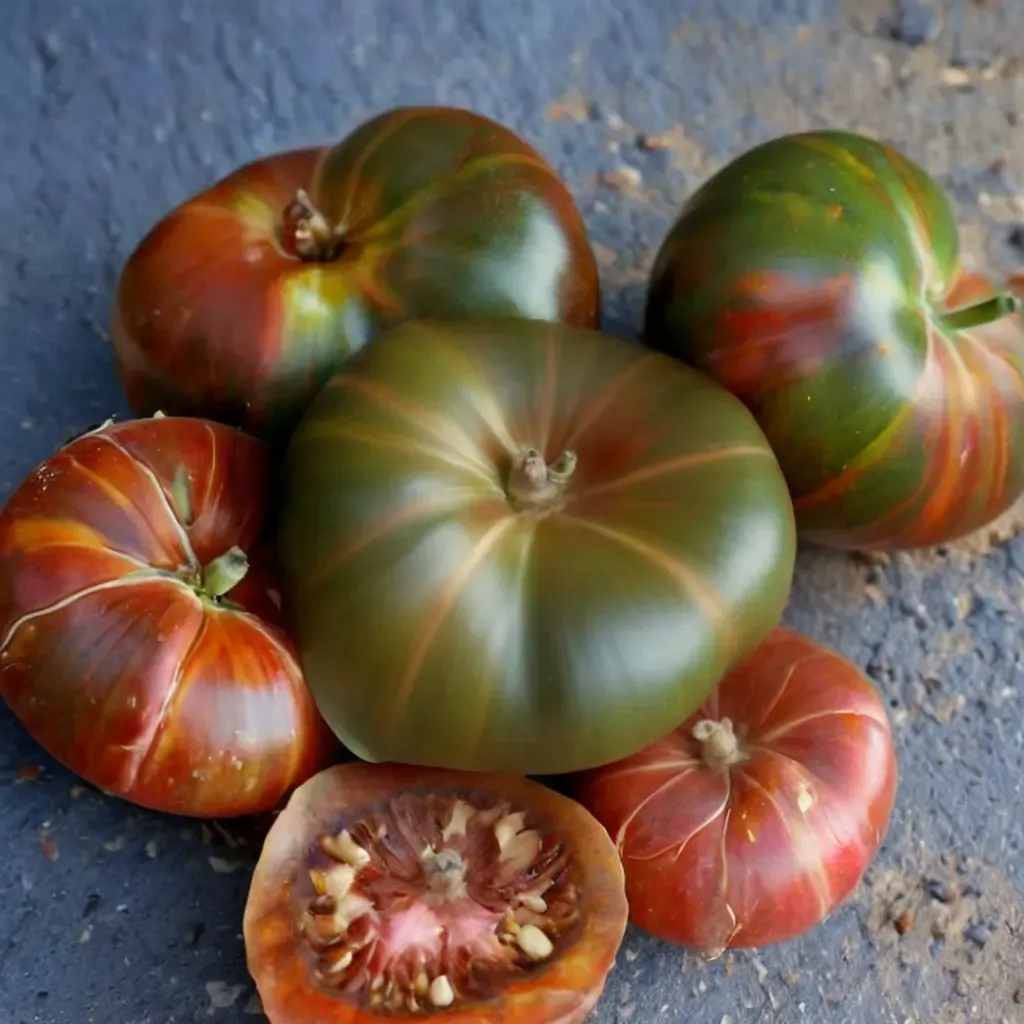
Black and Brown Boar Tomato
Solanum lycopersicum 'Black and Brown Boar'
Keep exploring
Explore the genus
Hardy in your zone?
Grow Kangaroo Apple with confidence
See it in a design of your actual yard, get zone-matched care reminders, and track it season by season in your garden journal.