The Story
Plant Bio
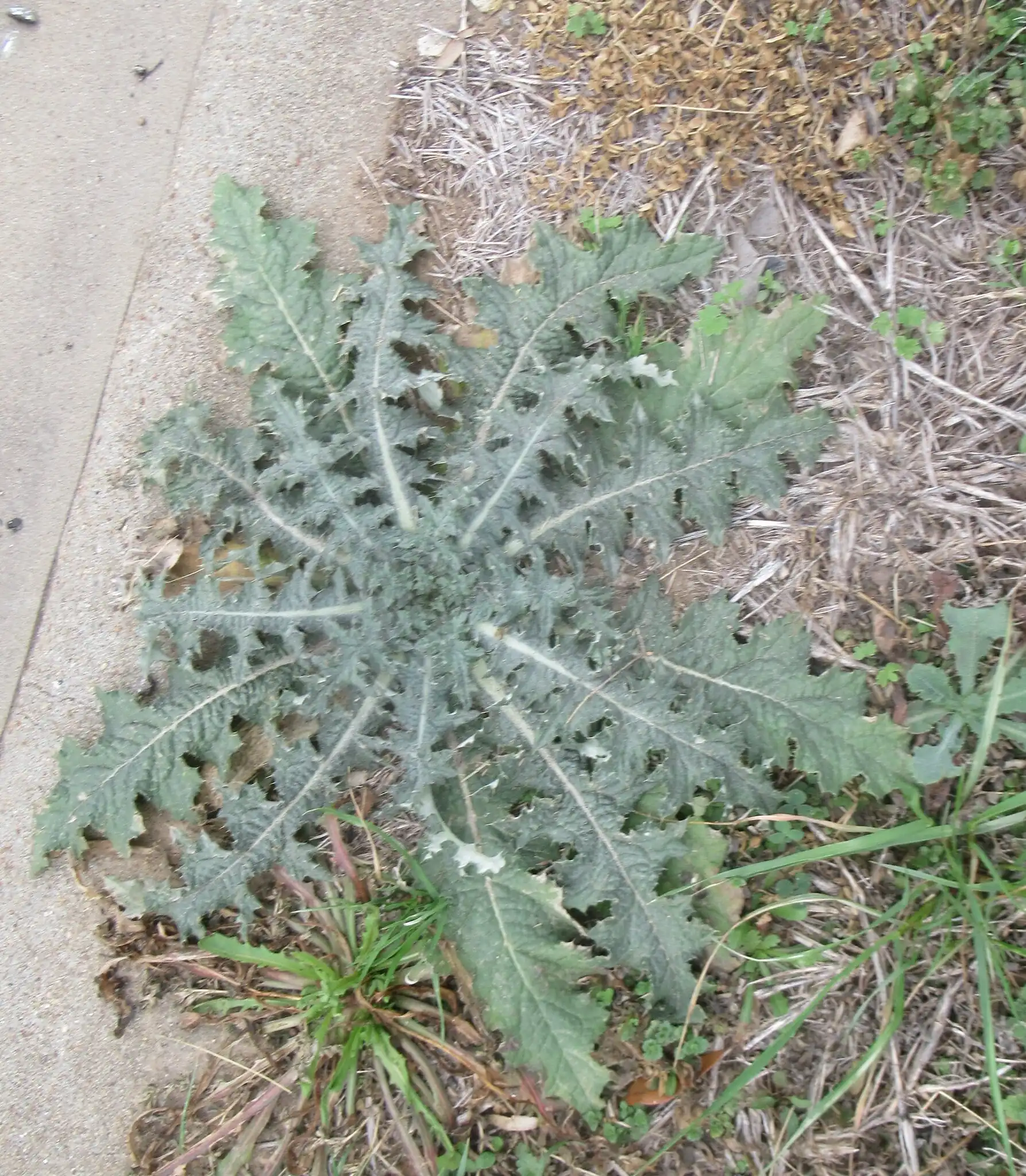
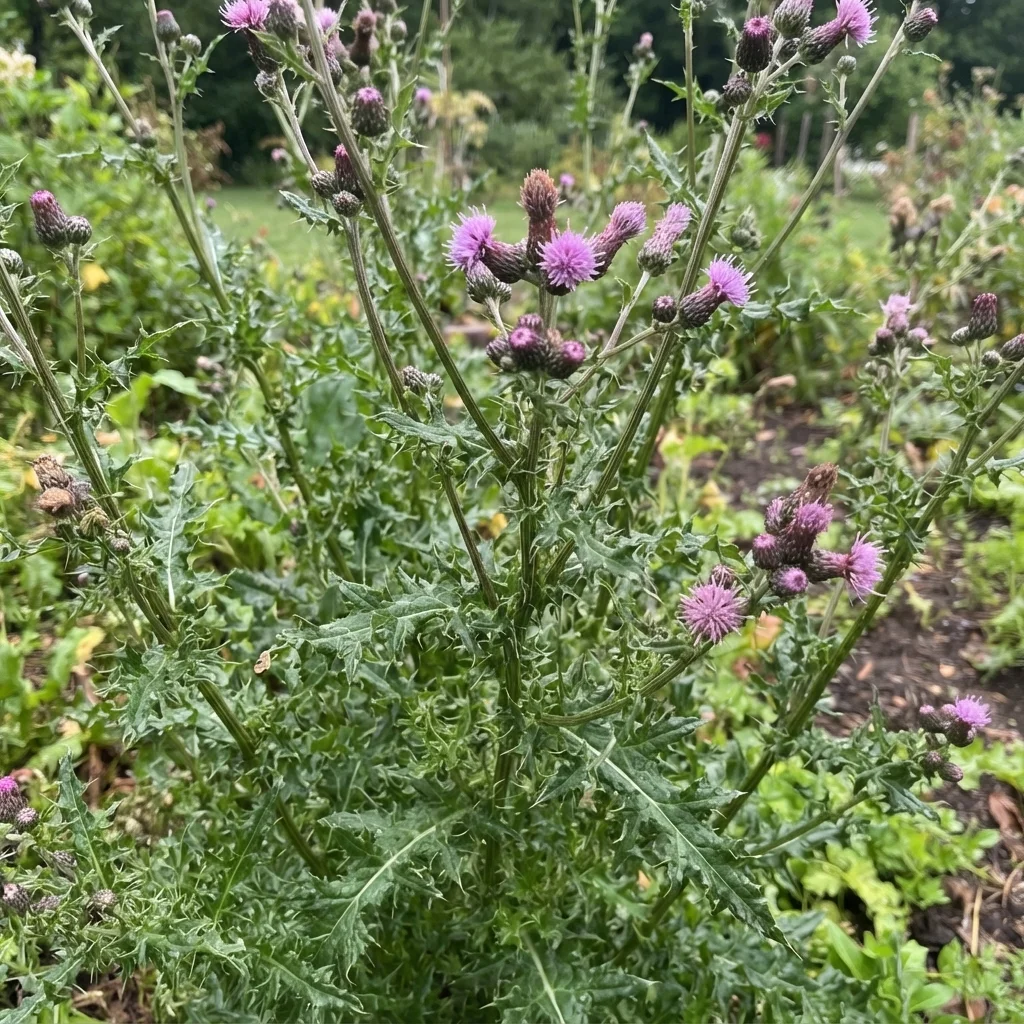
Cirsium texanum is a biennial or short-lived perennial wildflower native to the south-central United States and northern Mexico, forming a flat basal rosette in its first year before sending up a tall, sparingly branched flowering stem in its second. The lobed foliage is armed with small, sharp spines along the margins and features distinctive white, woolly-textured undersides.
This species is distinguished by its solitary, lavender to deep rose-purple flower heads that lack ray florets and are held by bracts with a sticky, dark ridge down their centers. It serves as an essential larval host for the painted lady butterfly and a critical nectar source for native bees, butterflies, and hummingbirds.
Uses & Benefits:
Essentials
At a Glance
Plant Type
Perennial
Height
48"
Width
24"
Light
Full Sun
Zones
6, 7, 8, 9
Water
Low
Humidity
Moderate
Lifespan
Biennial
Native To
North America
Toxicity
Non-toxic
Bloom period
Spring – Summer
In flower about 6 months of the year
Planting
How to Grow
- Select a site in full sun with exceptionally well-drained sand, loam, clay, or rocky caliche soil.
- Sow fresh seed directly into the soil in fall or early spring, pressing lightly into the surface as they require light to germinate.
- Water sparingly during the first season to establish the basal rosette, avoiding any waterlogged conditions that trigger root rot.
- Allow the flowering stem to rise and bloom in the second year, leaving the seed heads intact if goldfinches and self-seeding are desired.
Pro Tip
Identify this beneficial native by checking the flower bracts for sticky, glutinous central ridges, distinguishing it from aggressive, non-native thistles that lack this feature.
Keep It Thriving
Care Guide
Do
- Wear thick leather gloves when handling the plant to avoid mechanical irritation from the marginal spines.
- Ensure sharp soil drainage to prevent sudden collapse from root rot.
- Allow the plant to complete its biennial life cycle and self-seed naturally to maintain a permanent colony.
Don't
- Do not apply supplemental fertilizers, as excess nutrients weaken the structural integrity of the tall flowering stems.
- Do not plant in low-lying areas or heavy, poorly drained soils where water accumulates.
- Do not shear the basal rosettes during their first year of growth.
Seasonal Care Calendar
| Task | Jan | Feb | Mar | Apr | May | Jun | Jul | Aug | Sep | Oct | Nov | Dec |
|---|---|---|---|---|---|---|---|---|---|---|---|---|
| Deadhead | ||||||||||||
| Pest Check | ||||||||||||
| Plant | ||||||||||||
| Spring Cleanup |
Watch Out For
Pests & Diseases
Common Pests
Common Diseases
In the Garden
Landscape Uses & Companions
Landscape Uses
Multiply
Propagation Methods
Good to Know
Common Questions
Texas Thistle questions
What zones can Texas Thistle grow in?
Texas Thistle is hardy in USDA Zones 6–9. Inside that range it survives winter in the ground; outside it, grow it as an annual or a container plant you protect.
When does Texas Thistle bloom?
Texas Thistle typically blooms in spring through summer. Exact timing shifts a week or two with your zone — Sow's bloom calendar maps it to your garden.
Does Texas Thistle need full sun?
Texas Thistle does best in full sun (6+ hours).
Is Texas Thistle drought tolerant?
Yes — once established (usually after the first full season), Texas Thistle handles dry spells with minimal watering. Water deeply its first year to build the root system that makes that possible.
More Cirsium to compare
Keep exploring
Explore the genus
Hardy in your zone?
Grow Texas Thistle with confidence
See it in a design of your actual yard, get zone-matched care reminders, and track it season by season in your garden journal.