1 named cultivar
The Story
Plant Bio
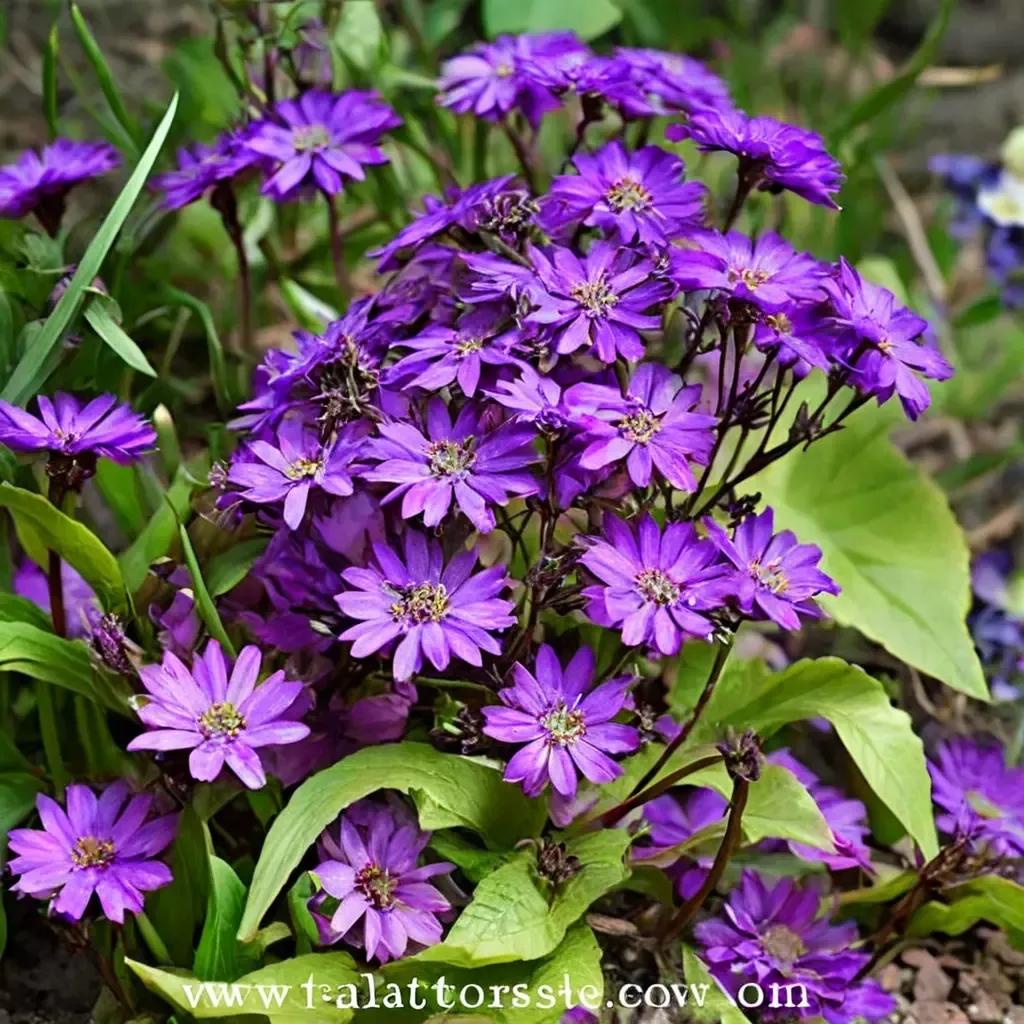
Senecio stellata, the florist's cineraria, is a soft mounding plant from the Canary Islands, a foot to eighteen inches high and as much across. Broad lance-shaped leaves, rough to the touch and toothed at the edges, sit below dense heads of daisy flowers in blue, violet, magenta or white, most with a contrasting dark eye.
It flowers in winter and early spring, which is when almost nothing else does, and it does that in shade rather than sun. Modern taxonomy places it as Pericallis x hybrida, so it appears under both names in the trade. Outside zones 9-11 it is grown as a seasonal pot plant and discarded, not overwintered.
Uses & Benefits:
Essentials
At a Glance
Plant Type
Perennial
Height
12"
Width
18"
Light
Full Sun, Partial Sun
Zones
9, 10
Water
Medium
Humidity
Average to high
Lifespan
Annual or short-lived perennial
Native To
Canary Islands
Toxicity
No significant toxicity reported
Planting
How to Grow
- Grow in partial shade, out of direct midday sun.
- Use a rich, free-draining compost high in organic matter.
- Keep the compost evenly moist, never sodden.
- Hold it cool, around 50-60F, to extend flowering.
- Feed fortnightly with a balanced liquid feed in growth.
- Deadhead spent heads to keep the display going.
Pro Tip
Keep it cool and shaded; warmth is what ends the display early, not lack of feed or water.
Keep It Thriving
Care Guide
Do
- Grow it cool and out of direct sun ☁️
- Water evenly before the compost dries 💧
- Deadhead faded flower heads ✂️
- Use it for winter colour under glass or indoors 💜
Don't
- Stand it in a hot sunny window ❌
- Let it sit in a saucer of water ❌
- Expect it to survive frost outdoors ❌
Seasonal Care Calendar
| Task | Jan | Feb | Mar | Apr | May | Jun | Jul | Aug | Sep | Oct | Nov | Dec |
|---|---|---|---|---|---|---|---|---|---|---|---|---|
| Enjoy | ||||||||||||
| Sow |
Watch Out For
Pests & Diseases
Common Pests
Common Diseases
In the Garden
Landscape Uses & Companions
Landscape Uses
Multiply
Propagation Methods
Good to Know
Common Questions
Florist's Cineraria questions
What zones can Florist's Cineraria grow in?
Florist's Cineraria is hardy in USDA Zones 9–10. Inside that range it survives winter in the ground; outside it, grow it as an annual or a container plant you protect.
Is Florist's Cineraria deer resistant?
Yes — Florist's Cineraria is rated deer-resistant. Deer typically pass it over, though extreme hunger can override any plant's defenses.
When does Florist's Cineraria bloom?
Florist's Cineraria typically blooms in winter to spring through late summer. Exact timing shifts a week or two with your zone — Sow's bloom calendar maps it to your garden.
Does Florist's Cineraria need full sun?
Florist's Cineraria does best in full sun to part shade. In hot climates, afternoon shade keeps blooms fresher longer.
Is Florist's Cineraria drought tolerant?
Yes — once established (usually after the first full season), Florist's Cineraria handles dry spells with minimal watering. Water deeply its first year to build the root system that makes that possible.
More Pericallis to compare
Keep exploring
Explore the genus
Hardy in your zone?
Grow Florist's Cineraria with confidence
See it in a design of your actual yard, get zone-matched care reminders, and track it season by season in your garden journal.