Also known as Cineraria · 6 saves
Pericallis
Pericallis, the genus most gardeners know as cineraria. We track 3 varieties; the ones most used by real gardeners.
The 3 most-saved Pericallis varieties
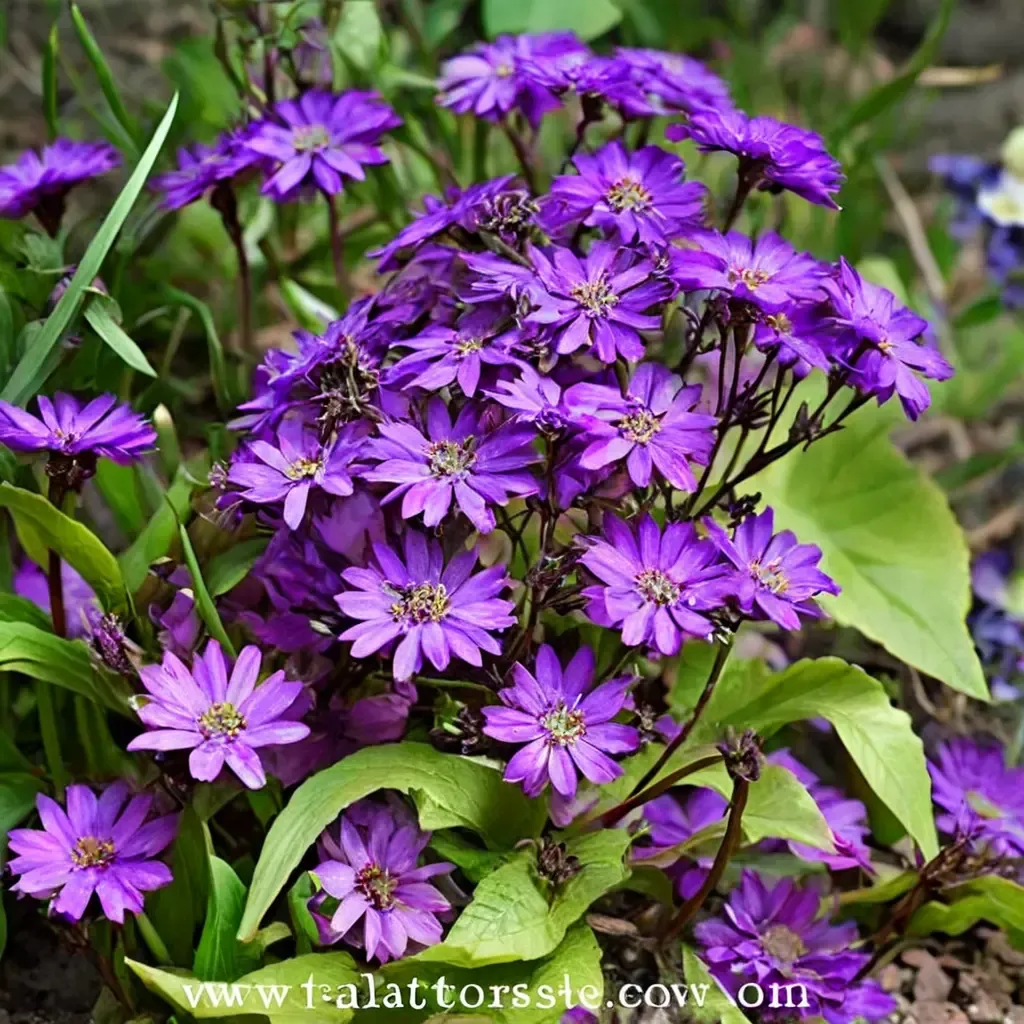
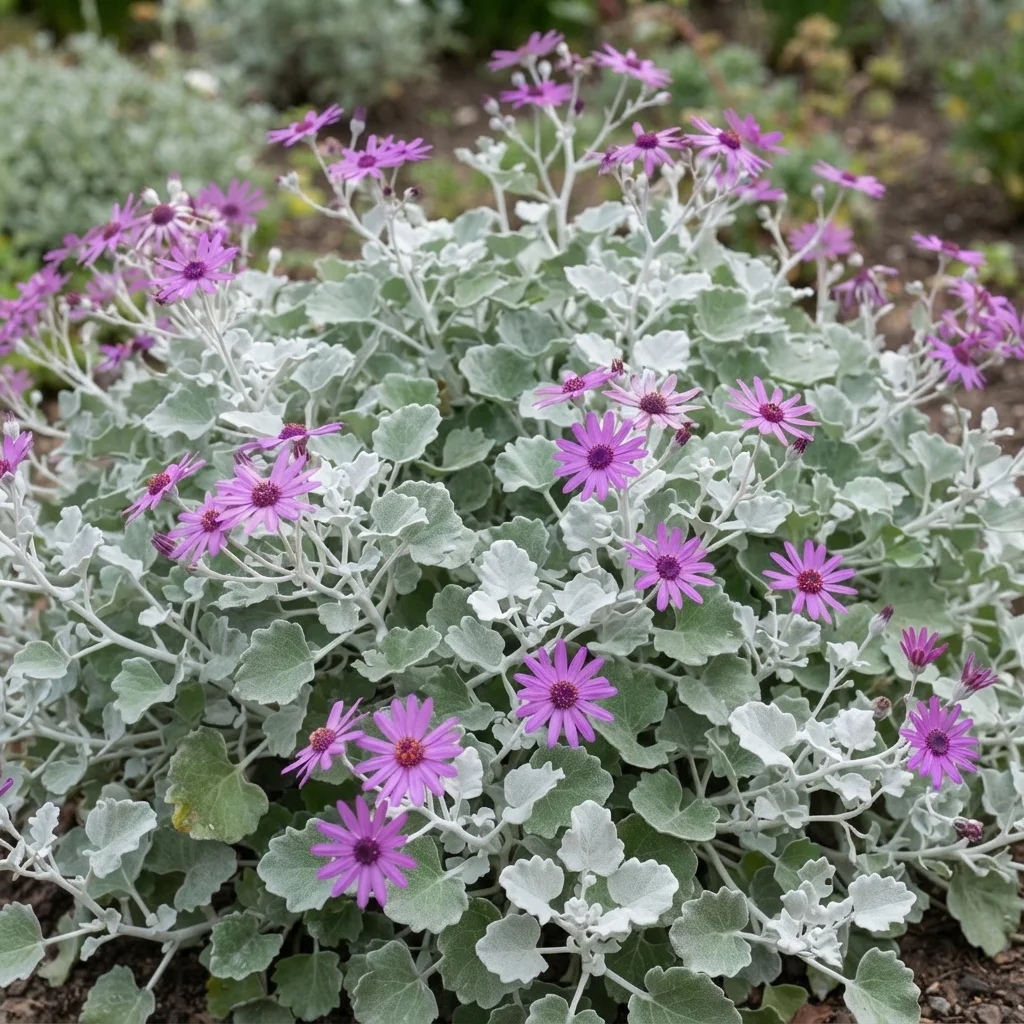

2 species of Pericallis
Each one is a parent of the varieties above.
Track your Pericallis in Sow
Save the Pericallis you grow and get care reminders timed to your zone.
How to grow Pericallis
Whats common across all Pericallis varieties in our catalog — drawn from the care records of the 3 most-grown of them.
The Pericallis year
- FertilizeApril and May67% of varieties
Apply a balanced liquid fertilizer sparingly as active spring growth begins.
- Check for PestsMay and June67% of varieties
Check the woolly foliage for aphids, spider mites, and whiteflies as temperatures warm.
- Winter PrepNovember67% of varieties
Move container plants indoors or to a sheltered, frost-free area before freezing temperatures arrive.


Do
- Grow it cool and out of direct sun ☁️
- Water evenly before the compost dries 💧
- Deadhead faded flower heads ✂️
- Use it for winter colour under glass or indoors 💜
- Provide excellent soil drainage to prevent fungal root rot.
Avoid
- Stand it in a hot sunny window ❌
- Let it sit in a saucer of water ❌
- Expect it to survive frost outdoors ❌
- Do not overwater or allow the roots to sit in stagnant moisture.
What goes wrong with Pericallis
| Problem | What you'll see | What to do |
|---|---|---|
| Aphids | Clustered insects on flower stems and shoot tips, with sticky residue | Rinse off with water or use insecticidal soap while numbers are low |
| Leaf miner | Pale winding tunnels inside the leaves | Pick off and destroy affected leaves as they appear |
| Spider mites | Fine webbing on leaf undersides accompanied by yellow stippling on the foliage. | Increase local humidity and apply horticultural oil or insecticidal soap. |
| Whiteflies | Tiny white insects flutter from the undersides of leaves when disturbed, draining plant sap. | Use yellow sticky traps and apply insecticidal soap directly to the leaf undersides. |
| Powdery mildew | White dusty patches on leaves in still, crowded conditions | Improve air movement and space plants further apart |
| Root rot | Stems turn mushy at the base and foliage wilts despite wet soil, caused by fungal pathogens. | Plant in highly porous, gritty soil and reduce watering frequency immediately. |
| Botrytis Blight (Gray Mold) | Brown spots and fuzzy gray mold on petals and leaves, especially in poor air circulation. | Improve plant spacing, remove infected debris immediately, and apply appropriate fungicides if necessary. |
Making more Pericallis
Seed
- Sow in late summer on the surface of moist compost.
- Germinate at around 65F in light, then grow on cool.
- Pot on twice and expect flowers the following winter.
Stem cuttings
- Take a 3- to 4-inch semi-ripe cutting from a healthy, non-flowering shoot in late summer.
- Remove the lower leaves, leaving only the top two or three pairs.
- Insert the base into a moist, gritty propagation mix of perlite and peat.
- Keep in a warm, bright spot out of direct sun, maintaining moderate humidity until roots establish.
Pericallis questions
How many types of Pericallis are there?
The Sow catalog tracks 3 distinct Pericallis varieties. The most popular — ranked by 6 real gardeners — are shown first above.
What zones does Pericallis grow in?
Across its varieties, Pericallis covers USDA Zones 9–10. Individual varieties differ — each plant page lists its exact range, and Sow filters the catalog to your zone automatically.
When does Pericallis bloom?
Most Pericallis varieties bloom in spring, winter to spring. Staggering early, mid, and late varieties extends the genus's season in one bed.
Which Pericallis should I choose?
Start from the most-saved varieties above — popularity across thousands of gardens is a strong signal of reliability — then filter by your zone and sun. In the Sow app you can preview any of them in a photo of your actual yard before you buy.