The Story
Plant Bio
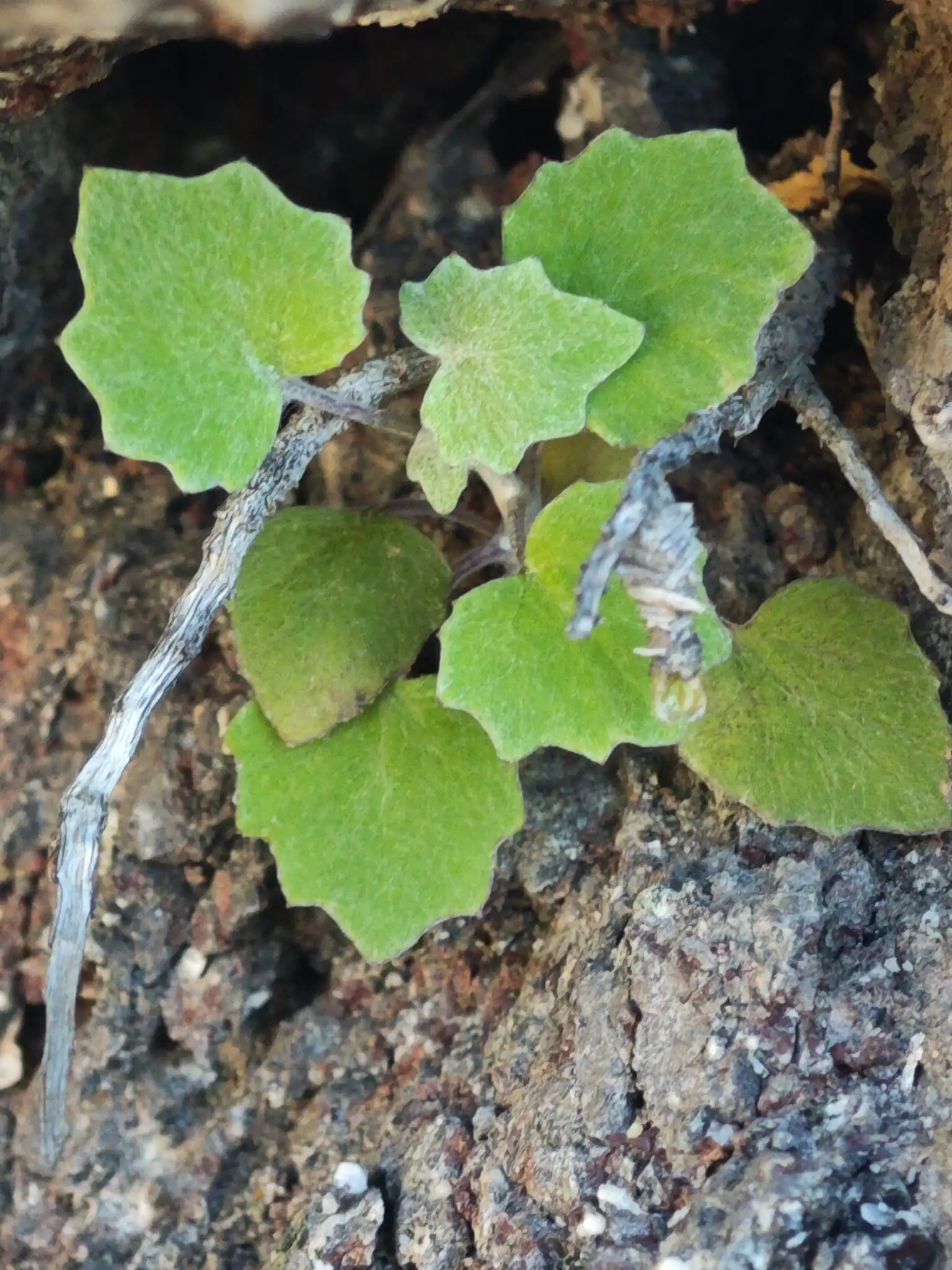
Pericallis lanata, native to the Canary Islands, is a mounding evergreen subshrub valued for its striking contrast of silver-white foliage and daisy-like flowers. The entire plant is covered in a dense layer of downy, woolly hairs that protect the tissues from intense sun and reduce moisture loss.
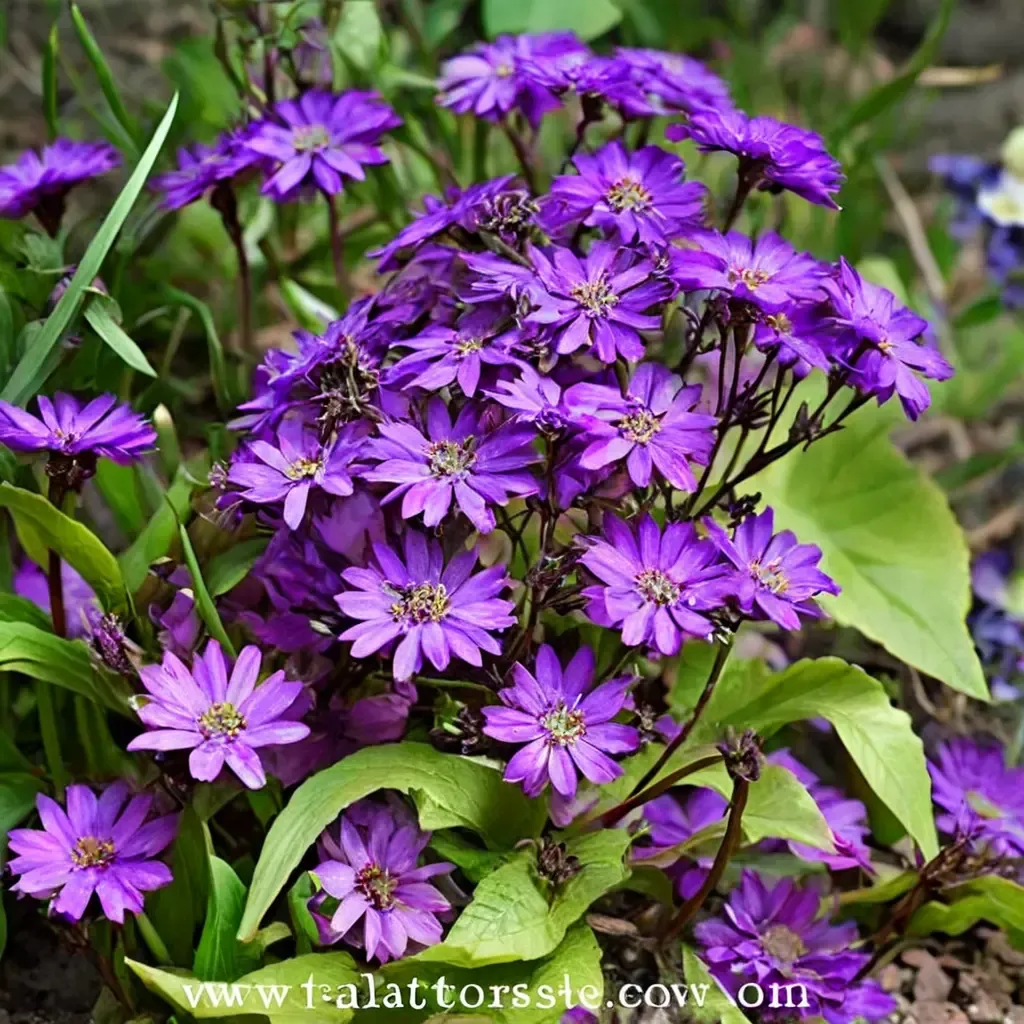
This species is distinguished by its intensely felted, gray-green to silver leaves with toothed margins. The terminal clusters of lavender to purple daisy-like flowers appear primarily in spring and fall, but can continue year-round in frost-free coastal climates.
Uses & Benefits:
Essentials
At a Glance
Plant Type
Perennial
Height
39"
Width
39"
Light
Full Sun, Partial Sun
Zones
9, 10
Water
Low to moderate
Humidity
Moderate
Lifespan
Perennial
Native To
Canary Islands (Macaronesia)
Toxicity
Toxic to humans, pets, and livestock
Bloom period
Spring – Autumn
In flower about 9 months of the year
Planting
How to Grow
- Select a planting site with gritty, organic-rich soil and excellent drainage in full sun or afternoon shade.
- Dig a hole twice the width of the root ball and set the plant at the same depth as its nursery container.
- Water thoroughly to settle the soil, then allow the top inch of soil to dry out completely before watering again.
- Apply a balanced liquid fertilizer sparingly during the active growing seasons of spring and fall.
Pro Tip
Prune stems lightly after a heavy bloom cycle to maintain a compact shape; cutting back into old, leafless woody wood prevents new buds from breaking and can kill the branch.
Keep It Thriving
Care Guide
Do
- Provide excellent soil drainage to prevent fungal root rot.
- Prune lightly after flowering to encourage fresh, compact growth.
- Protect the plant from hard freezes by moving containers indoors.
Don't
- Do not overwater or allow the roots to sit in stagnant moisture.
- Do not prune hard into old, leafless wood at the base of the plant.
- Do not use overhead watering, which traps moisture in the woolly foliage and invites mildew.
Seasonal Care Calendar
| Task | Jan | Feb | Mar | Apr | May | Jun | Jul | Aug | Sep | Oct | Nov | Dec |
|---|---|---|---|---|---|---|---|---|---|---|---|---|
| Fertilize | ||||||||||||
| Pest Check | ||||||||||||
| Prune | ||||||||||||
| Winter Prep |
Watch Out For
Pests & Diseases
Common Pests
Common Diseases
In the Garden
Landscape Uses & Companions
Landscape Uses
Companion Plants
Multiply
Propagation Methods
Good to Know
Common Questions
Woolly Cineraria questions
What zones can Woolly Cineraria grow in?
Woolly Cineraria is hardy in USDA Zones 9–10. Inside that range it survives winter in the ground; outside it, grow it as an annual or a container plant you protect.
Is Woolly Cineraria deer resistant?
Yes — Woolly Cineraria is rated deer-resistant. Deer typically pass it over, though extreme hunger can override any plant's defenses.
When does Woolly Cineraria bloom?
Woolly Cineraria typically blooms in spring through autumn. Exact timing shifts a week or two with your zone — Sow's bloom calendar maps it to your garden.
Does Woolly Cineraria need full sun?
Woolly Cineraria does best in full sun to part shade. In hot climates, afternoon shade keeps blooms fresher longer.
More Pericallis to compare

Keep exploring
Explore the genus
Hardy in your zone?
Grow Woolly Cineraria with confidence
See it in a design of your actual yard, get zone-matched care reminders, and track it season by season in your garden journal.