The Story
Plant Bio
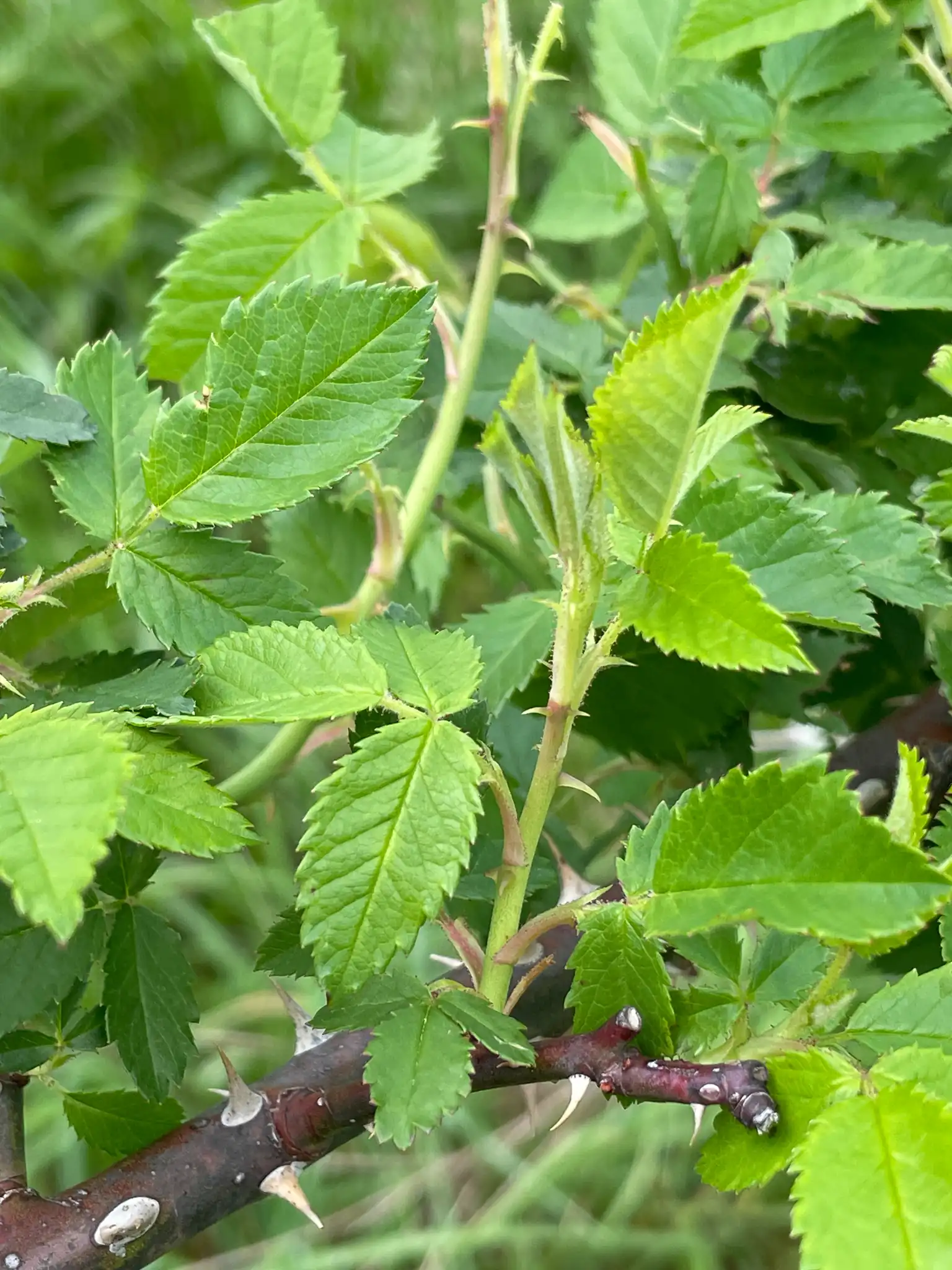
Rosa setigera is a sprawling, multi-stemmed deciduous shrub native to North America that reaches up to fifteen feet in height when given support to climb. In late spring to early summer, it produces flat-topped clusters of single pink flowers with prominent yellow stamens, followed by round red hips in fall.
Unlike most wild roses, this species features predominantly three-leaflet compound foliage and stout, curved prickles that allow it to scramble through surrounding vegetation. It exhibits strong natural resistance to Rose Rosette Disease compared to introduced rose species.
Uses & Benefits:
Essentials
At a Glance
Plant Type
Shrub
Height
180"
Width
120"
Light
Full Sun, Partial Sun
Zones
4, 5, 6, 7, 8
Water
Medium to wet
Humidity
Tolerates high humidity
Lifespan
Perennial
Native To
North America
Toxicity
Non-toxic (has sharp prickles)
Bloom period
Late spring – Early summer
In flower about 2 months of the year
Planting
How to Grow
- Select a planting site in full sun with well-drained soil for maximum flower output and foliage health.
- Dig a hole twice as wide as the root ball and set the crown level with the surrounding soil surface.
- Water deeply at planting time and maintain consistent soil moisture during the first established season.
- Install a trellis, fence, or arbor early if training the long arching stems as a climber.
- Apply a light layer of organic mulch around the base to retain soil moisture and reduce root competition.
Pro Tip
Prune strictly after summer flowering ends, as blooms set on old wood that will be destroyed by late-winter hedging.
Keep It Thriving
Care Guide
Do
- Water ground level to keep foliage dry and minimize fungal leaf spots.
- Provide sturdy support if growing as a vertical climber.
- Clean up fallen leaf debris in fall to reduce disease carryover.
Don't
- Do not hard-prune in late winter or early spring, as this removes the flowering wood.
- Do not plant in soggy, non-draining low spots that trigger root rot.
- Do not over-fertilize with high-nitrogen synthetic fertilizers, which encourages weak foliage at the expense of blooms.
Seasonal Care Calendar
| Task | Jan | Feb | Mar | Apr | May | Jun | Jul | Aug | Sep | Oct | Nov | Dec |
|---|---|---|---|---|---|---|---|---|---|---|---|---|
| Fertilize | ||||||||||||
| Pest Check | ||||||||||||
| Prune | ||||||||||||
| Spring Cleanup |
Watch Out For
Pests & Diseases
Common Pests
Common Diseases
In the Garden
Landscape Uses & Companions
Landscape Uses
Multiply
Propagation Methods
Good to Know
Common Questions
Prairie Rose questions
What zones can Prairie Rose grow in?
Prairie Rose is hardy in USDA Zones 4–8. Inside that range it survives winter in the ground; outside it, grow it as an annual or a container plant you protect.
Is Prairie Rose deer resistant?
Not reliably. Deer may browse Prairie Rose, especially tender spring growth — plan on repellents or fencing where pressure is high.
When does Prairie Rose bloom?
Prairie Rose typically blooms in late spring through early summer. Exact timing shifts a week or two with your zone — Sow's bloom calendar maps it to your garden.
Does Prairie Rose need full sun?
Prairie Rose does best in full sun to part shade. In hot climates, afternoon shade keeps blooms fresher longer.
Is Prairie Rose drought tolerant?
Yes — once established (usually after the first full season), Prairie Rose handles dry spells with minimal watering. Water deeply its first year to build the root system that makes that possible.
More Rosa to compare
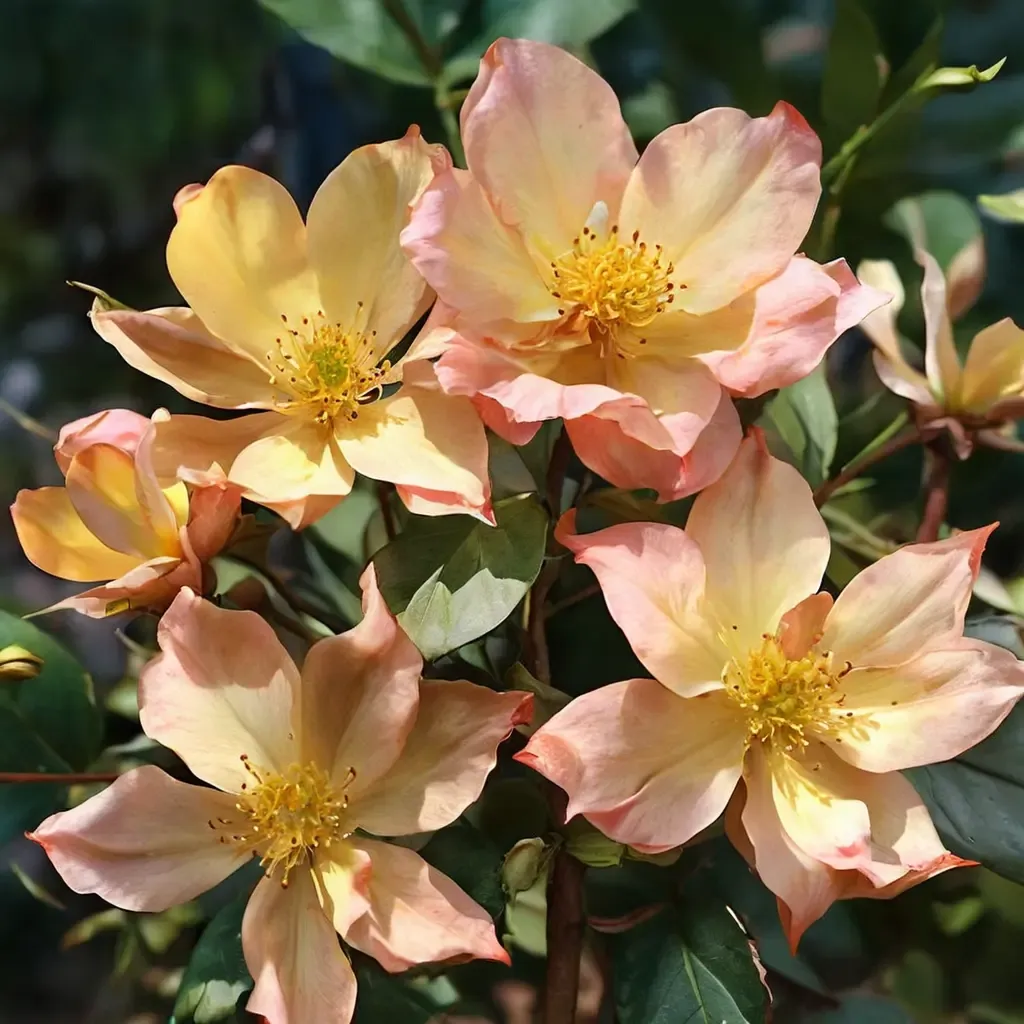
Flutterbye Rose
Rosa x hybrida 'Flutterbye'
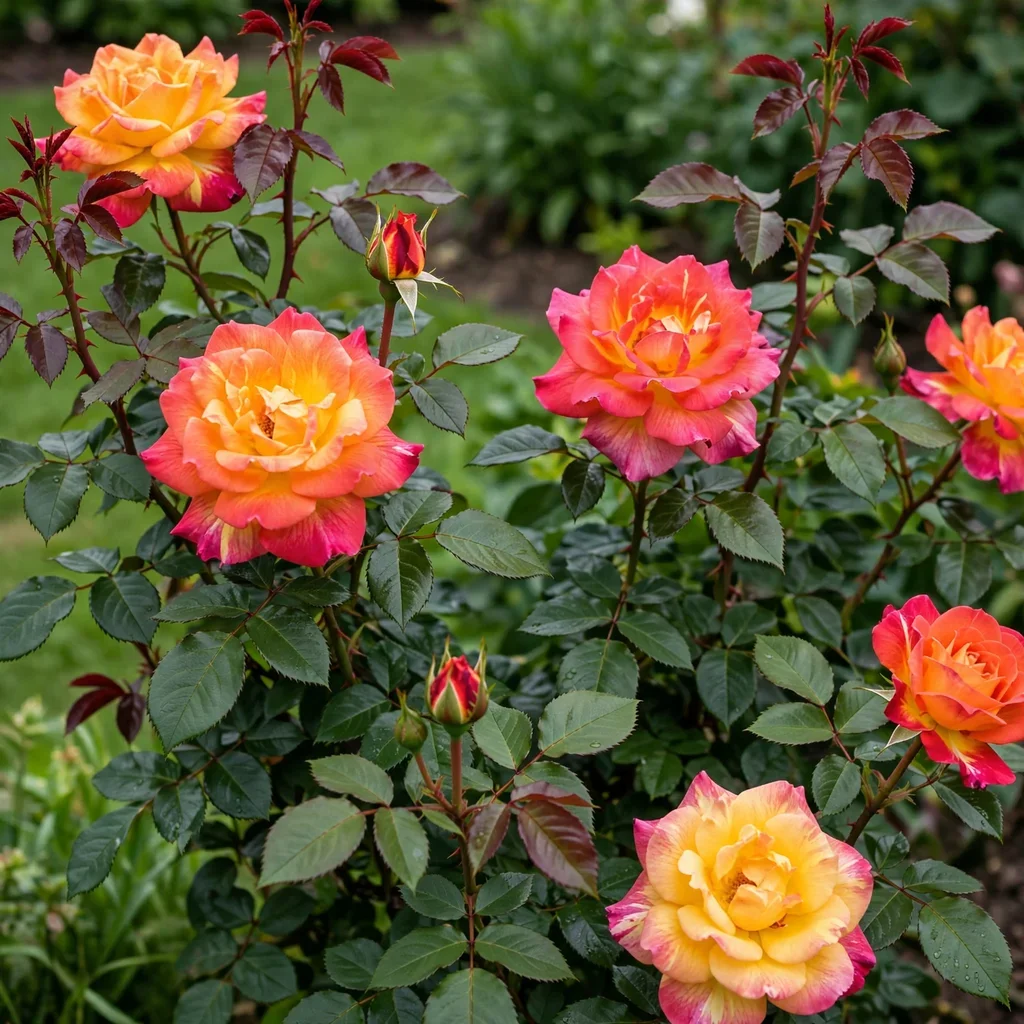
Joseph's Coat Rose
Rosa x hybrida 'Joseph's Coat'
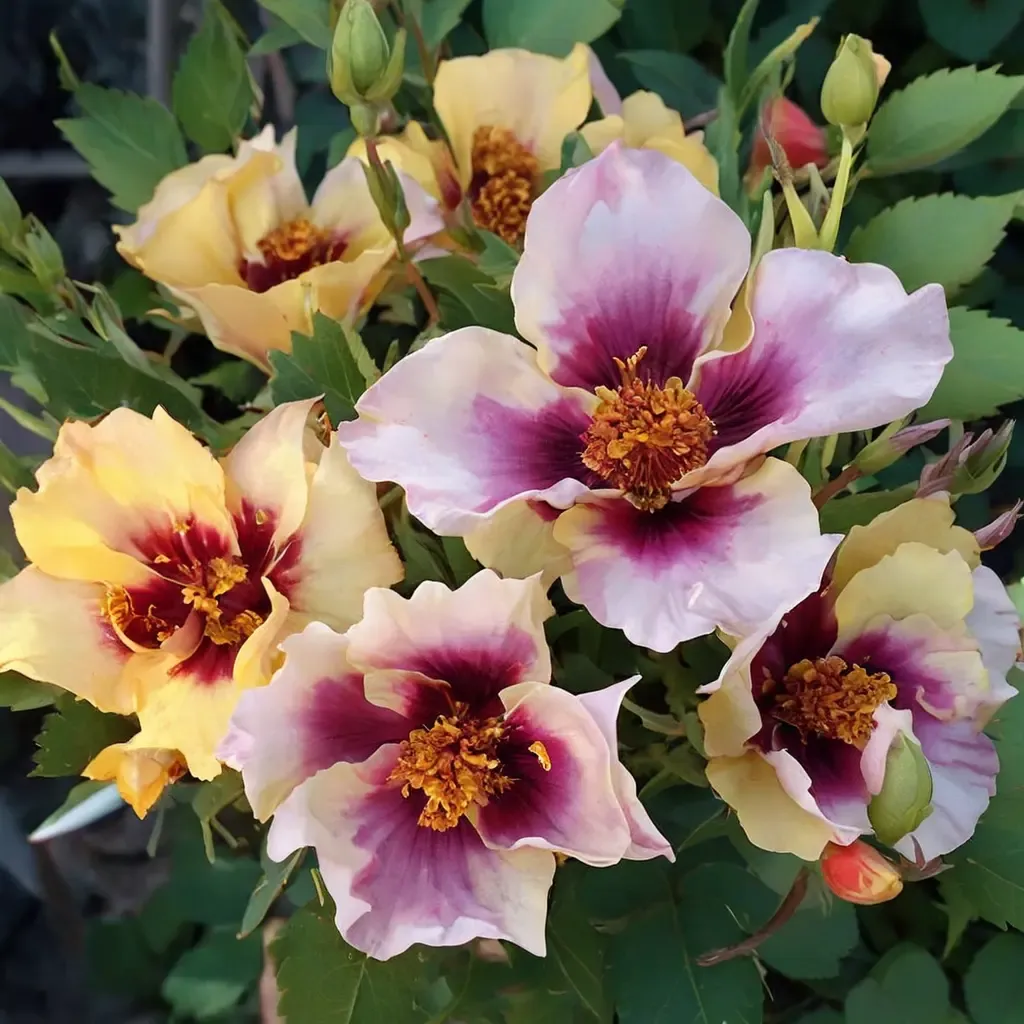
In Your Eyes Rose
Rosa x hybrida 'In Your Eyes'
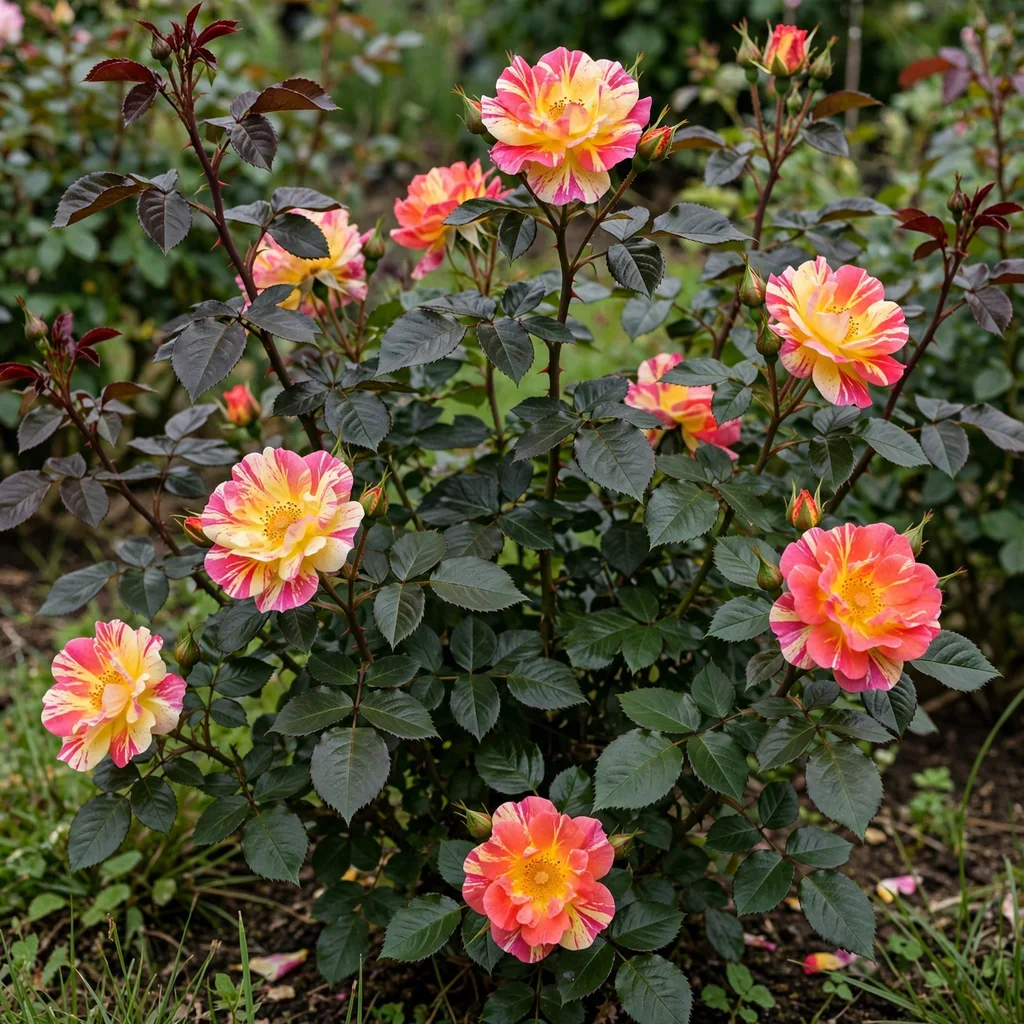
Rainbow Rose
Rosa x hybrida 'Rainbow'
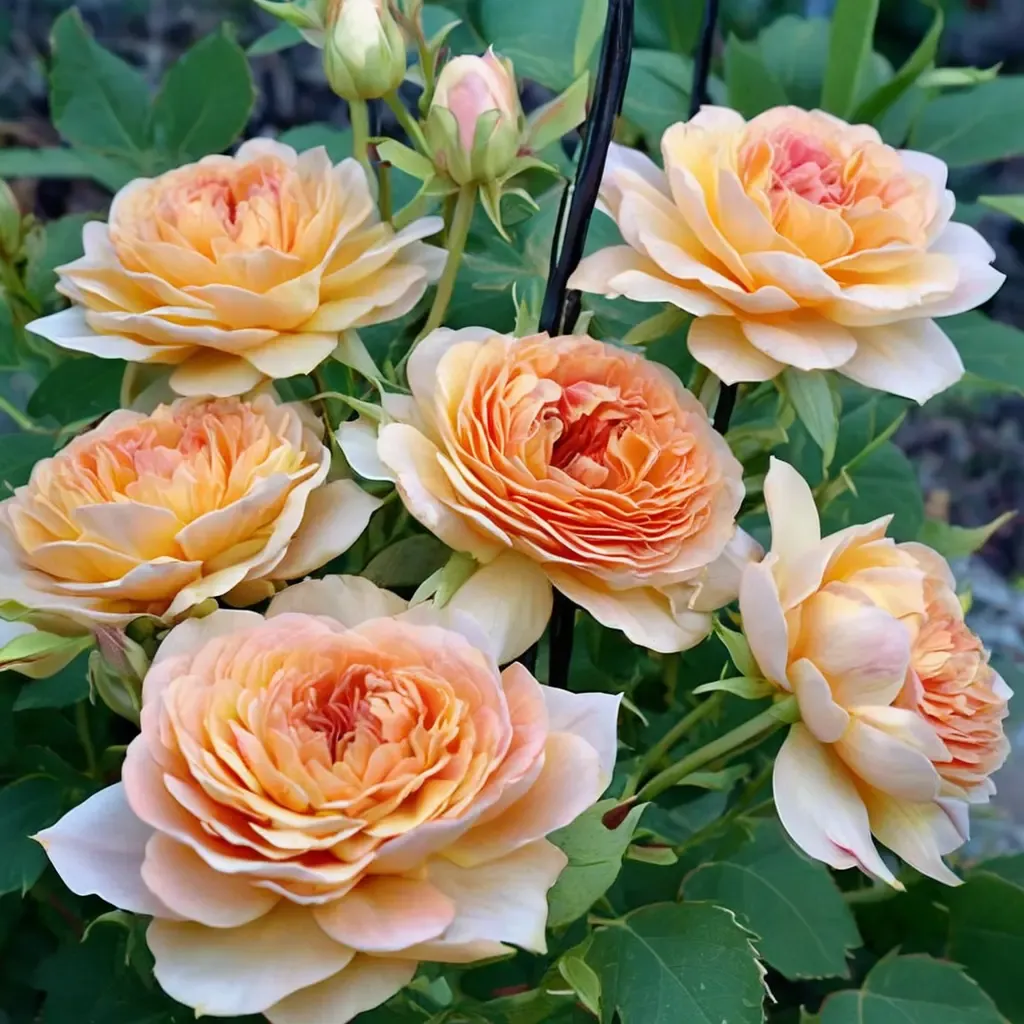
Fun in the Sun Rose
Rosa x hybrida 'Fun in the Sun'
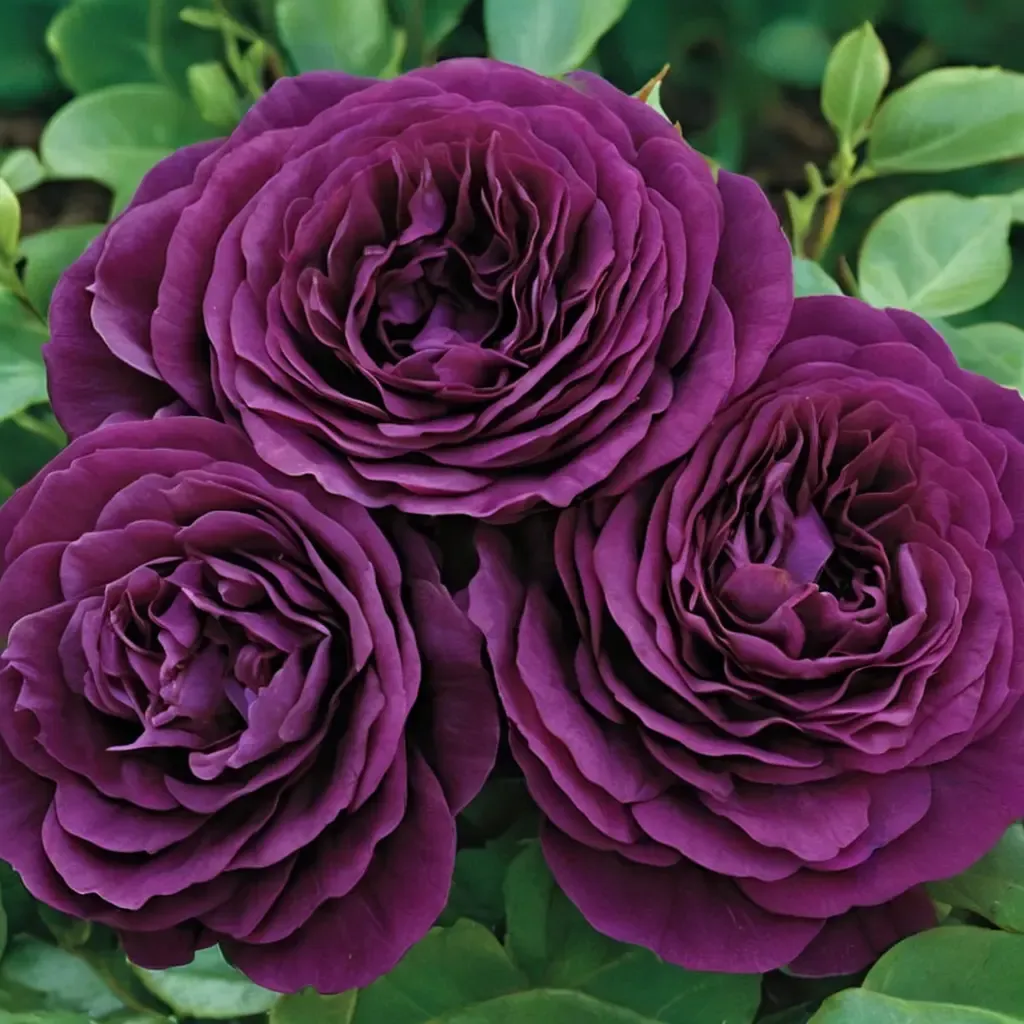
Twilight Zone Rose
Rosa x hybrida 'Twilight Zone'
Keep exploring
Explore the genus
Hardy in your zone?
Grow Prairie Rose with confidence
See it in a design of your actual yard, get zone-matched care reminders, and track it season by season in your garden journal.