1 named cultivar

The Story
Plant Bio
Gomphrena decumbens is a sprawling perennial from Mexico and the southwestern United States, two and a half to three feet high and spreading five feet or more. Wiry pale stems branch widely and carry small magenta-purple clover-like flower heads from summer until frost, held so lightly above the foliage that the effect is more haze than block of colour.
The airy habit is what it is grown for: it weaves between other plants rather than crowding them, and holds its colour through the heat that flattens most summer annuals. In zones 9-11 it is perennial and reaches its full spread; colder than that it dies back and is grown as an annual, or cut to the ground and mulched in zone 8b.
Uses & Benefits:
Essentials
At a Glance
Plant Type
Annual
Height
30"
Width
60"
Light
Full Sun, Partial Sun
Zones
9, 10
Water
Low
Humidity
Low
Lifespan
Perennial in zones 9-11, grown as an annual elsewhere
Native To
Mexico and the southwestern United States
Toxicity
No significant toxicity reported
Planting
How to Grow
- Plant in full sun once frost has passed.
- Give it five feet of room, more in frost-free regions.
- Any lean, well-drained soil will do; it needs no enrichment.
- Water while establishing, then only in extended drought.
- Let it lean into neighbours rather than staking it.
- Cut it to the ground in winter where it is perennial.
Pro Tip
Give it far more room than the pot suggests; a single plant covers five feet and more in a season, and crowding it wastes the habit.
Keep It Thriving
Care Guide
Do
- Plant it in full sun and open ground ☀️
- Allow five feet or more of spread 📐
- Let it thread through neighbouring plants 🌿
- Cut it back hard in winter ✂️
Don't
- Plant it in wet or heavily watered ground ❌
- Feed it; lean soil keeps it flowering ❌
- Crowd it into a narrow border ❌
Seasonal Care Calendar
| Task | Jan | Feb | Mar | Apr | May | Jun | Jul | Aug | Sep | Oct | Nov | Dec |
|---|---|---|---|---|---|---|---|---|---|---|---|---|
| Cut Back | ||||||||||||
| Plant |
Watch Out For
Pests & Diseases
Common Pests
Common Diseases
In the Garden
Landscape Uses & Companions
Landscape Uses
Companion Plants
Multiply
Propagation Methods
Good to Know
Common Questions
Prostrate Globe Amaranth questions
What zones can Prostrate Globe Amaranth grow in?
Prostrate Globe Amaranth is hardy in USDA Zones 9–10. Inside that range it survives winter in the ground; outside it, grow it as an annual or a container plant you protect.
Is Prostrate Globe Amaranth deer resistant?
Yes — Prostrate Globe Amaranth is rated deer-resistant. Deer typically pass it over, though extreme hunger can override any plant's defenses.
When does Prostrate Globe Amaranth bloom?
Prostrate Globe Amaranth typically blooms in summer to frost through late summer. Exact timing shifts a week or two with your zone — Sow's bloom calendar maps it to your garden.
Does Prostrate Globe Amaranth need full sun?
Prostrate Globe Amaranth does best in full sun to part shade. In hot climates, afternoon shade keeps blooms fresher longer.
Is Prostrate Globe Amaranth drought tolerant?
Yes — once established (usually after the first full season), Prostrate Globe Amaranth handles dry spells with minimal watering. Water deeply its first year to build the root system that makes that possible.
More Gomphrena to compare
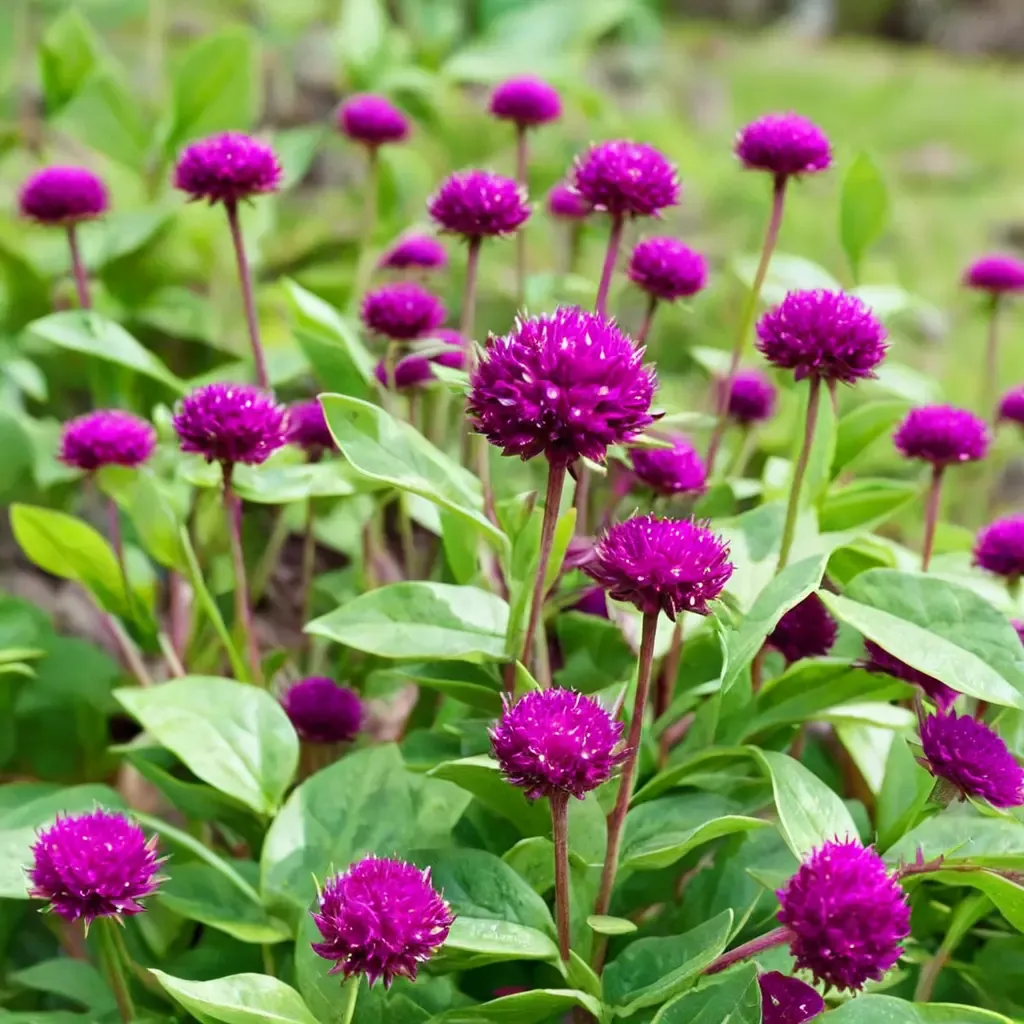
Globe Amaranth
Gomphrena globosa
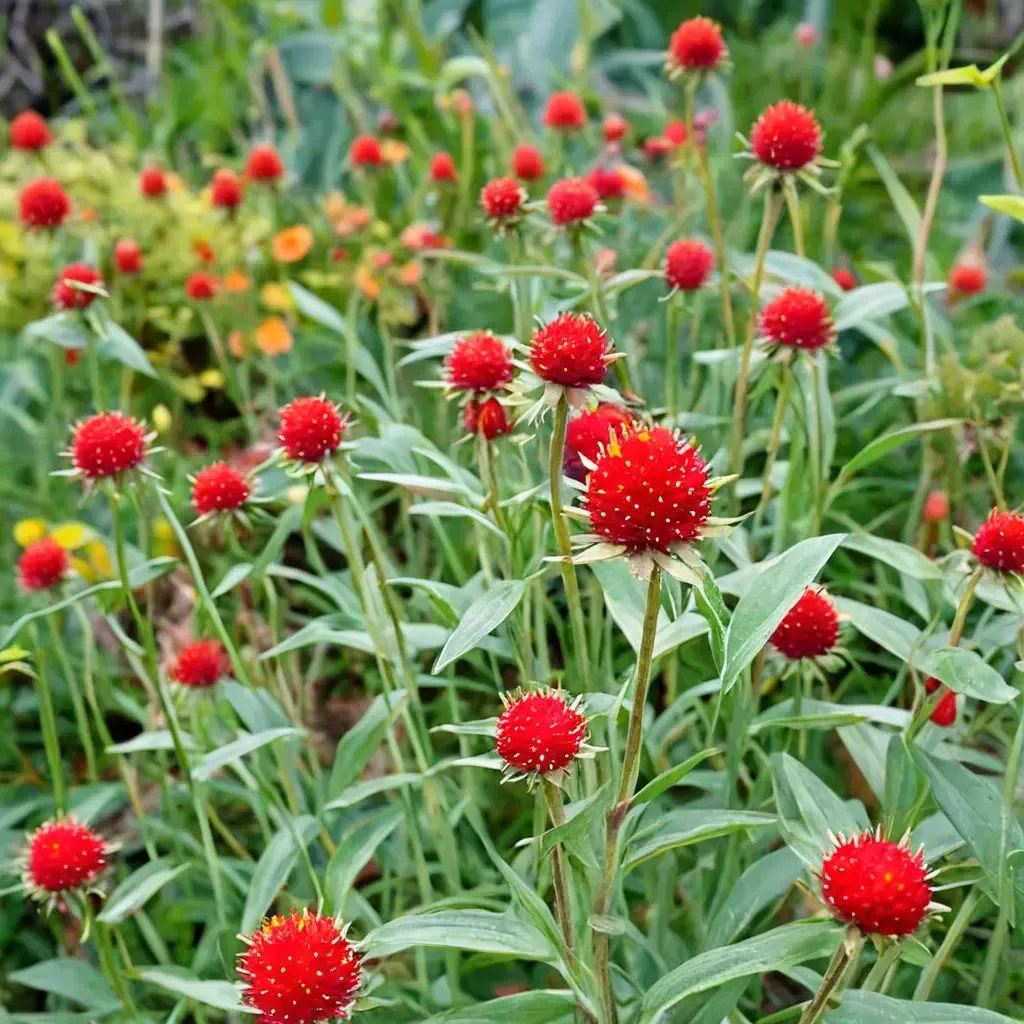
Strawberry Fields Globe Amaranth
Gomphrena haageana 'Strawberry Fields'
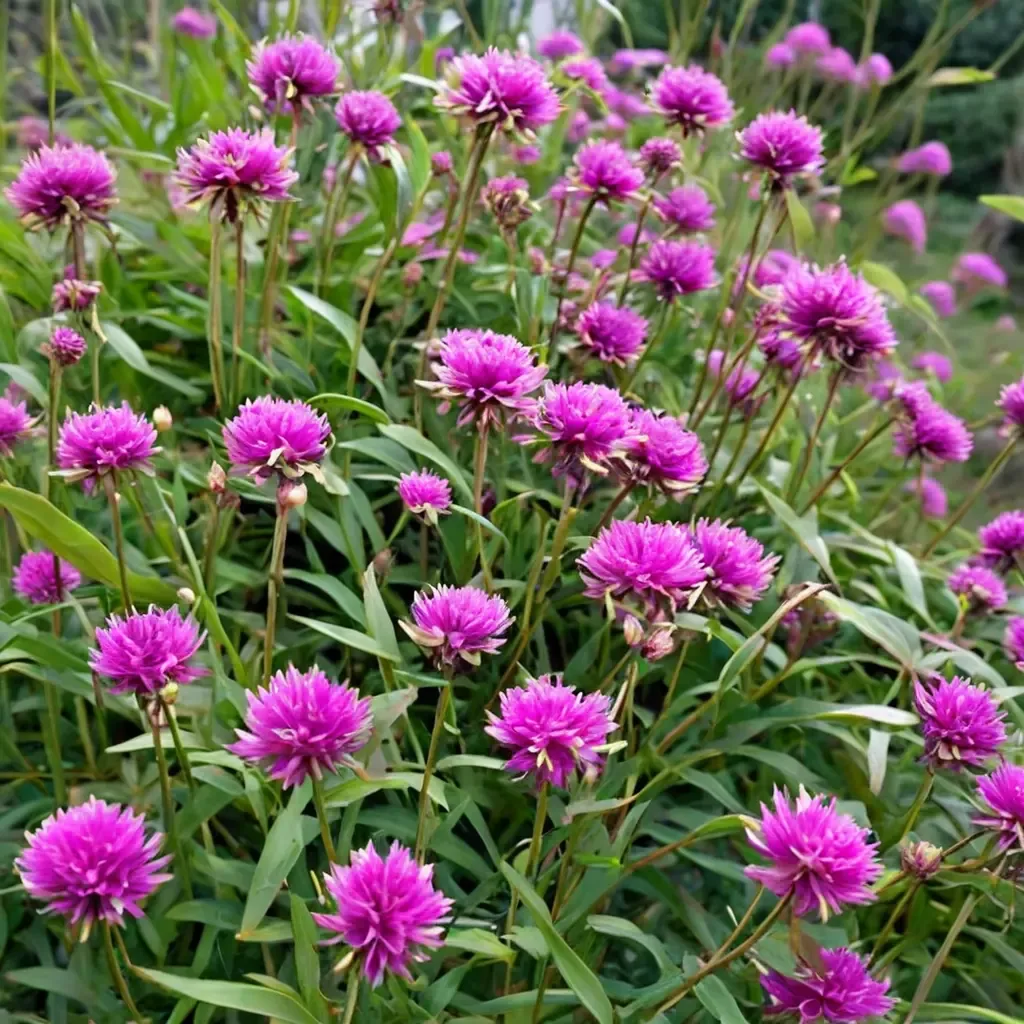
Fireworks Globe Amaranth
Gomphrena globosa 'Fireworks'
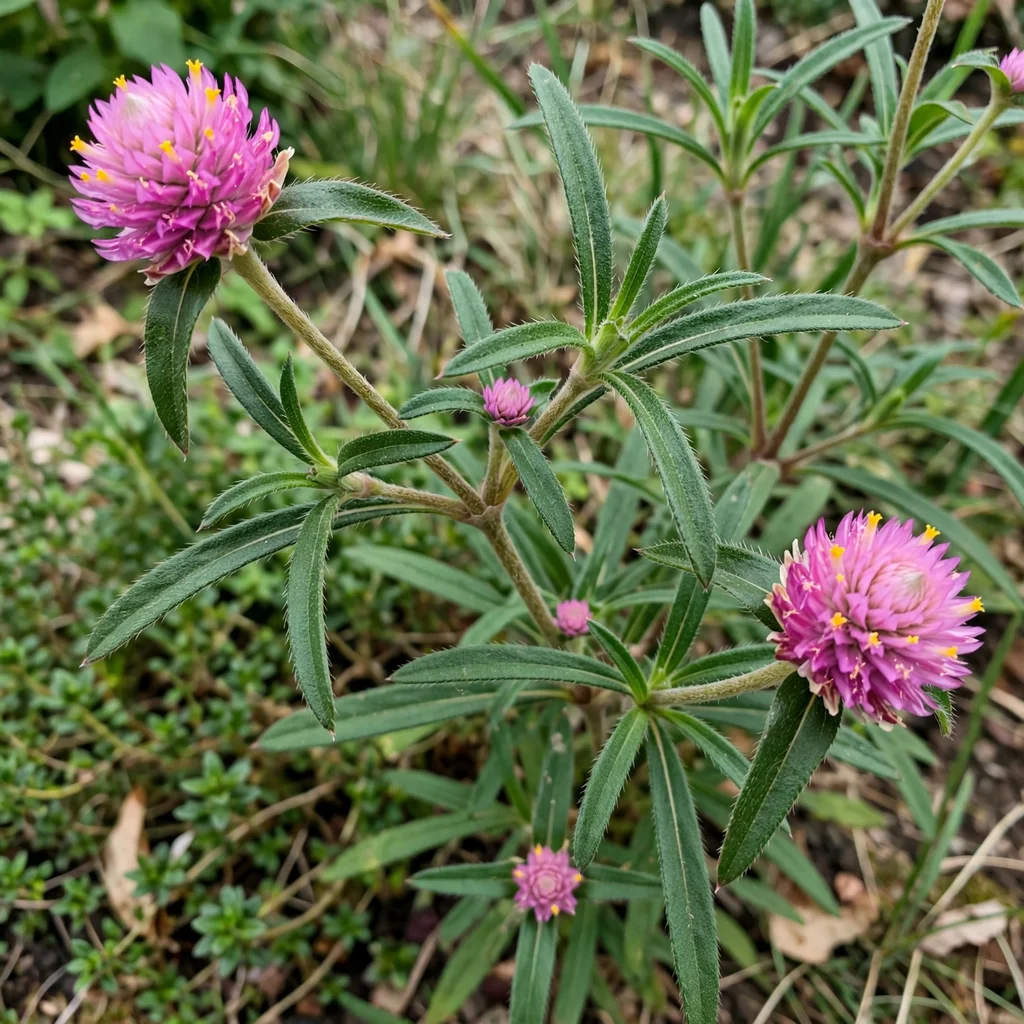
Pink Globe Amaranth
Gomphrena pulchella
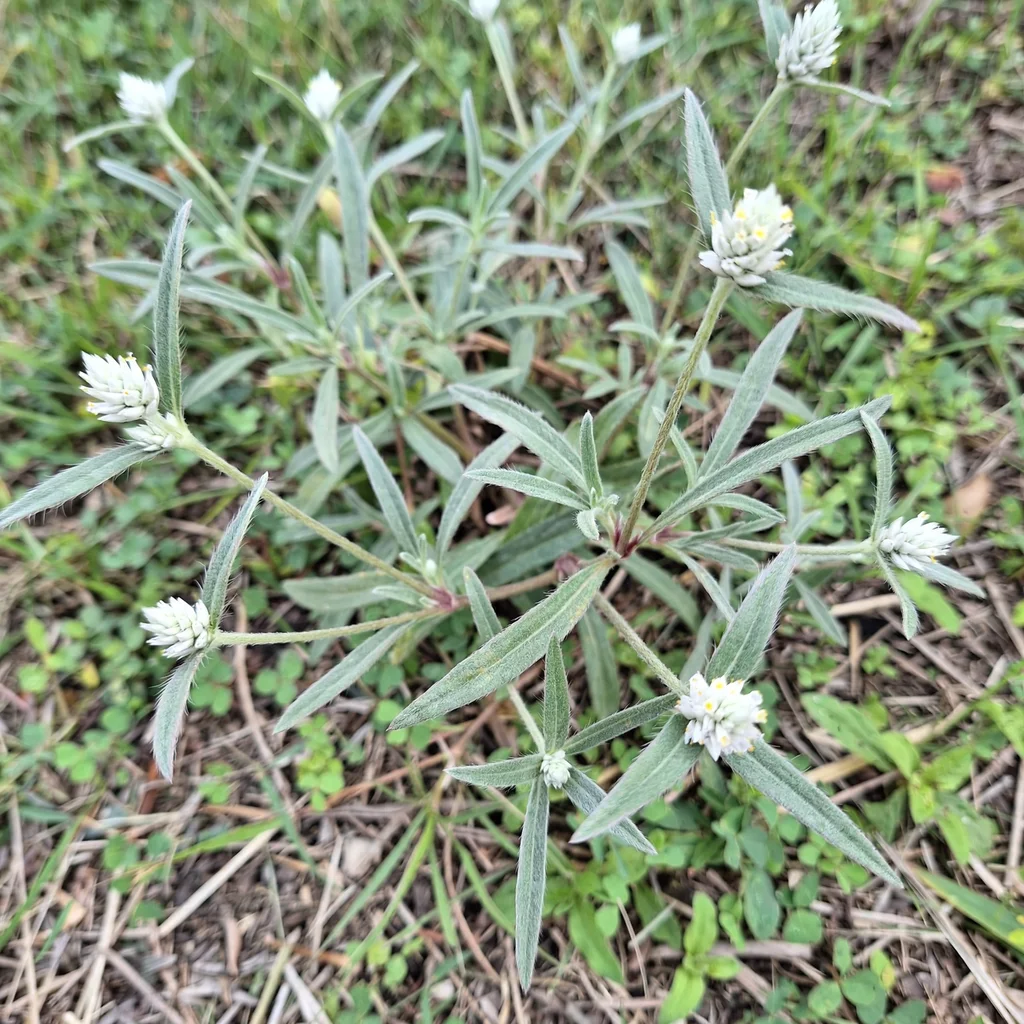
Soft Khakiweed
Gomphrena celosioides

Truffula Pink Globe Amaranth
Gomphrena pulchella 'Truffula Pink Globe Amaranth'
Keep exploring
Explore the genus
Hardy in your zone?
Grow Prostrate Globe Amaranth with confidence
See it in a design of your actual yard, get zone-matched care reminders, and track it season by season in your garden journal.