

The Story
Plant Bio
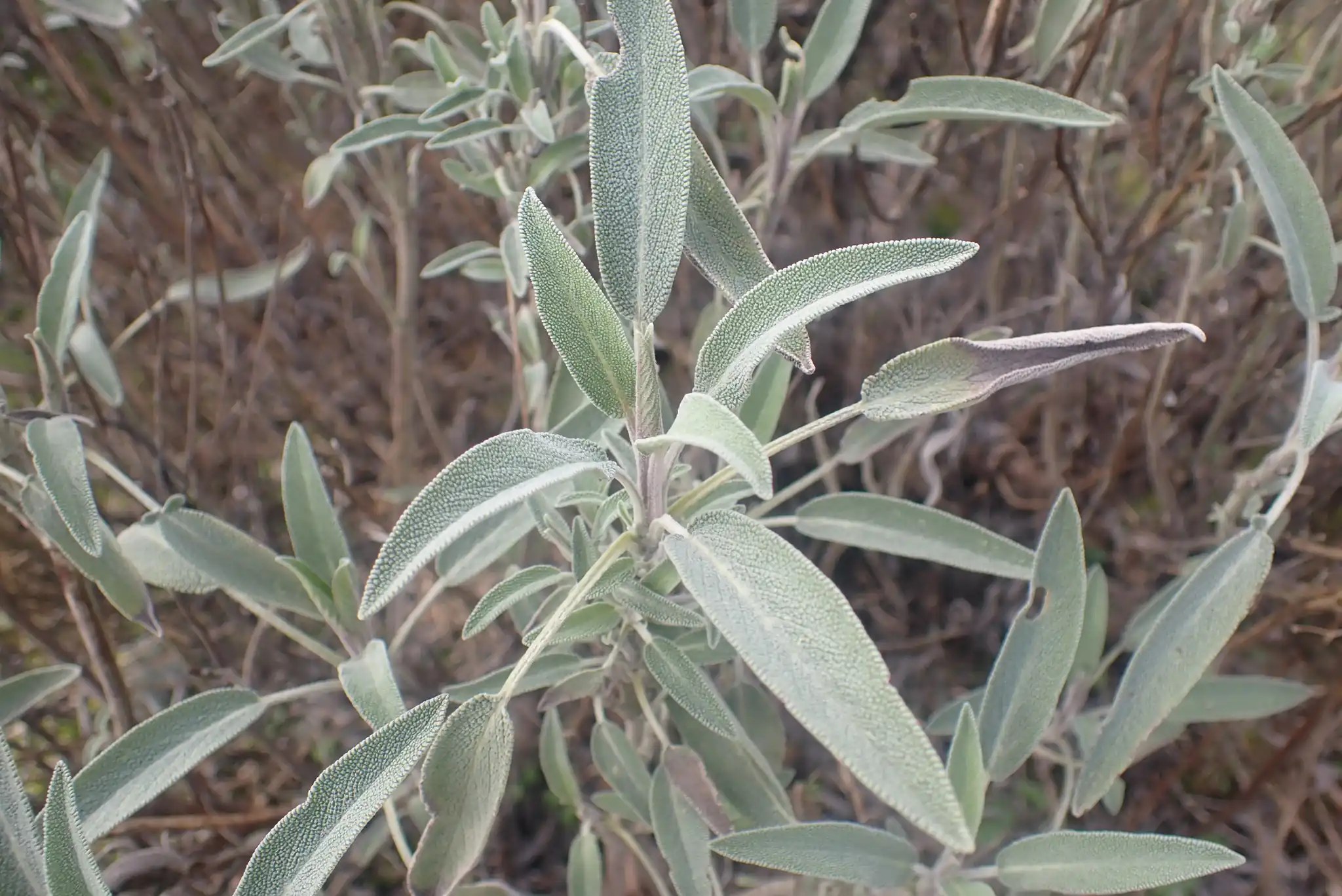
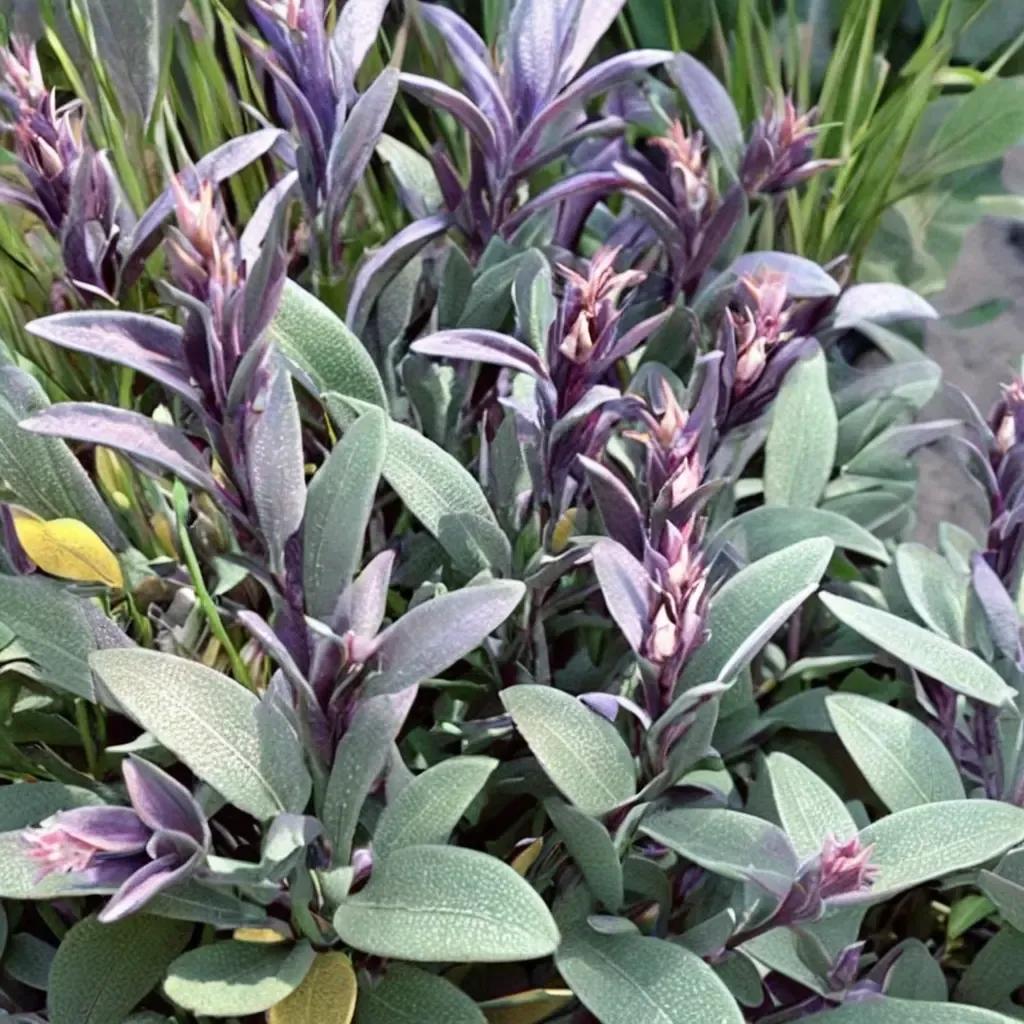
Salvia officinalis, common or garden sage, is a mounding evergreen subshrub from the northern Mediterranean, one to two feet high and rather wider. Soft grey-green pebbled leaves grow on square stems that turn woody in their second year, and spikes of lipped violet-blue flowers open in summer above the foliage.
Sage goes woody, bare-centred and sparse after three or four years, and unlike many shrubs it will not reshoot from old bare wood — so never cut back into it. Trim lightly each spring into growth that still carries leaves, and layer a low branch or take cuttings every few years to raise a replacement before the parent gives out.
Uses & Benefits:
Essentials
At a Glance
Plant Type
Perennial
Height
18"
Width
27"
Light
Full Sun, Partial Sun
Zones
5, 6, 7, 8, 9, 10
Water
Low
Humidity
Low
Lifespan
Perennial
Native To
Northern Mediterranean
Toxicity
Non-toxic; leaves are edible
Planting
How to Grow
- Plant in full sun in sharply drained soil.
- Avoid rich feeding and heavy winter-wet ground.
- Trim lightly each spring into leafy growth only.
- Never cut back into bare old wood.
- Harvest leaves regularly to keep growth young.
- Layer or take cuttings to replace plants every few years.
Pro Tip
Sage does not reshoot from bare wood, so always leave leaves below your cut — that single rule decides whether a plant recovers.
Keep It Thriving
Care Guide
Do
- Give it full sun and sharp drainage ☀️
- Trim lightly into leafy growth each spring ✂️
- Harvest regularly to keep it young 🌿
- Raise replacements every few years 🔁
Don't
- Cut back into bare old wood ❌
- Plant it in wet winter soil ❌
- Feed it richly — flavour suffers ❌
Seasonal Care Calendar
| Task | Jan | Feb | Mar | Apr | May | Jun | Jul | Aug | Sep | Oct | Nov | Dec |
|---|---|---|---|---|---|---|---|---|---|---|---|---|
| Harvest | ||||||||||||
| Trim |
Watch Out For
Pests & Diseases
Common Pests
Common Diseases
In the Garden
Landscape Uses & Companions
Landscape Uses
Multiply
Propagation Methods
Good to Know
Common Questions
Sage questions
What zones can Sage grow in?
Sage is hardy in USDA Zones 5–10. Inside that range it survives winter in the ground; outside it, grow it as an annual or a container plant you protect.
Is Sage deer resistant?
Yes — Sage is rated deer-resistant. Deer typically pass it over, though extreme hunger can override any plant's defenses.
When does Sage bloom?
Sage typically blooms in summer through early summer. Exact timing shifts a week or two with your zone — Sow's bloom calendar maps it to your garden.
Does Sage need full sun?
Sage does best in full sun to part shade. In hot climates, afternoon shade keeps blooms fresher longer.
Is Sage drought tolerant?
Yes — once established (usually after the first full season), Sage handles dry spells with minimal watering. Water deeply its first year to build the root system that makes that possible.
More Salvia to compare
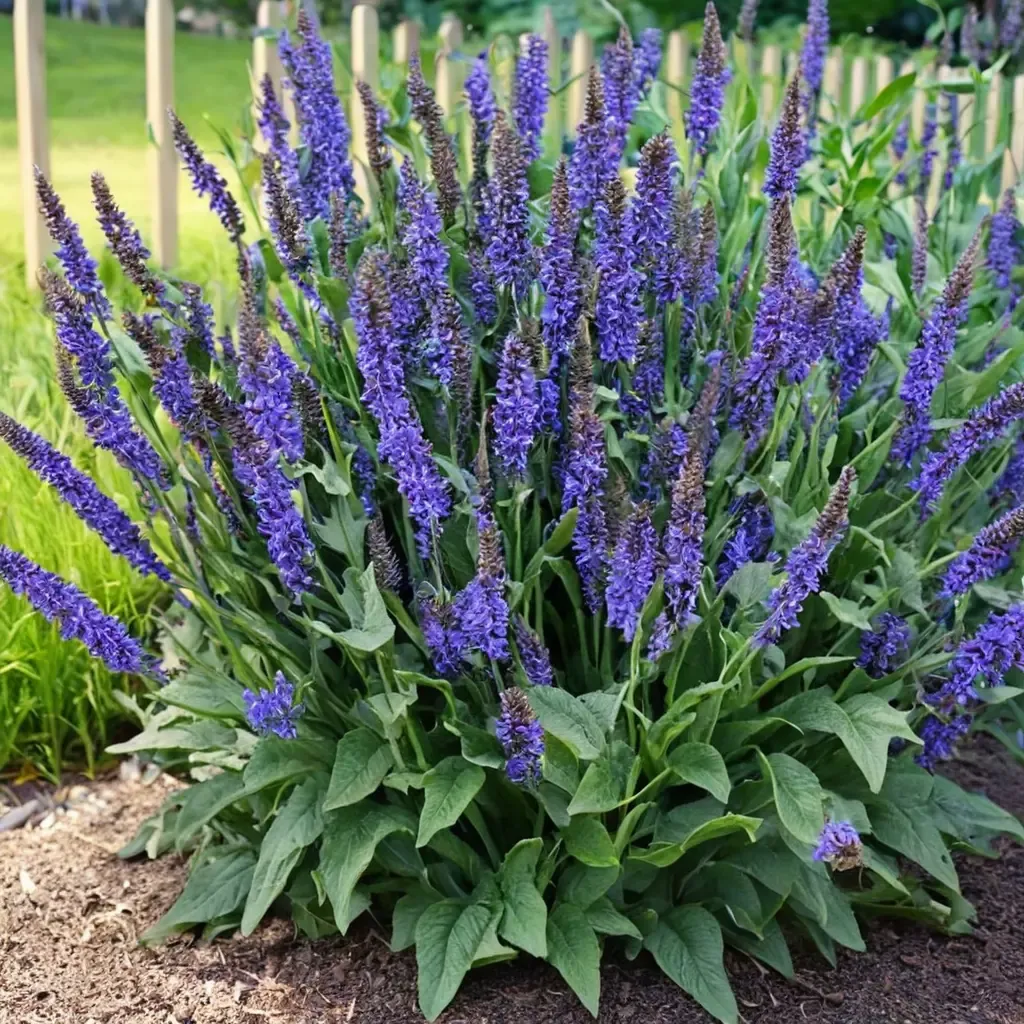
May Night Sage
Salvia nemorosa 'May Night'
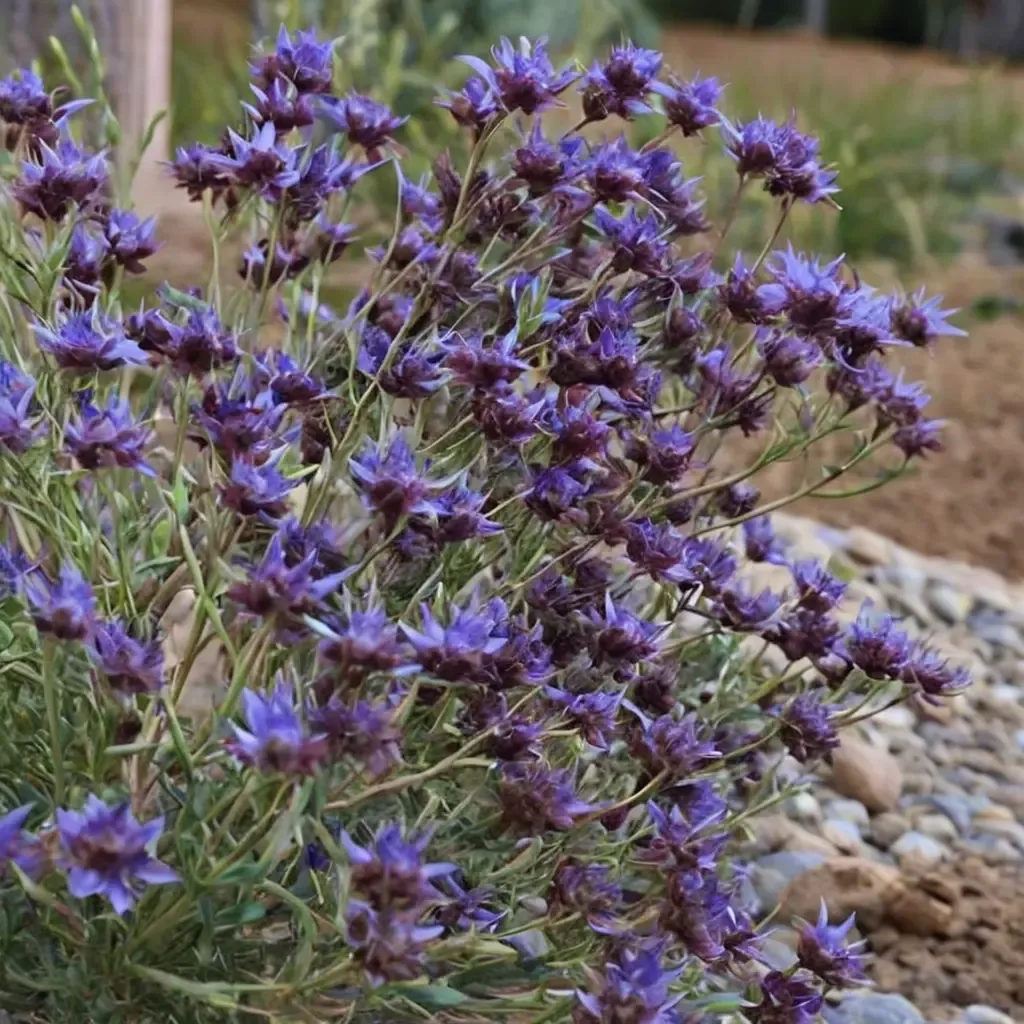
Celestial Blue Sage Wood Sage
Salvia nemorosa 'Celestial Blue'
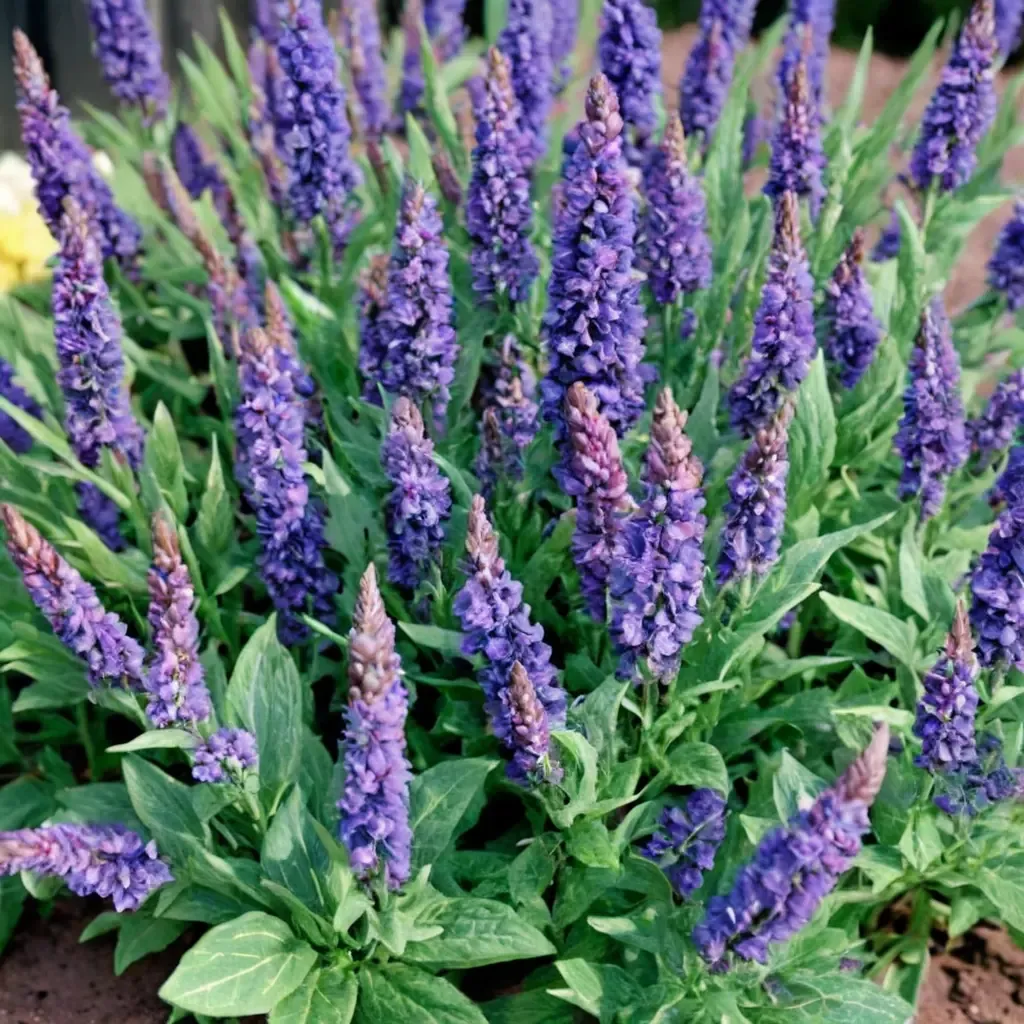
Marcus Woodland Sage
Salvia nemorosa 'Marcus'
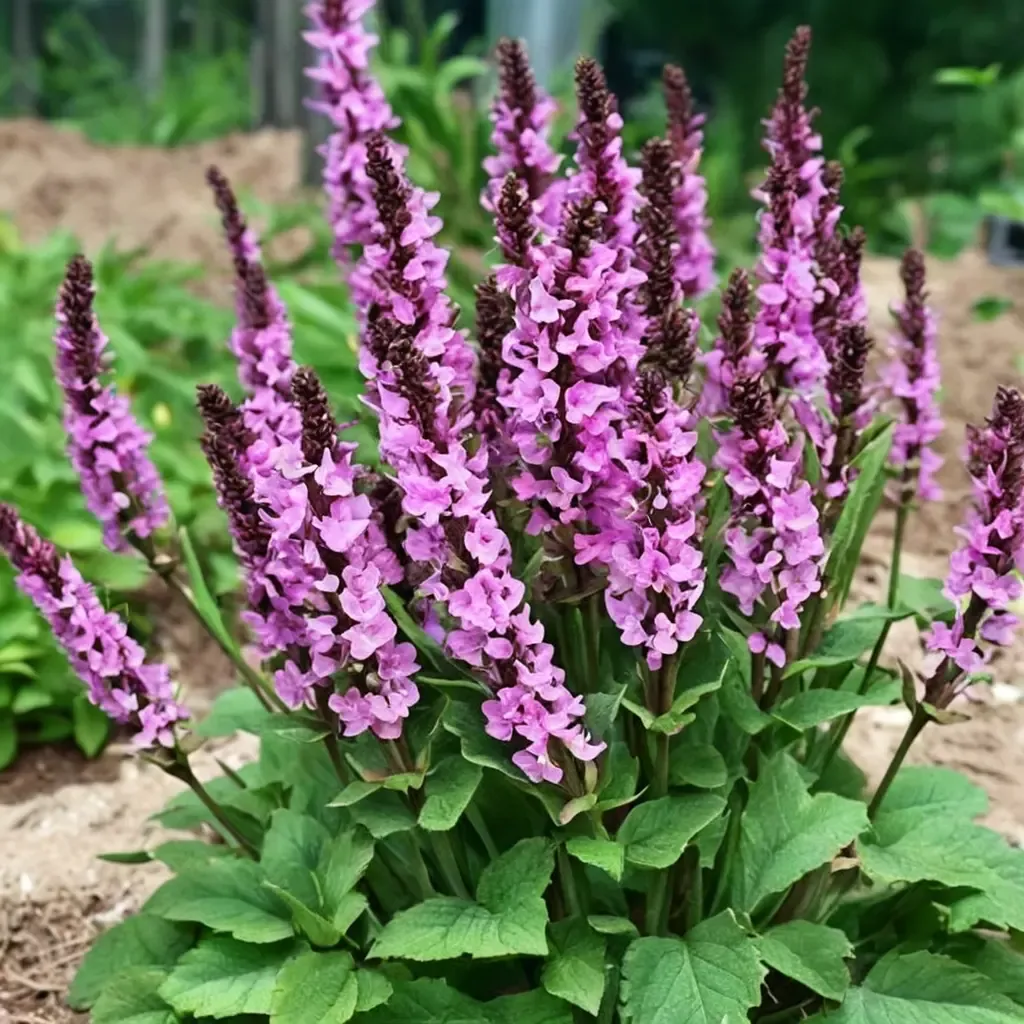
Rose Marvel Sage
Salvia nemorosa 'Rose Marvel'
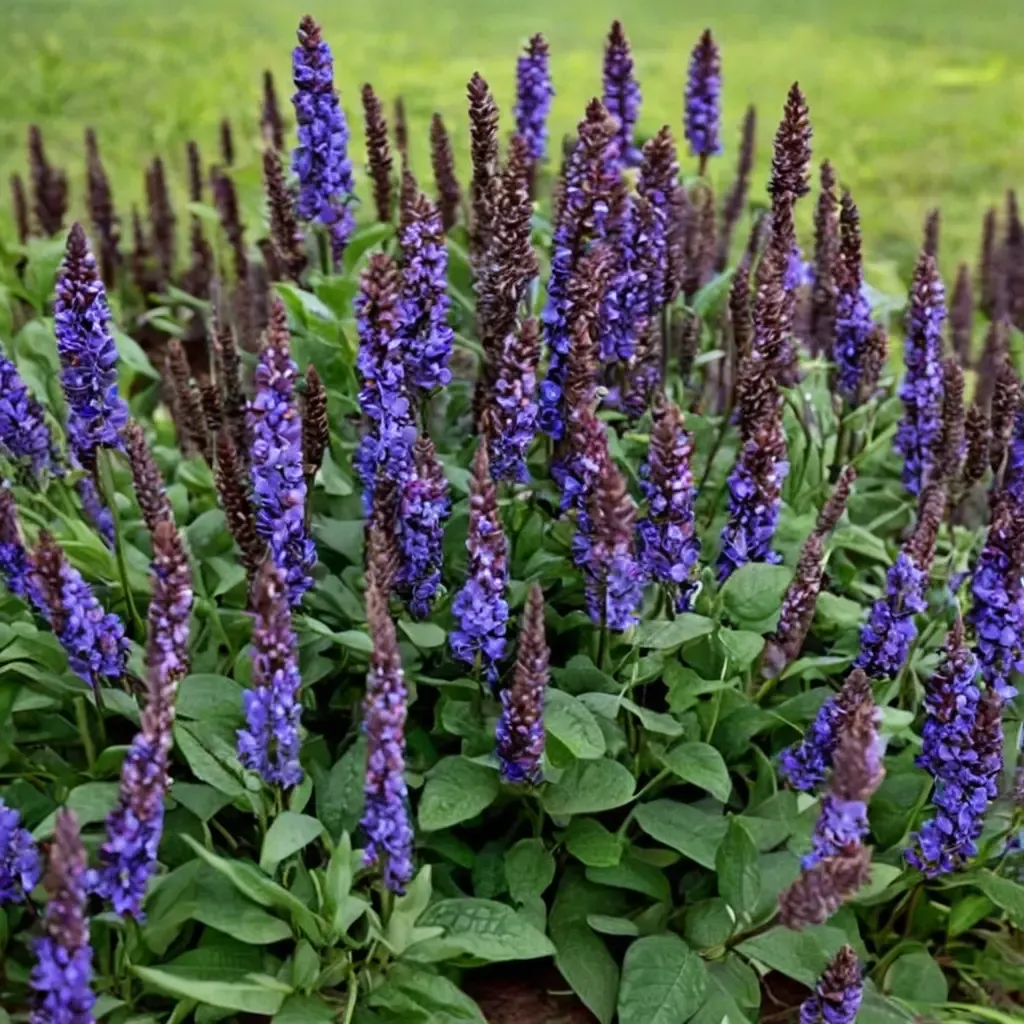
Bumbleblue Sage
Salvia nemorosa 'Bumbleblue'
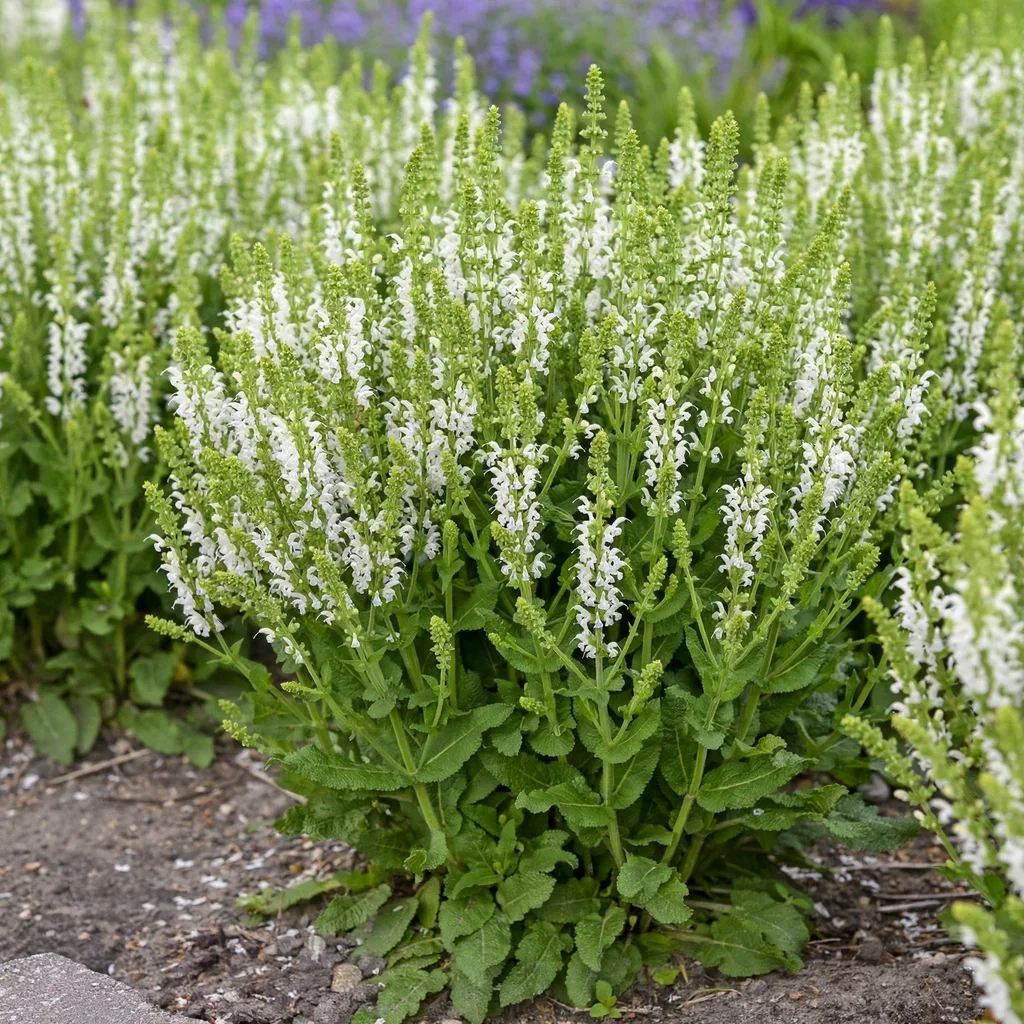
White Profusion Salvia
Salvia x hybrida 'White Profusion'
Keep exploring
Explore the genus
Grow Sage with confidence
See it in a design of your actual yard, get zone-matched care reminders, and track it season by season in your garden journal.