The Story
Plant Bio
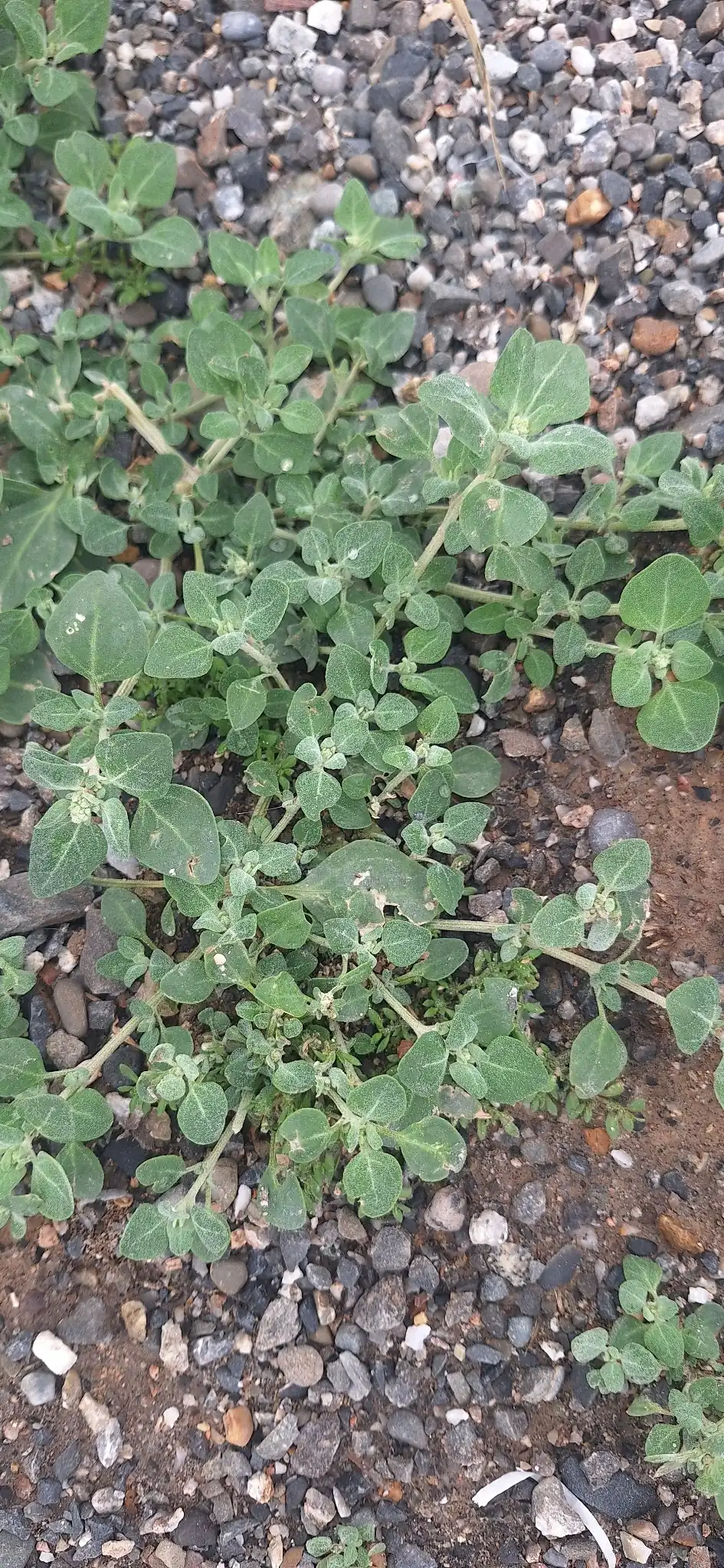
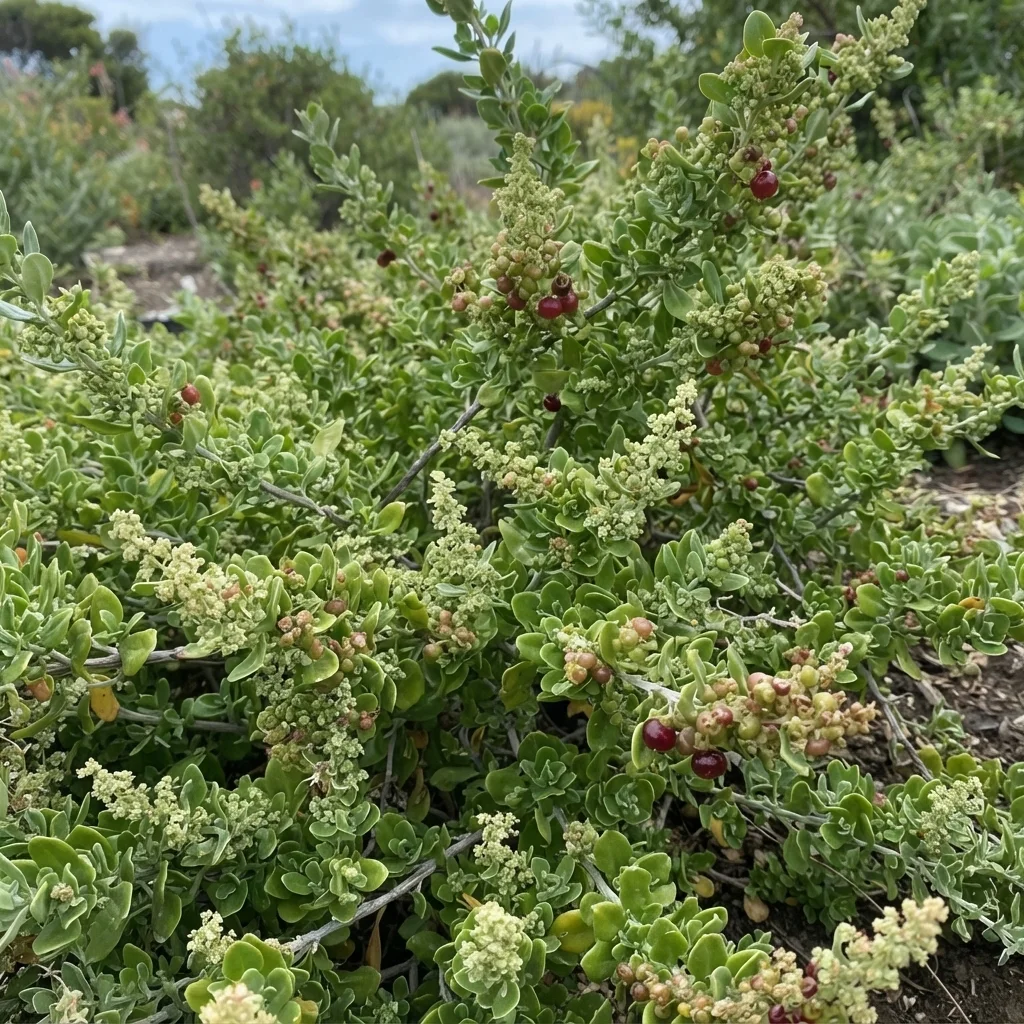
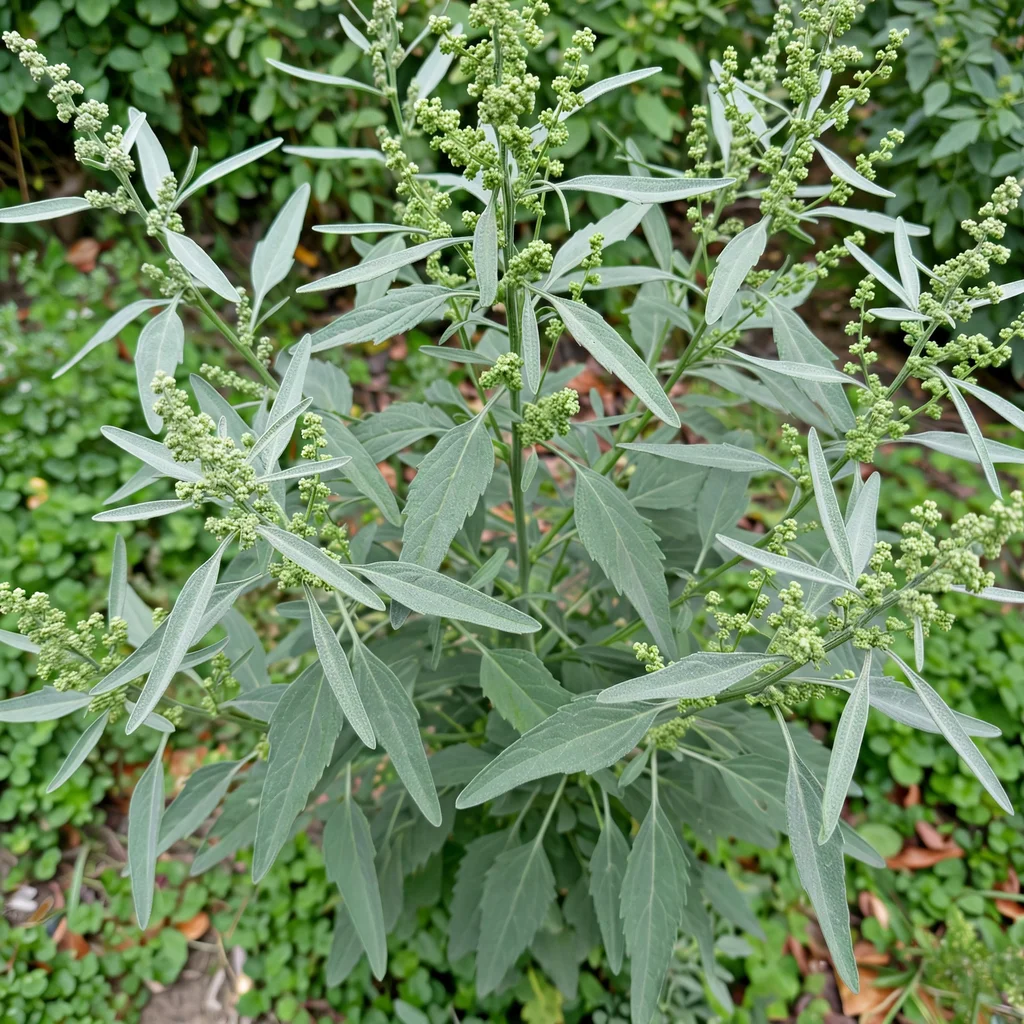
Chenopodium vulvaria, known as stinking goosefoot, is a low-growing, highly branched annual herb with a prostrate to ascending habit. The entire plant is covered in grey, mealy hairs that give the foliage a frosted appearance and release a strong, unpleasant odor of rotting fish when bruised.
This species is distinguished by its extreme tolerance for nutrient-rich, highly disturbed soils and coastal shingle. The small, green flowers are wind-pollinated and cluster in dense, compact terminal and axillary cymes throughout summer.
Uses & Benefits:
Essentials
At a Glance
Plant Type
Annual
Height
16"
Width
20"
Light
Full Sun
Zones
4, 5, 6, 7, 8
Water
Low
Humidity
Moderate
Lifespan
Annual
Native To
Europe and Western Asia
Toxicity
Mildly toxic if ingested in large quantities
Bloom period
Summer – Fall
In flower about 6 months of the year
Planting
How to Grow
- Sow seeds directly onto the soil surface in a full-sun location during early spring.
- Keep the soil moist until germination, which occurs rapidly in disturbed or cultivated ground.
- Thin seedlings to allow at least twelve inches of space for the prostrate stems to spread.
- Withhold supplemental water and fertilizer, as the plant thrives in dry, nutrient-poor, or highly saline conditions.
Pro Tip
Avoid planting this species in ornamental beds; the foliage contains high concentrations of trimethylamine, which off-gasses an intense scent of decaying fish whenever brushed or disturbed.
Keep It Thriving
Care Guide
Do
- Wear gloves when handling the plant to avoid transferring the persistent trimethylamine odor to skin.
- Grow in full sun to maintain the compact, mealy-haired foliage form.
- Allow the plant to complete its annual cycle if collecting seed for botanical study.
Don't
- Do not apply nitrogen-rich fertilizers, which trigger aggressive, weedy growth.
- Do not plant near high-traffic pathways or seating areas where the foliage will be brushed.
- Do not ingest large quantities of raw foliage due to the presence of saponins and oxalic acid.
Seasonal Care Calendar
| Task | Jan | Feb | Mar | Apr | May | Jun | Jul | Aug | Sep | Oct | Nov | Dec |
|---|---|---|---|---|---|---|---|---|---|---|---|---|
| Harvest | ||||||||||||
| Pest Check | ||||||||||||
| Plant | ||||||||||||
| Spring Cleanup |
Watch Out For
Pests & Diseases
Common Pests
Common Diseases
In the Garden
Landscape Uses & Companions
Landscape Uses
Companion Plants
Multiply
Propagation Methods
Good to Know
Common Questions
Stinking Goosefoot questions
What zones can Stinking Goosefoot grow in?
Stinking Goosefoot is hardy in USDA Zones 4–8. Inside that range it survives winter in the ground; outside it, grow it as an annual or a container plant you protect.
Is Stinking Goosefoot deer resistant?
Not reliably. Deer may browse Stinking Goosefoot, especially tender spring growth — plan on repellents or fencing where pressure is high.
When does Stinking Goosefoot bloom?
Stinking Goosefoot typically blooms in summer through fall. Exact timing shifts a week or two with your zone — Sow's bloom calendar maps it to your garden.
Does Stinking Goosefoot need full sun?
Stinking Goosefoot does best in full sun (6+ hours).
Is Stinking Goosefoot drought tolerant?
Yes — once established (usually after the first full season), Stinking Goosefoot handles dry spells with minimal watering. Water deeply its first year to build the root system that makes that possible.
More Chenopodium to compare
Keep exploring
Explore the genus
Hardy in your zone?
Grow Stinking Goosefoot with confidence
See it in a design of your actual yard, get zone-matched care reminders, and track it season by season in your garden journal.