Also known as Saltbush · 95 saves
Atriplex
Atriplex, the genus most gardeners know as saltbush. We track 6 varieties; the ones most used by real gardeners.
The 6 most-saved Atriplex varieties
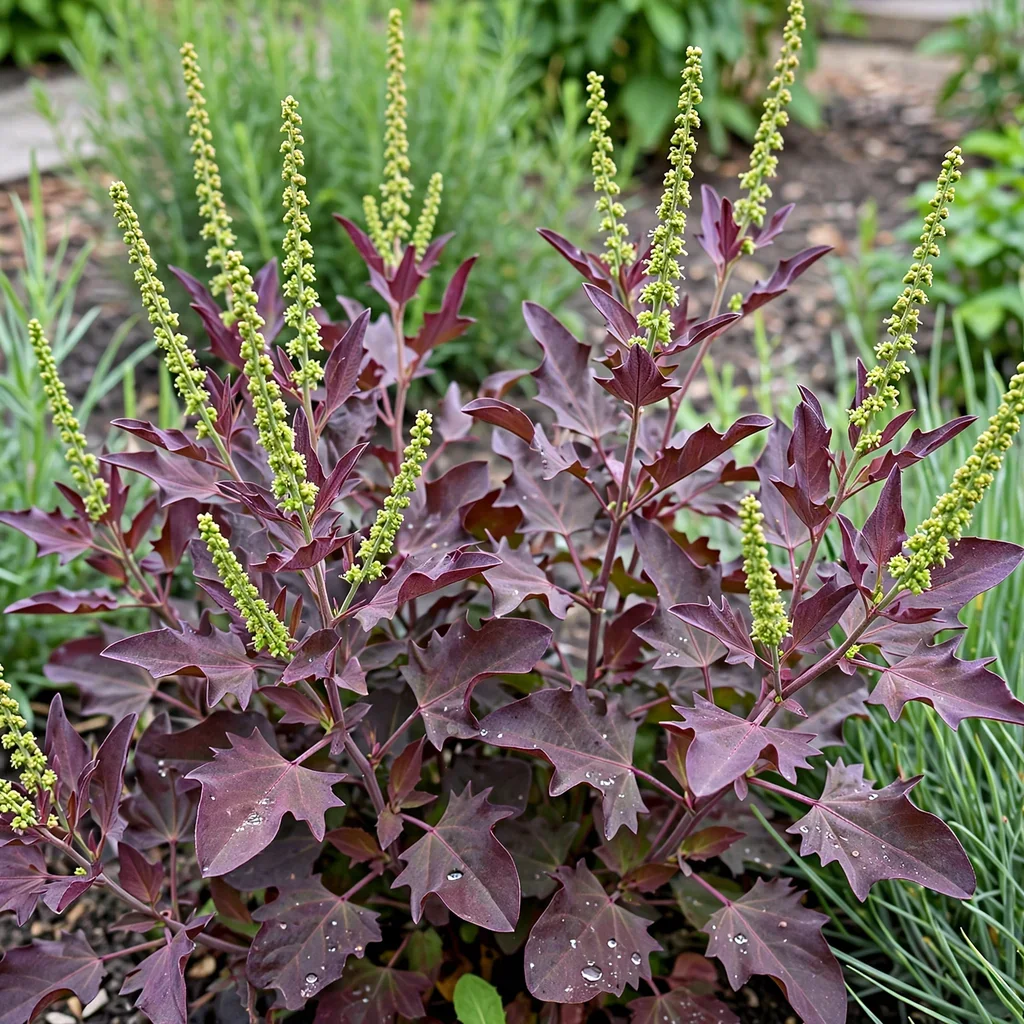
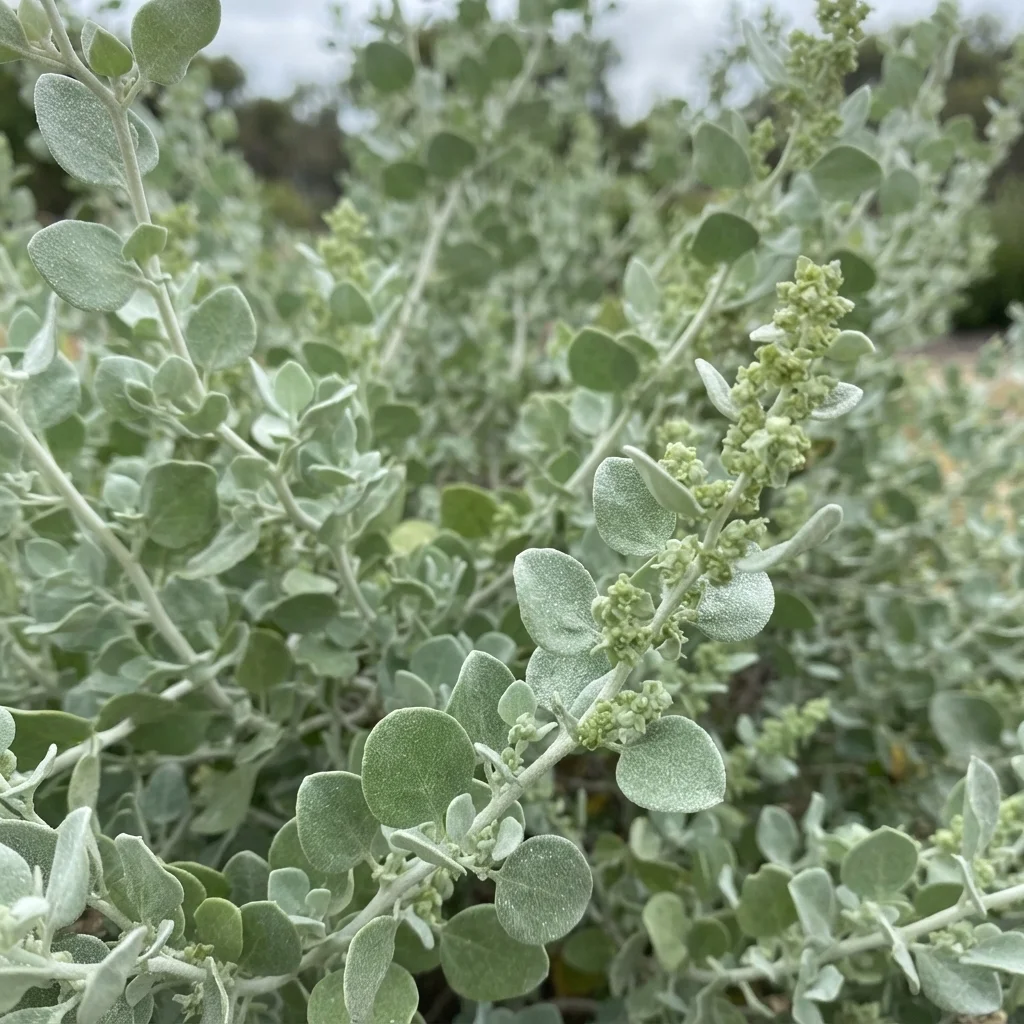
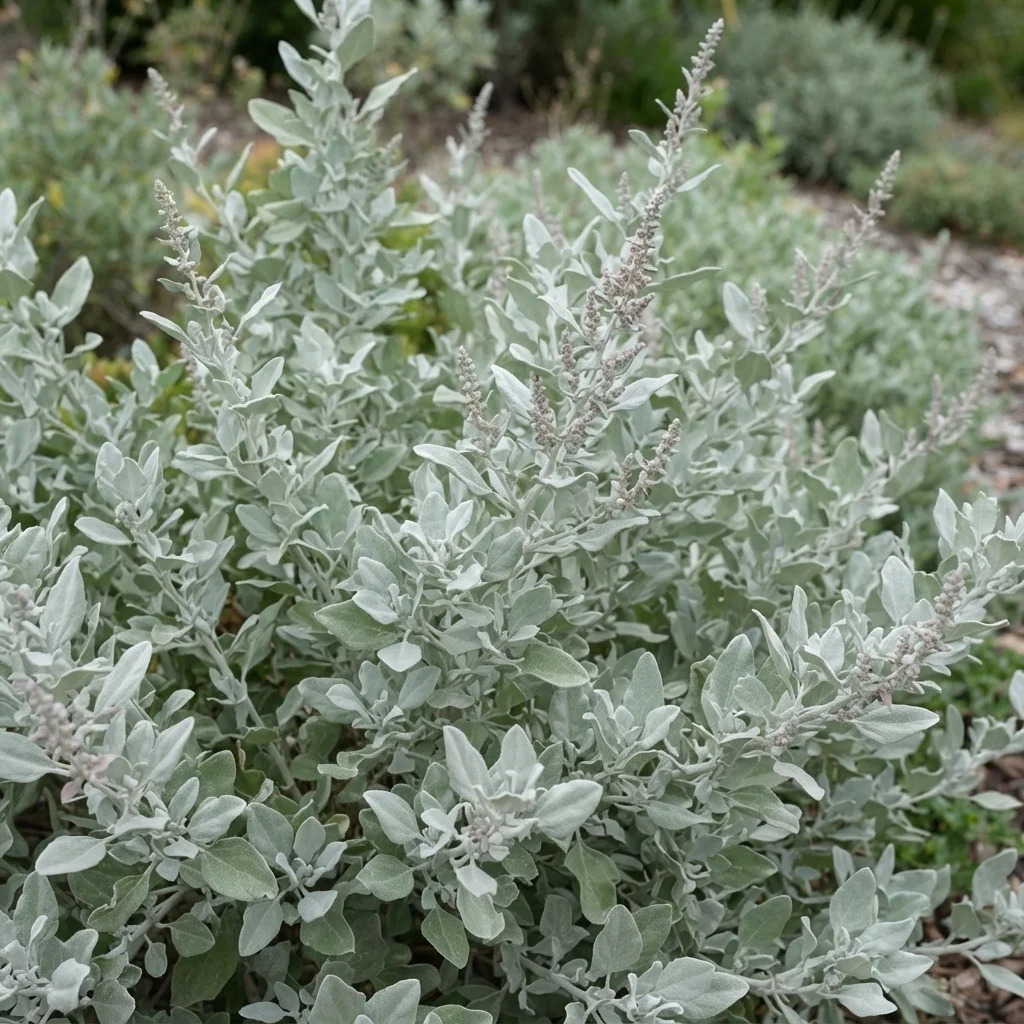
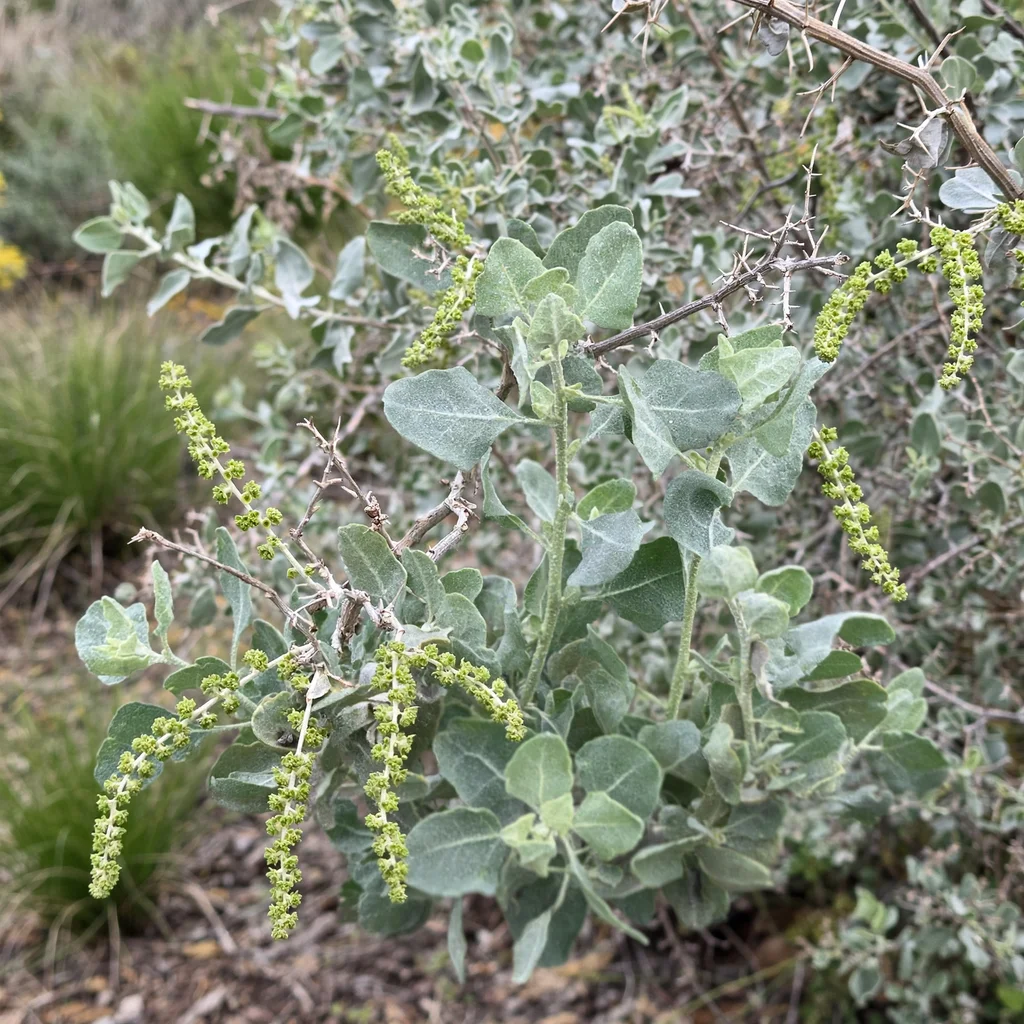
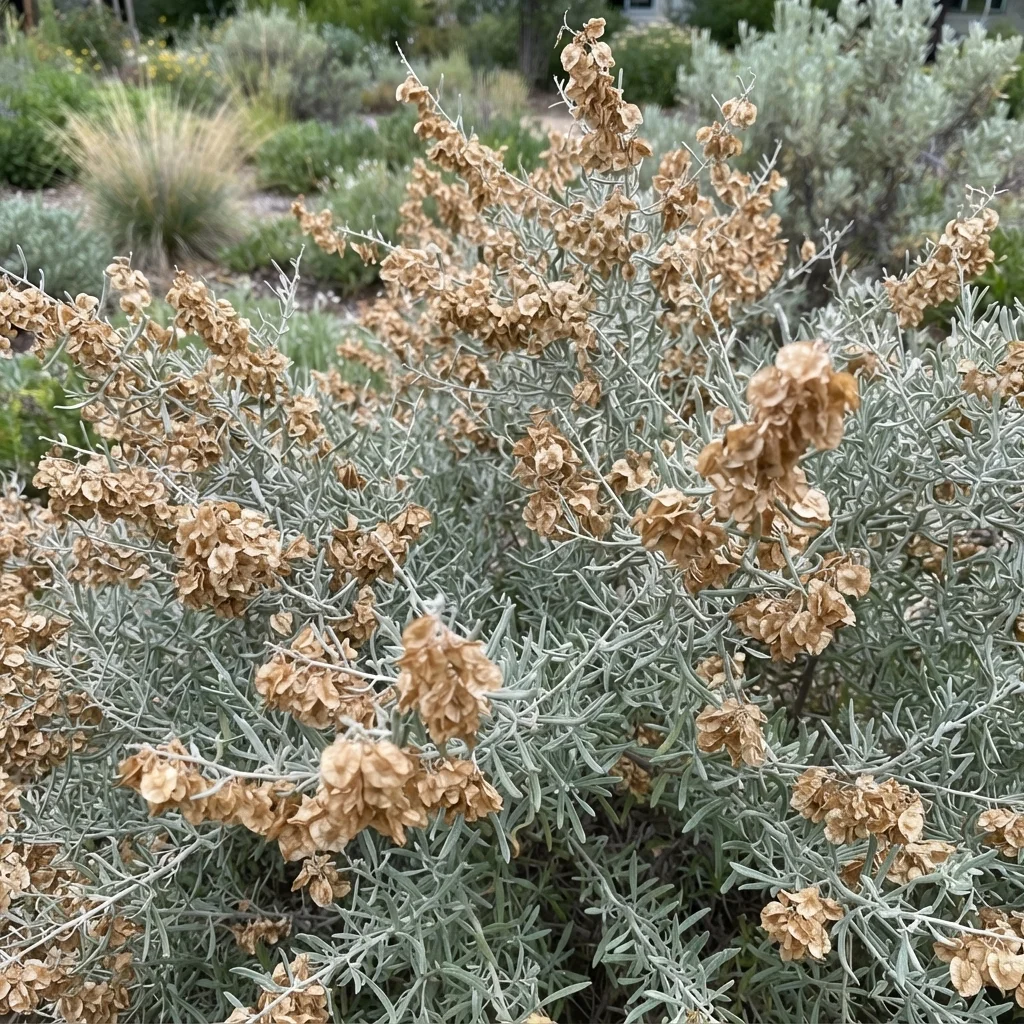
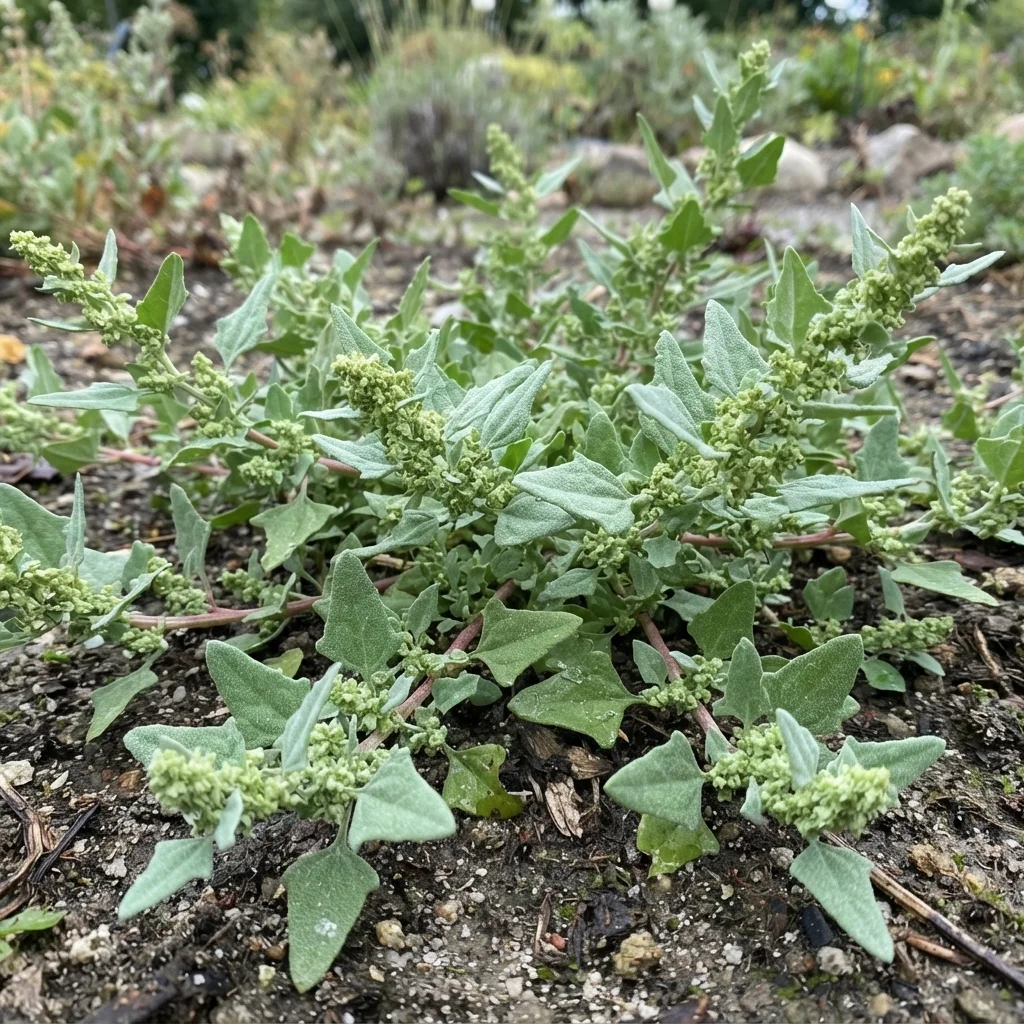
6 species of Atriplex
Each one is a parent of the varieties above.
Track your Atriplex in Sow
Save the Atriplex you grow and get care reminders timed to your zone.
How to grow Atriplex
Whats common across all Atriplex varieties in our catalog — drawn from the care records of the 6 most-grown of them.
The Atriplex year
- Check for PestsJune–August83% of varieties
Monitor foliage for aphids, scale, and spider mites during hot, dry summer months.
- PlantMarch, April and October67% of varieties
Plant in spring or early fall to allow roots to establish before extreme temperatures.
- PruneFebruary and March67% of varieties
Prune heavily in late winter or early spring to shape the shrub and promote dense new growth.
- PropagateJuly and August50% of varieties
Take semi-hardwood cuttings or collect seeds for propagation.
- Spring CleanupMarch33% of varieties
Remove any winter-damaged branches at the base.


Do
- Prune hard into old wood to rejuvenate sparse or leggy growth.
- Soak seeds for at least an hour or rub them under running water before sowing to remove germination inhibitors.
- Grow in highly alkaline or saline soils where other shrubs fail.
- Plant in poor, sandy, or gravelly soils with sharp drainage.
- Prune lightly in late winter to shape the shrub if necessary.
Avoid
- Do not apply fertilizers, as this species thrives in nutrient-poor or high-fertility matrices without supplemental feeding.
- Do not plant in heavily shaded areas, which leads to weak growth and decline.
- Do not allow soil to remain chronically wet and poorly drained, which triggers root rot.
- Do not overwater or plant in low-lying areas prone to standing water.
What goes wrong with Atriplex
| Problem | What you'll see | What to do |
|---|---|---|
| Aphids | Distorted new growth and sticky honeydew on the silver-grey leaves. | Wash off with a strong spray of water or apply insecticidal soap if infestations are severe. |
| Spider mites | Fine webbing on branch tips and stippled, dull foliage during hot, dry weather. | Increase humidity around the plant with occasional overhead rinsing or apply horticultural oil. |
| Scale insects | Small, raised bumps on stems and branches, accompanied by reduced vigor. | Prune out heavily infested stems or apply a horticultural oil spray during the crawler stage. |
| Caterpillars | Chewed foliage from saltbush sootywing butterfly larvae. | Hand-pick caterpillars from the branches or tolerate the minor damage. |
| Root rot | Wilting, yellowing foliage and decay at the base of the stems. | Improve soil drainage, reduce watering frequency, and avoid planting in low-light, high-humidity sites. |
| Powdery mildew | White, powdery coating on leaves during periods of high humidity. | Plant in full sun with adequate spacing to maximize air circulation. |
| Powdery Mildew | White powder on leaves | Improve air circulation and apply organic fungicide |
Making more Atriplex
Seed
- Collect the fan-shaped fruiting bracteoles in late summer or fall.
- Rub the dry fruits under running water or soak them for at least one hour to leach out natural germination inhibitors.
- Sow the treated seeds in a well-draining seed-raising mix.
- Keep the medium lightly moist in a warm, sunny position until germination occurs.
Semi-hardwood cuttings
- Take 4- to 6-inch cuttings of semi-hardwood stems in late summer.
- Remove the leaves from the lower half of the cutting.
- Insert the cut end into a moist, free-draining propagation mix.
- Place in a warm, humid environment with indirect light until roots establish.
Atriplex questions
How many types of Atriplex are there?
The Sow catalog tracks 6 distinct Atriplex varieties. The most popular — ranked by 95 real gardeners — are shown first above.
What zones does Atriplex grow in?
Across its varieties, Atriplex covers USDA Zones 4–10. Individual varieties differ — each plant page lists its exact range, and Sow filters the catalog to your zone automatically.
When does Atriplex bloom?
Most Atriplex varieties bloom in mid-summer, spring, year round. Staggering early, mid, and late varieties extends the genus's season in one bed.
Which Atriplex should I choose?
Start from the most-saved varieties above — popularity across thousands of gardens is a strong signal of reliability — then filter by your zone and sun. In the Sow app you can preview any of them in a photo of your actual yard before you buy.