The Story
Plant Bio
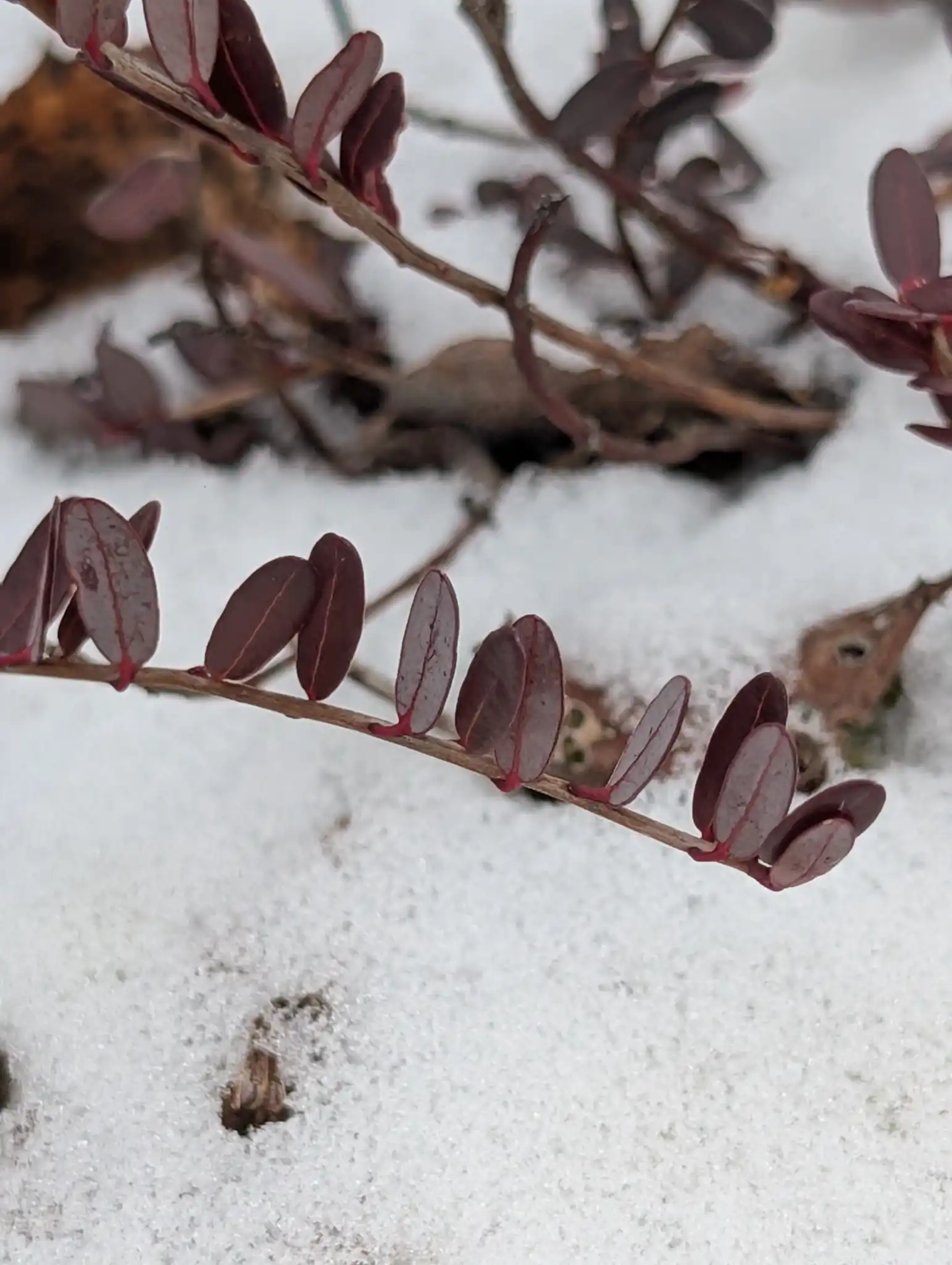
Vaccinium macrocarpon, the American cranberry, is a low-growing, mat-forming evergreen dwarf shrub native to the bogs and wet soils of eastern and central North America. It produces slender, trailing runners that root as they spread, clothed in small, glossy green leaves that turn bronze-red in winter.
The species is distinguished by its nodding, pale pink flowers with deeply reflexed petals resembling a crane's head, which give way to large, tart red berries in fall. Its shallow, fibrous root system relies on highly acidic, organic substrates to thrive.
Uses & Benefits:
Essentials
At a Glance
Plant Type
Groundcover
Height
8"
Width
78"
Light
Full Sun, Partial Sun
Zones
4, 5, 6, 7
Water
High
Humidity
Moderate to high
Lifespan
Perennial
Native To
North America
Toxicity
Non-toxic
Bloom period
Spring – Early summer
In flower about 4 months of the year
Planting
How to Grow
- Select a site in full sun with a dedicated bed of pure peat moss, sand, or highly organic acidic muck.
- Amend the planting area to ensure a strict pH range between 4.0 and 5.5.
- Install plants 12 to 18 inches apart, burying the root ball just beneath the surface.
- Maintain continuous moisture through regular irrigation, ensuring the soil never dries out.
Pro Tip
Irrigate exclusively with rainwater or acidified water; alkaline municipal tap water will rapidly buffer the soil pH upward, triggering iron chlorosis and plant decline.
Keep It Thriving
Care Guide
Do
- Water regularly to keep the shallow root zone consistently moist.
- Mulch with a thin layer of clean sand every few years to encourage runner rooting.
- Feed sparingly in spring with an acidifying fertilizer designed for Ericaceae.
Don't
- Do not allow the soil to dry out even briefly, as the shallow roots lack drought tolerance.
- Do not apply heavy chemical fertilizers, which easily burn the sensitive root system.
- Do not plant in standard garden loam or alkaline soils.
Seasonal Care Calendar
| Task | Jan | Feb | Mar | Apr | May | Jun | Jul | Aug | Sep | Oct | Nov | Dec |
|---|---|---|---|---|---|---|---|---|---|---|---|---|
| Fertilize | ||||||||||||
| Pest Check | ||||||||||||
| Prune | ||||||||||||
| Winter Prep |
Watch Out For
Pests & Diseases
Common Pests
Common Diseases
In the Garden
Landscape Uses & Companions
Landscape Uses
Companion Plants
Multiply
Propagation Methods
Good to Know
Common Questions
American Cranberry questions
What zones can American Cranberry grow in?
American Cranberry is hardy in USDA Zones 4–7. Inside that range it survives winter in the ground; outside it, grow it as an annual or a container plant you protect.
Is American Cranberry deer resistant?
Not reliably. Deer may browse American Cranberry, especially tender spring growth — plan on repellents or fencing where pressure is high.
When does American Cranberry bloom?
American Cranberry typically blooms in spring through early summer. Exact timing shifts a week or two with your zone — Sow's bloom calendar maps it to your garden.
Does American Cranberry need full sun?
American Cranberry does best in full sun to part shade. In hot climates, afternoon shade keeps blooms fresher longer.
More Vaccinium to compare
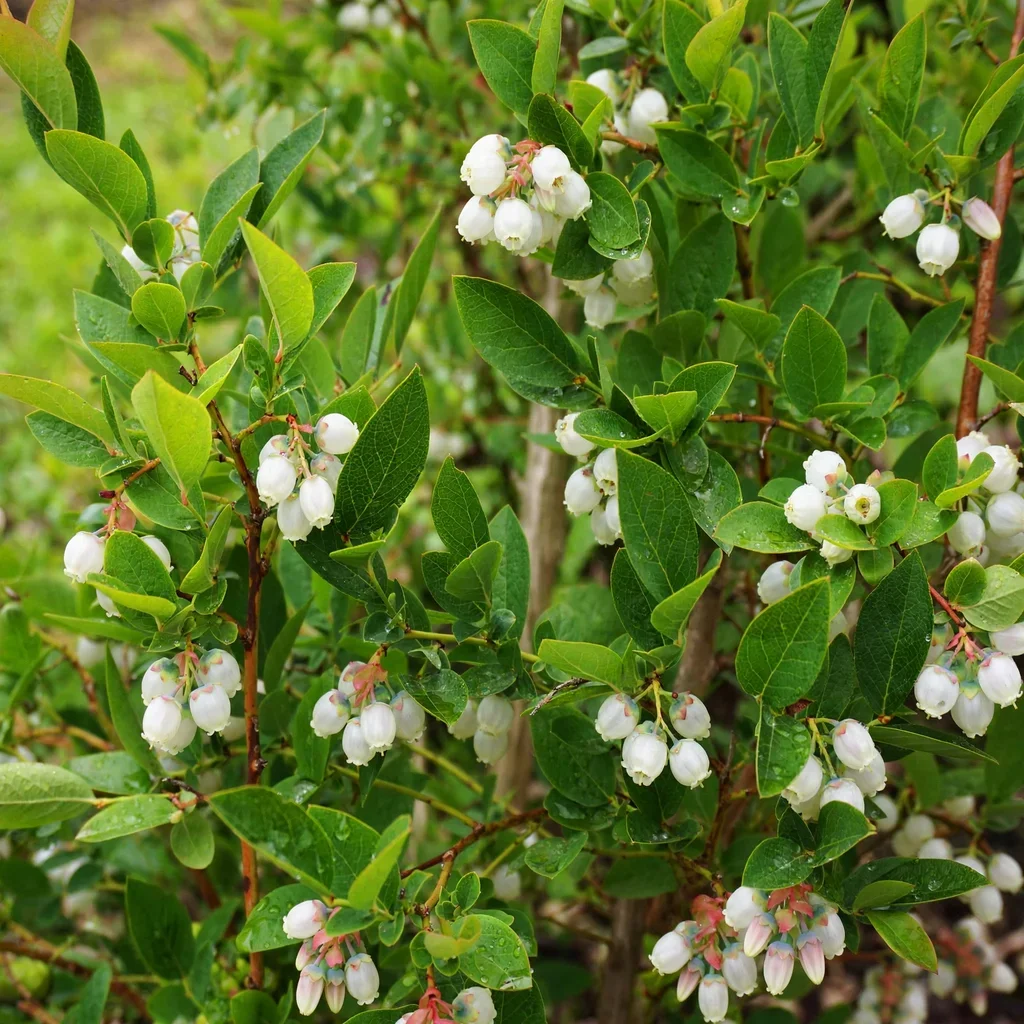
Highbush Blueberry
Vaccinium corymbosum
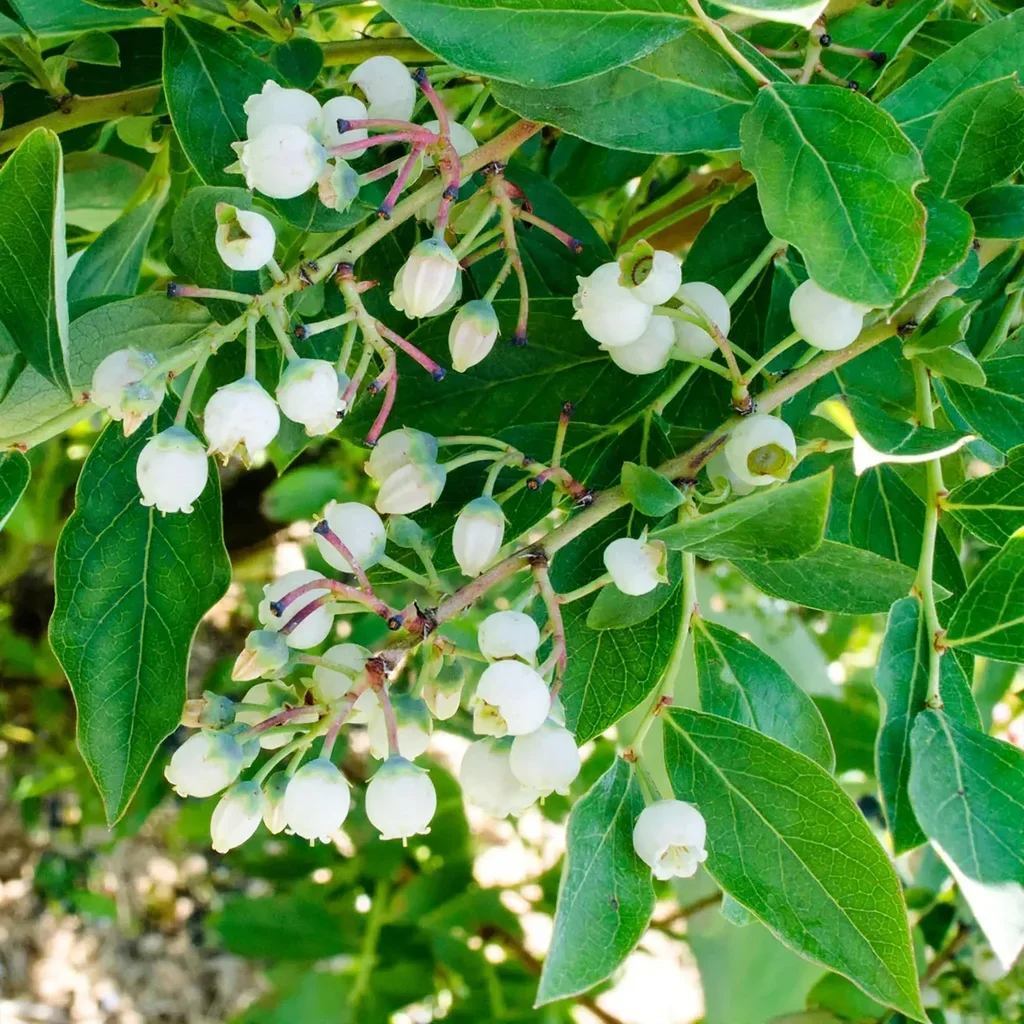
Echo Blueberry
Vaccinium corymbosum 'Echo'
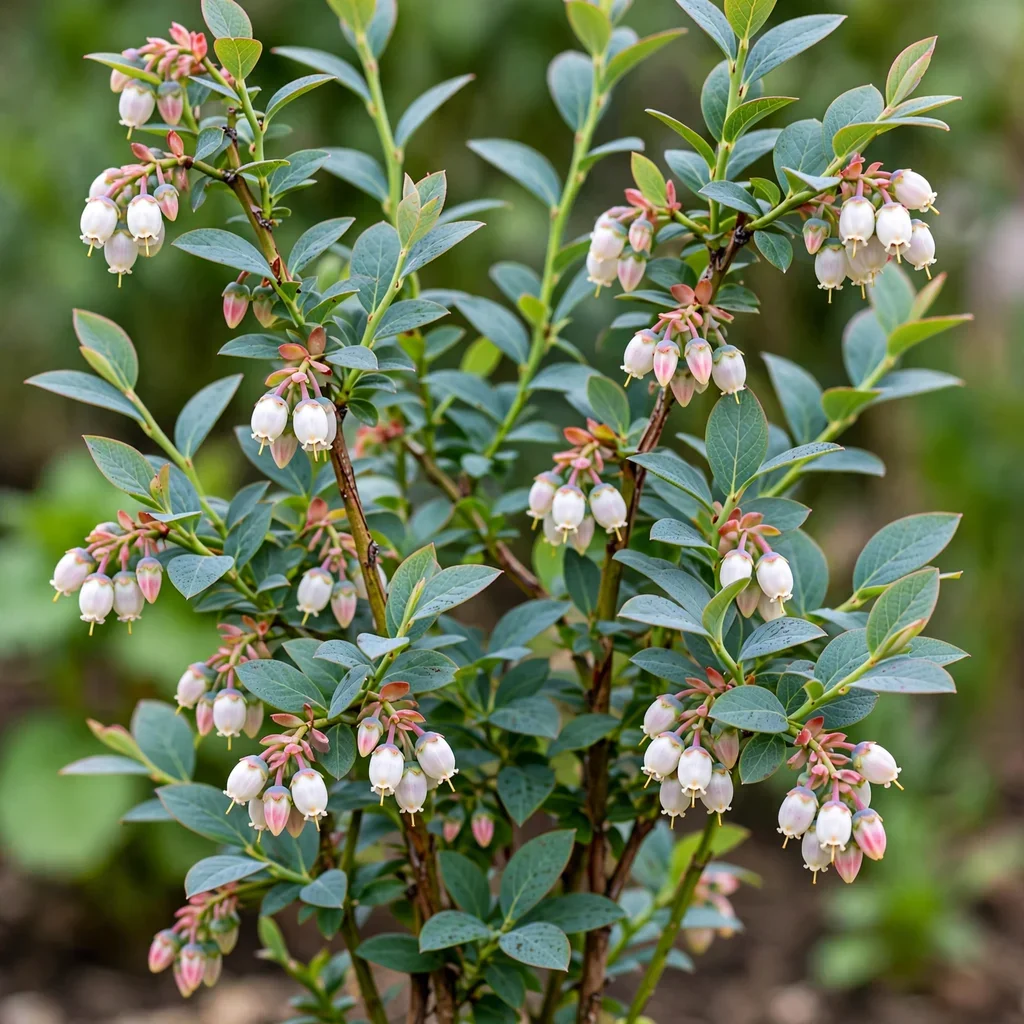
Sunshine Blue Blueberry
Vaccinium corymbosum 'Blueberry Sunshine Blue'
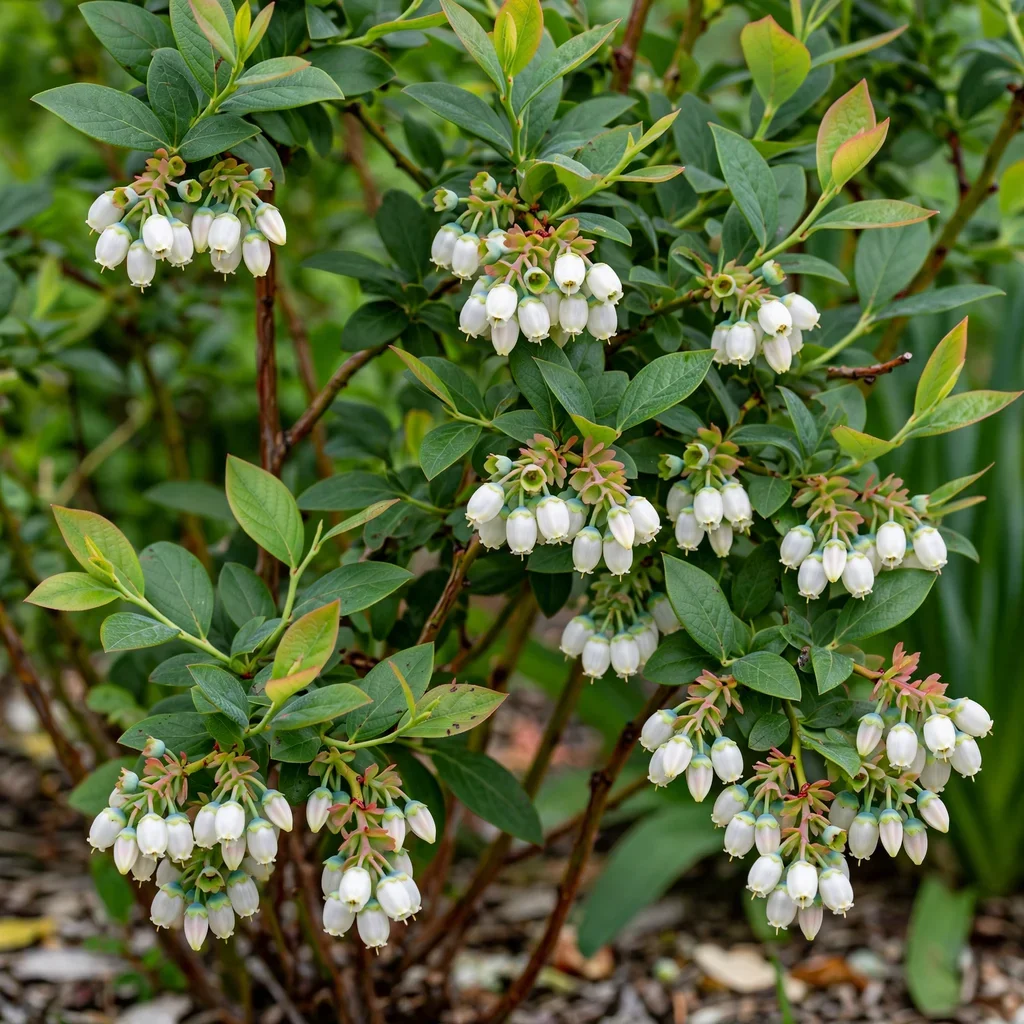
Chandler Blueberry
Vaccinium corymbosum 'Chandler'
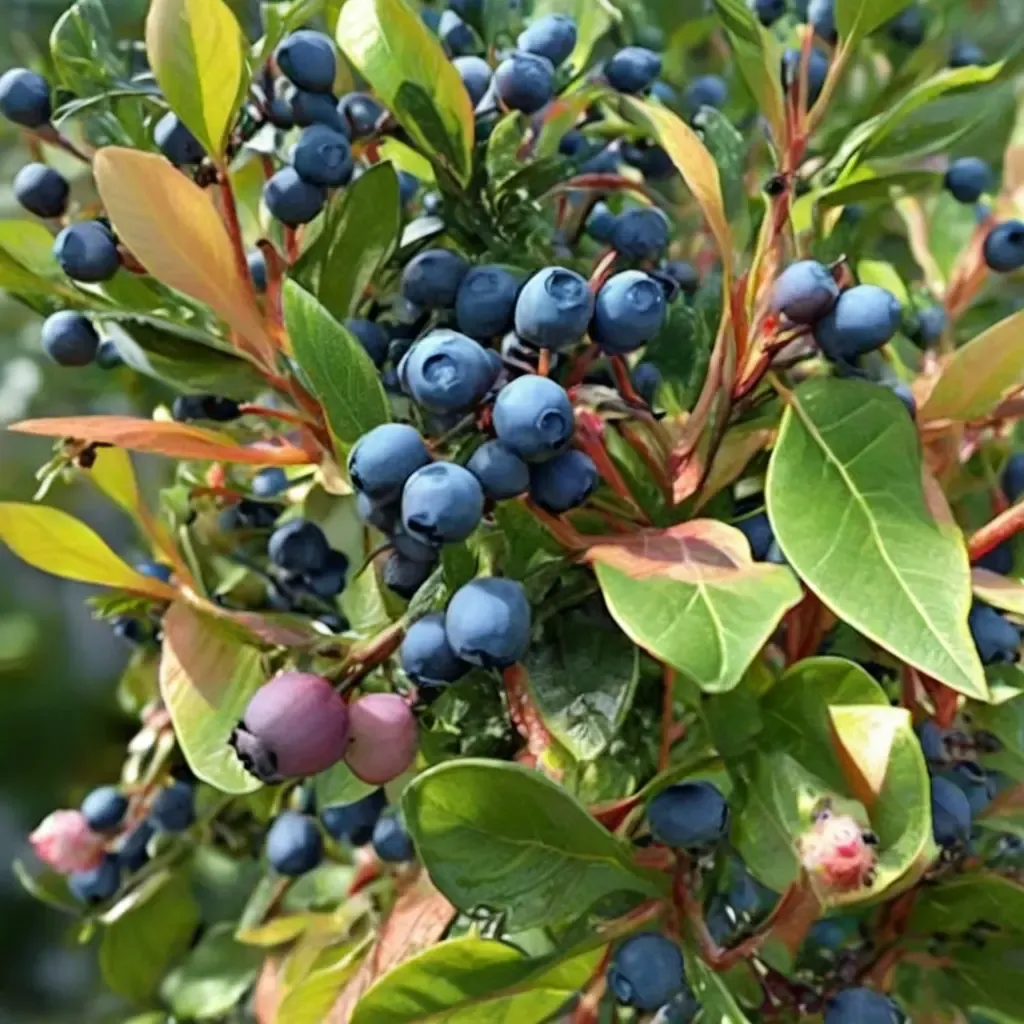
Bonus Blueberry
Vaccinium corymbosum 'Bonus'
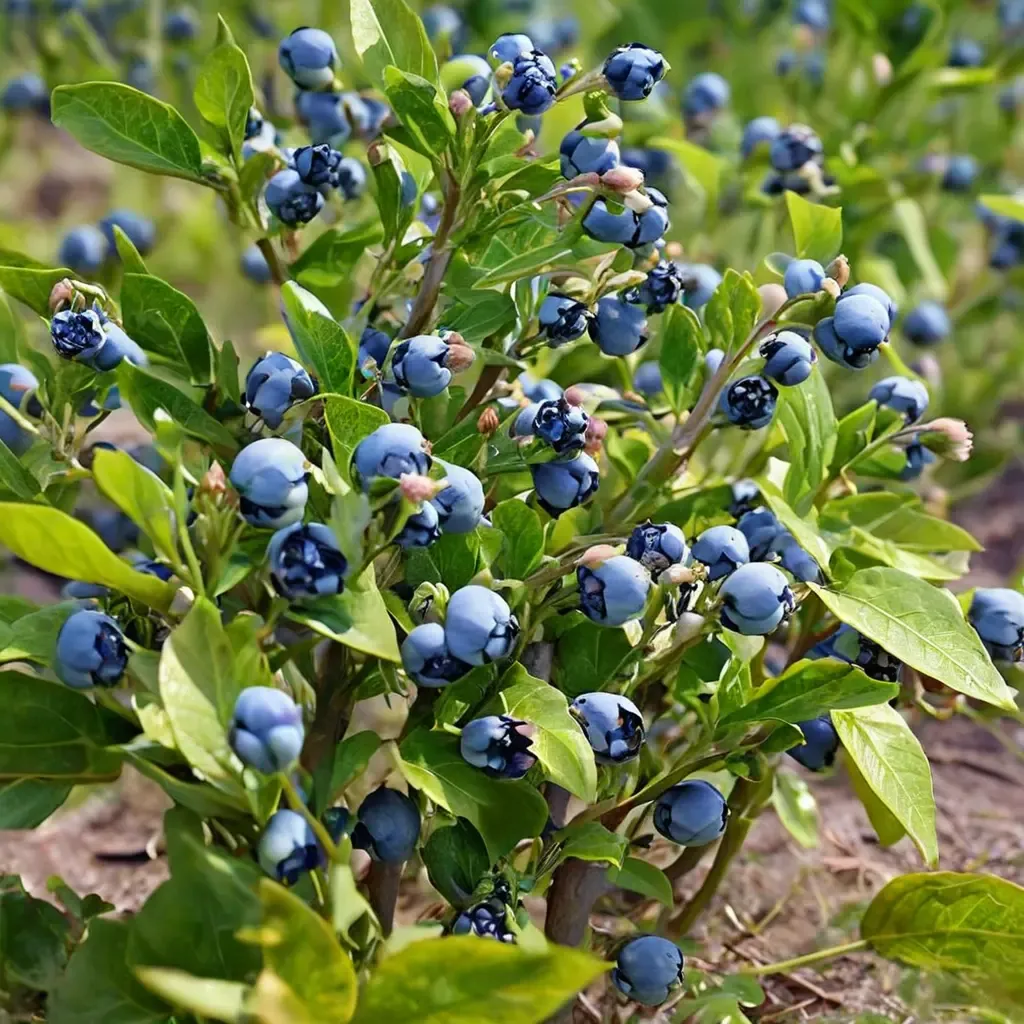
Duke blueberry
Vaccinium corymbosum 'Duke'
Keep exploring
Explore the genus
Hardy in your zone?
Grow American Cranberry with confidence
See it in a design of your actual yard, get zone-matched care reminders, and track it season by season in your garden journal.