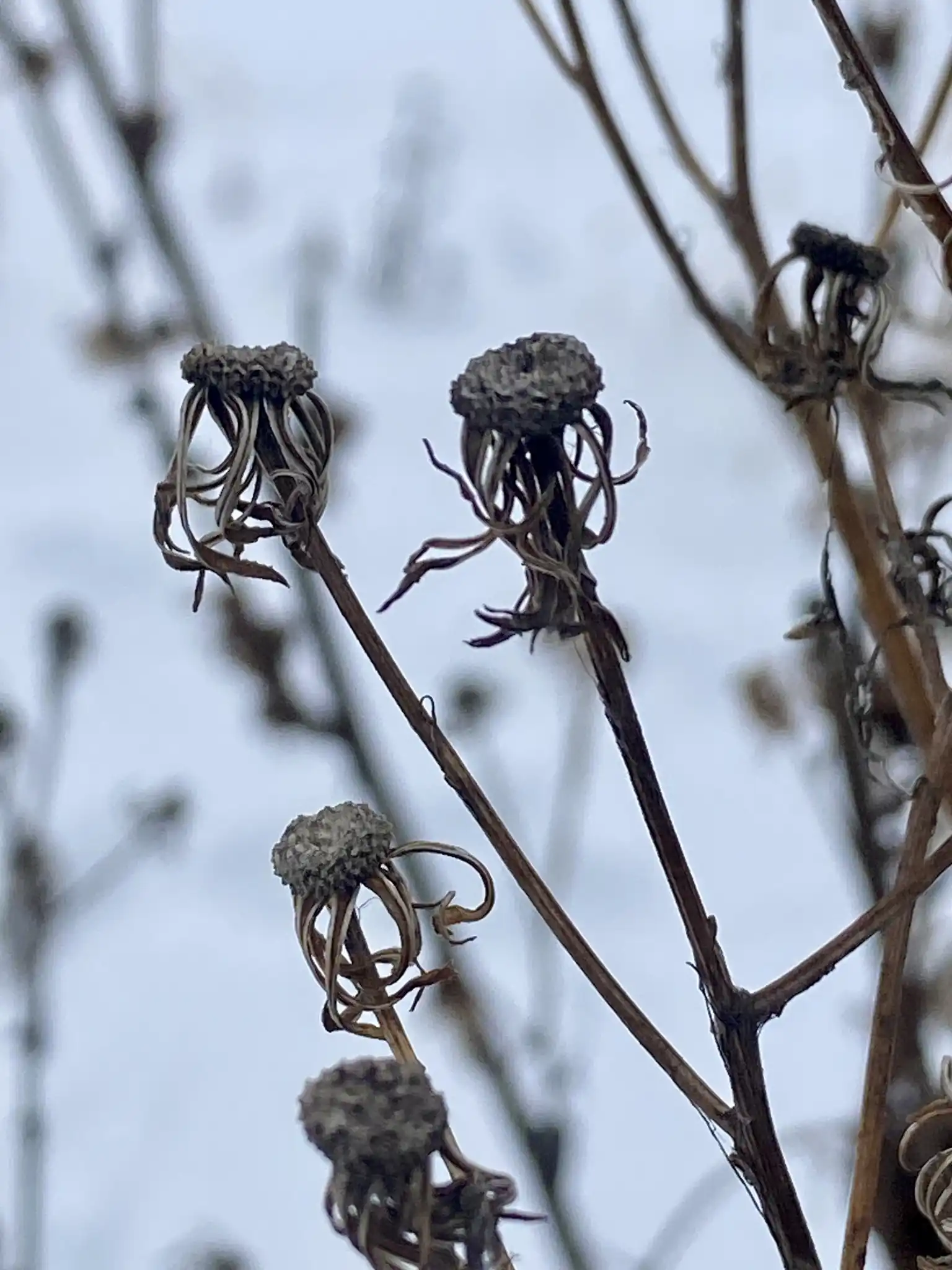
The Story
Plant Bio
Erechtites hieraciifolius, commonly known as American burnweed, is a fast-growing herbaceous annual native to the Americas. It features stout, upright stems and coarsely toothed, lanceolate leaves that emit a rank, unpleasant odor when crushed.
The cylindrical, cigar-shaped flower heads consist of greenish-white disk florets enclosed in tight green bracts that rarely open fully. Upon maturity, these heads push out dense, silky white plumes of wind-dispersed seeds.
Uses & Benefits:
Essentials
At a Glance
Plant Type
Annual
Height
118"
Width
24"
Light
Full Sun, Partial Sun
Zones
4, 5, 6, 7, 8, 9, 10
Water
Medium
Humidity
High
Lifespan
Annual
Native To
North America, South America
Toxicity
Non-toxic
Bloom period
Summer – Fall
In flower about 6 months of the year
Planting
How to Grow
- Select a site with full sun to partial shade and moist, disturbed soil.
- Sow seeds directly onto the soil surface, as they require light to germinate rapidly.
- Maintain consistent soil moisture during early growth to support rapid vertical development.
- Pull mature plants by hand before the flower heads open to release their wind-borne seeds.
Pro Tip
Eradicate plants entirely before the green, tubular flower heads transition into white, fuzzy seed plumes to prevent aggressive self-sowing across the garden.
Keep It Thriving
Care Guide
Do
- Hand-pull isolated specimens before they set seed to control unwanted spreading.
- Wear gloves when handling crushed foliage to avoid transferring the persistent, rank odor to skin.
- Allow the plant to colonize bare, post-fire, or highly disturbed soils where other vegetation struggles.
Don't
- Do not apply supplemental fertilizer, as this species thrives readily in nutrient-poor soils.
- Do not let the green flower heads turn white and fluffy if you wish to prevent thousands of volunteers next season.
- Do not plant this species in refined, formal borders where its aggressive self-sowing habit will overrun companions.
Seasonal Care Calendar
| Task | Jan | Feb | Mar | Apr | May | Jun | Jul | Aug | Sep | Oct | Nov | Dec |
|---|---|---|---|---|---|---|---|---|---|---|---|---|
| Pest Check | ||||||||||||
| Propagate | ||||||||||||
| Prune | ||||||||||||
| Winter Prep |
Watch Out For
Pests & Diseases
Common Pests
Common Diseases
In the Garden
Landscape Uses & Companions
Landscape Uses
Multiply
Propagation Methods
Good to Know
Common Questions
American Burnweed questions
What zones can American Burnweed grow in?
American Burnweed is hardy in USDA Zones 4–10. Inside that range it survives winter in the ground; outside it, grow it as an annual or a container plant you protect.
Is American Burnweed deer resistant?
Yes — American Burnweed is rated deer-resistant. Deer typically pass it over, though extreme hunger can override any plant's defenses.
When does American Burnweed bloom?
American Burnweed typically blooms in summer through fall. Exact timing shifts a week or two with your zone — Sow's bloom calendar maps it to your garden.
Does American Burnweed need full sun?
American Burnweed does best in full sun to part shade. In hot climates, afternoon shade keeps blooms fresher longer.
Is American Burnweed drought tolerant?
Yes — once established (usually after the first full season), American Burnweed handles dry spells with minimal watering. Water deeply its first year to build the root system that makes that possible.
Keep exploring
Explore the genus
Grow American Burnweed with confidence
See it in a design of your actual yard, get zone-matched care reminders, and track it season by season in your garden journal.