The Story
Plant Bio
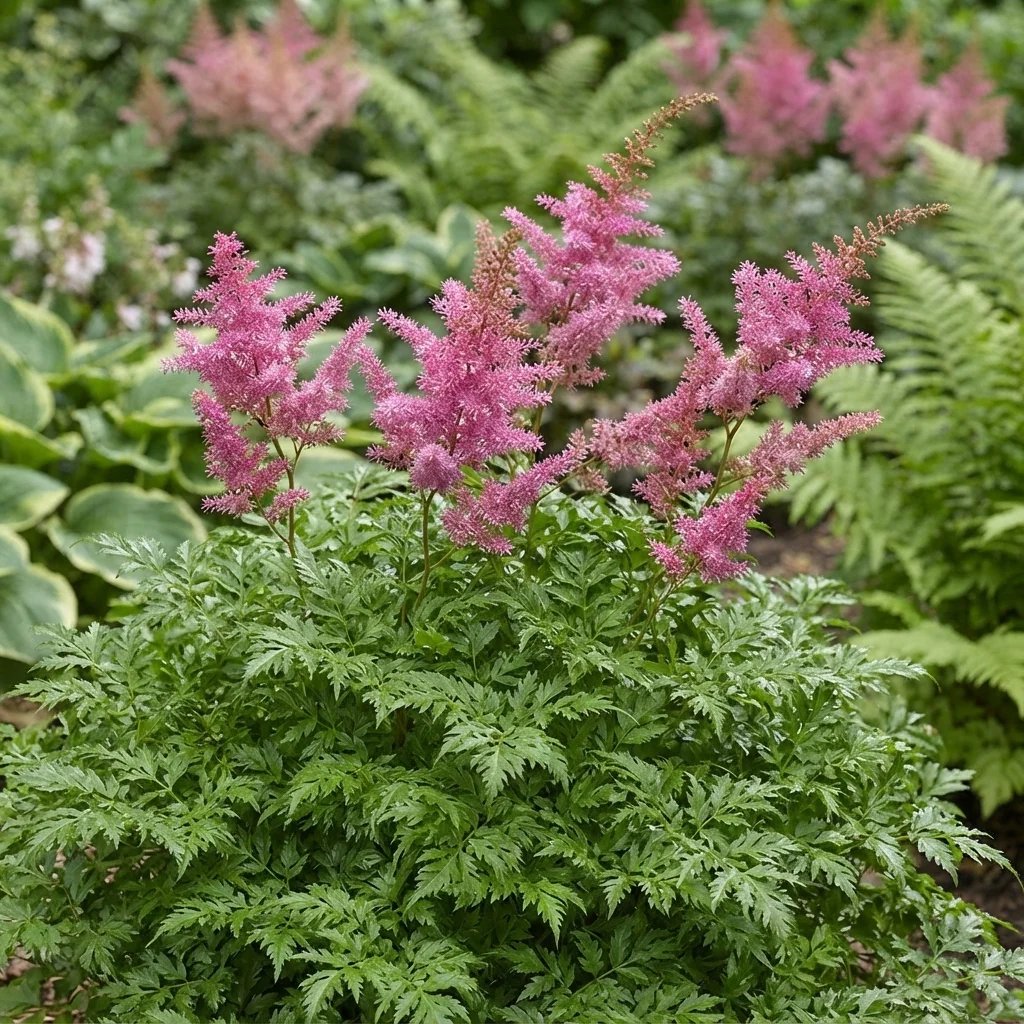
Astilbe simplicifolia is a clump-forming herbaceous perennial native to the woodlands of Japan, valued for its glossy, deeply divided foliage and feathery flowering plumes. The species thrives in cool, shaded environments where consistent moisture is available, producing airy panicles of flowers that rise above the compact foliage mound in summer.
'Key Largo' is a compact cultivar distinguished by its bright raspberry-pink to shell-pink flower plumes borne on contrasting red stems. The finely dissected, glossy kelly green leaves emerge bright green in spring and darken as they age, maintaining a refined texture throughout the growing season.
Uses & Benefits:
Essentials
At a Glance
Plant Type
Perennial
Height
18"
Width
15"
Light
Partial Sun, Shade
Zones
4, 5, 6, 7, 8, 9
Water
High
Humidity
Moderate to High
Lifespan
Perennial
Native To
East Asia (Japan)
Toxicity
Non-toxic
Bloom period
Mid summer – Late summer
In flower about 2 months of the year
Planting
How to Grow
- Select a site in partial to full shade with humus-rich, organically rich, and well-drained soil.
- Plant the crown just below the soil surface, ensuring it is not buried too deeply to prevent rot.
- Apply a thick layer of organic mulch around the base to retain consistent moisture and keep roots cool.
- Water regularly to ensure the soil remains evenly moist and never dries out completely.
Pro Tip
Mulch the root zone heavily with organic compost to preserve soil moisture; a single instance of the soil drying out completely during summer will cause irreversible leaf scorch and margin browning.
Keep It Thriving
Care Guide
Do
- Maintain consistent soil moisture throughout the hot summer months.
- Mulch annually with organic compost to enrich the soil and retain moisture.
- Cut back dead foliage to the ground in early spring before new growth emerges.
Don't
- Do not allow the soil to dry out, even briefly, during dry or hot spells.
- Do not bury the sensitive crown too deeply when planting or mulching.
- Do not prune into old, leafless wood mid-season.
Seasonal Care Calendar
| Task | Jan | Feb | Mar | Apr | May | Jun | Jul | Aug | Sep | Oct | Nov | Dec |
|---|---|---|---|---|---|---|---|---|---|---|---|---|
| Divide | ||||||||||||
| Fertilize | ||||||||||||
| Mulch | ||||||||||||
| Pest Check | ||||||||||||
| Spring Cleanup |
Watch Out For
Pests & Diseases
Common Pests
Common Diseases
In the Garden
Landscape Uses & Companions
Landscape Uses
Multiply
Propagation Methods
Good to Know
Common Questions
False Spirea questions
What zones can False Spirea grow in?
False Spirea is hardy in USDA Zones 4–9. Inside that range it survives winter in the ground; outside it, grow it as an annual or a container plant you protect.
Is False Spirea deer resistant?
Yes — False Spirea is rated deer-resistant. Deer typically pass it over, though extreme hunger can override any plant's defenses.
When does False Spirea bloom?
False Spirea typically blooms in mid summer through late summer. Exact timing shifts a week or two with your zone — Sow's bloom calendar maps it to your garden.
Does False Spirea need full sun?
False Spirea does best in part shade.
More Astilbe to compare
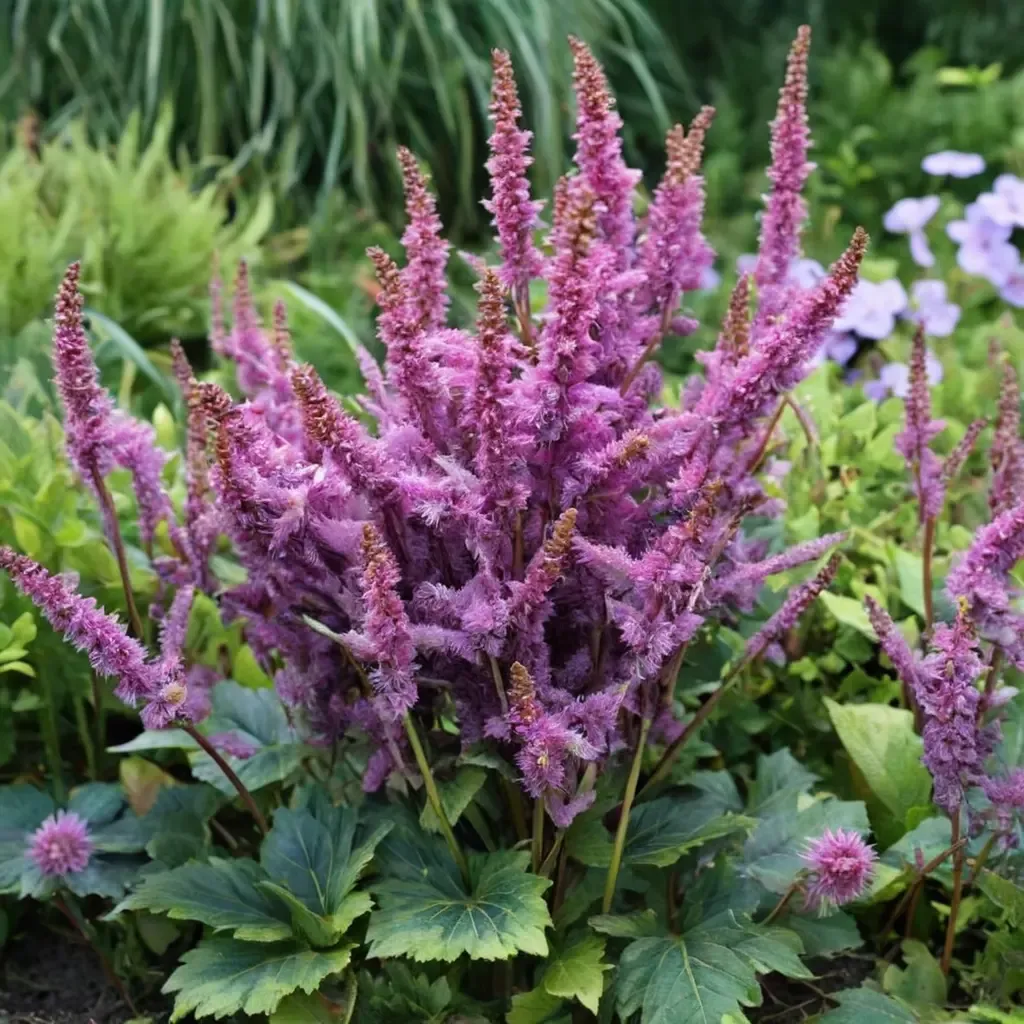
Visions Astilbe
Astilbe chinensis 'Visions'
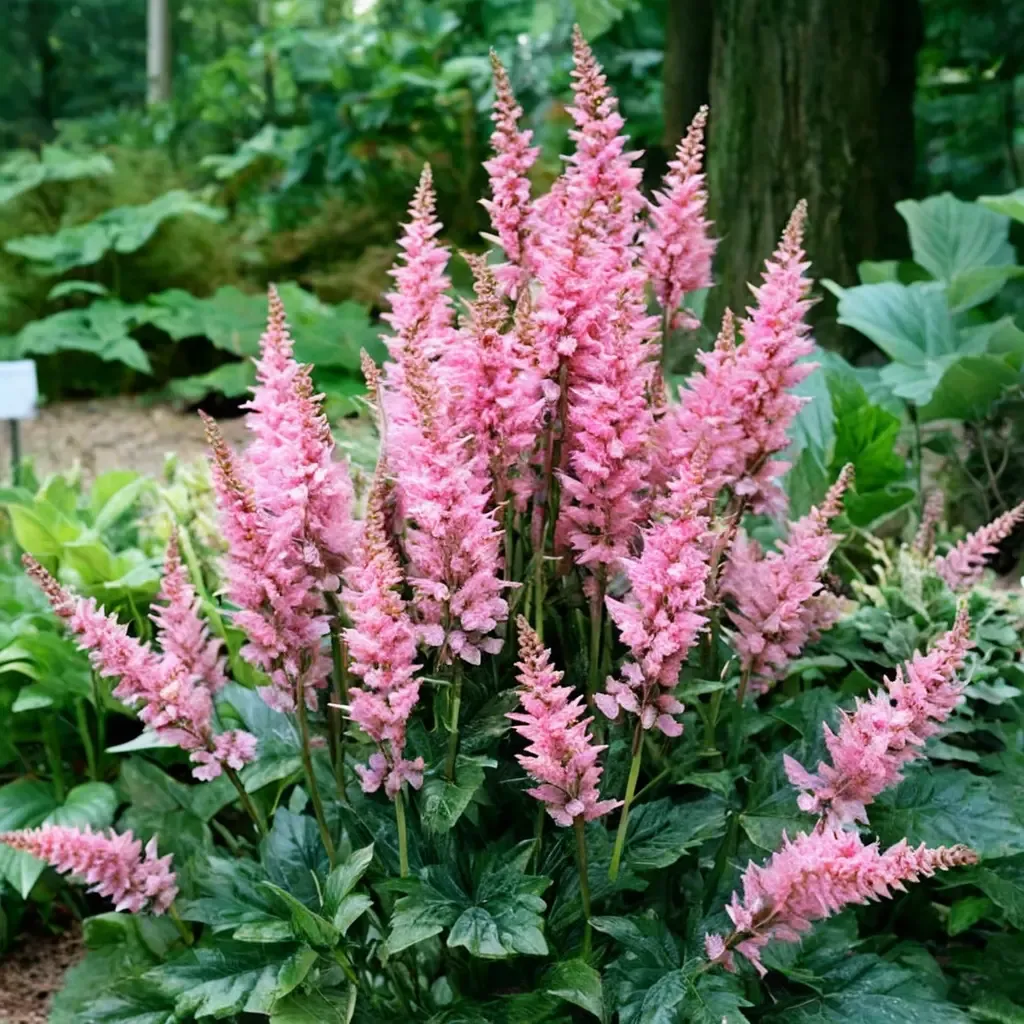
'Visions in Pink' Chinese Astilbe
Astilbe astilbe 'Visions in Pink'
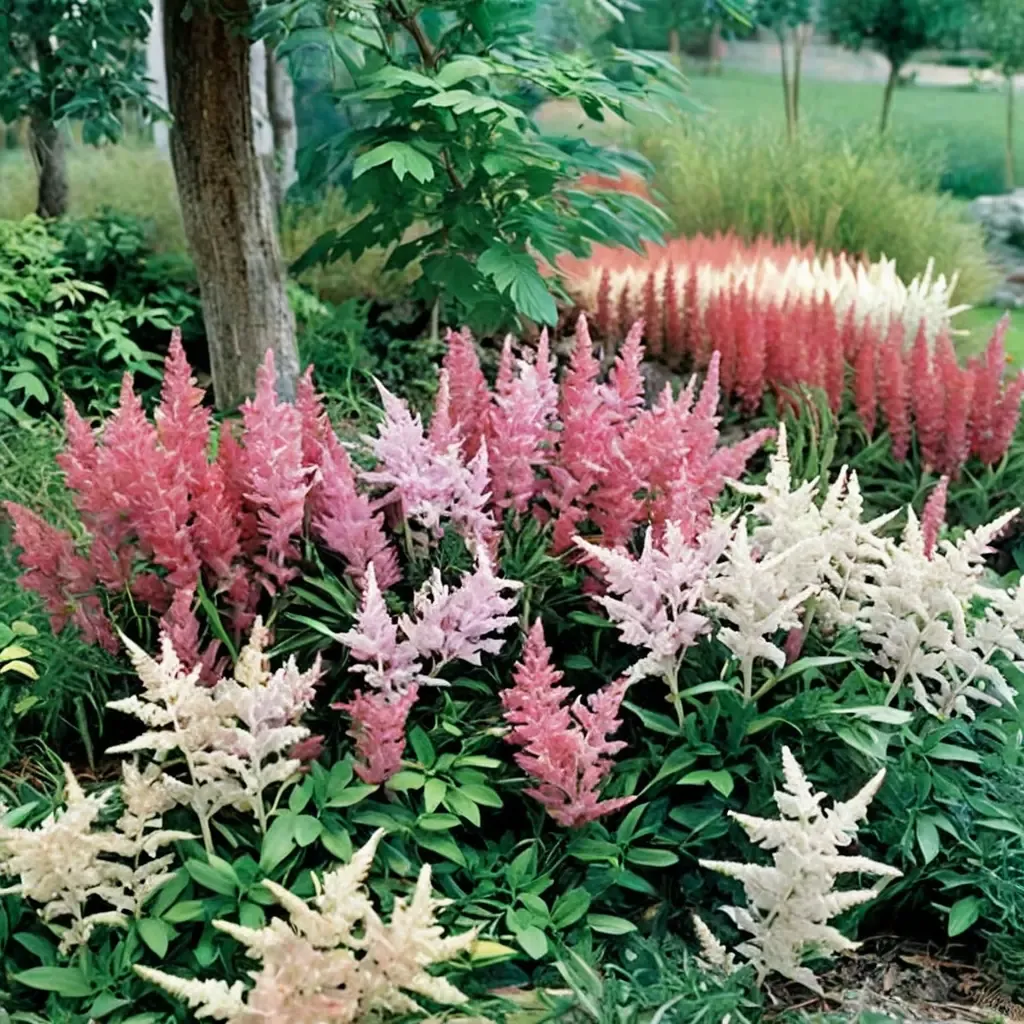
Garden Astilbe
Astilbe astilboides 'Garden Mix'
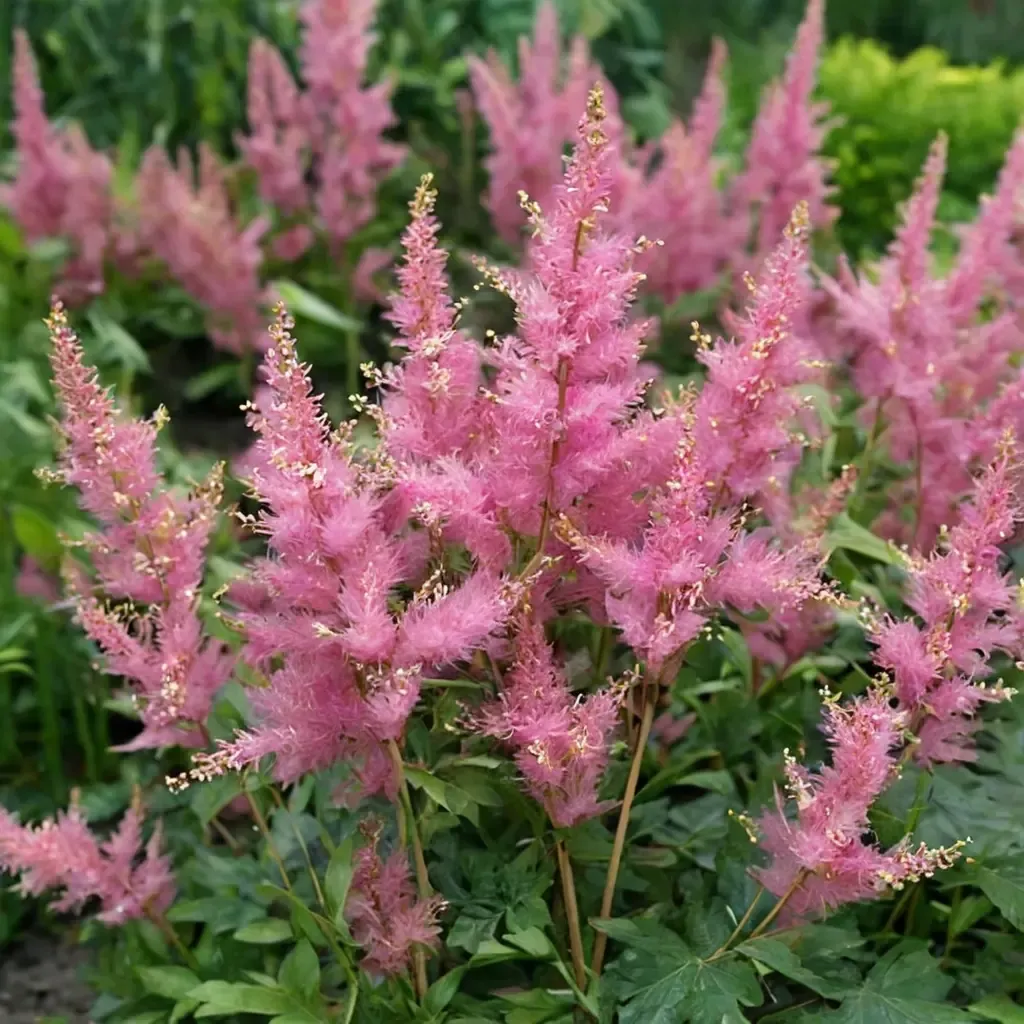
Rheinland Astilbe
Astilbe x arendsii 'Rheinland'
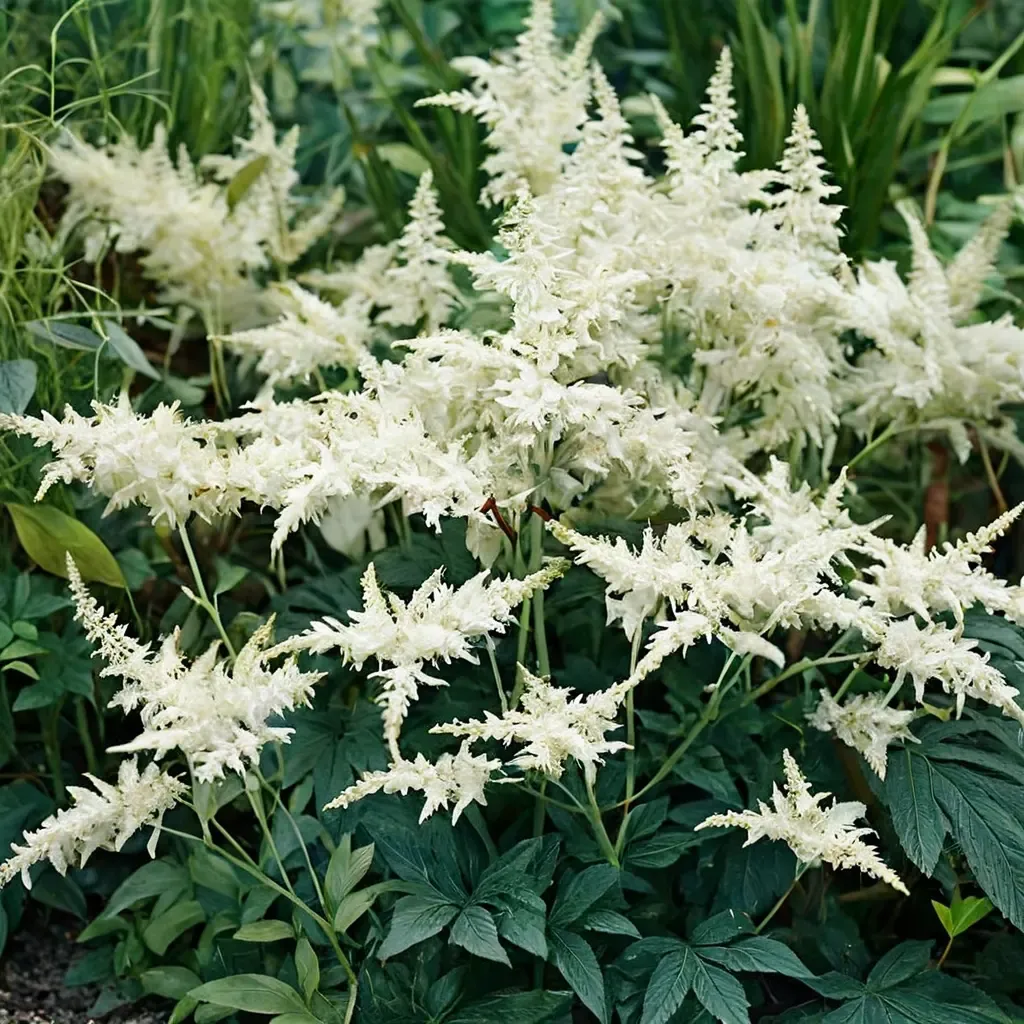
Bridal Veil Astilbe
Astilbe astilbe 'Bridal Veil'
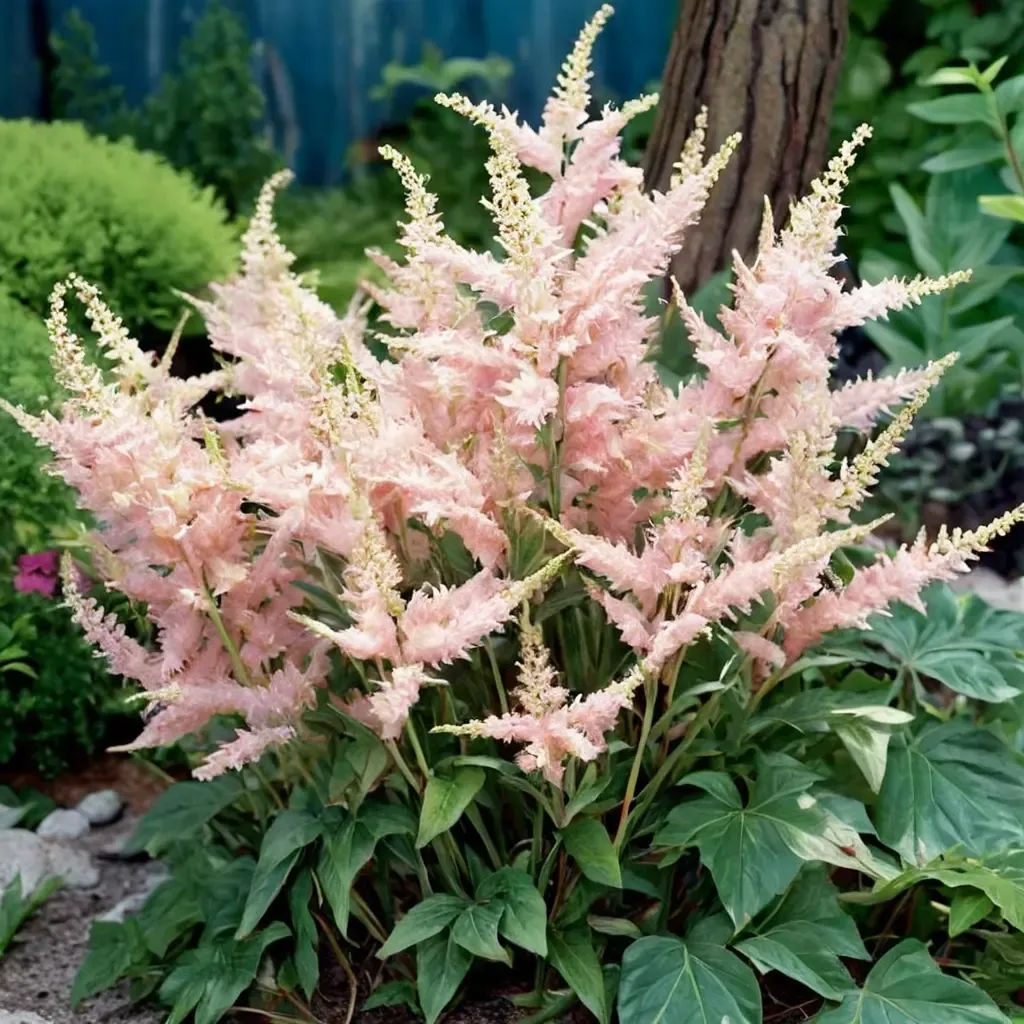
Peach Blossom Astilbe
Astilbe astilbe 'Peach Blossom'
Keep exploring
Explore the genus
Grow False Spirea with confidence
See it in a design of your actual yard, get zone-matched care reminders, and track it season by season in your garden journal.