
Species
 Tilia americanaAmerican Linden
2 other cultivars


The Story
Plant Bio
Tilia americana, or American Linden, is a large, stately deciduous tree with large, heart-shaped leaves and famously fragrant summer flowers that are highly attractive to bees. It develops a dense, rounded crown, providing excellent shade.
The 'Redmond' cultivar is distinguished by its dense, tightly pyramidal growth habit when young, maturing to a broader pyramid. Its glossy dark green foliage and uniform shape make it a popular and predictable choice for formal landscapes and street plantings.
Uses & Benefits:
Essentials
At a Glance
Plant Type
Tree
Height
780"
Width
420"
Light
Full Sun, Partial Sun
Zones
4, 5, 6, 7, 8
Water
Medium
Humidity
Average
Lifespan
Long-lived deciduous tree
Native To
Eastern North America (species)
Toxicity
Non-toxic
Bloom period
Early summer – Mid-summer
In flower about 2 months of the year
Planting
How to Grow
- Plant in a location with full sun to light shade.
- Dig a hole twice the width of the root ball, but no deeper.
- Set the tree in the hole, ensuring the root flare is at ground level.
- Backfill with native soil and water thoroughly to remove air pockets.
- Stake only if necessary in very windy locations, removing stakes after one year.
- Apply a 2-3 inch layer of organic mulch around the tree's base.
Pro Tip
Site this tree where its fragrant flowers can be appreciated, but be aware that the flowers can attract large numbers of bees.
Keep It Thriving
Care Guide
Do
- Water deeply and regularly during the first few years.
- Provide moist, well-drained soil for best performance.
- Prune suckers from the base of the trunk as they appear.
- Allow plenty of space for its large mature size.
Don't
- Do not plant in very dry or compacted soils.
- Avoid planting near patios or parked cars where aphid honeydew may be a nuisance.
- Don't allow mulch to touch the trunk, as this can cause rot.
- Avoid wounding the thin bark with lawnmowers or string trimmers.
Seasonal Care Calendar
| Task | Jan | Feb | Mar | Apr | May | Jun | Jul | Aug | Sep | Oct | Nov | Dec |
|---|---|---|---|---|---|---|---|---|---|---|---|---|
| Fertilize | ||||||||||||
| Pest Check | ||||||||||||
| Prune |
Watch Out For
Pests & Diseases
Common Pests
Common Diseases
In the Garden
Landscape Uses & Companions
Landscape Uses
Companion Plants
Multiply
Propagation Methods
Good to Know
Common Questions
Redmond American Linden questions
What zones can Redmond American Linden grow in?
Redmond American Linden is hardy in USDA Zones 4–8. Inside that range it survives winter in the ground; outside it, grow it as an annual or a container plant you protect.
Is Redmond American Linden deer resistant?
Not reliably. Deer may browse Redmond American Linden, especially tender spring growth — plan on repellents or fencing where pressure is high.
When does Redmond American Linden bloom?
Redmond American Linden typically blooms in early summer through mid-summer. Exact timing shifts a week or two with your zone — Sow's bloom calendar maps it to your garden.
Does Redmond American Linden need full sun?
Redmond American Linden does best in full sun to part shade. In hot climates, afternoon shade keeps blooms fresher longer.
More Tilia to compare
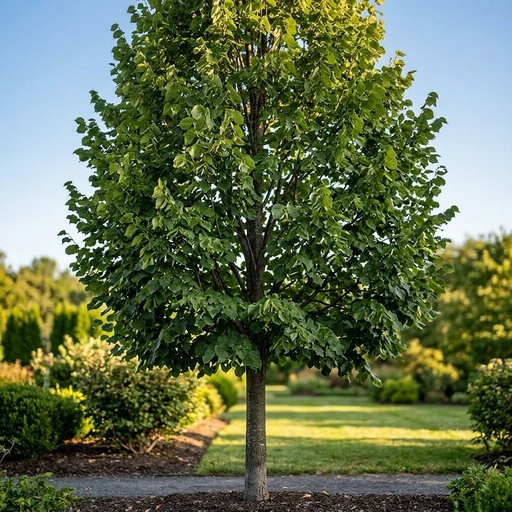
Sentry American Linden
Tilia americana 'Sentry'
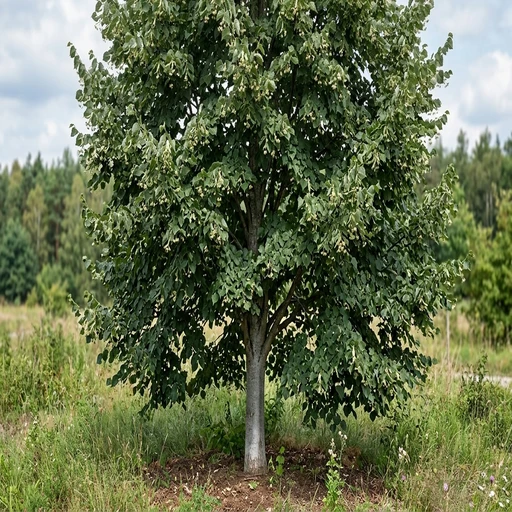
Green Mountain Silver Linden
Tilia tomentosa 'Green Mountain'
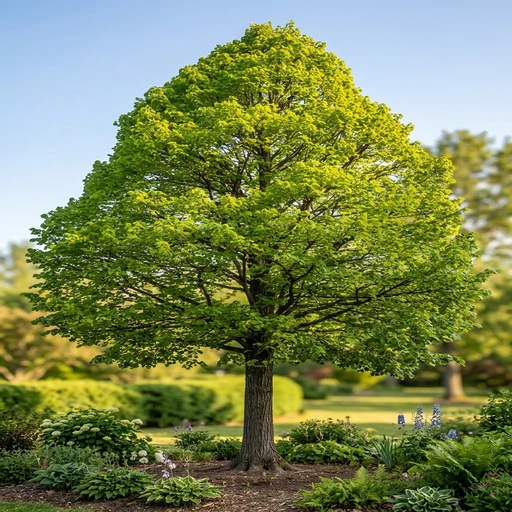
American Linden
Tilia americana
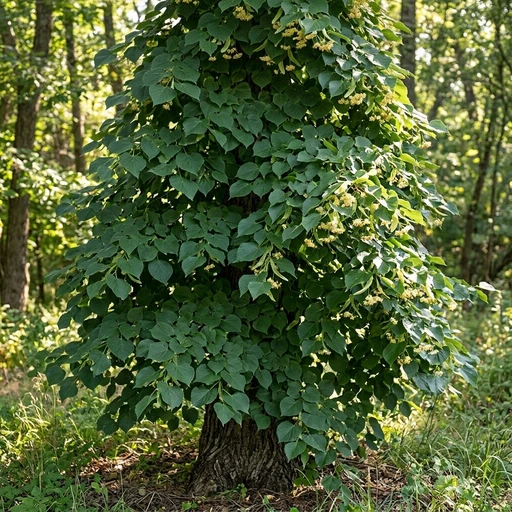
Boulevard American Linden
Tilia americana 'Boulevard'
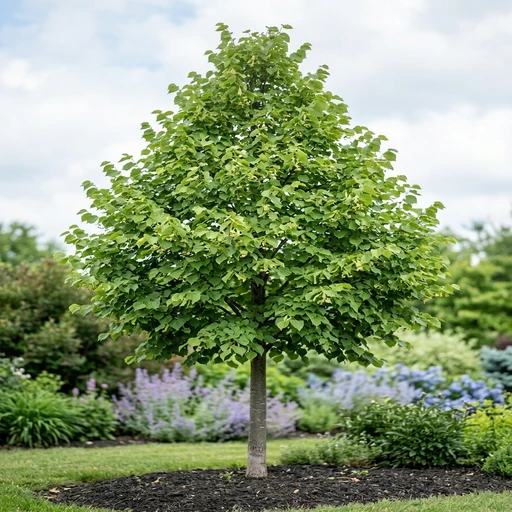
Greenspire Linden
Tilia cordata 'Pni 6025'
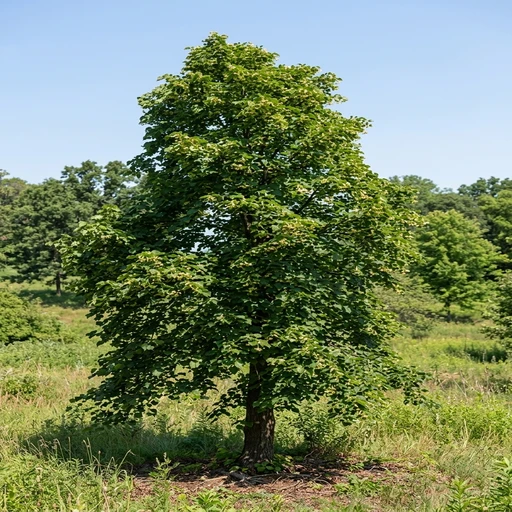
Glenleven Littleleaf Linden
Tilia cordata 'Glenleven'
Keep exploring
Explore the genus
Hardy in your zone?
Grow Redmond American Linden with confidence
See it in a design of your actual yard, get zone-matched care reminders, and track it season by season in your garden journal.