

The Story
Plant Bio
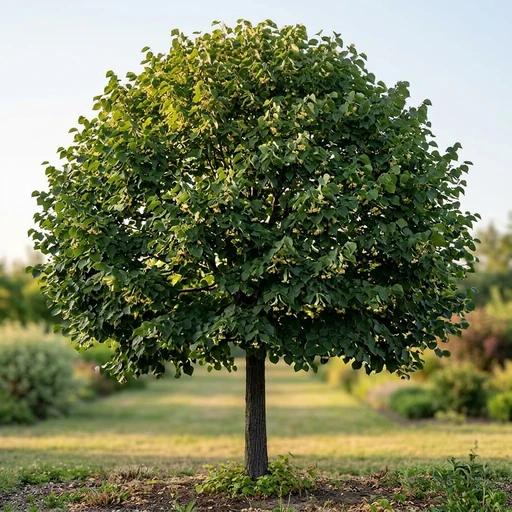
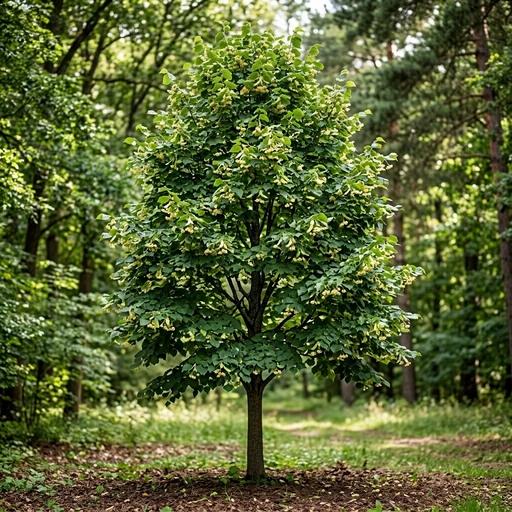
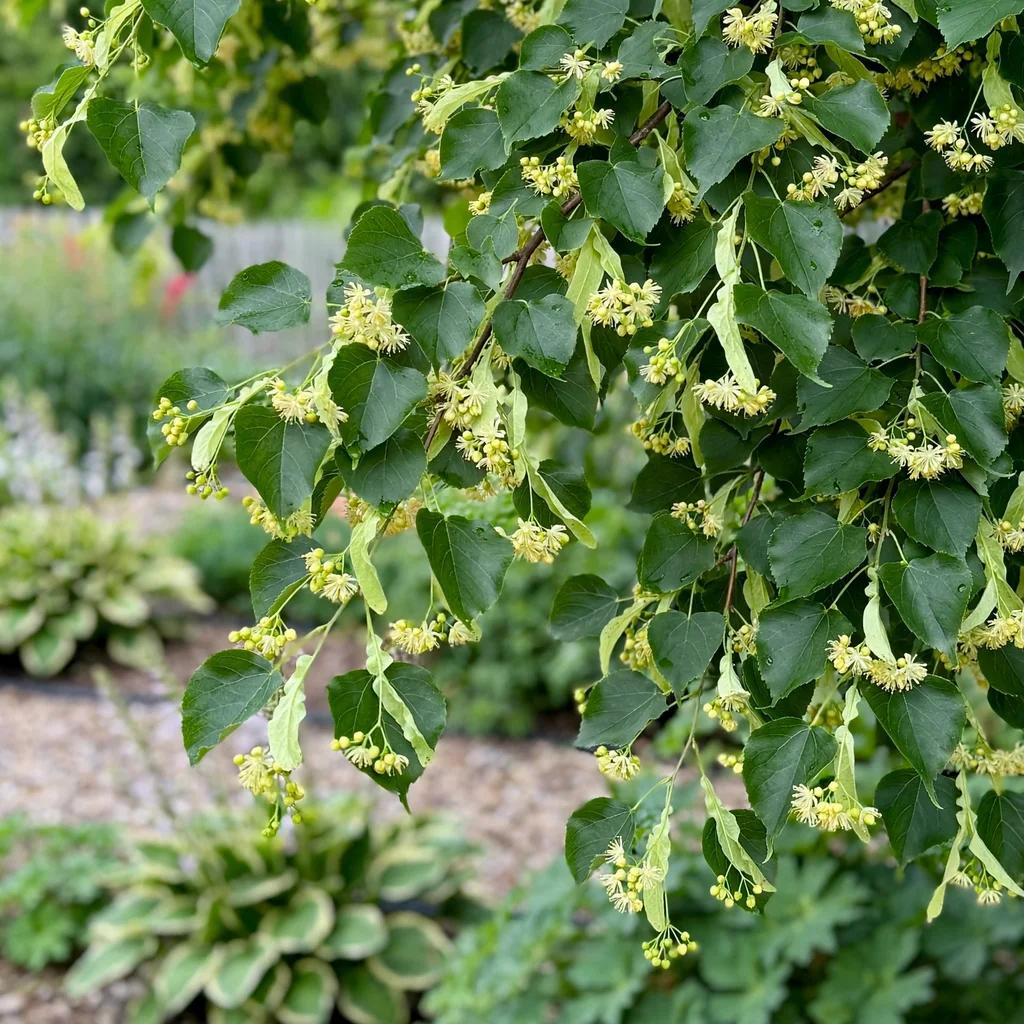
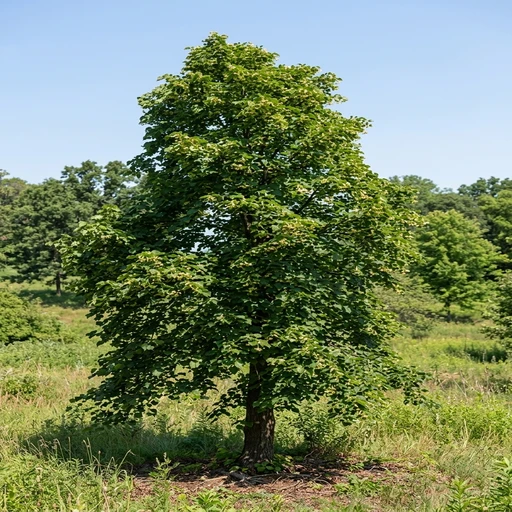
Tilia cordata, the Littleleaf Linden, is a medium to large deciduous tree native to Europe, known for its dense, pyramidal to rounded crown and heart-shaped leaves. It is highly valued for its fragrant, pale yellow flowers that bloom in early summer.
Greenspire® ('PNI 6025') is a very popular cultivar selected for its exceptionally straight trunk, strong central leader, and symmetrical, narrow pyramidal form. These traits make it a uniform and reliable choice for formal plantings and street tree use.
Uses & Benefits:
Essentials
At a Glance
Plant Type
Tree
Height
540"
Width
360"
Light
Full Sun, Partial Sun
Zones
4, 5, 6, 7
Water
Medium
Humidity
Moderate
Lifespan
100+ years
Native To
Europe (species)
Toxicity
Non-toxic
Bloom period
Early summer – Mid-summer
In flower about 2 months of the year
Planting
How to Grow
- Select a location in full sun with deep, moist, well-drained soil.
- Dig a hole two to three times the width of the root ball.
- Set the tree in the hole so the root flare is level with the ground.
- Backfill with the original soil, tamping lightly to remove air pockets.
- Water deeply and consistently for the first growing season.
- Apply a 2-3 inch layer of mulch around the base, avoiding the trunk.
Pro Tip
Be prepared for aphids and the resulting sticky honeydew, especially if planting near cars, patios, or walkways.
Keep It Thriving
Care Guide
Do
- Water regularly during establishment and in periods of drought.
- Provide ample space for root and canopy development.
- Prune as needed in winter to maintain a clear trunk for pedestrian or vehicle clearance.
- Monitor for pests, as lindens are susceptible to several.
Don't
- Don't plant in compacted or poorly drained soils.
- Avoid planting where its aphid honeydew will be a major nuisance.
- Don't plant in hot, dry, restricted root zones.
- Avoid wounding the bark, which can be susceptible to cankers.
Seasonal Care Calendar
| Task | Jan | Feb | Mar | Apr | May | Jun | Jul | Aug | Sep | Oct | Nov | Dec |
|---|---|---|---|---|---|---|---|---|---|---|---|---|
| Pest Check | ||||||||||||
| Plant | ||||||||||||
| Prune |
Watch Out For
Pests & Diseases
Common Pests
Common Diseases
In the Garden
Landscape Uses & Companions
Landscape Uses
Companion Plants
Multiply
Propagation Methods
Good to Know
Common Questions
Greenspire Linden questions
What zones can Greenspire Linden grow in?
Greenspire Linden is hardy in USDA Zones 4–7. Inside that range it survives winter in the ground; outside it, grow it as an annual or a container plant you protect.
Is Greenspire Linden deer resistant?
Not reliably. Deer may browse Greenspire Linden, especially tender spring growth — plan on repellents or fencing where pressure is high.
When does Greenspire Linden bloom?
Greenspire Linden typically blooms in early summer through mid-summer. Exact timing shifts a week or two with your zone — Sow's bloom calendar maps it to your garden.
Does Greenspire Linden need full sun?
Greenspire Linden does best in full sun to part shade. In hot climates, afternoon shade keeps blooms fresher longer.
More Tilia to compare
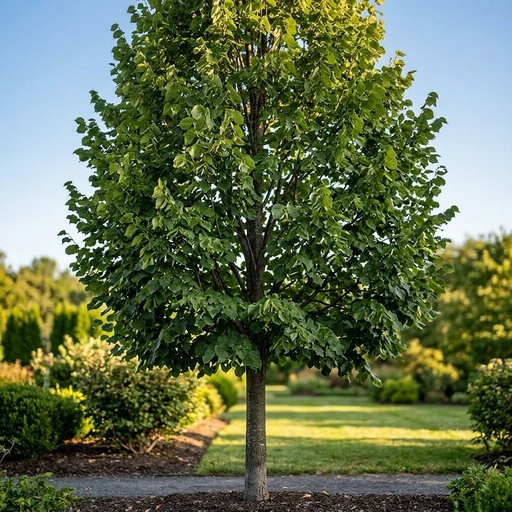
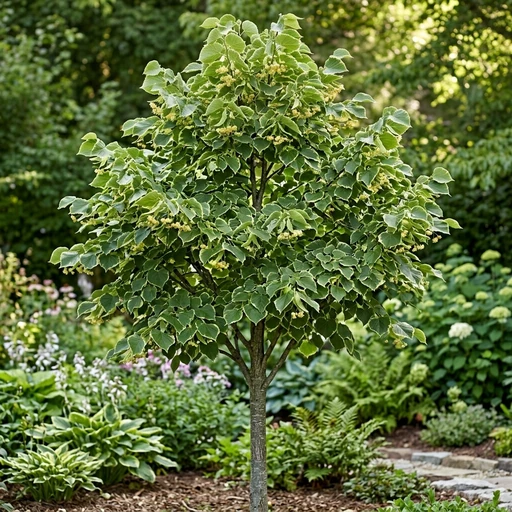
Sentry American Linden
Tilia americana 'Sentry'
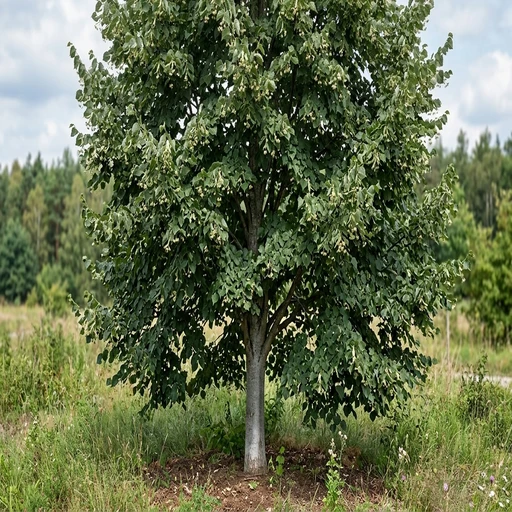
Redmond American Linden
Tilia americana 'Redmond'
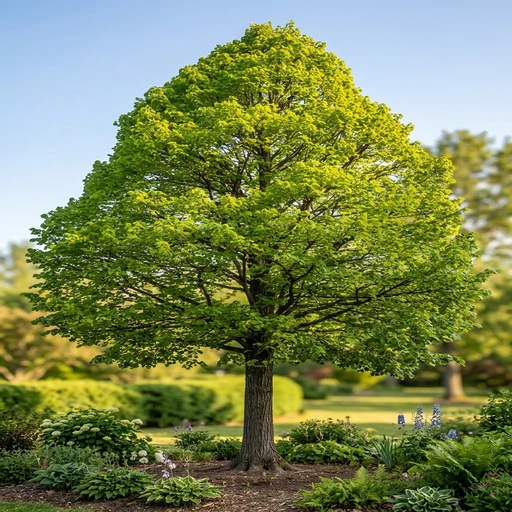
Green Mountain Silver Linden
Tilia tomentosa 'Green Mountain'
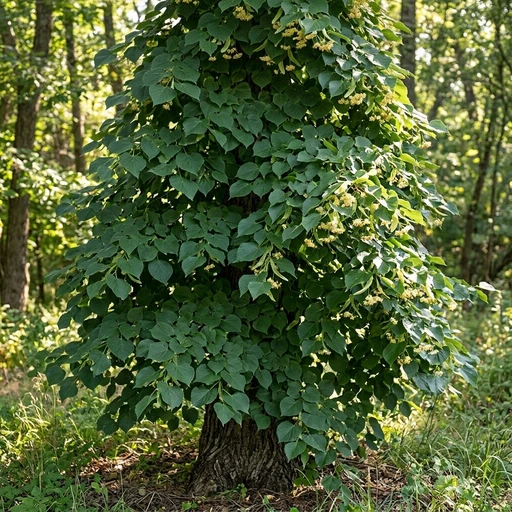
American Linden
Tilia americana
Boulevard American Linden
Tilia americana 'Boulevard'
Glenleven Littleleaf Linden
Tilia cordata 'Glenleven'
Keep exploring
Explore the genus
Hardy in your zone?
Grow Greenspire Linden with confidence
See it in a design of your actual yard, get zone-matched care reminders, and track it season by season in your garden journal.