

The Story
Plant Bio
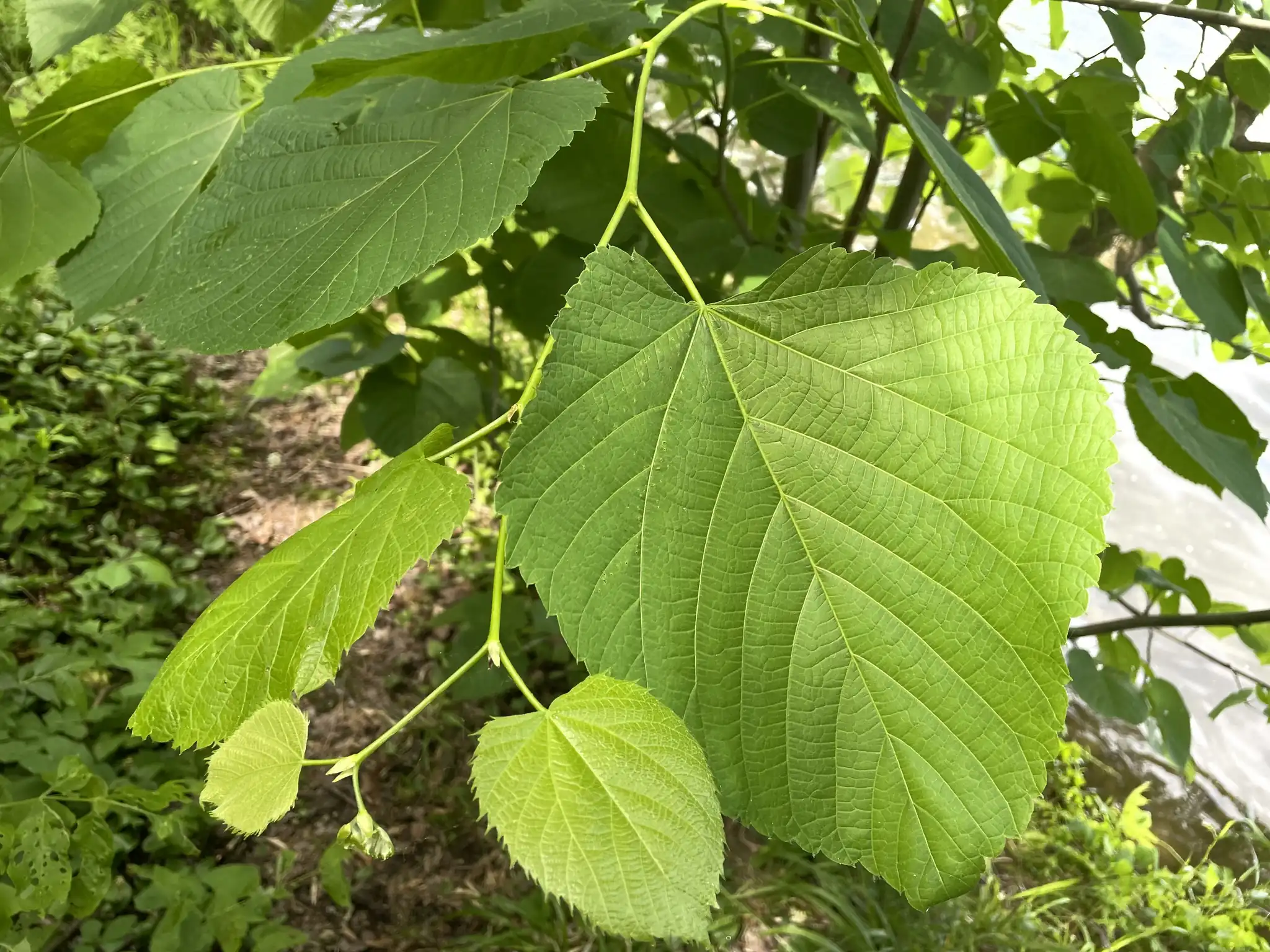
Tilia americana, or American Linden, is a large, stately deciduous tree native to eastern North America. It is characterized by its heart-shaped leaves, dense canopy, and fragrant, pale yellow flowers in early summer.
The species is highly valued for its fragrant flowers, which are a major nectar source for honeybees, producing a prized honey. Its soft, easily worked wood, known as basswood, is favored by woodcarvers.
Uses & Benefits:
Essentials
At a Glance
Plant Type
Tree
Height
720"
Width
480"
Light
Full Sun, Partial Sun
Zones
4, 5, 6, 7, 8
Water
Medium to wet
Humidity
Adaptable
Lifespan
Over 100 years
Native To
Eastern North America
Toxicity
Non-toxic to humans and pets
Planting
How to Grow
- Choose a location with full sun and moist, well-drained soil.
- Dig a planting hole two to three times wider than the root ball.
- Position the tree so the top of the root ball is level with the soil.
- Backfill the hole with the original soil, gently tamping it down.
- Water thoroughly after planting to settle the soil around the roots.
- Apply a 3-inch layer of mulch, keeping it away from the trunk.
Pro Tip
Provide consistent moisture during the first few years to establish a deep, healthy root system for this large tree.
Keep It Thriving
Care Guide
Do
- Water deeply and regularly, especially during dry spells.
- Prune in late winter to maintain a strong structure.
- Allow ample space for its large mature size.
- Monitor for pests like Japanese beetles in early summer.
Don't
- Do not plant in compacted or poorly drained soils.
- Avoid piling mulch against the trunk, which can cause rot.
- Do not over-fertilize; it is generally not necessary.
- Avoid major pruning in spring when sap is flowing.
Seasonal Care Calendar
| Task | Jan | Feb | Mar | Apr | May | Jun | Jul | Aug | Sep | Oct | Nov | Dec |
|---|---|---|---|---|---|---|---|---|---|---|---|---|
| Mulch | ||||||||||||
| Pest Check | ||||||||||||
| Prune |
Watch Out For
Pests & Diseases
Common Pests
Common Diseases
In the Garden
Landscape Uses & Companions
Landscape Uses
Multiply
Propagation Methods
Good to Know
Common Questions
American Linden questions
What zones can American Linden grow in?
American Linden is hardy in USDA Zones 4–8. Inside that range it survives winter in the ground; outside it, grow it as an annual or a container plant you protect.
Is American Linden deer resistant?
Not reliably. Deer may browse American Linden, especially tender spring growth — plan on repellents or fencing where pressure is high.
When does American Linden bloom?
American Linden typically blooms in early summer through mid-summer. Exact timing shifts a week or two with your zone — Sow's bloom calendar maps it to your garden.
Does American Linden need full sun?
American Linden does best in full sun to part shade. In hot climates, afternoon shade keeps blooms fresher longer.
More Tilia to compare
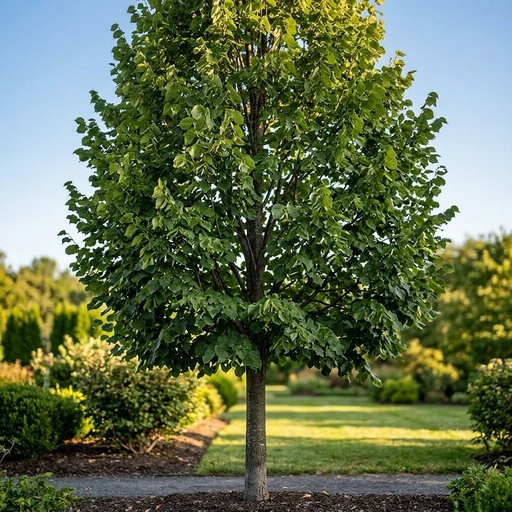
Sentry American Linden
Tilia americana 'Sentry'
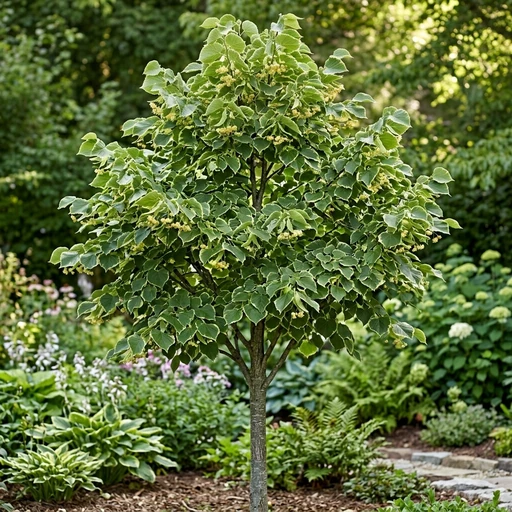
Redmond American Linden
Tilia americana 'Redmond'
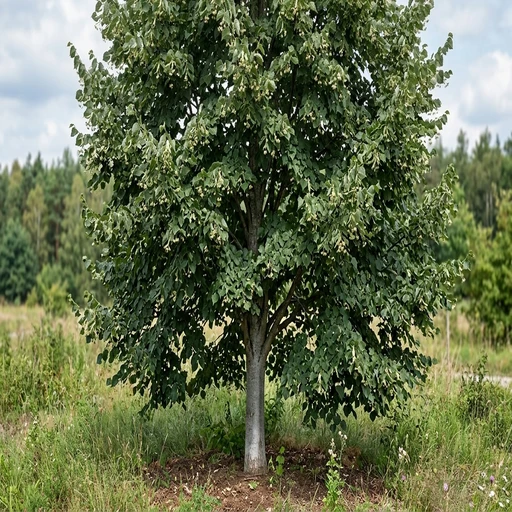
Green Mountain Silver Linden
Tilia tomentosa 'Green Mountain'
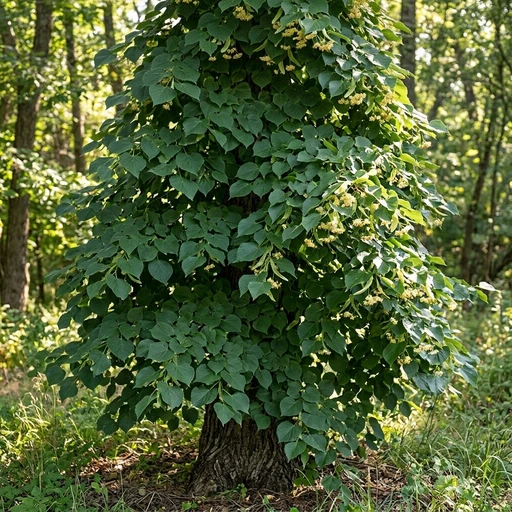
Boulevard American Linden
Tilia americana 'Boulevard'
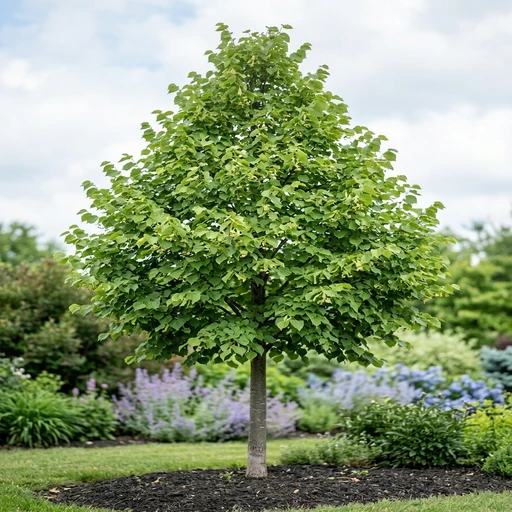
Greenspire Linden
Tilia cordata 'Pni 6025'
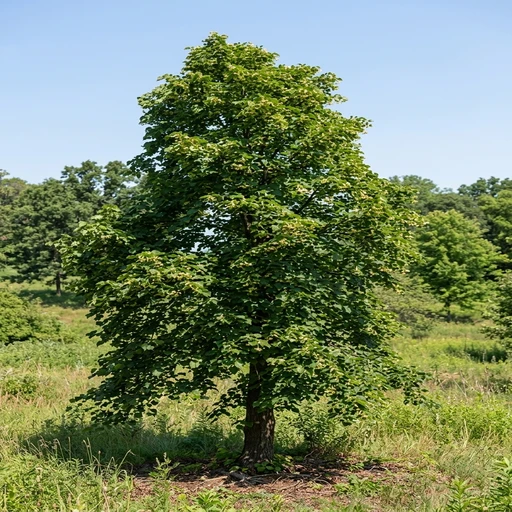
Glenleven Littleleaf Linden
Tilia cordata 'Glenleven'
Keep exploring
Explore the genus
Hardy in your zone?
Grow American Linden with confidence
See it in a design of your actual yard, get zone-matched care reminders, and track it season by season in your garden journal.