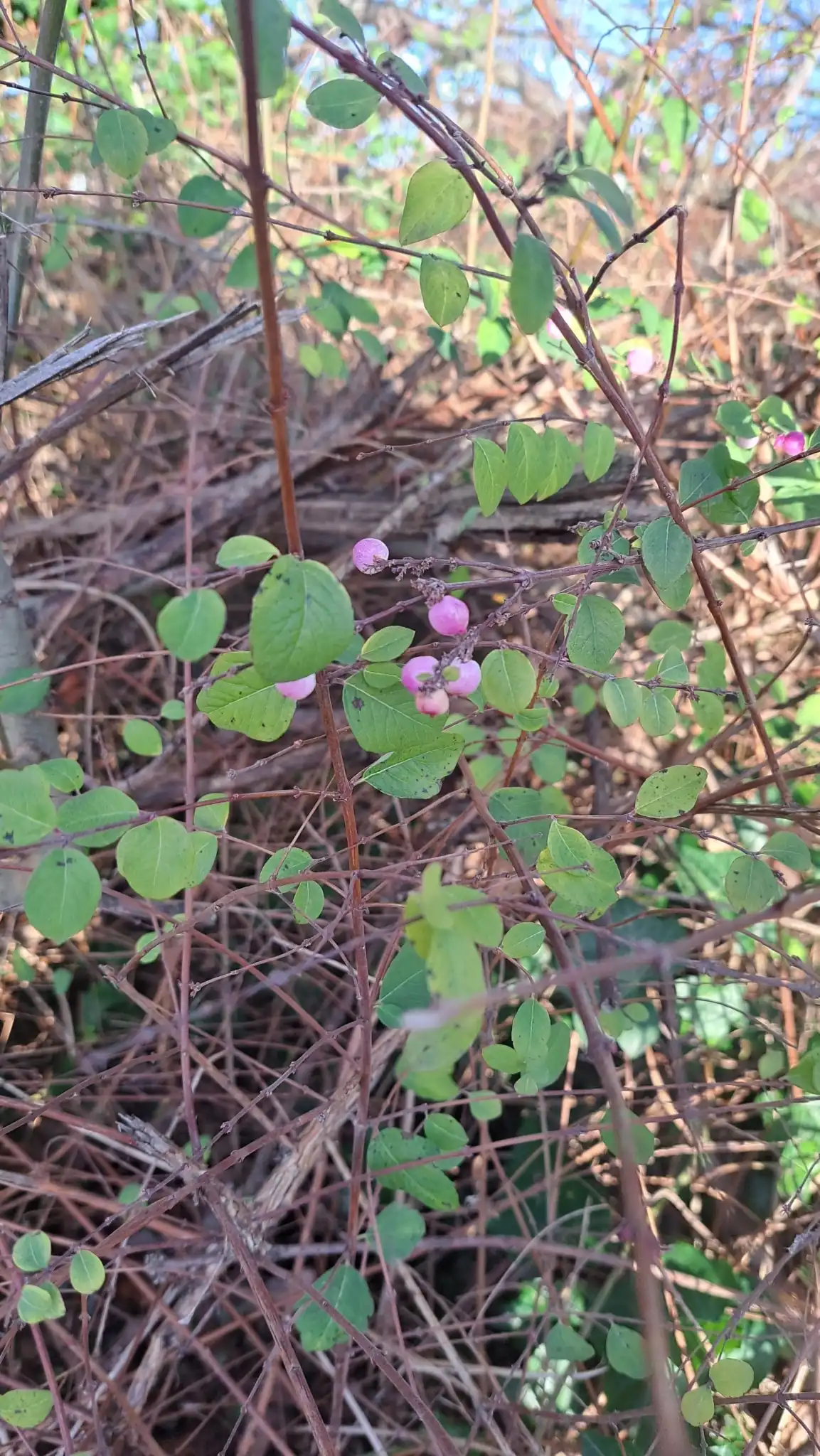
2 named cultivars
The Story
Plant Bio
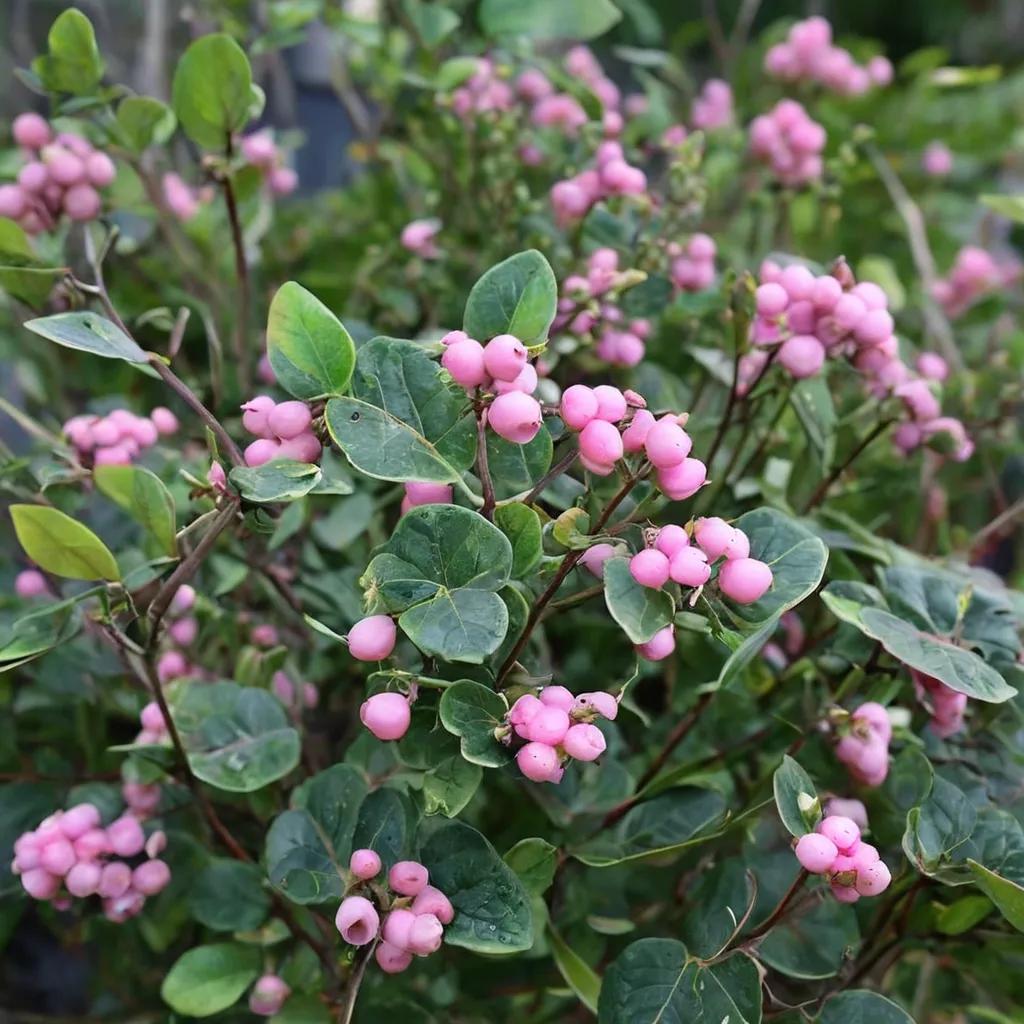
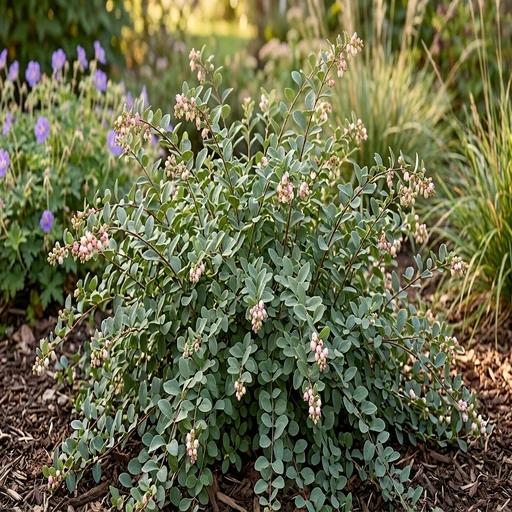
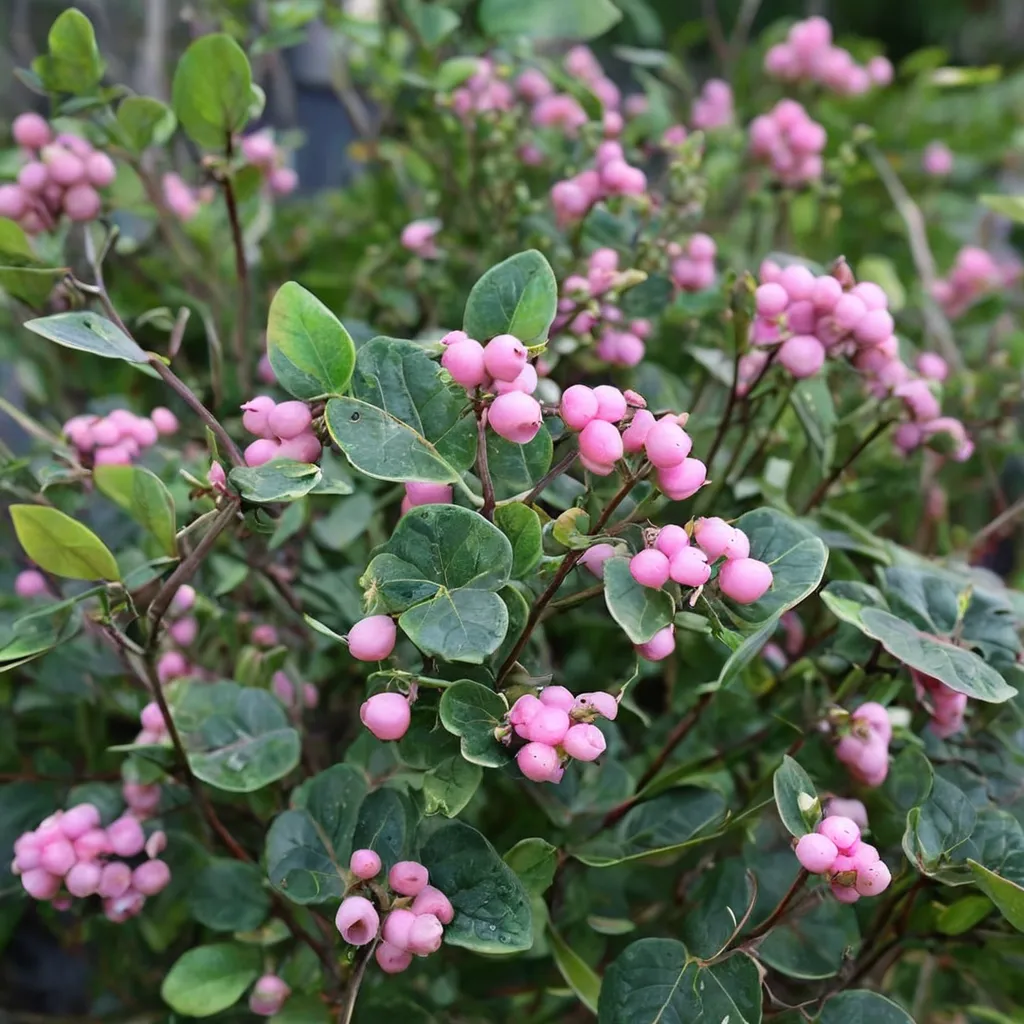
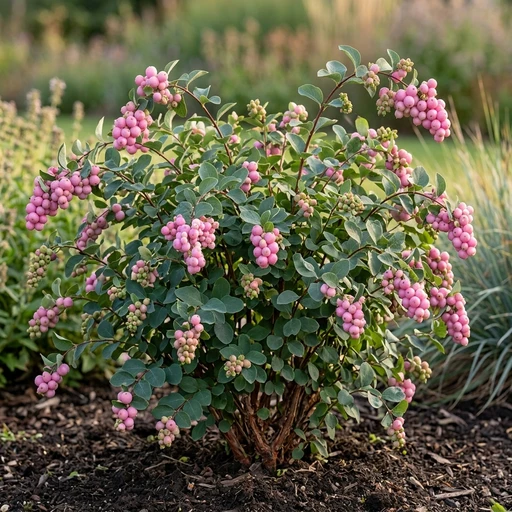
Symphoricarpos chenaultii, the Chenault coralberry, is a suckering deciduous shrub of garden origin, bred from S. microphyllus and S. orbiculatus. It grows three to six feet high and as wide, with arching stems and a low spreading habit clothed in small elliptic leaves. Modest pink flowers in June and July are followed by the display: clusters of pink-flushed white berries.
The fruit is the whole reason to grow it, holding on the bare stems well after leaf fall, and it will not develop properly in shade. The plant also suckers steadily into a colony, which is useful on a bank and awkward in a border, so plant it where the spread is wanted and cut back the suckers annually if not.
Uses & Benefits:
Essentials
At a Glance
Plant Type
Shrub
Height
48"
Width
57"
Light
Full Sun, Partial Sun, Shade
Zones
4, 5, 6, 7, 8
Water
Medium
Humidity
Average
Lifespan
Perennial
Native To
Garden origin
Toxicity
Toxic if ingested
Planting
How to Grow
- Plant in spring or autumn in full sun to part shade.
- Use average, well-drained soil; most types are tolerated.
- Give it room to sucker, or plan to contain it.
- Water through the first season only.
- Prune as needed in late winter to early spring.
- Remove unwanted suckers with a spade each spring.
Pro Tip
Berry set falls off sharply in shade, so trade a little leaf quality for sun if you want the autumn display.
Keep It Thriving
Care Guide
Do
- Plant in sun for the best berry set ☀️
- Use it on banks where suckering helps 🪨
- Prune in late winter before growth starts ✂️
- Cut back unwanted suckers annually 🌿
Don't
- Plant it in deep shade and expect fruit ❌
- Put it in a tight border without containment ❌
- Let children eat the berries ❌
Seasonal Care Calendar
| Task | Jan | Feb | Mar | Apr | May | Jun | Jul | Aug | Sep | Oct | Nov | Dec |
|---|---|---|---|---|---|---|---|---|---|---|---|---|
| Contain | ||||||||||||
| Prune |
Watch Out For
Pests & Diseases
Common Pests
Common Diseases
In the Garden
Landscape Uses & Companions
Landscape Uses
Multiply
Propagation Methods
Good to Know
Common Questions
Coralberry questions
What zones can Coralberry grow in?
Coralberry is hardy in USDA Zones 4–8. Inside that range it survives winter in the ground; outside it, grow it as an annual or a container plant you protect.
Is Coralberry deer resistant?
Yes — Coralberry is rated deer-resistant. Deer typically pass it over, though extreme hunger can override any plant's defenses.
When does Coralberry bloom?
Coralberry typically blooms in early to midsummer; fruit from late summer through late summer. Exact timing shifts a week or two with your zone — Sow's bloom calendar maps it to your garden.
Does Coralberry need full sun?
Coralberry does best in full sun to part shade. In hot climates, afternoon shade keeps blooms fresher longer.
Is Coralberry drought tolerant?
Yes — once established (usually after the first full season), Coralberry handles dry spells with minimal watering. Water deeply its first year to build the root system that makes that possible.
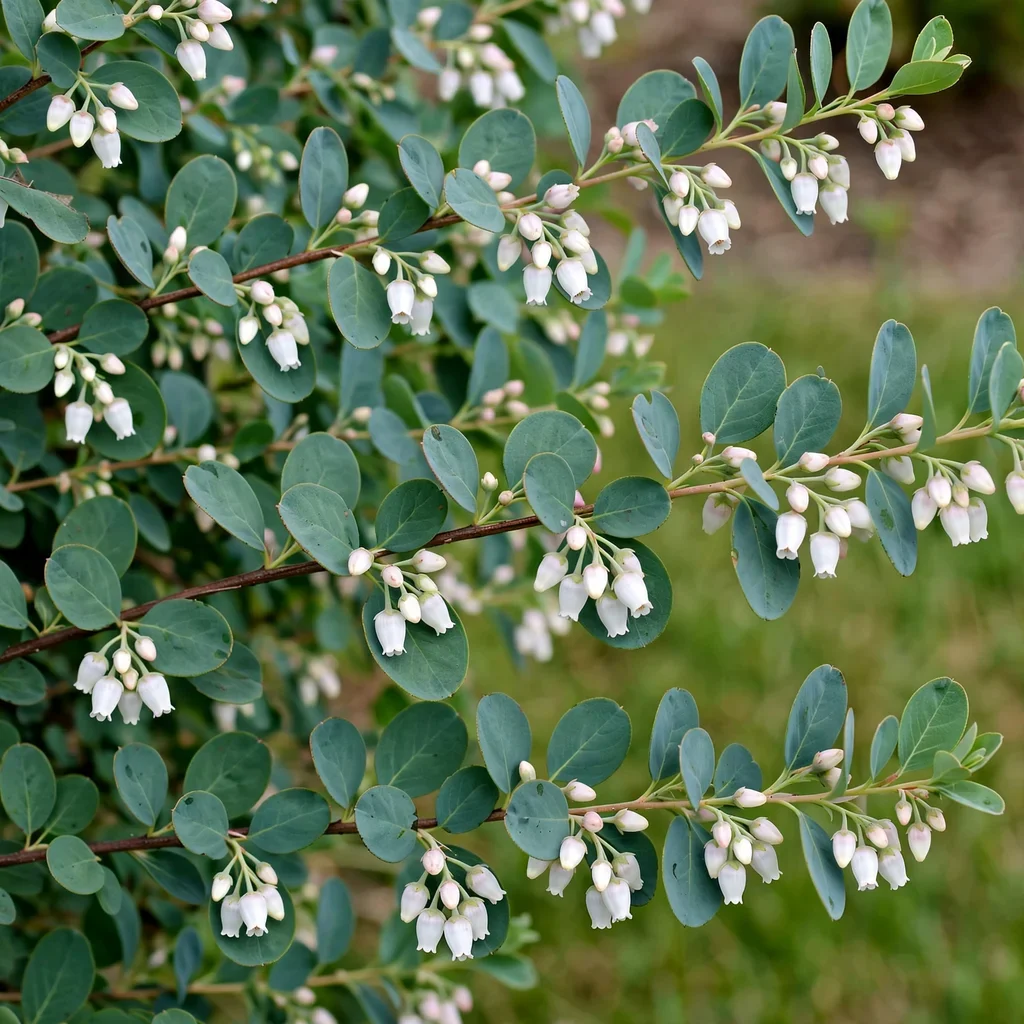
More Symphoricarpos to compare
Keep exploring
Explore the genus
Hardy in your zone?
Grow Coralberry with confidence
See it in a design of your actual yard, get zone-matched care reminders, and track it season by season in your garden journal.