The Story
Plant Bio
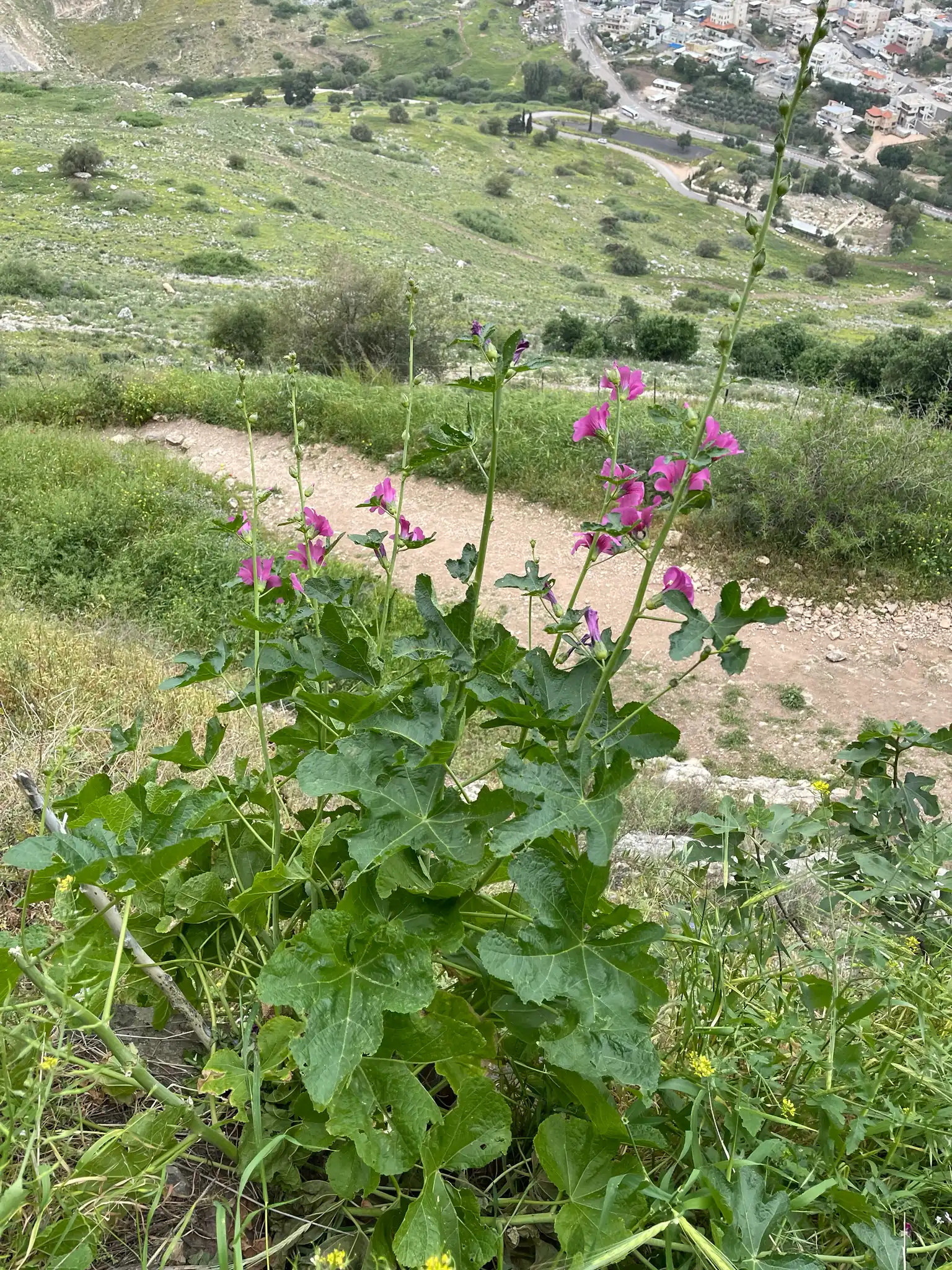
Alcea setosa is a robust biennial or short-lived perennial that produces a single, unbranched vertical flowering stem from a basal winter rosette. The entire plant is covered in stiff, spreading hairs that create a harsh, bristly texture on the large, lobed leaves.
The species is distinguished by its tall terminal spikes of single, rose-pink to purplish-red flowers that open progressively from late spring through summer. Each blossom is subtended by a prominent, bristly epicalyx of six to eight narrow segments.
Uses & Benefits:
Essentials
At a Glance
Plant Type
Perennial
Height
78"
Width
24"
Light
Full Sun, Partial Sun
Zones
5, 6, 7, 8, 9
Water
Moderate
Humidity
Moderate
Lifespan
Biennial or short-lived perennial
Native To
Western Asia (Eastern Mediterranean)
Toxicity
Non-toxic (hairs may cause skin irritation)
Bloom period
Spring – Summer
In flower about 6 months of the year
Planting
How to Grow
- Select a planting site in full sun with highly drained loam, clay, or rocky limestone soil.
- Amend heavy soils with coarse grit to prevent waterlogging around the crown during winter.
- Space plants 18 to 24 inches apart to ensure excellent air circulation and minimize fungal issues.
- Water deeply but infrequently once established, allowing the top few inches of soil to dry out.
Pro Tip
Avoid planting in heavy, poorly drained soils where winter wetness will rot the crown before spring growth begins. Cut spent flower spikes back to the basal foliage immediately after blooming to prolong the plant's short lifespan.
Keep It Thriving
Care Guide
Do
- Wear gloves when handling the plant to avoid skin irritation from the stiff, bristly hairs.
- Clean up and destroy all fallen leaf debris in autumn to prevent the overwintering of rust spores.
- Apply a light layer of organic slow-release fertilizer in early spring to support flowering.
Don't
- Do not plant in low-lying garden areas or heavy clay where winter water pools.
- Do not use high-nitrogen fertilizers, which stimulate soft growth highly susceptible to pests and diseases.
- Do not prune hard into the old, leafless woody base of the stem.
Seasonal Care Calendar
| Task | Jan | Feb | Mar | Apr | May | Jun | Jul | Aug | Sep | Oct | Nov | Dec |
|---|---|---|---|---|---|---|---|---|---|---|---|---|
| Deadhead | ||||||||||||
| Fertilize | ||||||||||||
| Pest Check | ||||||||||||
| Winter Prep |
Watch Out For
Pests & Diseases
Common Pests
Common Diseases
In the Garden
Landscape Uses & Companions
Landscape Uses
Companion Plants
Multiply
Propagation Methods
Good to Know
Common Questions
Bristly Hollyhock questions
What zones can Bristly Hollyhock grow in?
Bristly Hollyhock is hardy in USDA Zones 5–9. Inside that range it survives winter in the ground; outside it, grow it as an annual or a container plant you protect.
When does Bristly Hollyhock bloom?
Bristly Hollyhock typically blooms in spring through summer. Exact timing shifts a week or two with your zone — Sow's bloom calendar maps it to your garden.
Does Bristly Hollyhock need full sun?
Bristly Hollyhock does best in full sun to part shade. In hot climates, afternoon shade keeps blooms fresher longer.
Is Bristly Hollyhock drought tolerant?
Yes — once established (usually after the first full season), Bristly Hollyhock handles dry spells with minimal watering. Water deeply its first year to build the root system that makes that possible.
More Alcea to compare
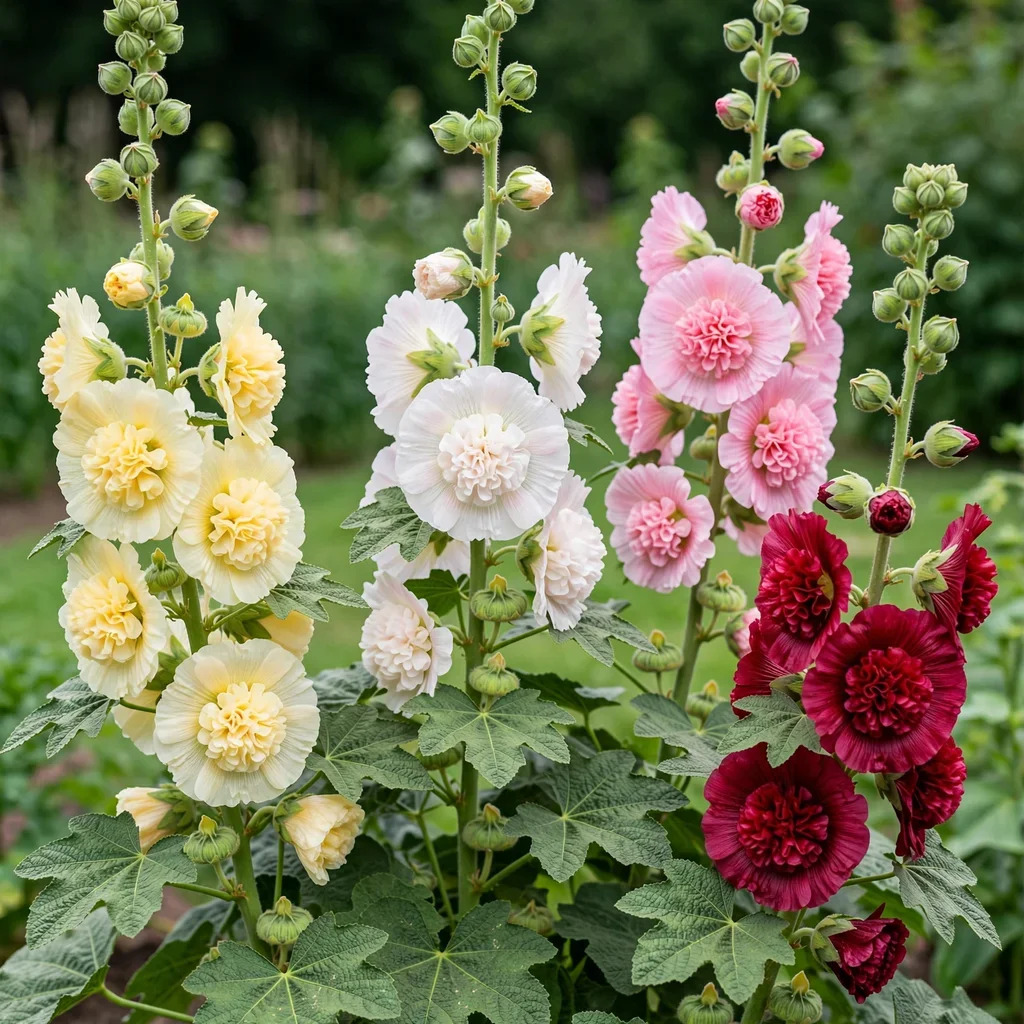
Old Farmyard Hollyhock
Alcea rosea 'Old Farmyard'
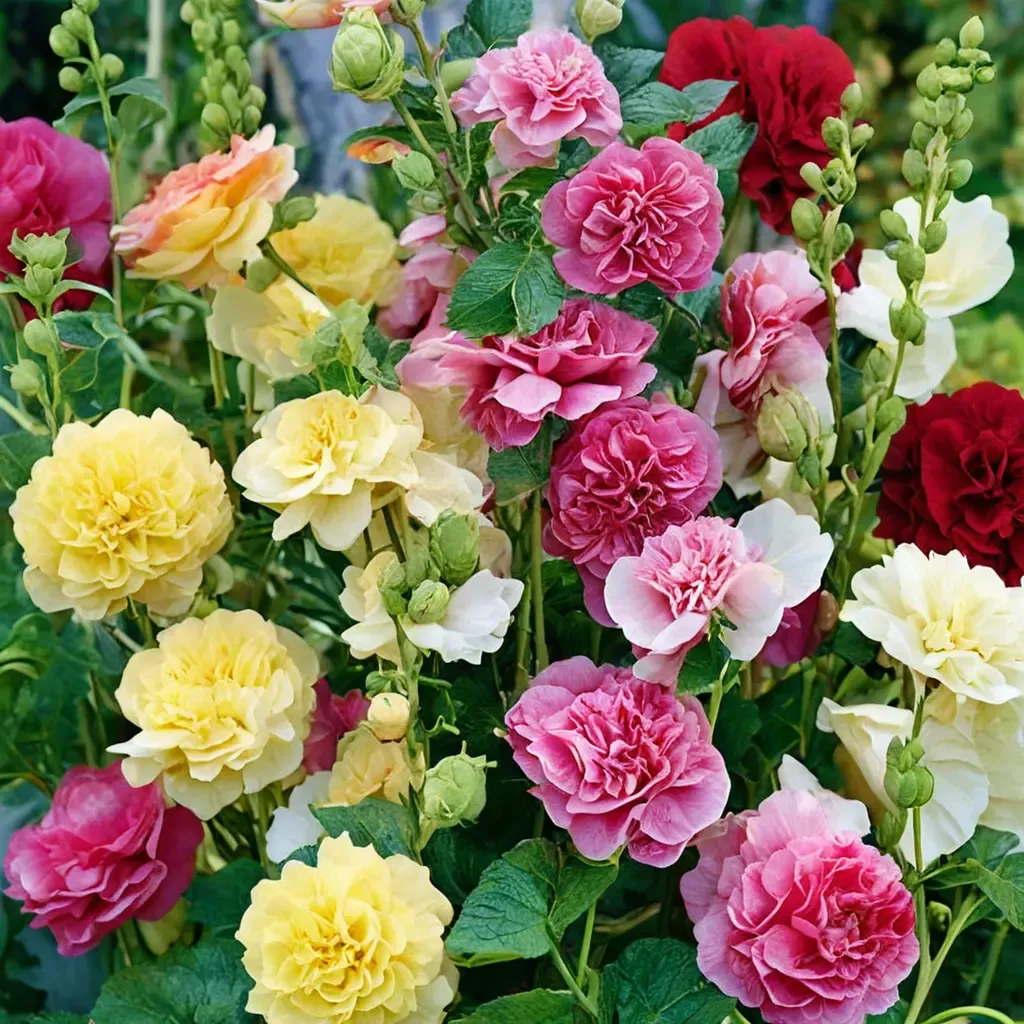
Double Hollyhock
Alcea rosea 'Double Hollyhock Mix'
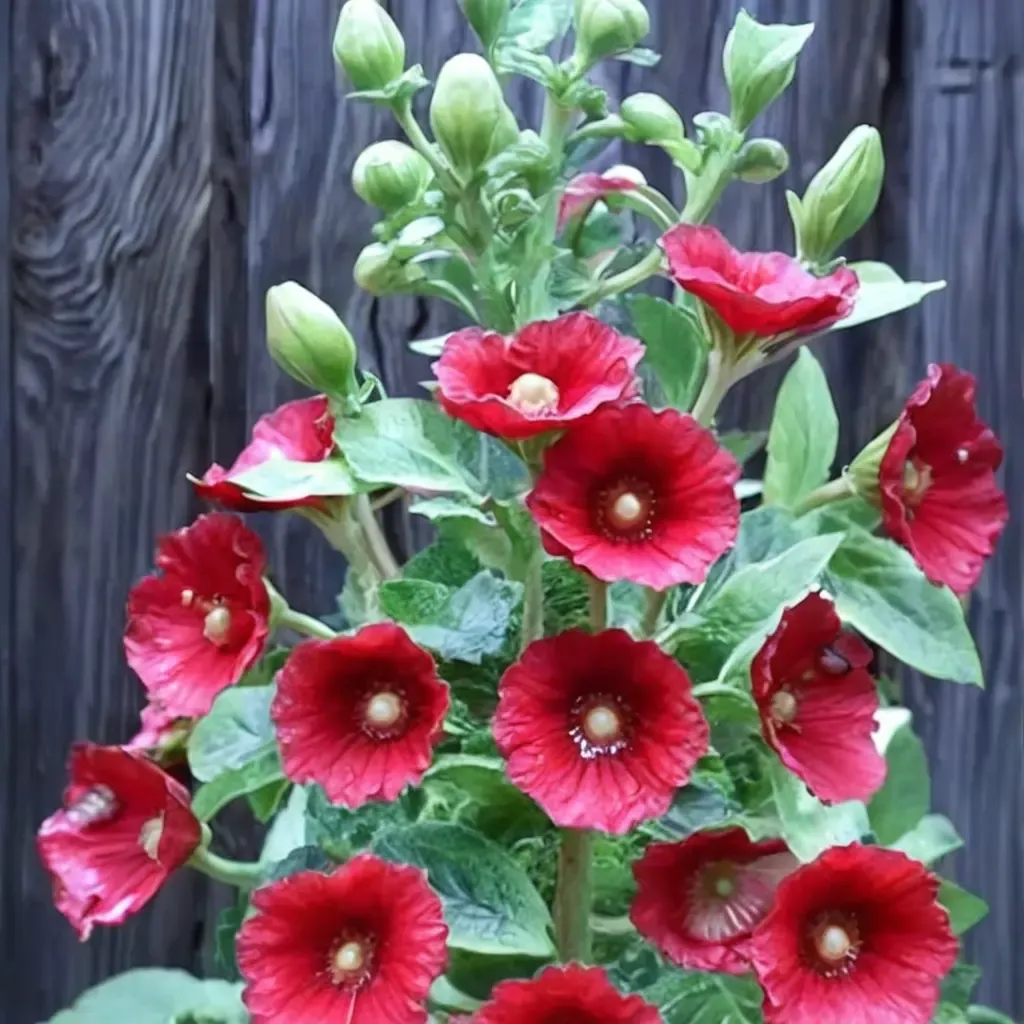
Hollyhock Country Mix
Alcea rosea 'Country Mix'
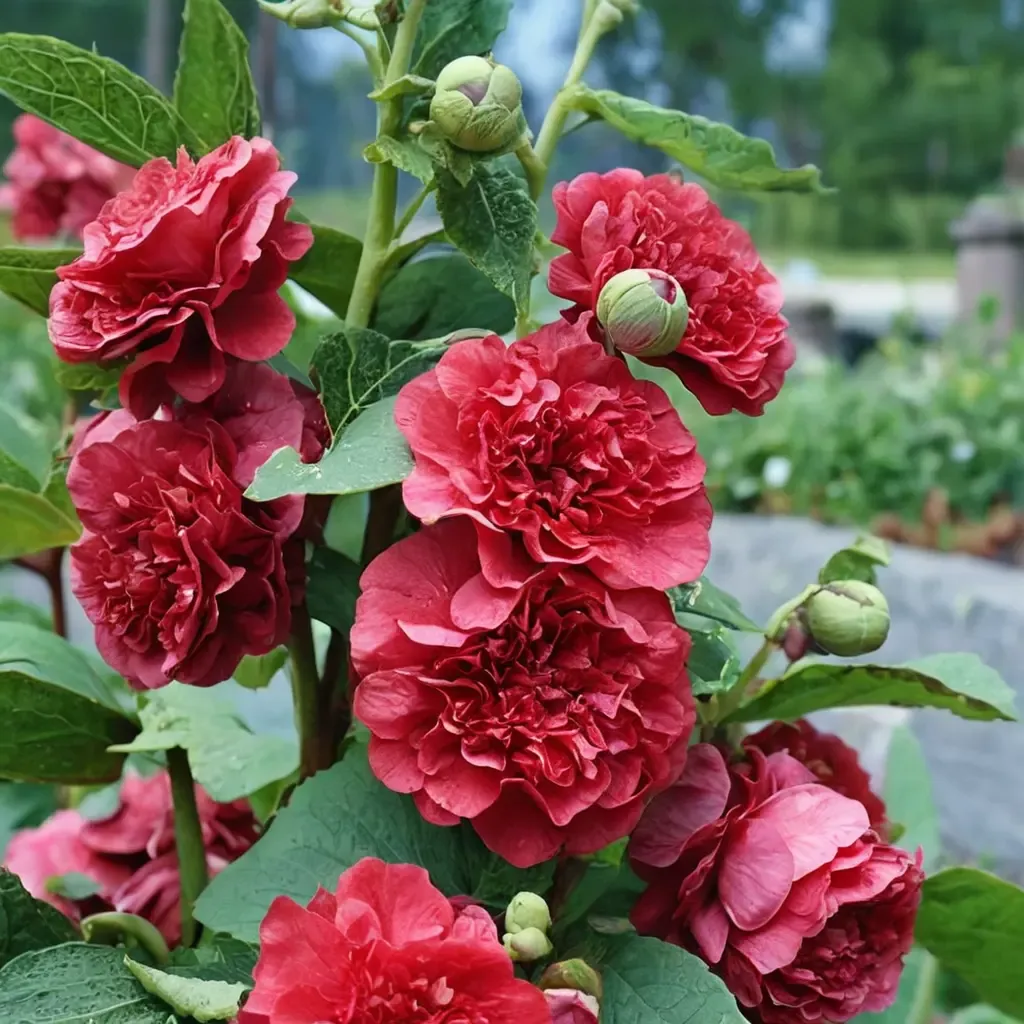
Double Scarlet Hollyhock
Alcea rosea 'Double Scarlet'
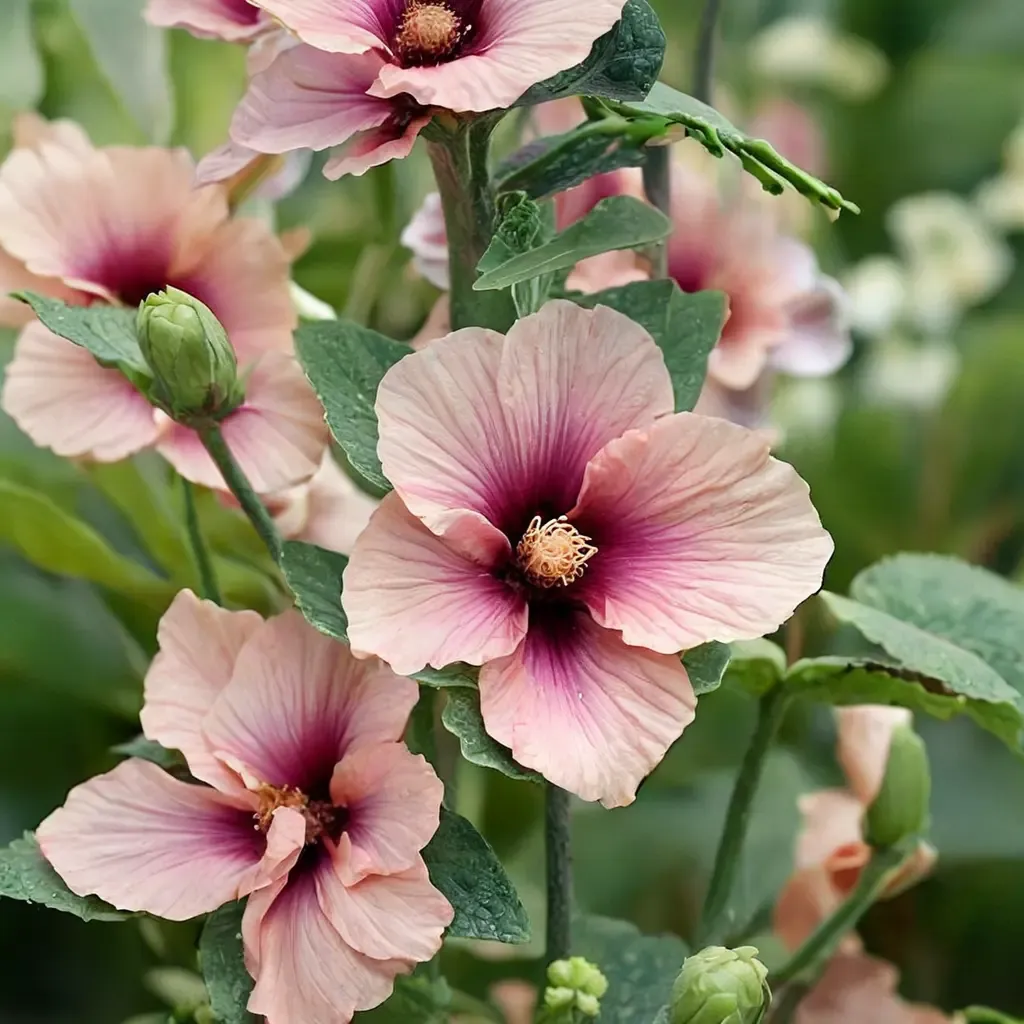
Apricot Hollyhock
Alcea rosea 'Halo Apricot'
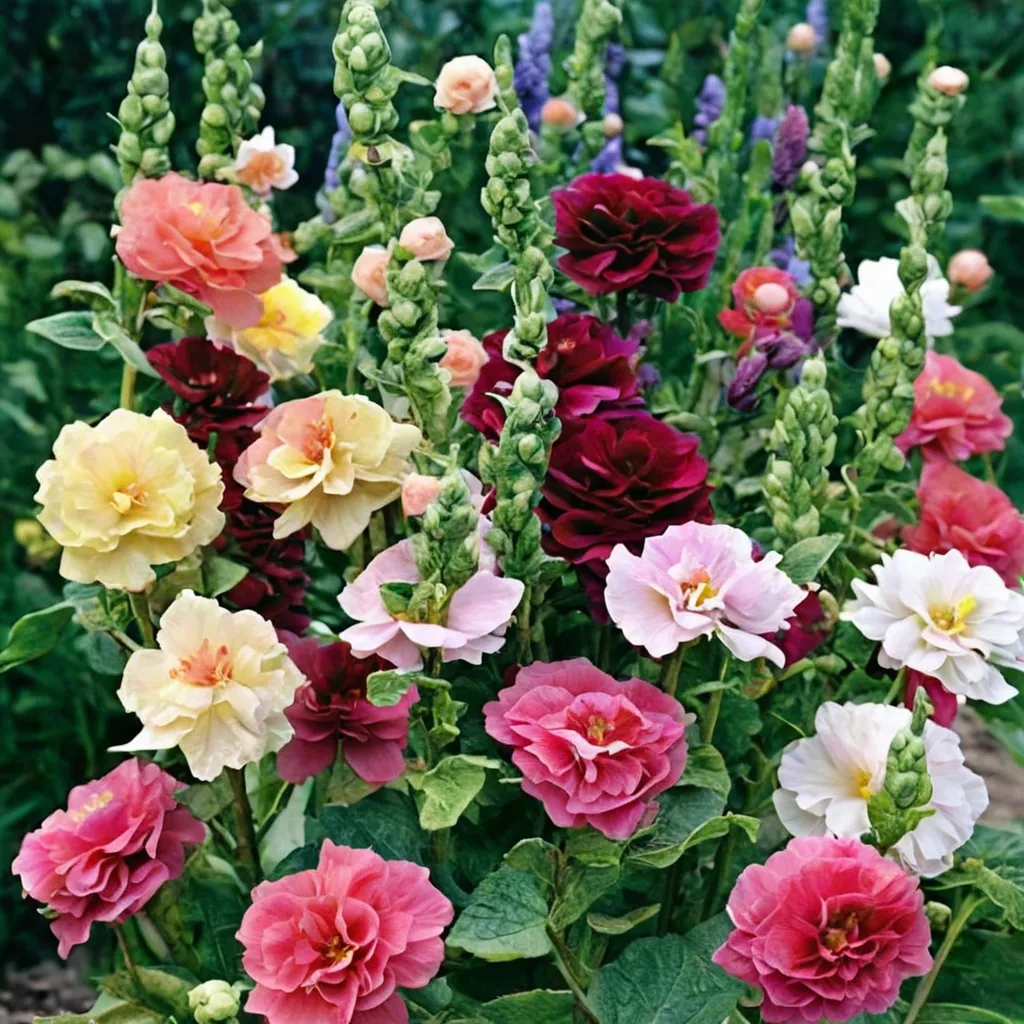
Hollyhock Mix
Alcea x hybrida 'Mix'
Keep exploring
Explore the genus
Hardy in your zone?
Grow Bristly Hollyhock with confidence
See it in a design of your actual yard, get zone-matched care reminders, and track it season by season in your garden journal.