The Story
Plant Bio
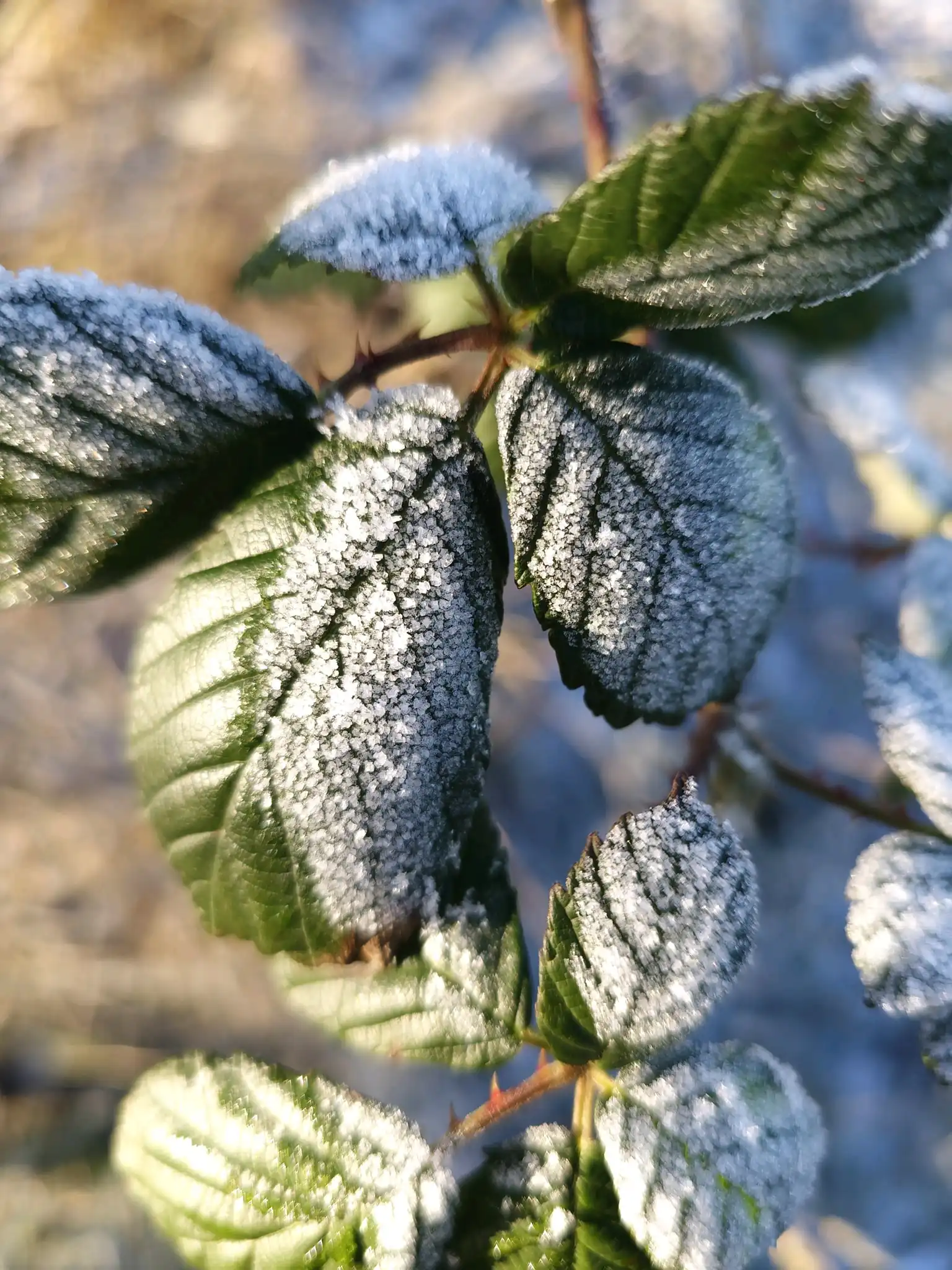
Rubus armeniacus is a robust, semi-evergreen to evergreen shrub that forms dense, impenetrable thickets via stout, arching, five-sided woody canes armed with coarse, hooked prickles. Native to Armenia and northwestern Iran, this highly vigorous species has naturalized aggressively across North America, spreading rapidly along waterways, roadsides, and forest edges.
The species is distinguished by its palmately compound leaves with five leaflets on first-year primocanes and three on flowering floricanes, featuring dark green upper surfaces and contrasting whitish-grey woolly-felted undersides. Flat-topped terminal panicles carry clusters of five to twenty white to pale pink flowers that produce abundant, edible black aggregate fruits.
Uses & Benefits:
Essentials
At a Glance
Plant Type
Shrub
Height
118"
Width
236"
Light
Full Sun, Partial Sun
Zones
6, 7, 8, 9
Water
Medium
Humidity
High
Lifespan
Perennial
Native To
Armenia and northwestern Iran
Toxicity
Non-toxic
Bloom period
Early summer – Mid summer
In flower about 2 months of the year
Planting
How to Grow
- Select a planting site in full sun to partial shade with fertile, well-drained soil, though the plant adapts to almost any soil texture.
- Install sturdy wire trellises or post supports to contain the sprawling, arching canes and keep them off the ground.
- Water regularly during the first growing season to establish a deep root system, maintaining consistent moisture during fruit development.
- Monitor the perimeter of the planting area continuously, severing any escaping underground rhizomes or tip-rooting canes.
Pro Tip
Prune spent floricanes completely to the ground immediately after harvesting or in late winter, and tip-prune active primocanes to prevent them from contacting the soil and rooting.
Keep It Thriving
Care Guide
Do
- Prune out all two-year-old canes at ground level after they finish fruiting to maintain airflow.
- Wear heavy leather gloves and protective clothing when handling the heavily armed, prickly canes.
- Destroy all pruned cane debris to prevent accidental vegetative propagation from discarded segments.
Don't
- Do not allow the tips of arching canes to touch the ground, as they will quickly root and establish new crowns.
- Do not apply high-nitrogen fertilizers, which stimulate excessive vegetative cane growth at the expense of fruit production.
- Do not plant this species near natural waterways, forest boundaries, or unmanaged areas where it can easily escape.
Seasonal Care Calendar
| Task | Jan | Feb | Mar | Apr | May | Jun | Jul | Aug | Sep | Oct | Nov | Dec |
|---|---|---|---|---|---|---|---|---|---|---|---|---|
| Harvest | ||||||||||||
| Pest Check | ||||||||||||
| Propagate | ||||||||||||
| Prune |
Watch Out For
Pests & Diseases
Common Pests
Common Diseases
In the Garden
Landscape Uses & Companions
Landscape Uses
Companion Plants
Multiply
Propagation Methods
Good to Know
Common Questions
Himalayan Blackberry questions
What zones can Himalayan Blackberry grow in?
Himalayan Blackberry is hardy in USDA Zones 6–9. Inside that range it survives winter in the ground; outside it, grow it as an annual or a container plant you protect.
Is Himalayan Blackberry deer resistant?
Not reliably. Deer may browse Himalayan Blackberry, especially tender spring growth — plan on repellents or fencing where pressure is high.
When does Himalayan Blackberry bloom?
Himalayan Blackberry typically blooms in early summer through mid summer. Exact timing shifts a week or two with your zone — Sow's bloom calendar maps it to your garden.
Does Himalayan Blackberry need full sun?
Himalayan Blackberry does best in full sun to part shade. In hot climates, afternoon shade keeps blooms fresher longer.
Is Himalayan Blackberry drought tolerant?
Yes — once established (usually after the first full season), Himalayan Blackberry handles dry spells with minimal watering. Water deeply its first year to build the root system that makes that possible.
More Rubus to compare
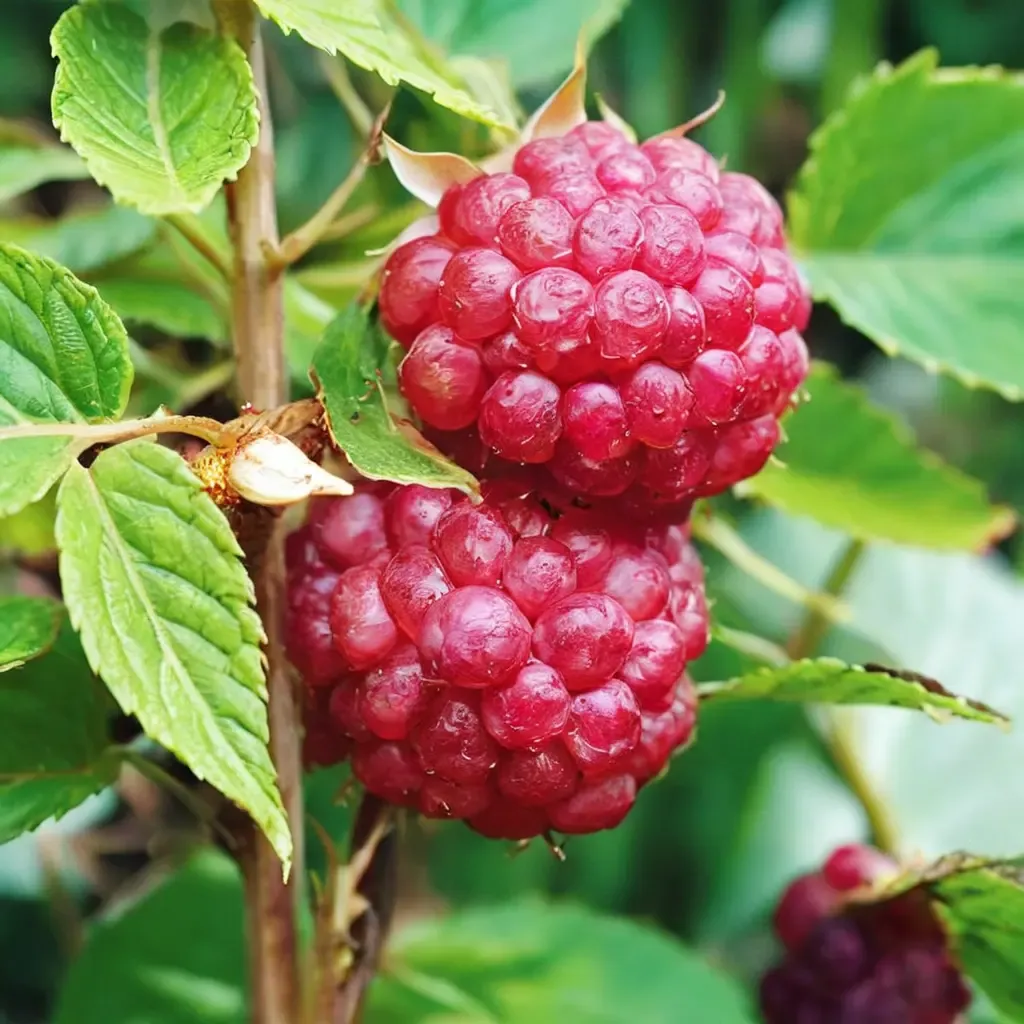
Mammoth Red Raspberry
Rubus idaeus 'Mammoth Red'
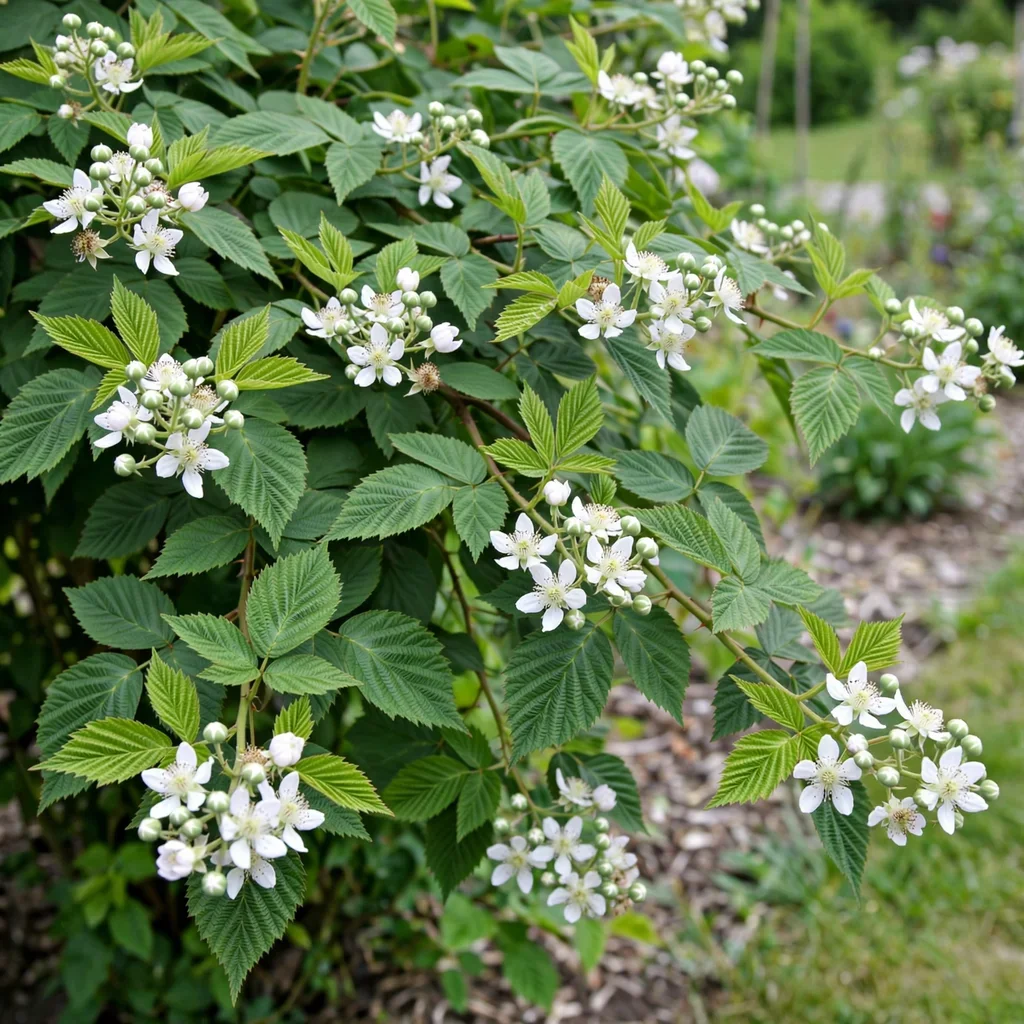
Triple Crown Blackberry
Rubus fruticosus 'Triple Crown'
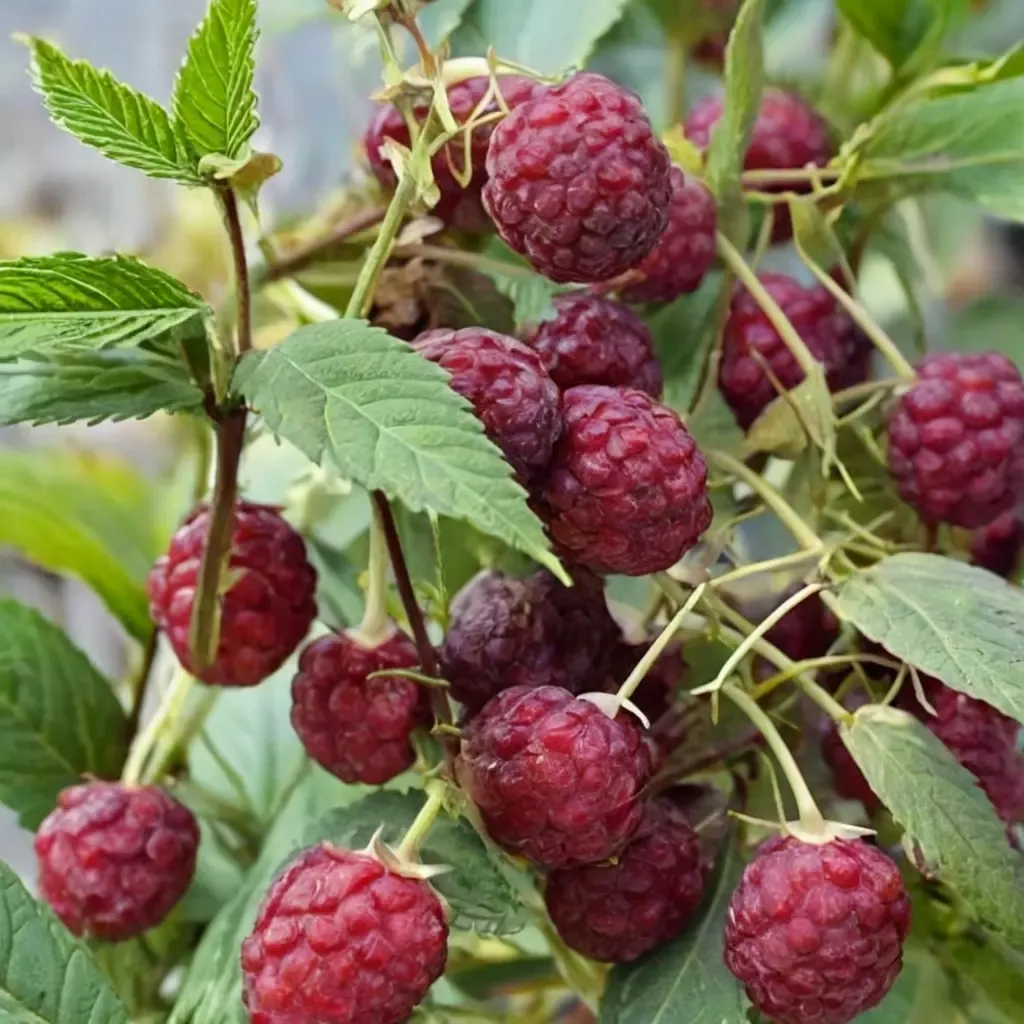
Crimson Night Raspberry
Rubus idaeus 'Crimson Night'
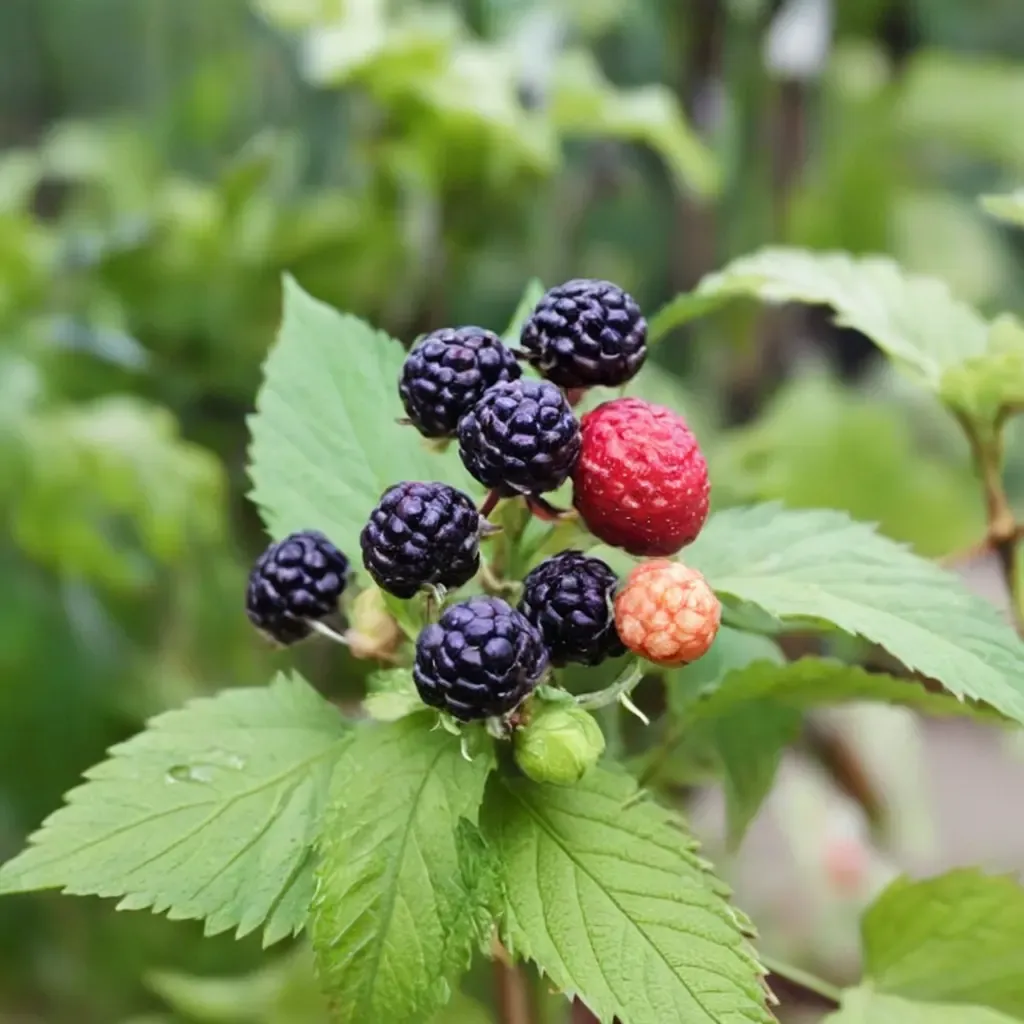
Jewel Black Raspberry
Rubus idaeus 'Jewel'
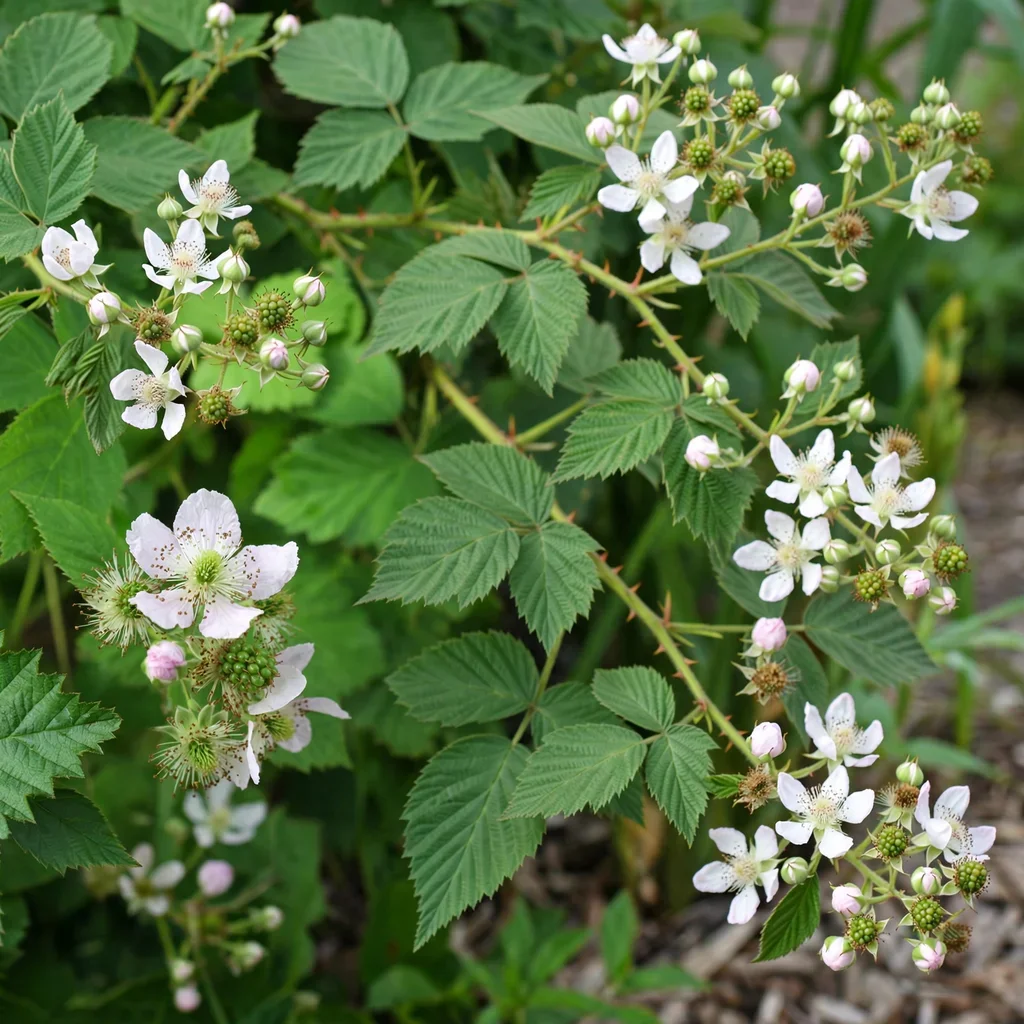
Apache Thornless Blackberry
Rubus fruticosus 'Apache Thornless'
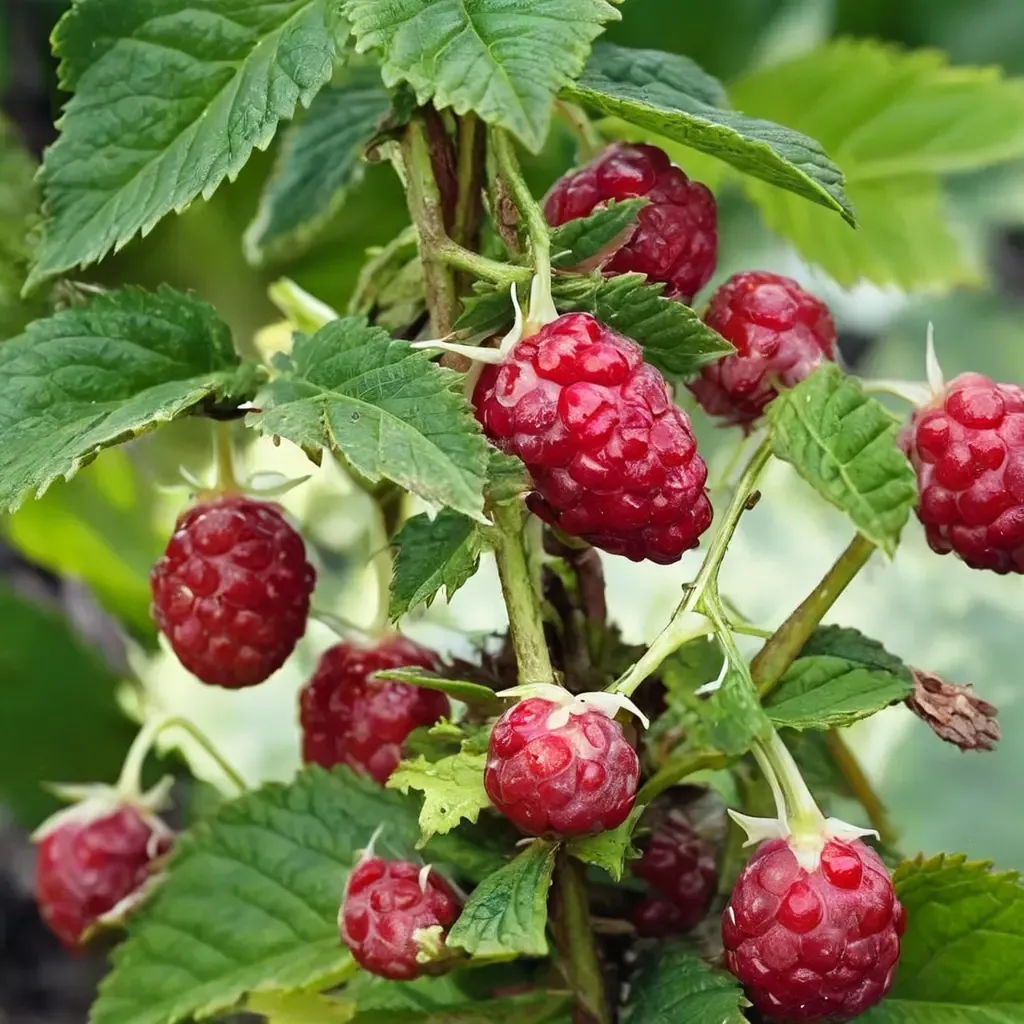
Canby raspberry
Rubus idaeus 'Canby'
Keep exploring
Explore the genus
Hardy in your zone?
Grow Himalayan Blackberry with confidence
See it in a design of your actual yard, get zone-matched care reminders, and track it season by season in your garden journal.