
2 named cultivars
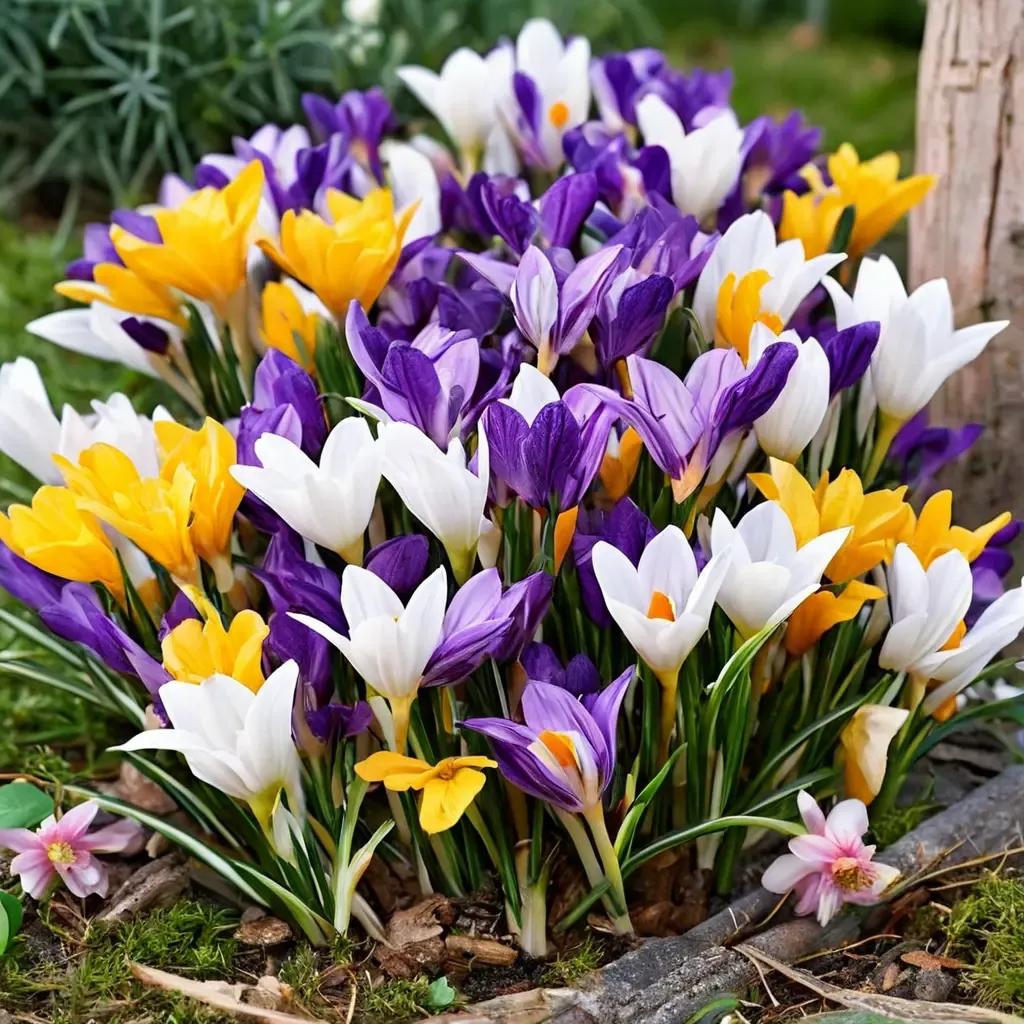

The Story
Plant Bio
Early bloomers that add vibrant color to spring gardens.
Crocus x varieties are known for their adaptability and can come in various colors.
Uses & Benefits:
Essentials
At a Glance
Plant Type
Bulb Corm Tuber
Height
6"
Width
3"
Light
Full Sun, Partial Sun
Zones
4, 5, 6, 7, 8
Water
Moderate, avoid soggy soil
Humidity
Average
Lifespan
Perennial
Native To
Mediterranean region
Toxicity
All parts may cause stomach upset if ingested.
Planting
How to Grow
- Tuck corms 3 inches deep in well-draining soil in fall.
- Water sparingly after planting to settle soil.
- Allow soil to dry between waterings during dormancy.
- Place in full sun for optimal blooming in spring.
- Mulch lightly to insulate corms during winter.
- Remove spent flowers to encourage bulb health.
Pro Tip
Plant corms in well-drained soil and avoid overwatering to prevent rot.
Keep It Thriving
Care Guide
Do
- Tuck corms in well-draining soil 🌱
- Water sparingly during dormancy
- Provide full sun for best blooms
- Apply mulch in winter for insulation
- Remove faded flowers promptly
Don't
- Don't overwater, avoid soggy soil ❌
- Don't plant too shallow or deep
- Avoid fertilizing immediately after planting
- Don't disturb dormant corms unnecessarily
- Avoid excessive pruning
Seasonal Care Calendar
| Task | Jan | Feb | Mar | Apr | May | Jun | Jul | Aug | Sep | Oct | Nov | Dec |
|---|---|---|---|---|---|---|---|---|---|---|---|---|
| Fertilize | ||||||||||||
| Plant |
Watch Out For
Pests & Diseases
Common Pests
Common Diseases
In the Garden
Landscape Uses & Companions
Landscape Uses
Companion Plants
Multiply
Propagation Methods
Good to Know
Common Questions
Crocus questions
What zones can Crocus grow in?
Crocus is hardy in USDA Zones 4–8. Inside that range it survives winter in the ground; outside it, grow it as an annual or a container plant you protect.
Is Crocus deer resistant?
Yes — Crocus is rated deer-resistant. Deer typically pass it over, though extreme hunger can override any plant's defenses.
When does Crocus bloom?
Crocus typically blooms in early spring through mid-spring. Exact timing shifts a week or two with your zone — Sow's bloom calendar maps it to your garden.
Does Crocus need full sun?
Crocus does best in full sun to part shade. In hot climates, afternoon shade keeps blooms fresher longer.
Is Crocus drought tolerant?
Yes — once established (usually after the first full season), Crocus handles dry spells with minimal watering. Water deeply its first year to build the root system that makes that possible.
More Crocus to compare
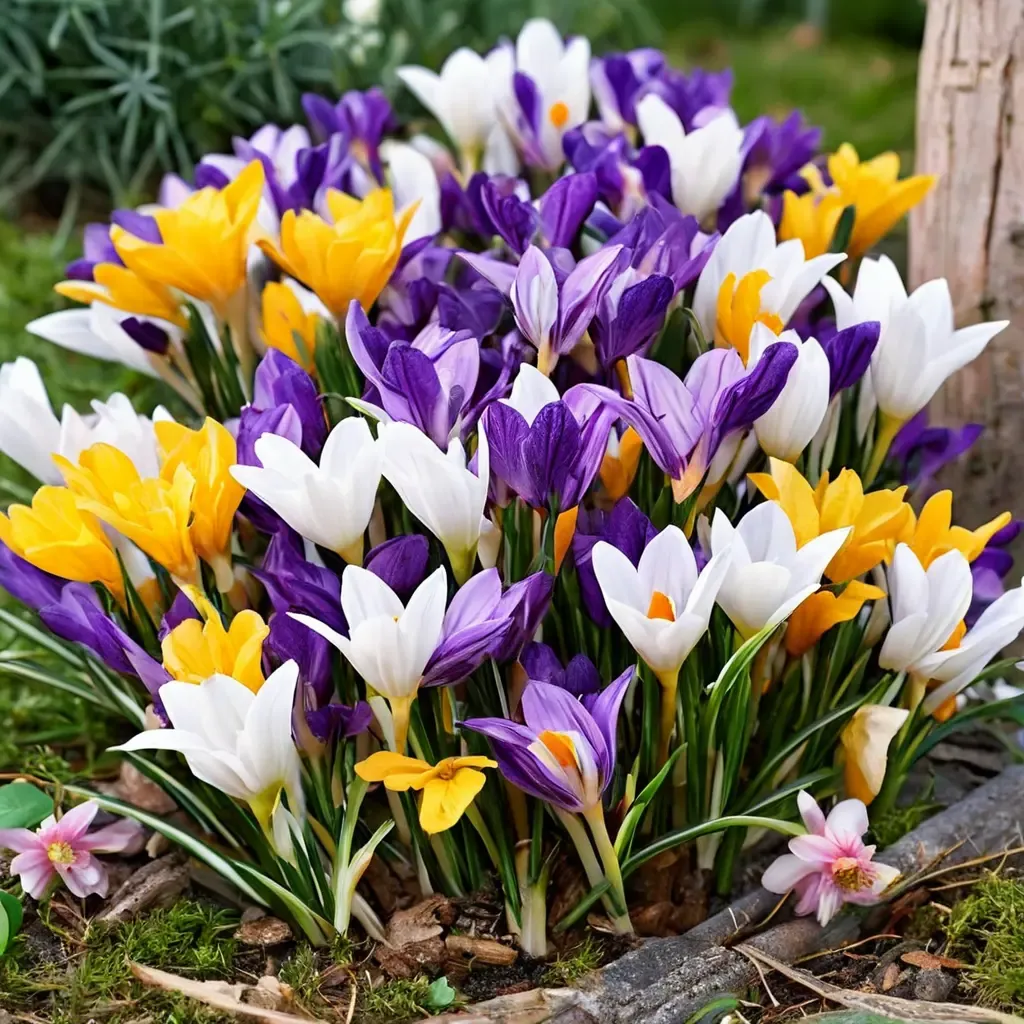
Crocus Mix
Crocus x hybrida 'Mix'
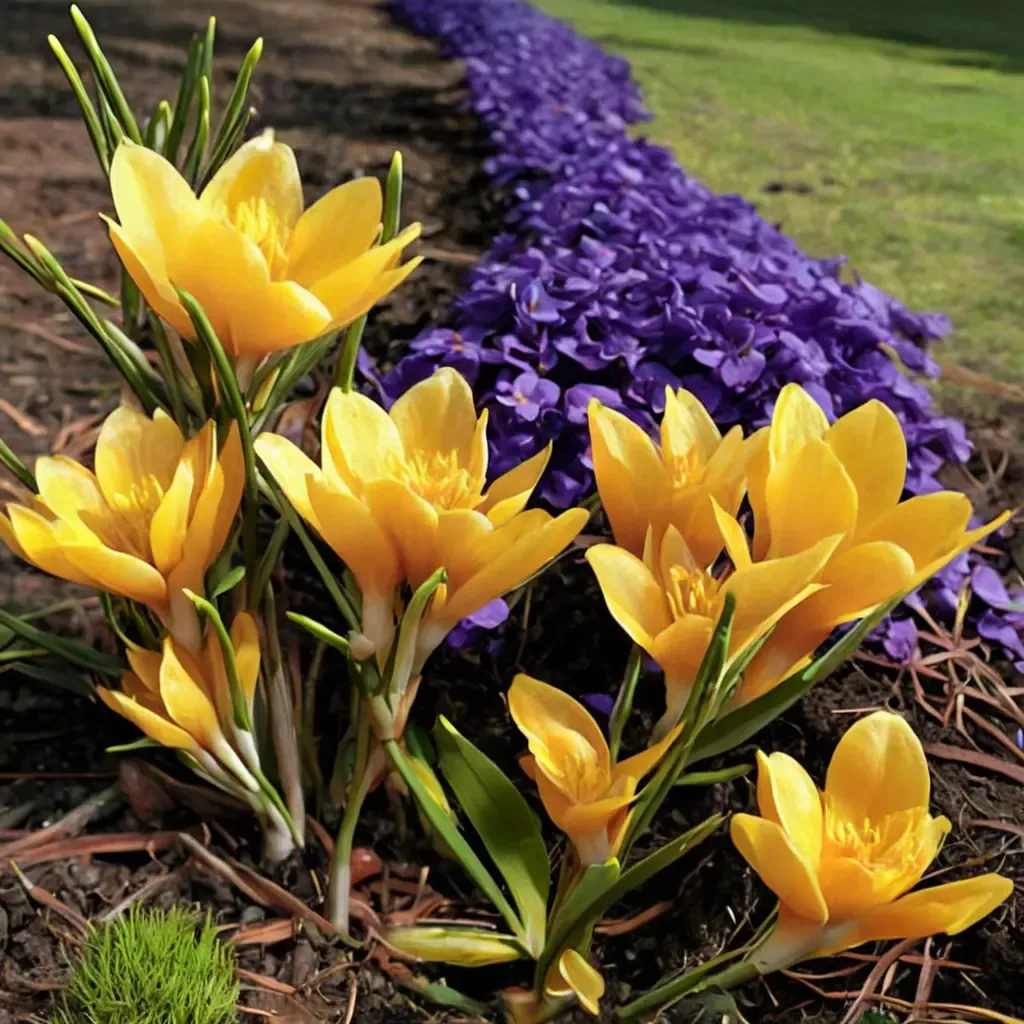
Golden Yellow Crocus
Crocus x hybrida 'Golden Yellow'
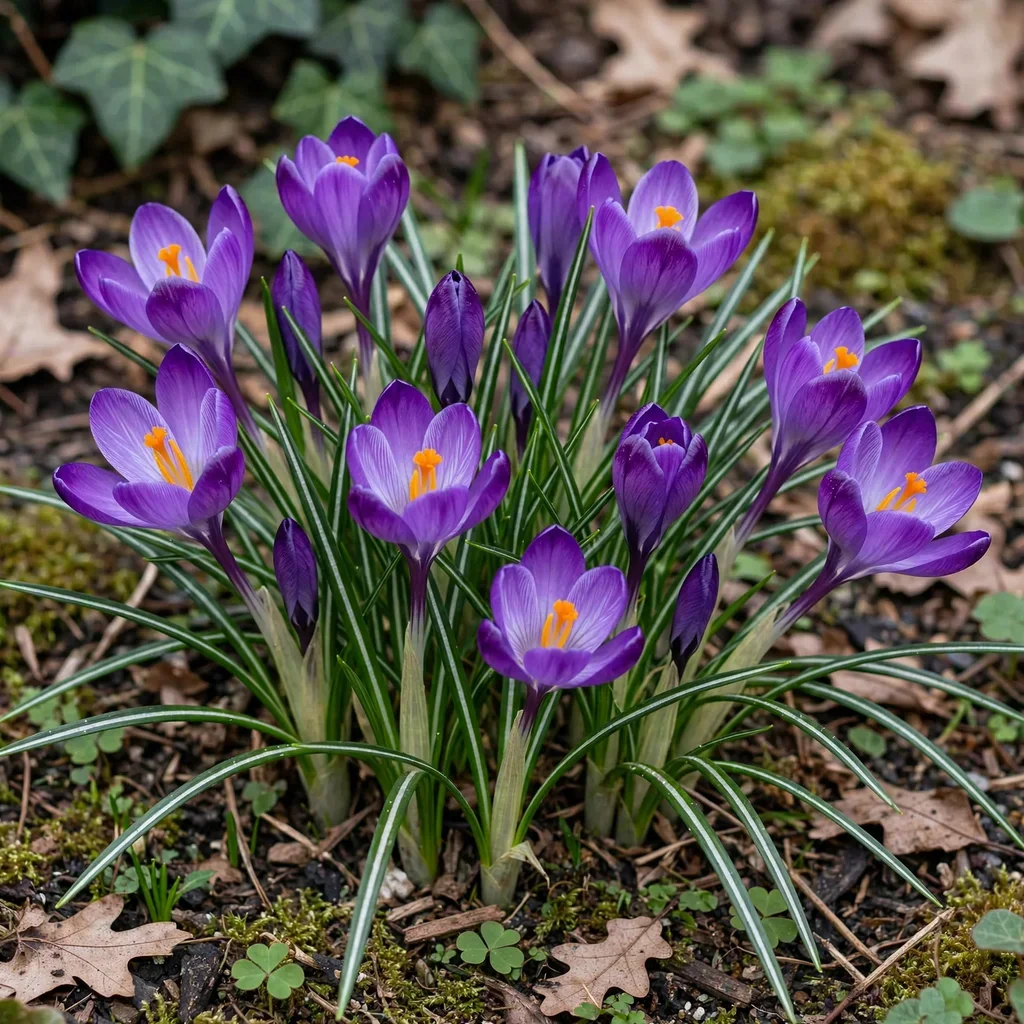
Ruby Giant Crocus
Crocus tommasinianus 'Ruby Giant'
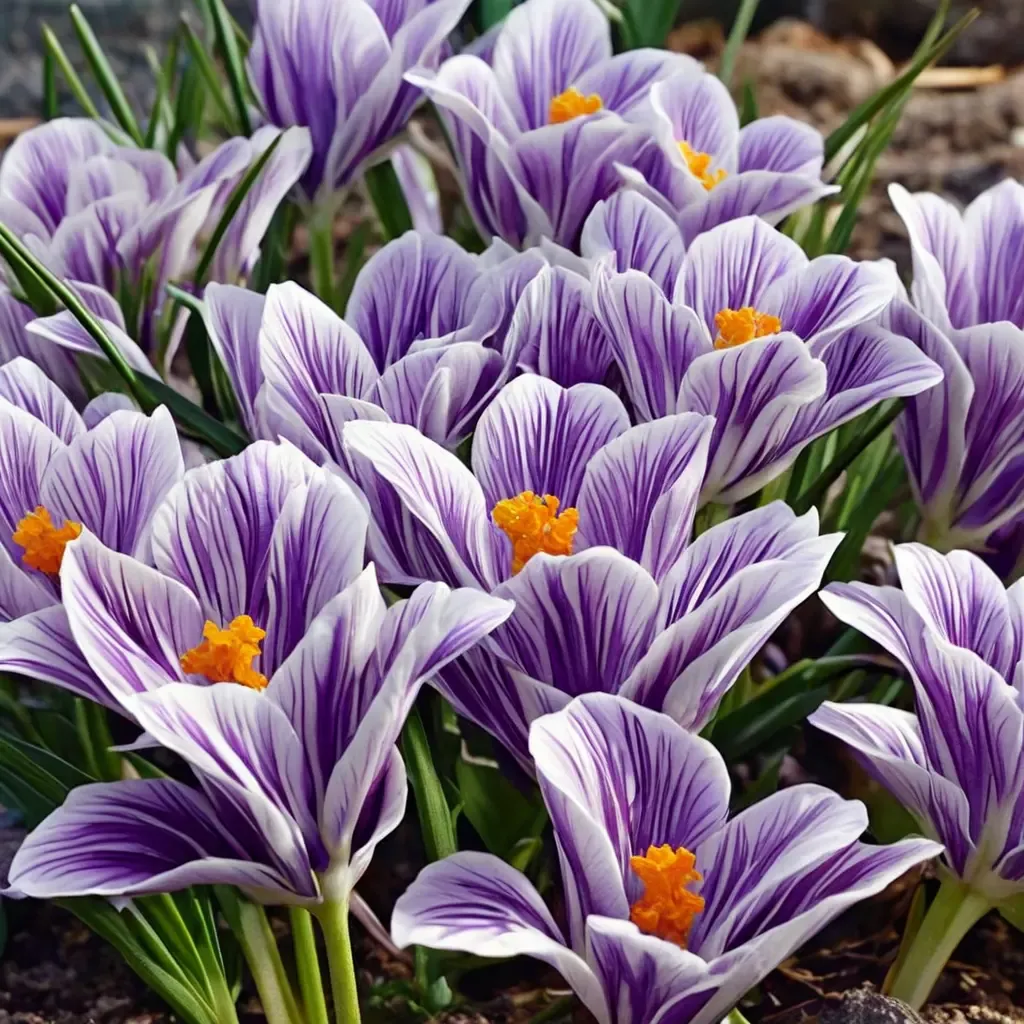
Pickwick Dutch Crocus
Crocus vernus 'Pickwick'
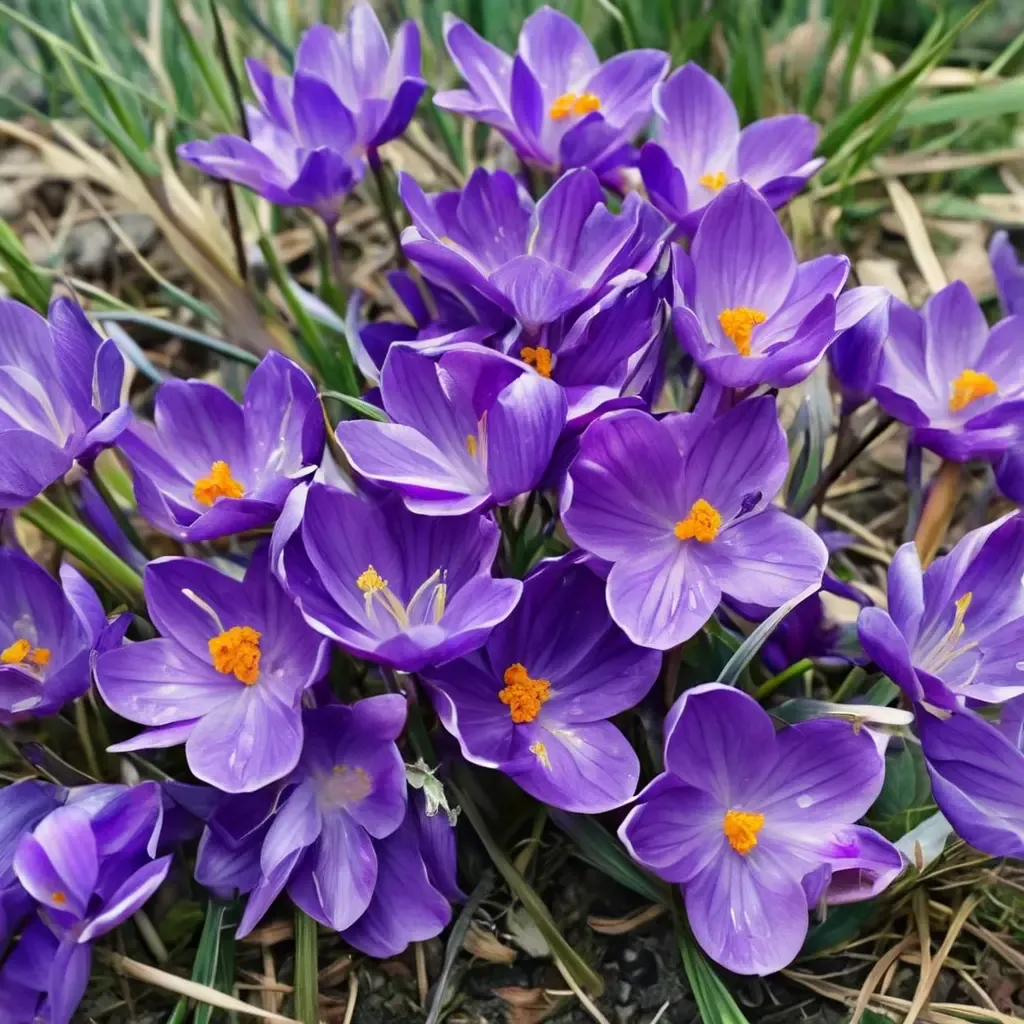
Spring Crocus
Crocus vernus
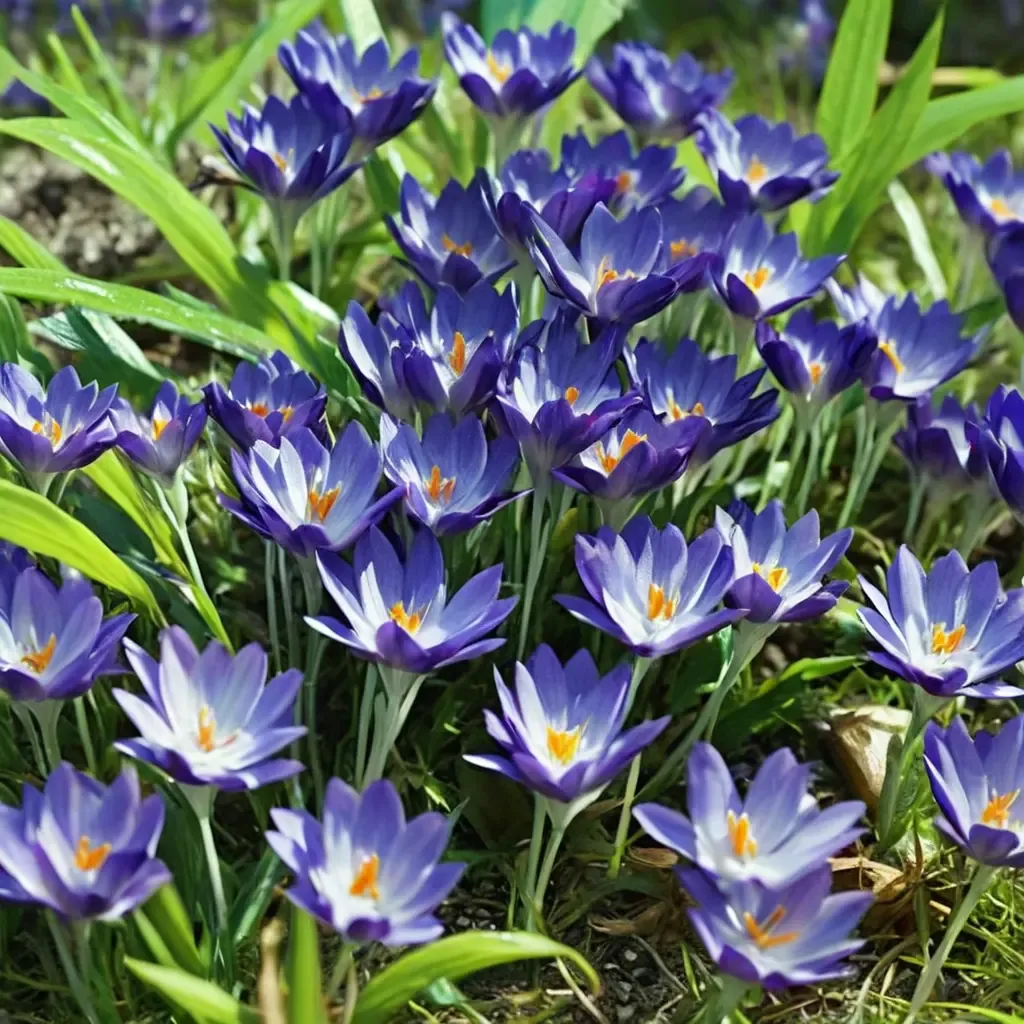
Whitewell Purple Crocus
Crocus tommasinianus 'Whitewell Purple'
Keep exploring
Explore the genus
Hardy in your zone?
Grow Crocus with confidence
See it in a design of your actual yard, get zone-matched care reminders, and track it season by season in your garden journal.