The Story
Plant Bio
Apocynum cannabinum, known as hemp dogbane, is an upright, bushy herbaceous perennial native across North America, characterized by its strong, reddish stems that branch heavily toward the top. The plant exudes a highly toxic milky latex sap when cut or bruised and spreads vigorously via a deep network of creeping rhizomes.
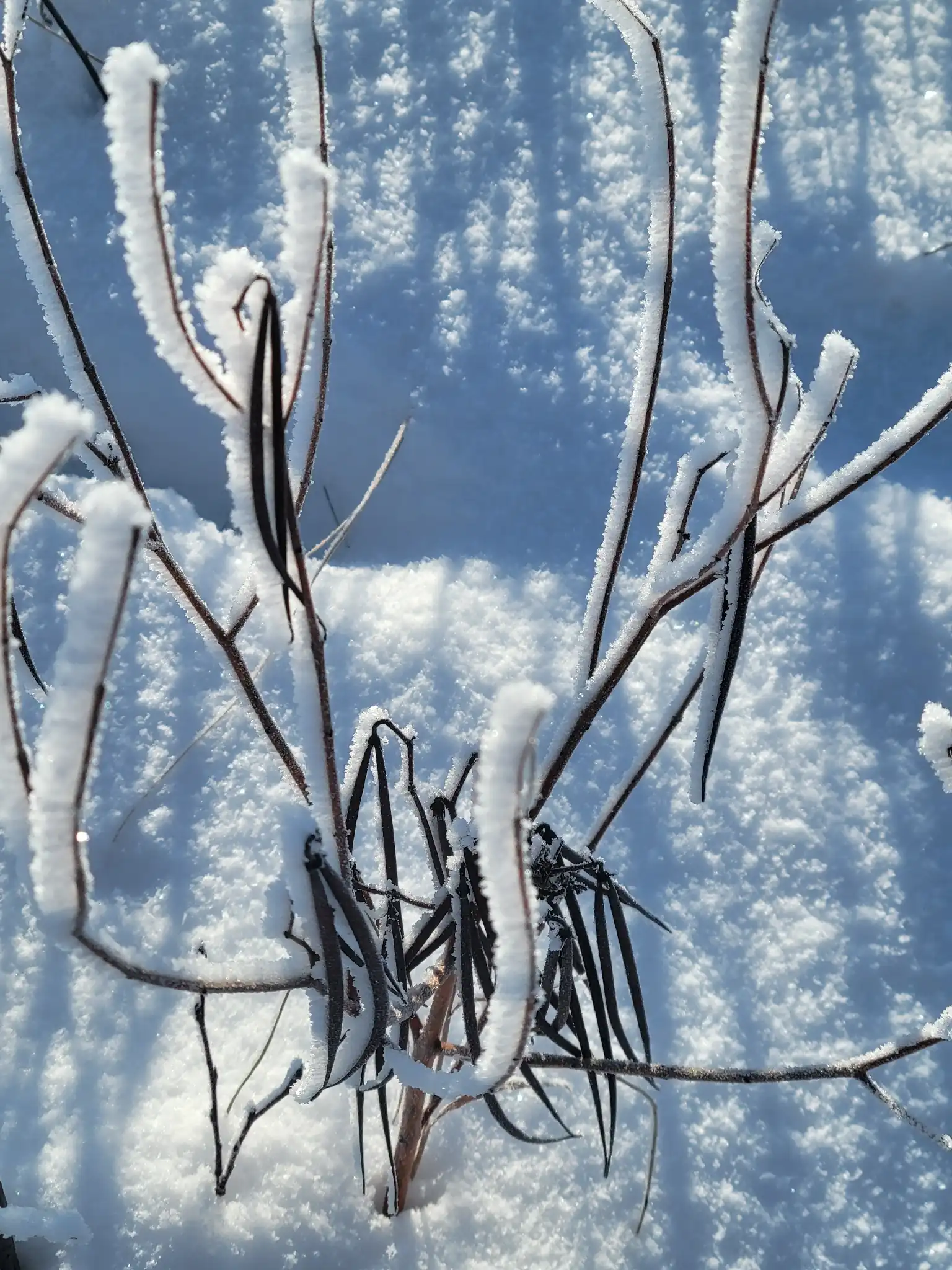
The opposite, lanceolate leaves turn a clear yellow in the fall, contrasting with slender, paired seed pods that split to release silky-tufted seeds. Small, bell-shaped white to greenish-white flowers cluster at the branch tips throughout the summer, attracting a diverse array of native bees and specialized insects.
Uses & Benefits:
Essentials
At a Glance
Plant Type
Perennial
Height
48"
Width
36"
Light
Full Sun, Partial Sun
Zones
4, 5, 6, 7, 8, 9
Water
Low to moderate
Humidity
Moderate
Lifespan
Perennial
Native To
North America
Toxicity
High
Bloom period
Late spring – Summer
In flower about 4 months of the year
Planting
How to Grow
- Select a site in full sun to partial shade with well-drained soil, ranging from dry sand to average loam.
- Install a deep root barrier or select an isolated naturalized area to contain the creeping rhizomatous root system.
- Plant root plugs or container specimens in spring, watering regularly only until the root system is established.
- Refrain from applying supplemental fertilizer, as excess nutrients trigger overly aggressive vegetative spreading.
Pro Tip
To control the aggressive spread of this species in a garden setting, install physical root barriers around the planting zone, as any remaining root fragments left behind during manual weeding will quickly regenerate into new colonies.
Keep It Thriving
Care Guide
Do
- Cut dead stems completely to the ground in late winter or early spring before new growth emerges.
- Wear gloves and protective clothing when handling the plant to avoid contact dermatitis from the toxic milky sap.
- Monitor the perimeter of the planting area annually to manage rhizome spread.
Don't
- Do not plant this species in small, unrestricted garden beds alongside delicate or slow-growing companion plants.
- Do not apply high-nitrogen fertilizers, which stimulate invasive root expansion rather than controlled growth.
- Do not attempt to eradicate established colonies by hand-pulling alone, as fragmented roots will sprout new shoots.
Seasonal Care Calendar
| Task | Jan | Feb | Mar | Apr | May | Jun | Jul | Aug | Sep | Oct | Nov | Dec |
|---|---|---|---|---|---|---|---|---|---|---|---|---|
| Pest Check | ||||||||||||
| Propagate | ||||||||||||
| Spring Cleanup | ||||||||||||
| Winter Prep |
Watch Out For
Pests & Diseases
Common Pests
Common Diseases
In the Garden
Landscape Uses & Companions
Landscape Uses
Multiply
Propagation Methods
Good to Know
Common Questions
Hemp Dogbane questions
What zones can Hemp Dogbane grow in?
Hemp Dogbane is hardy in USDA Zones 4–9. Inside that range it survives winter in the ground; outside it, grow it as an annual or a container plant you protect.
Is Hemp Dogbane deer resistant?
Yes — Hemp Dogbane is rated deer-resistant. Deer typically pass it over, though extreme hunger can override any plant's defenses.
When does Hemp Dogbane bloom?
Hemp Dogbane typically blooms in late spring through summer. Exact timing shifts a week or two with your zone — Sow's bloom calendar maps it to your garden.
Does Hemp Dogbane need full sun?
Hemp Dogbane does best in full sun to part shade. In hot climates, afternoon shade keeps blooms fresher longer.
Is Hemp Dogbane drought tolerant?
Yes — once established (usually after the first full season), Hemp Dogbane handles dry spells with minimal watering. Water deeply its first year to build the root system that makes that possible.
Keep exploring
Explore the genus
Grow Hemp Dogbane with confidence
See it in a design of your actual yard, get zone-matched care reminders, and track it season by season in your garden journal.