The Story
Plant Bio
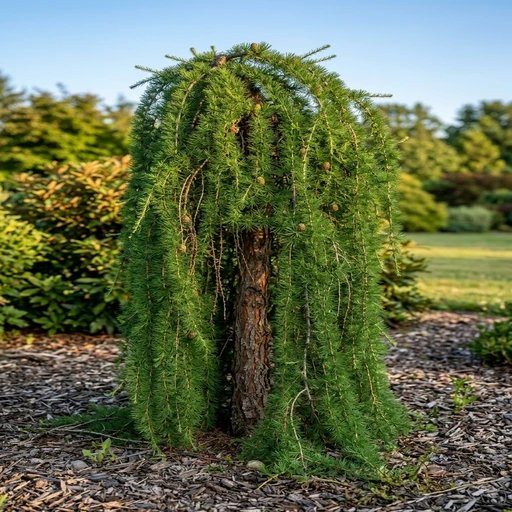
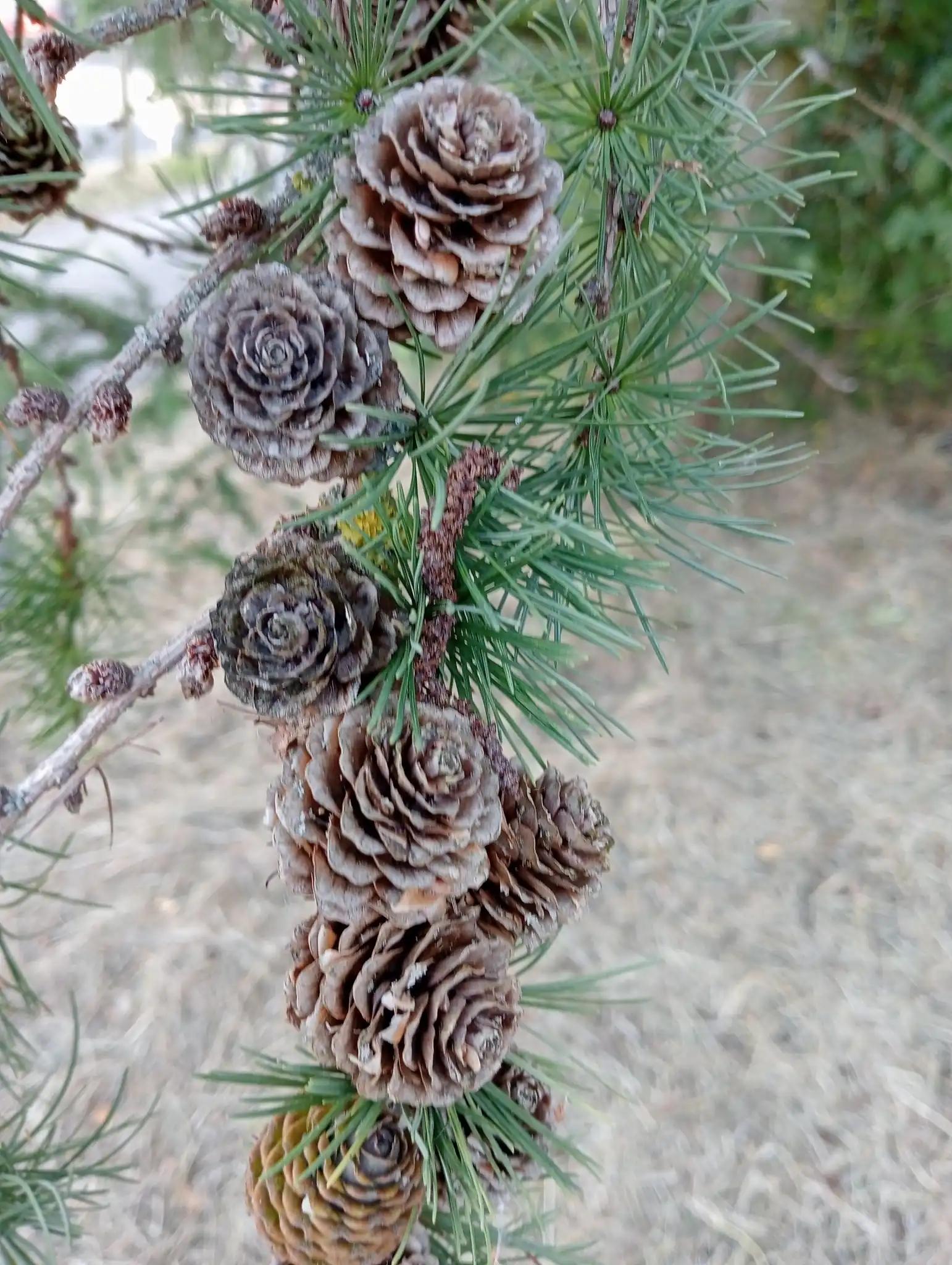
Larix decidua, the European Larch, is a deciduous conifer, meaning it has needles and cones but drops its needles in the fall. The needles are soft, bright green in spring, and turn a brilliant golden-yellow before falling.
'Pendula' is a strongly weeping form with branches that cascade downwards. Its ultimate height is determined by how high it is staked; otherwise, it will grow as a sprawling groundcover.
Uses & Benefits:
Essentials
At a Glance
Plant Type
Tree
Height
120"
Width
144"
Light
Full Sun
Zones
4, 5, 6, 7
Water
Moderate
Humidity
Low to moderate
Lifespan
Long-lived deciduous conifer
Native To
Mountains of central Europe
Toxicity
Non-toxic
Marketplace
Where to Buy
Shipping costs Year-round shipping Free shipping
Planting
How to Grow
- Select a site in full sun with well-drained, acidic soil.
- Dig a hole twice the width of the root ball.
- Plant at the same depth as it was in the container.
- Stake the main leader to the desired height for an upright form.
- Water regularly, especially during hot, dry periods.
- Apply a layer of organic mulch over the root zone.
Pro Tip
Provide consistent moisture and excellent drainage; it dislikes both drought and soggy, heavy soils, especially in warmer climates.
Keep It Thriving
Care Guide
Do
- Provide full sun for best growth and fall color.
- Ensure excellent soil drainage.
- Water during dry spells, especially in the first few years.
- Stake young trees to develop vertical height.
Don't
- Do not plant in hot, humid climates (south of Zone 7).
- Do not let the soil dry out completely.
- Do not plant in heavy, compacted clay soil.
- Avoid planting in polluted urban areas.
Seasonal Care Calendar
| Task | Jan | Feb | Mar | Apr | May | Jun | Jul | Aug | Sep | Oct | Nov | Dec |
|---|---|---|---|---|---|---|---|---|---|---|---|---|
| Mulch | ||||||||||||
| Plant | ||||||||||||
| Prune | ||||||||||||
| Stake |
Watch Out For
Pests & Diseases
Common Pests
Common Diseases
In the Garden
Landscape Uses & Companions
Landscape Uses
Companion Plants
Multiply
Propagation Methods
Good to Know
Common Questions
Weeping European Larch questions
What zones can Weeping European Larch grow in?
Weeping European Larch is hardy in USDA Zones 4–7. Inside that range it survives winter in the ground; outside it, grow it as an annual or a container plant you protect.
Is Weeping European Larch deer resistant?
Yes — Weeping European Larch is rated deer-resistant. Deer typically pass it over, though extreme hunger can override any plant's defenses.
Does Weeping European Larch need full sun?
Weeping European Larch does best in full sun (6+ hours).
More Larix to compare
Keep exploring
Explore the genus
Hardy in your zone?
Grow Weeping European Larch with confidence
See it in a design of your actual yard, get zone-matched care reminders, and track it season by season in your garden journal.