Also known as Larch · 25 saves
Larix
Larix, the genus most gardeners know as larch. We track 3 varieties; the ones most used by real gardeners.
The 2 most-saved Larix varieties
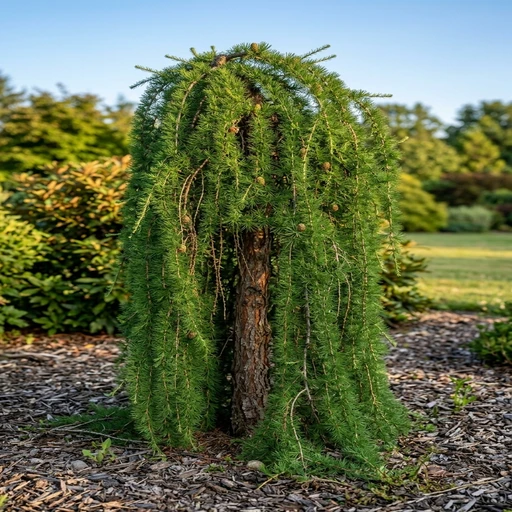
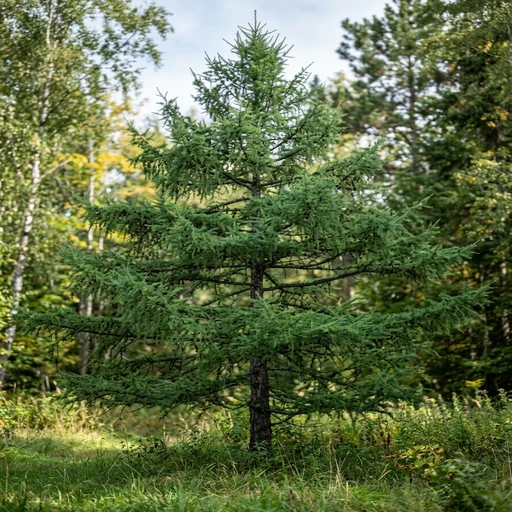
Browse all 3 Larix varieties →
Species of Larix
Each one is a parent of the varieties above.
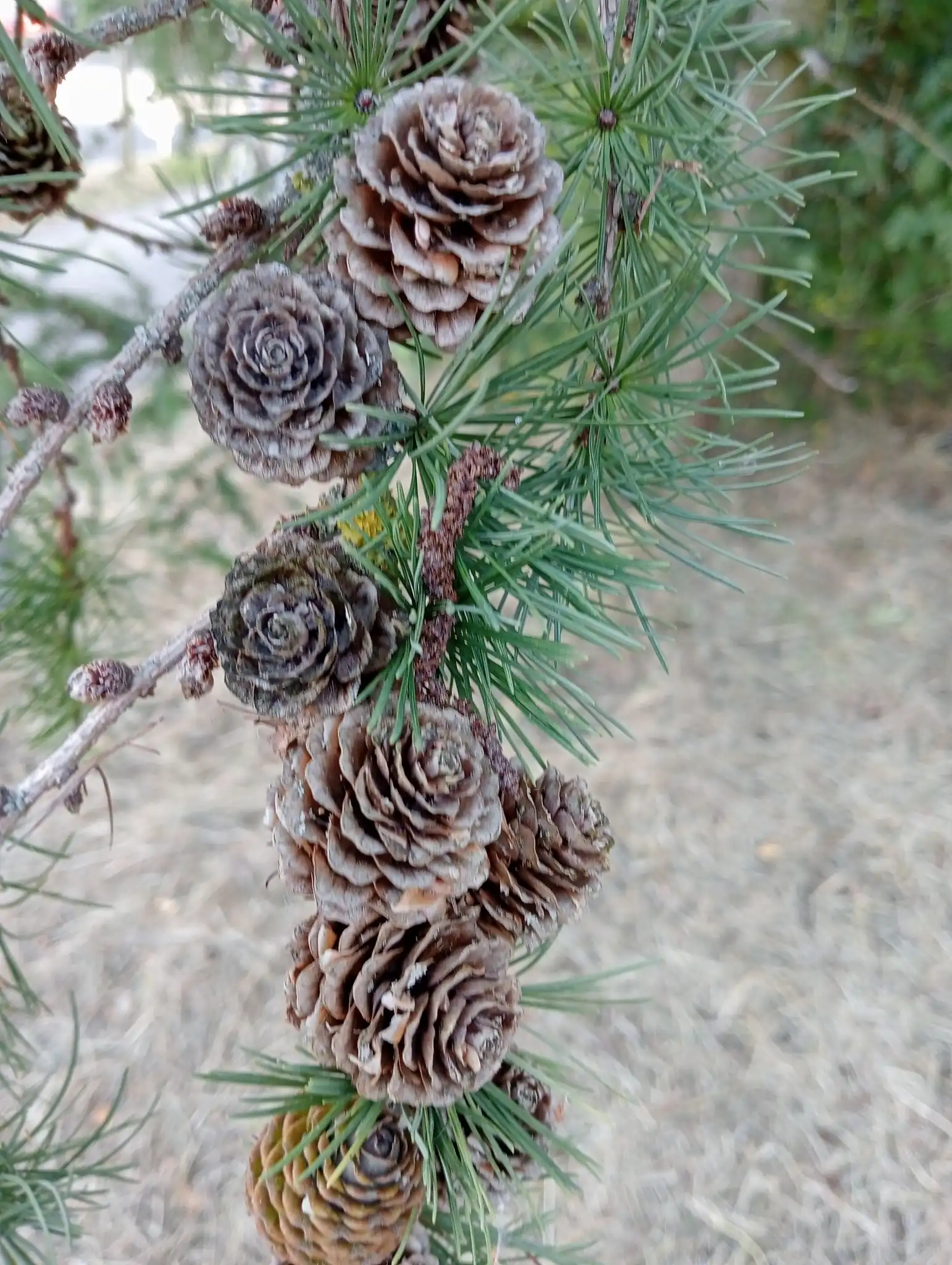
Track your Larix in Sow
Save the Larix you grow and get care reminders timed to your zone.
How to grow Larix
Whats common across all Larix varieties in our catalog — drawn from the care records of the 3 most-grown of them.
The Larix year
- PruneFebruary and March67% of varieties
Prune dead or damaged branches in late winter while the tree is dormant.
- PlantNovember67% of varieties
Plant in spring or fall to avoid heat stress.


Do
- Provide ample sunlight; it is very shade intolerant.
- Plant in consistently moist or wet soil for best results.
- Allow plenty of room for its ultimate height and spread.
- Enjoy its unique seasonal changes, especially the fall color.
- Provide full sun for best growth and fall color.
Avoid
- Don't plant in shade or in dry locations.
- Avoid planting near black walnut trees, as it is sensitive to juglone.
- Don't be alarmed by fall needle drop; it is not an evergreen.
- Avoid high pH soils.
What goes wrong with Larix
| Problem | What you'll see | What to do |
|---|---|---|
| Larch Casebearer | Tiny caterpillars mine needles, causing them to turn brown and look scorched. | Difficult to control. Systemic insecticides may be effective. Healthy trees usually tolerate damage. |
| Larch Sawfly | Larvae feed on needles, causing defoliation, which can weaken the tree. | Natural predators often control populations. For heavy infestations, use insecticides containing spinosad. |
| Woolly Larch Adelgid | White, cottony masses on bark and at the base of needles. | Apply horticultural oil during the dormant season or in early spring before new growth begins. |
| Larch casebearer | Needles mined hollow and turning grey-brown from spring, with small cases attached to the shoots | Established trees tolerate the damage and refoliate; no treatment is practical on a tree this size |
| Larch Canker | Sunken, dead areas (cankers) on branches and trunk, which can girdle and kill them. | Prune out and destroy infected branches. There is no chemical cure. Avoid wounding the tree. |
| Larch canker | Sunken cankers on branches and trunk with resin bleeding, and dieback above the damage | Prune out affected branches in dry weather; keep the tree vigorous, as stressed larch is far more susceptible |
Making more Larix
Seed
- Collect cones in late fall as they begin to open.
- Extract seeds and store in a cool, dry place.
- Provide 60 days of cold, moist stratification before sowing.
- Sow in spring in a prepared seedbed or pots.
Grafting
- Collect scion wood from the desired cultivar in winter.
- Graft onto a compatible Larix rootstock in late winter.
- Use a side-veneer or whip-and-tongue graft.
- Keep in a controlled environment until the graft union heals.
Larix questions
How many types of Larix are there?
The Sow catalog tracks 3 distinct Larix varieties. The most popular — ranked by 25 real gardeners — are shown first above.
What zones does Larix grow in?
Across its varieties, Larix covers USDA Zones 4–7. Individual varieties differ — each plant page lists its exact range, and Sow filters the catalog to your zone automatically.
When does Larix bloom?
Most Larix varieties bloom in early spring. Staggering early, mid, and late varieties extends the genus's season in one bed.
Which Larix should I choose?
Start from the most-saved varieties above — popularity across thousands of gardens is a strong signal of reliability — then filter by your zone and sun. In the Sow app you can preview any of them in a photo of your actual yard before you buy.