
Species
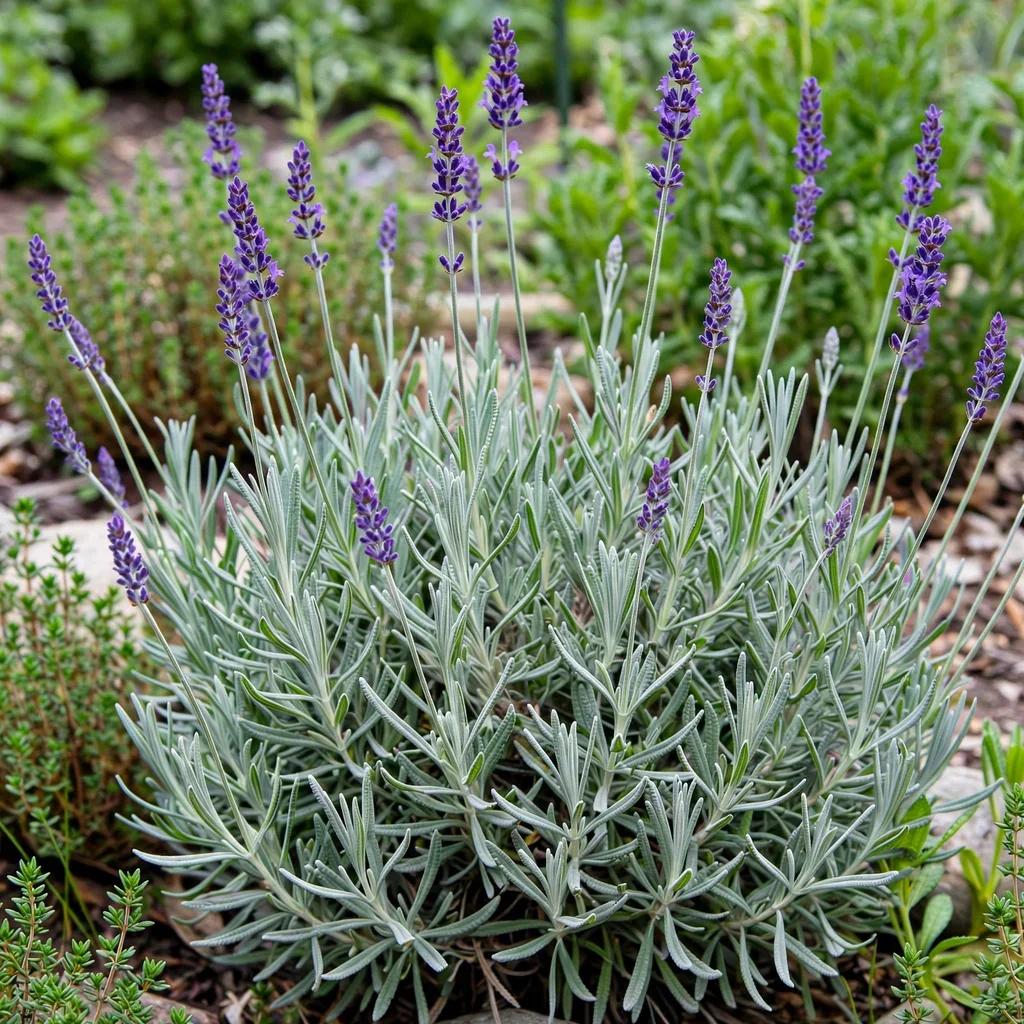 Lavandula angustifoliaEnglish Lavender
24 other cultivars
 ‘Munstead’Munstead Lavender
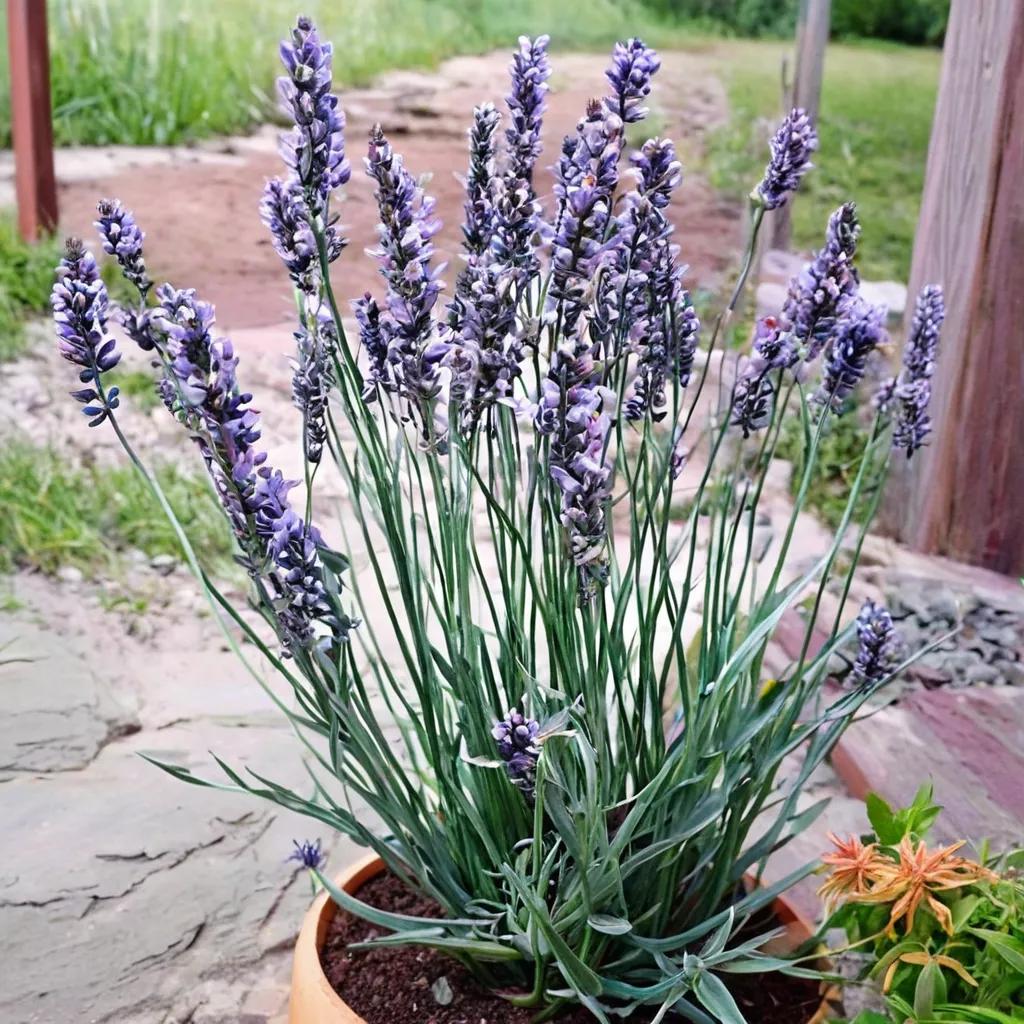 ‘Sensational’Lavender Sensational
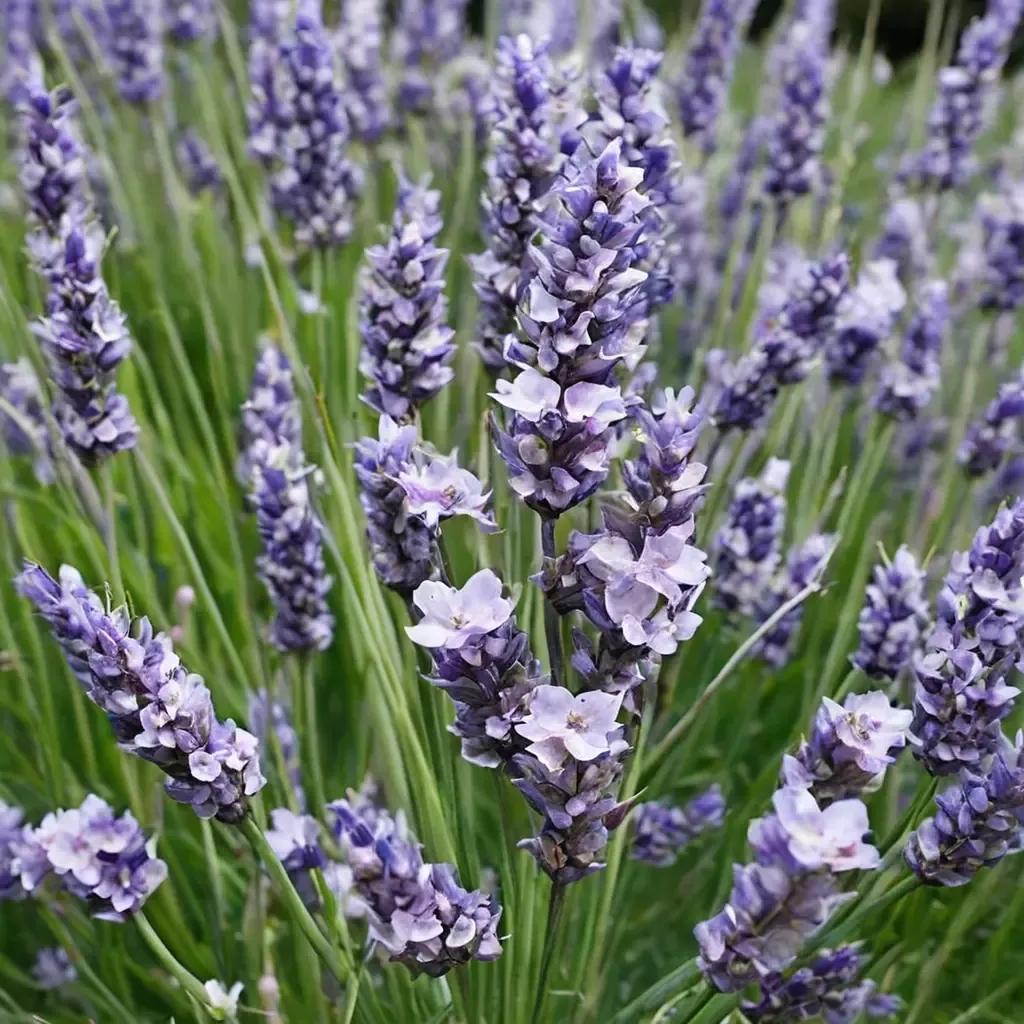 ‘Melissa Lilac’Melissa Lilac Lavender
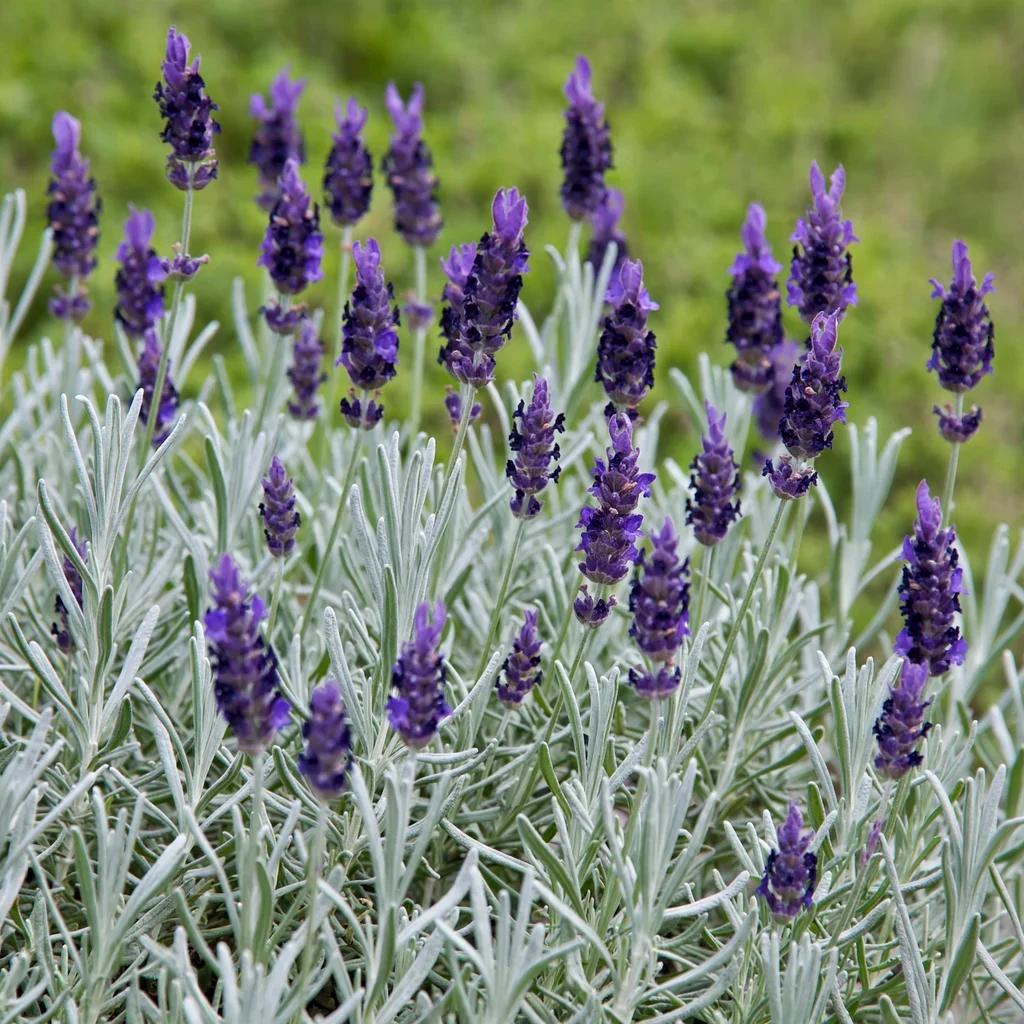 ‘Hidcote’Hidcote Lavender
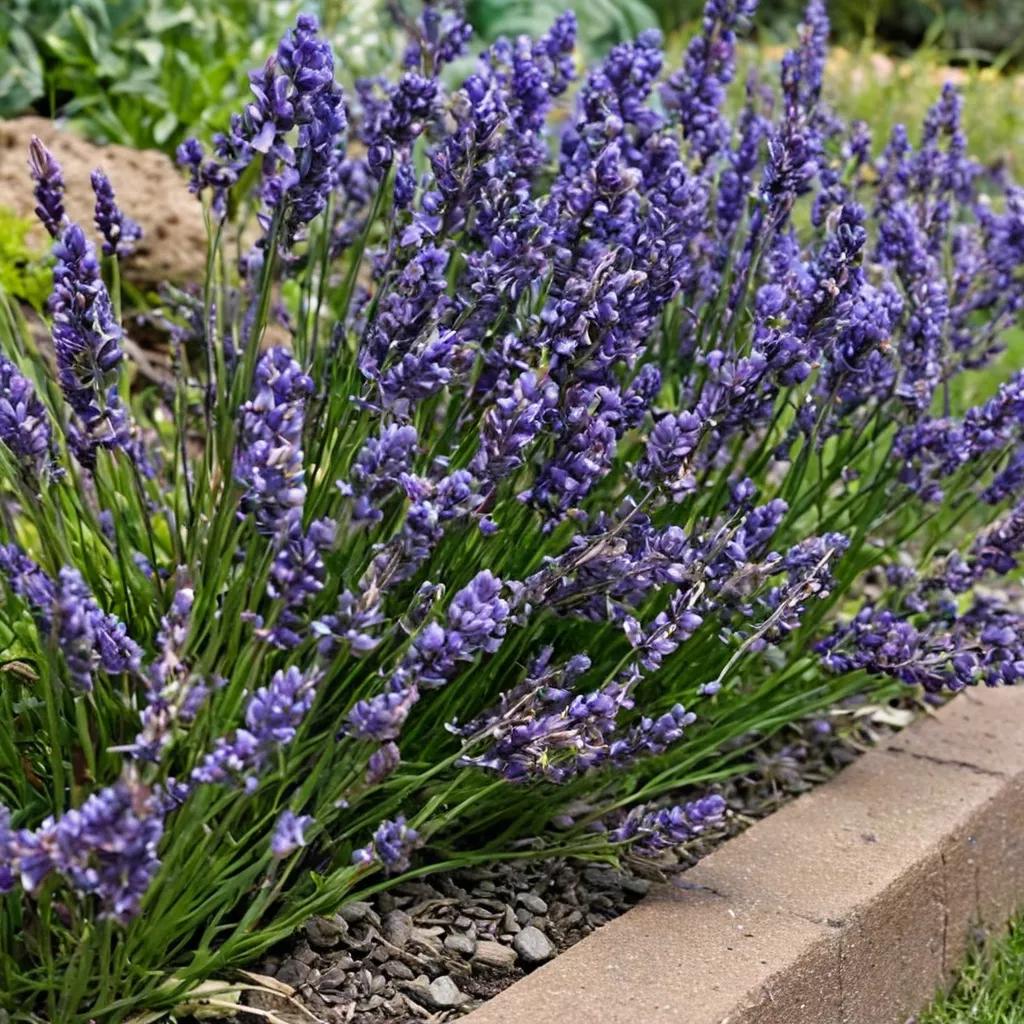 ‘SuperBlue’English Lavender Lavender
 ‘Folgate’Folgate Lavender
 ‘Blue Fragrant’Blue Fragrant Lavender
 ‘Betty’'Betty's Blue' English Lavender
 ‘Thumbelina Leigh’Thumbelina Leigh Lavender
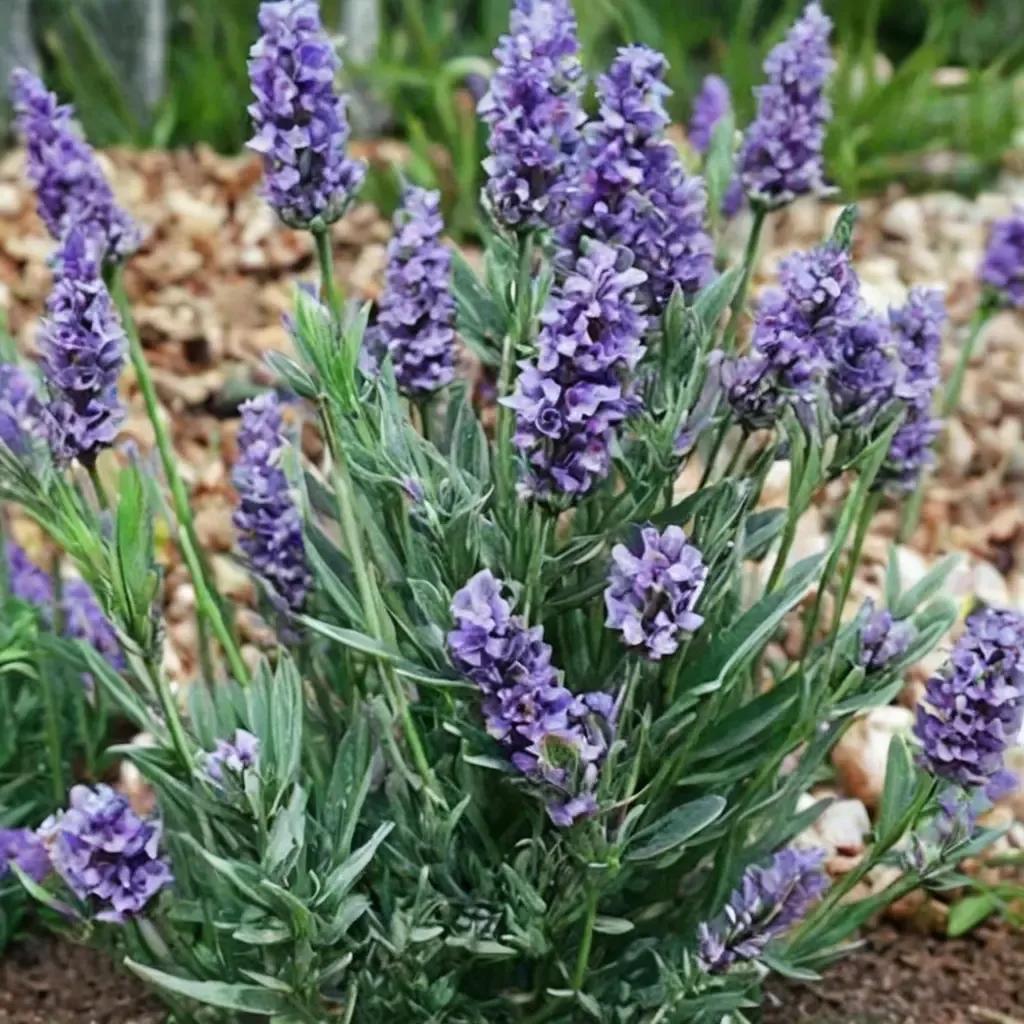 ‘Lavenite Petite’Lavenite Petite Lavender
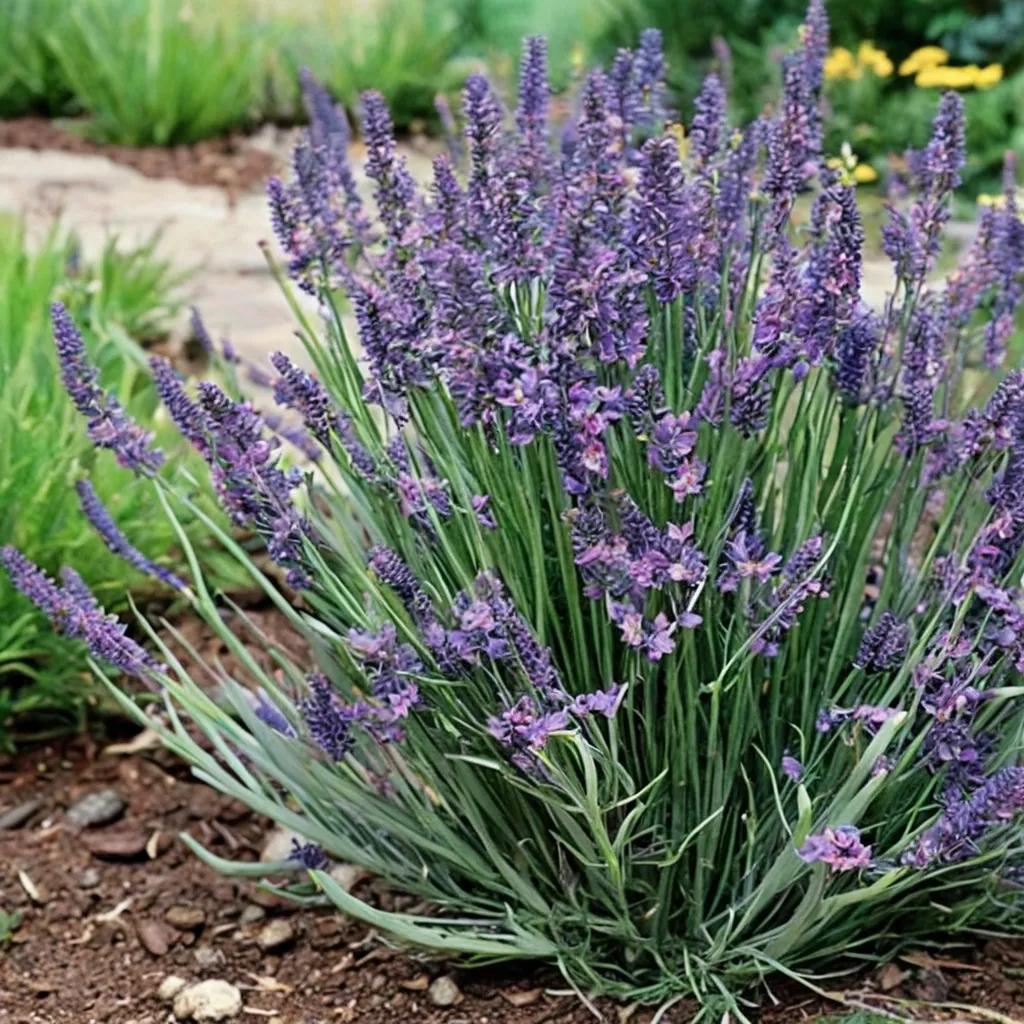 ‘Hidcote Superior’Lavender Hidcote Superior
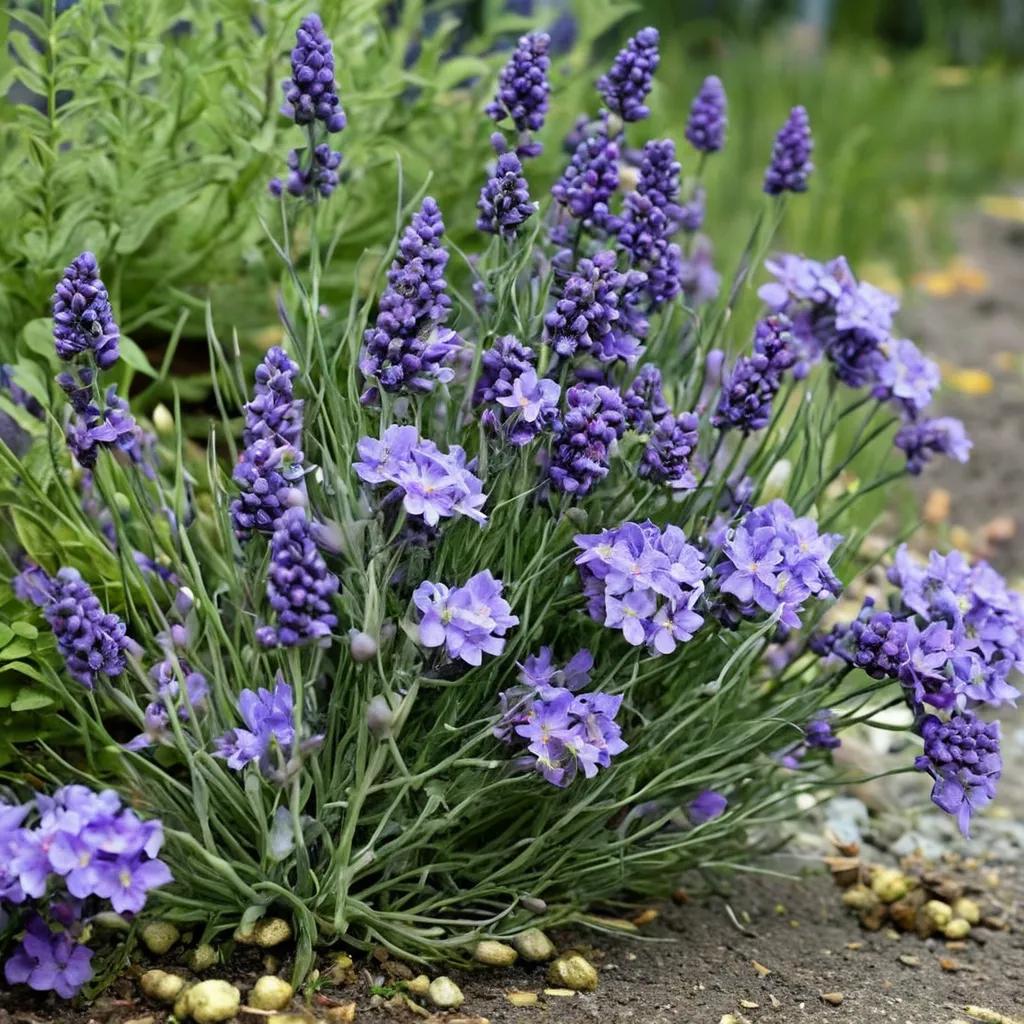 ‘Sweet Romance’Sweet Romance English Lavender
 ‘Ellagance Purple’Lavender Ellagance Purple
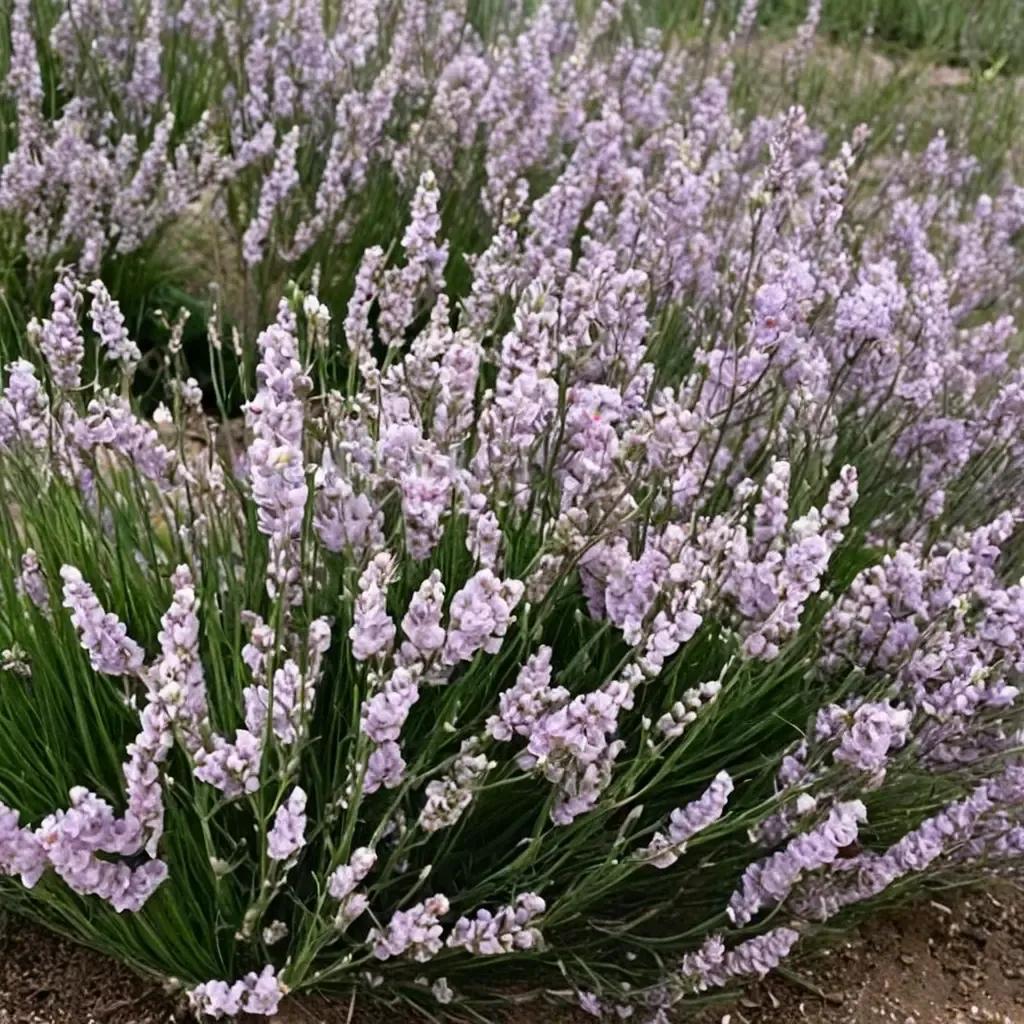 ‘Miss Katherine’Miss Katherine Lavender
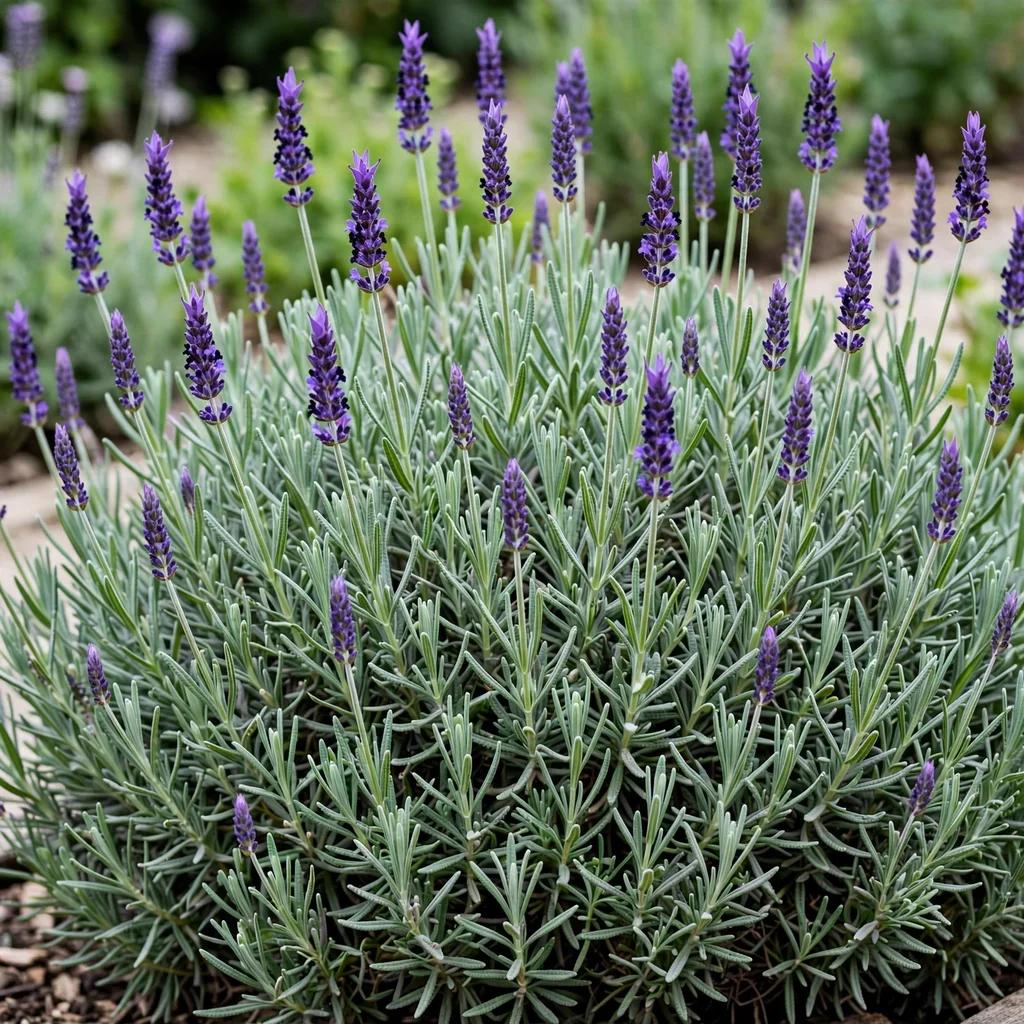 ‘Royal Velvet’Royal Velvet English Lavender
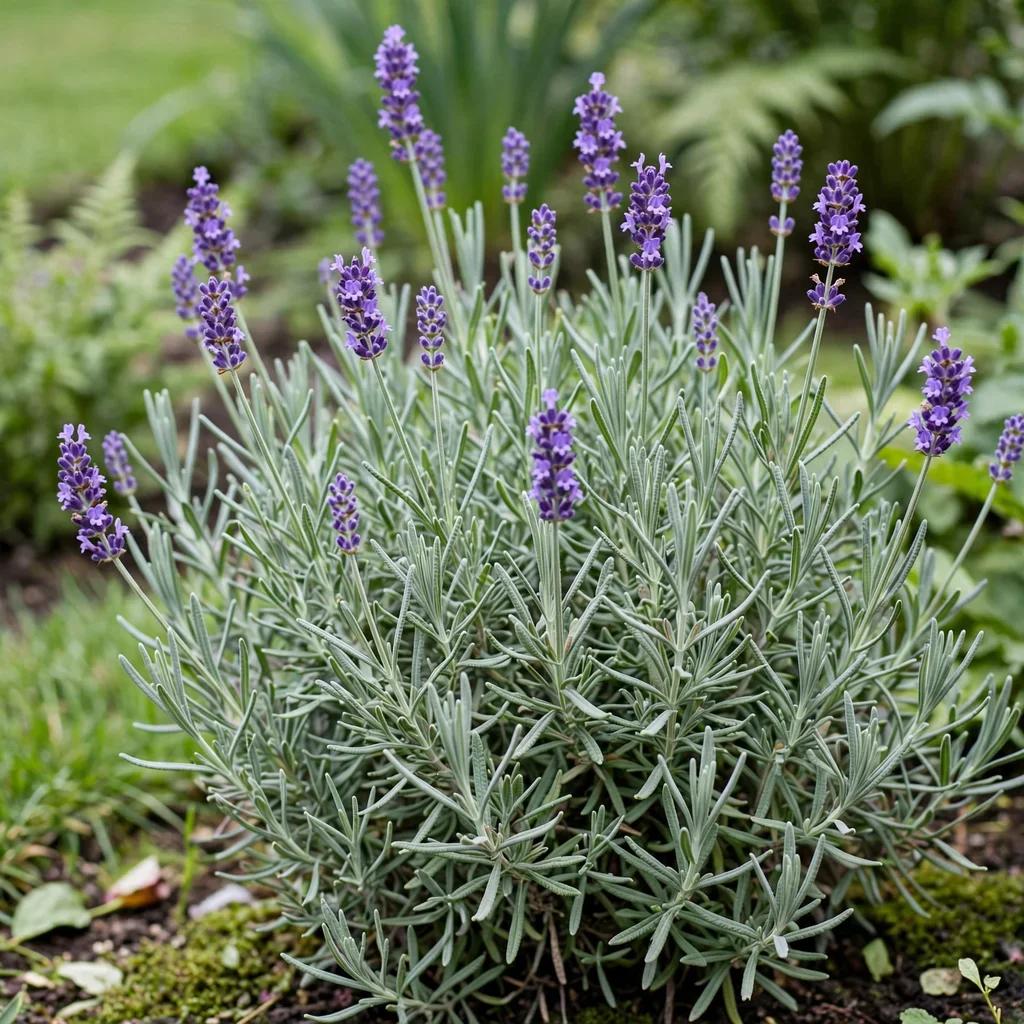 ‘Julia’Julia Lavender
 ‘Platinum Blonde’Lavender Platinum Blonde
 ‘Imperial Gem’Lavender Imperial Gem
 ‘Blue Spear’Lavender Blue Spear
 ‘Nana Alba’Dwarf White Lavender
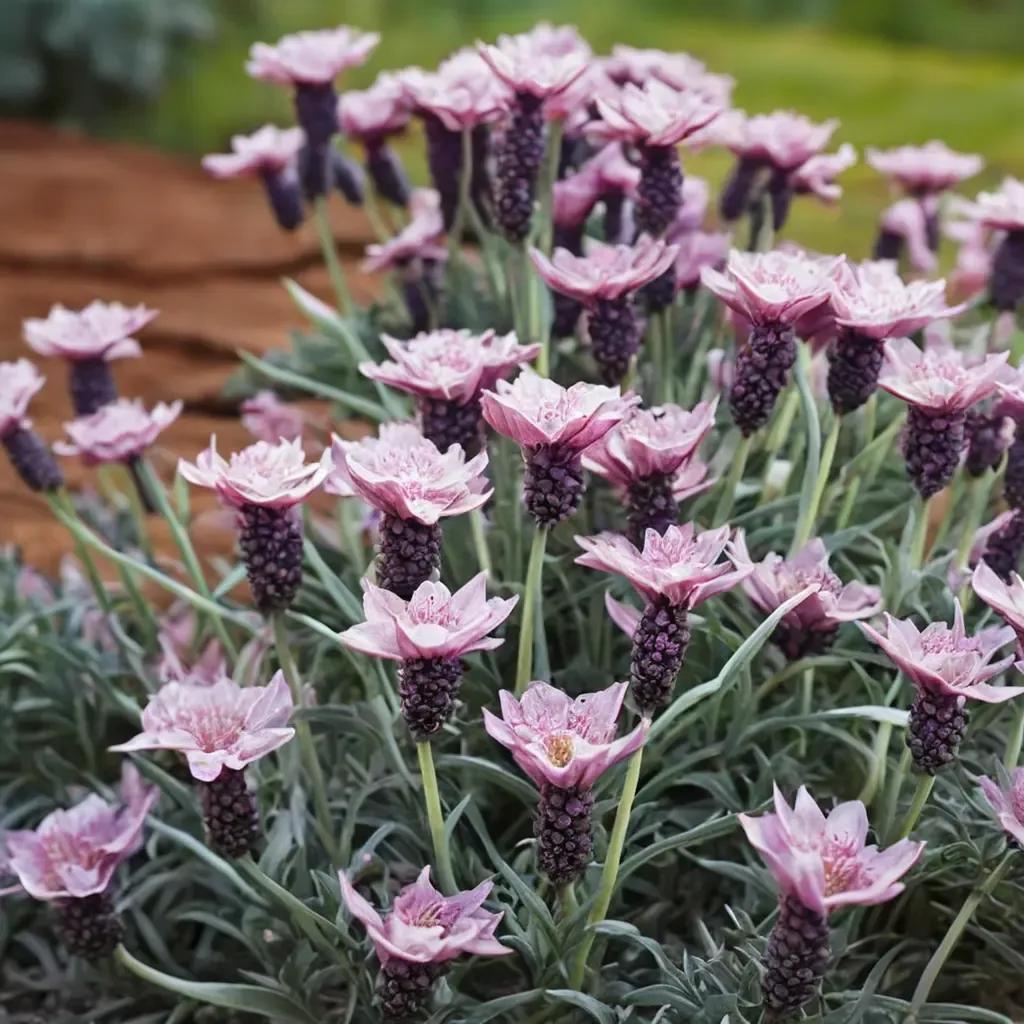 ‘Ghostly Princess’Ghostly Princess Spanish Lavender
 ‘Alba’White English Lavender
 ‘Essence Purple’English Lavender
 ‘Rosea’English Lavender
The Story
Plant Bio
Lavandula angustifolia is an evergreen Mediterranean shrub with narrow, aromatic, silvery-grey leaves and square stems. The species produces dense terminal spikes of fragrant flowers on long, unbranched stems from late spring through summer.
'Hidcote Blue' is a compact, slow-growing dwarf cultivar that forms a dense, rounded mound reaching up to two feet in height. It is distinguished by its deep violet-blue flowers and highly silvered foliage that retains its color well throughout the year.
Uses & Benefits:
Essentials
At a Glance
Plant Type
Shrub
Height
24"
Width
24"
Light
Full Sun
Zones
5, 6, 7, 8, 9
Water
Low
Humidity
Low
Lifespan
10 - 15 years
Native To
Mediterranean
Toxicity
Toxic to Cats & Dogs
Bloom period
Late spring – Summer
In flower about 4 months of the year
Marketplace
Where to Buy
Shipping costs Year-round shipping Free shipping
Planting
How to Grow
- Select a planting site that receives at least six hours of direct sunlight daily and has sharply draining, neutral to alkaline soil.
- Dig a hole twice the width of the root ball and backfill with native soil mixed with coarse sand or gravel if drainage needs improvement.
- Water the plant deeply immediately after planting, then allow the soil to dry out completely between waterings once established.
- Apply a light layer of gravel mulch around the base of the plant to keep the foliage dry and prevent soil-borne fungal spores from splashing onto the leaves.
Pro Tip
Prune the plant by one-third in spring as new growth begins, shaping it into a tight dome; cutting back into old, grey wood that lacks visible buds will prevent regrowth and kill the branch.
Keep It Thriving
Care Guide
Do
- Plant in a raised bed or on a slope if your garden has heavy clay soil.
- Prune annually in spring to maintain a compact, bushy habit.
- Ensure excellent air circulation around the plant to prevent fungal diseases.
Don't
- Do not overwater or allow the roots to sit in soggy, waterlogged soil.
- Do not apply heavy organic mulches like wood chips that retain moisture around the crown.
- Do not cut back into old, leafless wood during pruning.
Seasonal Care Calendar
| Task | Jan | Feb | Mar | Apr | May | Jun | Jul | Aug | Sep | Oct | Nov | Dec |
|---|---|---|---|---|---|---|---|---|---|---|---|---|
| Fertilize | ||||||||||||
| Pest Check | ||||||||||||
| Propagate | ||||||||||||
| Prune |
Watch Out For
Pests & Diseases
Common Pests
Common Diseases
In the Garden
Landscape Uses & Companions
Landscape Uses
Multiply
Propagation Methods
Good to Know
Common Questions
English Lavender questions
What zones can English Lavender grow in?
English Lavender is hardy in USDA Zones 5–9. Inside that range it survives winter in the ground; outside it, grow it as an annual or a container plant you protect.
Is English Lavender deer resistant?
Yes — English Lavender is rated deer-resistant. Deer typically pass it over, though extreme hunger can override any plant's defenses.
When does English Lavender bloom?
English Lavender typically blooms in late spring through summer. Exact timing shifts a week or two with your zone — Sow's bloom calendar maps it to your garden.
Does English Lavender need full sun?
English Lavender does best in full sun (6+ hours).
Is English Lavender drought tolerant?
Yes — once established (usually after the first full season), English Lavender handles dry spells with minimal watering. Water deeply its first year to build the root system that makes that possible.
More Lavandula to compare
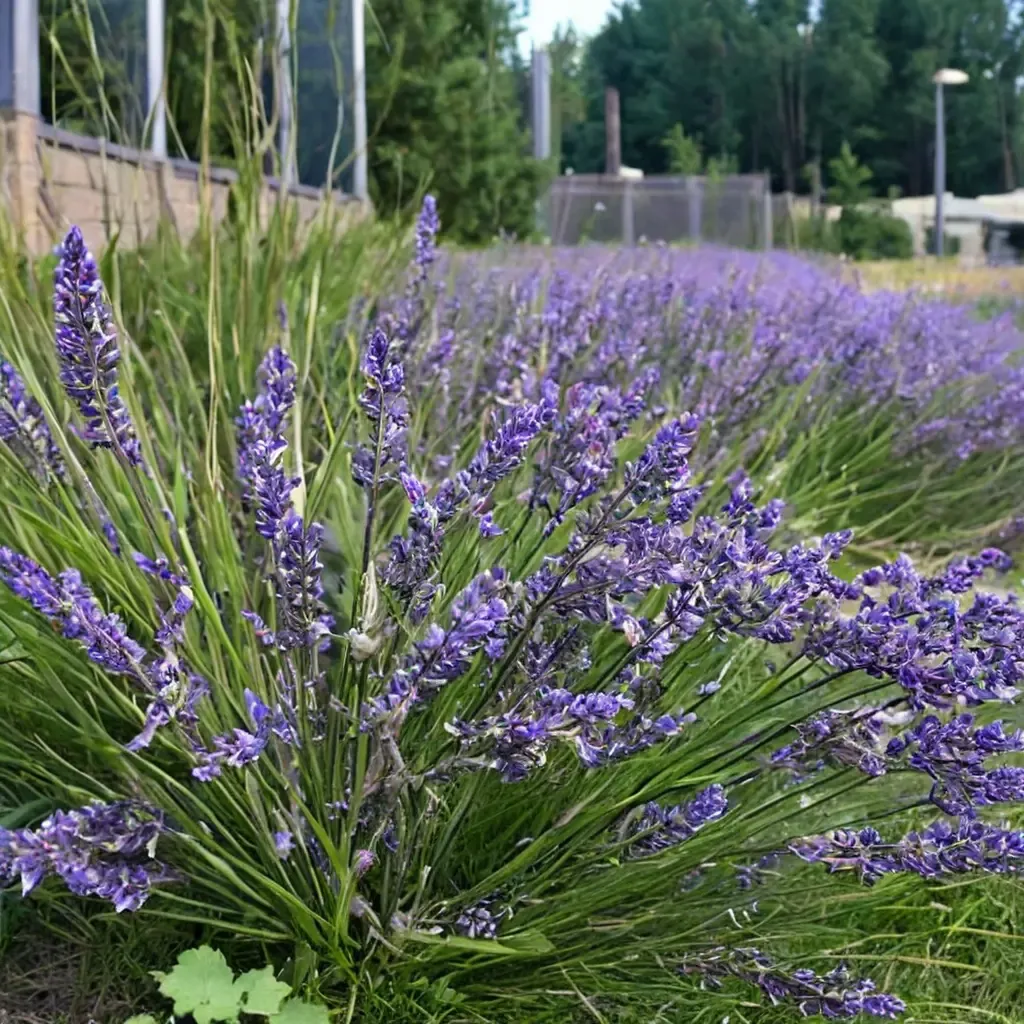
Phenomenal Lavender
Lavandula x intermedia 'Phenomenal'
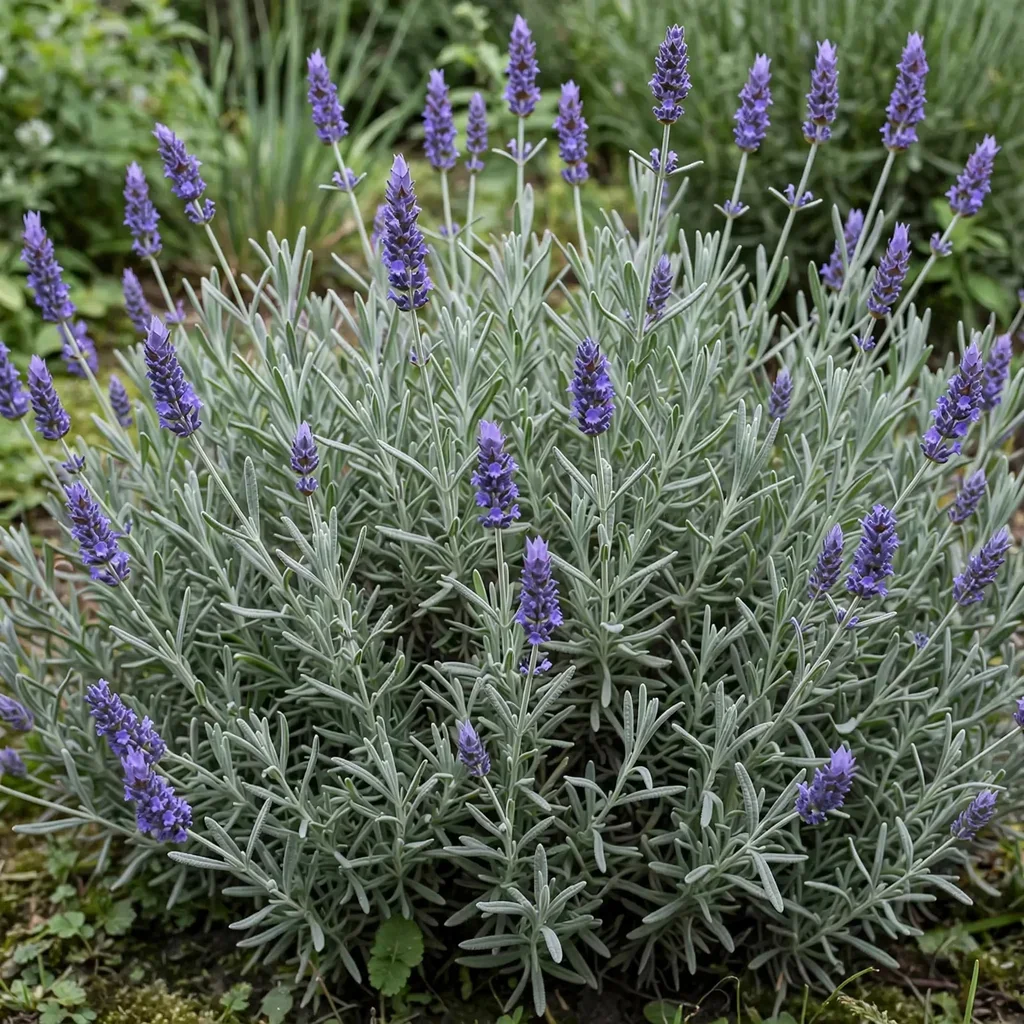
Munstead Lavender
Lavandula angustifolia 'Munstead'
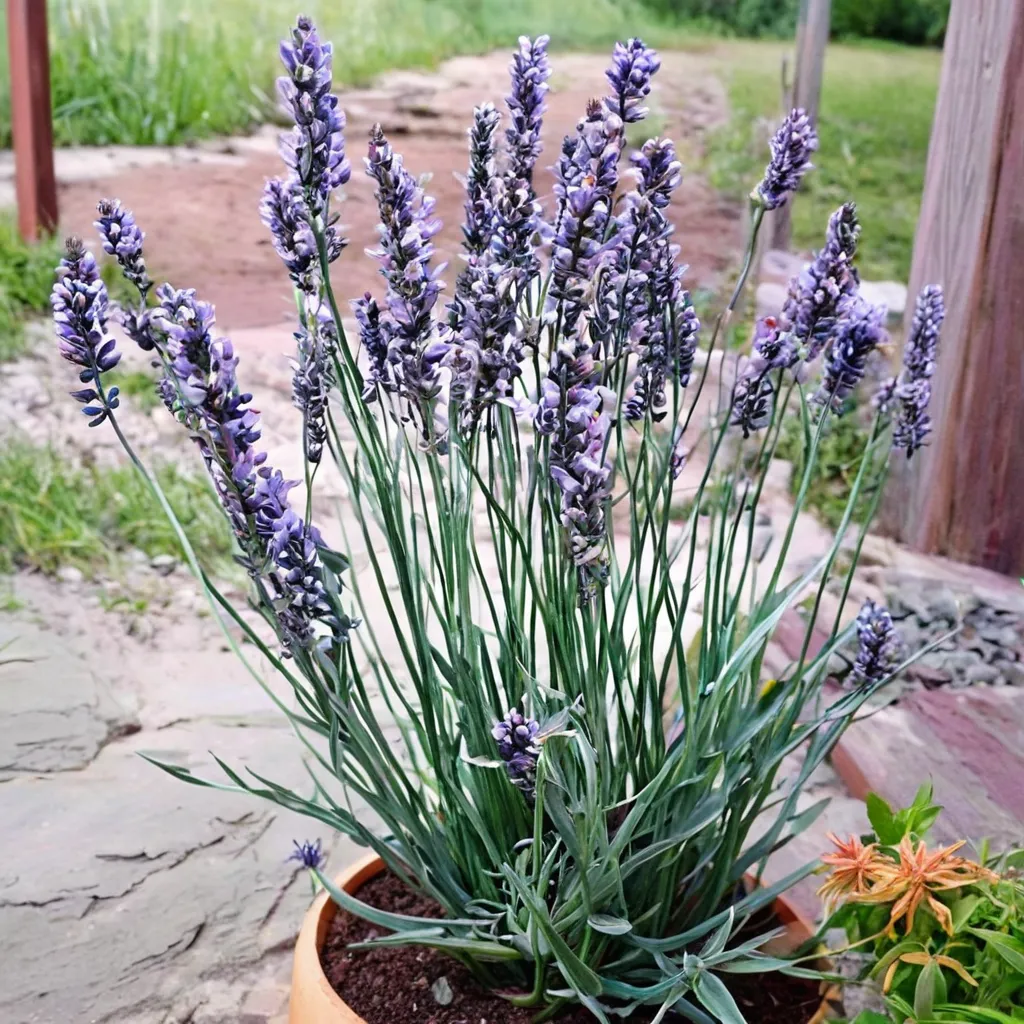
Lavender Sensational
Lavandula angustifolia 'Sensational'
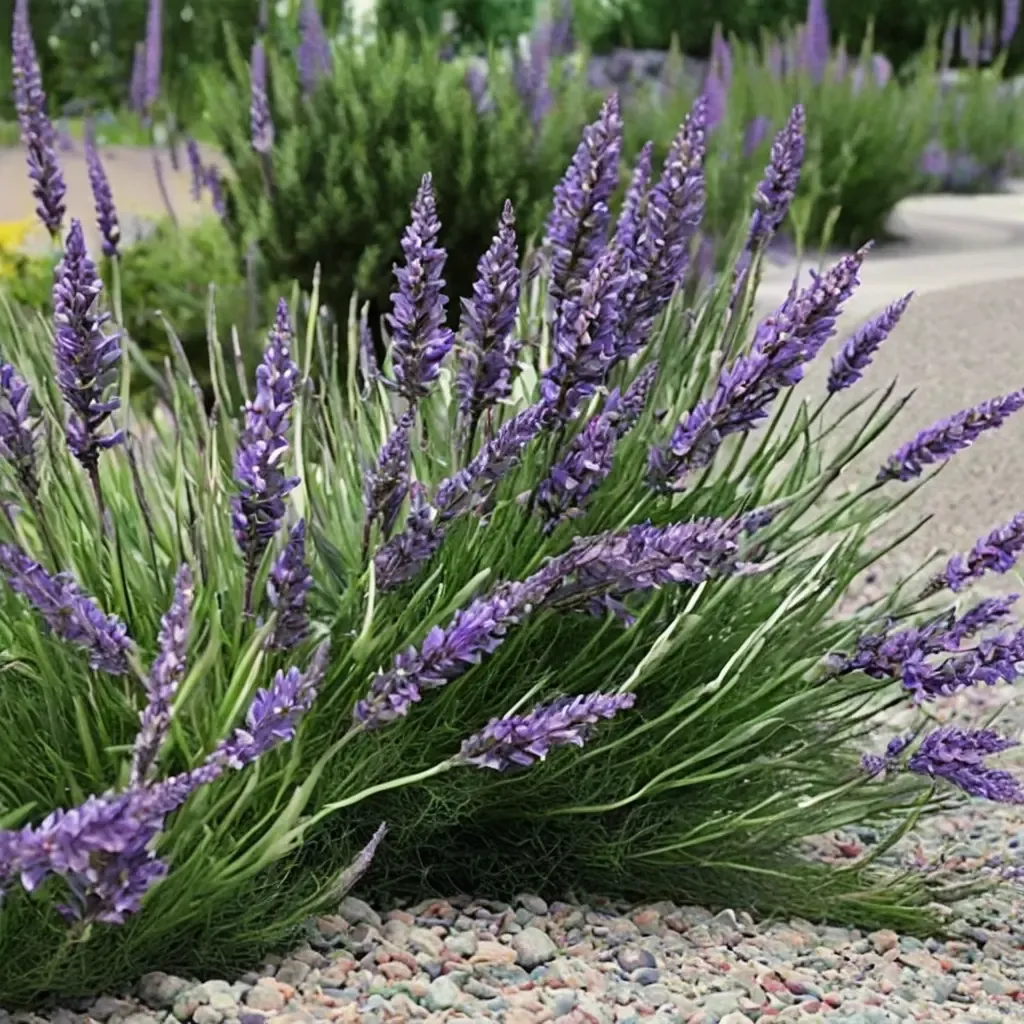
Grosso Lavender
Lavandula x hybrida 'Grosso'
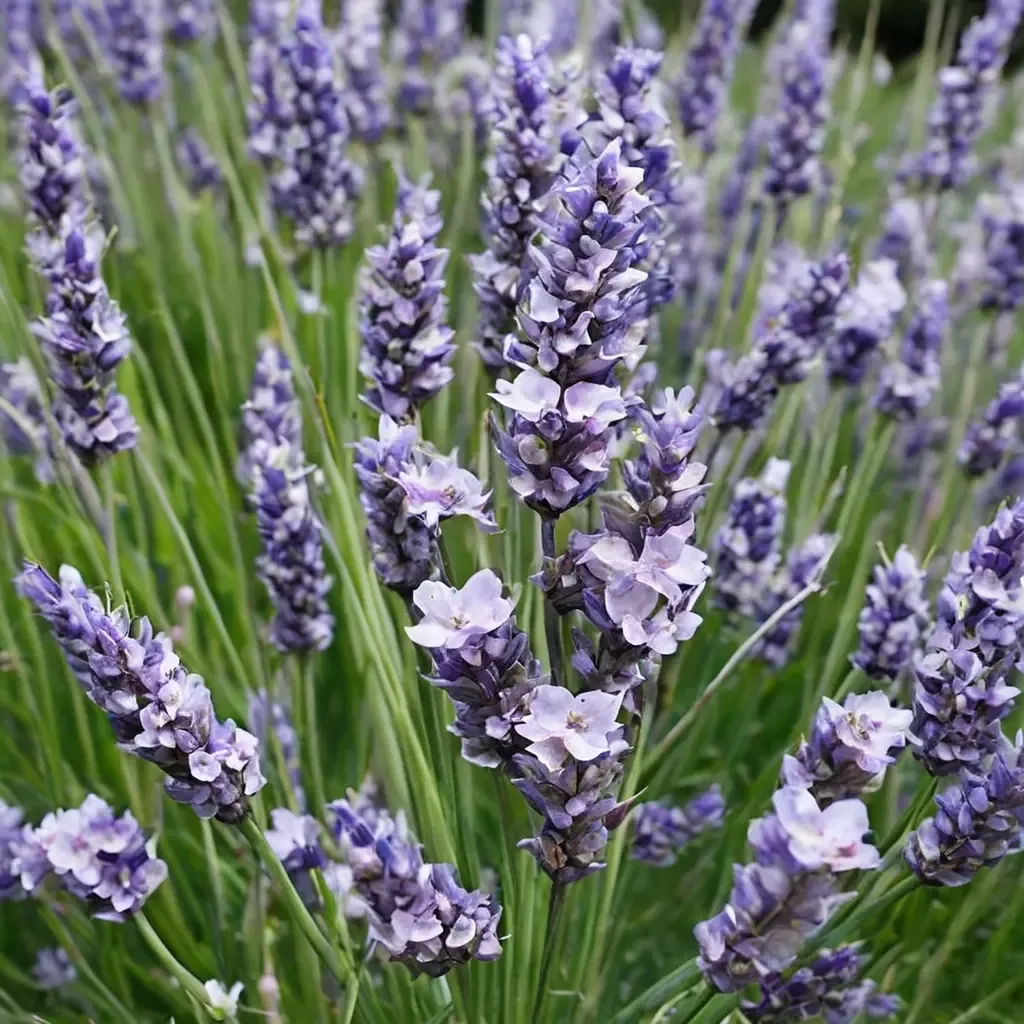
Melissa Lilac Lavender
Lavandula angustifolia 'Melissa Lilac'
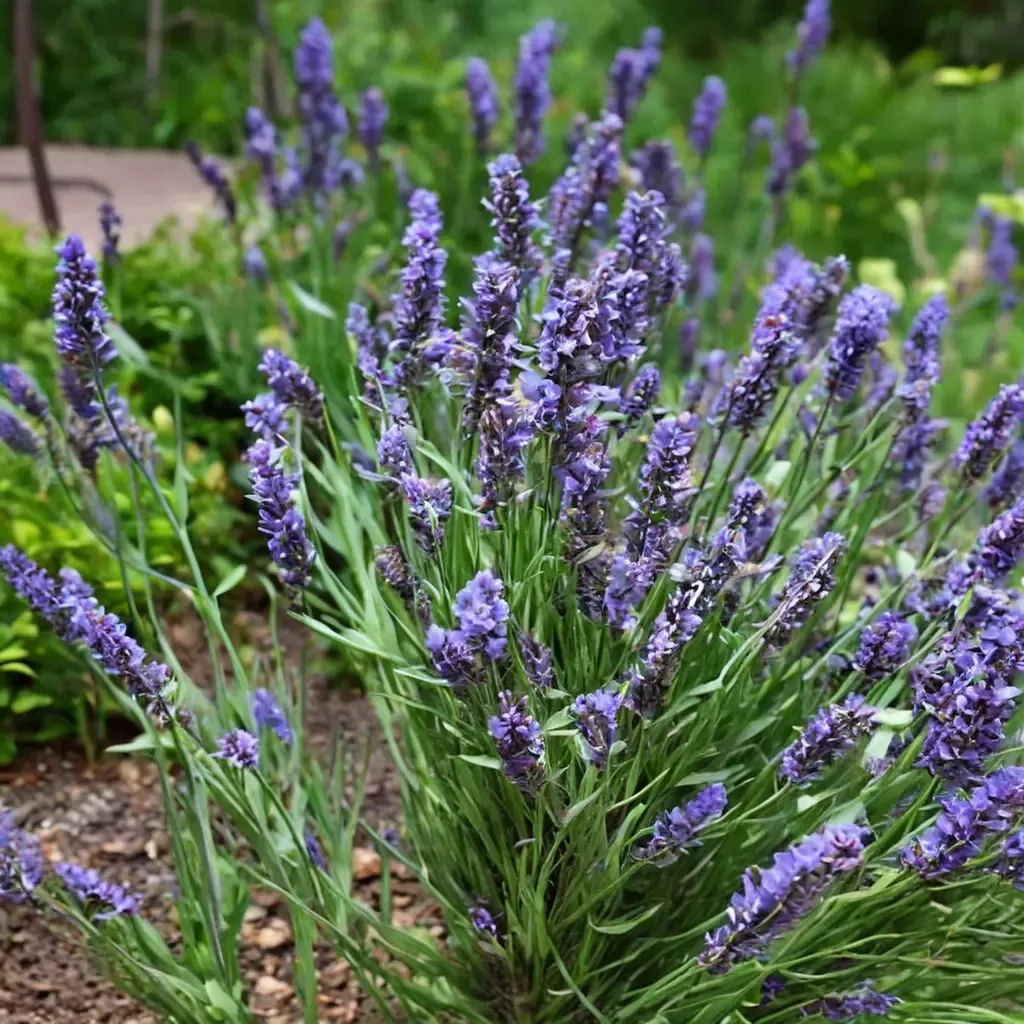
Provence Lavender
Lavandula x hybrida 'Provence'
Keep exploring
Explore the genus
Hardy in your zone?
Grow English Lavender with confidence
See it in a design of your actual yard, get zone-matched care reminders, and track it season by season in your garden journal.