The Story
Plant Bio
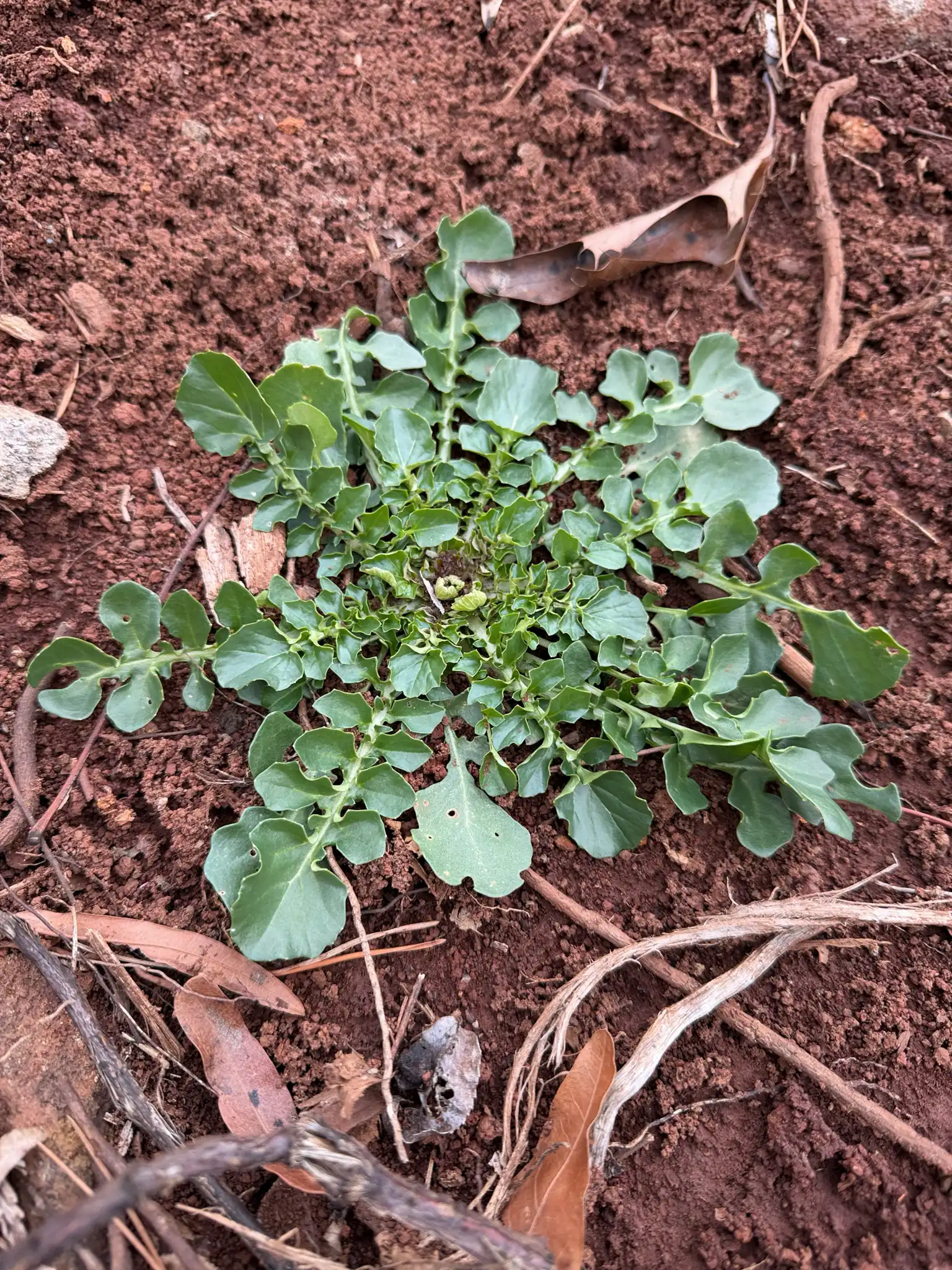
Barbarea verna, commonly known as upland cress, is a hardy biennial or annual herb native to southwestern Europe that forms a low rosette of deeply lobed, glossy green leaves. In its second spring, the plant sends up erect, grooved stems bearing terminal clusters of small, bright yellow four-petaled flowers.
This species serves as a fast-growing, cold-tolerant alternative to watercress, delivering a similar peppery flavor without requiring running water. The foliage remains harvestable throughout winter in mild climates, with new growth emerging a vibrant bright green.
Uses & Benefits:
Essentials
At a Glance
Plant Type
Annual
Height
36"
Width
16"
Light
Full Sun, Partial Sun
Zones
4, 5, 6, 7, 8, 9
Water
Medium
Humidity
Moderate
Lifespan
Biennial or annual
Native To
Southwestern Europe and western Asia
Toxicity
Contains goitrogens (avoid excessive raw consumption)
Bloom period
Spring – Early summer
In flower about 4 months of the year
Planting
How to Grow
- Sow seeds directly into fertile, well-drained soil in late summer or early fall for a winter and spring harvest.
- Thin seedlings to stand eight to twelve inches apart to allow the basal rosettes room to expand.
- Water regularly to keep the soil consistently moist, preventing premature bolting and bitter leaf flavor.
- Harvest individual outer leaves from the rosette once they reach three to four inches in length, leaving the center to grow.
Pro Tip
To prevent the leaves from becoming unpalatably bitter and pungent, maintain consistent soil moisture and erect a light shade cloth over the crop as spring temperatures begin to rise.
Keep It Thriving
Care Guide
Do
- Keep the soil consistently moist to preserve the sweet, peppery flavor of the foliage.
- Provide light shade cloth during hot spells to delay bolting.
- Apply a balanced organic fertilizer or compost to encourage rapid, lush leaf production.
Don't
- Do not allow the soil to dry out completely, which triggers immediate flowering and extreme bitterness.
- Avoid planting in poorly drained sites where standing water can cause root rot.
- Do not consume excessive quantities raw if you have thyroid concerns, as the leaves contain goitrogens.
Seasonal Care Calendar
| Task | Jan | Feb | Mar | Apr | May | Jun | Jul | Aug | Sep | Oct | Nov | Dec |
|---|---|---|---|---|---|---|---|---|---|---|---|---|
| Fertilize | ||||||||||||
| Harvest | ||||||||||||
| Pest Check | ||||||||||||
| Plant |
Watch Out For
Pests & Diseases
Common Pests
Common Diseases
In the Garden
Landscape Uses & Companions
Landscape Uses
Multiply
Propagation Methods
Good to Know
Common Questions
Upland Cress questions
What zones can Upland Cress grow in?
Upland Cress is hardy in USDA Zones 4–9. Inside that range it survives winter in the ground; outside it, grow it as an annual or a container plant you protect.
Is Upland Cress deer resistant?
Not reliably. Deer may browse Upland Cress, especially tender spring growth — plan on repellents or fencing where pressure is high.
When does Upland Cress bloom?
Upland Cress typically blooms in spring through early summer. Exact timing shifts a week or two with your zone — Sow's bloom calendar maps it to your garden.
Does Upland Cress need full sun?
Upland Cress does best in full sun to part shade. In hot climates, afternoon shade keeps blooms fresher longer.
Keep exploring
Explore the genus
Grow Upland Cress with confidence
See it in a design of your actual yard, get zone-matched care reminders, and track it season by season in your garden journal.