The Story
Plant Bio
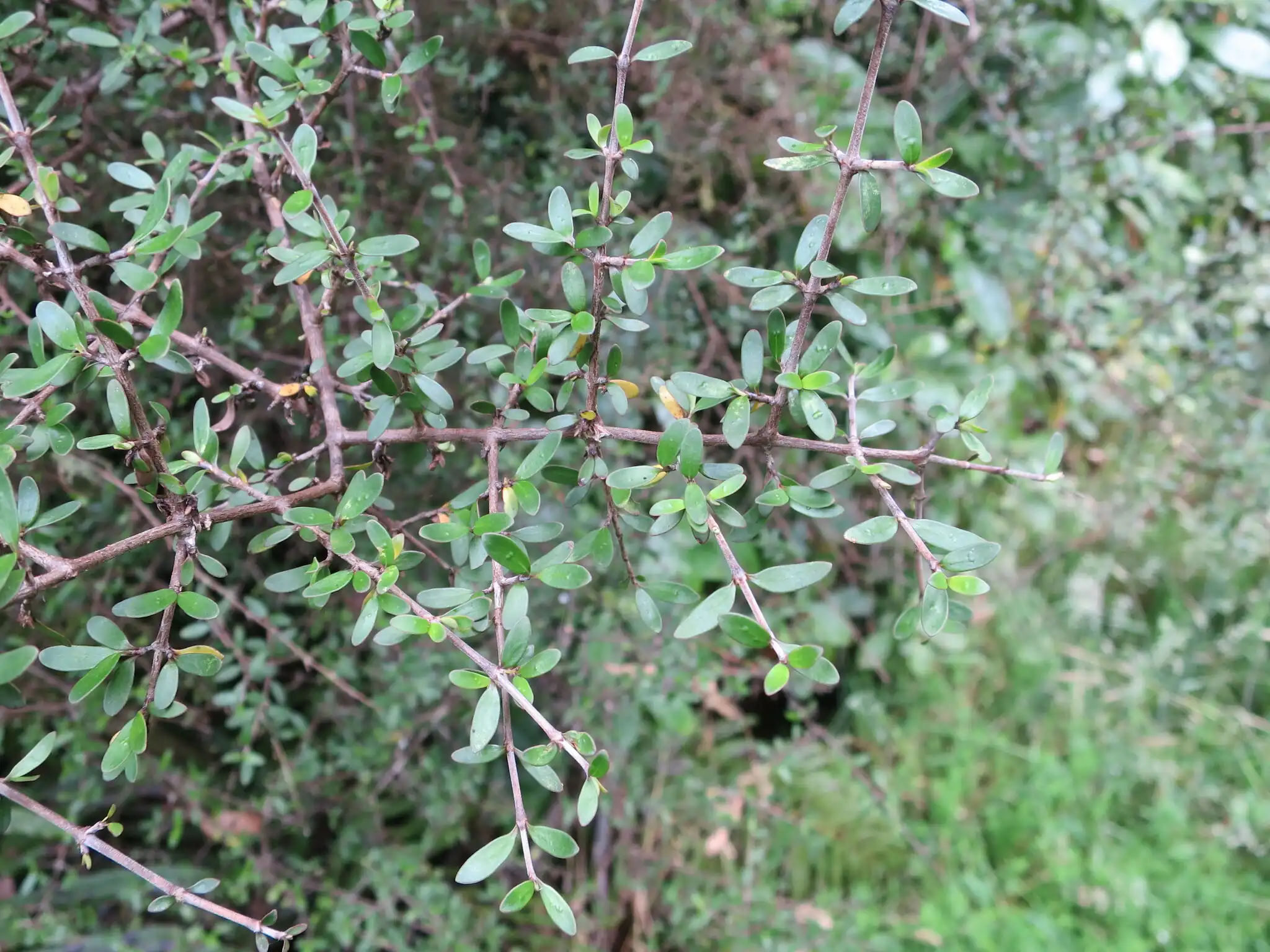
Coprosma propinqua, commonly known as mingimingi, is a dense, divaricating evergreen shrub native to New Zealand that reaches heights of three to fifteen feet. Its stiff, interlacing branches form a complex, twiggy network covered in small, narrow, glossy dark green leaves with pale undersides.
The species is strictly dioecious, requiring both male and female plants in proximity to produce the pale blue or white fleshy drupes that follow its inconspicuous green flowers. Its distinctive zig-zag branching pattern is a natural genetic adaptation often mistaken by amateurs for dead or diseased wood.
Uses & Benefits:
Essentials
At a Glance
Plant Type
Shrub
Height
196"
Width
118"
Light
Full Sun, Partial Sun
Zones
8, 9, 10
Water
Moderate
Humidity
High
Lifespan
Perennial
Native To
New Zealand
Toxicity
Non-toxic
Bloom period
Late winter – Early spring
In flower about 2 months of the year
Planting
How to Grow
- Select a planting site in full sun to partial shade with moist, well-drained soil.
- Dig a hole twice as wide as the root ball and set the plant at its original container depth.
- Water thoroughly after planting and maintain consistent moisture until the root system is established.
- Apply a light layer of organic mulch around the base to retain moisture, keeping it clear of the main stem.
Pro Tip
Avoid cutting heavily back into the old, leafless woody interior of the shrub, as these branches lack active buds and will fail to regenerate.
Keep It Thriving
Care Guide
Do
- Plant both male and female specimens close together if you want the plant to produce berries.
- Provide protection from strong winter winds in the colder limits of its hardiness range.
- Prune lightly and regularly to maintain a desired shape or formal hedge structure.
Don't
- Do not cut back into old, bare, woody stems as they will not regenerate new foliage.
- Do not allow the soil to become completely waterlogged and stagnant, which invites root rot.
- Do not apply heavy doses of fertilizer, as this species is adapted to low-nutrient soils.
Seasonal Care Calendar
| Task | Jan | Feb | Mar | Apr | May | Jun | Jul | Aug | Sep | Oct | Nov | Dec |
|---|---|---|---|---|---|---|---|---|---|---|---|---|
| Mulch | ||||||||||||
| Pest Check | ||||||||||||
| Prune | ||||||||||||
| Winter Prep |
Watch Out For
Pests & Diseases
Common Pests
Common Diseases
In the Garden
Landscape Uses & Companions
Landscape Uses
Companion Plants
Multiply
Propagation Methods
Good to Know
Common Questions
Mingimingi questions
What zones can Mingimingi grow in?
Mingimingi is hardy in USDA Zones 8–10. Inside that range it survives winter in the ground; outside it, grow it as an annual or a container plant you protect.
Is Mingimingi deer resistant?
Not reliably. Deer may browse Mingimingi, especially tender spring growth — plan on repellents or fencing where pressure is high.
When does Mingimingi bloom?
Mingimingi typically blooms in late winter through early spring. Exact timing shifts a week or two with your zone — Sow's bloom calendar maps it to your garden.
Does Mingimingi need full sun?
Mingimingi does best in full sun to part shade. In hot climates, afternoon shade keeps blooms fresher longer.
Is Mingimingi drought tolerant?
Yes — once established (usually after the first full season), Mingimingi handles dry spells with minimal watering. Water deeply its first year to build the root system that makes that possible.
More Coprosma to compare
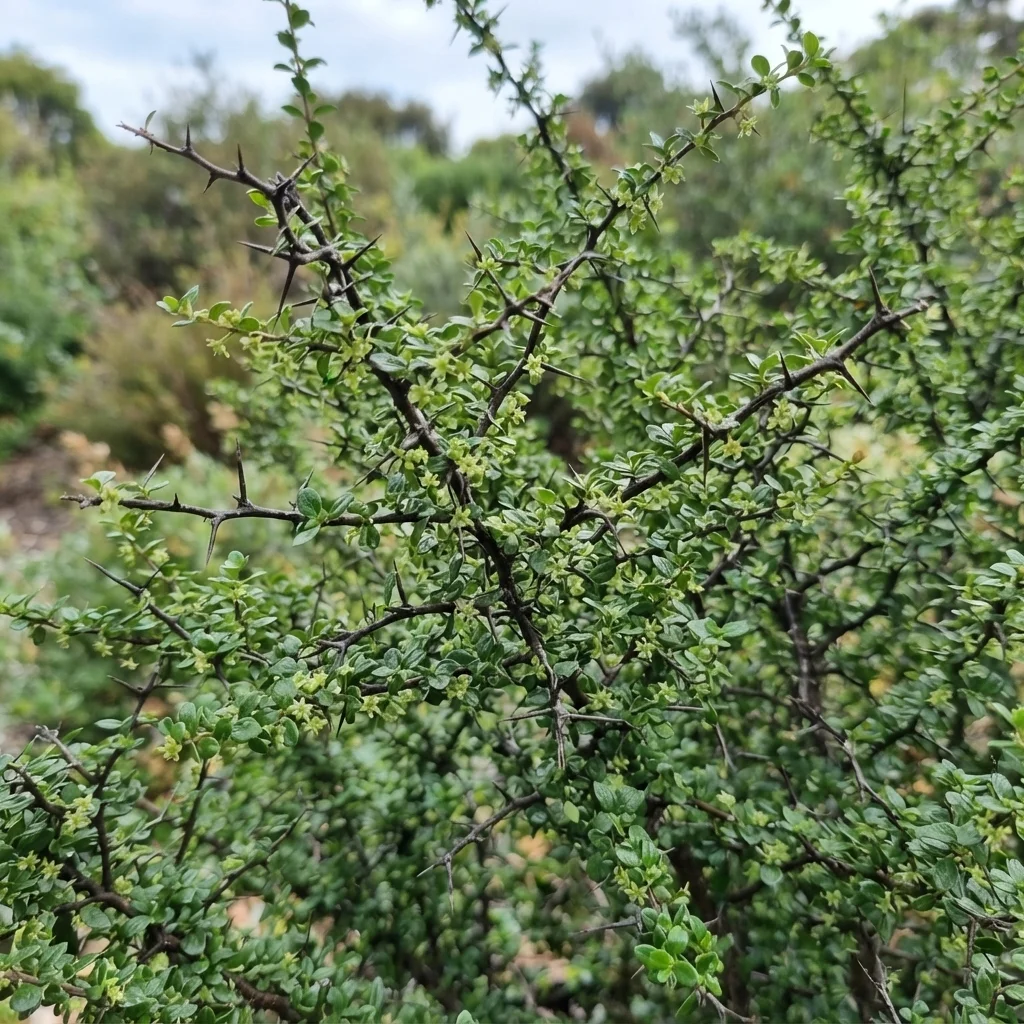
Prickly Currant-bush
Coprosma quadrifida
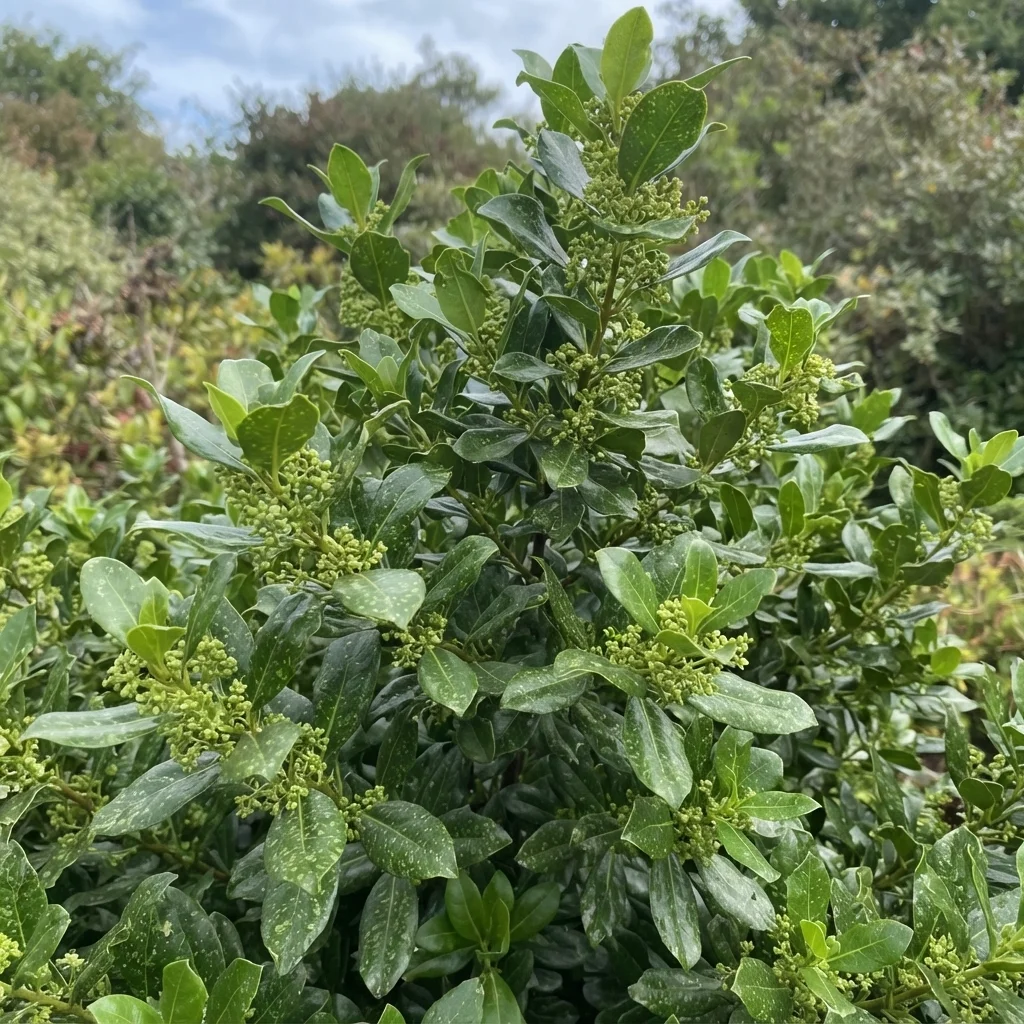
Karamu
Coprosma robusta
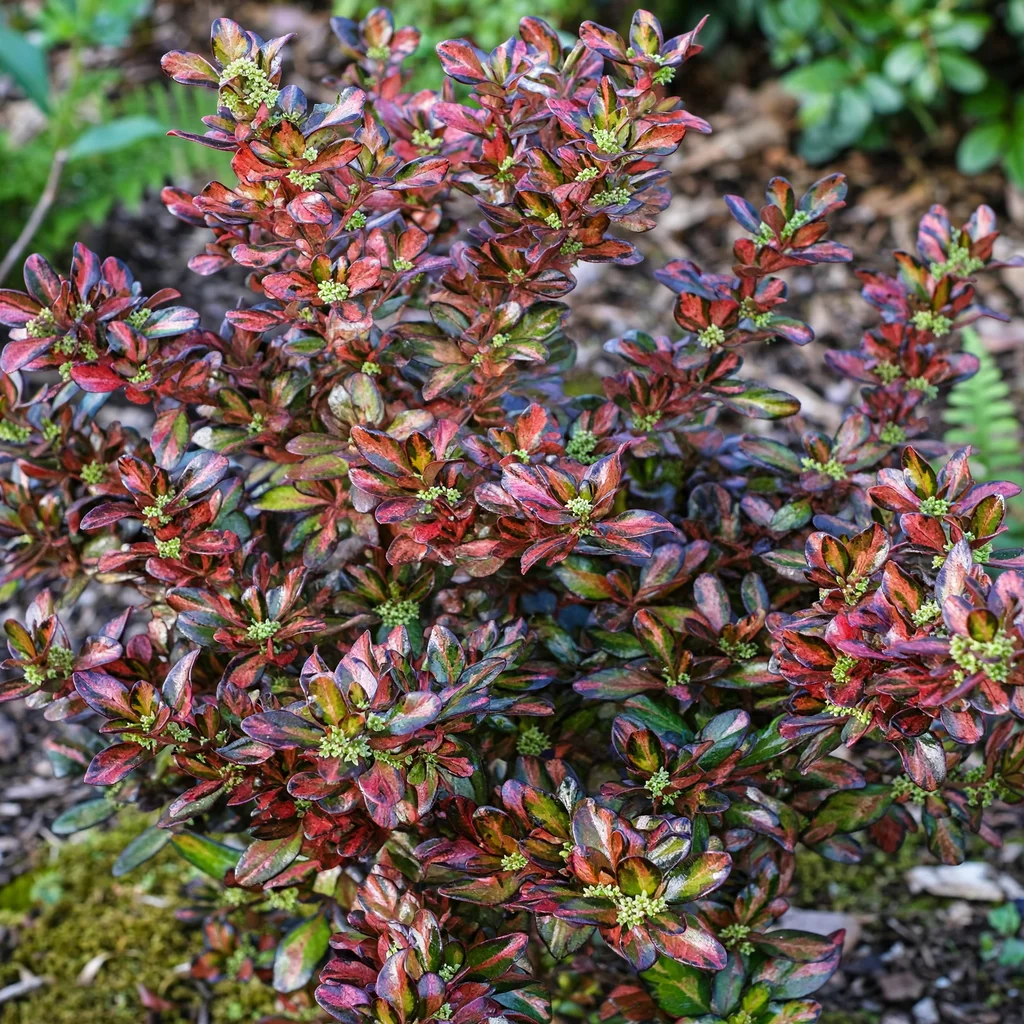
Evening Glow Mirror Plant
Coprosma repens 'Evening Glow'
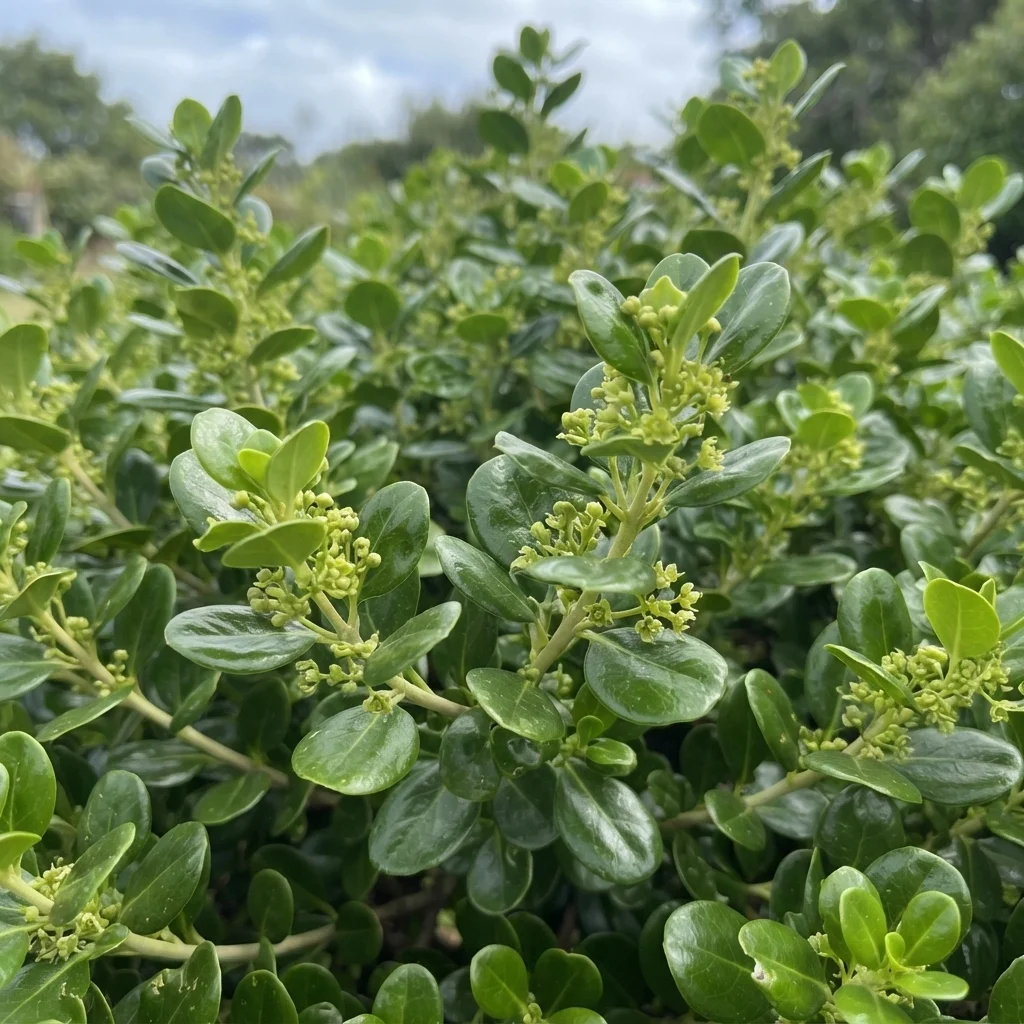
Mirror Bush
Coprosma repens
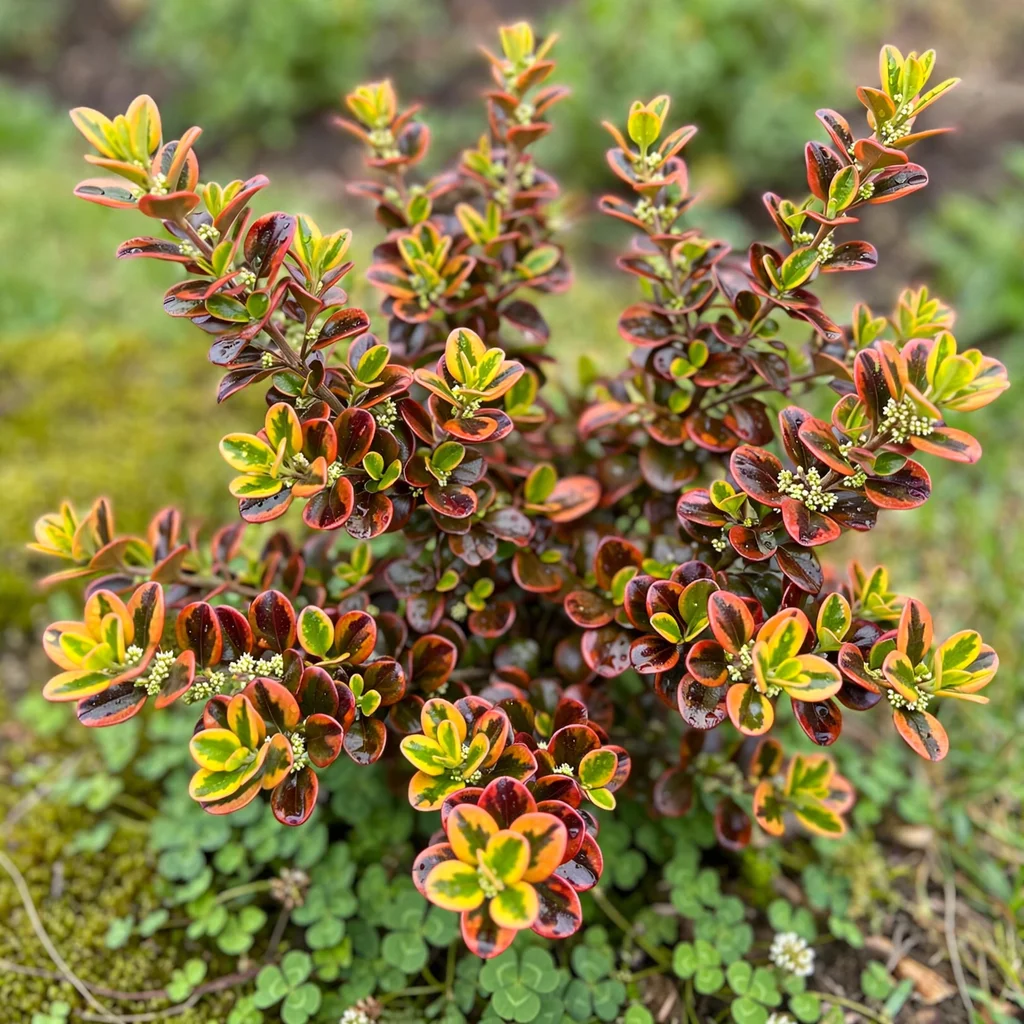
Tequila Sunrise Mirror Plant
Coprosma repens 'Tequila Sunrise'
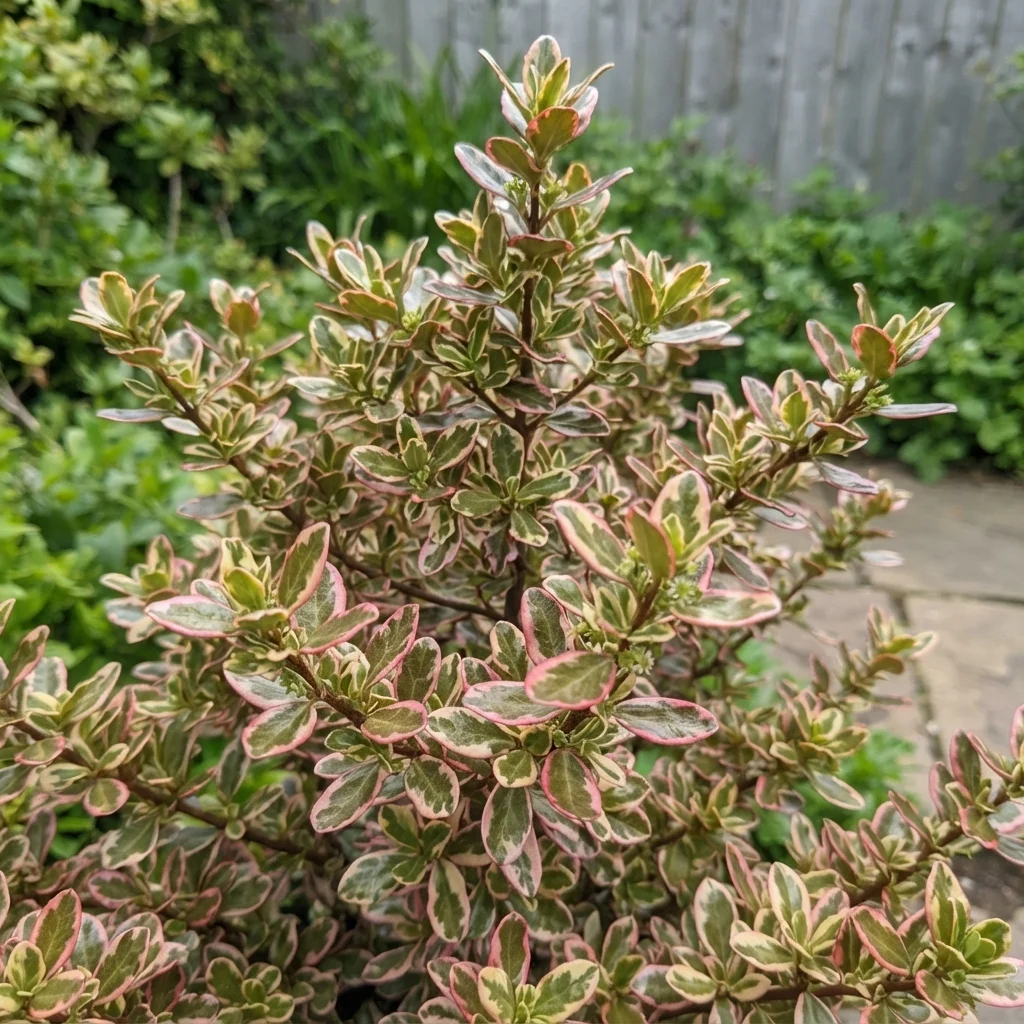
Mirror Bush 'Fireburst'
Coprosma repens 'Fireburst'
Keep exploring
Explore the genus
Hardy in your zone?
Grow Mingimingi with confidence
See it in a design of your actual yard, get zone-matched care reminders, and track it season by season in your garden journal.