The Story
Plant Bio
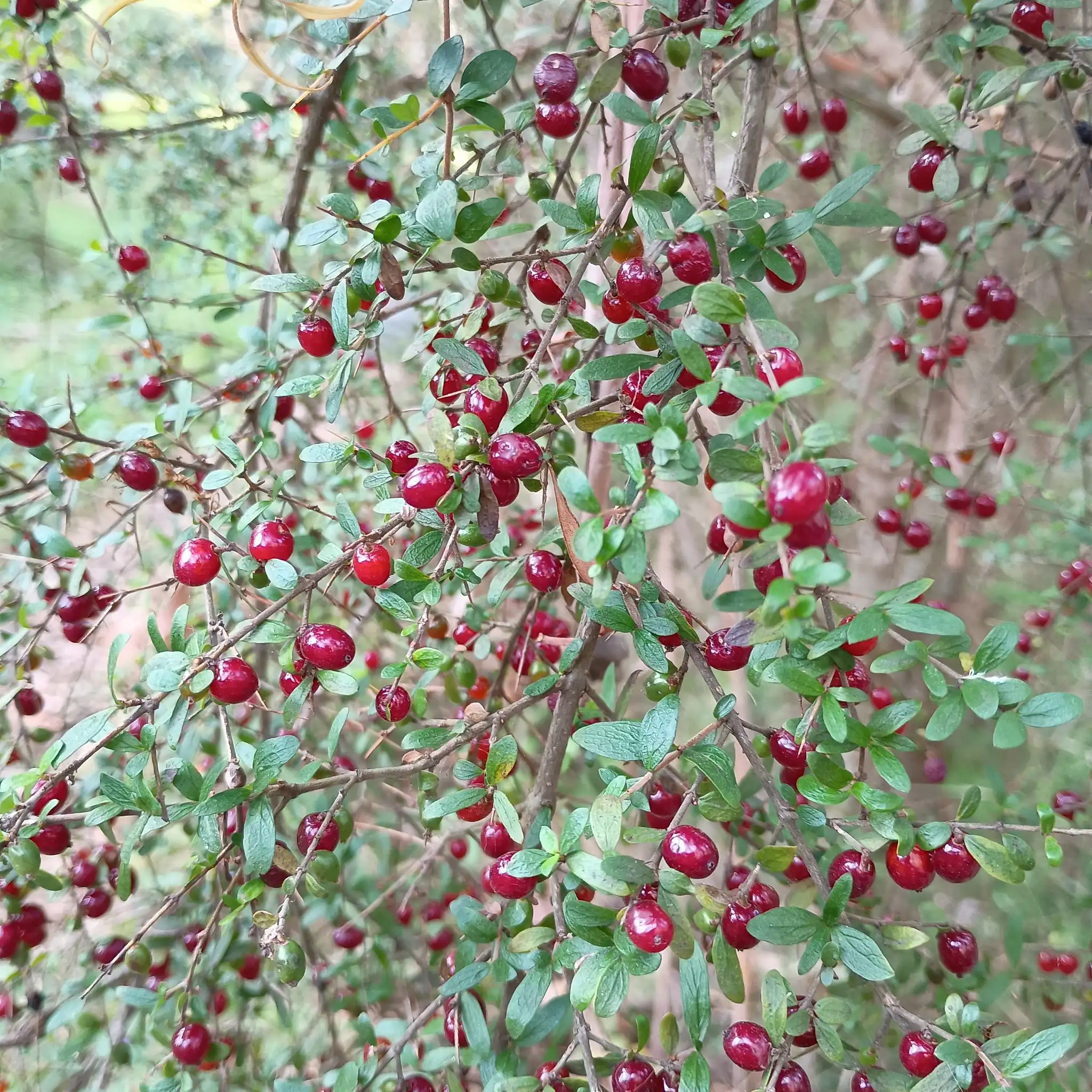
Coprosma quadrifida is a dense, multi-stemmed evergreen shrub native to the cool, damp forest understories of southeastern Australia. It forms a rigid, sprawling framework of highly branched, spine-tipped twigs clothed in tiny, glossy green leaves.
The species is dioecious, producing inconspicuous greenish summer flowers followed by small, translucent orange-to-red edible fruits on female plants. Its heavily interlaced, thorny habit provides exceptional protective cover for nesting wildlife.
Uses & Benefits:
Essentials
At a Glance
Plant Type
Shrub
Height
120"
Width
60"
Light
Partial Sun, Shade
Zones
8, 9, 10
Water
Regular
Humidity
Moderate to high
Lifespan
Moderate
Native To
Australia
Toxicity
Non-toxic
Bloom period
Summer
In flower about 3 months of the year
Planting
How to Grow
- Select a sheltered site in partial to deep shade with moist, humus-rich, well-drained soil.
- Incorporate organic matter into the planting hole to help retain consistent moisture without creating waterlogged conditions.
- Apply a thick layer of organic mulch around the root zone to conserve moisture and keep soil temperatures cool.
- Water regularly during dry periods to ensure the root zone remains evenly damp throughout the growing season.
Pro Tip
Never allow the soil to dry out completely during hot summer spells, as even brief drought triggers rapid leaf drop and stem dieback.
Keep It Thriving
Care Guide
Do
- Maintain consistent soil moisture, especially during warm summer months.
- Provide a sheltered position protected from strong, drying winds.
- Mulch annually to preserve soil organic matter and moisture.
Don't
- Do not allow the soil to dry out completely at any time.
- Do not prune heavily into old, leafless wood, as it fails to regenerate.
- Do not plant in heavy, poorly drained clay soils prone to waterlogging.
Seasonal Care Calendar
| Task | Jan | Feb | Mar | Apr | May | Jun | Jul | Aug | Sep | Oct | Nov | Dec |
|---|---|---|---|---|---|---|---|---|---|---|---|---|
| Fertilize | ||||||||||||
| Mulch | ||||||||||||
| Pest Check | ||||||||||||
| Prune |
Watch Out For
Pests & Diseases
Common Pests
Common Diseases
In the Garden
Landscape Uses & Companions
Landscape Uses
Companion Plants
Multiply
Propagation Methods
Good to Know
Common Questions
Prickly Currant-bush questions
What zones can Prickly Currant-bush grow in?
Prickly Currant-bush is hardy in USDA Zones 8–10. Inside that range it survives winter in the ground; outside it, grow it as an annual or a container plant you protect.
Is Prickly Currant-bush deer resistant?
Not reliably. Deer may browse Prickly Currant-bush, especially tender spring growth — plan on repellents or fencing where pressure is high.
When does Prickly Currant-bush bloom?
Prickly Currant-bush typically blooms in summer through summer. Exact timing shifts a week or two with your zone — Sow's bloom calendar maps it to your garden.
Does Prickly Currant-bush need full sun?
Prickly Currant-bush does best in part shade.
More Coprosma to compare
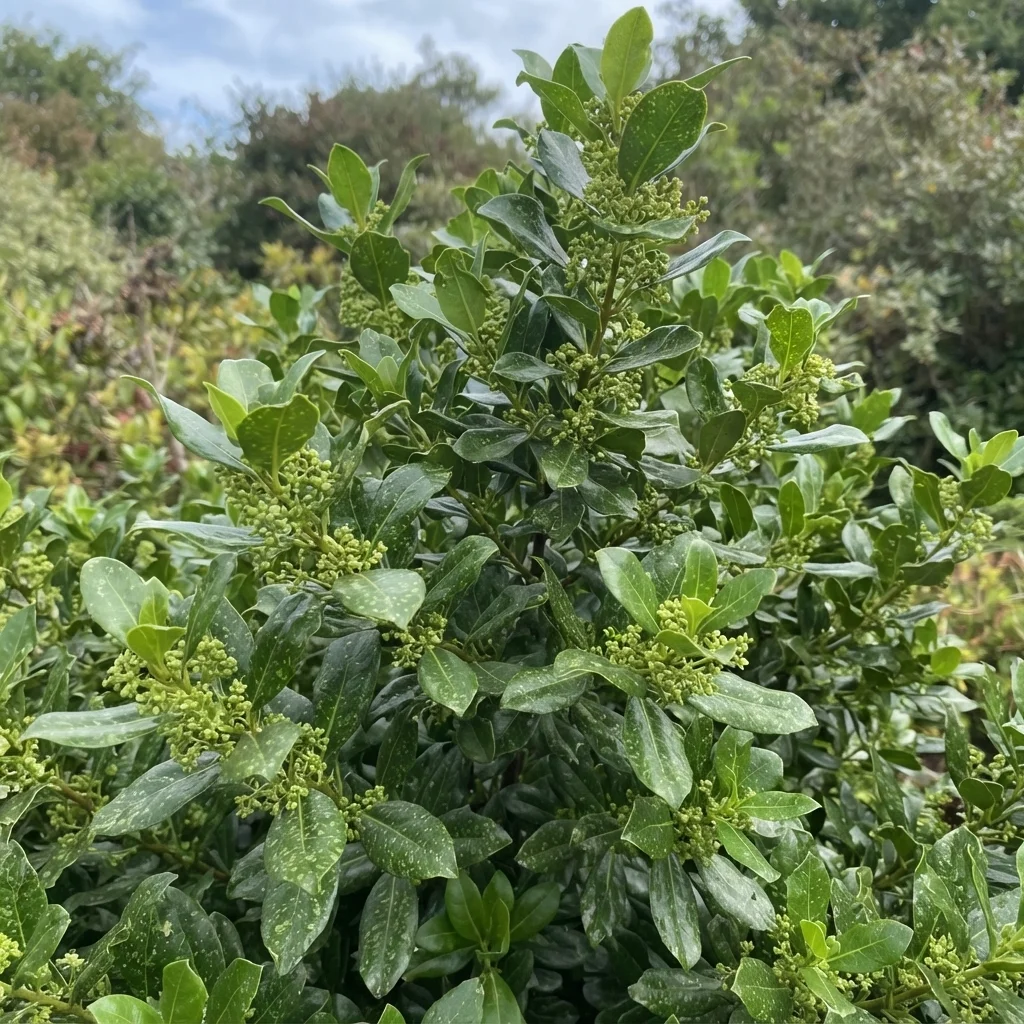
Karamu
Coprosma robusta
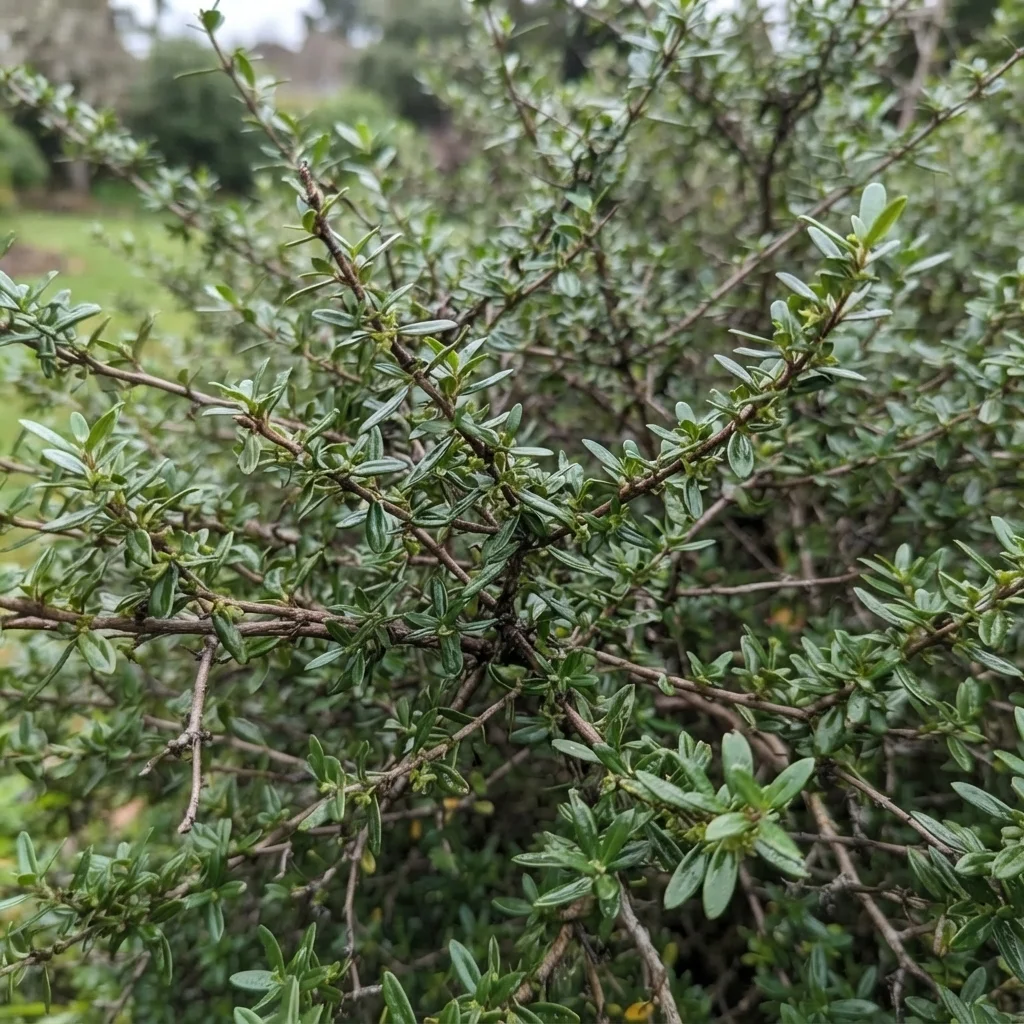
Mingimingi
Coprosma propinqua
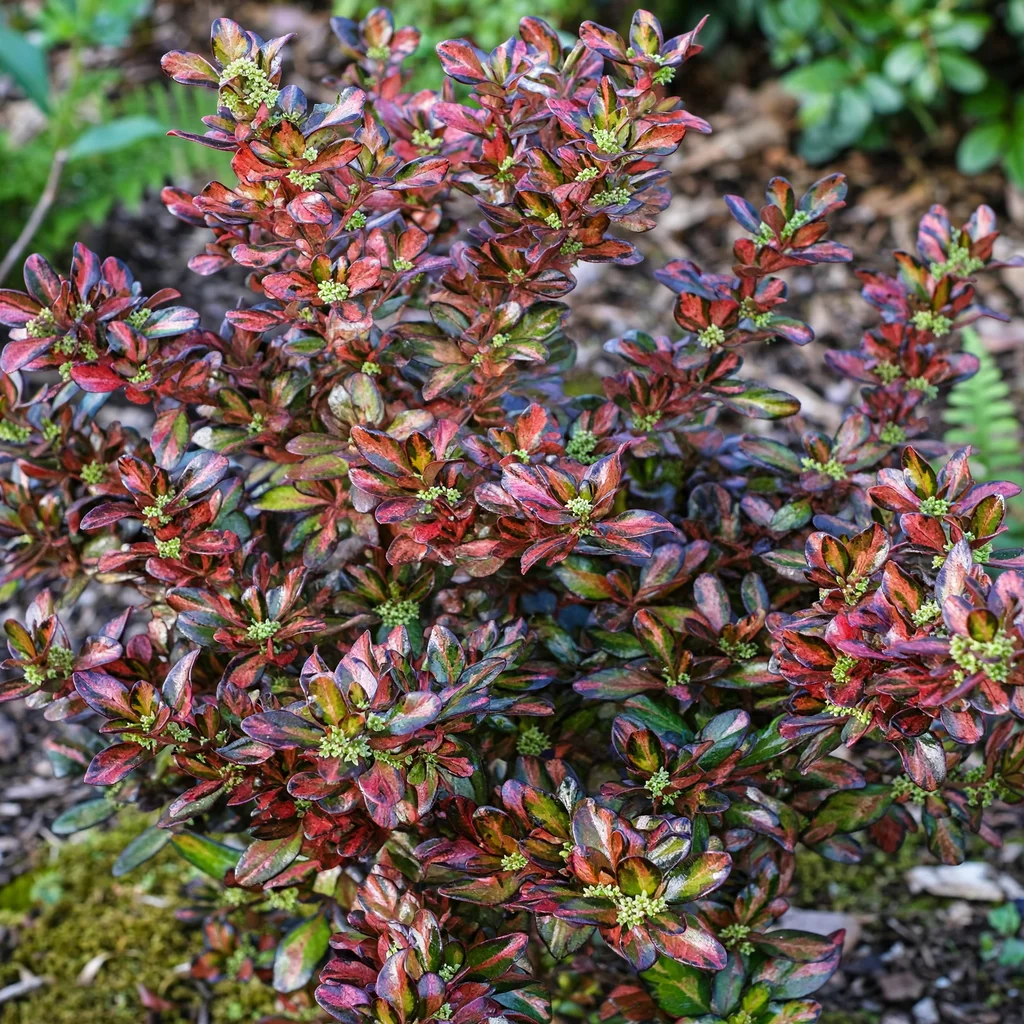
Evening Glow Mirror Plant
Coprosma repens 'Evening Glow'
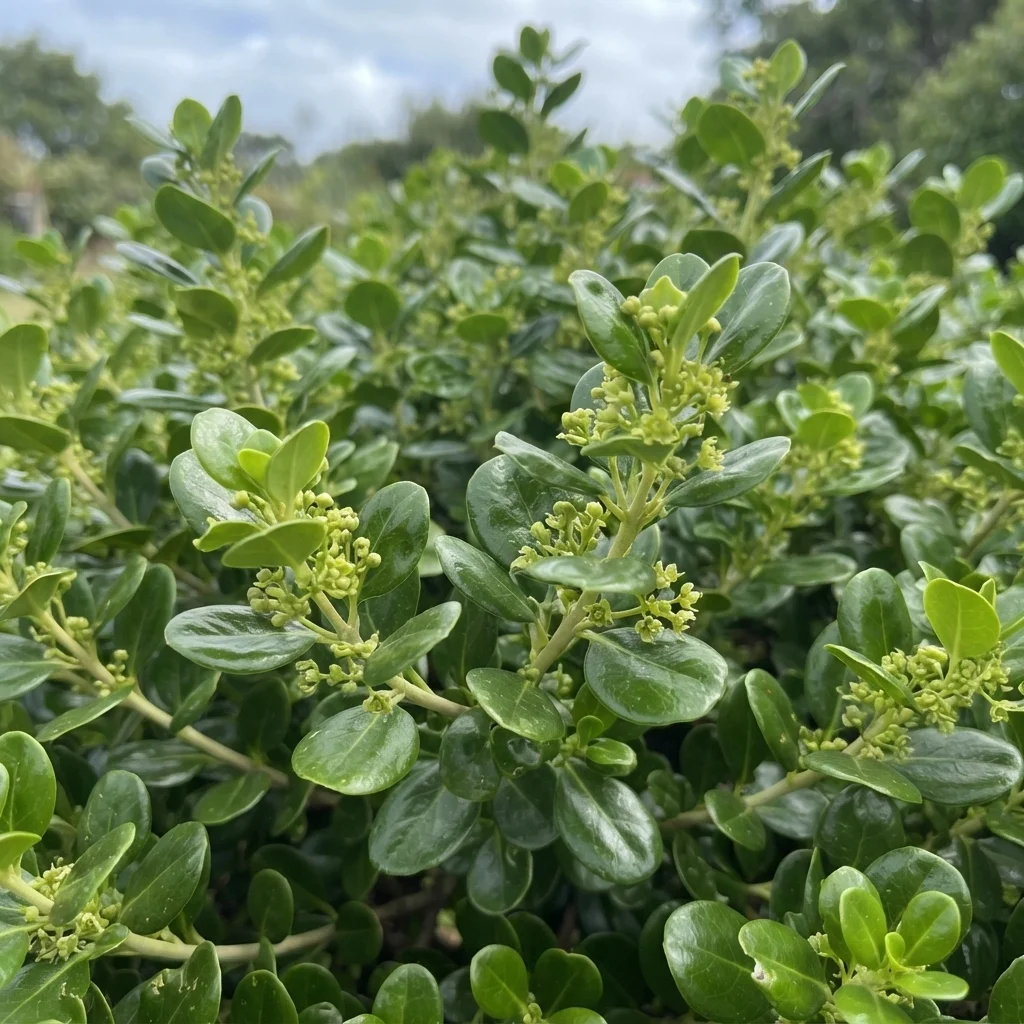
Mirror Bush
Coprosma repens
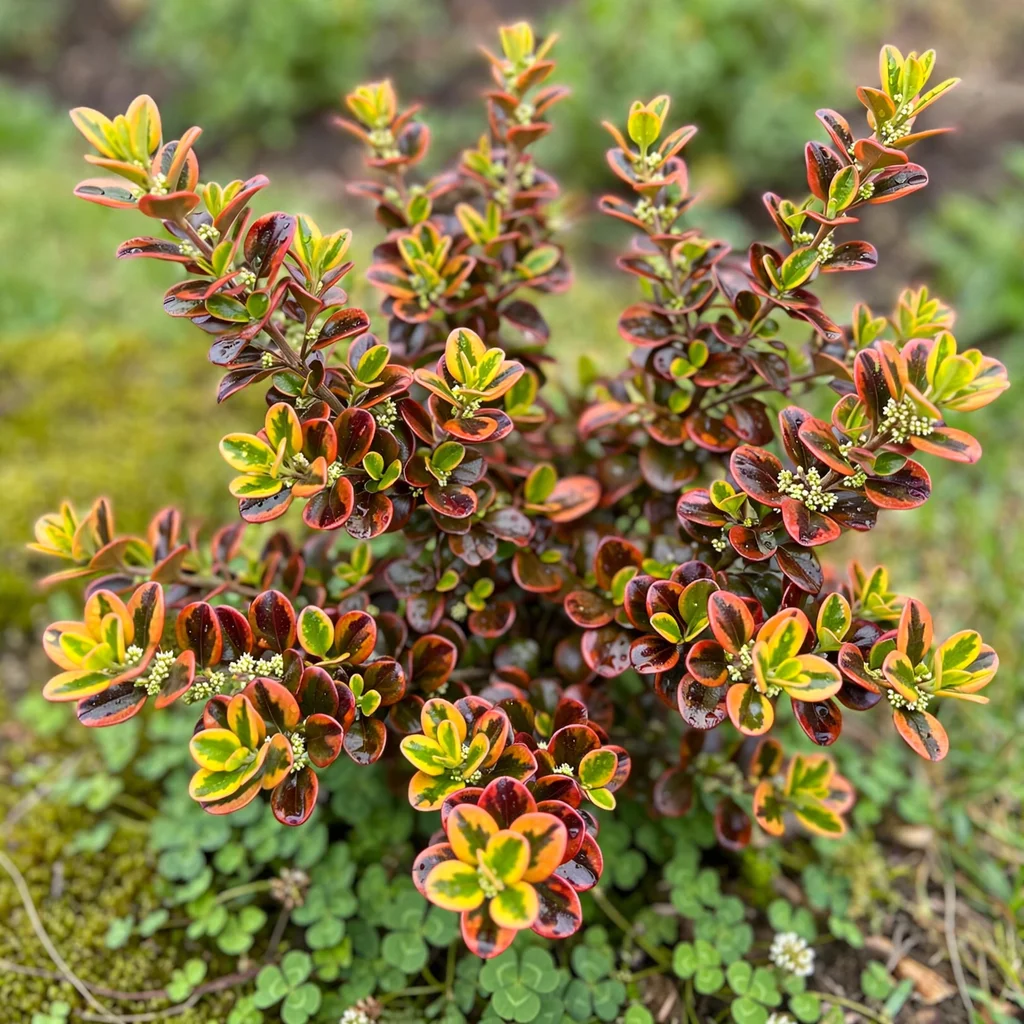
Tequila Sunrise Mirror Plant
Coprosma repens 'Tequila Sunrise'
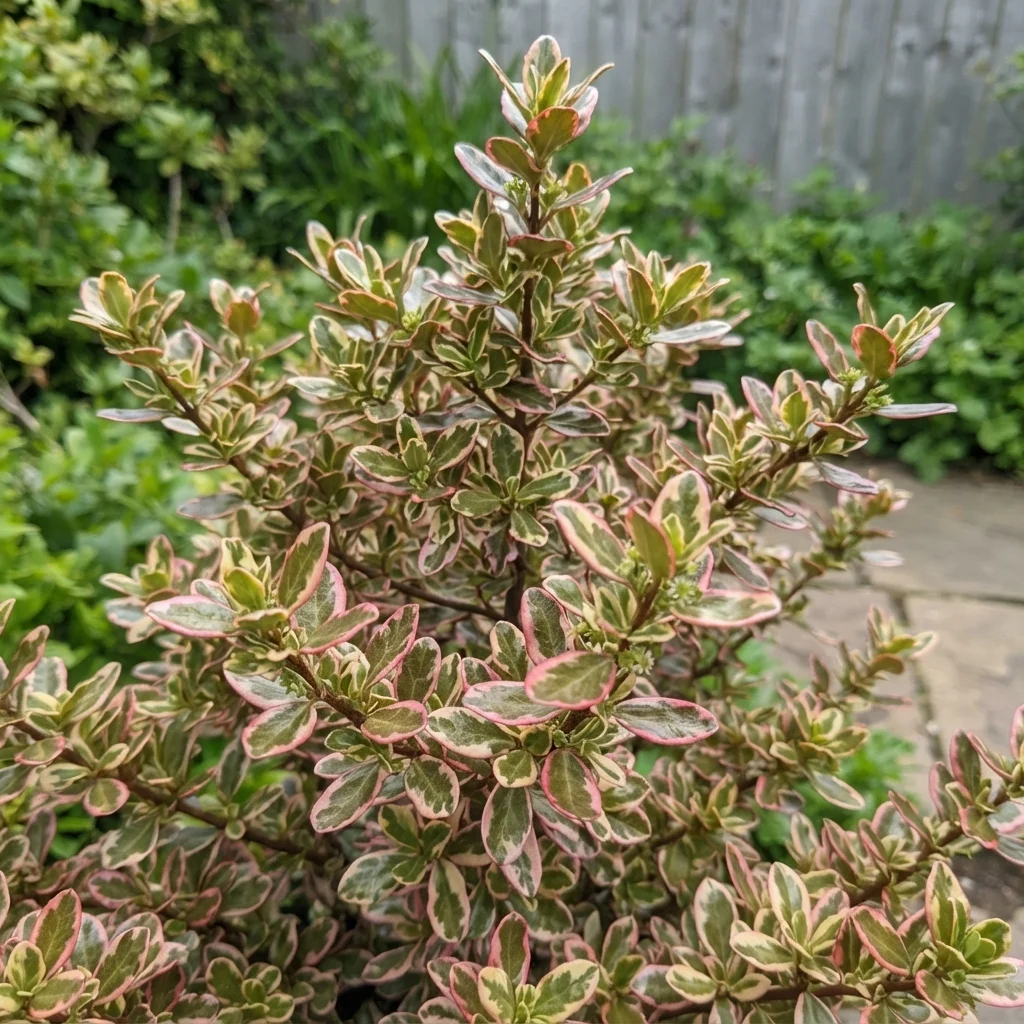
Mirror Bush 'Fireburst'
Coprosma repens 'Fireburst'
Keep exploring
Explore the genus
Hardy in your zone?
Grow Prickly Currant-bush with confidence
See it in a design of your actual yard, get zone-matched care reminders, and track it season by season in your garden journal.