The Story
Plant Bio
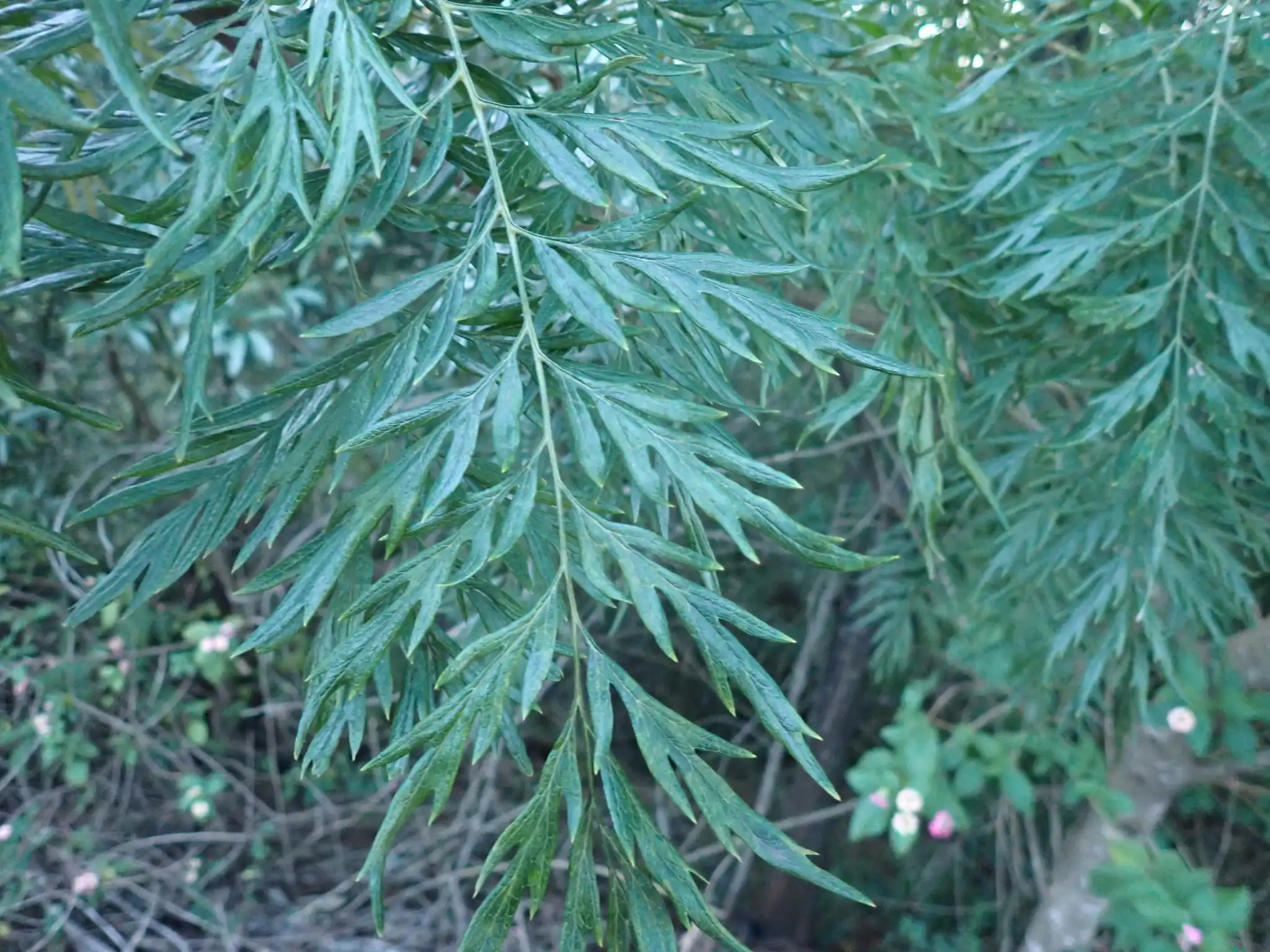
Grevillea robusta, the silky oak, is a fast-growing evergreen tree native to eastern Australia, capable of reaching heights over eighty feet in warm climates. It develops a straight trunk and a pyramidal crown clothed in deeply divided, fern-like green leaves with silky, silver-pubescent undersides.
This species is distinguished by its dramatic, horizontal flower racemes that resemble golden-orange toothbrushes, which erupt along the branches in spring. It is highly drought-tolerant once established and serves as an exceptionally tough canopy tree in frost-free regions.
Uses & Benefits:
Essentials
At a Glance
Plant Type
Tree
Height
1180"
Width
470"
Light
Full Sun, Partial Sun
Zones
9, 10
Water
Low
Humidity
Moderate
Lifespan
Long
Native To
Australia
Toxicity
Skin Irritant
Bloom period
Spring – Early summer
In flower about 4 months of the year
Planting
How to Grow
- Select a planting site in full sun with deep, sharply drained sandy loam or loam soil.
- Dig a hole twice as wide as the root ball and of equal depth, avoiding any soil amendments.
- Settle the tree into the hole, backfill with native soil, and water deeply to settle the roots.
- Irrigate regularly during the first growing season, then reduce watering to rely on natural rainfall.
Pro Tip
Never prune mature branches back into old, leafless wood; this species lacks dormant buds on older stems and hard cutting will disfigure or kill the tree.
Keep It Thriving
Care Guide
Do
- Ensure the soil drains rapidly to prevent root rot.
- Use low-phosphorus fertilizers formulated for native Australian plants if feeding is necessary.
- Protect young trees from freezing temperatures during their first few winters.
Don't
- Do not plant in heavy, waterlogged clay soils or low-lying areas.
- Do not apply standard high-phosphorus garden fertilizers, which damage the root system.
- Do not cut back into bare, woody branches when pruning.
Seasonal Care Calendar
| Task | Jan | Feb | Mar | Apr | May | Jun | Jul | Aug | Sep | Oct | Nov | Dec |
|---|---|---|---|---|---|---|---|---|---|---|---|---|
| Fertilize | ||||||||||||
| Pest Check | ||||||||||||
| Prune | ||||||||||||
| Winter Prep |
Watch Out For
Pests & Diseases
Common Pests
Common Diseases
In the Garden
Landscape Uses & Companions
Landscape Uses
Companion Plants
Multiply
Propagation Methods
Good to Know
Common Questions
Silky Oak questions
What zones can Silky Oak grow in?
Silky Oak is hardy in USDA Zones 9–10. Inside that range it survives winter in the ground; outside it, grow it as an annual or a container plant you protect.
When does Silky Oak bloom?
Silky Oak typically blooms in spring through early summer. Exact timing shifts a week or two with your zone — Sow's bloom calendar maps it to your garden.
Does Silky Oak need full sun?
Silky Oak does best in full sun to part shade. In hot climates, afternoon shade keeps blooms fresher longer.
Is Silky Oak drought tolerant?
Yes — once established (usually after the first full season), Silky Oak handles dry spells with minimal watering. Water deeply its first year to build the root system that makes that possible.
More Grevillea to compare
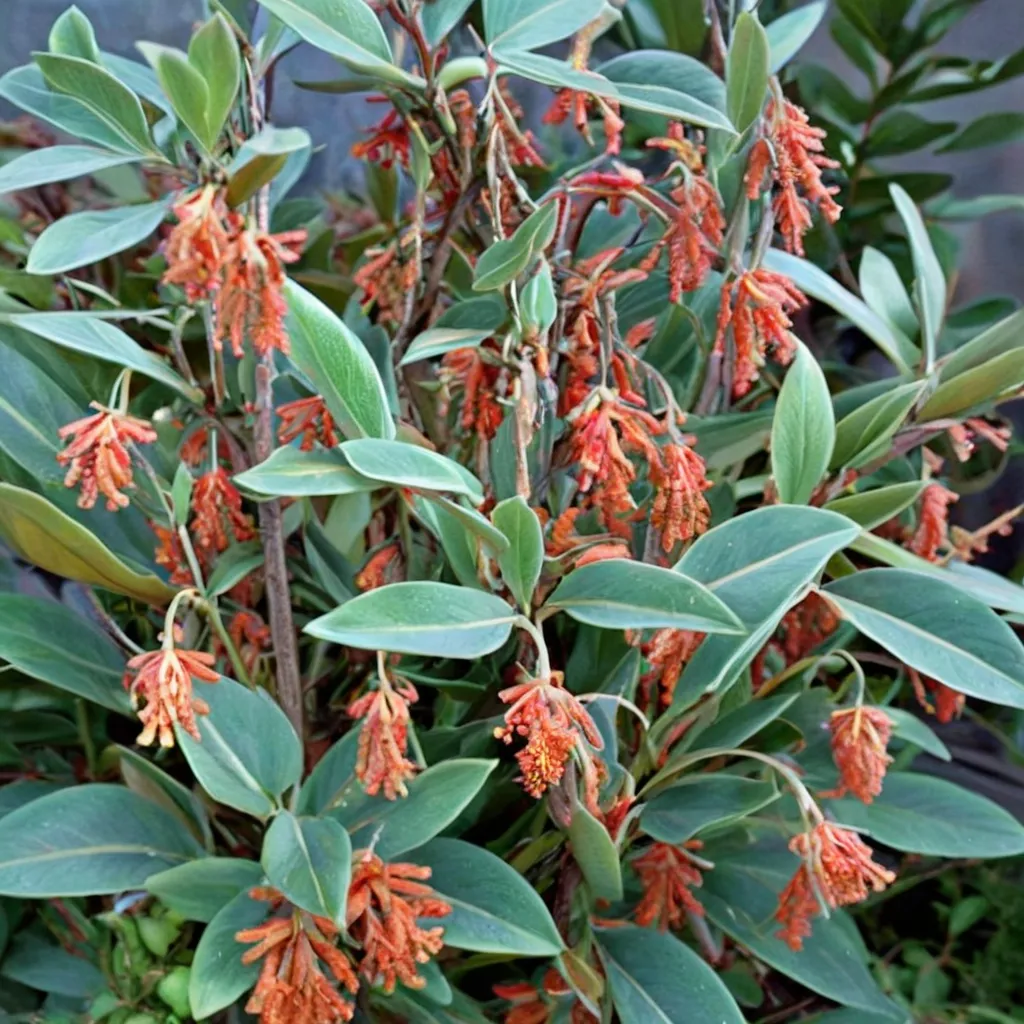
Murray Queen Grevillea
Grevillea victoriae 'Murray Queen'
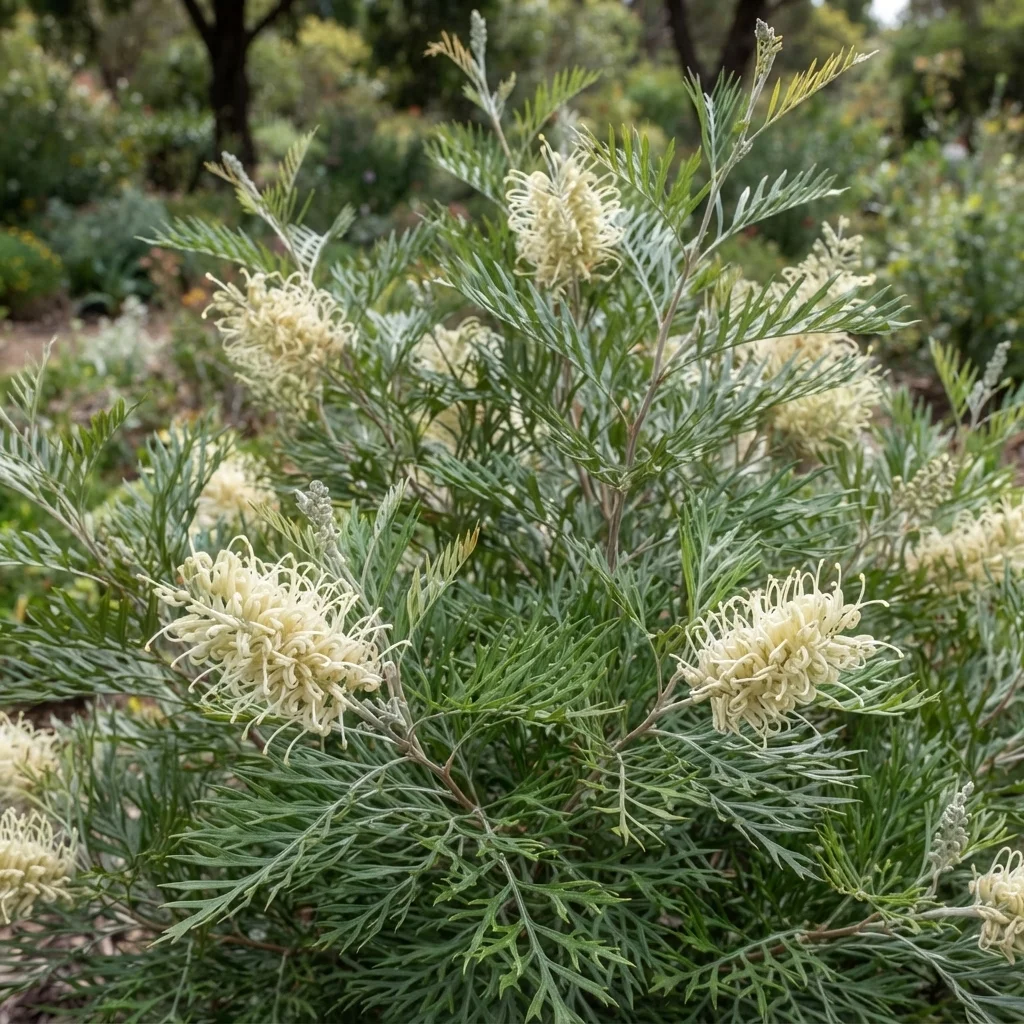
Moonlight Grevillea
Grevillea x hybrida 'Moonlight'
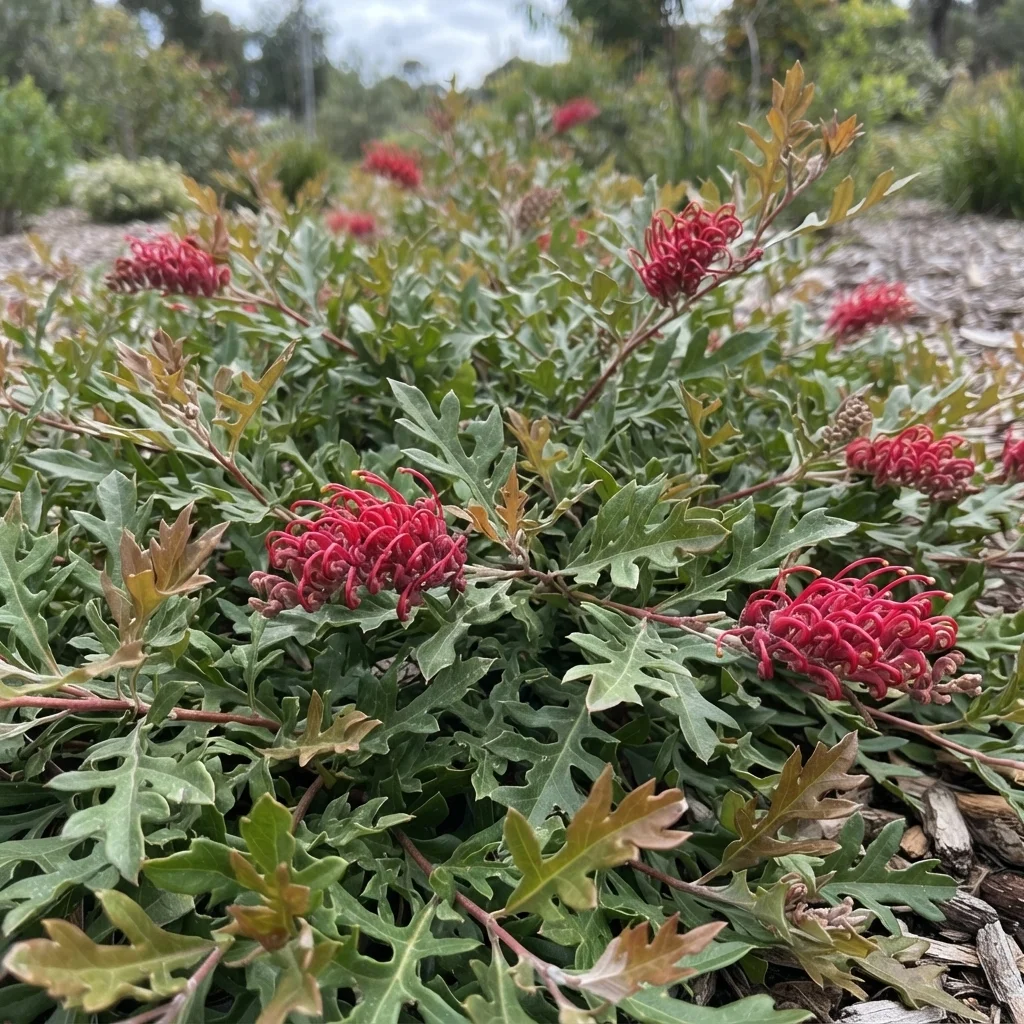
Prostrate Grevillea
Grevillea × gaudichaudii 'Gaudi Chaudi'
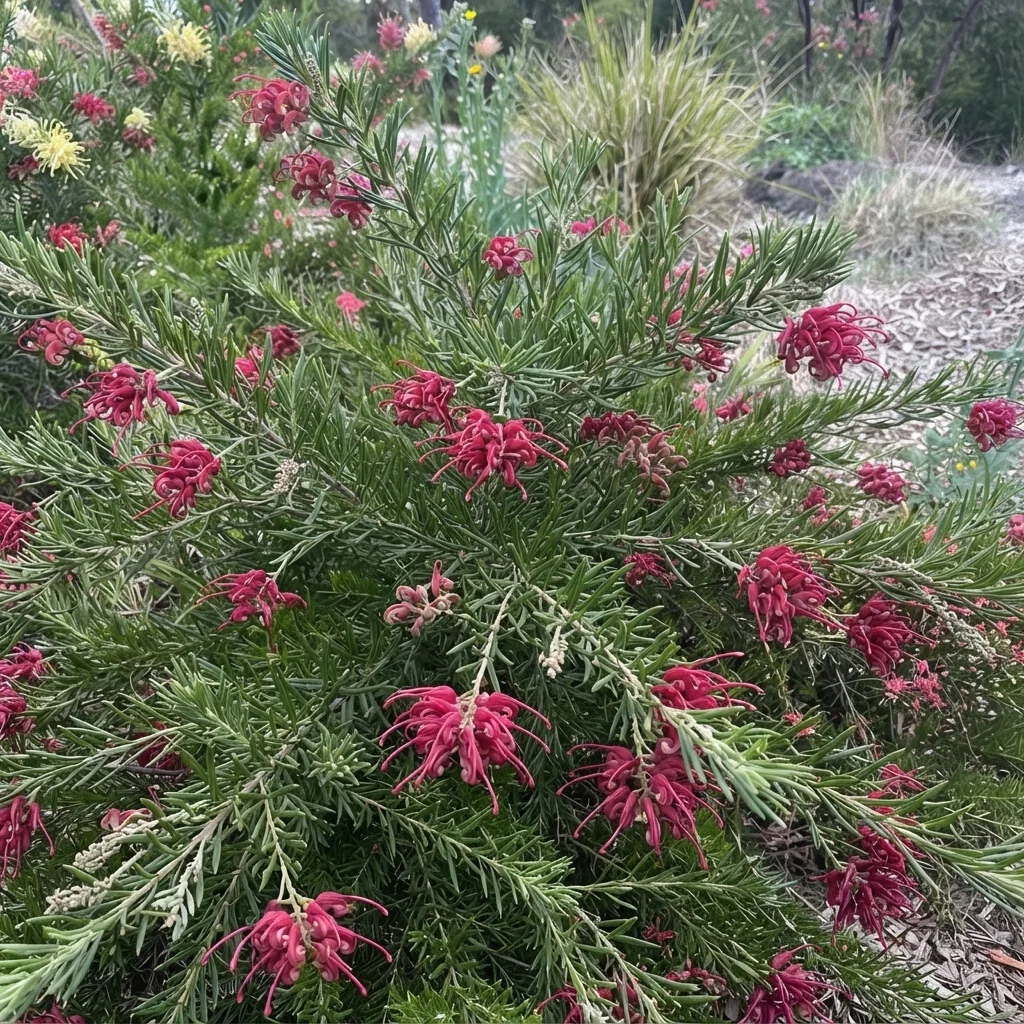
Rosemary Grevillea
Grevillea rosmarinifolia
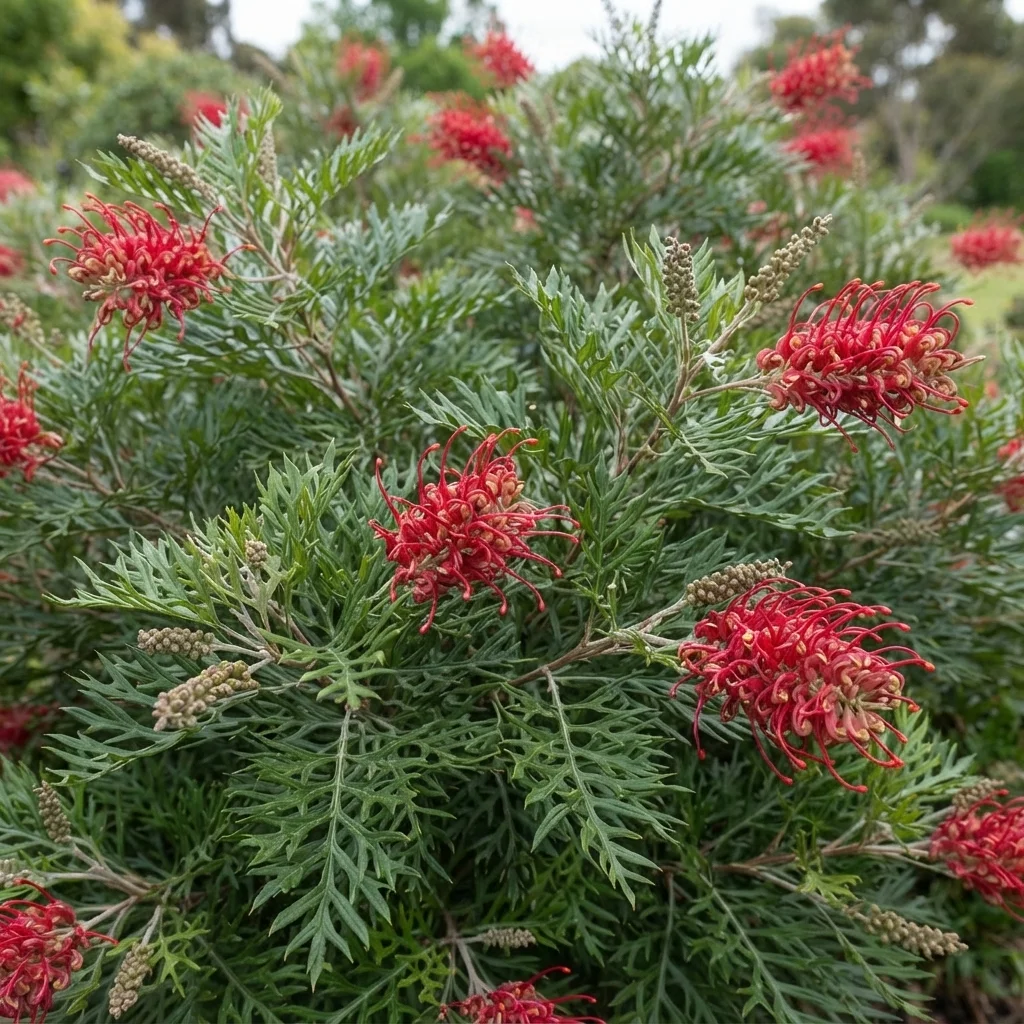
Robyn Gordon Grevillea
Grevillea x hybrida 'Robyn Gordon'
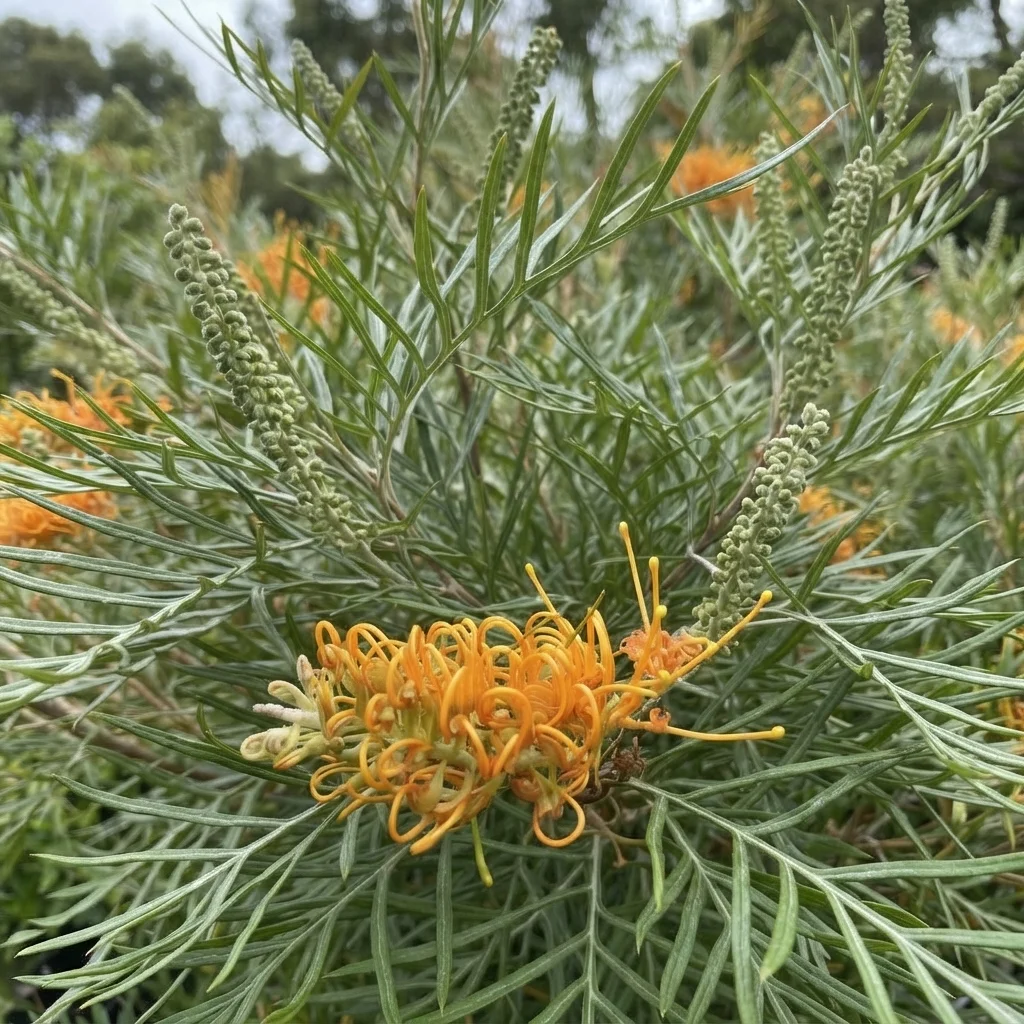
Honey Gem Grevillea
Grevillea x hybrida 'Honey Gem'
Keep exploring
Explore the genus
Hardy in your zone?
Grow Silky Oak with confidence
See it in a design of your actual yard, get zone-matched care reminders, and track it season by season in your garden journal.