The Story
Plant Bio
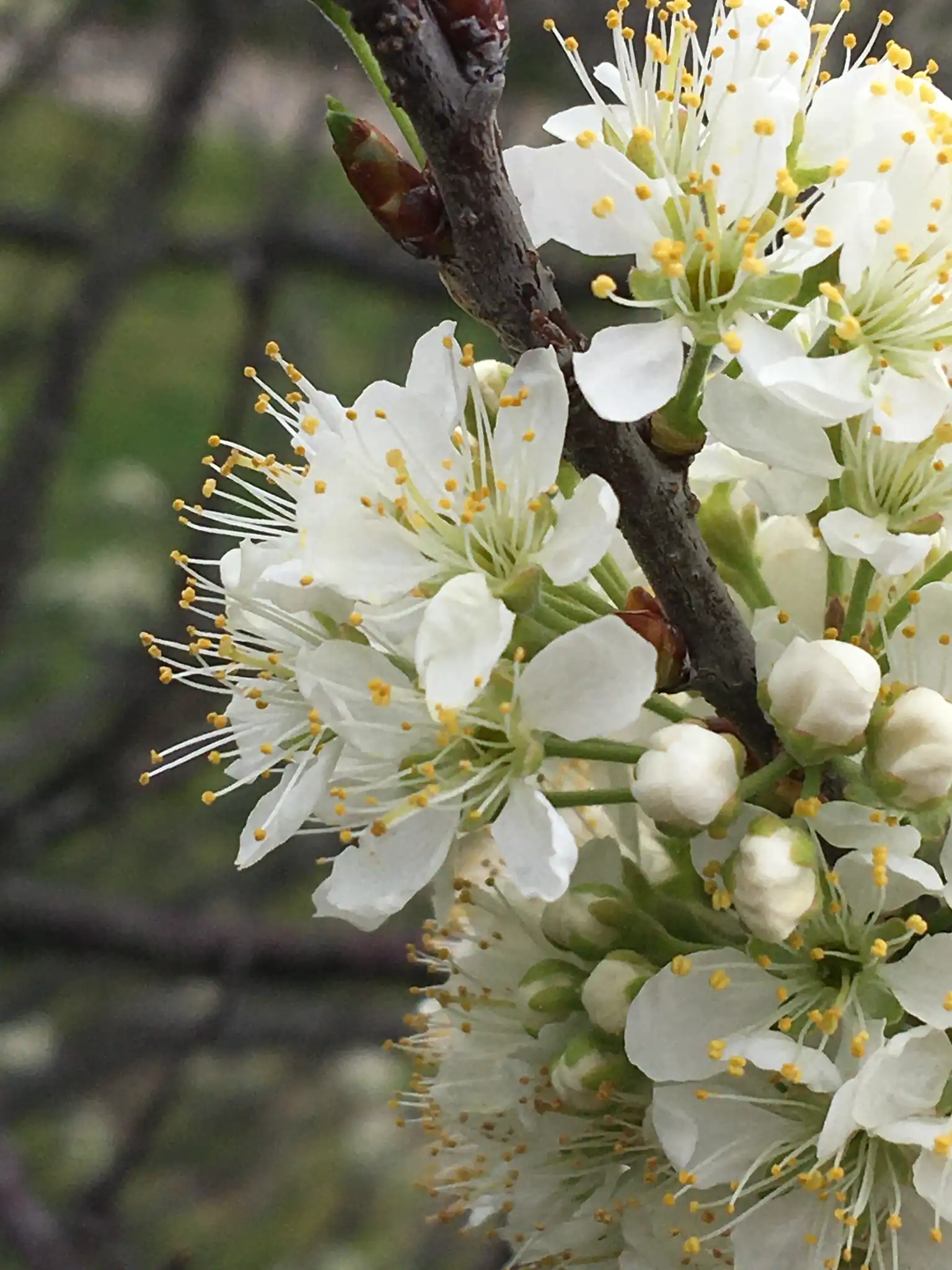
Beach Plum is a rugged, thicket-forming deciduous shrub native to the Atlantic coast. It puts on a beautiful display of white flowers in spring, followed by edible, tart purple fruits in late summer.
Its outstanding tolerance for salt spray and sandy, infertile soils makes it a vital plant for coastal gardens, dune stabilization, and erosion control. The fruit is highly prized for making jams and jellies.
Uses & Benefits:
Essentials
At a Glance
Plant Type
Shrub
Height
72"
Width
72"
Light
Full Sun
Zones
4, 5, 6, 7, 8
Water
Low
Humidity
Tolerates salt spray
Lifespan
20-30 years
Native To
Eastern United States Coast
Toxicity
Stems, leaves, and seeds are toxic if ingested.
Bloom period
Mid-spring – Late spring
In flower about 2 months of the year
Planting
How to Grow
- Select a site in full sun with very well-drained, sandy soil.
- Plant at least two shrubs for cross-pollination, spaced 4-6 feet apart.
- Dig a hole slightly larger than the root ball.
- Set the shrub at the same depth it was in the container.
- Backfill with native soil without adding amendments.
- Water after planting, then only during prolonged drought.
Pro Tip
Plant at least two different seedlings for cross-pollination to ensure a good fruit set. They are not self-fertile.
Keep It Thriving
Care Guide
Do
- Provide full sun for best flower and fruit production.
- Embrace its natural, suckering habit to form a thicket.
- Prune occasionally to rejuvenate old wood and maintain vigor.
- Protect fruit from birds with netting if a large harvest is desired.
Don't
- Do not plant in heavy clay or poorly drained soil.
- Avoid fertilizing; it thrives in lean soil.
- Don't overwater; it is very drought tolerant once established.
- Avoid planting a single shrub if you want to harvest fruit.
Seasonal Care Calendar
| Task | Jan | Feb | Mar | Apr | May | Jun | Jul | Aug | Sep | Oct | Nov | Dec |
|---|---|---|---|---|---|---|---|---|---|---|---|---|
| Harvest | ||||||||||||
| Plant | ||||||||||||
| Prune |
Watch Out For
Pests & Diseases
Common Pests
Common Diseases
In the Garden
Landscape Uses & Companions
Landscape Uses
Multiply
Propagation Methods
Good to Know
Common Questions
Beach Plum questions
What zones can Beach Plum grow in?
Beach Plum is hardy in USDA Zones 4–8. Inside that range it survives winter in the ground; outside it, grow it as an annual or a container plant you protect.
Is Beach Plum deer resistant?
Not reliably. Deer may browse Beach Plum, especially tender spring growth — plan on repellents or fencing where pressure is high.
When does Beach Plum bloom?
Beach Plum typically blooms in mid-spring through late spring. Exact timing shifts a week or two with your zone — Sow's bloom calendar maps it to your garden.
Does Beach Plum need full sun?
Beach Plum does best in full sun (6+ hours).
Is Beach Plum drought tolerant?
Yes — once established (usually after the first full season), Beach Plum handles dry spells with minimal watering. Water deeply its first year to build the root system that makes that possible.
More Prunus to compare
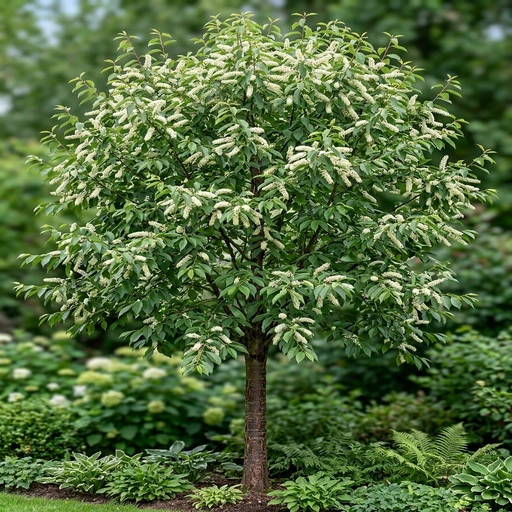
Black Cherry
Prunus serotina
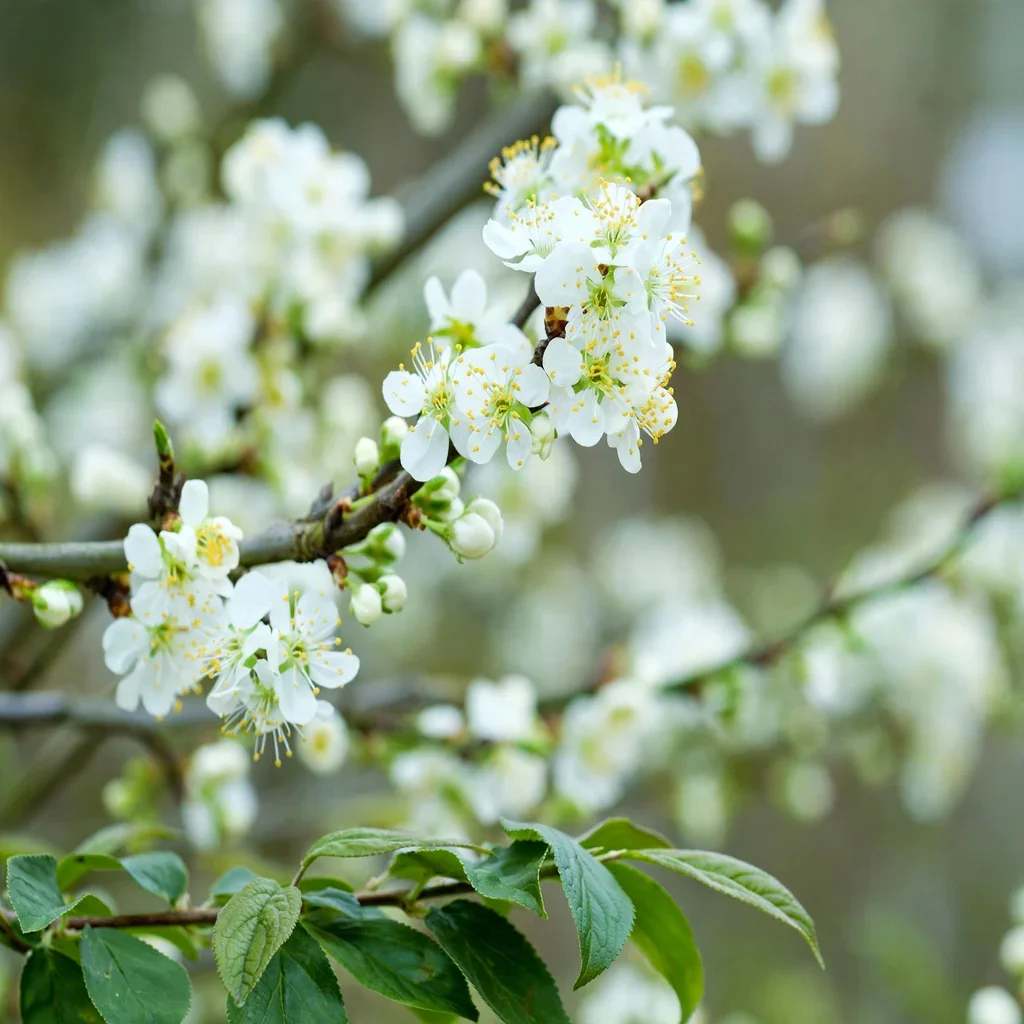
Sugar Plum
Prunus domestica 'Sugar Plum'
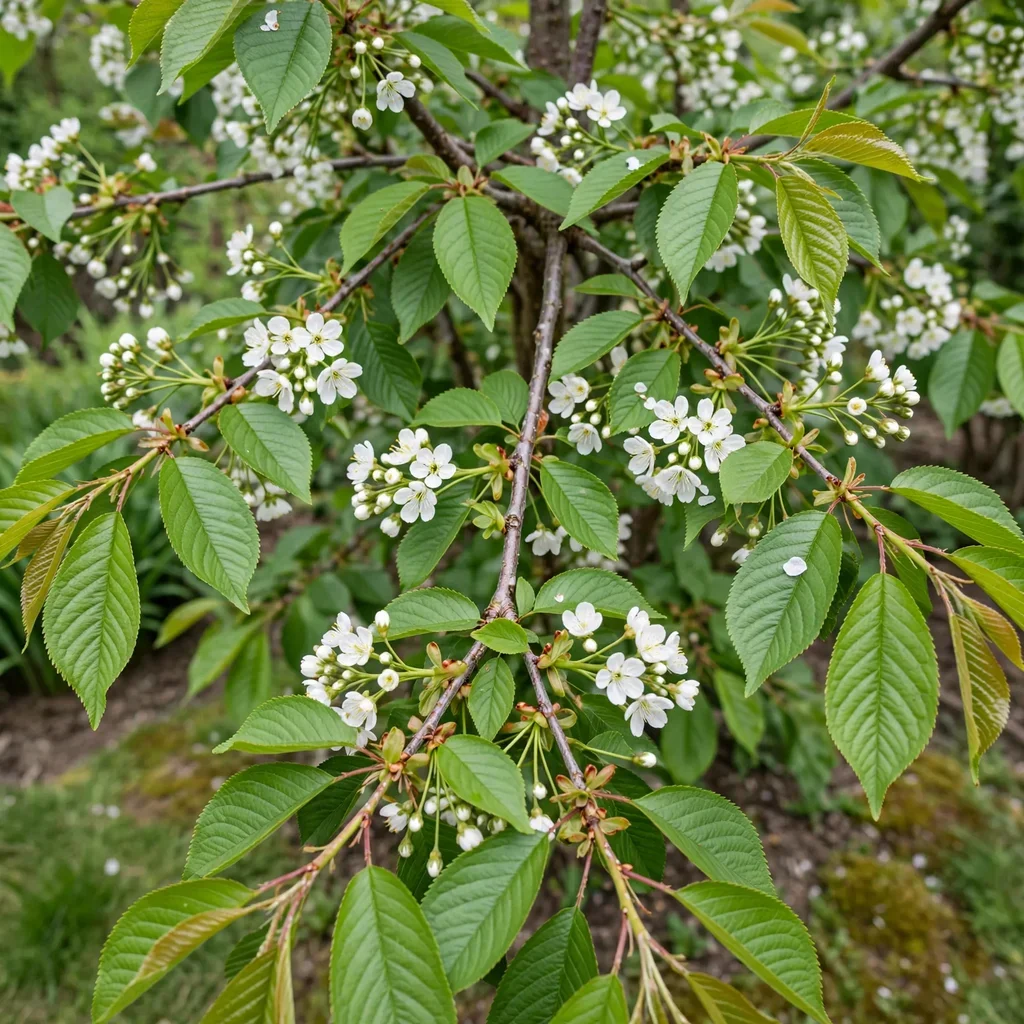
Sweet Cherry
Prunus avium 'Mix'
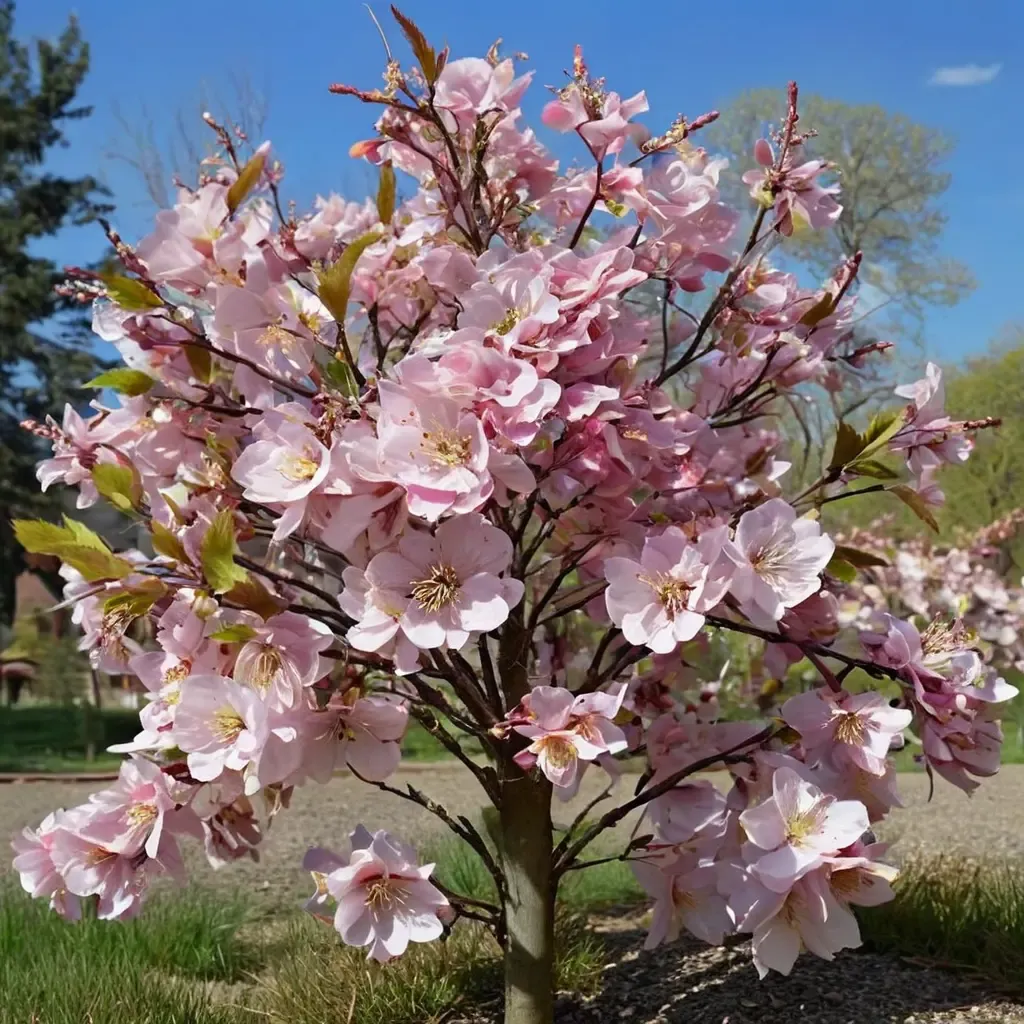
Japanese Flowering Cherry
Prunus serrulata
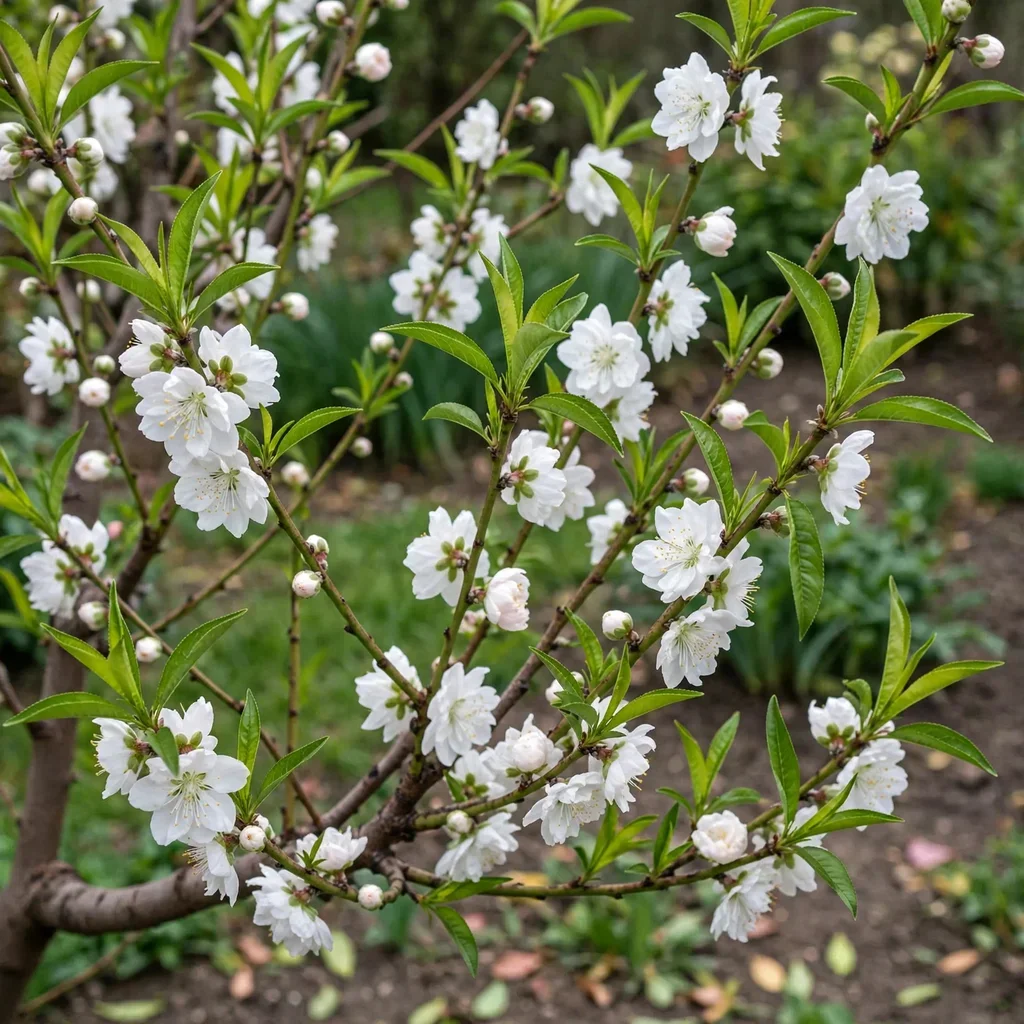
Feiching Tao White Peach
Prunus persica 'Feiching Tao White'
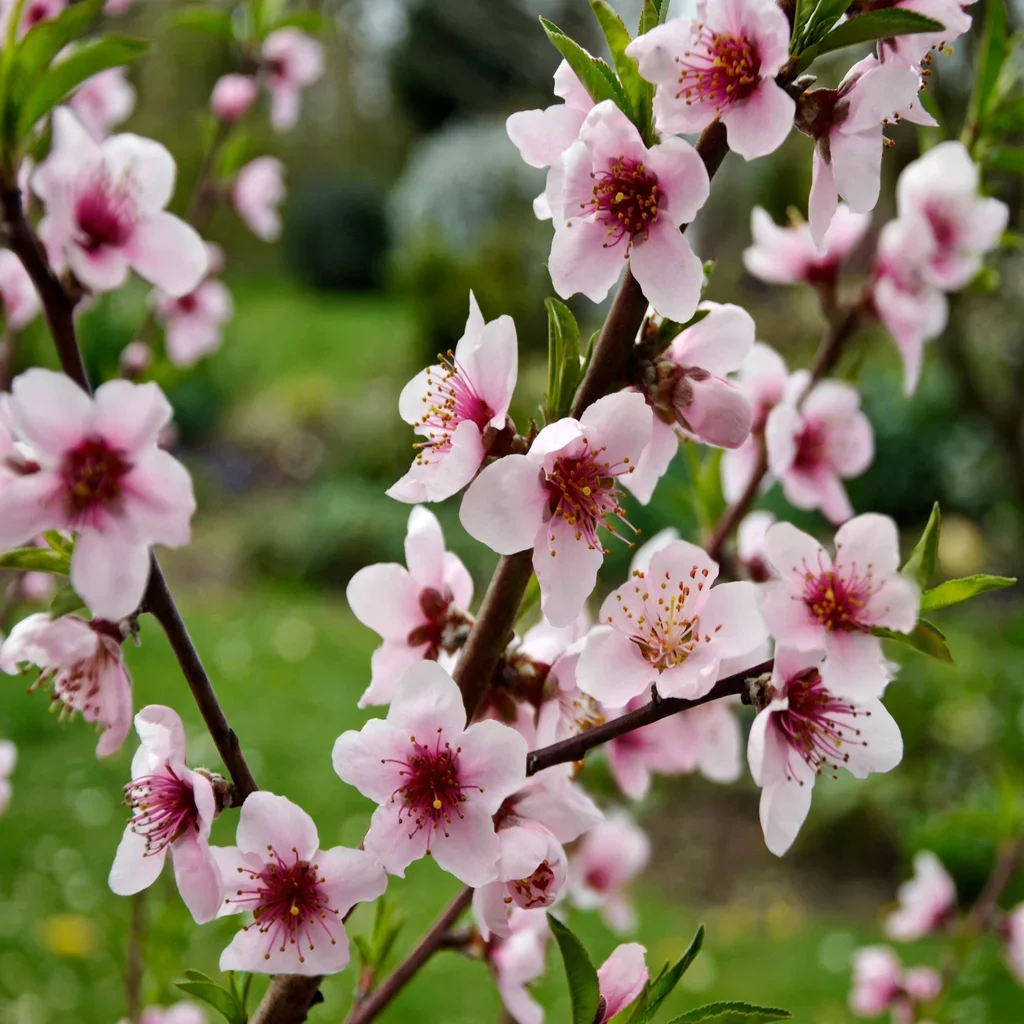
Hale Haven Peach
Prunus persica 'Hale Haven'
Keep exploring
Explore the genus
Hardy in your zone?
Grow Beach Plum with confidence
See it in a design of your actual yard, get zone-matched care reminders, and track it season by season in your garden journal.