The Story
Plant Bio
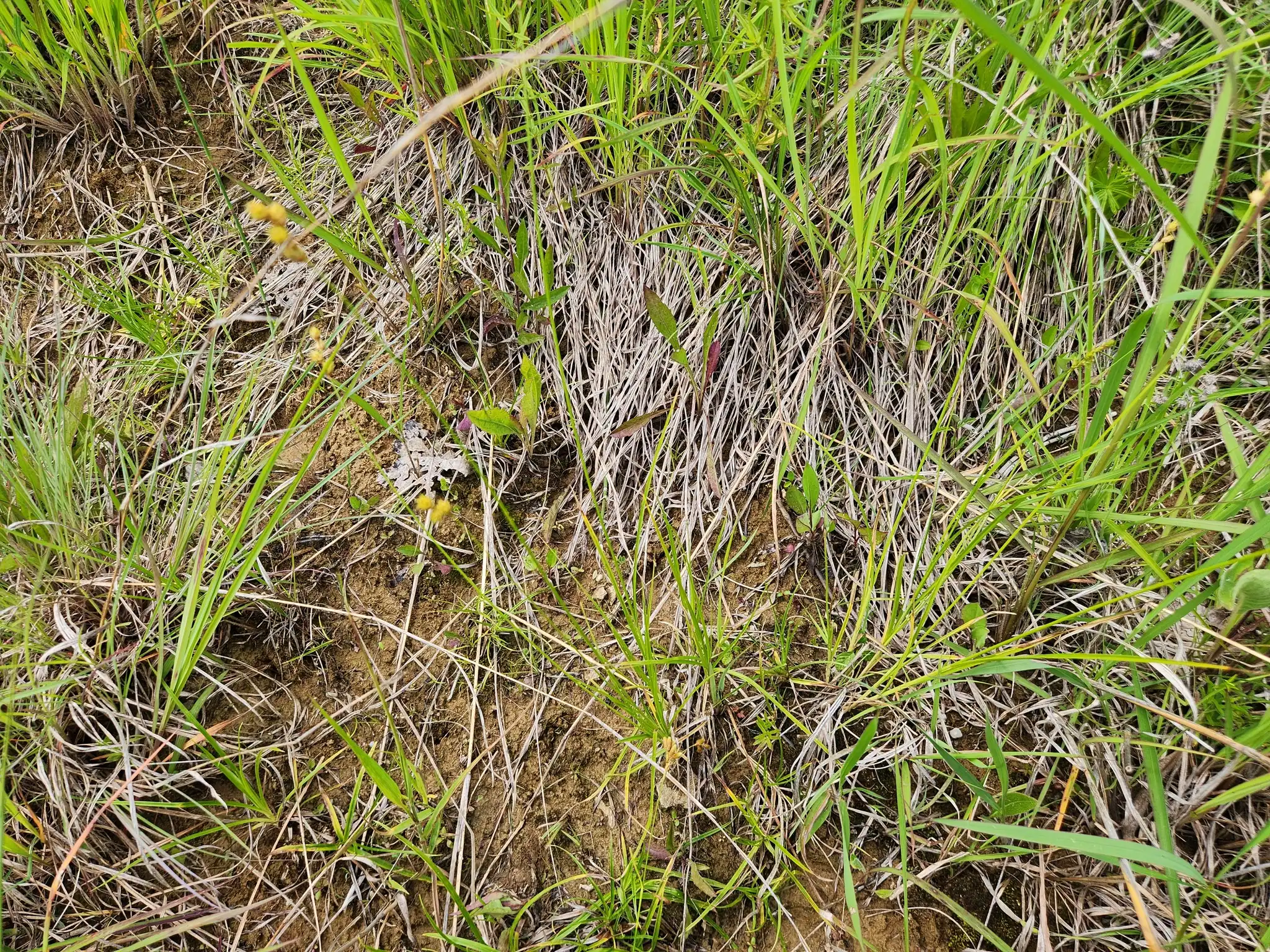
Carex brevior is a native, clump-forming, cool-season sedge with fine-textured, grass-like foliage. It produces several flowering stems topped with small, oval, green-to-brownish seed heads.
This sedge is exceptionally adaptable, tolerating a wide range of conditions from dry, sandy soils to moist clay. This versatility makes it a valuable plant for difficult sites, green roofs, and restoration projects.
Uses & Benefits:
Essentials
At a Glance
Plant Type
Grass
Height
24"
Width
12"
Light
Full Sun, Partial Sun
Zones
4, 5, 6, 7, 8
Water
Low to moderate
Humidity
Adaptable
Lifespan
Perennial
Native To
North America
Toxicity
Non-toxic
Bloom period
Late spring – Early summer
In flower about 2 months of the year
Planting
How to Grow
- Select a site in full sun or light shade.
- It adapts to most soils, from dry sand to moist clay.
- Plant plugs 8-12 inches apart for groundcover.
- Set plants at the same depth they were in their containers.
- Water regularly during the first season to establish roots.
- Once established, it is very drought tolerant.
Pro Tip
For a meadow effect, interplant with low-growing native wildflowers; its fine texture is an excellent foil for colorful blooms.
Keep It Thriving
Care Guide
Do
- Use it as a matrix planting with other prairie species.
- Allow it to self-seed to create a naturalistic colony.
- Mow once in late winter to tidy up before spring growth.
- Appreciate its subtle beauty and ecological value.
Don't
- Don't overwater once established, especially in clay soil.
- Don't fertilize; it thrives in average to lean soils.
- Don't expect a traditional turf-grass lawn appearance.
- Don't worry about pests; it is largely trouble-free.
Seasonal Care Calendar
| Task | Jan | Feb | Mar | Apr | May | Jun | Jul | Aug | Sep | Oct | Nov | Dec |
|---|---|---|---|---|---|---|---|---|---|---|---|---|
| Plant | ||||||||||||
| Spring Cleanup |
Watch Out For
Pests & Diseases
Common Pests
Common Diseases
In the Garden
Landscape Uses & Companions
Landscape Uses
Multiply
Propagation Methods
Good to Know
Common Questions
Shortbeak Sedge questions
What zones can Shortbeak Sedge grow in?
Shortbeak Sedge is hardy in USDA Zones 4–8. Inside that range it survives winter in the ground; outside it, grow it as an annual or a container plant you protect.
Is Shortbeak Sedge deer resistant?
Yes — Shortbeak Sedge is rated deer-resistant. Deer typically pass it over, though extreme hunger can override any plant's defenses.
When does Shortbeak Sedge bloom?
Shortbeak Sedge typically blooms in late spring through early summer. Exact timing shifts a week or two with your zone — Sow's bloom calendar maps it to your garden.
Does Shortbeak Sedge need full sun?
Shortbeak Sedge does best in full sun to part shade. In hot climates, afternoon shade keeps blooms fresher longer.
Is Shortbeak Sedge drought tolerant?
Yes — once established (usually after the first full season), Shortbeak Sedge handles dry spells with minimal watering. Water deeply its first year to build the root system that makes that possible.
More Carex to compare
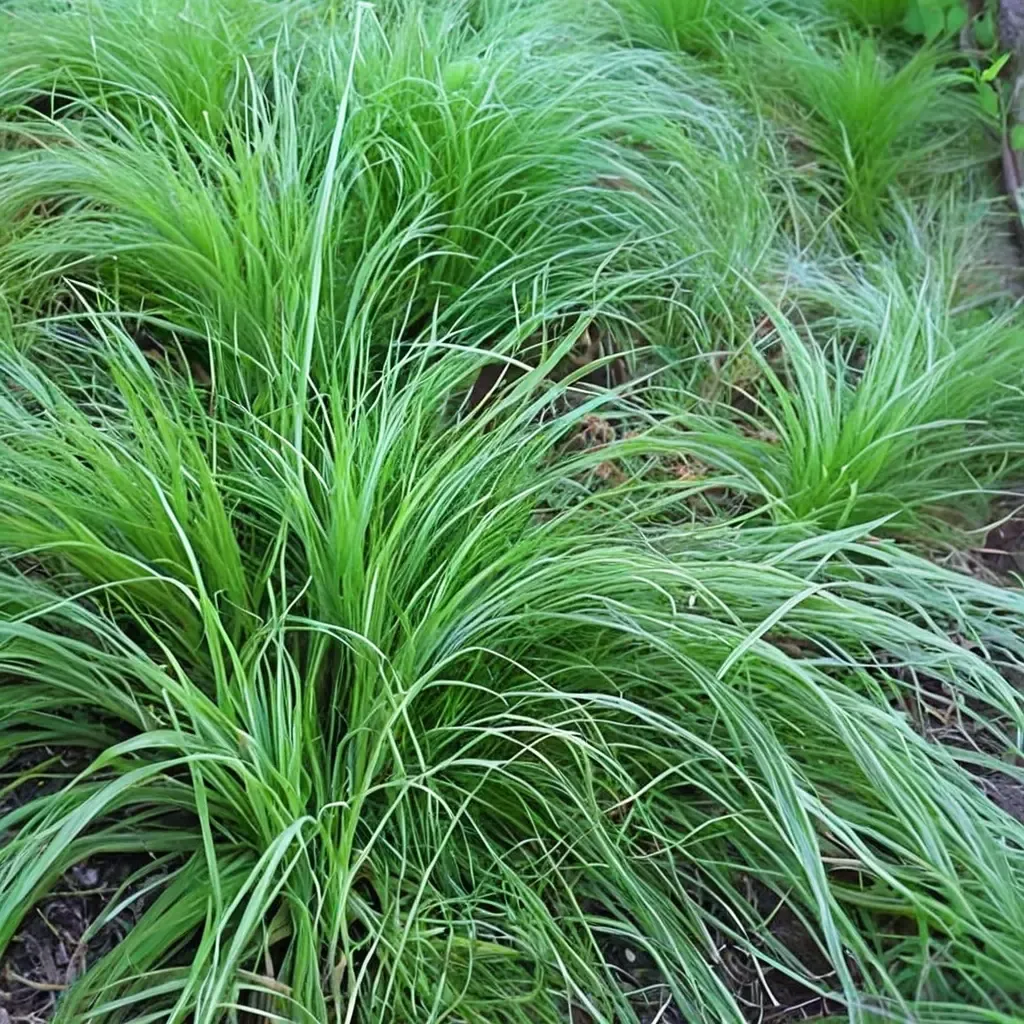
Pennsylvania Sedge
Carex pensylvanica
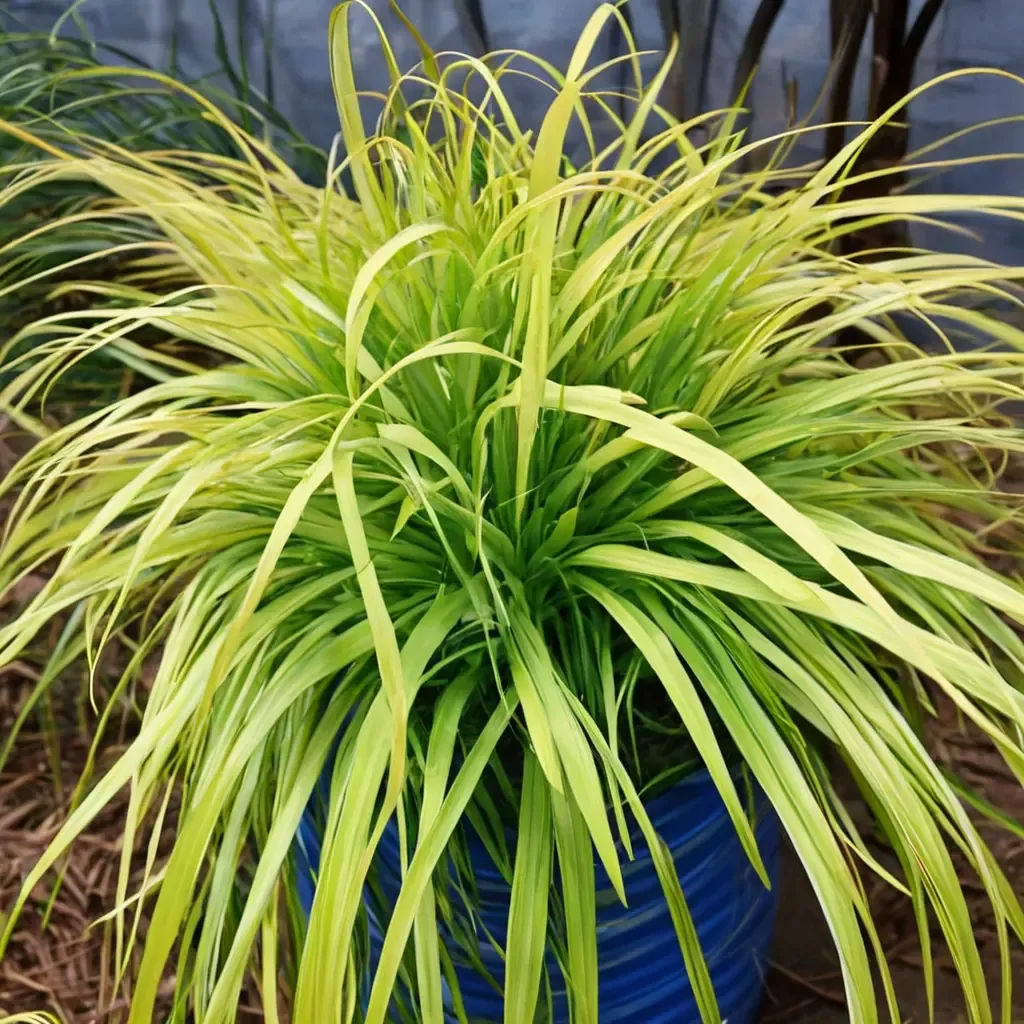
Everillo Sedge
Carex oshimensis 'Everillo'
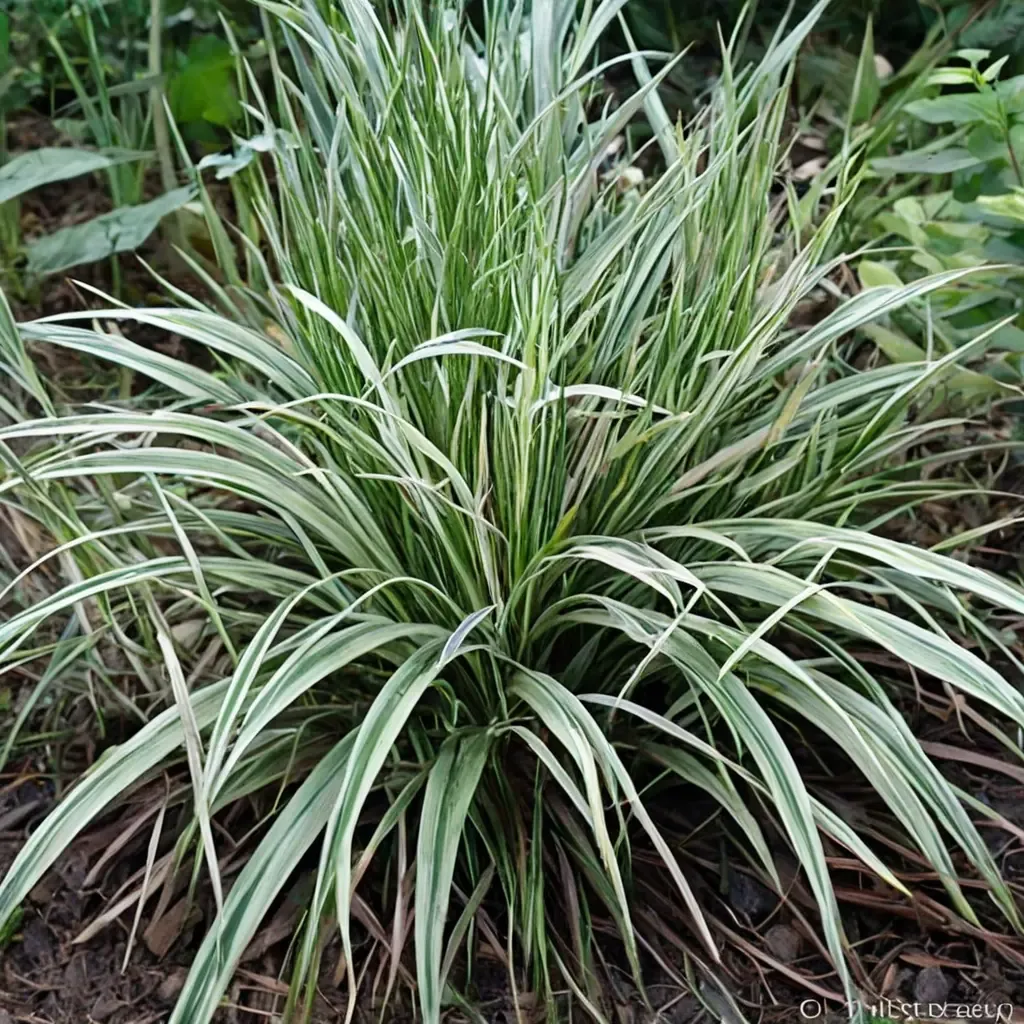
Japanese Sedge
Carex morrowii
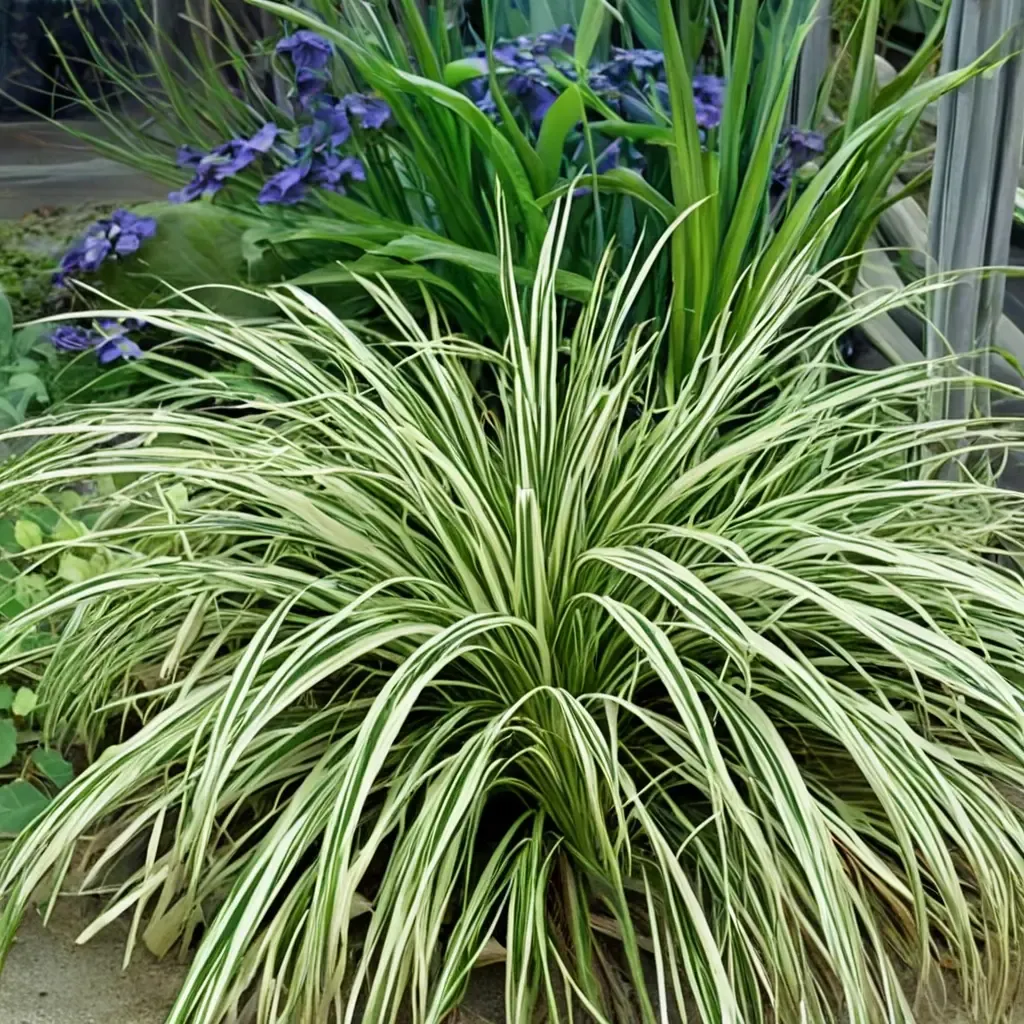
Evergold Japanese Sedge
Carex oshimensis 'Evergold'
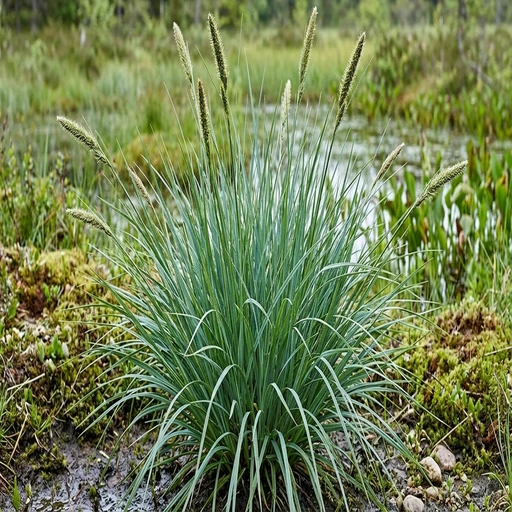
Comosa Sedge
Carex comosa
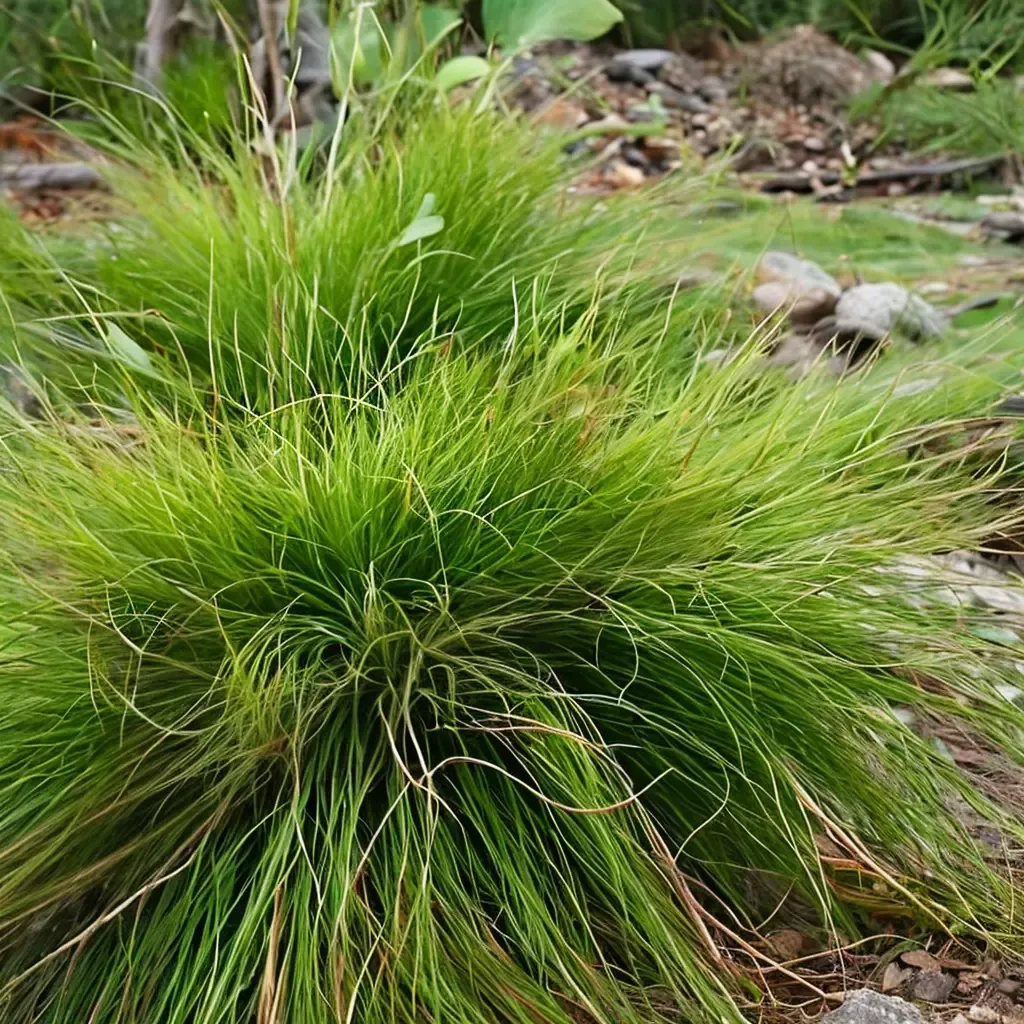
Ivory Sedge
Carex eburnea
Keep exploring
Explore the genus
Hardy in your zone?
Grow Shortbeak Sedge with confidence
See it in a design of your actual yard, get zone-matched care reminders, and track it season by season in your garden journal.