The Story
Plant Bio
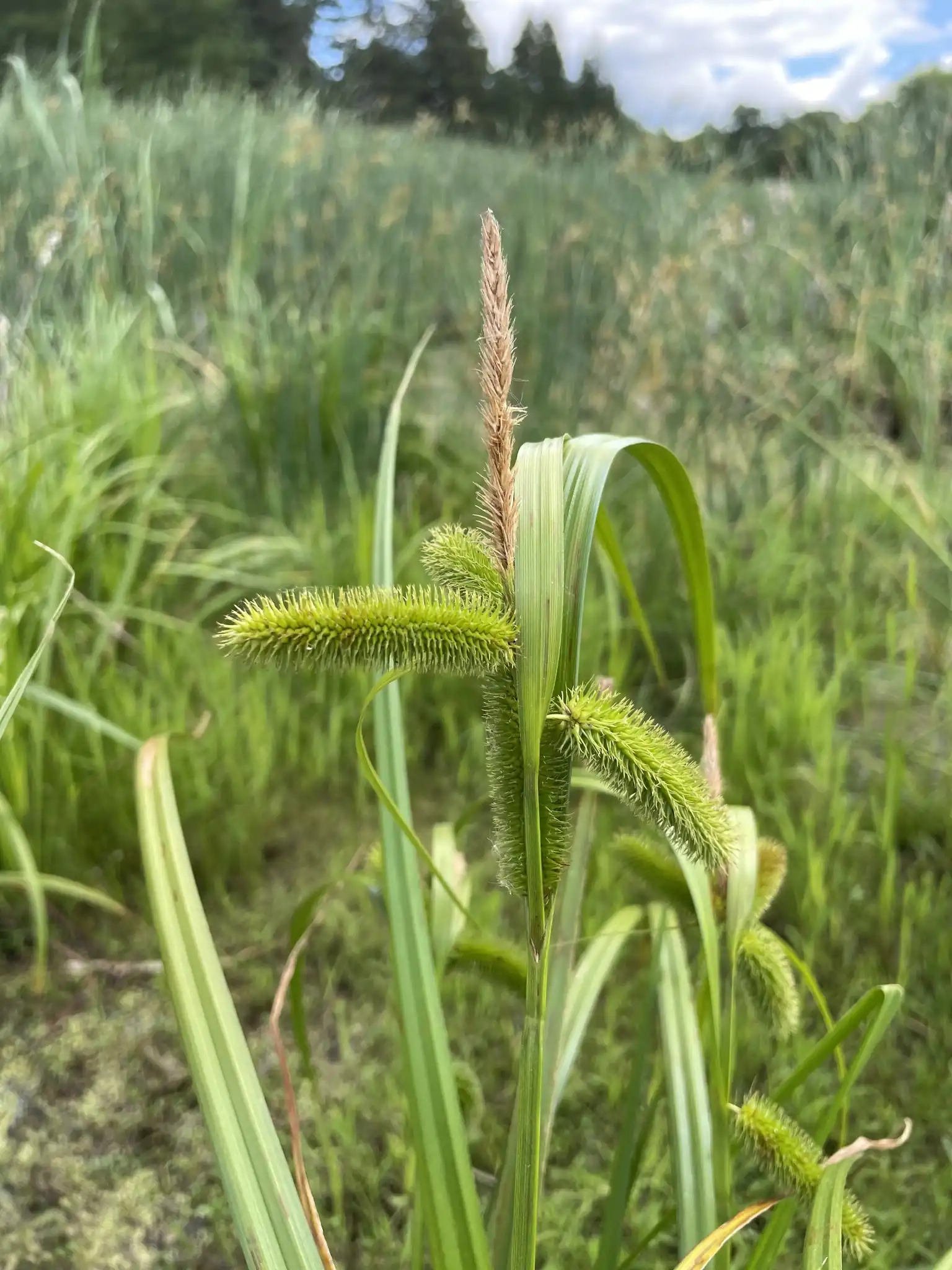
Carex comosa is a robust, clump-forming wetland sedge native to North America, typically found in marshes, swamps, and along pond edges. It has bright green, grass-like leaves and a commanding presence.
This sedge is highly prized for its large, ornamental seed heads that appear in summer. The drooping, bristly, bottlebrush-like spikes are distinctive and provide significant textural interest long after the color fades.
Uses & Benefits:
Essentials
At a Glance
Plant Type
Grass
Height
48"
Width
24"
Light
Full Sun, Partial Sun
Zones
4, 5, 6, 7, 8, 9
Water
High
Humidity
High
Lifespan
Long-lived perennial
Native To
North America
Toxicity
Non-toxic
Bloom period
Early summer – Mid-summer
In flower about 2 months of the year
Planting
How to Grow
- Select a site in full sun or light shade with constantly wet soil.
- It thrives in mucky, boggy conditions or shallow standing water.
- Dig a hole and place the plant so the crown is at or slightly above the soil line.
- Backfill with soil, firming it around the roots.
- Water thoroughly; this plant cannot be overwatered in its preferred habitat.
- No mulch is necessary if planted in a wet area.
Pro Tip
Plant directly into shallow water (up to 4 inches deep) at the edge of a pond to create a naturalistic look and provide habitat.
Keep It Thriving
Care Guide
Do
- Provide consistent, abundant moisture or plant in a wet site.
- Give it plenty of sun for the sturdiest growth and best seed head production.
- Cut back foliage in late winter to make way for new spring growth.
- Use it in restoration projects to stabilize wet soils.
Don't
- Do not plant in average garden soil; it will not tolerate dry conditions.
- Avoid deep shade, which can lead to floppy growth.
- Don't fertilize; it is adapted to nutrient-rich muck but doesn't require supplements.
- Do not remove the seed heads in fall; they provide winter interest and food for wildlife.
Seasonal Care Calendar
| Task | Jan | Feb | Mar | Apr | May | Jun | Jul | Aug | Sep | Oct | Nov | Dec |
|---|---|---|---|---|---|---|---|---|---|---|---|---|
| Plant | ||||||||||||
| Spring Cleanup |
Watch Out For
Pests & Diseases
Common Pests
Common Diseases
In the Garden
Landscape Uses & Companions
Landscape Uses
Multiply
Propagation Methods
Good to Know
Common Questions
Comosa Sedge questions
What zones can Comosa Sedge grow in?
Comosa Sedge is hardy in USDA Zones 4–9. Inside that range it survives winter in the ground; outside it, grow it as an annual or a container plant you protect.
Is Comosa Sedge deer resistant?
Yes — Comosa Sedge is rated deer-resistant. Deer typically pass it over, though extreme hunger can override any plant's defenses.
When does Comosa Sedge bloom?
Comosa Sedge typically blooms in early summer through mid-summer. Exact timing shifts a week or two with your zone — Sow's bloom calendar maps it to your garden.
Does Comosa Sedge need full sun?
Comosa Sedge does best in full sun to part shade. In hot climates, afternoon shade keeps blooms fresher longer.
More Carex to compare
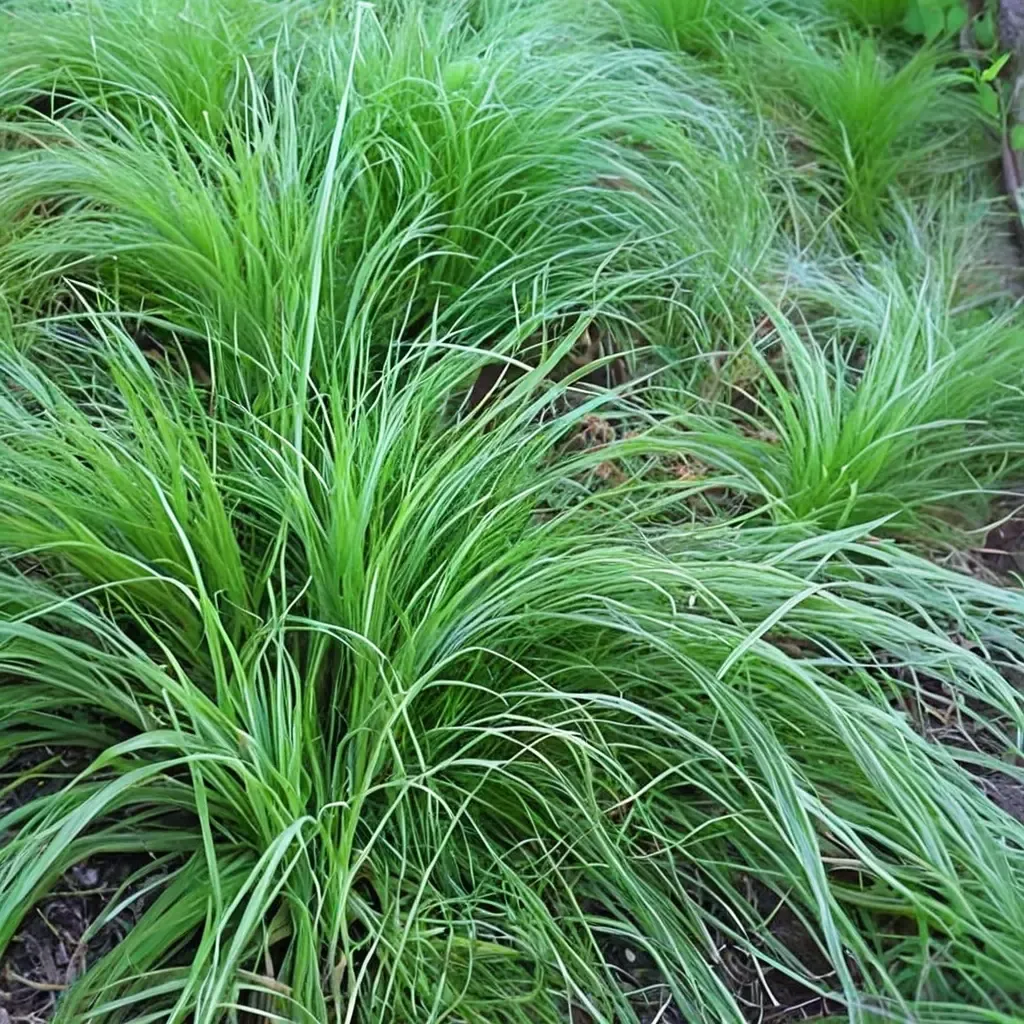
Pennsylvania Sedge
Carex pensylvanica
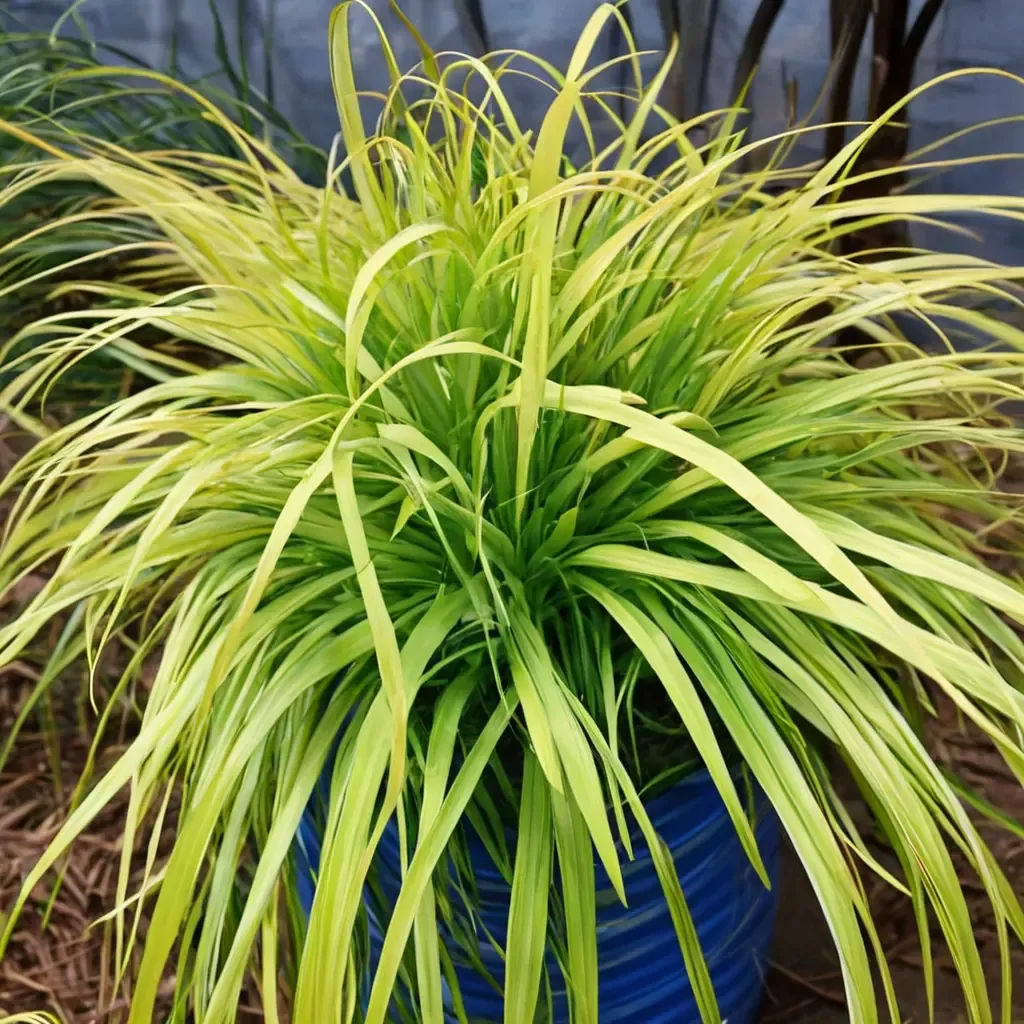
Everillo Sedge
Carex oshimensis 'Everillo'
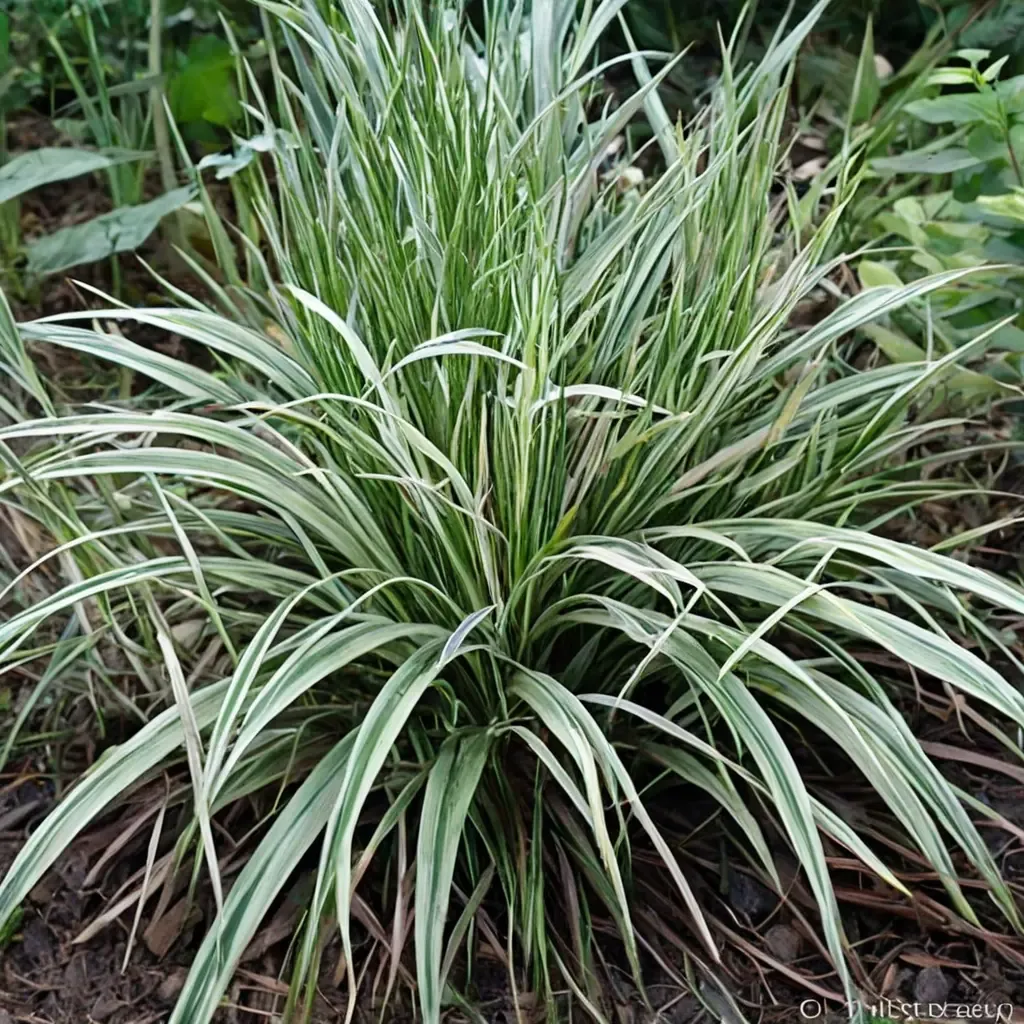
Japanese Sedge
Carex morrowii
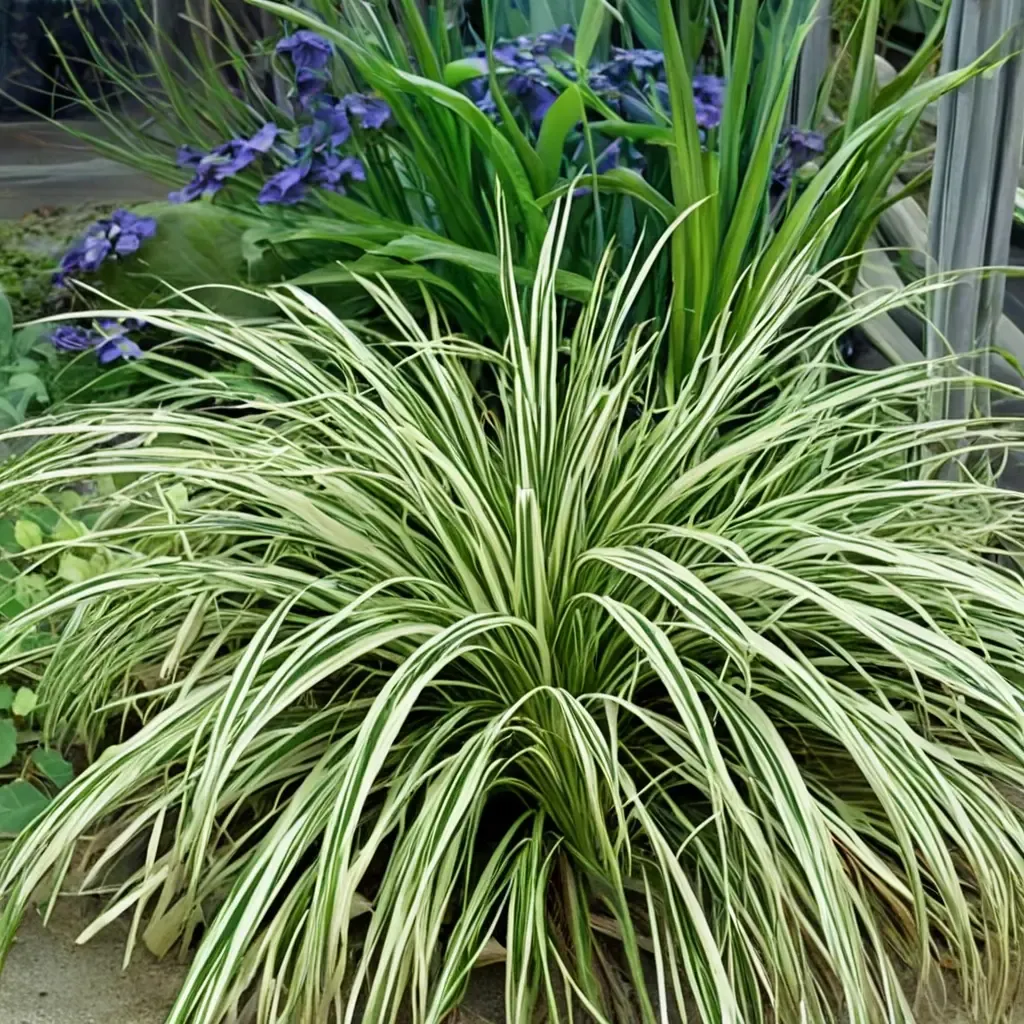
Evergold Japanese Sedge
Carex oshimensis 'Evergold'
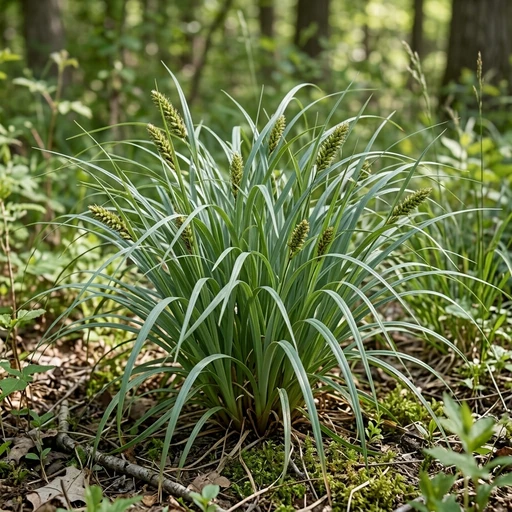
Shortbeak Sedge
Carex brevior
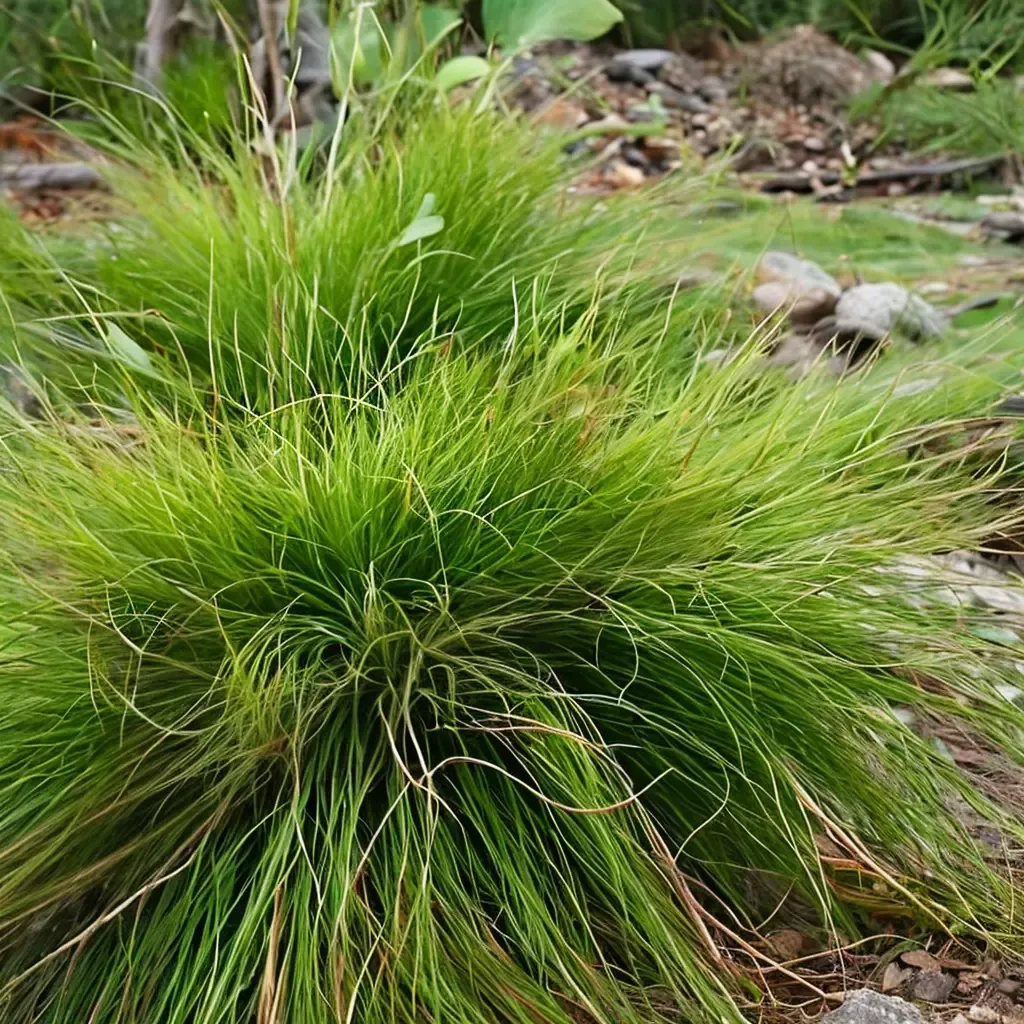
Ivory Sedge
Carex eburnea
Keep exploring
Explore the genus
Grow Comosa Sedge with confidence
See it in a design of your actual yard, get zone-matched care reminders, and track it season by season in your garden journal.