The Story
Plant Bio
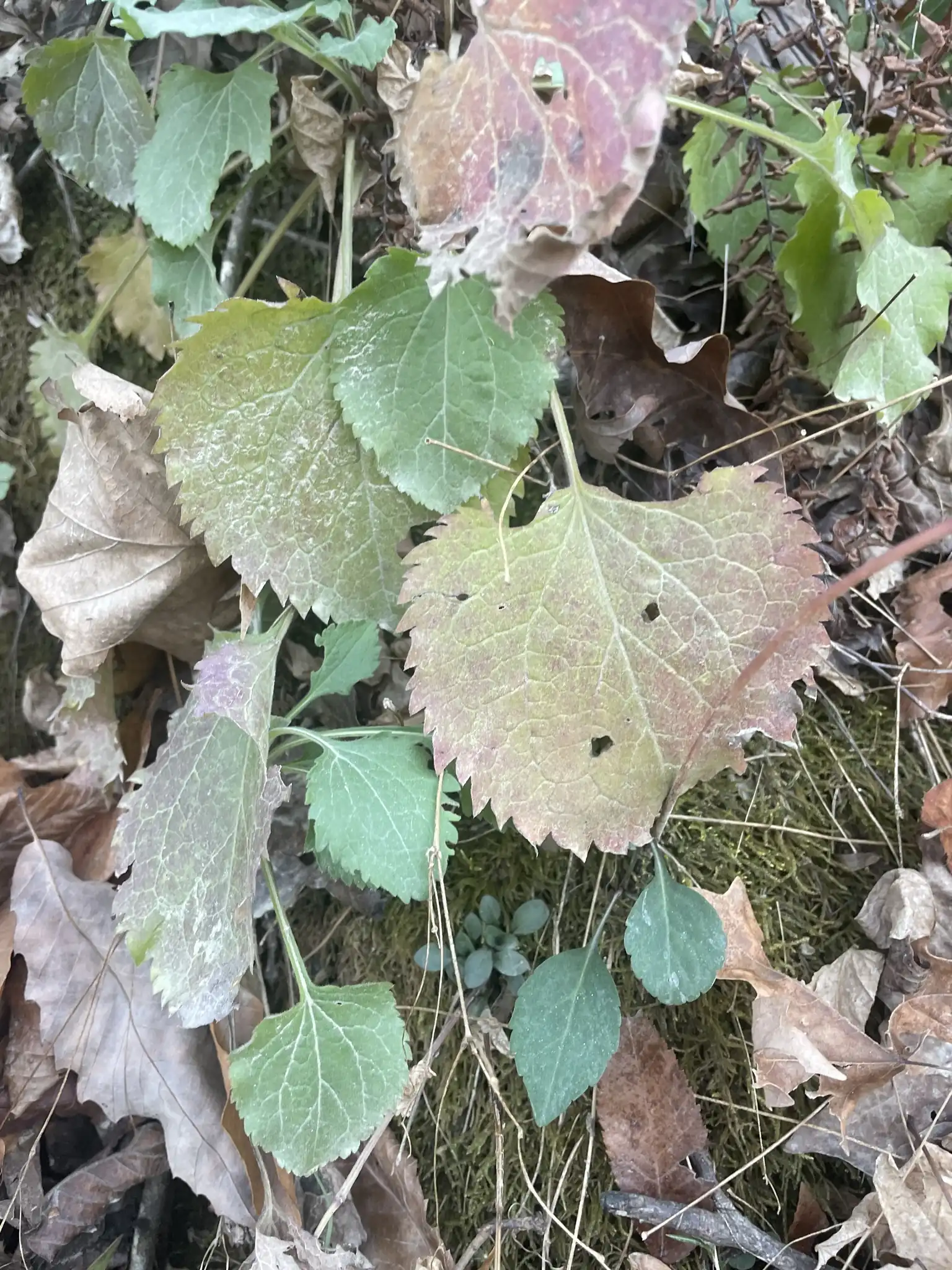
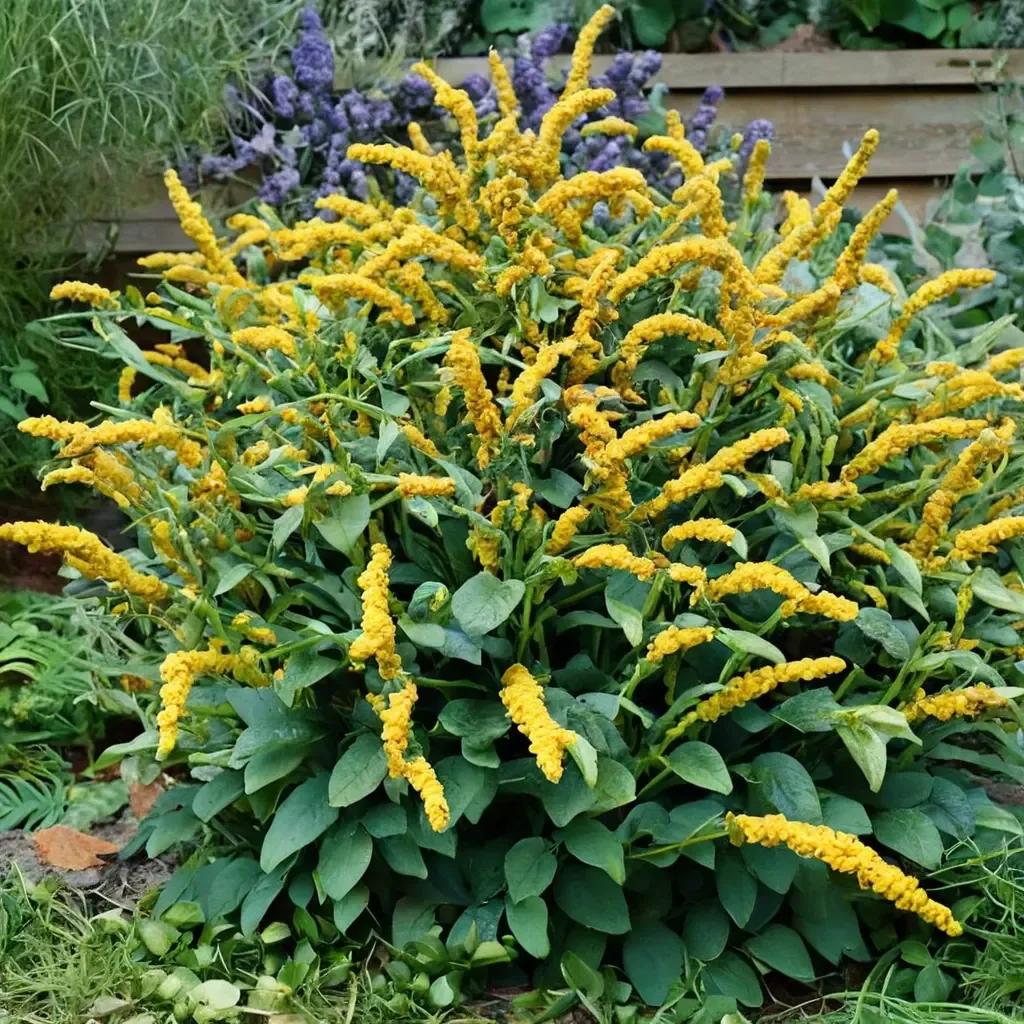
Solidago sphacelata, autumn goldenrod, is a native perennial of the eastern United States forming a basal rosette of heart-shaped leaves on long winged stalks. Arching multi-branched stems rise one to three feet and carry one-sided sprays of tiny golden flowers in late summer and autumn, followed by bristle-tipped seed that carries on the wind.
Goldenrod does not cause hay fever — its pollen is heavy and insect-carried, and it simply happens to flower at the same time as ragweed, which is the real culprit. This species is far tidier than the roadside goldenrods, forming a neat arching mound rather than a six-foot thicket, and it tolerates dry shade where most goldenrods will not.
Uses & Benefits:
Essentials
At a Glance
Plant Type
Perennial
Height
24"
Width
18"
Light
Full Sun, Partial Sun
Zones
4, 5, 6, 7
Water
Low
Humidity
Moderate
Lifespan
Perennial
Native To
Eastern United States
Toxicity
Non-toxic
Planting
How to Grow
- Plant in full sun or partial shade.
- Give it any reasonably drained soil, including dry.
- Water while establishing, then rarely.
- Do not feed; lean soil keeps it compact.
- Leave the seedheads standing for birds.
- Cut back in late winter and divide if congested.
Pro Tip
It tolerates dry shade, which almost no other goldenrod does — that makes it useful under trees where late colour is scarce.
Keep It Thriving
Care Guide
Do
- Use it for late-season colour 🌼
- Try it in dry shade under trees 🌳
- Leave seedheads for songbirds 🐦
- Cut back in late winter ✂️
Don't
- Blame it for your hay fever ❌
- Feed it — it flops ❌
- Cut it down in autumn ❌
Seasonal Care Calendar
| Task | Jan | Feb | Mar | Apr | May | Jun | Jul | Aug | Sep | Oct | Nov | Dec |
|---|---|---|---|---|---|---|---|---|---|---|---|---|
| Divide | ||||||||||||
| Enjoy |
Watch Out For
Pests & Diseases
Common Pests
Common Diseases
In the Garden
Landscape Uses & Companions
Landscape Uses
Multiply
Propagation Methods
Good to Know
Common Questions
Solidago Solidago questions
What zones can Solidago Solidago grow in?
Solidago Solidago is hardy in USDA Zones 4–7. Inside that range it survives winter in the ground; outside it, grow it as an annual or a container plant you protect.
Is Solidago Solidago deer resistant?
Yes — Solidago Solidago is rated deer-resistant. Deer typically pass it over, though extreme hunger can override any plant's defenses.
When does Solidago Solidago bloom?
Solidago Solidago typically blooms in late summer to fall through early fall. Exact timing shifts a week or two with your zone — Sow's bloom calendar maps it to your garden.
Does Solidago Solidago need full sun?
Solidago Solidago does best in full sun to part shade. In hot climates, afternoon shade keeps blooms fresher longer.
Is Solidago Solidago drought tolerant?
Yes — once established (usually after the first full season), Solidago Solidago handles dry spells with minimal watering. Water deeply its first year to build the root system that makes that possible.
More Solidago to compare
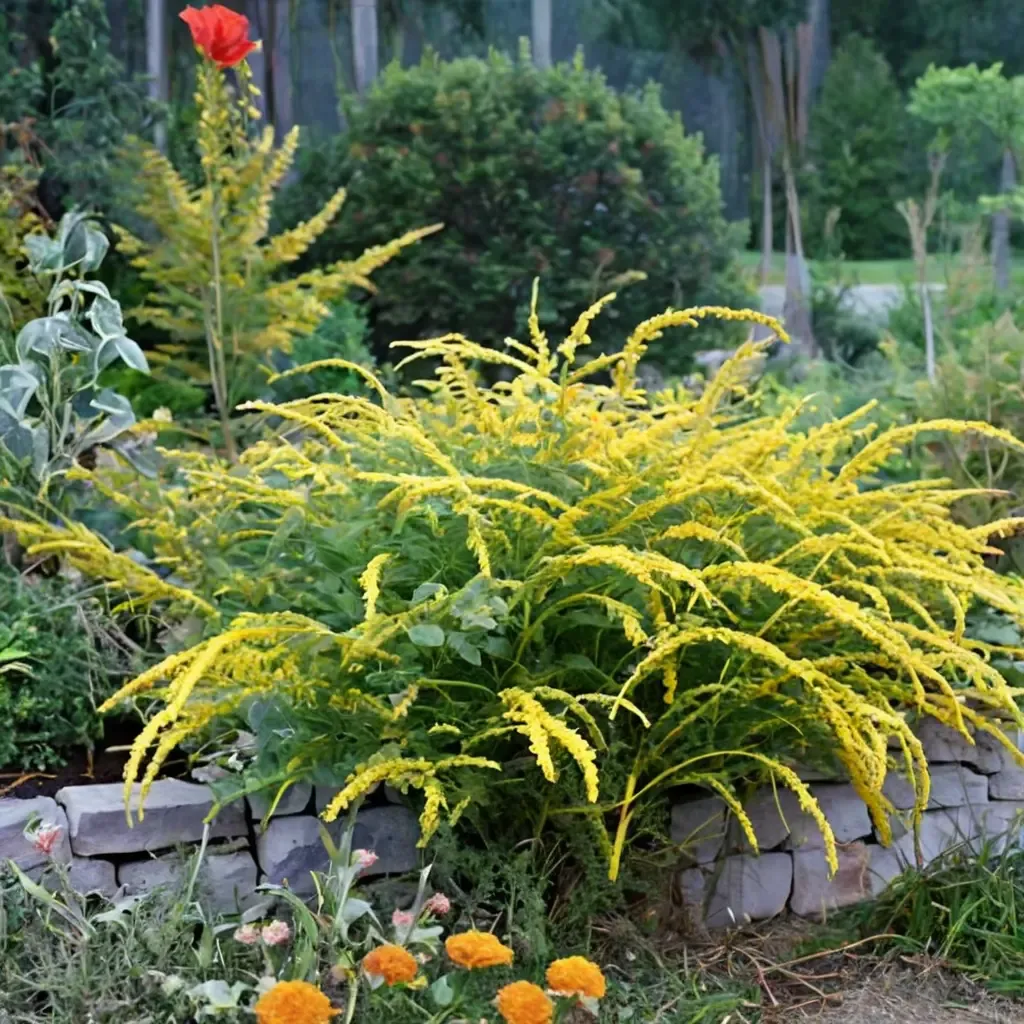
Fireworks Goldenrod
Solidago rugosa 'Fireworks'
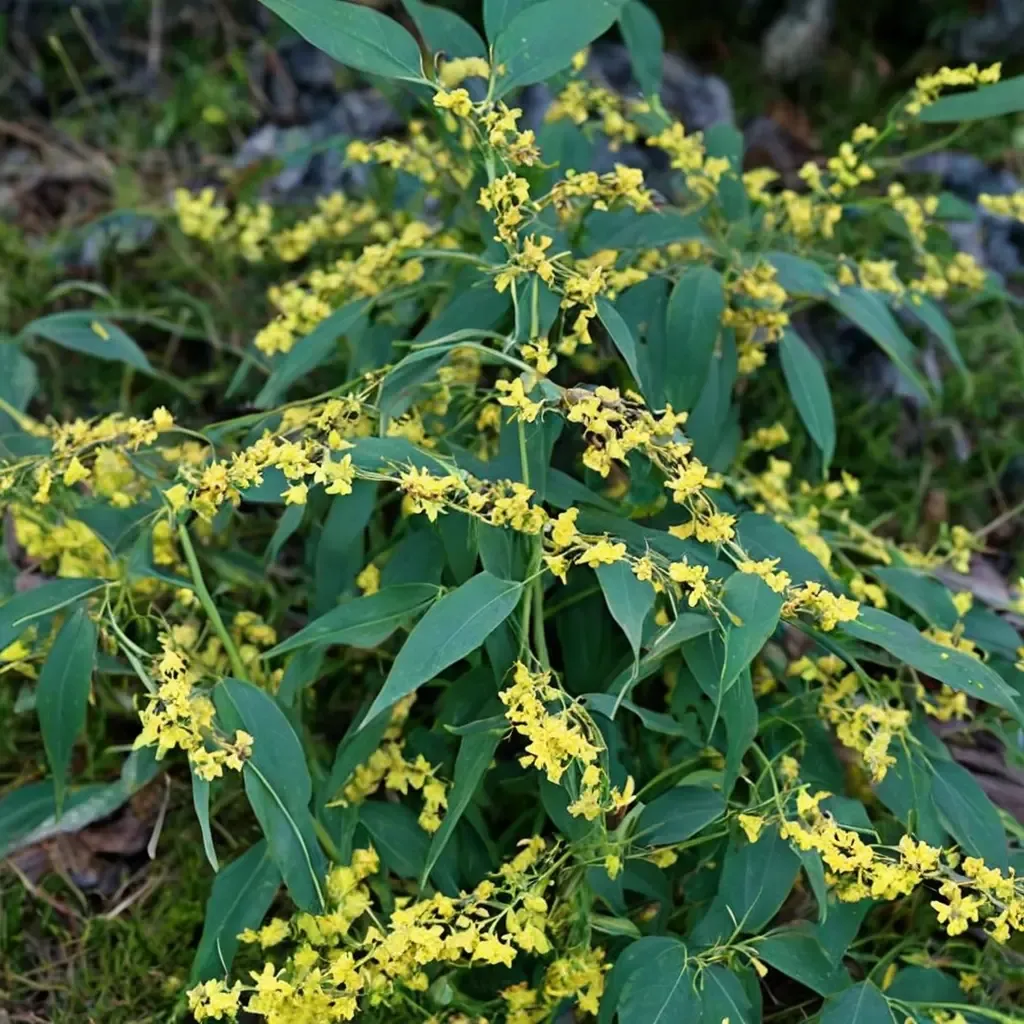
Bluestem Goldenrod
Solidago caesia
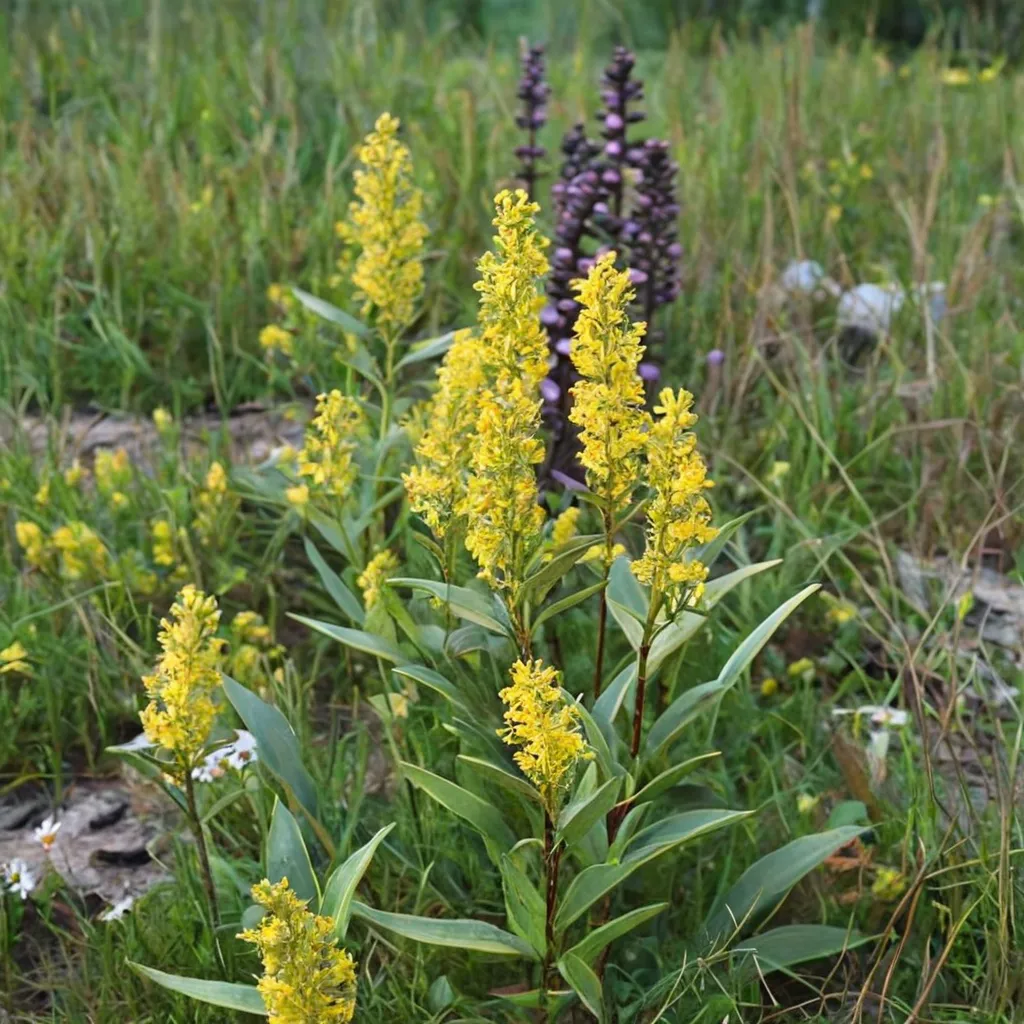
Showy Goldenrod
Solidago speciosa
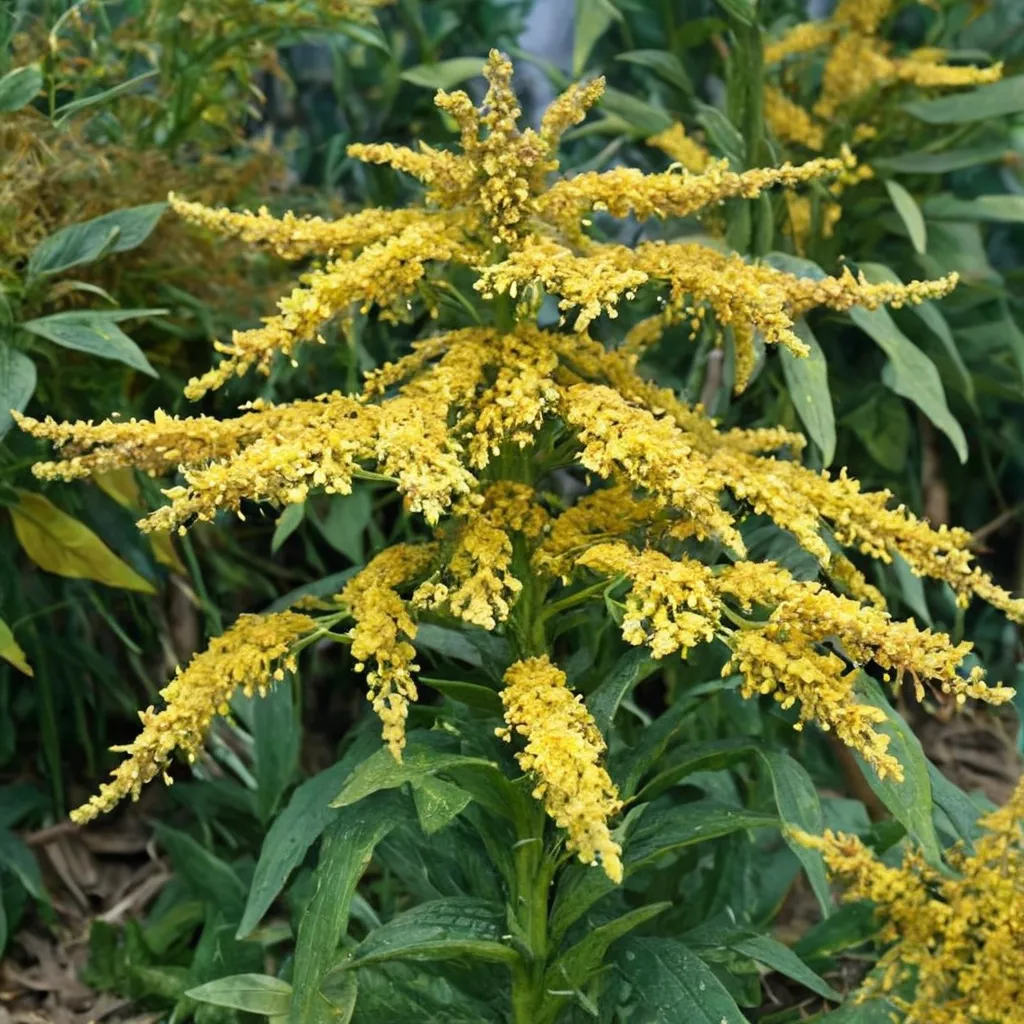
Goldenrod Peter Pan
Solidago x hybrida 'Peter Pan'
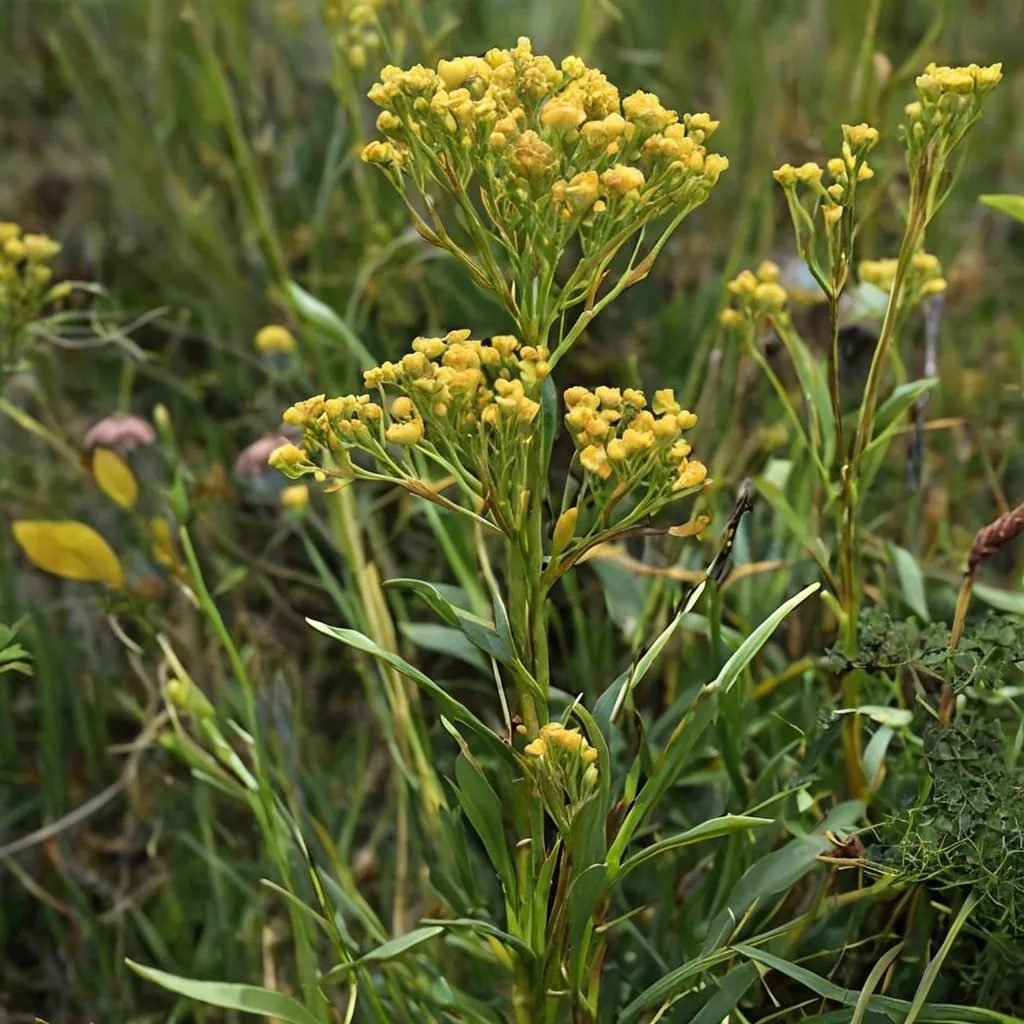
Ohio Goldenrod
Solidago ohioensis
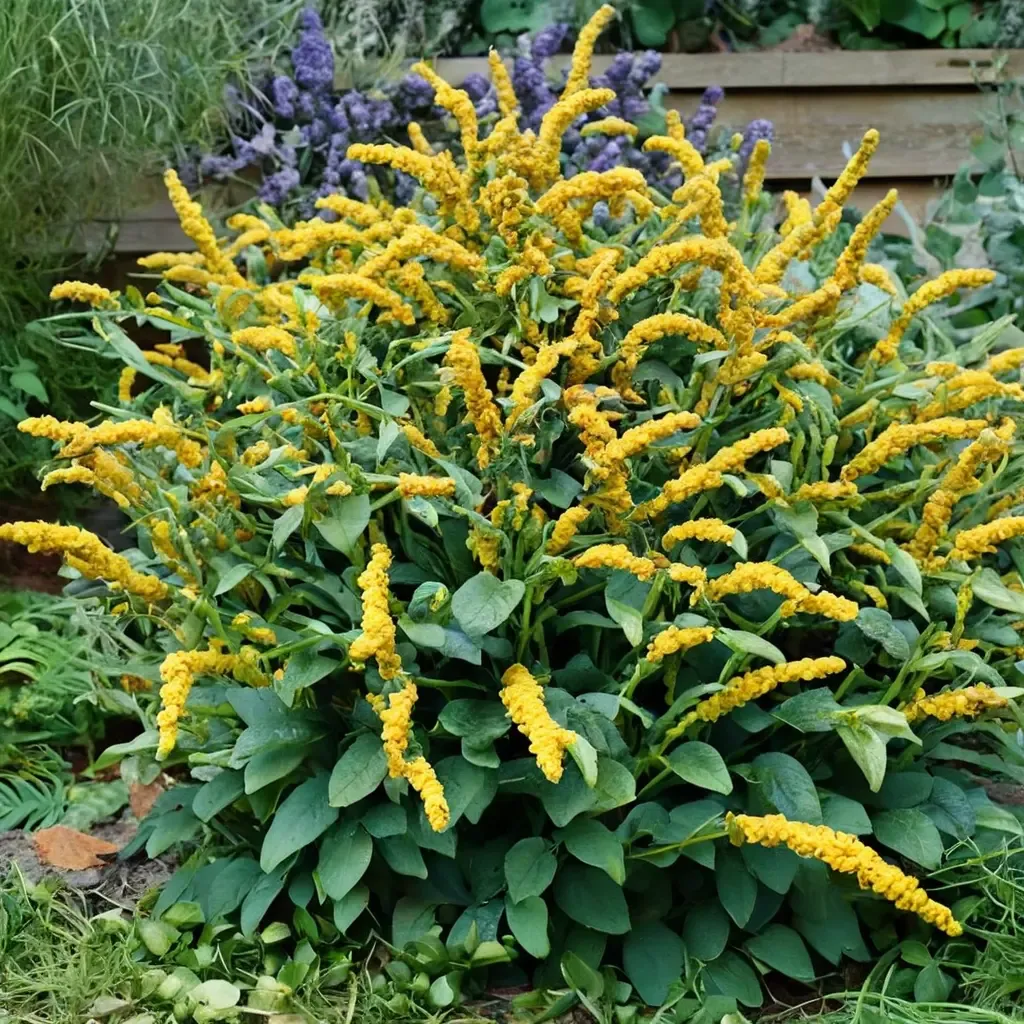
Golden Fleece Solidago Solidago Golden Fleece
Solidago sphacelata 'Golden Fleece'
Keep exploring
Explore the genus
Hardy in your zone?
Grow Solidago Solidago with confidence
See it in a design of your actual yard, get zone-matched care reminders, and track it season by season in your garden journal.