The Story
Plant Bio
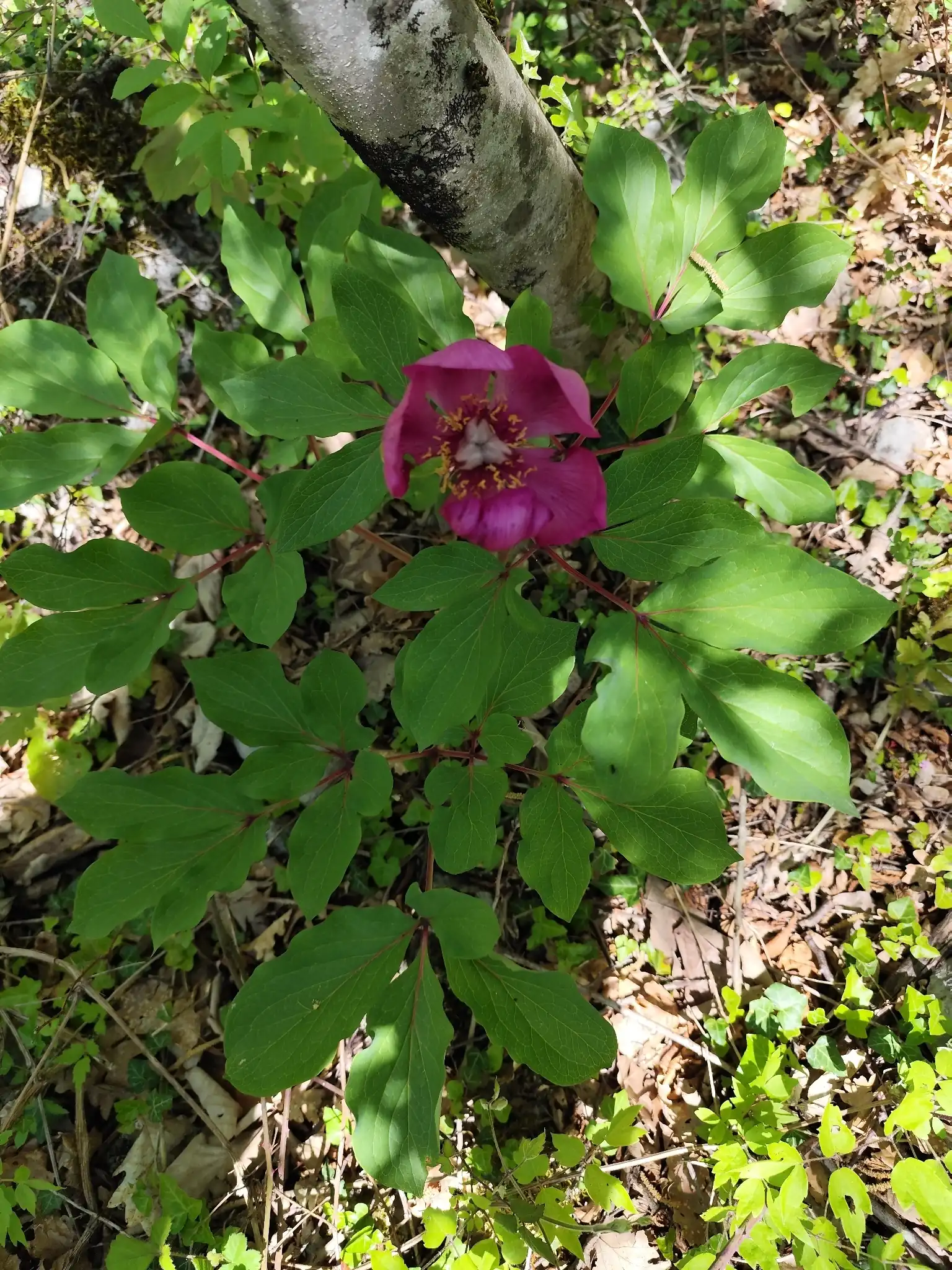
Paeonia mascula, the wild peony, is a clump-forming herbaceous perennial with sturdy vertical stems arising from thick, carrot-shaped storage roots. The deeply divided, blue-green compound leaves provide a handsome backdrop for the large, single, bowl-shaped flowers that open in late spring.
This species is distinguished by its single-petaled blooms of magenta, rose-pink, or deep red, which feature a prominent central boss of yellow stamens. Unlike many modern hybrid peonies, it retains a wild, elegant simplicity and exhibits excellent cold hardiness and drought tolerance once established.
Uses & Benefits:
Essentials
At a Glance
Plant Type
Perennial
Height
60"
Width
40"
Light
Full Sun, Partial Sun
Zones
5, 6, 7, 8
Water
Moderate
Humidity
Moderate
Lifespan
Perennial
Native To
Southern Europe, Mediterranean, Middle East, Western Asia
Toxicity
Toxic to humans and pets
Bloom period
Late spring – Early summer
In flower about 2 months of the year
Planting
How to Grow
- Select a planting site in full sun to partial shade with deeply worked, well-draining soil.
- Dig a shallow hole and position the tuberous root clump so the buds point upward.
- Cover the roots with soil, ensuring the 'eyes' are buried exactly one to two inches deep.
- Water thoroughly to settle the soil, and apply a thin layer of organic compost mulch.
Pro Tip
Plant the tuberous 'eyes' no deeper than two inches below the soil surface; burying them deeper prevents the plant from blooming entirely.
Keep It Thriving
Care Guide
Do
- Cut all stems back to ground level in late fall to eliminate overwintering fungal spores.
- Apply a balanced, low-nitrogen organic fertilizer in early spring as new shoots emerge.
- Provide light afternoon shade in hot summer climates to protect the foliage.
Don't
- Do not plant the tuberous eyes deeper than two inches, as this stops flower production.
- Do not overwater or plant in heavy, poorly drained soils that trigger root rot.
- Do not apply high-nitrogen fertilizers, which produce weak, disease-prone stems.
Seasonal Care Calendar
| Task | Jan | Feb | Mar | Apr | May | Jun | Jul | Aug | Sep | Oct | Nov | Dec |
|---|---|---|---|---|---|---|---|---|---|---|---|---|
| Divide | ||||||||||||
| Fertilize | ||||||||||||
| Spring Cleanup | ||||||||||||
| Winter Prep |
Watch Out For
Pests & Diseases
Common Pests
Common Diseases
In the Garden
Landscape Uses & Companions
Landscape Uses
Companion Plants
Multiply
Propagation Methods
Good to Know
Common Questions
Wild Peony questions
What zones can Wild Peony grow in?
Wild Peony is hardy in USDA Zones 5–8. Inside that range it survives winter in the ground; outside it, grow it as an annual or a container plant you protect.
Is Wild Peony deer resistant?
Yes — Wild Peony is rated deer-resistant. Deer typically pass it over, though extreme hunger can override any plant's defenses.
When does Wild Peony bloom?
Wild Peony typically blooms in late spring through early summer. Exact timing shifts a week or two with your zone — Sow's bloom calendar maps it to your garden.
Does Wild Peony need full sun?
Wild Peony does best in full sun to part shade. In hot climates, afternoon shade keeps blooms fresher longer.
Is Wild Peony drought tolerant?
Yes — once established (usually after the first full season), Wild Peony handles dry spells with minimal watering. Water deeply its first year to build the root system that makes that possible.
More Paeonia to compare
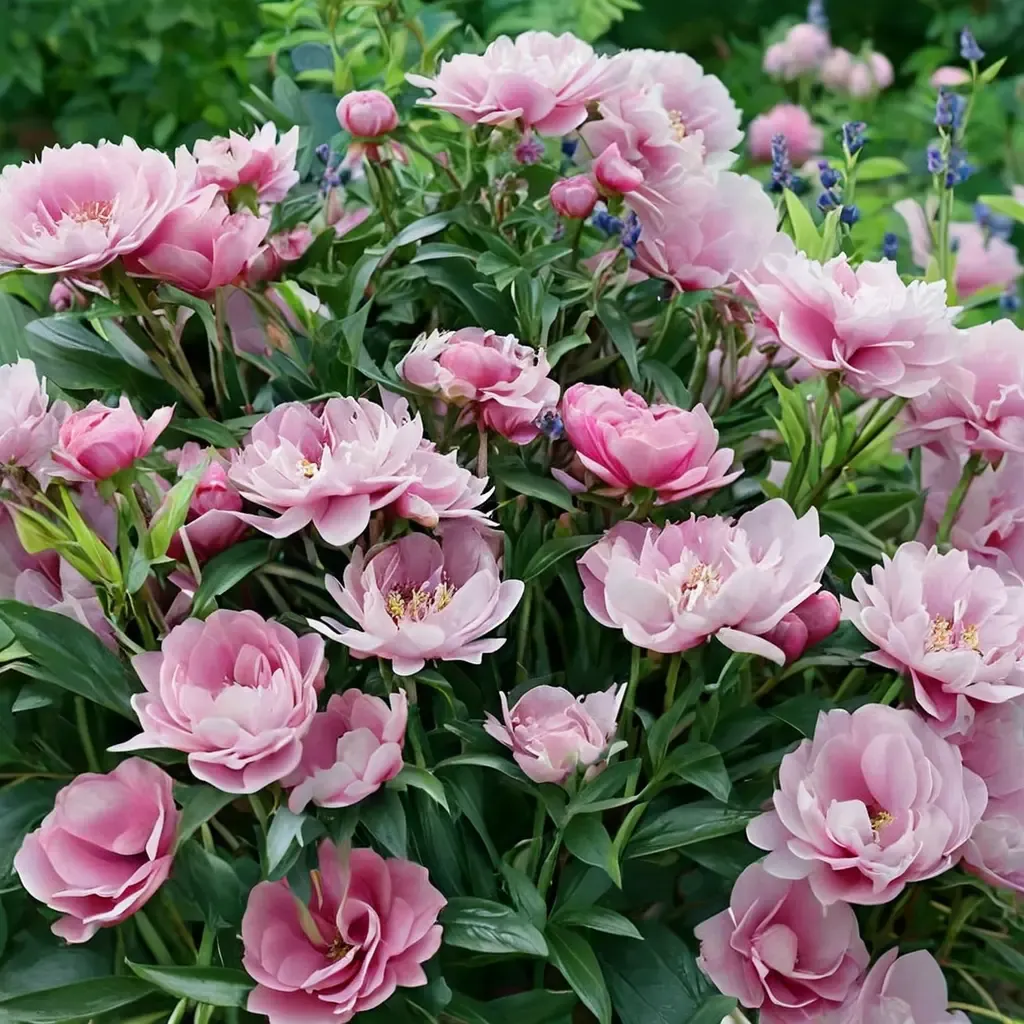
Sarah Bernhardt Peony
Paeonia lactiflora 'Sarah Bernhardt'
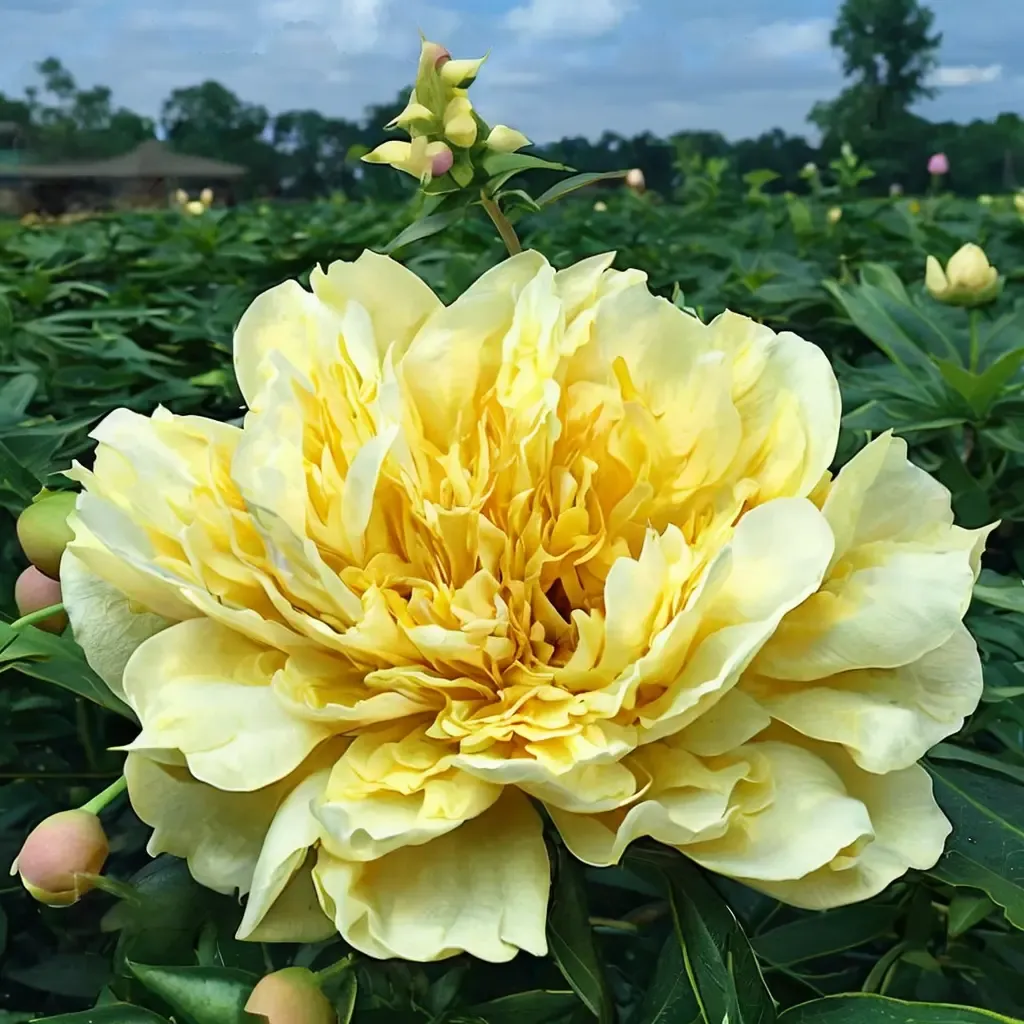
Tree Peony 'Duchesse de Lorraine'
Paeonia suffruticosa 'Duchesse de Lorraine'
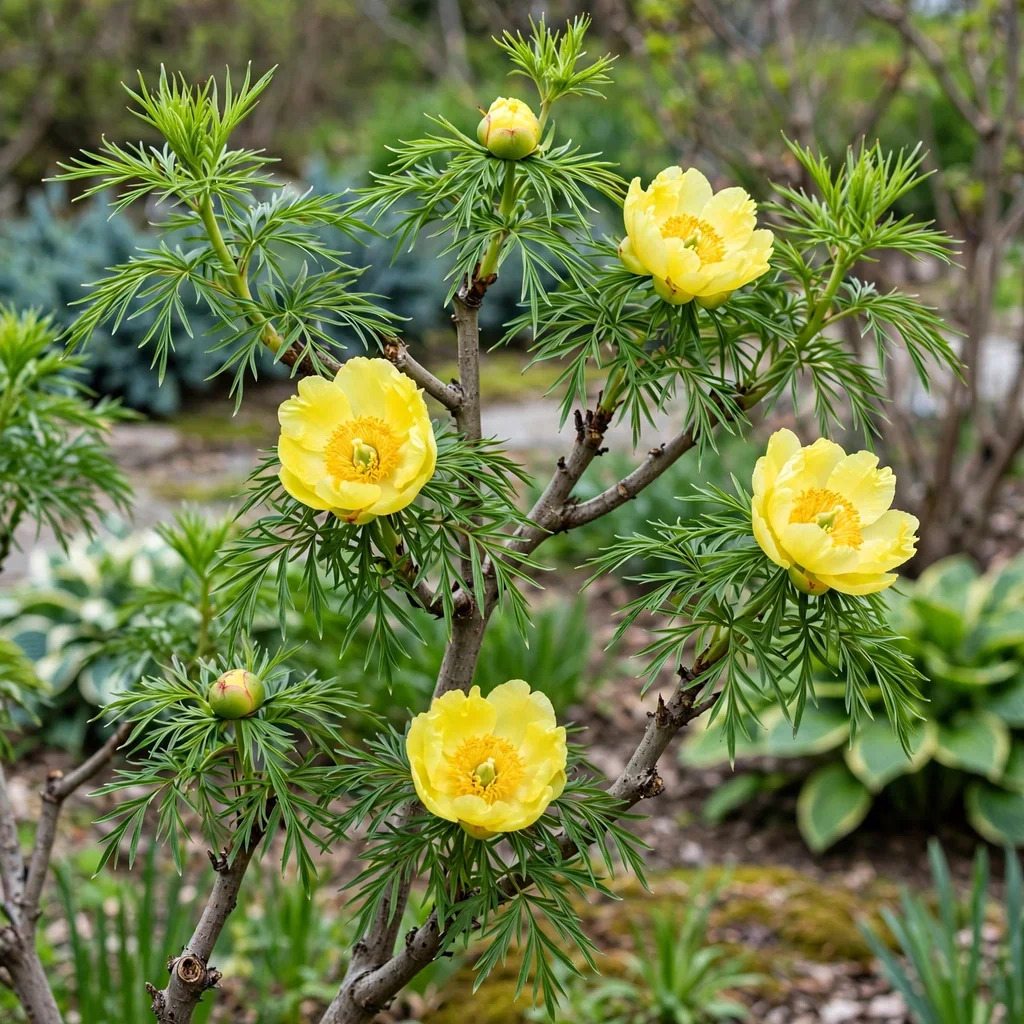
Tibetan Tree Peony
Paeonia ludlowii
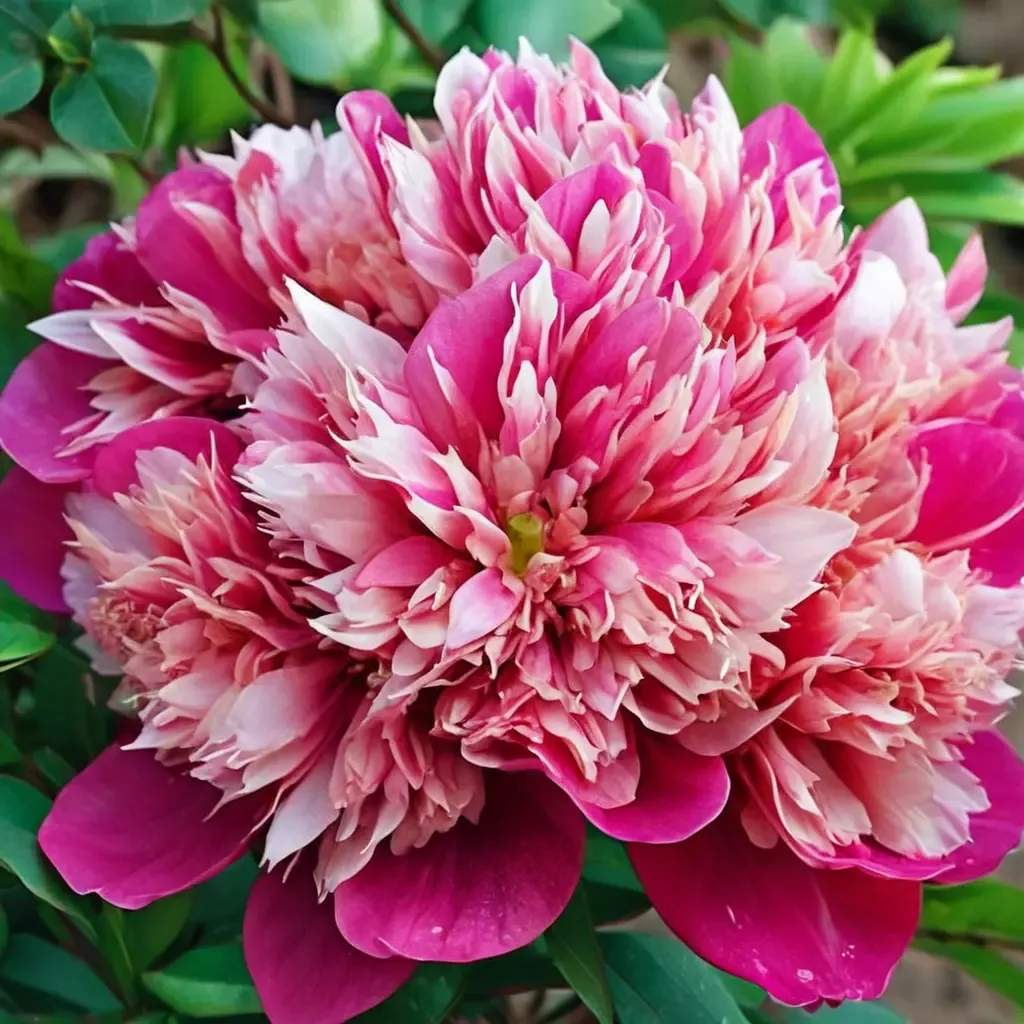
Daydream Peony
Paeonia lactiflora 'Daydream'
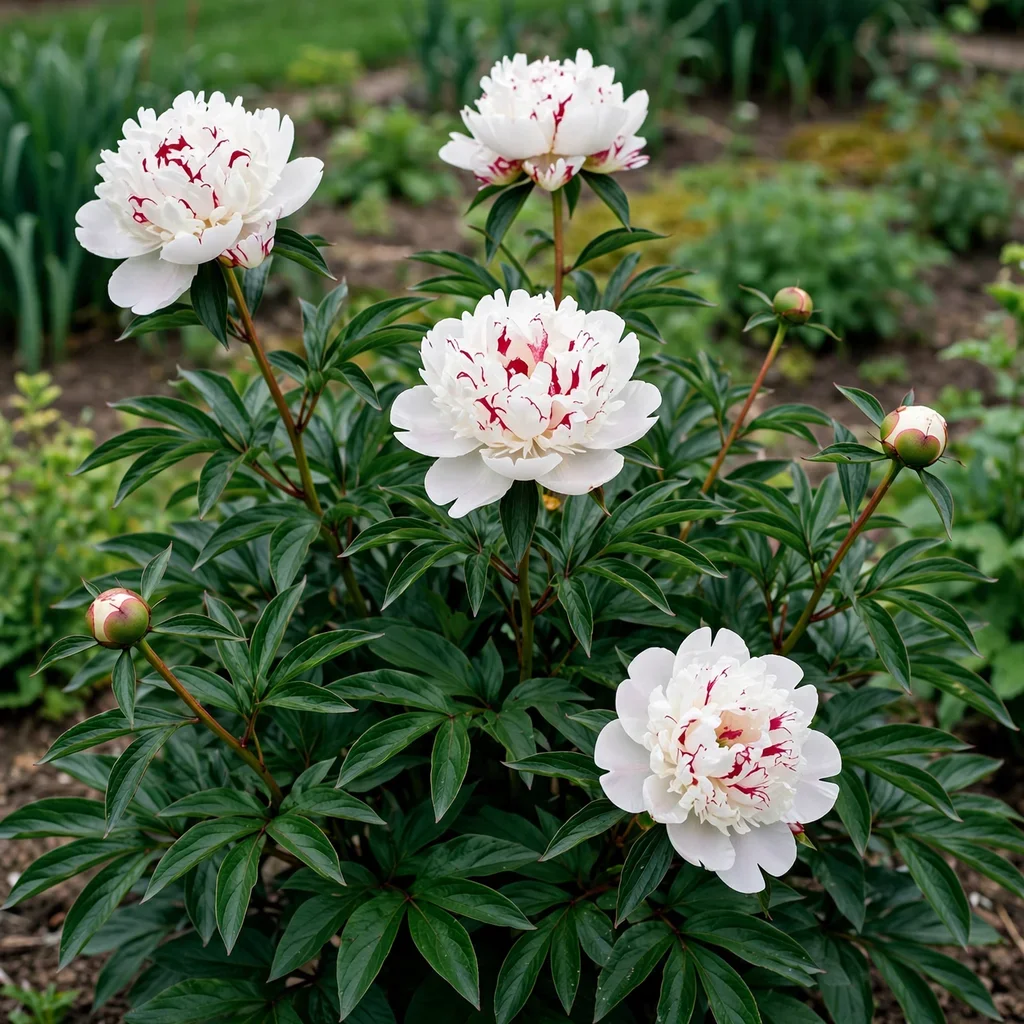
Festiva Maxima Peony Chinese Peony
Paeonia lactiflora 'Festiva Maxima'
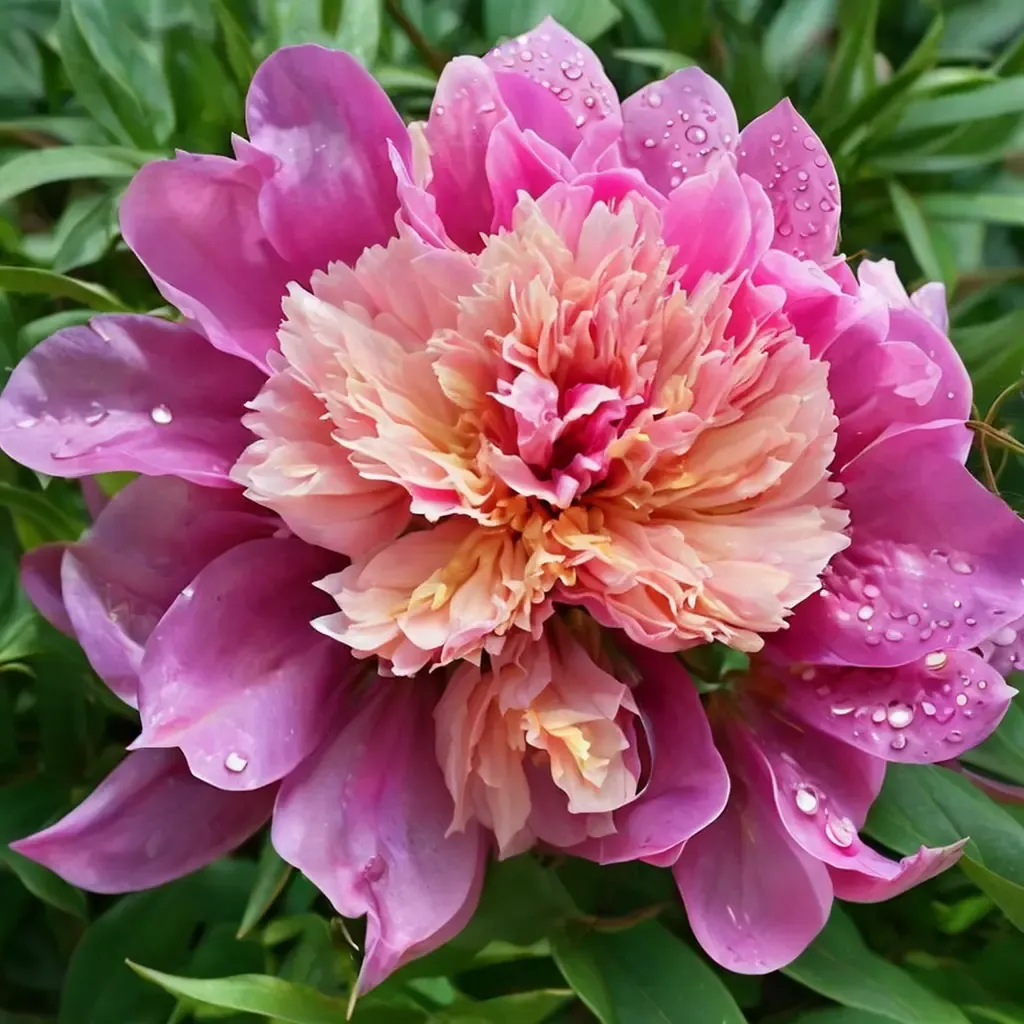
Philomele Peony
Paeonia lactiflora 'Philomele'
Keep exploring
Explore the genus
Hardy in your zone?
Grow Wild Peony with confidence
See it in a design of your actual yard, get zone-matched care reminders, and track it season by season in your garden journal.