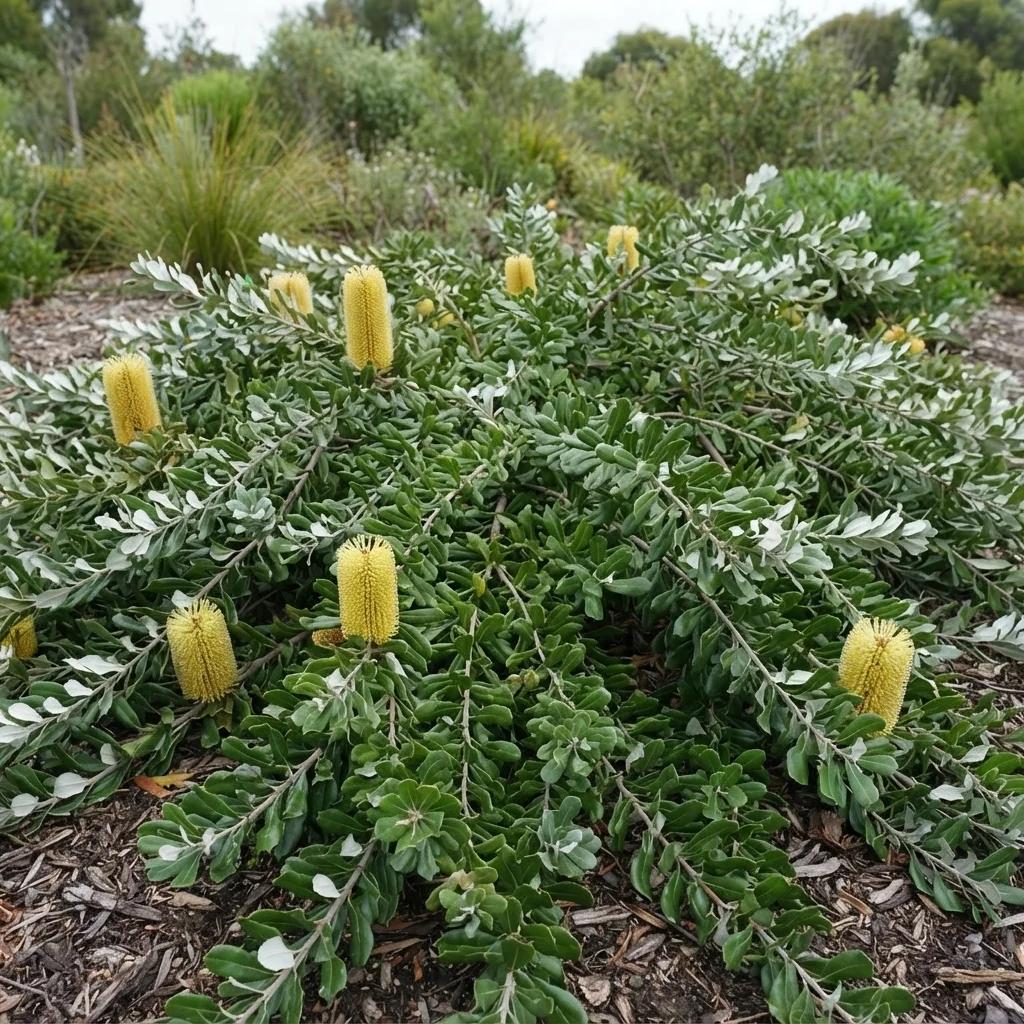
1 named cultivar
The Story
Plant Bio
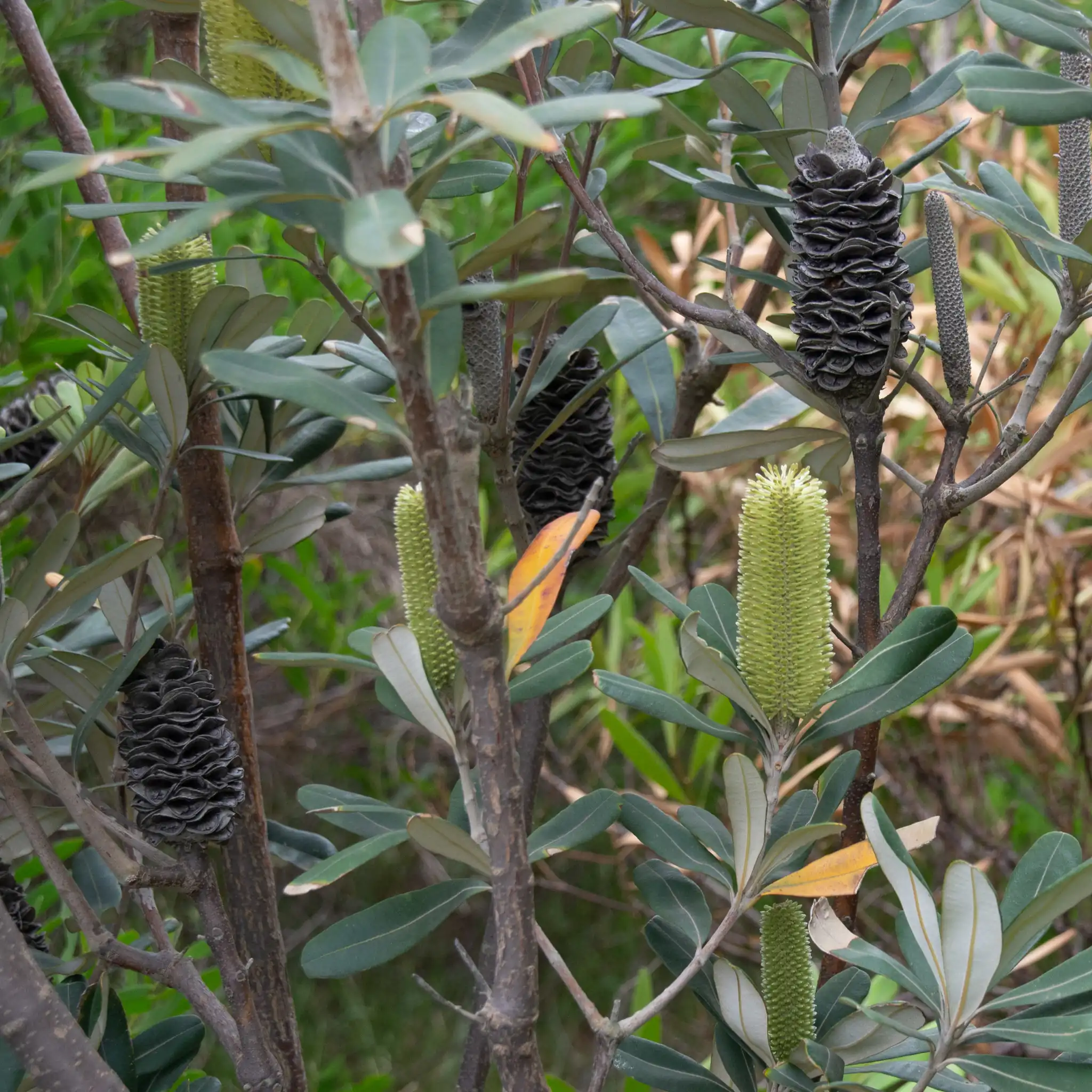
Banksia integrifolia, the coast banksia, is an evergreen Australian tree with a gnarled, spreading canopy and rough, corky bark. The leathery, dark green leaves feature distinctive silvery-white undersides, while pale yellow flowers form upright, cylindrical spikes that bloom from fall through spring.
This species is exceptionally tolerant of direct maritime exposure, salt spray, and wind, making it a premier choice for coastal stabilization. Unlike many other banksias, it adapts to a range of climates from subtropical to cool temperate zones.
Uses & Benefits:
Essentials
At a Glance
Plant Type
Tree
Height
590"
Width
393"
Light
Full Sun, Partial Sun
Zones
9, 10
Water
Low
Humidity
High
Lifespan
Long
Native To
Australia
Toxicity
Non-toxic
Planting
How to Grow
- Select a planting site in full sun to partial shade with exceptionally well-drained, sandy soil.
- Dig a hole twice as wide as the root ball but no deeper, ensuring the plant sits at its original soil level.
- Water deeply during the first summer to establish the root system, then reduce watering to rely on natural rainfall.
- Apply only specialized low-phosphorus or native-formulated fertilizers sparingly in spring if nutrient levels are low.
Pro Tip
Never cut back into old, bare wood when pruning, as this species lacks epicormic buds on old stems and will fail to shoot. Avoid standard garden fertilizers; high phosphorus levels are rapidly fatal to the proteoid root system.
Keep It Thriving
Care Guide
Do
- Plant in highly permeable, sandy soil to prevent root rot.
- Tip-prune young plants lightly to encourage a denser growth habit.
- Use specialized low-phosphorus fertilizers formulated for native Australian plants.
Don't
- Do not apply standard general-purpose fertilizers containing high phosphorus.
- Do not prune hard into bare, leafless wood below the green foliage line.
- Do not plant in heavy clay or waterlogged soils.
Seasonal Care Calendar
| Task | Jan | Feb | Mar | Apr | May | Jun | Jul | Aug | Sep | Oct | Nov | Dec |
|---|---|---|---|---|---|---|---|---|---|---|---|---|
| Fertilize | ||||||||||||
| Pest Check | ||||||||||||
| Prune | ||||||||||||
| Winter Prep |
Watch Out For
Pests & Diseases
Common Pests
Common Diseases
In the Garden
Landscape Uses & Companions
Landscape Uses
Companion Plants
Multiply
Propagation Methods
Good to Know
Common Questions
Coast Banksia questions
What zones can Coast Banksia grow in?
Coast Banksia is hardy in USDA Zones 9–10. Inside that range it survives winter in the ground; outside it, grow it as an annual or a container plant you protect.
When does Coast Banksia bloom?
Coast Banksia typically blooms in fall through spring. Exact timing shifts a week or two with your zone — Sow's bloom calendar maps it to your garden.
Does Coast Banksia need full sun?
Coast Banksia does best in full sun to part shade. In hot climates, afternoon shade keeps blooms fresher longer.
Is Coast Banksia drought tolerant?
Yes — once established (usually after the first full season), Coast Banksia handles dry spells with minimal watering. Water deeply its first year to build the root system that makes that possible.
More Banksia to compare
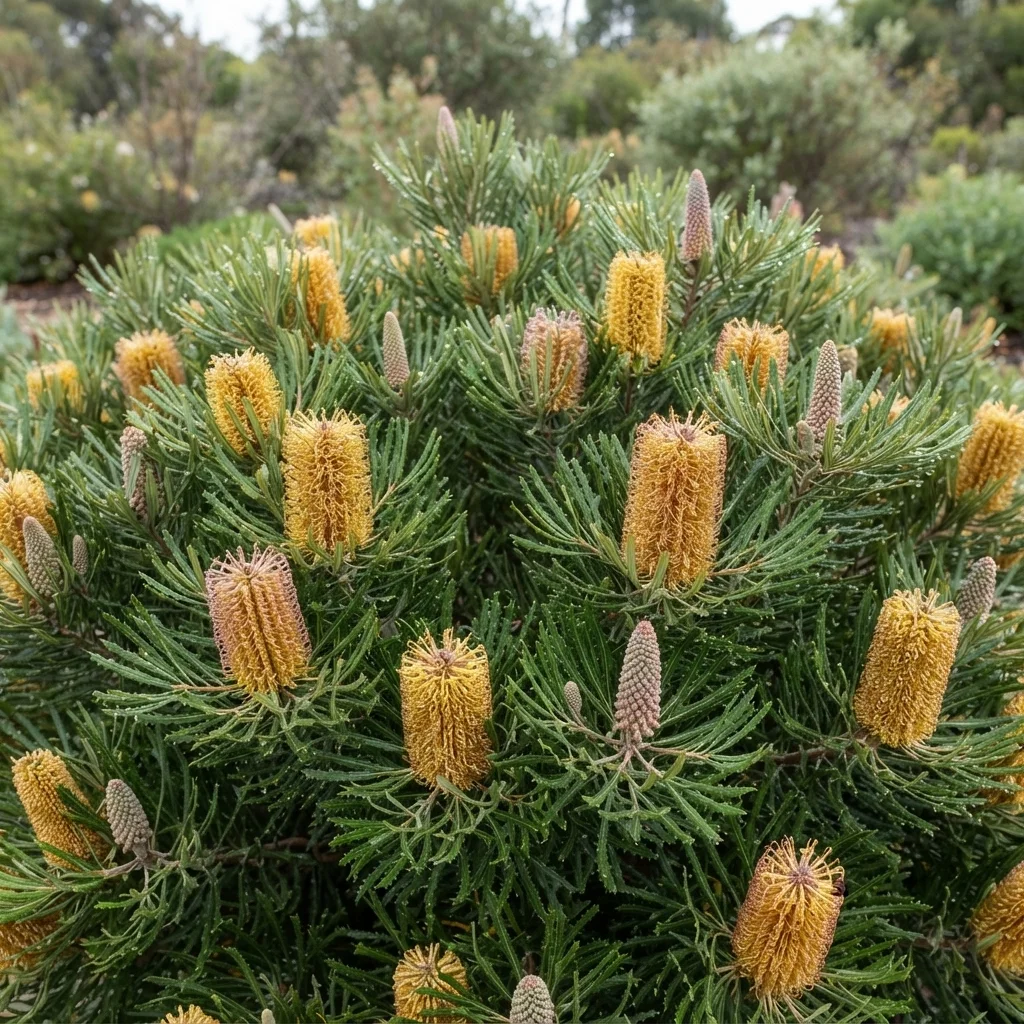
Birthday Candles Banksia
Banksia spinulosa 'Birthday Candles'
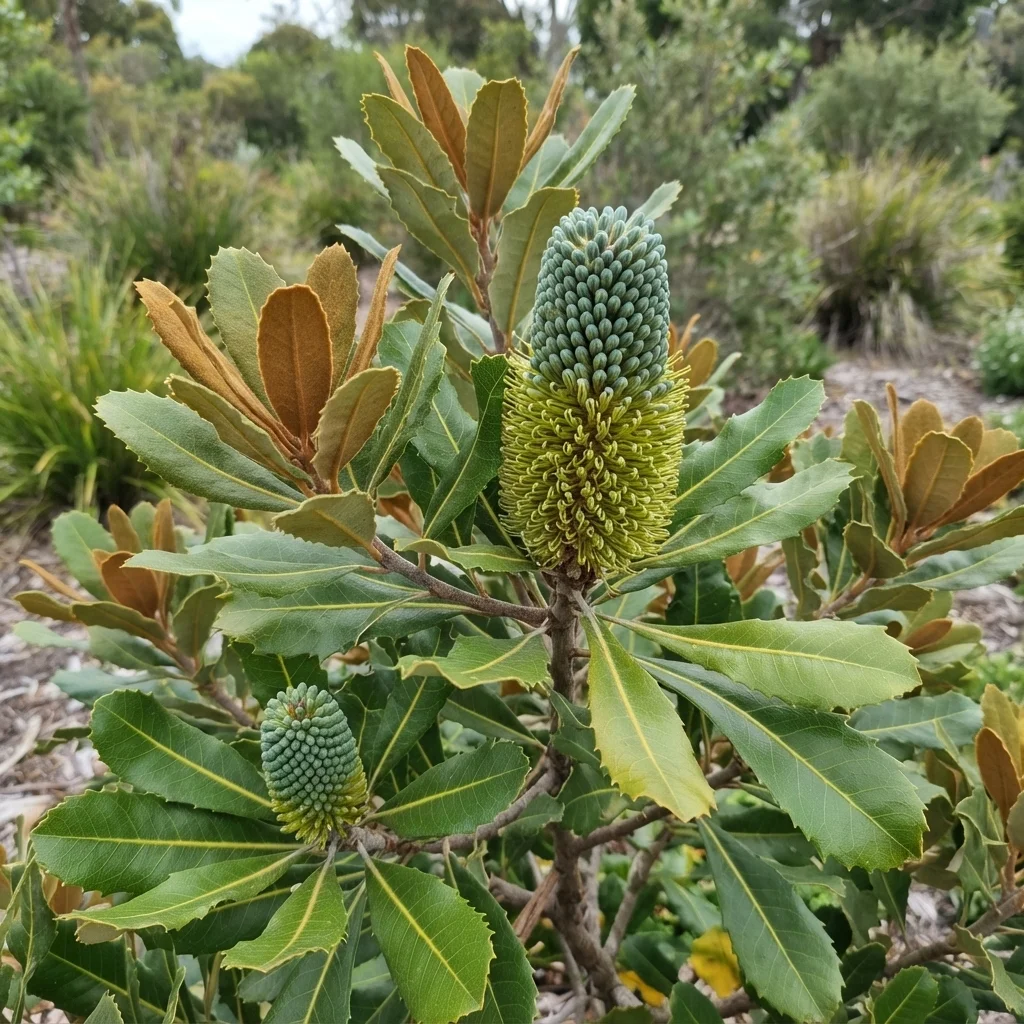
Swamp Banksia
Banksia robur
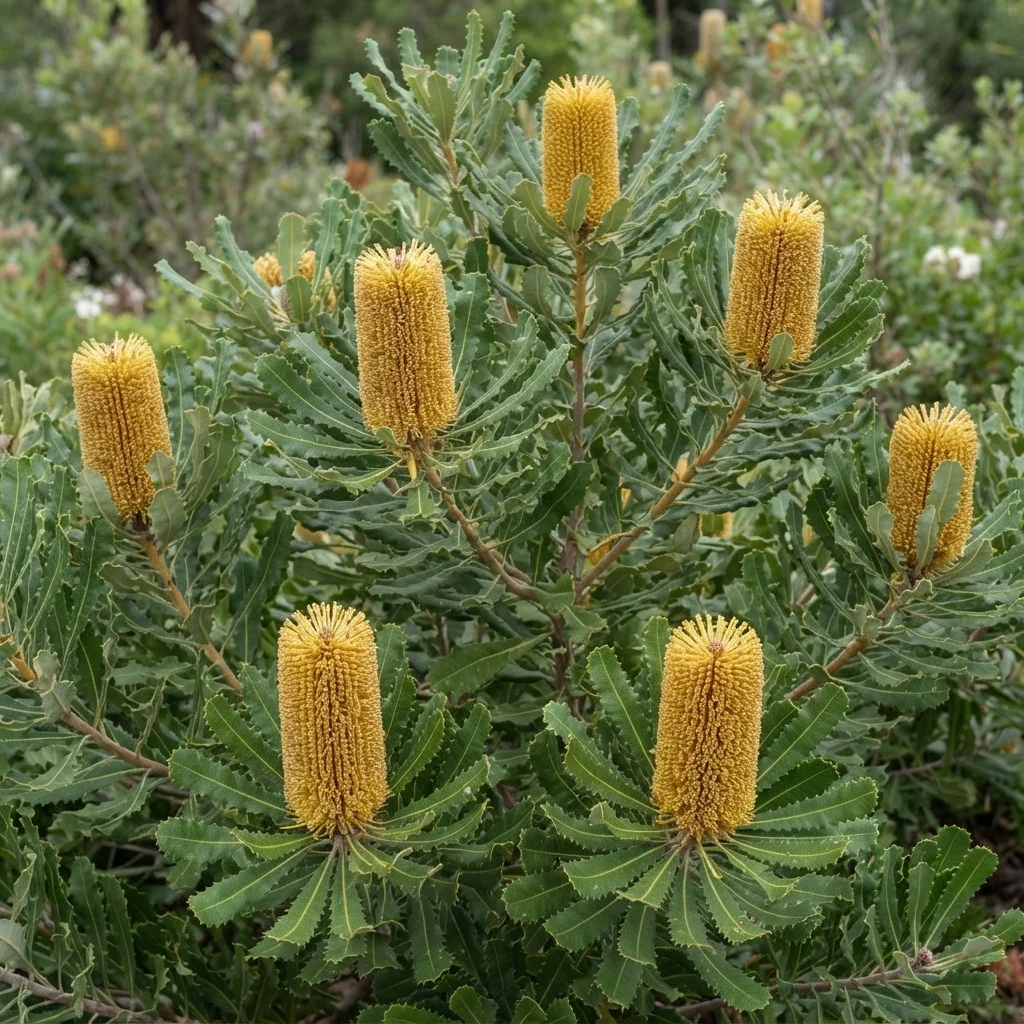
Southern Plains Banksia
Banksia media
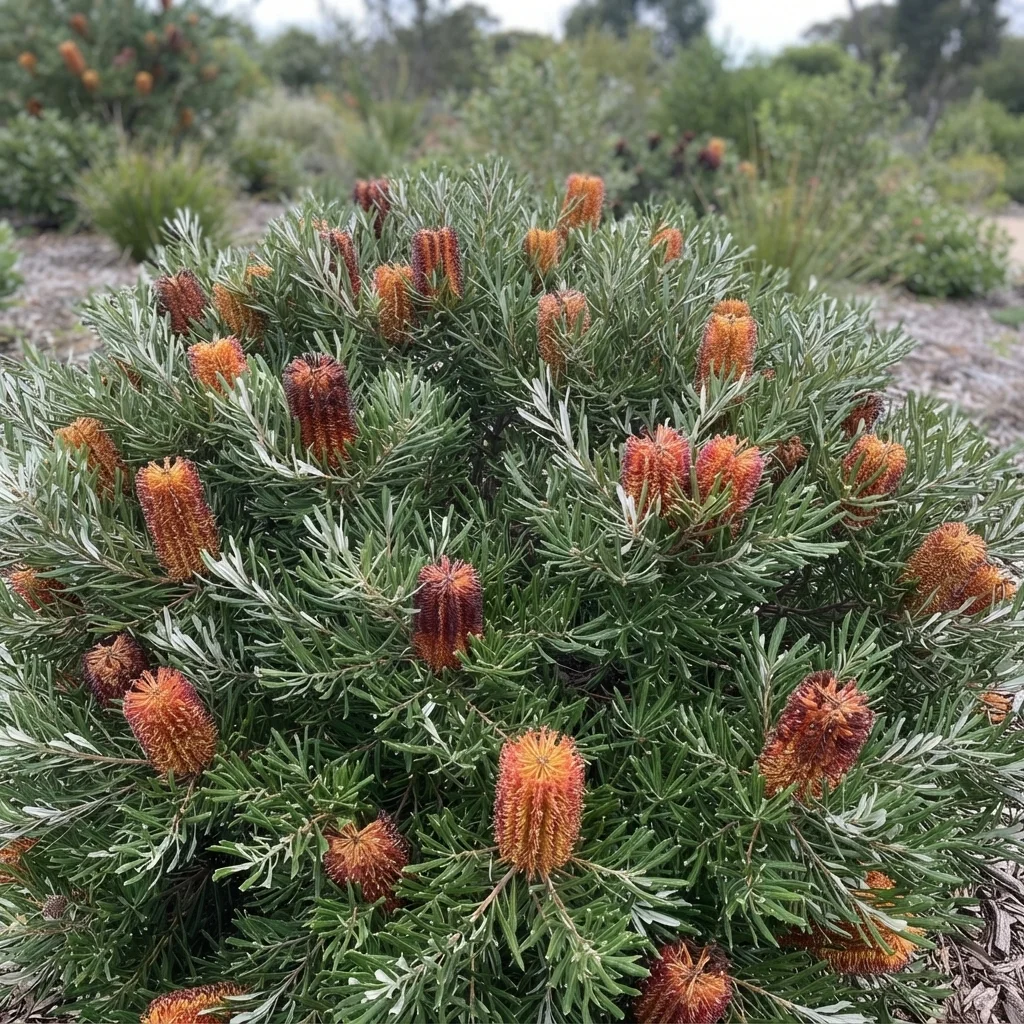
Hairpin Banksia
Banksia spinulosa 'Honeypots'
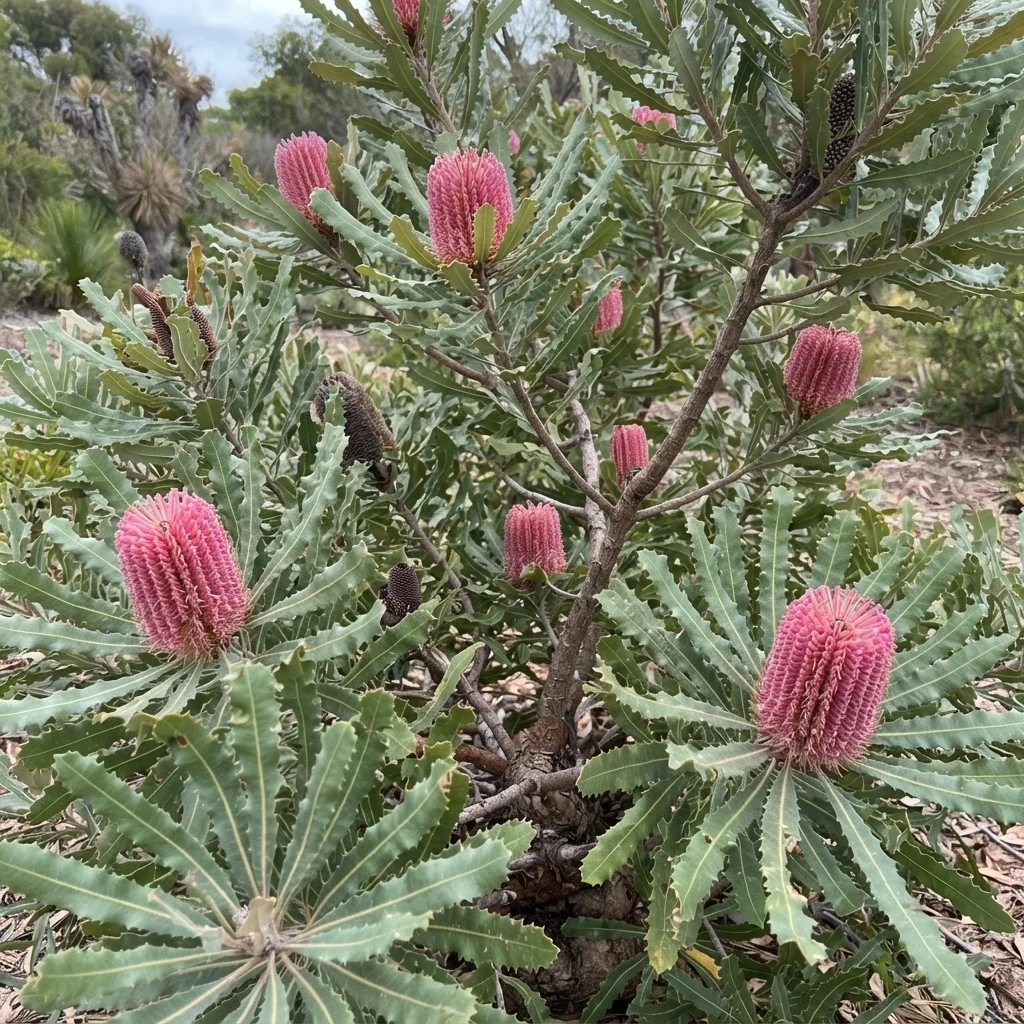
Menzies' Banksia
Banksia menziesii
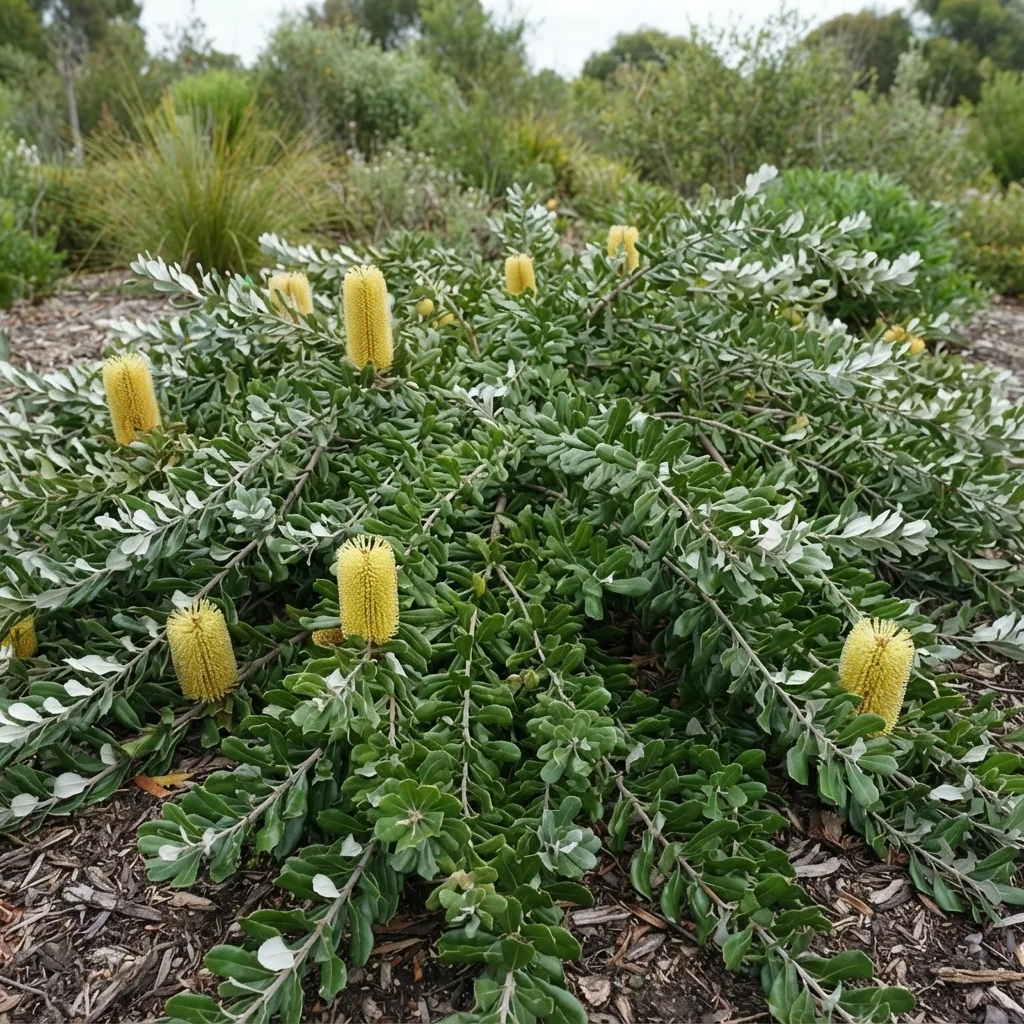
Prostrate Coast Banksia
Banksia integrifolia 'Roller Coaster'
Keep exploring
Explore the genus
Hardy in your zone?
Grow Coast Banksia with confidence
See it in a design of your actual yard, get zone-matched care reminders, and track it season by season in your garden journal.