The Story
Plant Bio
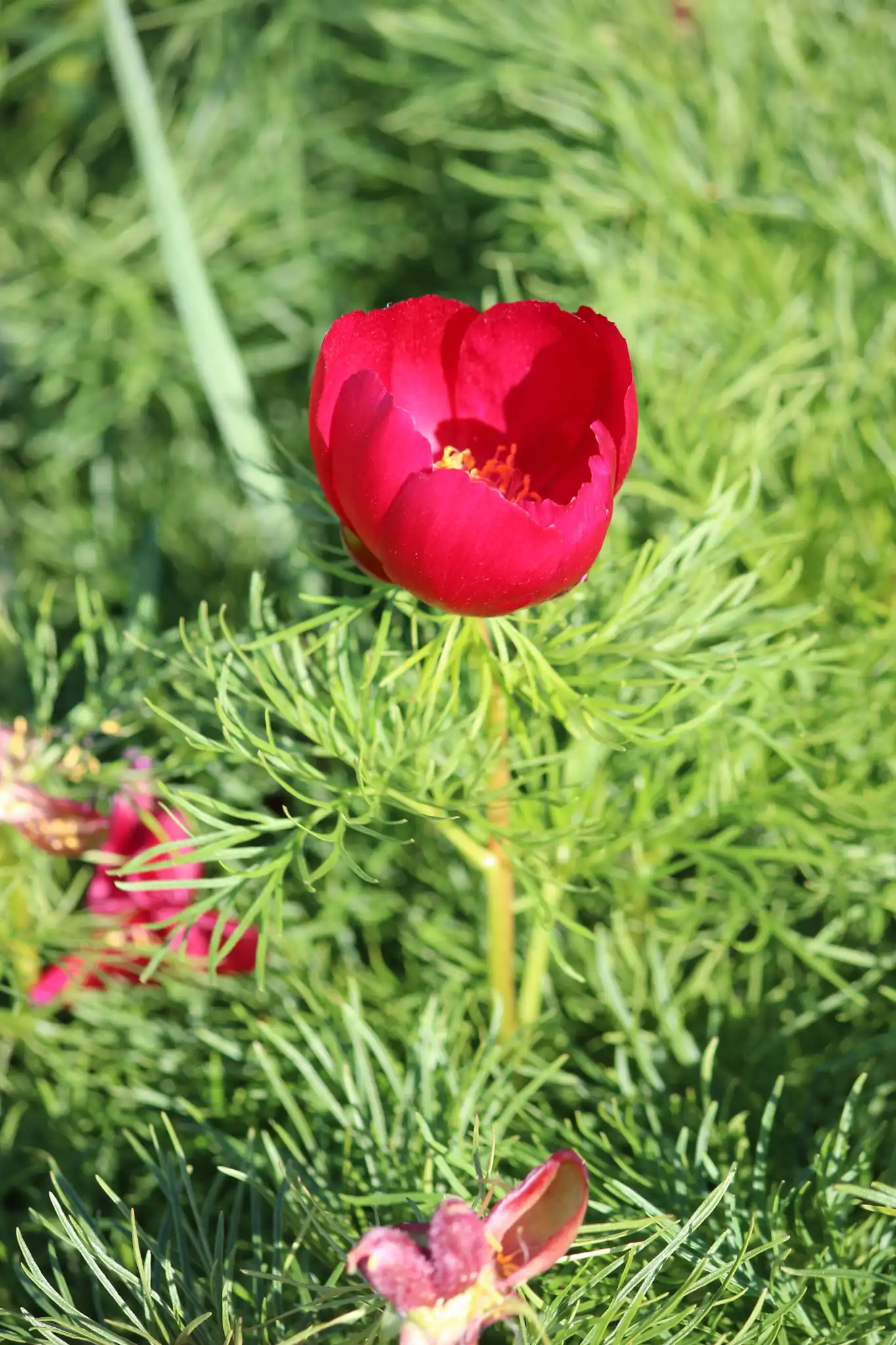
Paeonia tenuifolia is a herbaceous perennial native to the steppes of Southeastern Europe and the Caucasus, known for its distinct fine-textured foliage. It is one of the earliest peony species to bloom, producing cup-shaped, deep crimson flowers with prominent yellow centers as spring temperatures rise.
This species is distinguished by its highly dissected, needle-like leaves that resemble fennel or dill, creating a delicate texture unique among peonies. Unlike broader-leaved garden hybrids, it enters dormancy early in the summer, particularly in hot or dry climates.
Uses & Benefits:
Essentials
At a Glance
Plant Type
Perennial
Height
24"
Width
18"
Light
Full Sun
Zones
4, 5, 6, 7, 8
Water
Medium
Humidity
Low to Medium
Lifespan
Long-lived perennial (50+ years)
Native To
Southeastern Europe, Caucasus
Toxicity
Toxic to Dogs, Cats, and Horses
Bloom period
Early spring – Late spring
In flower about 3 months of the year
Planting
How to Grow
- Select a planting site in full sun with fertile, exceptionally well-drained soil.
- Dig a hole twice as wide as the root system and amend the backfill with compost to improve soil structure.
- Position the bare-root division so the pink buds, or eyes, point upward and sit exactly one to two inches below the soil surface.
- Water thoroughly to settle the soil around the roots, and apply a thin layer of mulch to protect the shallow eyes during winter.
Pro Tip
Plant bare-root divisions in early autumn, ensuring the eyes are buried no deeper than one to two inches; planting too deeply prevents the development of flower buds.
Keep It Thriving
Care Guide
Do
- Water deeply during the spring growing season to support bud development.
- Apply a low-nitrogen fertilizer in early spring as shoots emerge.
- Cut the foliage back to ground level in late autumn to prevent disease transmission.
Don't
- Do not overwater, as the tuberous roots are highly susceptible to rot in wet soils.
- Do not plant in areas shaded by large trees or competing shrubs.
- Do not move or divide established plants unless absolutely necessary, as they resent root disturbance.
Seasonal Care Calendar
| Task | Jan | Feb | Mar | Apr | May | Jun | Jul | Aug | Sep | Oct | Nov | Dec |
|---|---|---|---|---|---|---|---|---|---|---|---|---|
| Deadhead | ||||||||||||
| Fertilize | ||||||||||||
| Plant | ||||||||||||
| Spring Cleanup | ||||||||||||
| Winter Prep |
Watch Out For
Pests & Diseases
Common Pests
Common Diseases
In the Garden
Landscape Uses & Companions
Landscape Uses
Companion Plants
Multiply
Propagation Methods
Good to Know
Common Questions
Fernleaf Peony questions
What zones can Fernleaf Peony grow in?
Fernleaf Peony is hardy in USDA Zones 4–8. Inside that range it survives winter in the ground; outside it, grow it as an annual or a container plant you protect.
Is Fernleaf Peony deer resistant?
Yes — Fernleaf Peony is rated deer-resistant. Deer typically pass it over, though extreme hunger can override any plant's defenses.
When does Fernleaf Peony bloom?
Fernleaf Peony typically blooms in early spring through late spring. Exact timing shifts a week or two with your zone — Sow's bloom calendar maps it to your garden.
Does Fernleaf Peony need full sun?
Fernleaf Peony does best in full sun (6+ hours).
More Paeonia to compare
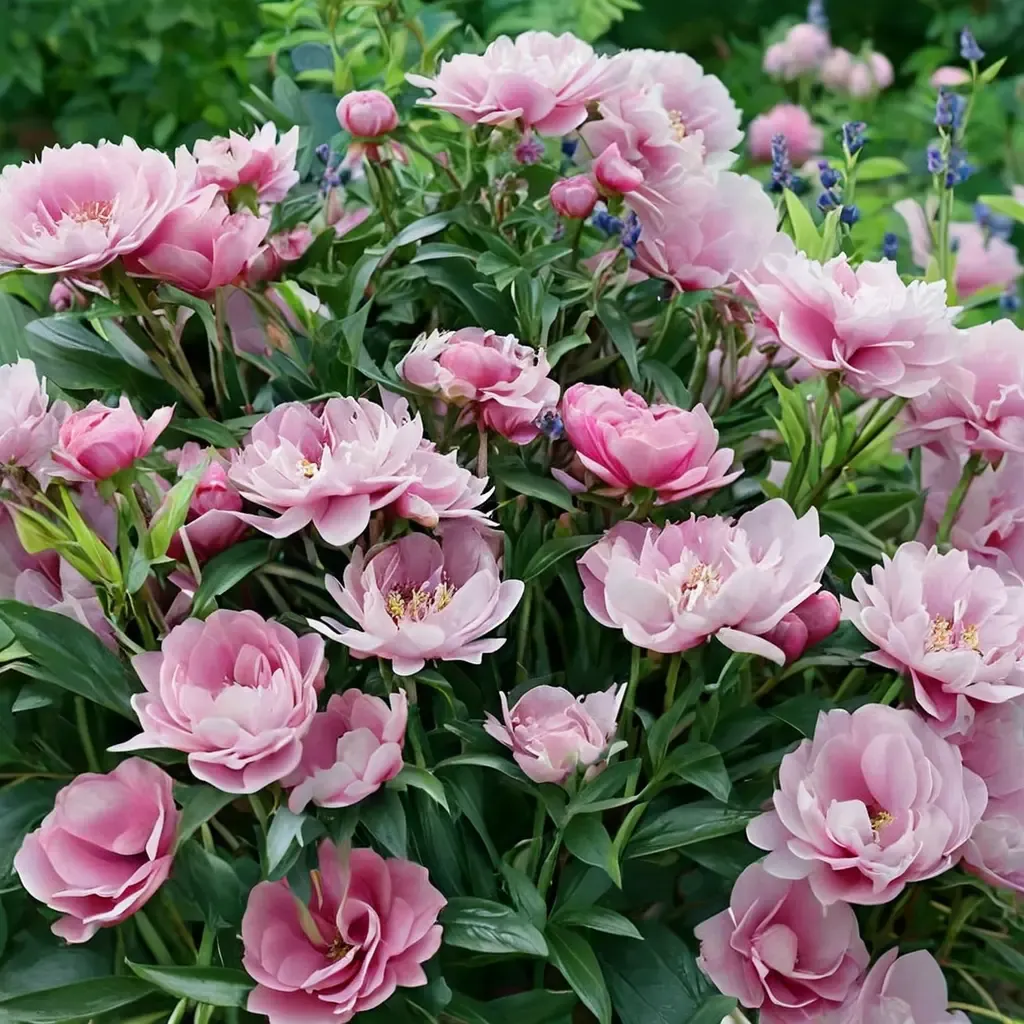
Sarah Bernhardt Peony
Paeonia lactiflora 'Sarah Bernhardt'
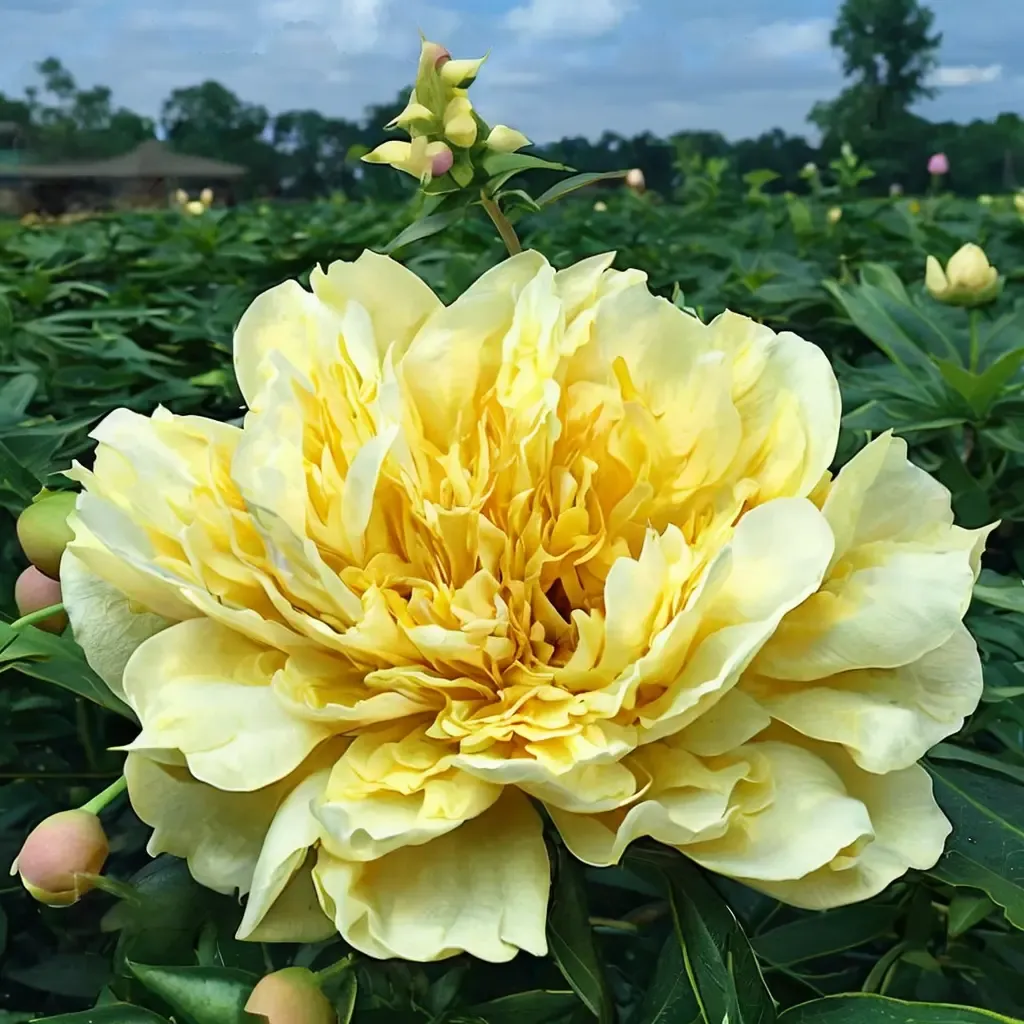
Tree Peony 'Duchesse de Lorraine'
Paeonia suffruticosa 'Duchesse de Lorraine'
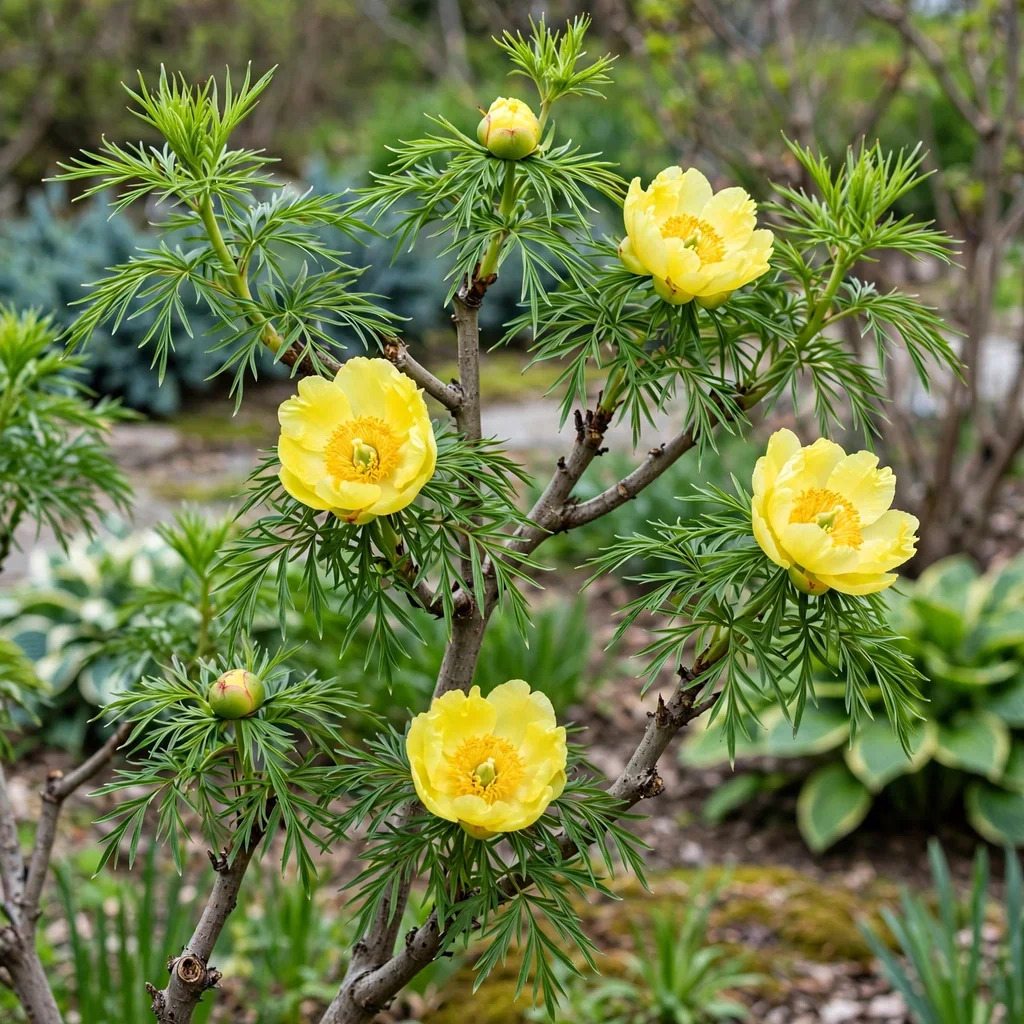
Tibetan Tree Peony
Paeonia ludlowii
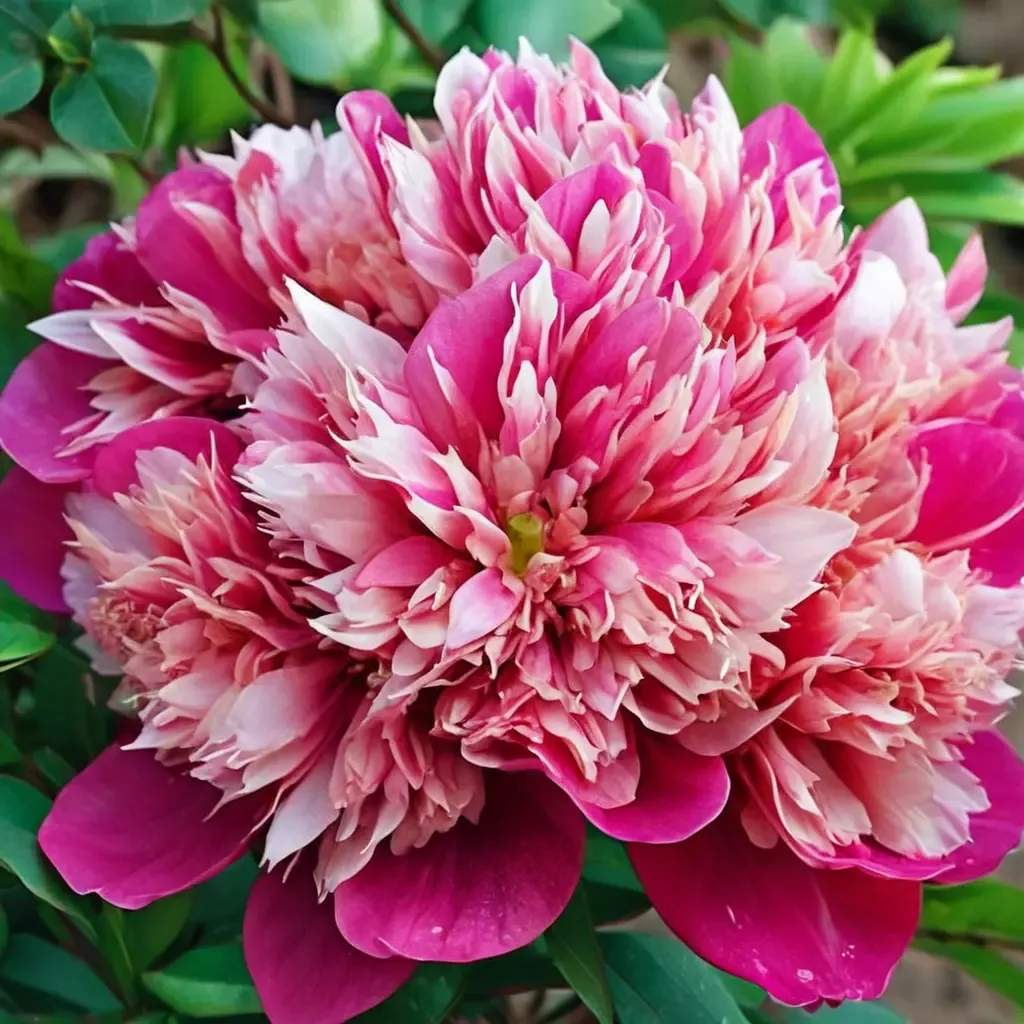
Daydream Peony
Paeonia lactiflora 'Daydream'
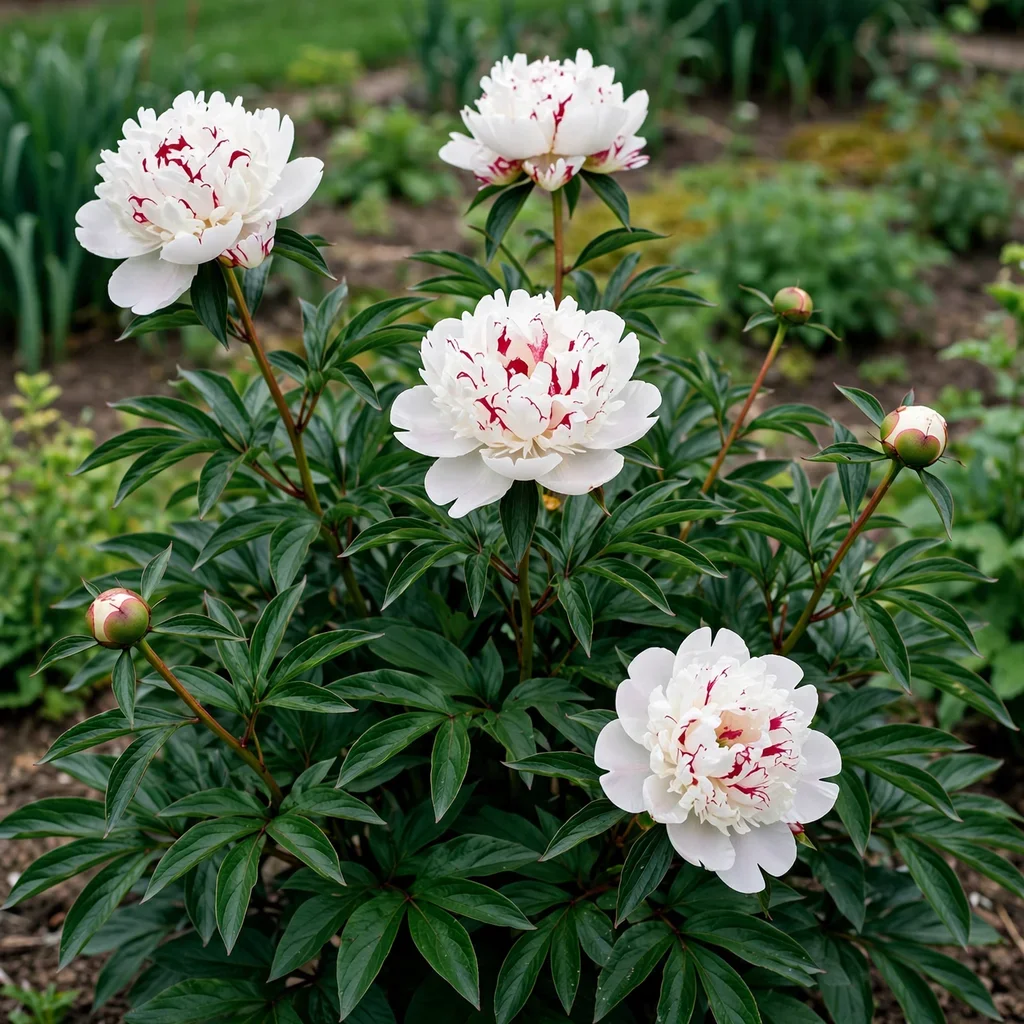
Festiva Maxima Peony Chinese Peony
Paeonia lactiflora 'Festiva Maxima'
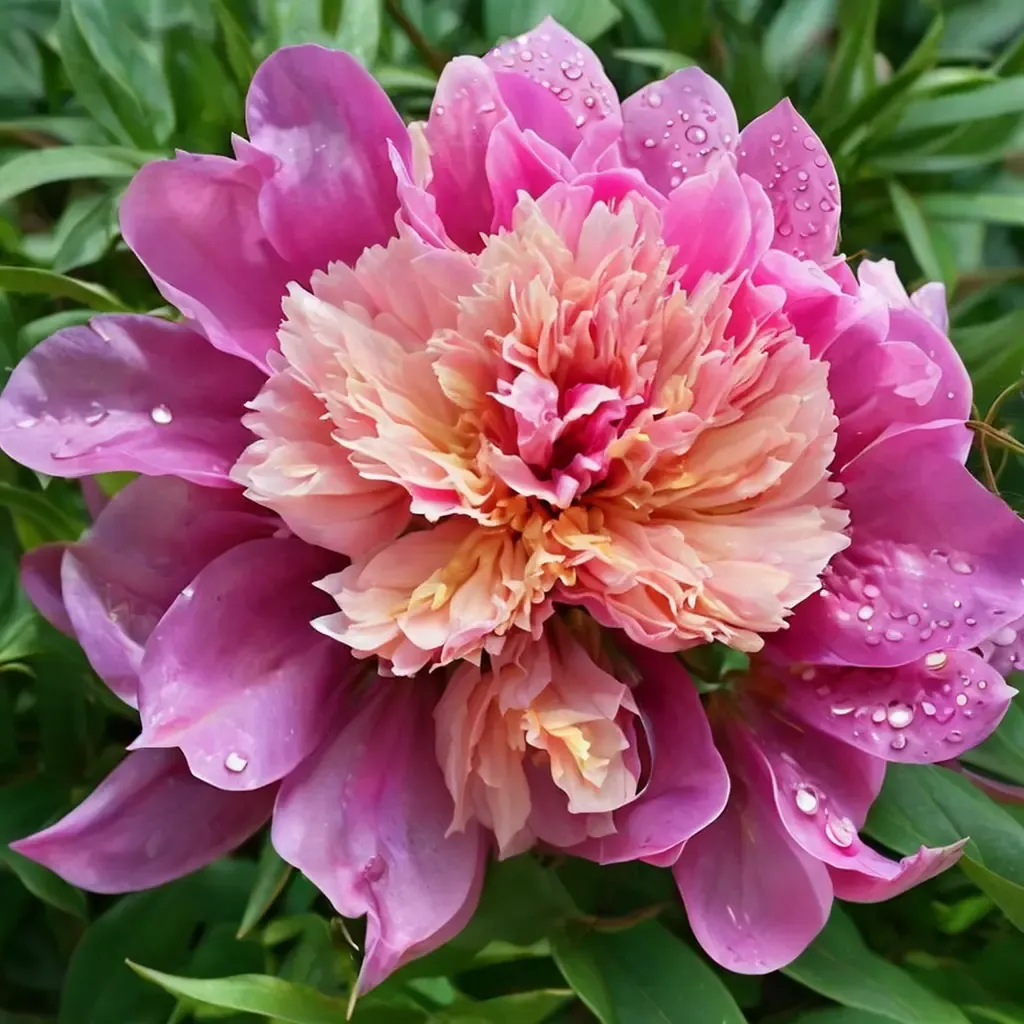
Philomele Peony
Paeonia lactiflora 'Philomele'
Keep exploring
Explore the genus
Hardy in your zone?
Grow Fernleaf Peony with confidence
See it in a design of your actual yard, get zone-matched care reminders, and track it season by season in your garden journal.