The Story
Plant Bio
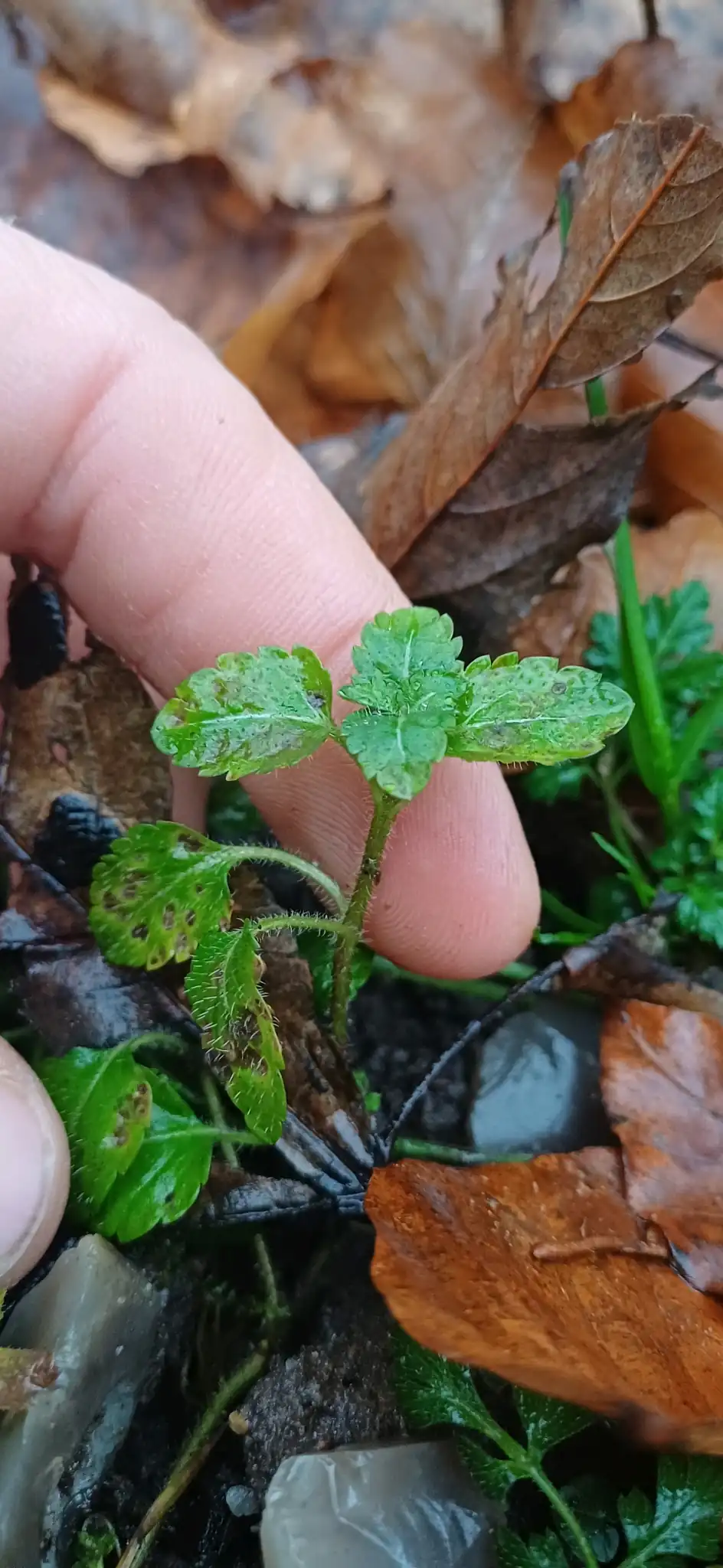
Veronica montana, the wood speedwell, is a low-growing, mat-forming herbaceous perennial native to European woodlands. It spreads via slender, trailing stems that root at the nodes, producing soft-textured, coarsely-toothed green leaves and loose clusters of tiny, pale blue or lilac flowers from spring to early summer.
The species is distinguished by its prostrate, creeping habit and preference for deep, moist shade, unlike its upright, sun-loving relatives. The variegated cultivar 'Corrine Tremaine' offers a more compact form with creamy-white leaf margins surrounding green centers.
Uses & Benefits:
Essentials
At a Glance
Plant Type
Groundcover
Height
6"
Width
18"
Light
Partial Sun, Shade
Zones
4, 5, 6, 7, 8
Water
Consistent moisture
Humidity
Moderate to high
Lifespan
Perennial
Native To
Europe, Turkey, Northwest Africa
Toxicity
Non-toxic
Bloom period
Spring – Early summer
In flower about 4 months of the year
Planting
How to Grow
- Select a planting site in partial to full shade with humus-rich, moist, and well-drained soil.
- Incorporate generous amounts of compost or leaf mold into the planting area to improve moisture retention.
- Space starter plugs or bare-root plants 12 to 18 inches apart to allow the trailing stems room to spread.
- Water consistently to maintain even soil moisture, ensuring the ground never dries out completely.
Pro Tip
Never prune hard into old, leafless woody stems, as they lack the capacity to regenerate new growth.
Keep It Thriving
Care Guide
Do
- Keep the soil consistently moist, especially during hot summer spells.
- Apply an annual top-dressing of well-rotted leaf mold or compost in early spring.
- Divide congested mats every three to four years in early spring or fall to maintain vigor.
Don't
- Do not plant in hot, dry, full-sun locations where the foliage will scorch.
- Avoid heavy, poorly drained clay soils that cause waterlogging and root rot.
- Never shear the plant back into old, bare stems that have lost their leaves.
Seasonal Care Calendar
| Task | Jan | Feb | Mar | Apr | May | Jun | Jul | Aug | Sep | Oct | Nov | Dec |
|---|---|---|---|---|---|---|---|---|---|---|---|---|
| Divide | ||||||||||||
| Fertilize | ||||||||||||
| Pest Check | ||||||||||||
| Prune |
Watch Out For
Pests & Diseases
Common Pests
Common Diseases
In the Garden
Landscape Uses & Companions
Landscape Uses
Companion Plants
Multiply
Propagation Methods
Good to Know
Common Questions
Wood Speedwell questions
What zones can Wood Speedwell grow in?
Wood Speedwell is hardy in USDA Zones 4–8. Inside that range it survives winter in the ground; outside it, grow it as an annual or a container plant you protect.
Is Wood Speedwell deer resistant?
Not reliably. Deer may browse Wood Speedwell, especially tender spring growth — plan on repellents or fencing where pressure is high.
When does Wood Speedwell bloom?
Wood Speedwell typically blooms in spring through early summer. Exact timing shifts a week or two with your zone — Sow's bloom calendar maps it to your garden.
Does Wood Speedwell need full sun?
Wood Speedwell does best in part shade.
More Veronica to compare
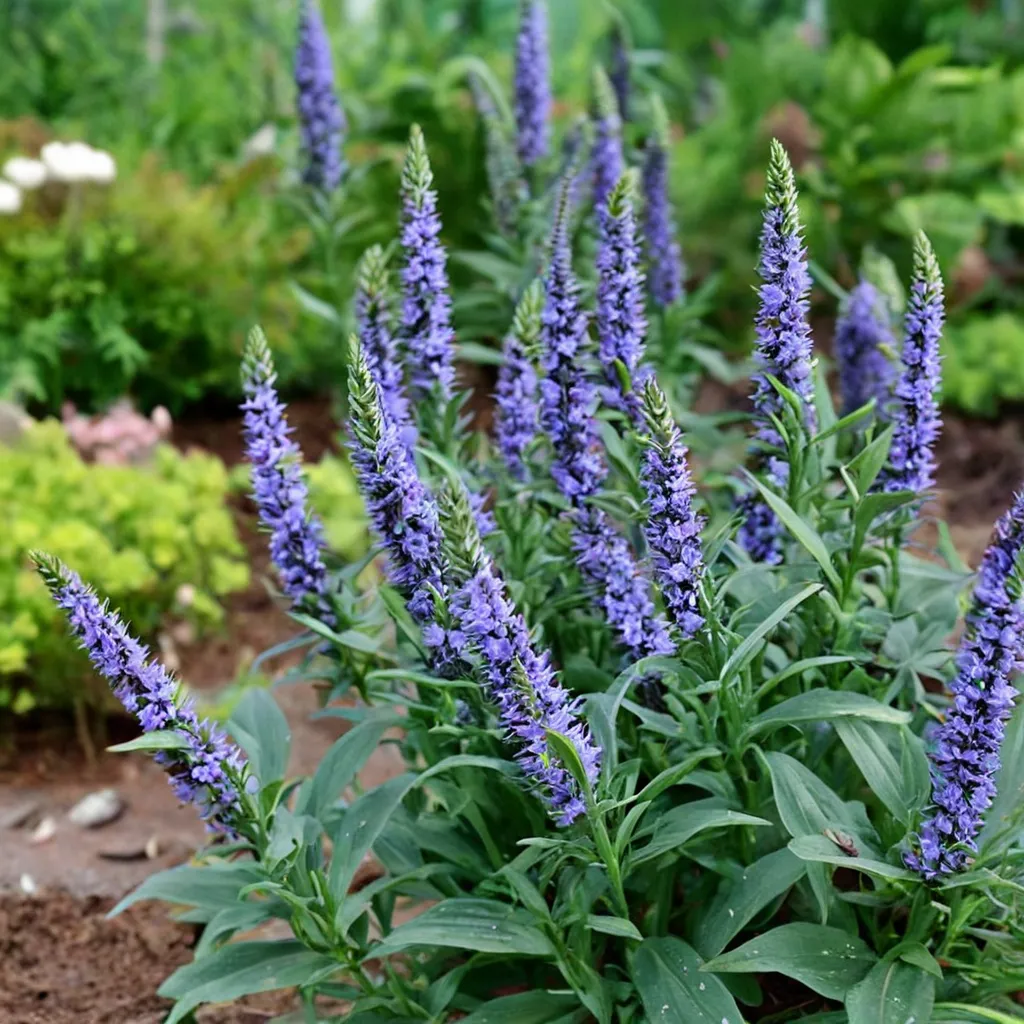
Moody Blues Sky Blue Veronica
Veronica spicata 'Moody Blues Sky Blue'
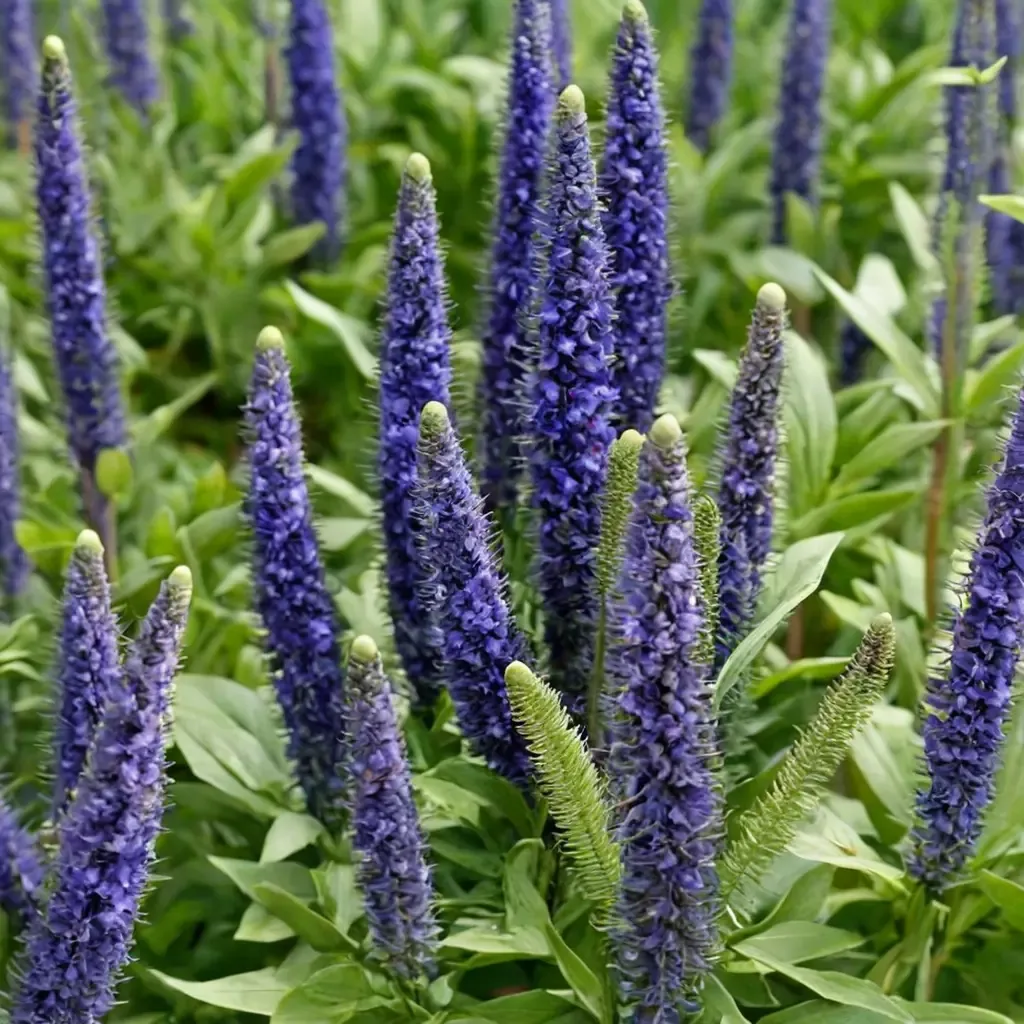
Royal Candles Speedwell
Veronica spicata 'Royal Candles'
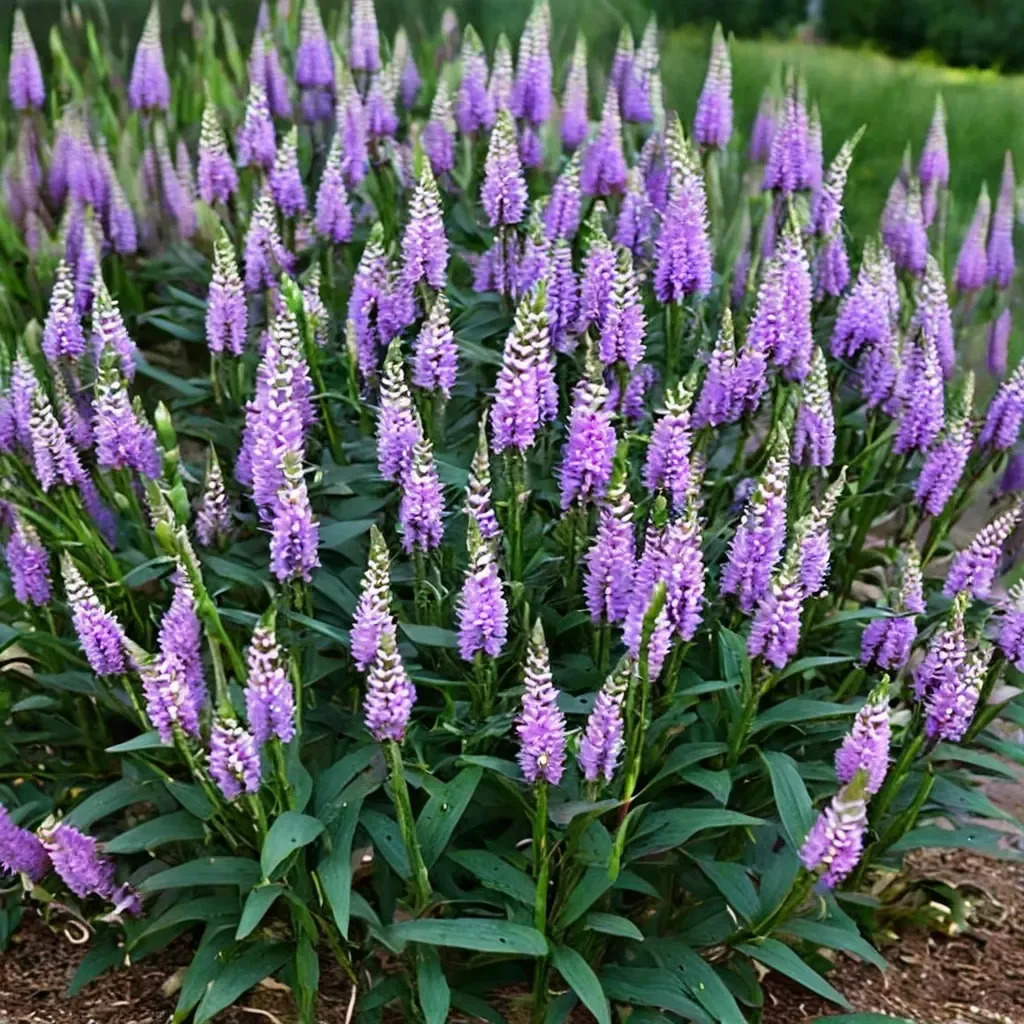
Lavender Lightsaber Speedwell
Veronica spicata 'Lavender Lightsaber'
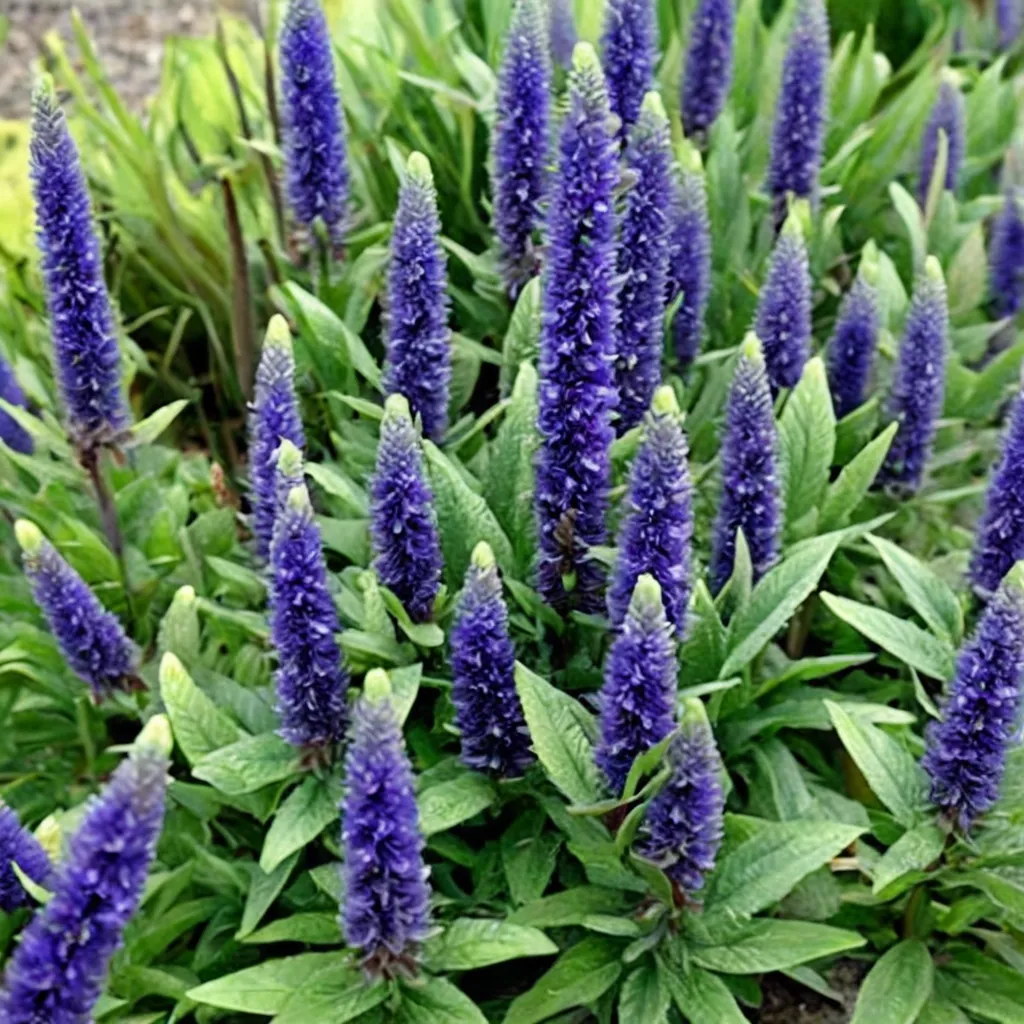
Royal Candles Spike Speedwell
Veronica spicata 'Glory'
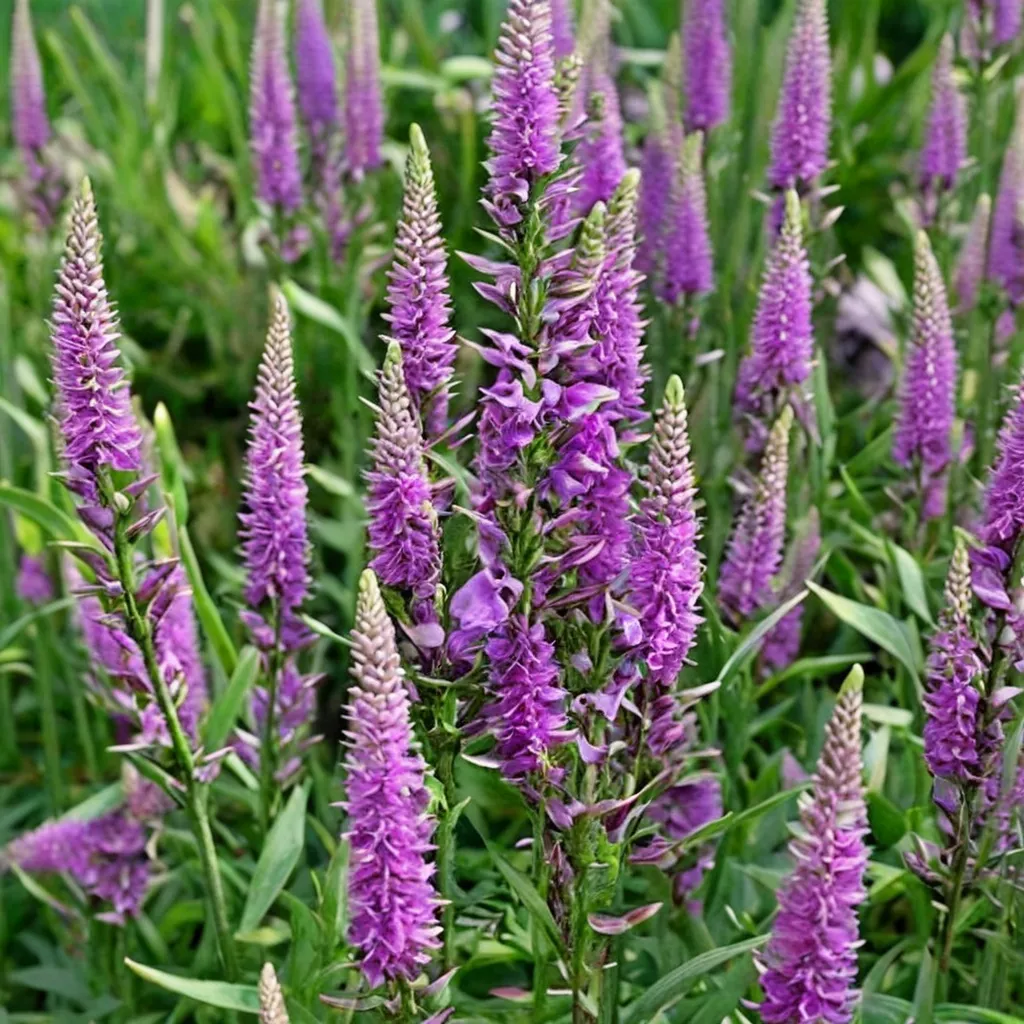
Longifolia Veronica Eveline
Veronica longifolia 'Eveline'
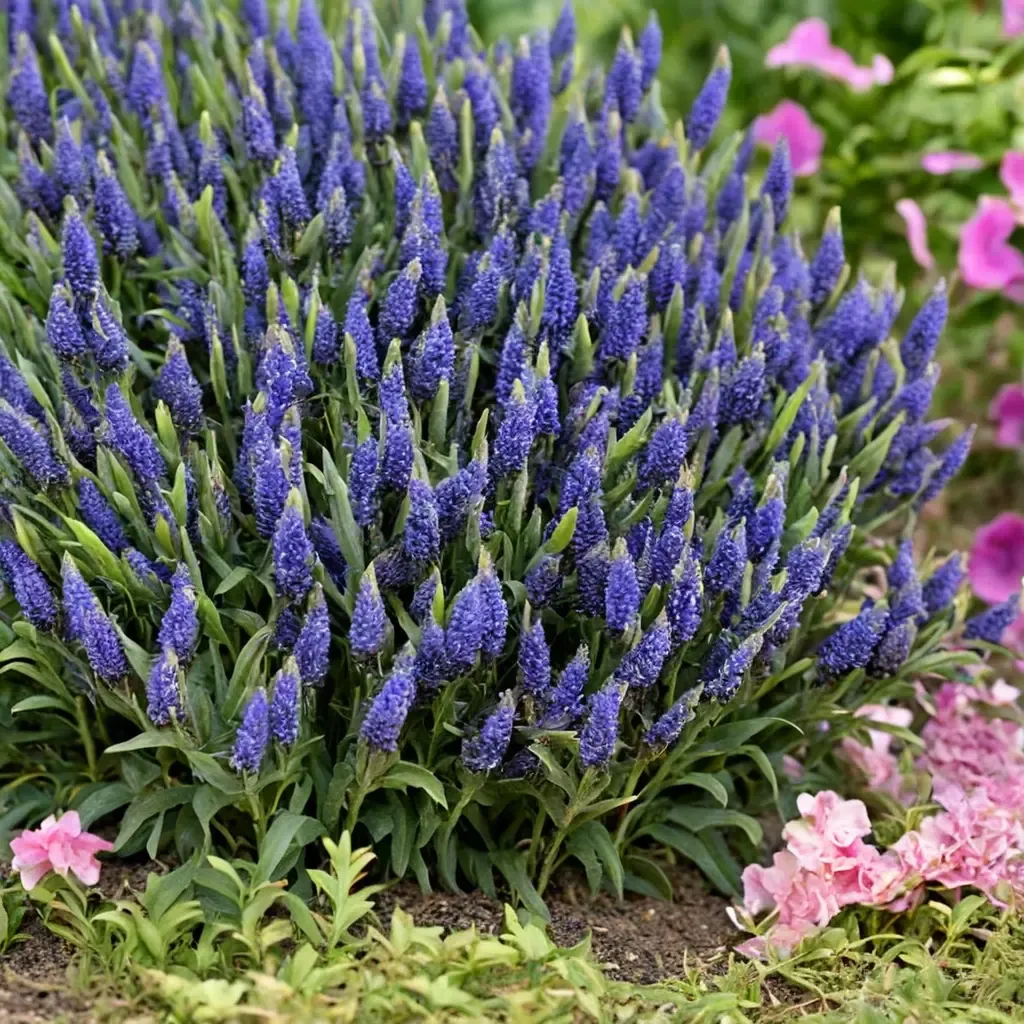
Wizard of Ahhs Speedwell
Veronica spicata 'Wizard Of Ahhs'
Keep exploring
Explore the genus
Hardy in your zone?
Grow Wood Speedwell with confidence
See it in a design of your actual yard, get zone-matched care reminders, and track it season by season in your garden journal.