1 named cultivar
The Story
Plant Bio
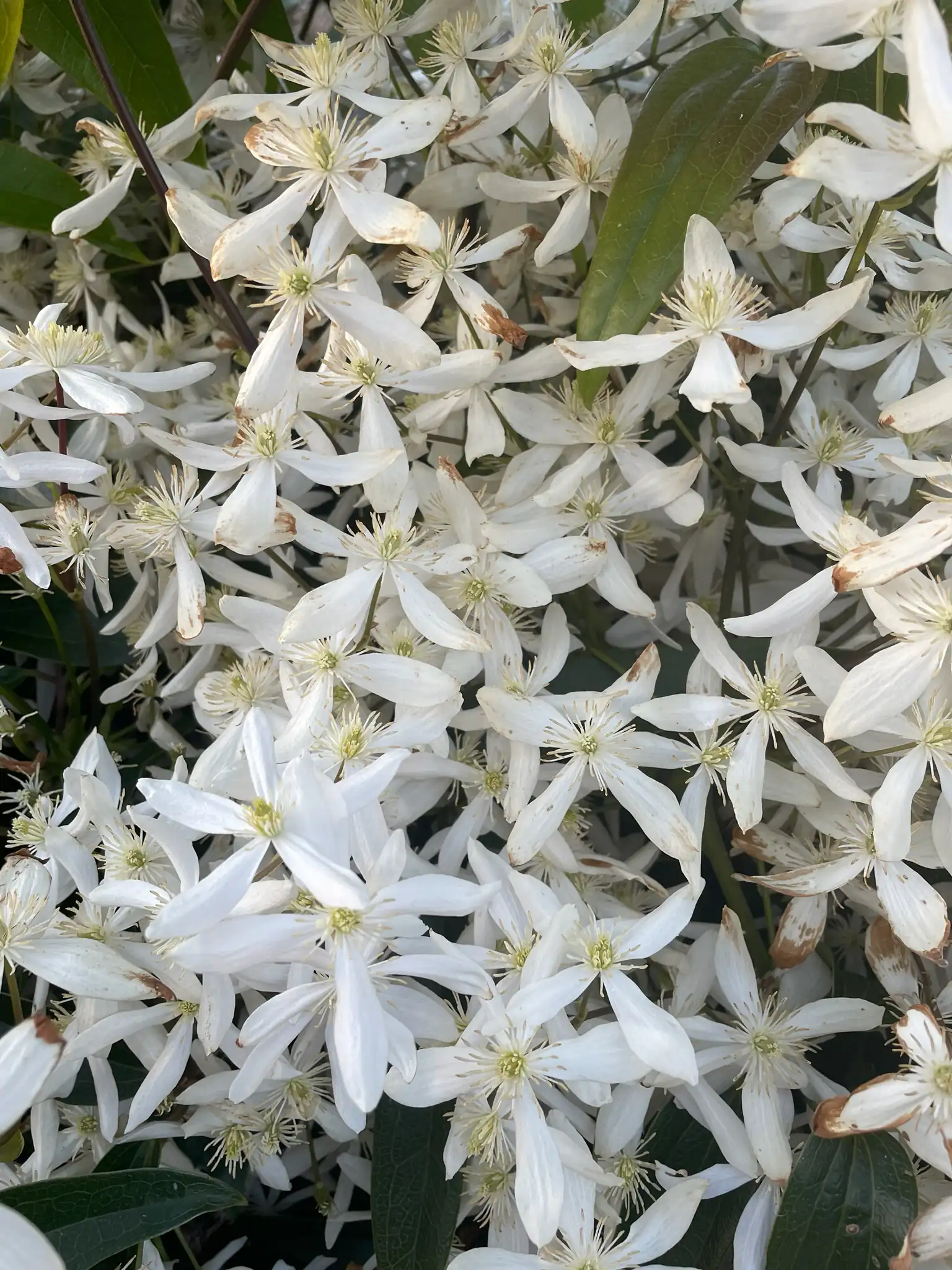
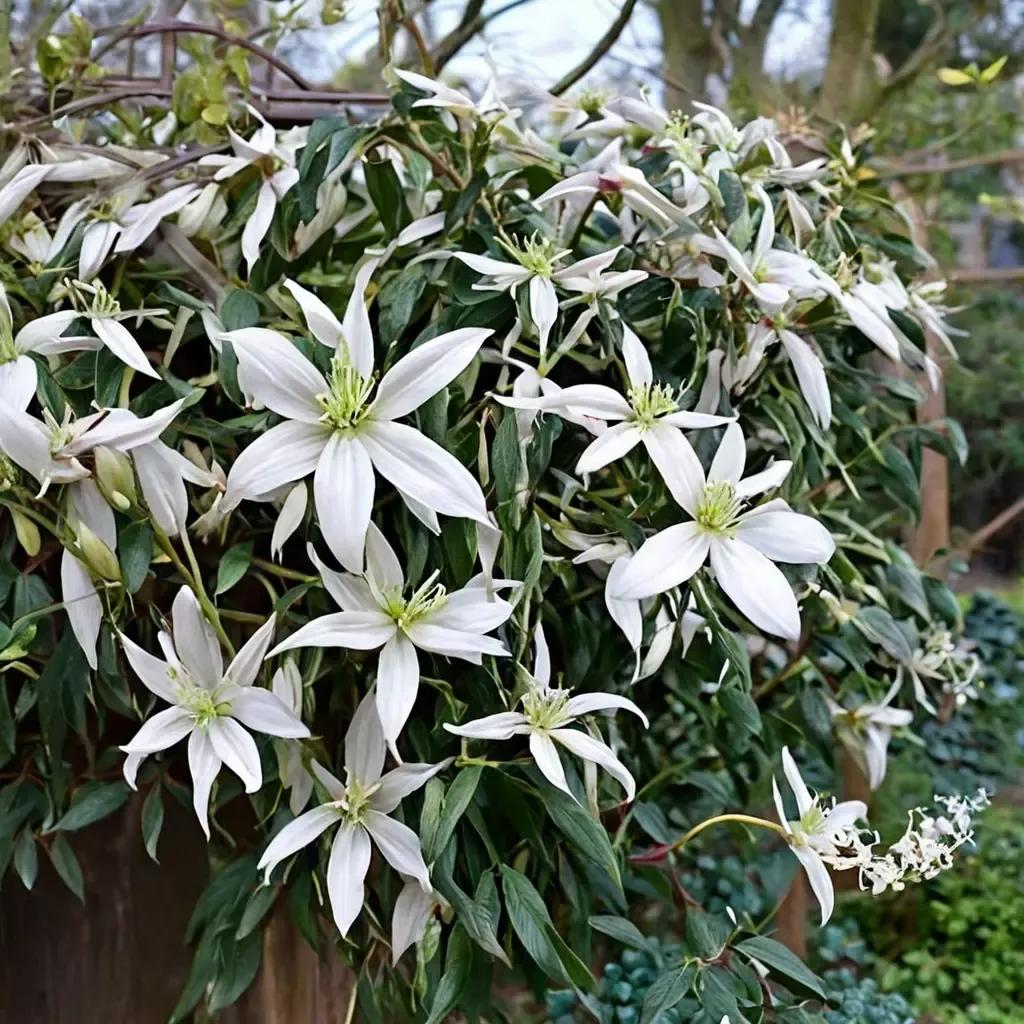
Clematis armandii, Armand clematis, is a vigorous broadleaf evergreen climber from central and southern China, reaching fifteen to thirty feet. Long leathery three-parted leaves hang in dark glossy curtains from twining stems, and masses of small white star-shaped flowers open in early spring with a strong vanilla-almond scent.
It is one of very few evergreen clematis, so it screens all year rather than only in summer — but it is heavy, and a mature plant will pull down a flimsy trellis. Give it a solid support from the start. It flowers on the previous year's wood, so prune within a few weeks of flowering, and cut only lightly: it resents hard pruning and can be slow to recover.
Uses & Benefits:
Essentials
At a Glance
Plant Type
Vine
Height
270"
Width
150"
Light
Full Sun, Partial Sun
Zones
7, 8, 9, 10
Water
Moderate
Humidity
Moderate
Lifespan
Perennial
Native To
Central and southern China to northern Myanmar
Toxicity
Sap blisters skin; toxic if chewed
Planting
How to Grow
- Provide a genuinely solid support; it gets heavy.
- Plant in full sun to partial shade in drained soil.
- Shelter it from cold drying winds, which brown the leaves.
- Prune within weeks of flowering, and only lightly.
- Mulch the root area to keep it cool.
- Wear gloves when pruning; the sap blisters skin.
Pro Tip
A mature plant is genuinely heavy — build the support for a small tree, not for a clematis, before you plant it.
Keep It Thriving
Care Guide
Do
- Build a solid, load-bearing support 🏗️
- Prune lightly right after flowering ✂️
- Shelter it from cold wind 🌬️
- Wear gloves when cutting it 🧤
Don't
- Grow it on a light trellis ❌
- Prune it hard ❌
- Prune it in late winter ❌
Seasonal Care Calendar
| Task | Jan | Feb | Mar | Apr | May | Jun | Jul | Aug | Sep | Oct | Nov | Dec |
|---|---|---|---|---|---|---|---|---|---|---|---|---|
| Enjoy | ||||||||||||
| Prune |
Watch Out For
Pests & Diseases
Common Pests
Common Diseases
In the Garden
Landscape Uses & Companions
Landscape Uses
Companion Plants
Multiply
Propagation Methods
Good to Know
Common Questions
Clematis questions
What zones can Clematis grow in?
Clematis is hardy in USDA Zones 7–10. Inside that range it survives winter in the ground; outside it, grow it as an annual or a container plant you protect.
Is Clematis deer resistant?
Yes — Clematis is rated deer-resistant. Deer typically pass it over, though extreme hunger can override any plant's defenses.
When does Clematis bloom?
Clematis typically blooms in early spring through mid-spring. Exact timing shifts a week or two with your zone — Sow's bloom calendar maps it to your garden.
Does Clematis need full sun?
Clematis does best in full sun to part shade. In hot climates, afternoon shade keeps blooms fresher longer.
More Clematis to compare
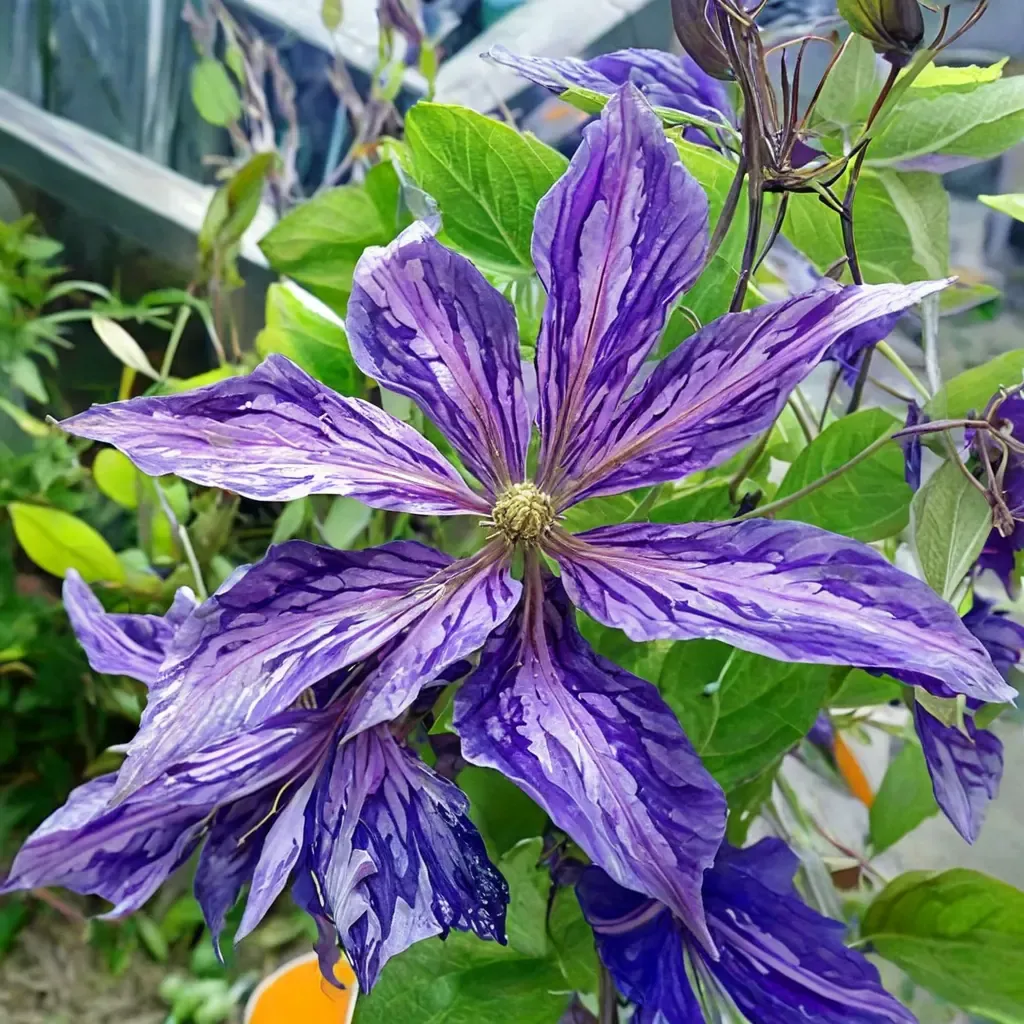
Tie Dye Clematis
Clematis viticella 'Tie Dye'
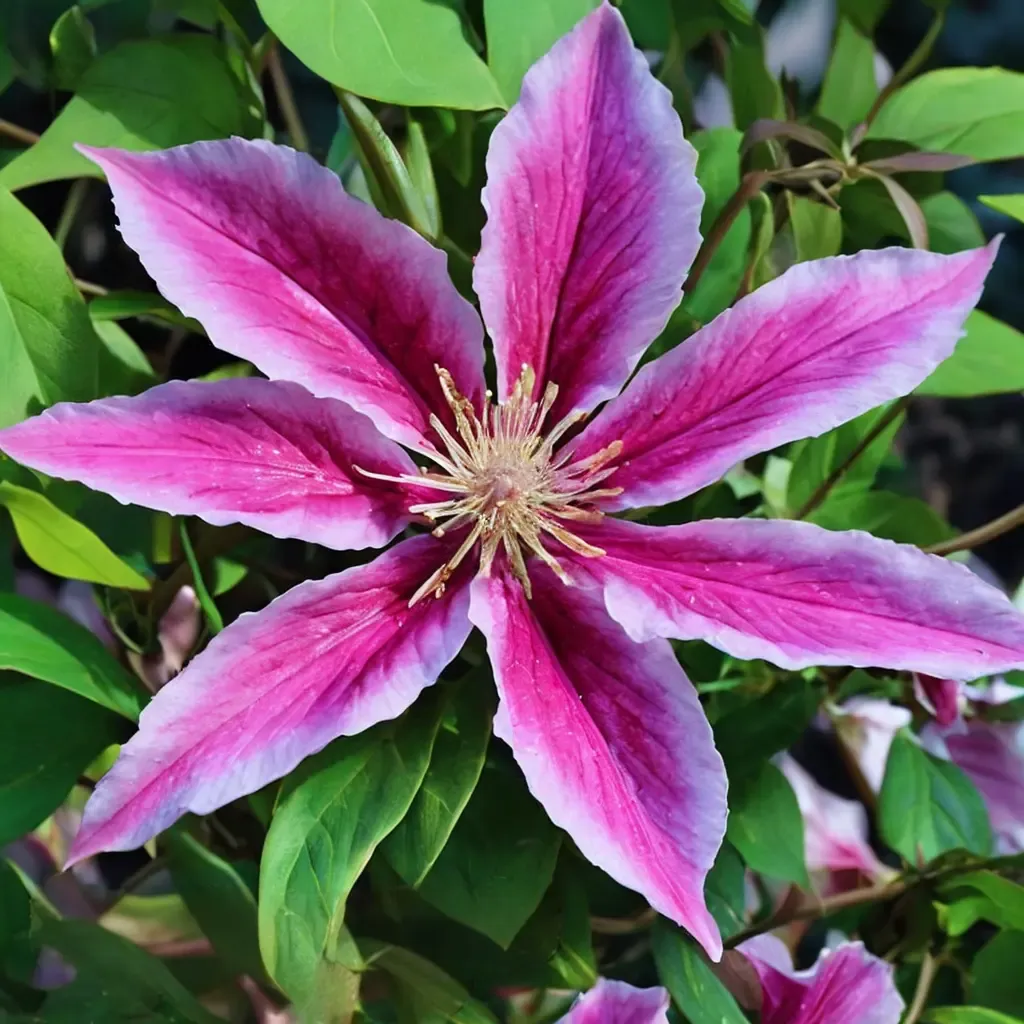
Dr. Ruppel Clematis
Clematis x jackmanii 'Dr Ruppel'
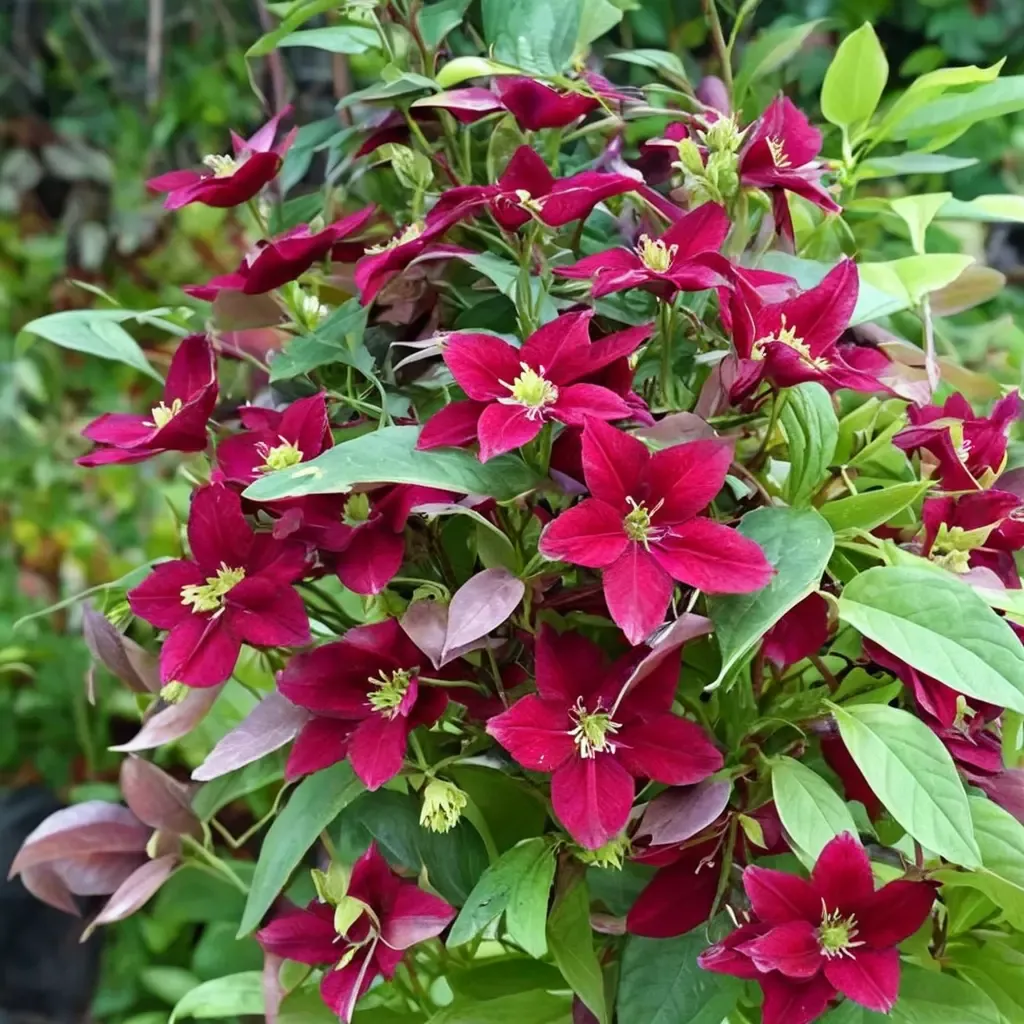
Burning Love Clematis
Clematis x cartmanii 'Burning Love'
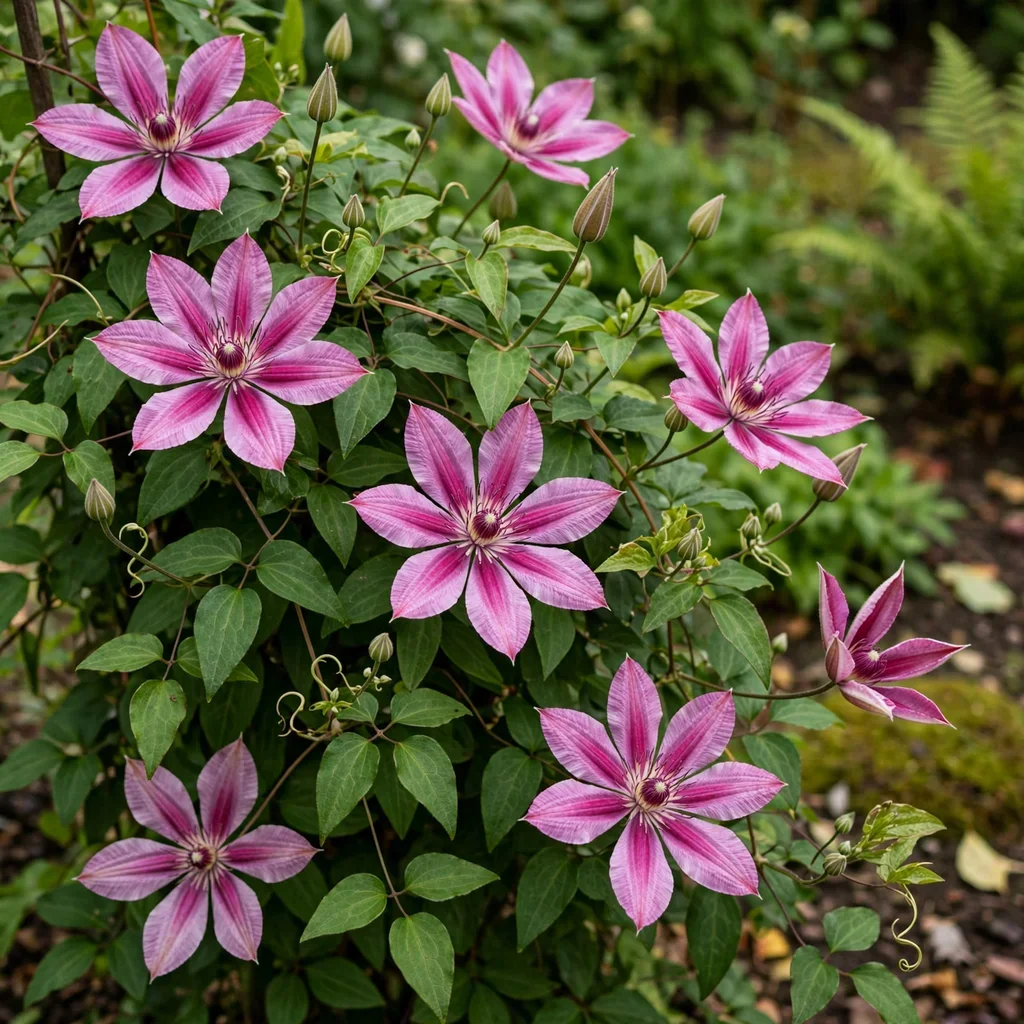
Yuan Clematis
Clematis viticella 'Yuan'
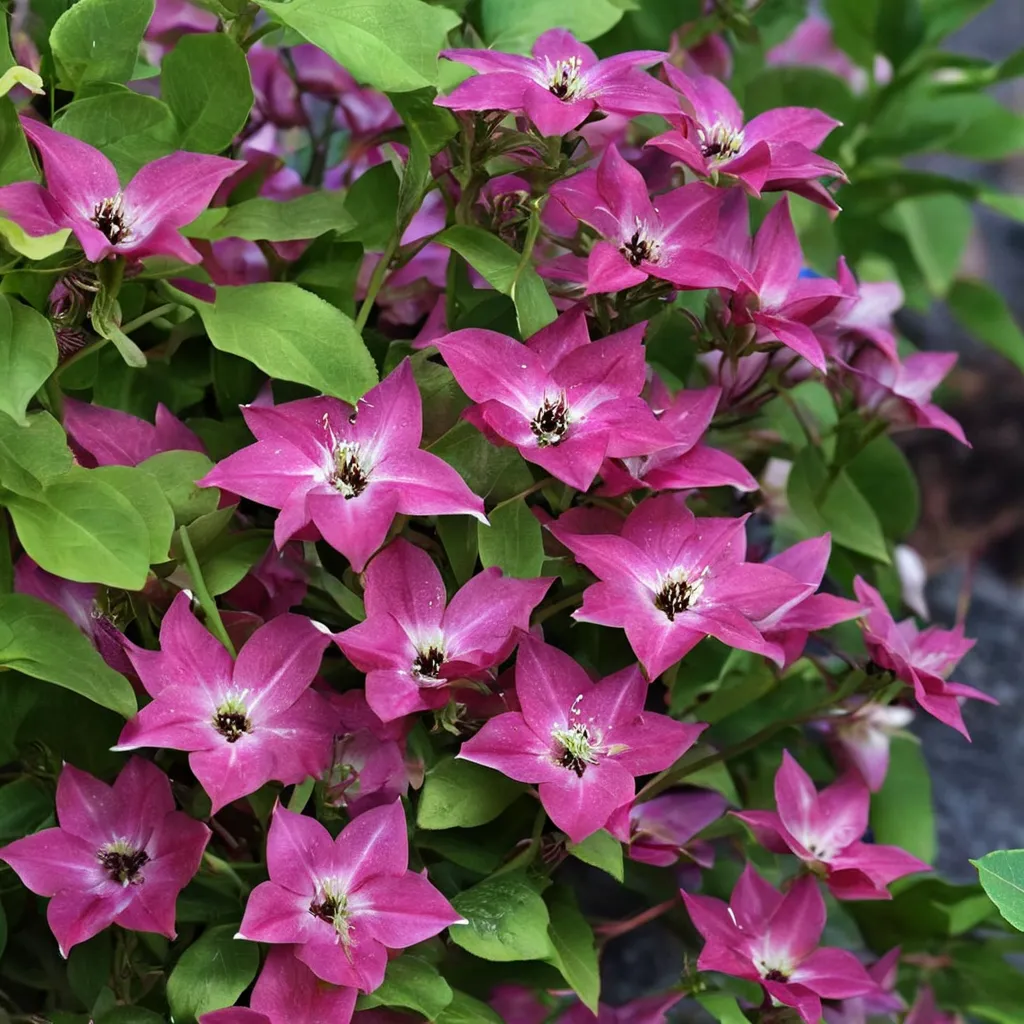
Viva Polonia Clematis
Clematis x hybrida 'Viva Polonia'
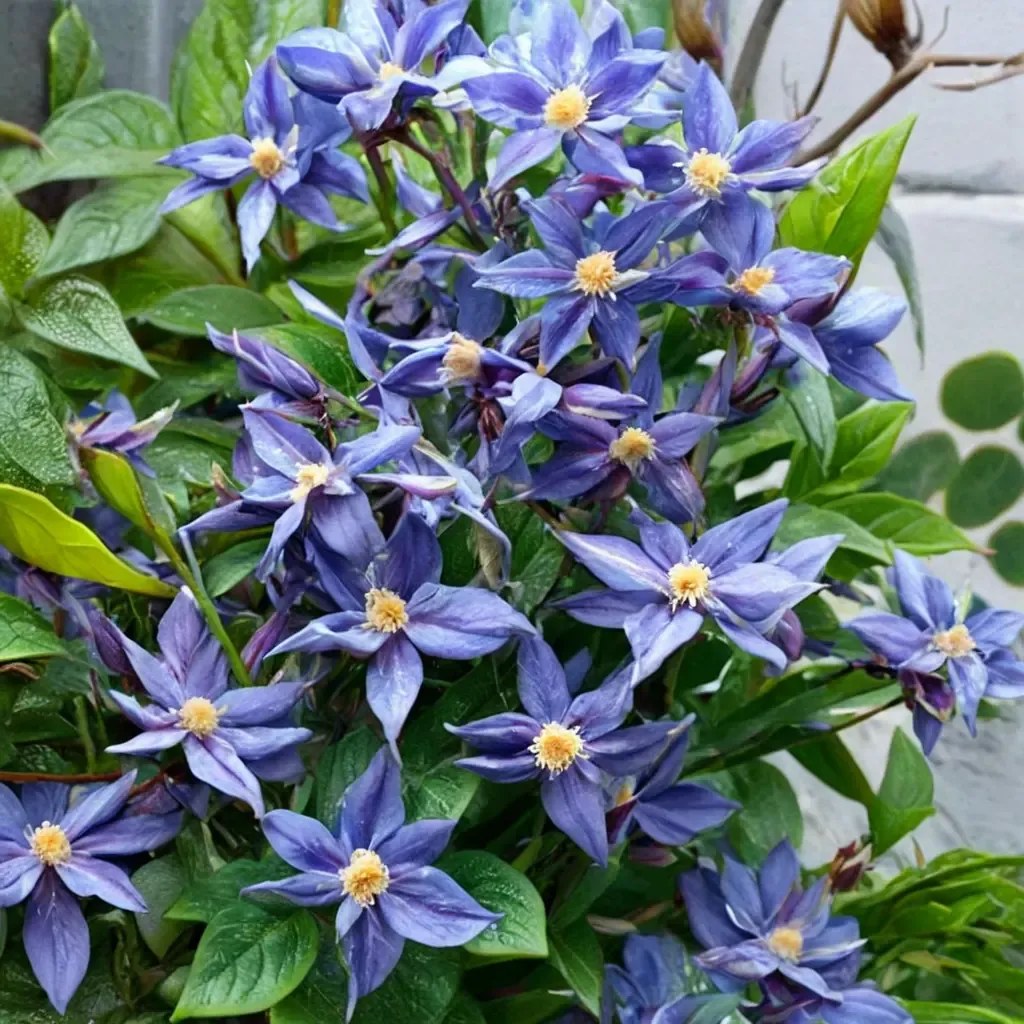
Tsukiko Clematis
Clematis x durandii 'Tsukiko'
Keep exploring
Explore the genus
Hardy in your zone?
Grow Clematis with confidence
See it in a design of your actual yard, get zone-matched care reminders, and track it season by season in your garden journal.