The Story
Plant Bio
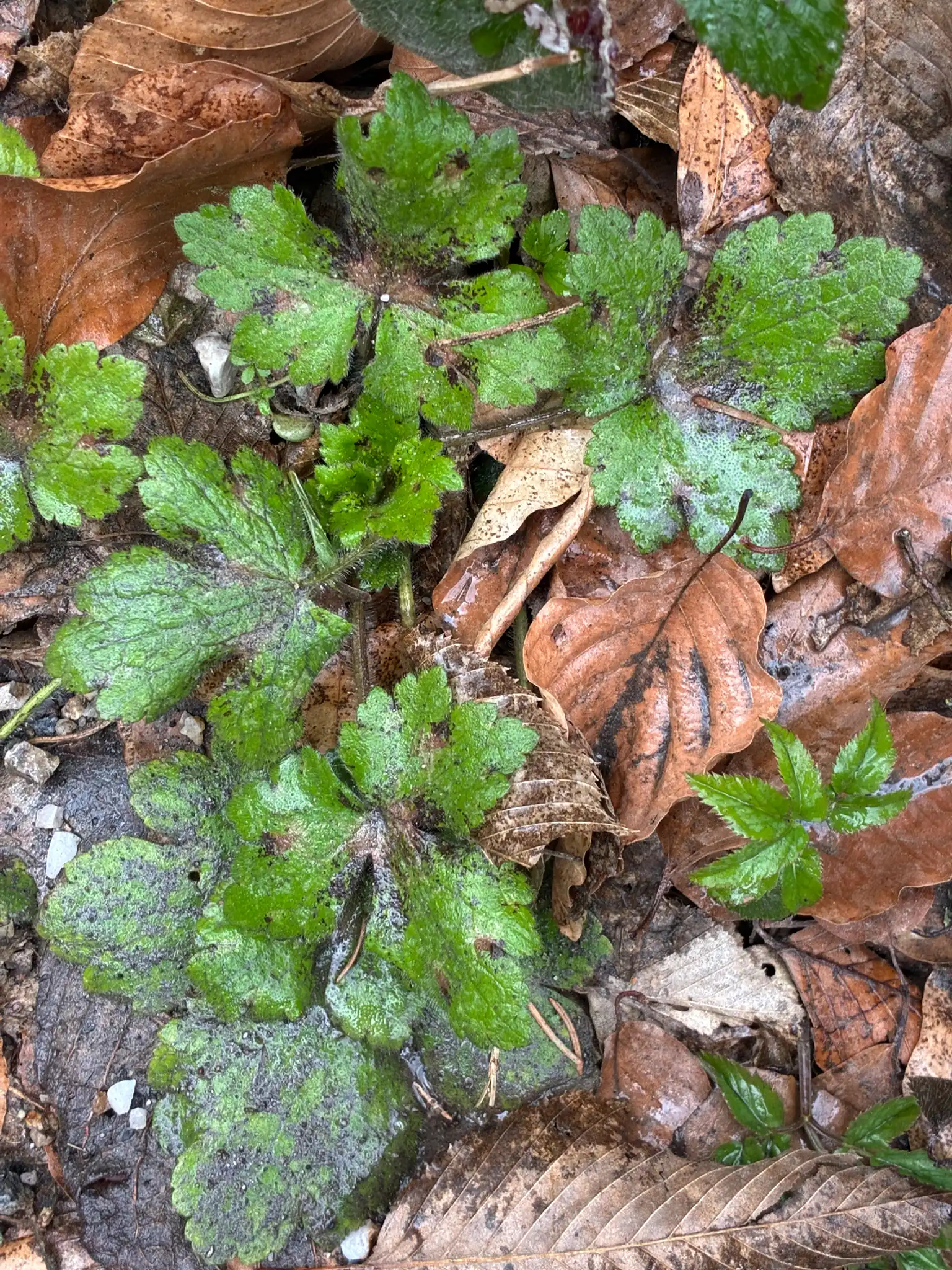
Ranunculus lanuginosus, the wooly buttercup, is a clump-forming herbaceous perennial native to the moist, shaded beech forests of central and eastern Europe. The species is distinguished by its thick, hollow stems and mid-green basal leaves, both of which are covered in a dense layer of fine, soft hairs.
In late spring, bowl-shaped yellow flowers up to three centimeters across rise on elongated stems well above the deeply lobed, double-serrated foliage. The plant spreads slowly to form a lush mound, relying on its acrid, protoanemonin-rich sap to deter browsing deer and rabbits.
Uses & Benefits:
Essentials
At a Glance
Plant Type
Perennial
Height
31"
Width
20"
Light
Full Sun, Partial Sun, Shade
Zones
5, 6, 7, 8, 9
Water
Consistent moisture
Humidity
Moderate to high
Lifespan
Perennial
Native To
Central and Eastern Europe
Toxicity
Toxic to humans and animals; causes skin irritation
Bloom period
Late spring – Early summer
In flower about 2 months of the year
Planting
How to Grow
- Select a planting site with moist, fertile, well-draining soil in partial to dappled shade.
- Incorporate compost or leaf mold into the planting hole to mimic a natural woodland floor.
- Set the plant at the same depth as its nursery container, firming the soil gently around the crown.
- Water thoroughly and maintain consistent moisture, especially during dry summer spells.
Pro Tip
Never prune aggressively into the dead, leafless woody crown tissue where new buds cannot emerge, and always wear gloves when dividing to avoid contact dermatitis from the acrid sap.
Keep It Thriving
Care Guide
Do
- Wear protective gloves whenever handling or dividing the plant to avoid skin irritation from the sap.
- Mulch annually with leaf mold to retain soil moisture and cool root temperatures.
- Cut back spent flower stems to the basal foliage mound after blooming finishes.
Don't
- Do not plant in heavy, unamended clay soils that retain standing water.
- Do not prune aggressively into the woody crown tissue where new buds form.
- Do not over-fertilize, which causes weak, floppy stems and increases disease susceptibility.
Seasonal Care Calendar
| Task | Jan | Feb | Mar | Apr | May | Jun | Jul | Aug | Sep | Oct | Nov | Dec |
|---|---|---|---|---|---|---|---|---|---|---|---|---|
| Deadhead | ||||||||||||
| Divide | ||||||||||||
| Pest Check | ||||||||||||
| Spring Cleanup | ||||||||||||
| Winter Prep |
Watch Out For
Pests & Diseases
Common Pests
Common Diseases
In the Garden
Landscape Uses & Companions
Landscape Uses
Companion Plants
Multiply
Propagation Methods
Good to Know
Common Questions
Wooly Buttercup questions
What zones can Wooly Buttercup grow in?
Wooly Buttercup is hardy in USDA Zones 5–9. Inside that range it survives winter in the ground; outside it, grow it as an annual or a container plant you protect.
Is Wooly Buttercup deer resistant?
Yes — Wooly Buttercup is rated deer-resistant. Deer typically pass it over, though extreme hunger can override any plant's defenses.
When does Wooly Buttercup bloom?
Wooly Buttercup typically blooms in late spring through early summer. Exact timing shifts a week or two with your zone — Sow's bloom calendar maps it to your garden.
Does Wooly Buttercup need full sun?
Wooly Buttercup does best in full sun to part shade. In hot climates, afternoon shade keeps blooms fresher longer.
More Ranunculus to compare
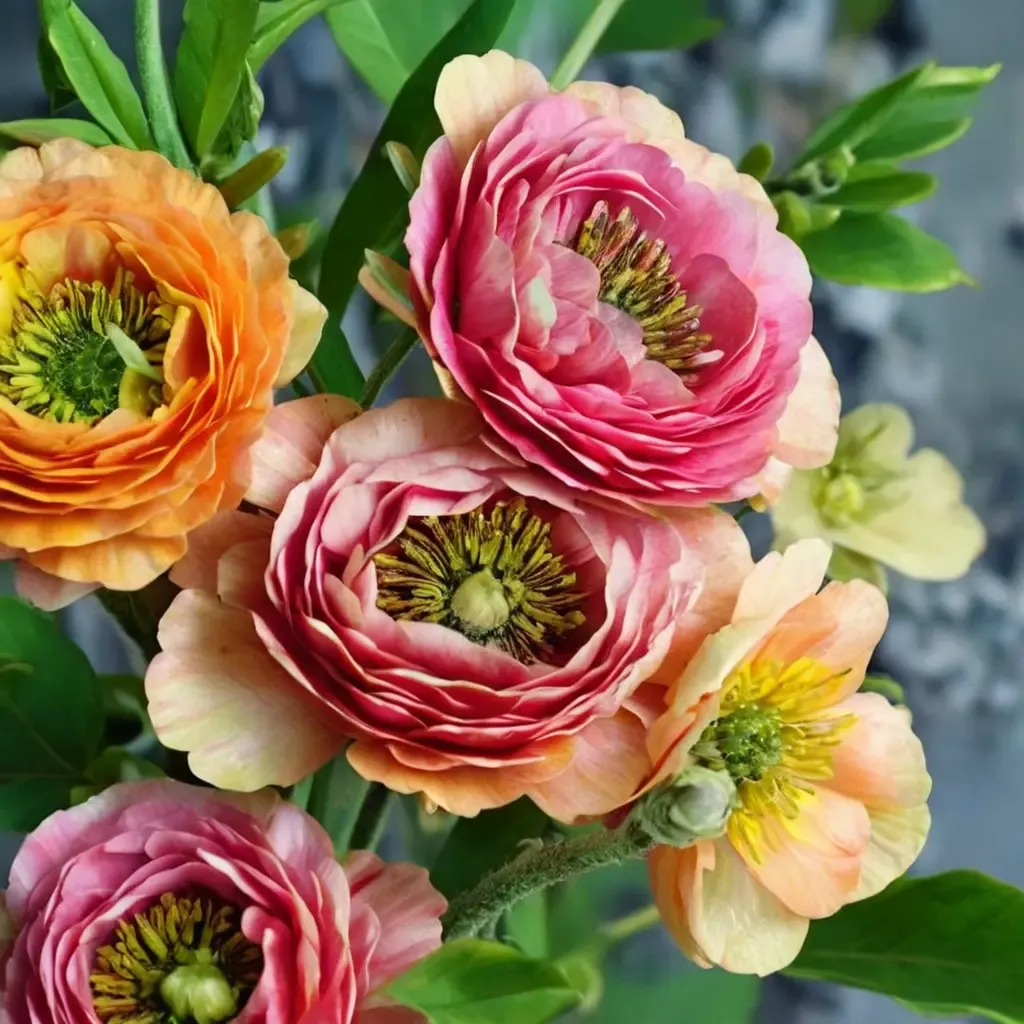
Greater Spearwort
Ranunculus lingua
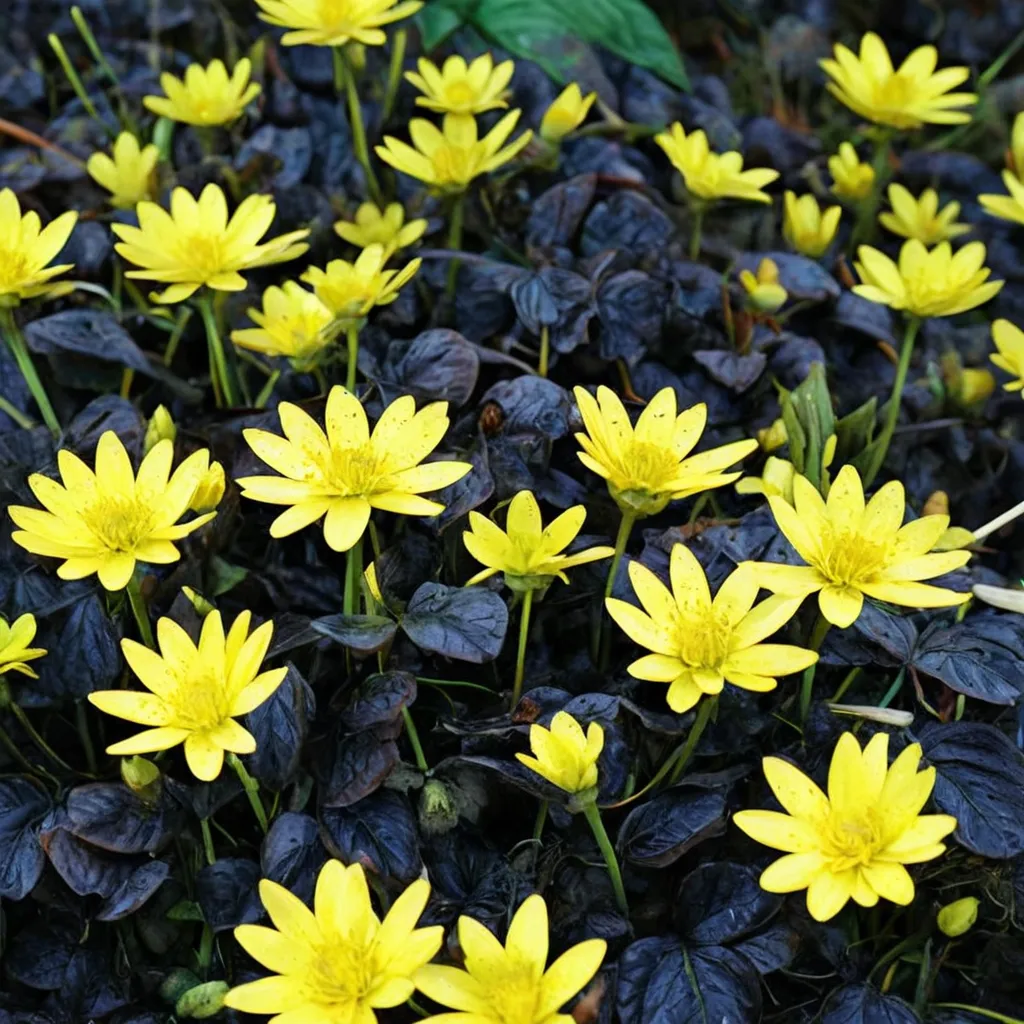
'Brazen Hussy' Lesser Celandine
Ranunculus ficaria 'Brazen Hussy'
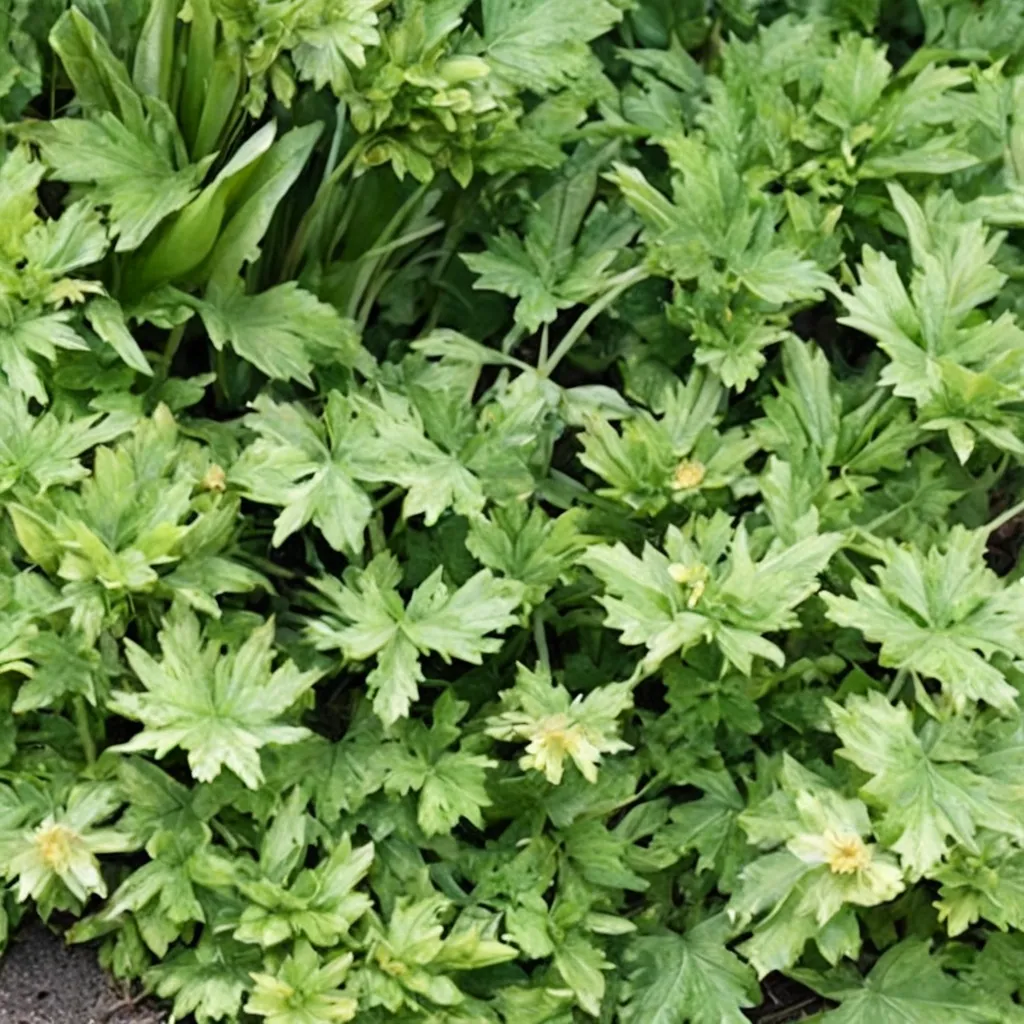
'Buttered Popcorn' Creeping Buttercup
Ranunculus repens 'Buttered Popcorn'
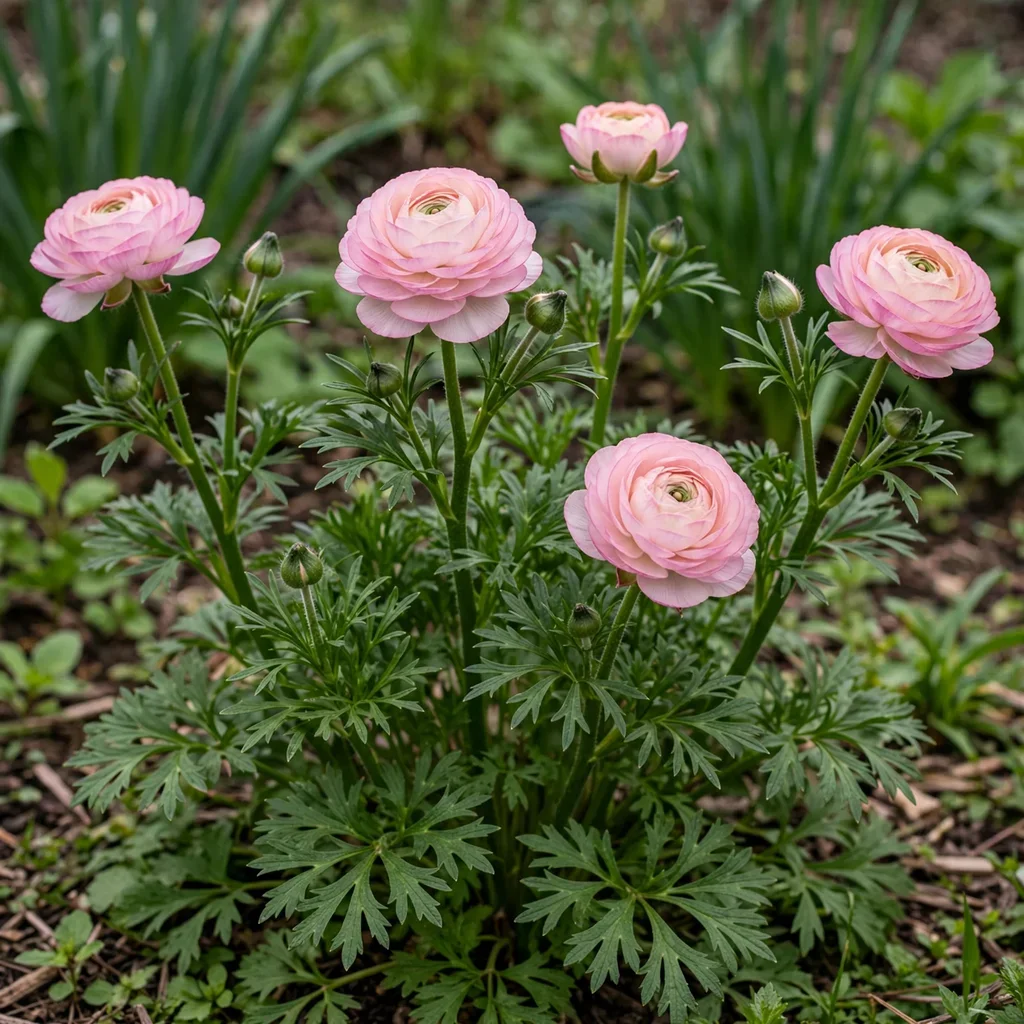
Persian Buttercup 'Amandine Pastel Pink'
Ranunculus asiaticus 'Amandine Pastel Pink'
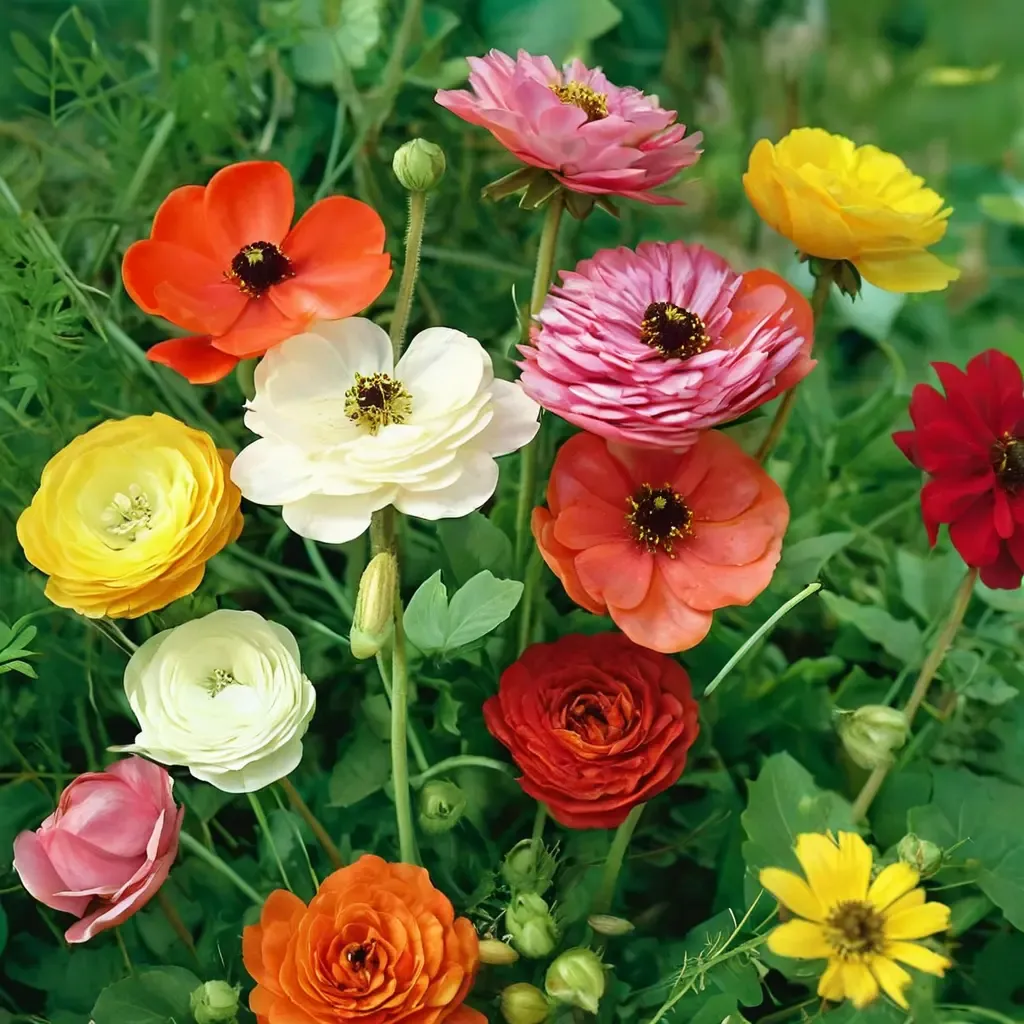
Persian Buttercup
Ranunculus asiaticus
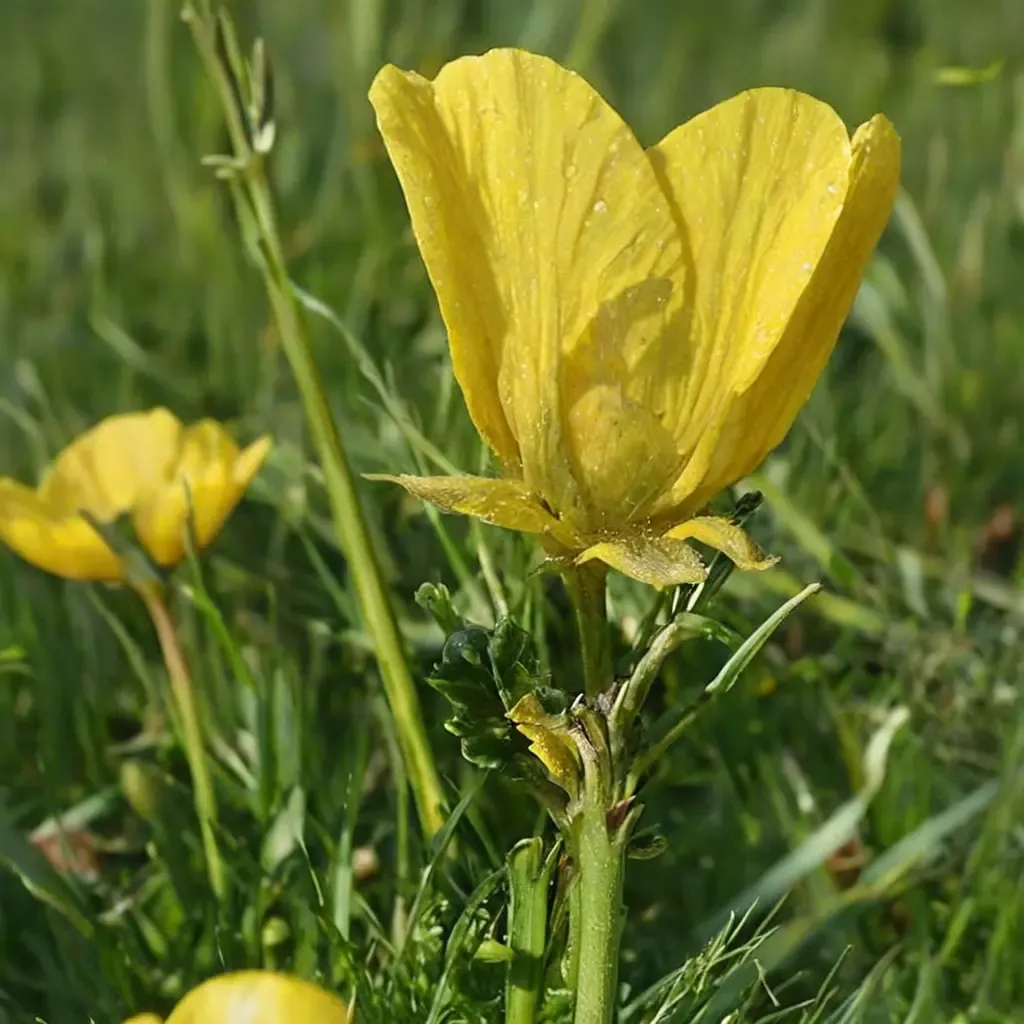
Bulbous Buttercup
Ranunculus bulbosus 'Mix'
Keep exploring
Explore the genus
Hardy in your zone?
Grow Wooly Buttercup with confidence
See it in a design of your actual yard, get zone-matched care reminders, and track it season by season in your garden journal.