1 named cultivar
The Story
Plant Bio
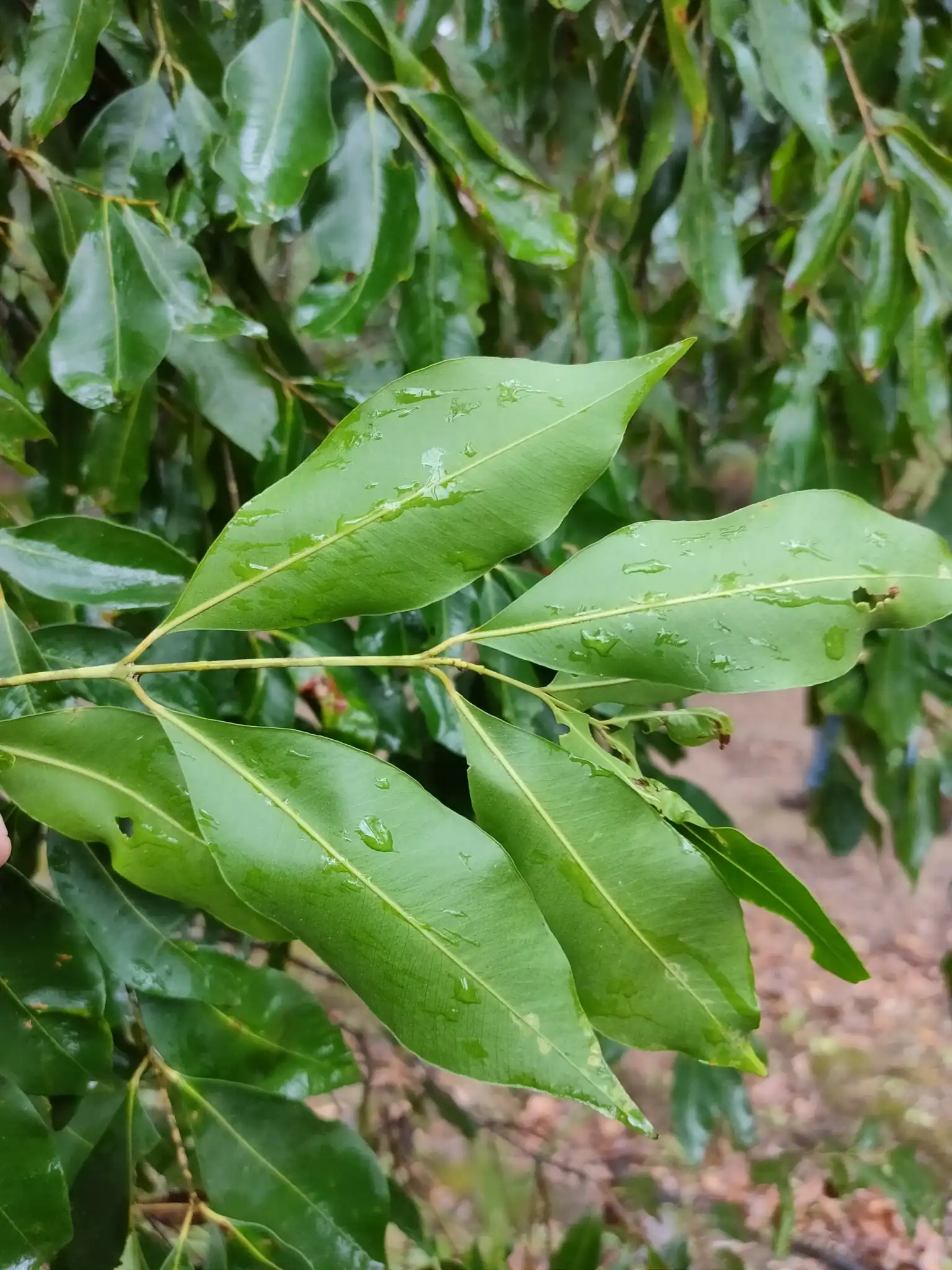
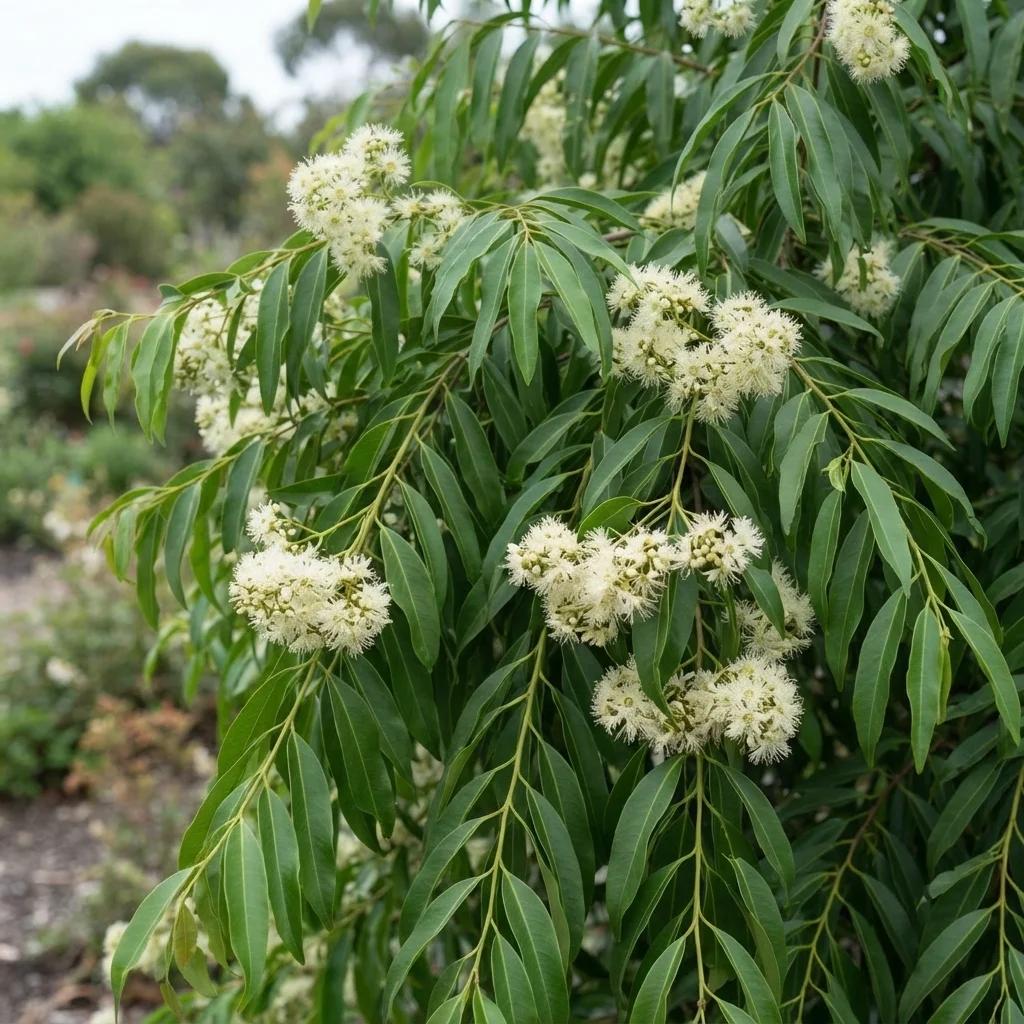
Waterhousea floribunda is an evergreen tree native to eastern Australian riverbanks, developing a dense, weeping canopy of glossy green leaves with wavy margins. Small, creamy-white flowers cluster in terminal panicles during spring and summer, followed by pale greenish-pink berries.
The new foliage flushes with soft pink, bronze, and reddish tones before maturing to a deep green. In cultivation, it functions as a dense, elegant hedge or specimen tree that remains significantly smaller than its wild rainforest counterparts.
Uses & Benefits:
Essentials
At a Glance
Plant Type
Tree
Height
591"
Width
394"
Light
Full Sun, Partial Sun
Zones
9, 10
Water
Moderate to high
Humidity
High
Lifespan
Long-lived
Native To
Eastern Australia
Toxicity
Non-toxic
Planting
How to Grow
- Select a planting site in full sun to partial shade with moist, loamy, or sandy loam soil.
- Dig a hole twice as wide as the root ball and plant at the same depth as the nursery container.
- Water deeply and regularly during the first two growing seasons to establish a deep root system.
- Apply a balanced slow-release fertilizer once annually in early spring to support new growth flushes.
Pro Tip
Provide consistent moisture during the establishment period, as this riverine species cannot tolerate dry soil when young. When pruning to maintain a hedge, avoid cutting back into old, leafless wood, which fails to regenerate reliably.
Keep It Thriving
Care Guide
Do
- Water regularly during extended dry summer spells.
- Tip-prune once or twice a year to maintain a dense, bushy habit.
- Protect young plants from frost and harsh, drying coastal winds.
Don't
- Do not prune aggressively into old, bare, leafless wood.
- Do not allow the soil to dry out completely during the establishment phase.
- Do not plant in heavy, poorly draining soils that lack periodic drying, as stagnant moisture triggers root rot.
Seasonal Care Calendar
| Task | Jan | Feb | Mar | Apr | May | Jun | Jul | Aug | Sep | Oct | Nov | Dec |
|---|---|---|---|---|---|---|---|---|---|---|---|---|
| Fertilize | ||||||||||||
| Mulch | ||||||||||||
| Pest Check | ||||||||||||
| Prune |
Watch Out For
Pests & Diseases
Common Pests
Common Diseases
In the Garden
Landscape Uses & Companions
Landscape Uses
Companion Plants
Multiply
Propagation Methods
Good to Know
Common Questions
Weeping Lilly Pilly questions
What zones can Weeping Lilly Pilly grow in?
Weeping Lilly Pilly is hardy in USDA Zones 9–10. Inside that range it survives winter in the ground; outside it, grow it as an annual or a container plant you protect.
Is Weeping Lilly Pilly deer resistant?
Not reliably. Deer may browse Weeping Lilly Pilly, especially tender spring growth — plan on repellents or fencing where pressure is high.
When does Weeping Lilly Pilly bloom?
Weeping Lilly Pilly typically blooms in spring through summer. Exact timing shifts a week or two with your zone — Sow's bloom calendar maps it to your garden.
Does Weeping Lilly Pilly need full sun?
Weeping Lilly Pilly does best in full sun to part shade. In hot climates, afternoon shade keeps blooms fresher longer.
Keep exploring
Explore the genus
Hardy in your zone?
Grow Weeping Lilly Pilly with confidence
See it in a design of your actual yard, get zone-matched care reminders, and track it season by season in your garden journal.