The Story
Plant Bio
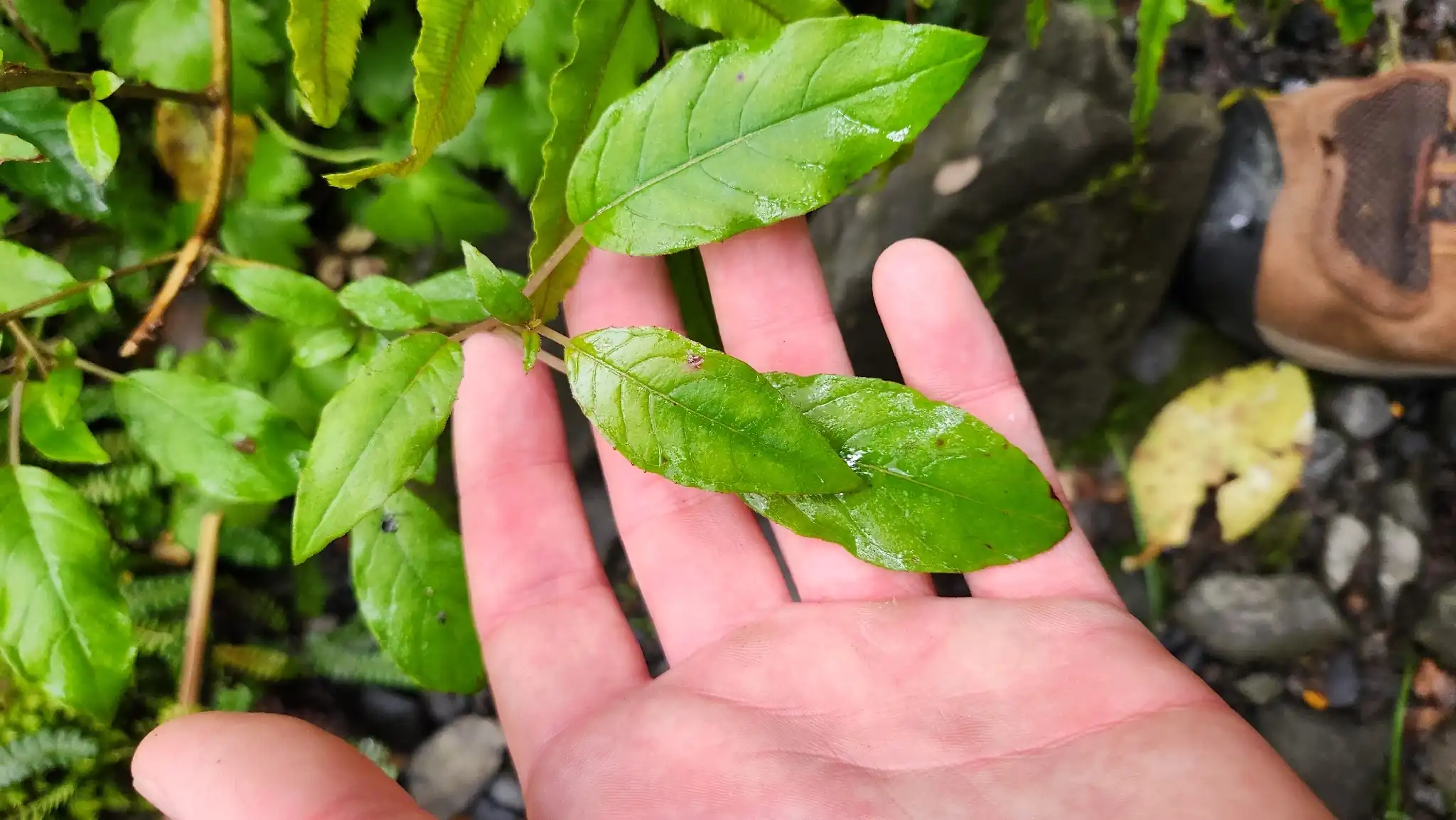
Fuchsia excorticata, known as tree fuchsia, is a large deciduous shrub or small tree native to New Zealand that features a gnarled trunk and distinctive peeling, papery copper-brown bark. The thin, lanceolate leaves are dark green on top and characteristically silvery-white underneath, dropping only in cooler winter regions.
It produces unusual tubular flowers that emerge directly from the trunk or old wood, starting greenish-yellow and turning deep purple-red after pollination. These flowers contain prominent blue pollen and yield edible dark purple berries known as kōnini.
Uses & Benefits:
Essentials
At a Glance
Plant Type
Tree
Height
512"
Width
236"
Light
Full Sun, Partial Sun
Zones
8, 9, 10
Water
Medium
Humidity
Moderate to High
Lifespan
Long-lived
Native To
New Zealand
Toxicity
Non-toxic
Bloom period
Late winter – Late summer
In flower about 7 months of the year
Planting
How to Grow
- Select a planting site with fertile, humus-rich, well-drained soil that receives full sun to partial shade.
- Provide shelter from harsh afternoon sun and drying winds to prevent leaf scorch and moisture stress.
- Water regularly to keep the soil evenly moist, especially during dry summer periods, but avoid waterlogged conditions.
- Apply a balanced, organic slow-release fertilizer annually in the spring to support new growth.
Pro Tip
Never prune hard into the old, papery bark-shedding wood, as the tree struggles to regenerate from bare timber; restrict shaping to light spring pruning of younger stems.
Keep It Thriving
Care Guide
Do
- Mulch the root zone to retain soil moisture and keep roots cool during summer.
- Protect young plants from hard winter frosts, which can damage tender stems.
- Allow the papery, copper-colored bark to peel naturally as this is a normal characteristic of the species.
Don't
- Do not scrape or scrub the peeling bark, as this natural shedding is not a sign of disease.
- Do not prune aggressively into old, leafless wood, which lacks the ability to regenerate easily.
- Do not allow the soil to dry out completely, as the plant has low drought tolerance.
Seasonal Care Calendar
| Task | Jan | Feb | Mar | Apr | May | Jun | Jul | Aug | Sep | Oct | Nov | Dec |
|---|---|---|---|---|---|---|---|---|---|---|---|---|
| Fertilize | ||||||||||||
| Pest Check | ||||||||||||
| Prune | ||||||||||||
| Winter Prep |
Watch Out For
Pests & Diseases
Common Pests
Common Diseases
In the Garden
Landscape Uses & Companions
Landscape Uses
Companion Plants
Multiply
Propagation Methods
Good to Know
Common Questions
Tree Fuchsia questions
What zones can Tree Fuchsia grow in?
Tree Fuchsia is hardy in USDA Zones 8–10. Inside that range it survives winter in the ground; outside it, grow it as an annual or a container plant you protect.
Is Tree Fuchsia deer resistant?
Not reliably. Deer may browse Tree Fuchsia, especially tender spring growth — plan on repellents or fencing where pressure is high.
When does Tree Fuchsia bloom?
Tree Fuchsia typically blooms in late winter through late summer. Exact timing shifts a week or two with your zone — Sow's bloom calendar maps it to your garden.
Does Tree Fuchsia need full sun?
Tree Fuchsia does best in full sun to part shade. In hot climates, afternoon shade keeps blooms fresher longer.
More Fuchsia to compare
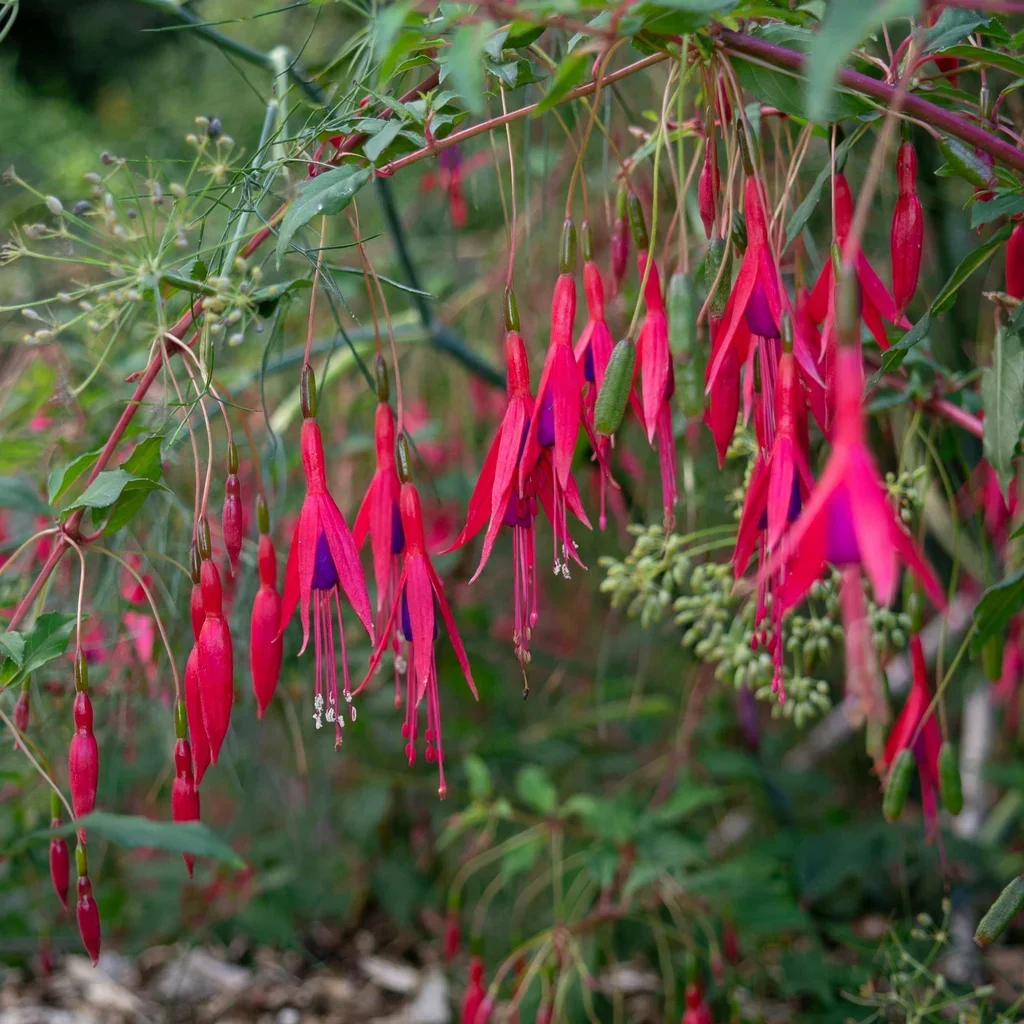
Santa Cruz Fuchsia
Fuchsia magellanica 'Santa Cruz'
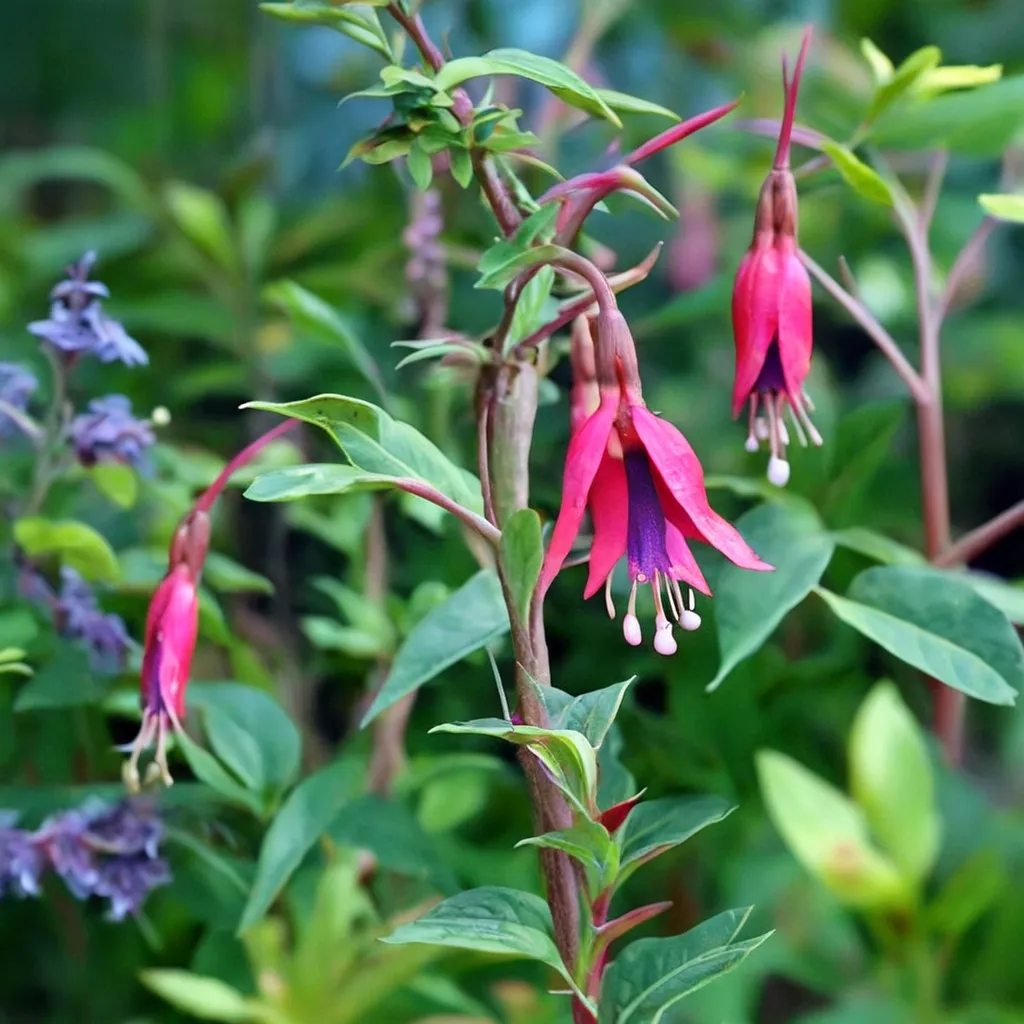
Hardy Fuchsia 'Riccartonii'
Fuchsia magellanica 'Riccartonii'
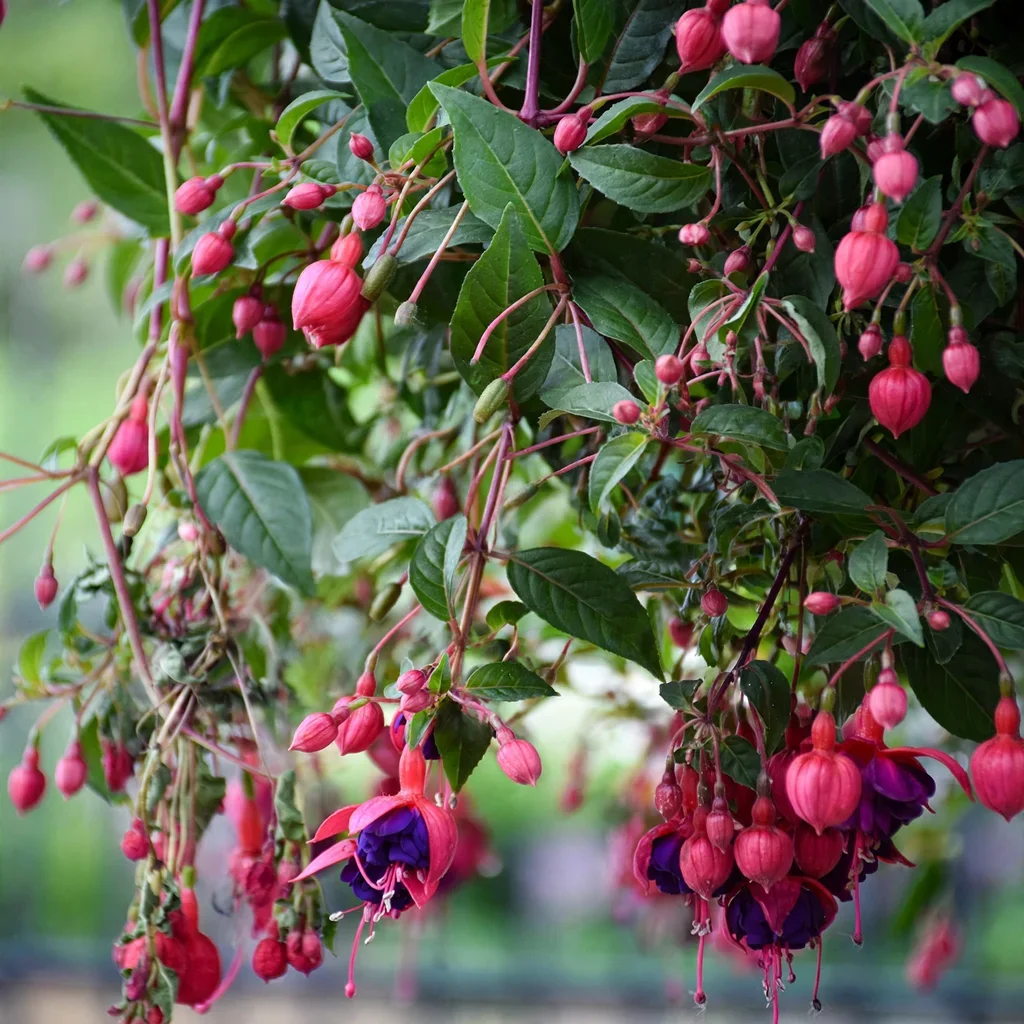
Dollar Princess Fuchsia
Fuchsia x hybrida 'Dollar Princess'
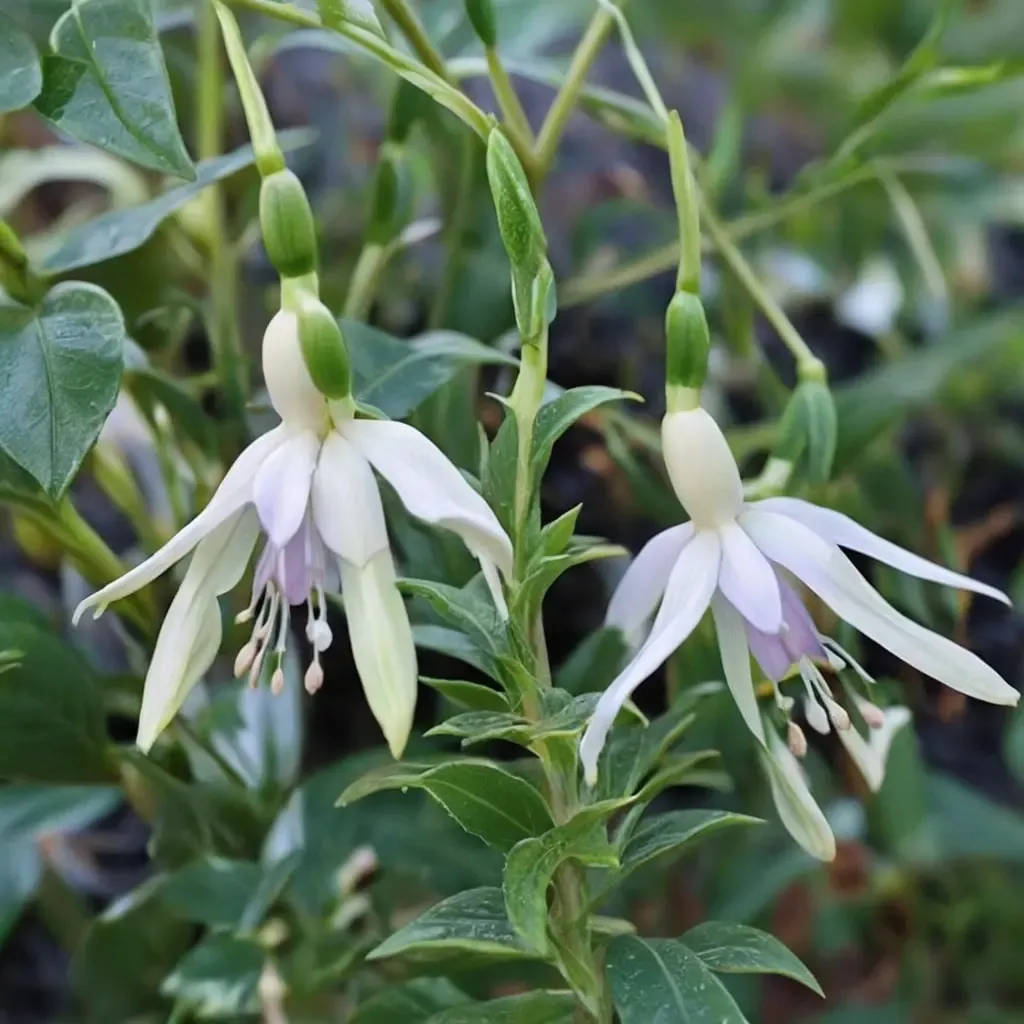
Hawkshead Fuchsia
Fuchsia magellanica 'Hawkshead'
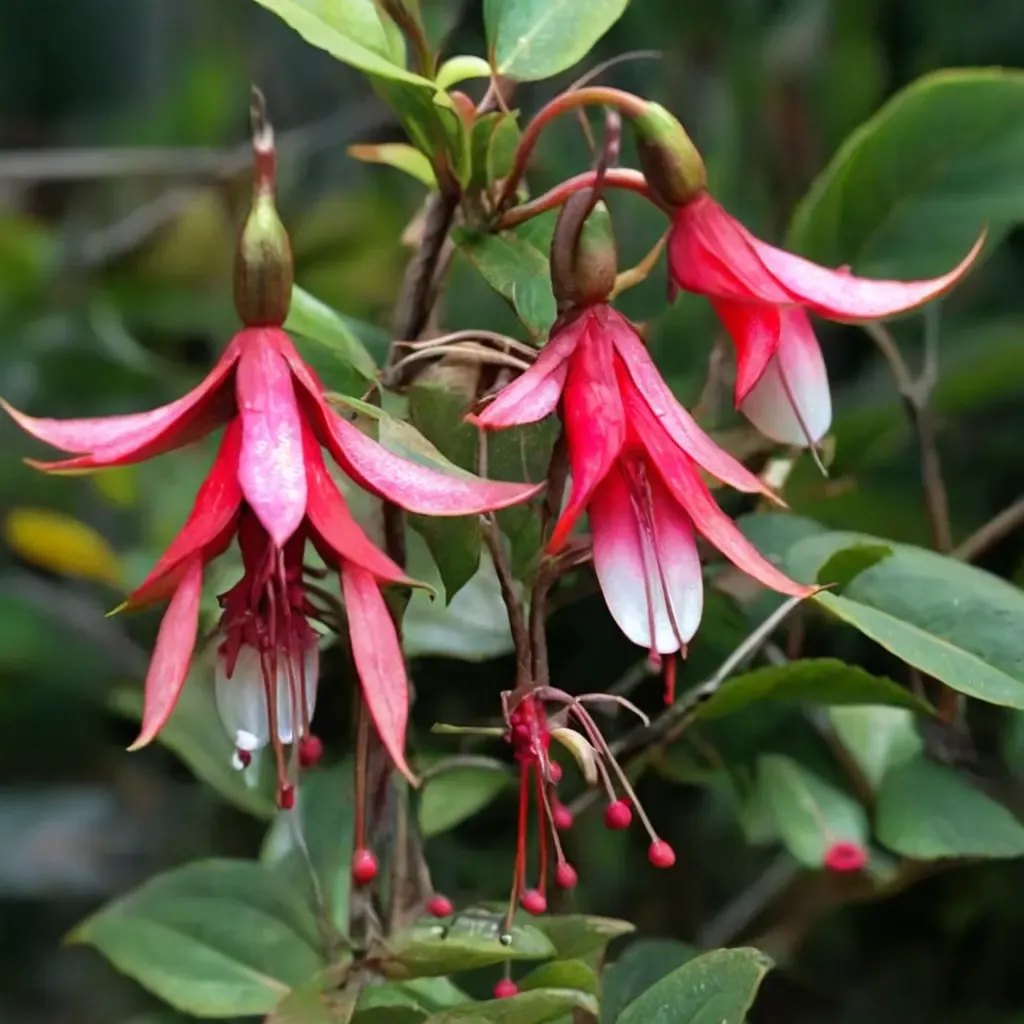
Ruddy Rodney Fuchsia
Fuchsia magellanica 'Ruddy Rodney'
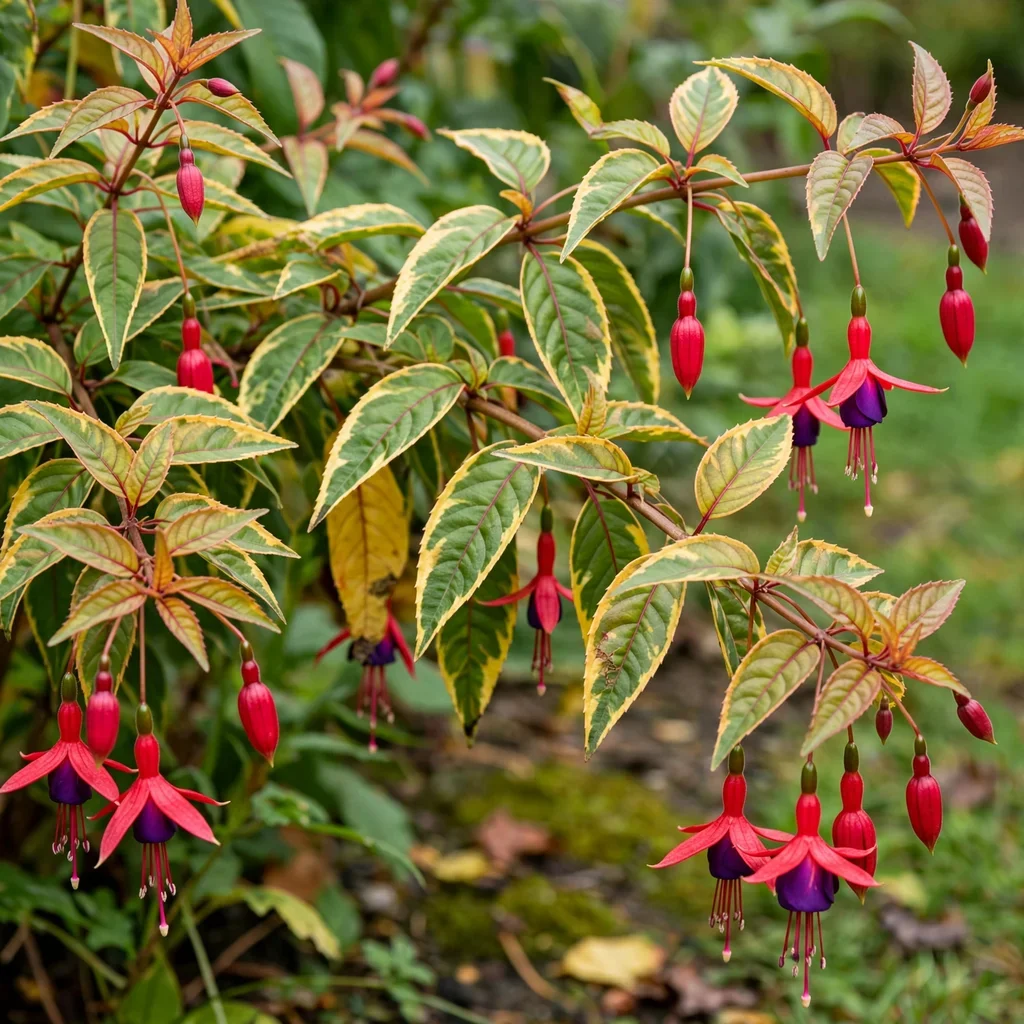
Autumnale Hardy Fuchsia
Fuchsia magellanica 'Autumnale'
Keep exploring
Explore the genus
Hardy in your zone?
Grow Tree Fuchsia with confidence
See it in a design of your actual yard, get zone-matched care reminders, and track it season by season in your garden journal.