The Story
Plant Bio
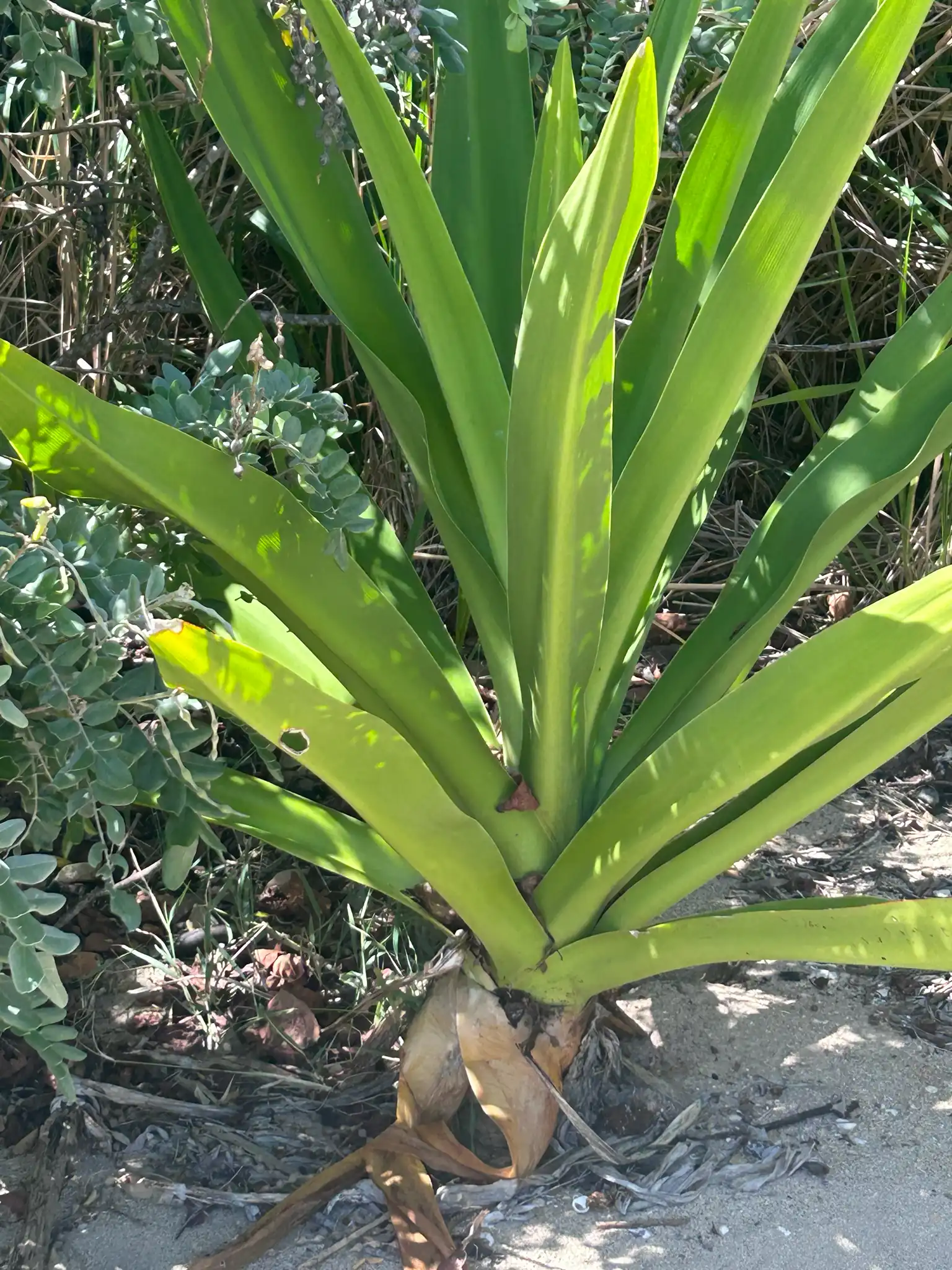
Crinum pedunculatum, the swamp lily, is a massive, evergreen bulbous perennial that forms a bold, fountain-like rosette of heavy, strap-shaped leaves. In summer, it produces robust, solid flower scapes topped with dense, highly fragrant clusters of white, spidery flowers featuring long, recurved petals and prominent pink or purple filaments.
This species is exceptionally versatile, thriving in waterlogged coastal soils and heavy clays where other bulbs rot, while maintaining high salt and wind tolerance. The thick, fleshy foliage emerges bright green from a stout, above-ground pseudostem that can reach up to eighteen inches in height.
Uses & Benefits:
Essentials
At a Glance
Plant Type
Perennial
Height
118"
Width
118"
Light
Full Sun, Partial Sun
Zones
9, 10
Water
High
Humidity
High
Lifespan
Perennial
Native To
Oceania and Australasia
Toxicity
Toxic to pets and humans
Bloom period
Summer – Autumn
In flower about 6 months of the year
Planting
How to Grow
- Select a planting site in full sun to partial shade with moist loam, clay, or sandy soil.
- Dig a hole twice the width of the bulb and plant with the neck of the bulb or pseudostem sitting just above the soil level.
- Water deeply at planting and maintain consistent moisture until the root system is fully established.
- Apply a thick layer of mulch in winter if growing near the northern limit of its hardiness range.
Pro Tip
Avoid dividing or moving established clumps, as crinums have sensitive root systems and flower far more reliably when left undisturbed and allowed to become completely root-bound.
Keep It Thriving
Care Guide
Do
- Water regularly during hot dry spells to maintain lush, active foliage growth.
- Trim away naturally yellowing lower leaves at the base to keep the rosette tidy.
- Cut spent flower scapes cleanly at the base of the plant after blooming finishes.
Don't
- Do not prune or cut back healthy green foliage, as this severely depletes the bulb's energy reserves.
- Do not disturb the root zone of established clumps unless propagation is absolutely necessary.
- Do not allow container-grown specimens to sit in stagnant, poorly aerated indoor potting media.
Seasonal Care Calendar
| Task | Jan | Feb | Mar | Apr | May | Jun | Jul | Aug | Sep | Oct | Nov | Dec |
|---|---|---|---|---|---|---|---|---|---|---|---|---|
| Fertilize | ||||||||||||
| Pest Check | ||||||||||||
| Propagate | ||||||||||||
| Winter Prep |
Watch Out For
Pests & Diseases
Common Pests
Common Diseases
In the Garden
Landscape Uses & Companions
Landscape Uses
Companion Plants
Multiply
Propagation Methods
Good to Know
Common Questions
Swamp Lily questions
What zones can Swamp Lily grow in?
Swamp Lily is hardy in USDA Zones 9–10. Inside that range it survives winter in the ground; outside it, grow it as an annual or a container plant you protect.
Is Swamp Lily deer resistant?
Not reliably. Deer may browse Swamp Lily, especially tender spring growth — plan on repellents or fencing where pressure is high.
When does Swamp Lily bloom?
Swamp Lily typically blooms in summer through autumn. Exact timing shifts a week or two with your zone — Sow's bloom calendar maps it to your garden.
Does Swamp Lily need full sun?
Swamp Lily does best in full sun to part shade. In hot climates, afternoon shade keeps blooms fresher longer.
Is Swamp Lily drought tolerant?
Yes — once established (usually after the first full season), Swamp Lily handles dry spells with minimal watering. Water deeply its first year to build the root system that makes that possible.
More Crinum to compare
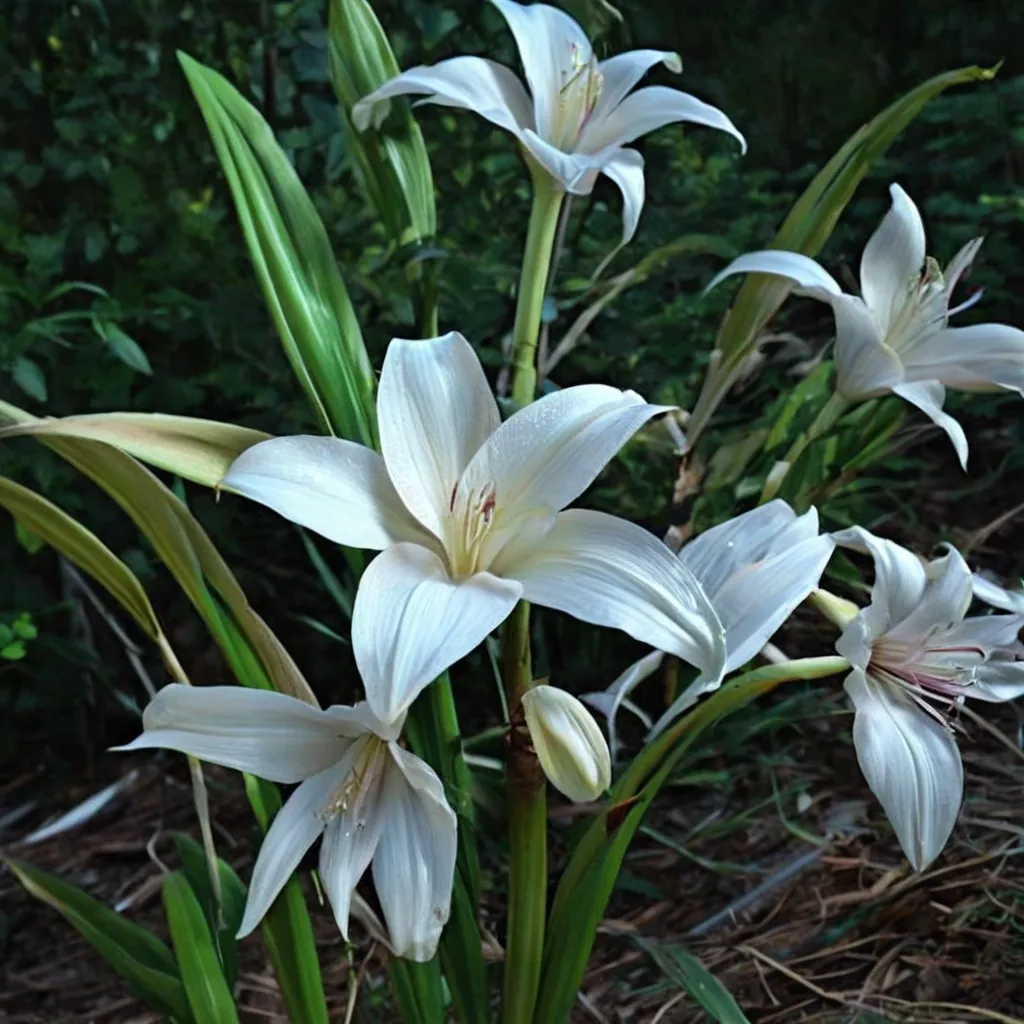
Crinum Lily Ollene
Crinum x hybrida 'Ollene'
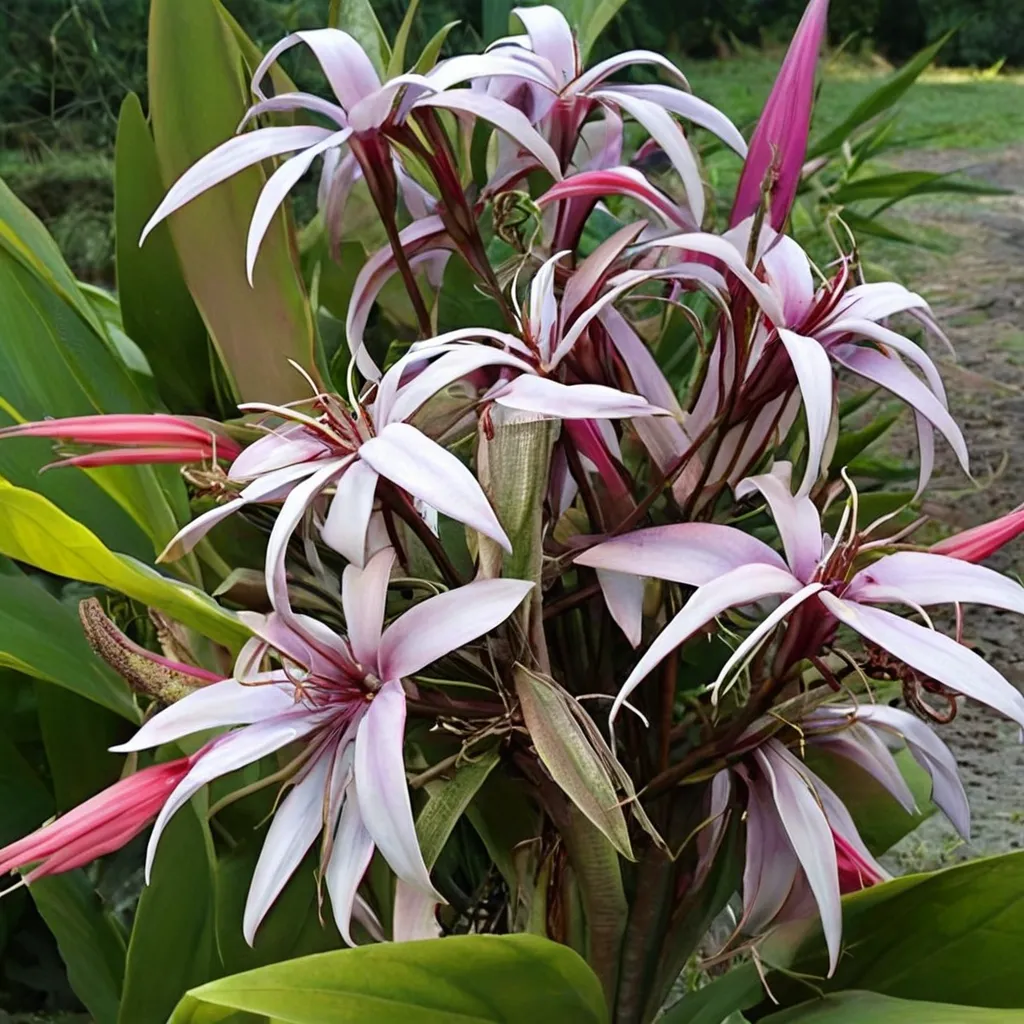
Crinum x augustum Spider Lily
Crinum x augustum
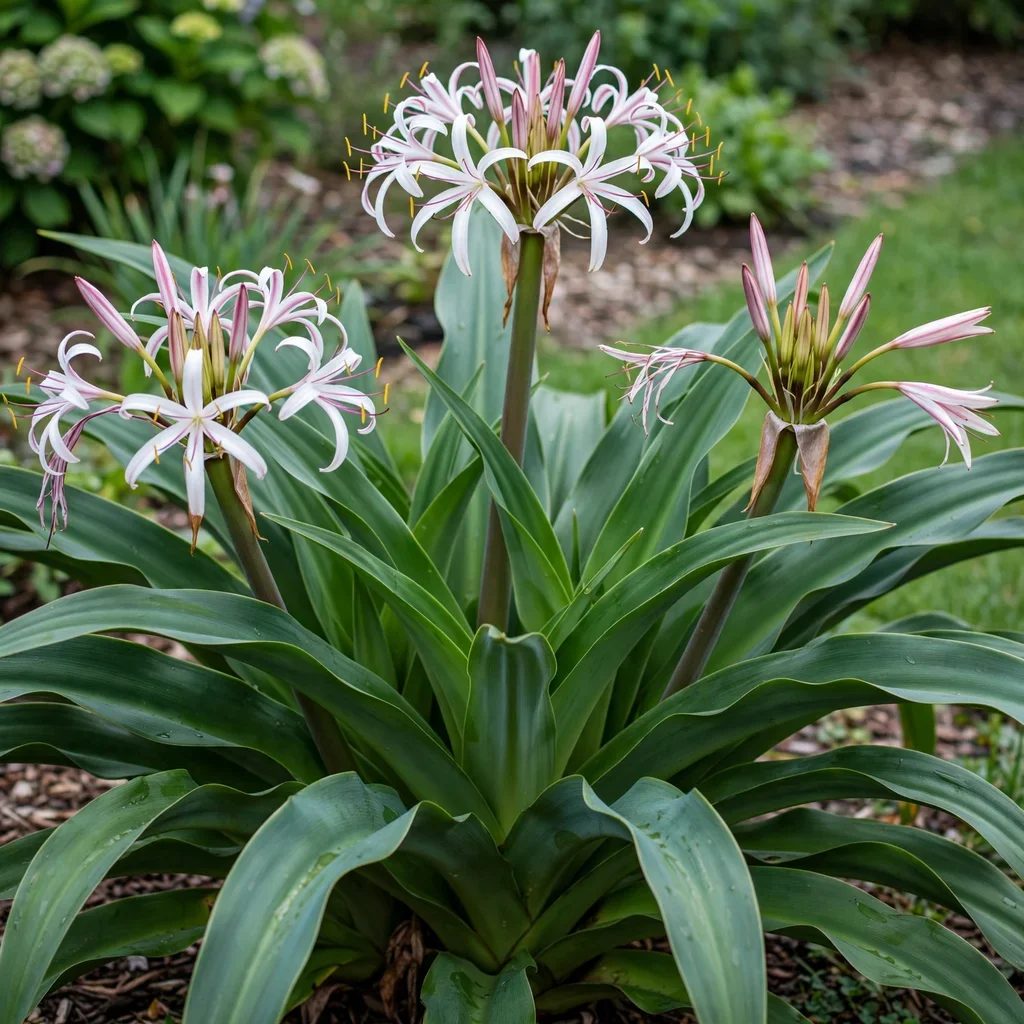
Crinum Lily Mystery
Crinum x hybrida 'Mystery'
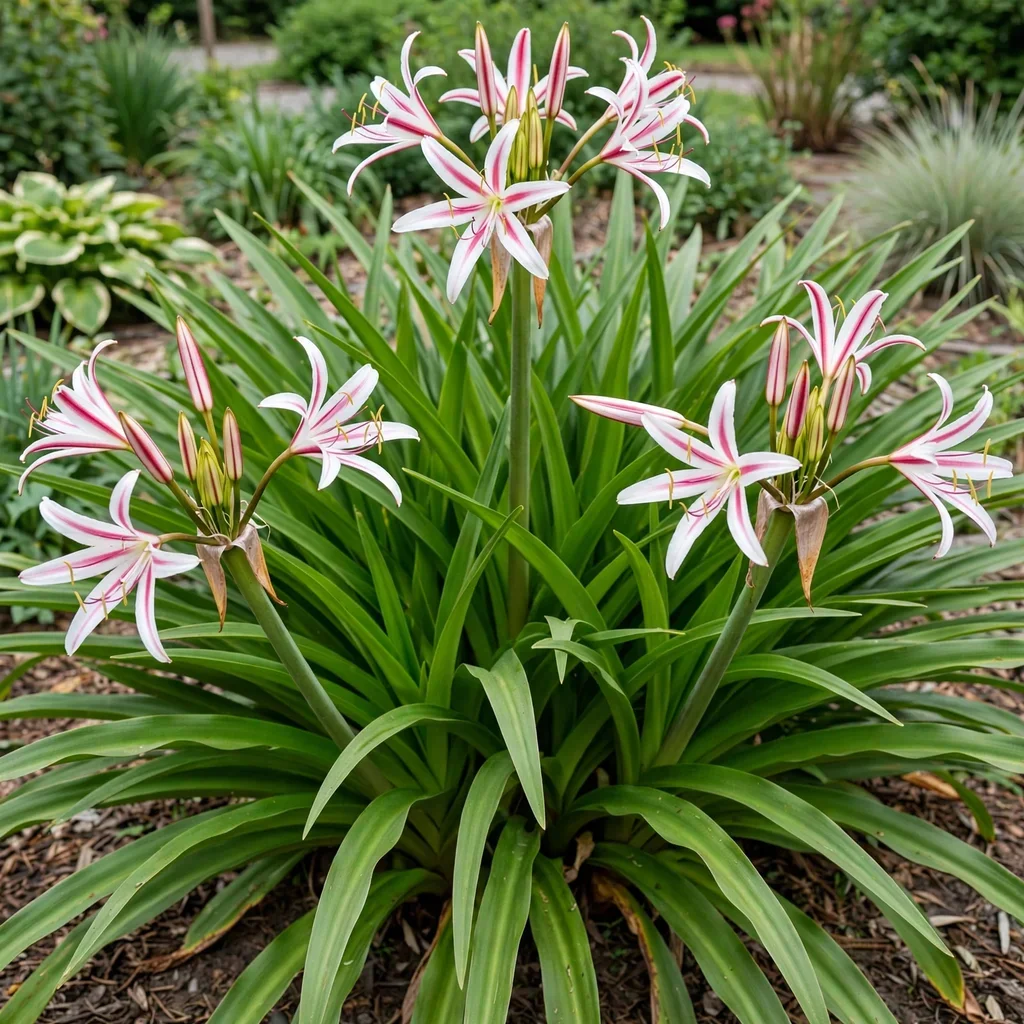
Stars and Stripes Crinum Lily
Crinum x hybrida 'Stars and Stripes'
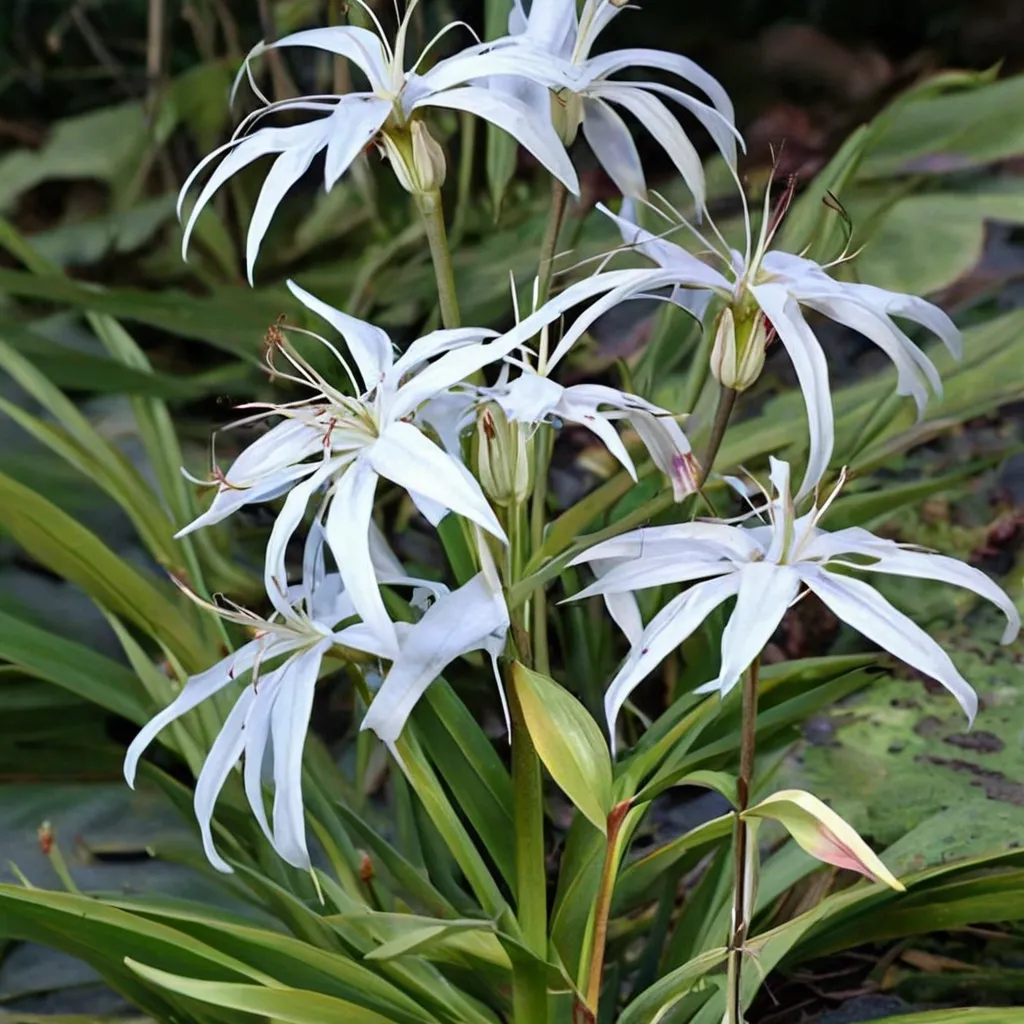
St. Marks Swamp Lily
Crinum americanum 'St Marks'
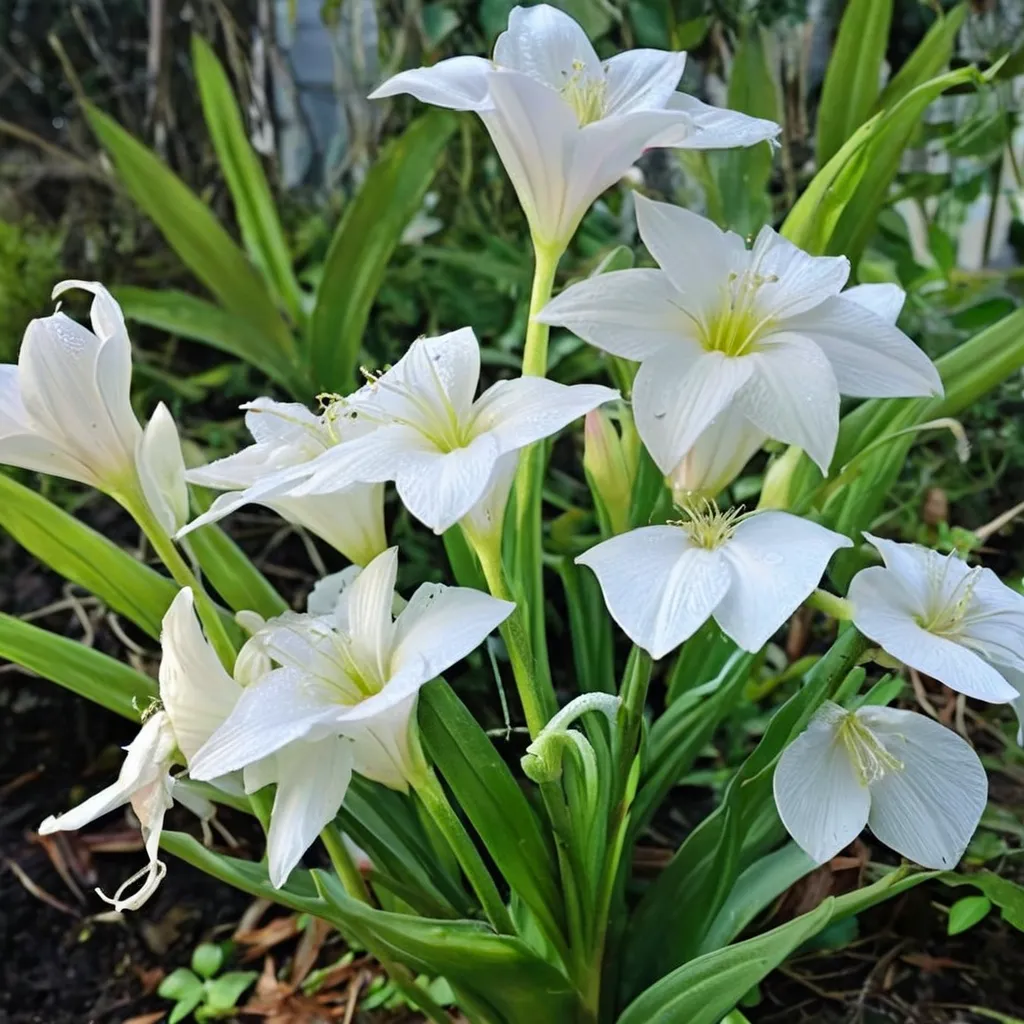
Crinum Moorei Album
Crinum moorei 'Album'
Keep exploring
Explore the genus
Hardy in your zone?
Grow Swamp Lily with confidence
See it in a design of your actual yard, get zone-matched care reminders, and track it season by season in your garden journal.