The Story
Plant Bio
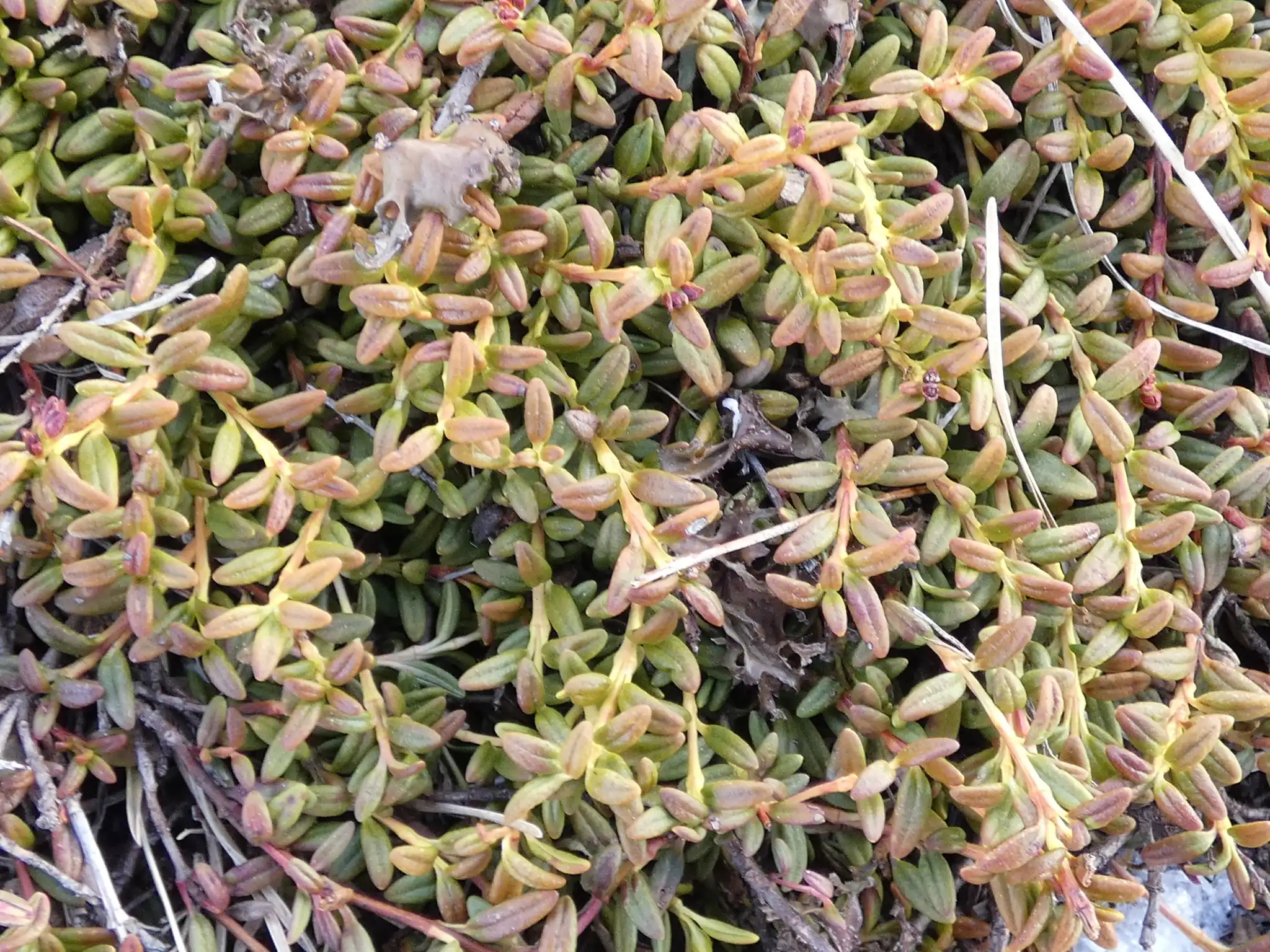
Kalmia procumbens, the alpine azalea, is a prostrate, mat-forming evergreen dwarf shrub native to circumboreal and arctic-alpine regions of the Northern Hemisphere. It forms dense, tortuous cushions of tiny, leathery leaves with strongly rolled-under margins, reaching only two to four inches in height.
In summer, the branch tips produce clusters of two to five small, bell-shaped pink flowers that contrast with the dark green foliage. The plant is exceptionally cold-hardy, adapted to harsh alpine winters under heavy snow cover.
Uses & Benefits:
Essentials
At a Glance
Plant Type
Shrub
Height
4"
Width
12"
Light
Full Sun, Partial Sun
Zones
4, 5, 6
Water
Medium
Humidity
Low
Lifespan
Perennial
Native To
North America, Europe, Asia
Toxicity
Highly Toxic
Bloom period
Summer
In flower about 3 months of the year
Planting
How to Grow
- Select a planting site in full sun to partial shade that remains cool and protected from intense, baking afternoon heat.
- Prepare a highly acidic, peaty, and gravelly soil mix with a pH between 4.5 and 5.5 to mimic alpine scree.
- Ensure exceptional drainage by planting on a slope, in a raised crevice garden, or over a thick gravel sub-base.
- Water regularly to maintain consistent moisture in the root zone, ensuring the soil never waterlogs or dries out completely.
Pro Tip
Grow this species in a specialized alpine scree or crevice garden with highly acidic, gravelly soil; it requires sharp drainage and cool root zones, failing rapidly in warm, humid lowland conditions.
Keep It Thriving
Care Guide
Do
- Top-dress the soil annually with a light layer of acidic leaf mold or peat to maintain acidity.
- Provide protection from drying winter winds if natural snow cover is insufficient.
- Monitor soil moisture closely during hot summer spells to keep roots cool.
Don't
- Do not prune into old, leafless wood, as the plant recovers extremely poorly from hard cutting.
- Do not apply chemical fertilizers, which damage the sensitive ericoid mycorrhizal associations.
- Do not plant in heavy clay or poorly drained soils where stagnant water will cause root rot.
Seasonal Care Calendar
| Task | Jan | Feb | Mar | Apr | May | Jun | Jul | Aug | Sep | Oct | Nov | Dec |
|---|---|---|---|---|---|---|---|---|---|---|---|---|
| Mulch | ||||||||||||
| Pest Check | ||||||||||||
| Propagate | ||||||||||||
| Spring Cleanup | ||||||||||||
| Winter Prep |
Watch Out For
Pests & Diseases
Common Pests
Common Diseases
In the Garden
Landscape Uses & Companions
Landscape Uses
Companion Plants
Multiply
Propagation Methods
Good to Know
Common Questions
Alpine Azalea questions
What zones can Alpine Azalea grow in?
Alpine Azalea is hardy in USDA Zones 4–6. Inside that range it survives winter in the ground; outside it, grow it as an annual or a container plant you protect.
Is Alpine Azalea deer resistant?
Yes — Alpine Azalea is rated deer-resistant. Deer typically pass it over, though extreme hunger can override any plant's defenses.
When does Alpine Azalea bloom?
Alpine Azalea typically blooms in summer through summer. Exact timing shifts a week or two with your zone — Sow's bloom calendar maps it to your garden.
Does Alpine Azalea need full sun?
Alpine Azalea does best in full sun to part shade. In hot climates, afternoon shade keeps blooms fresher longer.
More Kalmia to compare
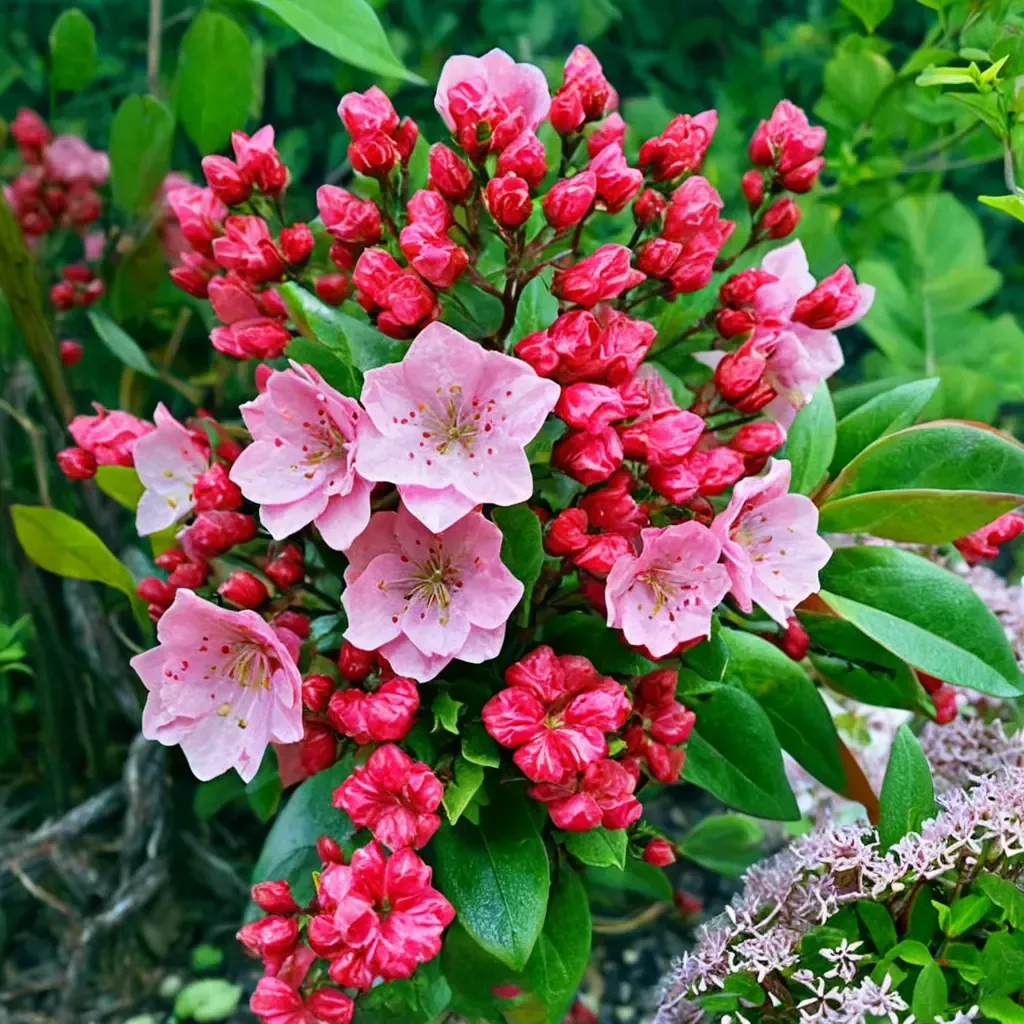
Firecracker Mountain Laurel
Kalmia latifolia 'Firecracker'
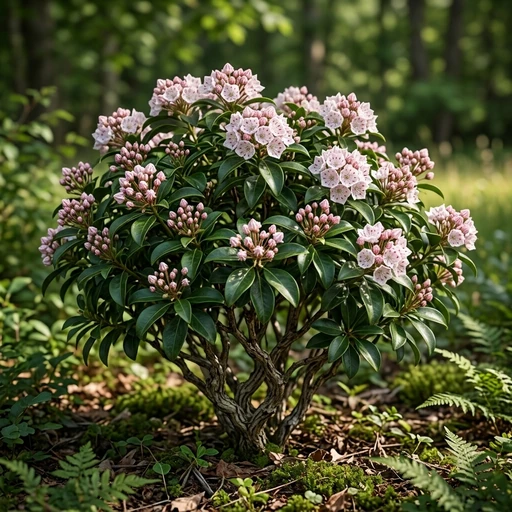
Elf Mountain Laurel
Kalmia latifolia 'Elf'
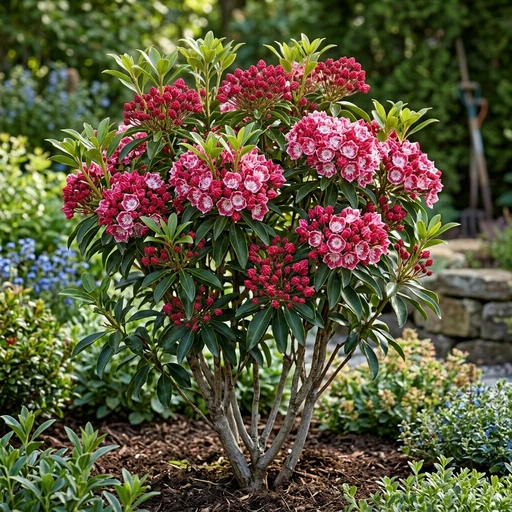
Olympic Fire Mountain Laurel
Kalmia latifolia 'Olympic Fire'
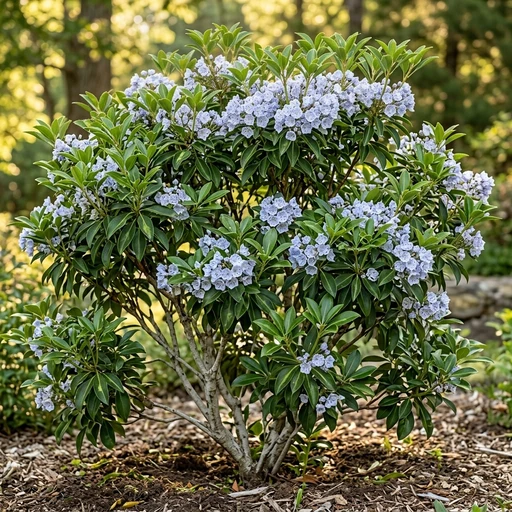
Carol Mountain Laurel
Kalmia latifolia 'Carol'
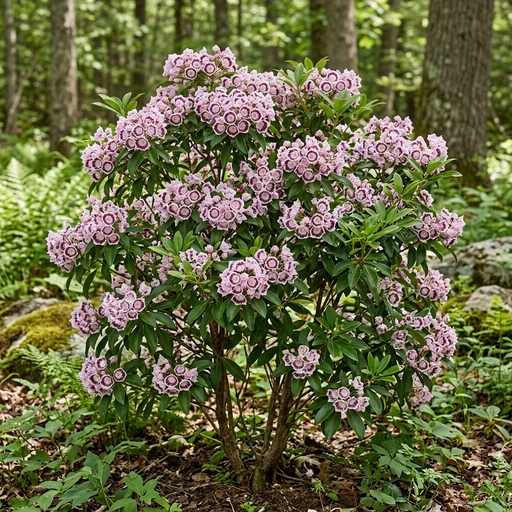
Minuet Mountain Laurel
Kalmia latifolia 'Minuet'
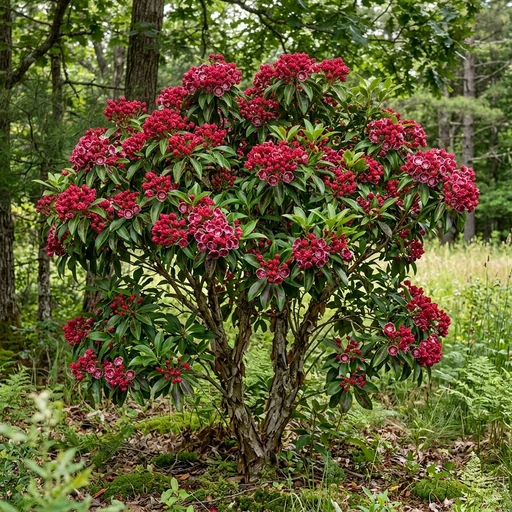
Sarah Mountain Laurel
Kalmia latifolia 'Sarah'
Keep exploring
Explore the genus
Hardy in your zone?
Grow Alpine Azalea with confidence
See it in a design of your actual yard, get zone-matched care reminders, and track it season by season in your garden journal.