The Story
Plant Bio
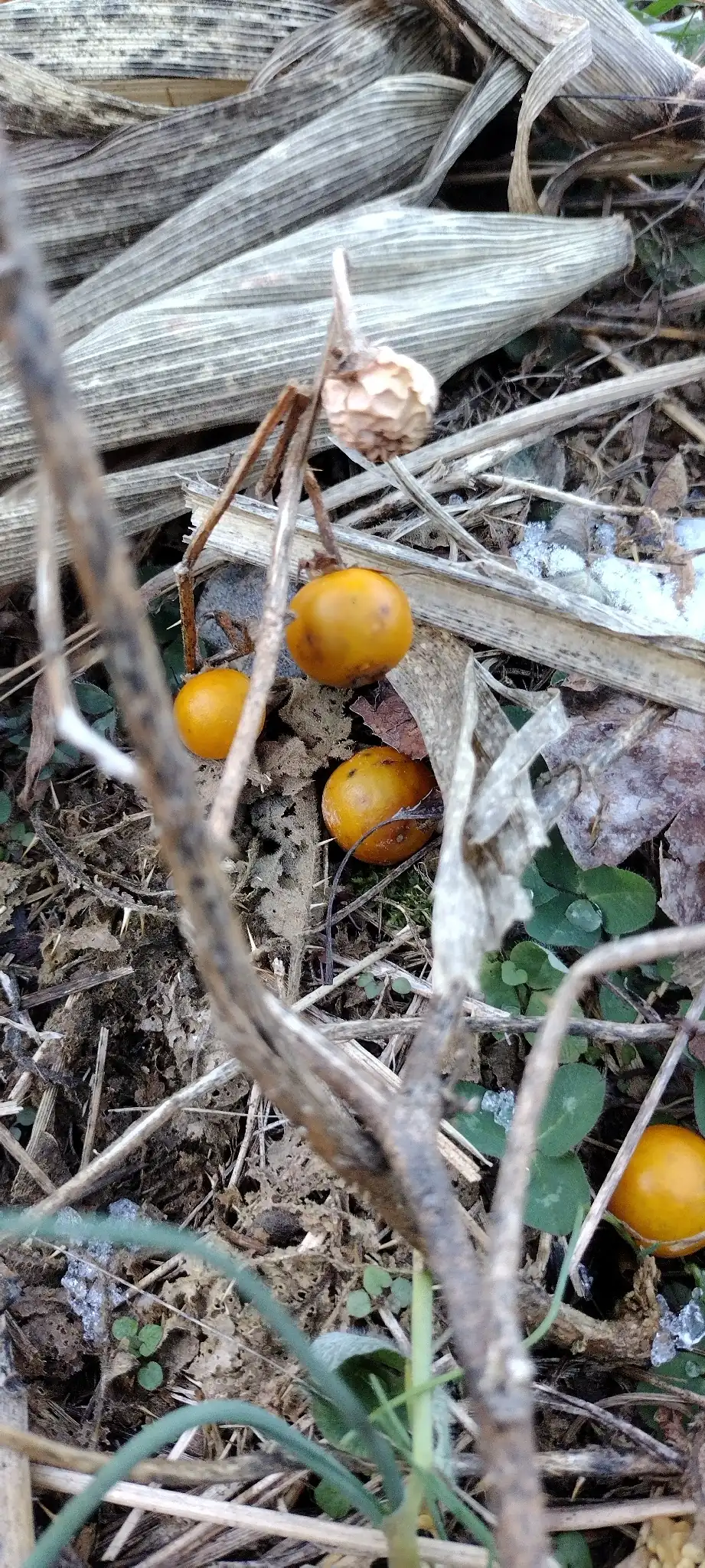
Solanum carolinense is an erect, loosely branched herbaceous perennial native to the southeastern and south-central United States. It spreads aggressively via a deep network of horizontal rhizomes and vertical taproots, making it highly persistent once established.
The stems and leaf veins are heavily armed with sharp, yellowish prickles and covered in star-shaped hairs. In summer, it produces star-shaped white to pale violet flowers with prominent yellow central cones, followed by toxic yellow berries.
Uses & Benefits:
Essentials
At a Glance
Plant Type
Perennial
Height
47"
Width
35"
Light
Full Sun
Zones
5, 6, 7, 8, 9
Water
Low
Humidity
Moderate to High
Lifespan
Perennial
Native To
North America
Toxicity
Highly Toxic
Bloom period
Late spring – Early fall
In flower about 5 months of the year
Planting
How to Grow
- Select a site with full sun and well-drained soil, as this species is highly intolerant of dense shade.
- Sow seeds directly into sandy or clay loam soils during early spring after the danger of frost has passed.
- Establish physical root barriers if planting in a controlled collection to prevent the creeping rhizomes from spreading.
- Water sparingly during the establishment phase, as the deep taproot quickly provides high drought tolerance.
Pro Tip
Never attempt to dig out established plants bare-handed or without removing every root fragment; any remaining rhizome pieces will rapidly regenerate into new shoots.
Keep It Thriving
Care Guide
Do
- Wear heavy leather gloves whenever handling the plant to protect against the sharp prickles.
- Cut back dead top growth to the ground in late winter or early spring.
- Contain the root system using deep pots or root barriers if grown for study.
Don't
- Do not apply supplemental fertilizer, as the plant thrives and spreads rapidly in low-fertility soils.
- Do not plant in poorly drained areas or soils prone to waterlogging.
- Do not allow the yellow berries to mature if you wish to prevent aggressive self-seeding.
Seasonal Care Calendar
| Task | Jan | Feb | Mar | Apr | May | Jun | Jul | Aug | Sep | Oct | Nov | Dec |
|---|---|---|---|---|---|---|---|---|---|---|---|---|
| Deadhead | ||||||||||||
| Pest Check | ||||||||||||
| Propagate | ||||||||||||
| Spring Cleanup |
Watch Out For
Pests & Diseases
Common Pests
Common Diseases
In the Garden
Landscape Uses & Companions
Landscape Uses
Companion Plants
Multiply
Propagation Methods
Good to Know
Common Questions
Carolina Horsenettle questions
What zones can Carolina Horsenettle grow in?
Carolina Horsenettle is hardy in USDA Zones 5–9. Inside that range it survives winter in the ground; outside it, grow it as an annual or a container plant you protect.
When does Carolina Horsenettle bloom?
Carolina Horsenettle typically blooms in late spring through early fall. Exact timing shifts a week or two with your zone — Sow's bloom calendar maps it to your garden.
Does Carolina Horsenettle need full sun?
Carolina Horsenettle does best in full sun (6+ hours).
Is Carolina Horsenettle drought tolerant?
Yes — once established (usually after the first full season), Carolina Horsenettle handles dry spells with minimal watering. Water deeply its first year to build the root system that makes that possible.
More Solanum to compare
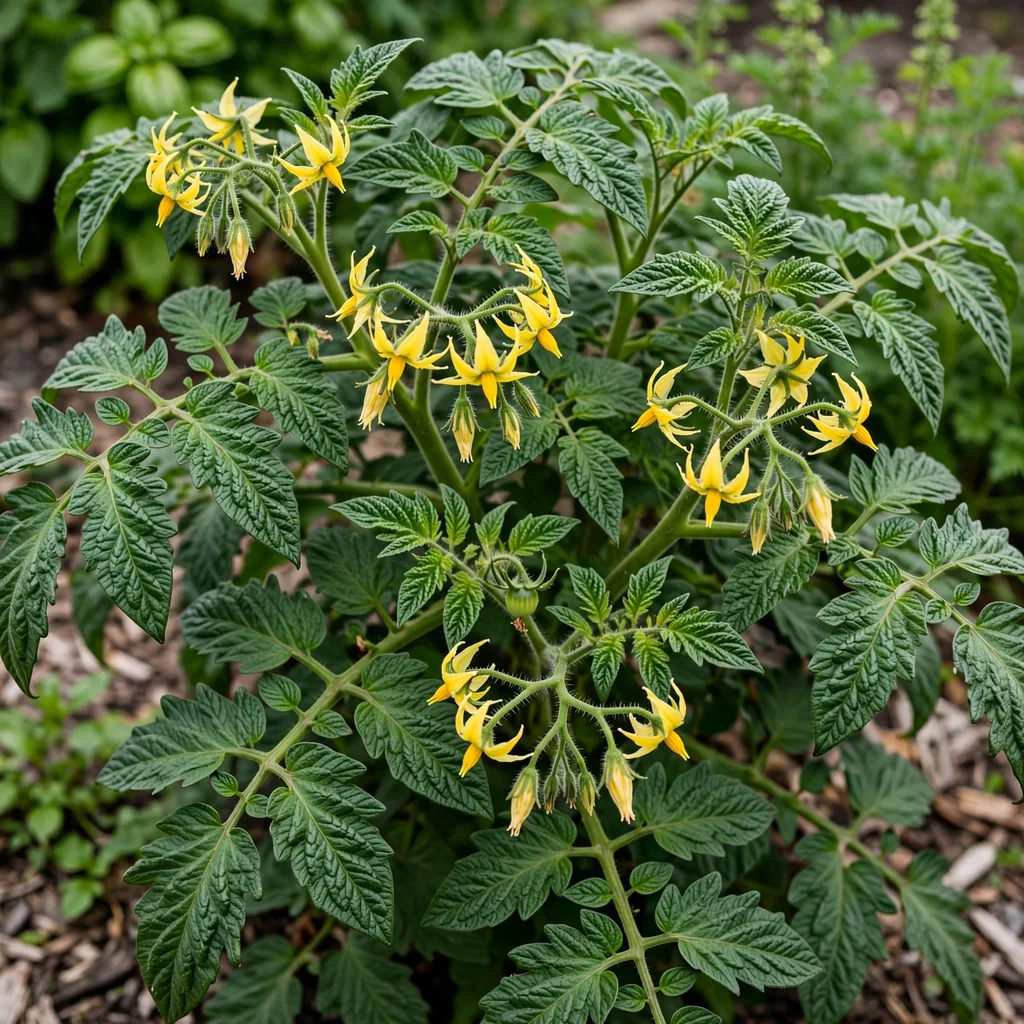
Martino's Roma Tomato
Solanum lycopersicum 'Martino's Roma'
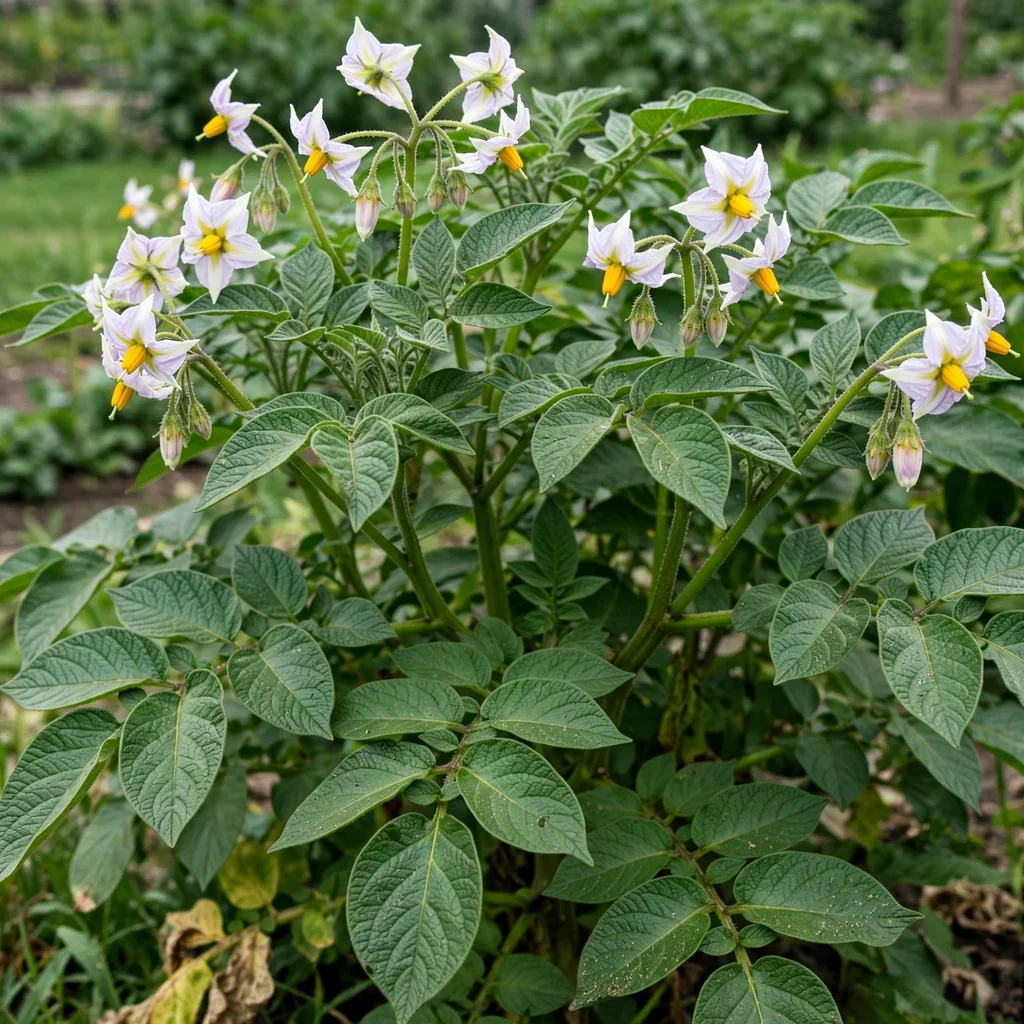
Yukon Gold Potato
Solanum tuberosum 'Yukon Gold'
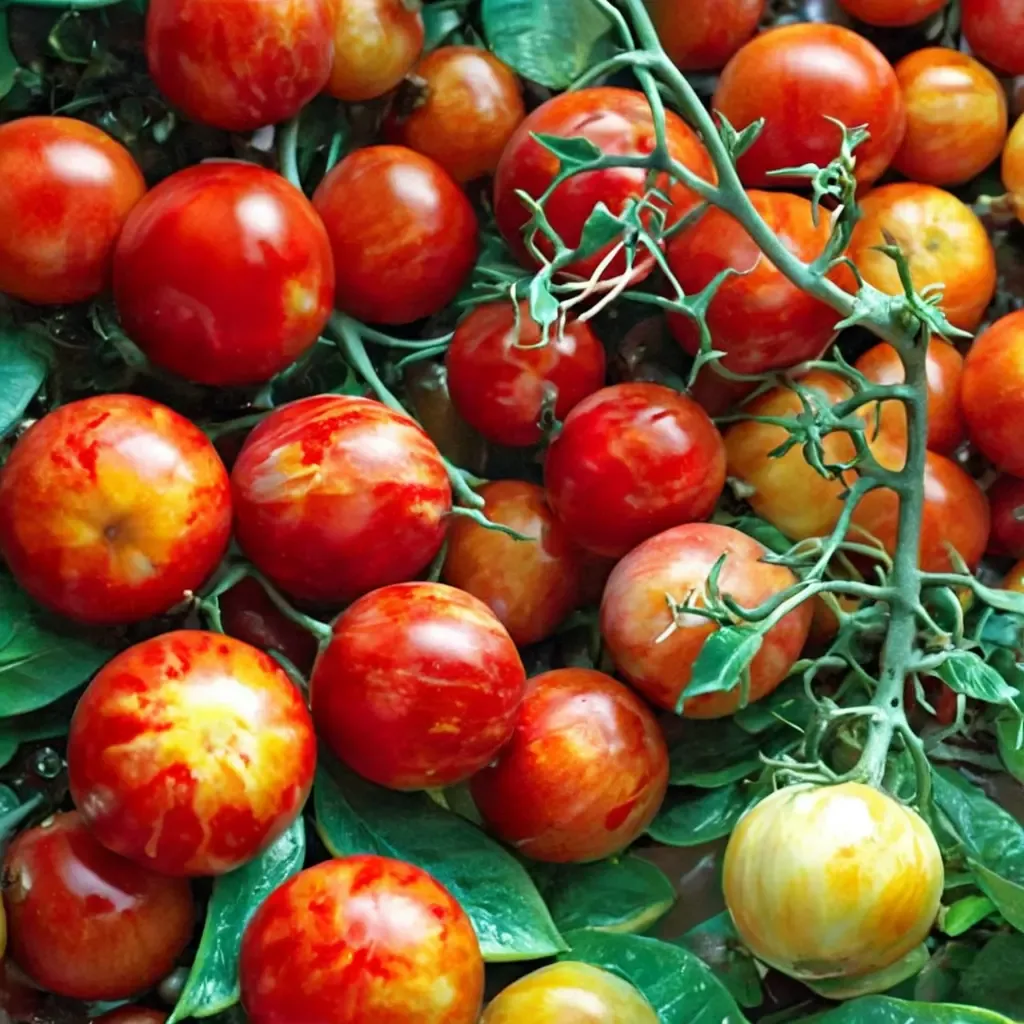
Sweet Tomato
Solanum lycopersicum 'Sweet'
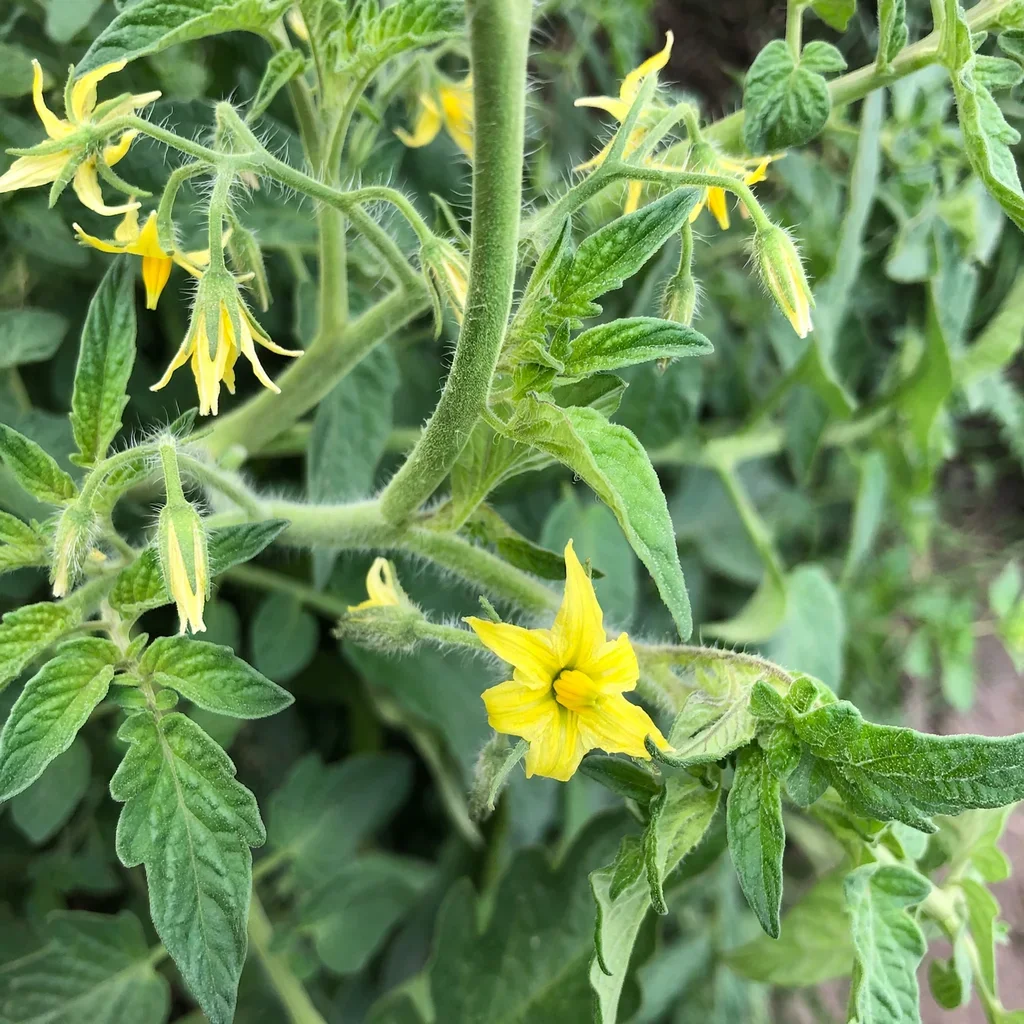
Napa Rose Tomato
Solanum lycopersicum 'Napa Rose'
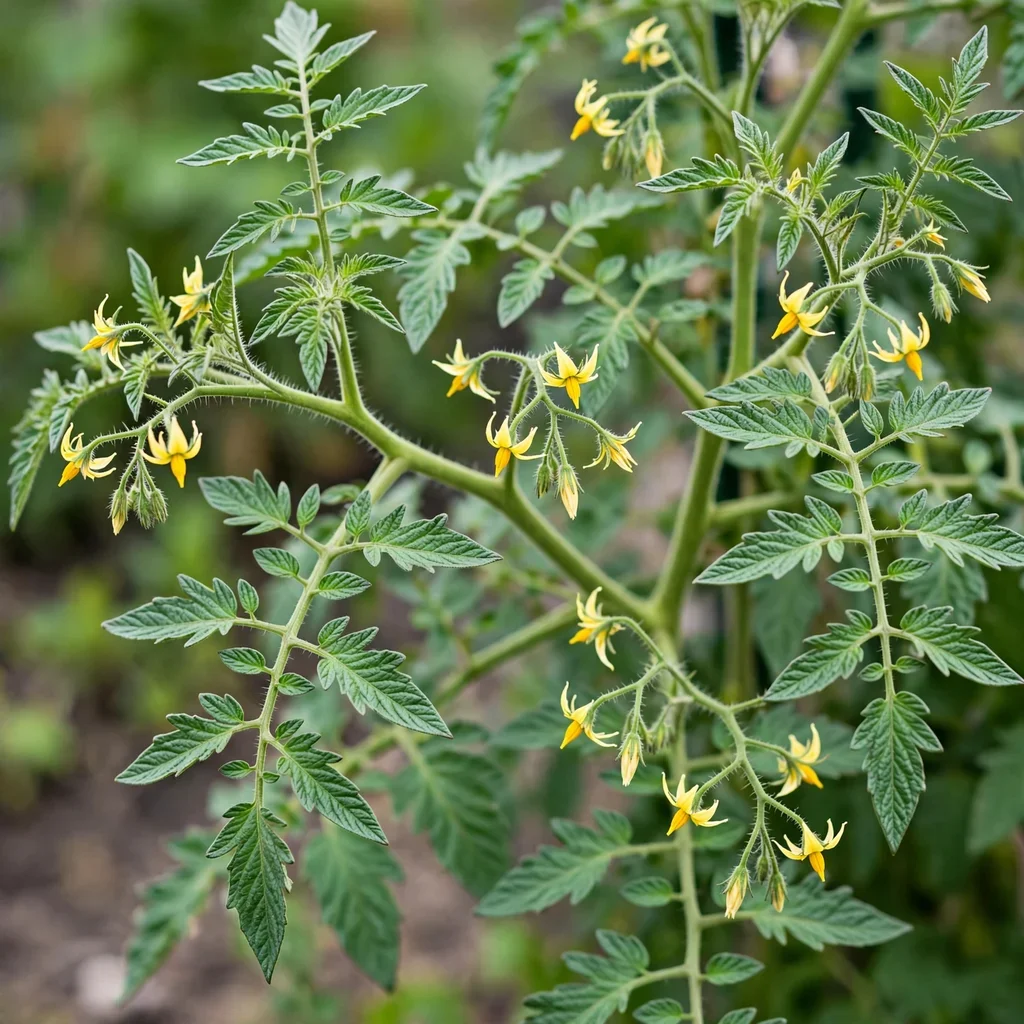
Red Currant Tomato
Solanum lycopersicum 'Red Currant'
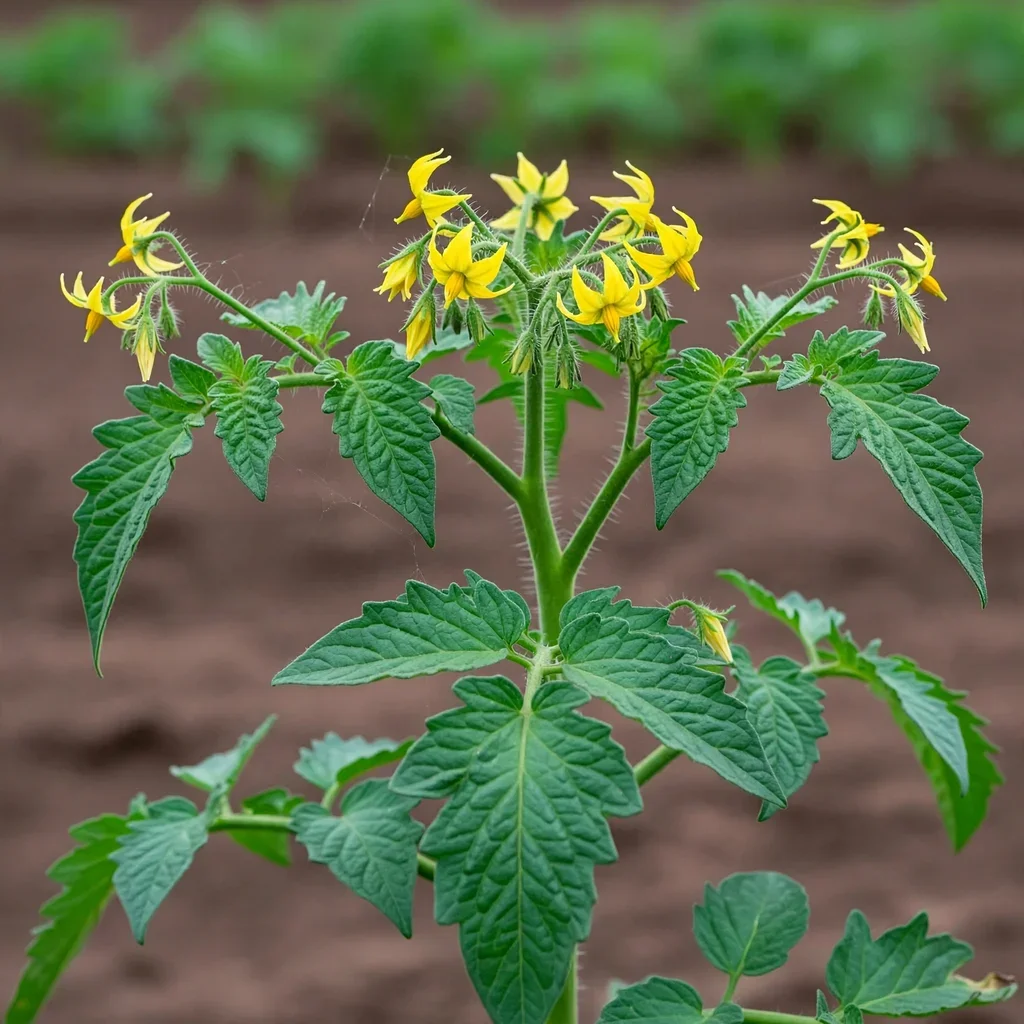
Gold Medal Tomato
Solanum lycopersicum 'Gold Medal'
Keep exploring
Explore the genus
Hardy in your zone?
Grow Carolina Horsenettle with confidence
See it in a design of your actual yard, get zone-matched care reminders, and track it season by season in your garden journal.