The Story
Plant Bio
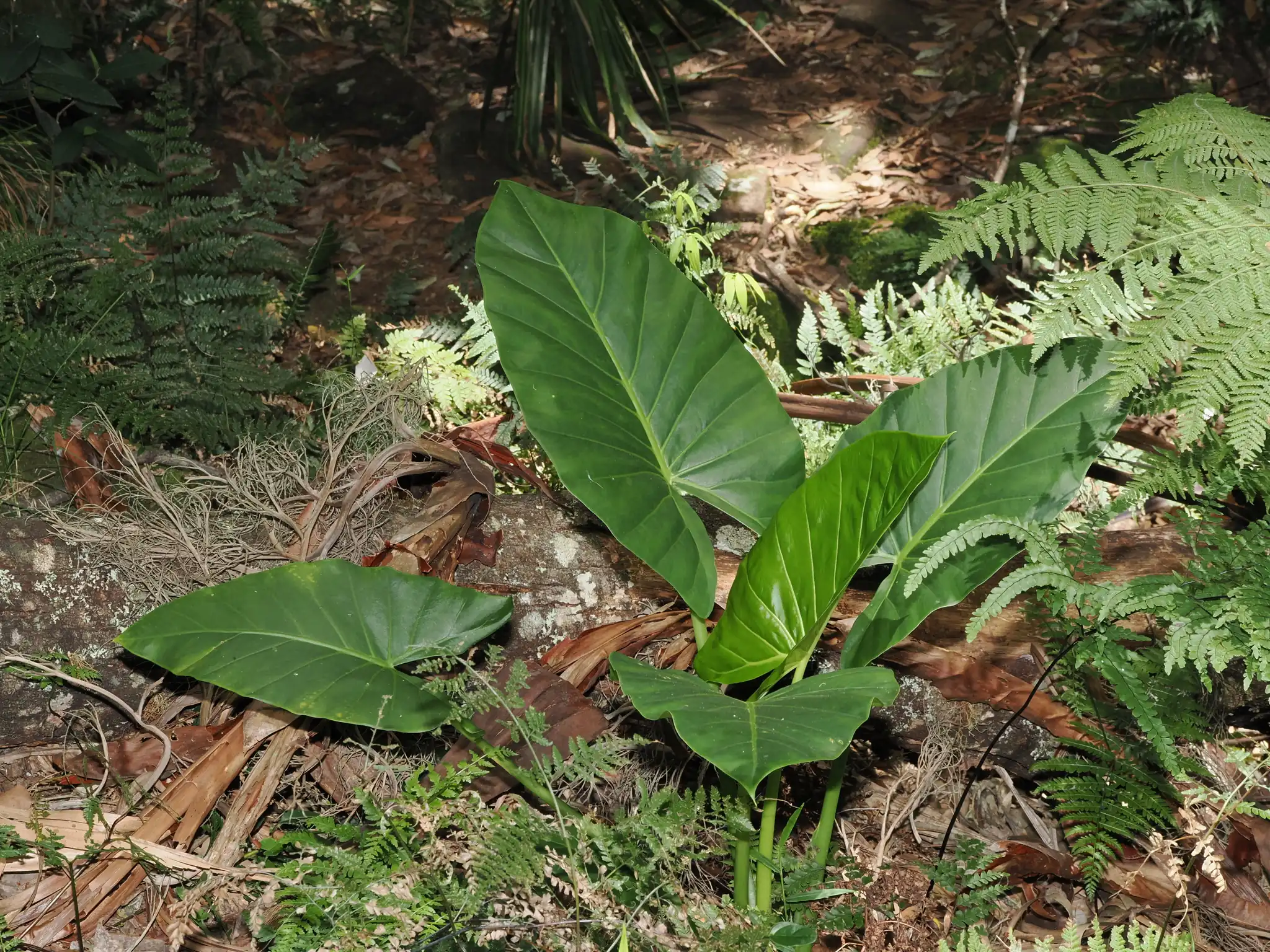
Alocasia brisbanensis is a robust, upright, evergreen perennial forming dense clumps of massive, glossy green leaves on thick, succulent stems. In summer, it produces cream-colored spadices enclosed by pale green, hood-like spathes that emit a sweet, rose-like fragrance, followed by clusters of red berries.
This species is distinguished by its exceptionally large, spade-shaped leaves that can reach up to three feet in length. Unlike many other members of the genus, the long petioles attach almost at the leaf margin rather than deep within the blade.
Uses & Benefits:
Essentials
At a Glance
Plant Type
Tropical
Height
70"
Width
60"
Light
Partial Sun, Shade
Zones
9, 10
Water
High
Humidity
High
Lifespan
Perennial
Native To
Australia
Toxicity
Highly toxic; contains calcium oxalate crystals
Bloom period
Summer
In flower about 3 months of the year
Planting
How to Grow
- Select a site in partial to deep shade with rich, organic, humus-heavy soil that remains consistently moist.
- Dig a hole twice the width of the root ball and incorporate compost to ensure adequate aeration in wet conditions.
- Plant the specimen at the same depth it was growing in the container, pressing the soil firmly around the fleshy base.
- Water thoroughly after planting and apply a thick layer of organic mulch to retain soil moisture and protect the rootstock.
Pro Tip
Avoid planting in stagnant, oxygen-starved mud; while this species thrives in wet soils, it requires a highly organic, aerated soil structure to prevent fungal collar rot.
Keep It Thriving
Care Guide
Do
- Keep the soil consistently moist to wet, especially during the active summer growing season.
- Apply a balanced, slow-release organic fertilizer monthly during spring and summer.
- Remove spent, yellowing lower leaves at the base to maintain a clean appearance and prevent fungal issues.
- Bring container-grown specimens indoors before the first autumn frost in zones colder than USDA Zone 9.
Don't
- Do not prune into the old, leafless woody stem tissue, as this weakens the plant's structural integrity.
- Do not allow the soil to dry out completely, which triggers semi-dormancy and severe leaf loss.
- Do not plant in areas exposed to harsh, direct afternoon sun or strong, dry winds that scorch the foliage.
- Do not ingest any part of the plant or handle the acrid sap without gloves due to highly toxic calcium oxalate crystals.
Seasonal Care Calendar
| Task | Jan | Feb | Mar | Apr | May | Jun | Jul | Aug | Sep | Oct | Nov | Dec |
|---|---|---|---|---|---|---|---|---|---|---|---|---|
| Divide | ||||||||||||
| Fertilize | ||||||||||||
| Pest Check | ||||||||||||
| Prune | ||||||||||||
| Winter Prep |
Watch Out For
Pests & Diseases
Common Pests
Common Diseases
In the Garden
Landscape Uses & Companions
Landscape Uses
Multiply
Propagation Methods
Good to Know
Common Questions
Cunjevoi questions
What zones can Cunjevoi grow in?
Cunjevoi is hardy in USDA Zones 9–10. Inside that range it survives winter in the ground; outside it, grow it as an annual or a container plant you protect.
Is Cunjevoi deer resistant?
Yes — Cunjevoi is rated deer-resistant. Deer typically pass it over, though extreme hunger can override any plant's defenses.
When does Cunjevoi bloom?
Cunjevoi typically blooms in summer through summer. Exact timing shifts a week or two with your zone — Sow's bloom calendar maps it to your garden.
Does Cunjevoi need full sun?
Cunjevoi does best in part shade.
More Alocasia to compare
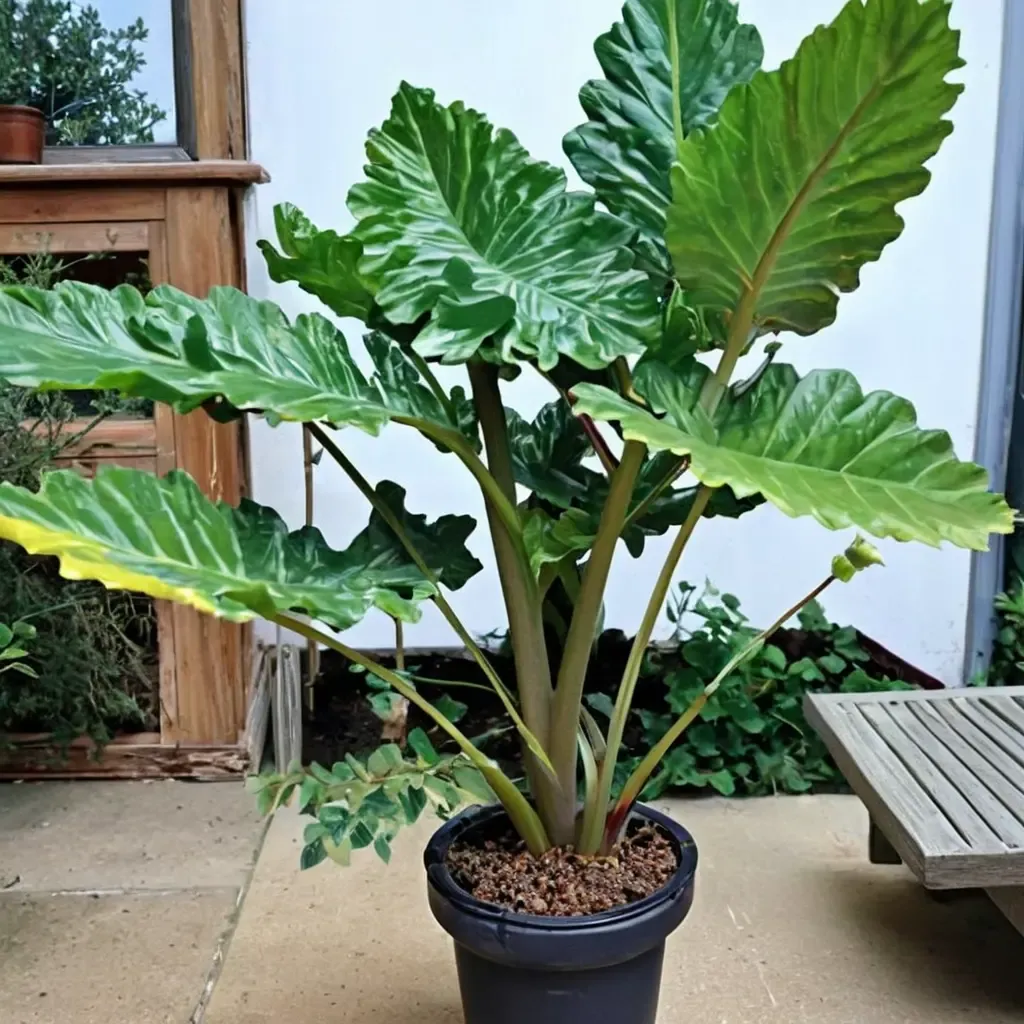
Portodora Elephant Ear
Alocasia x hybrida 'Portora'
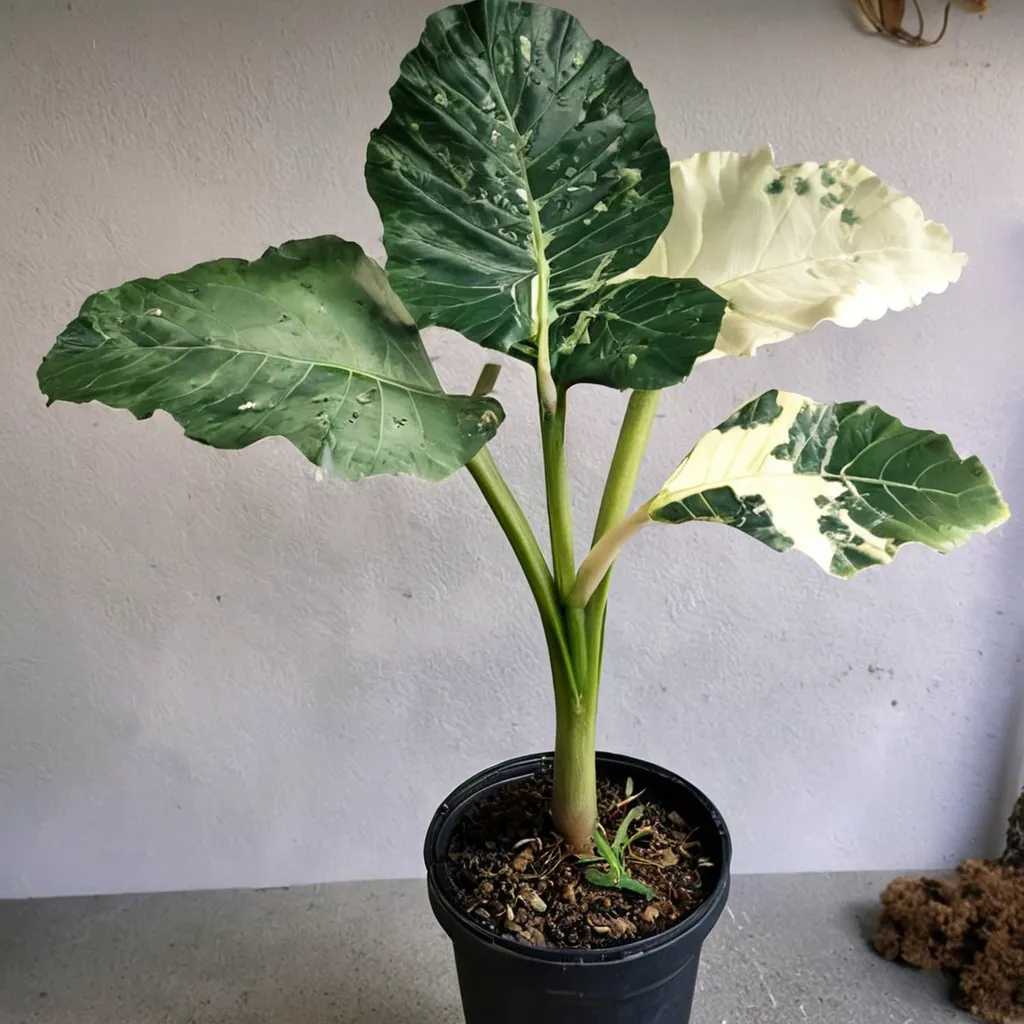
Variegated Elephant Ear
Alocasia macrorrhizos 'Variegata'
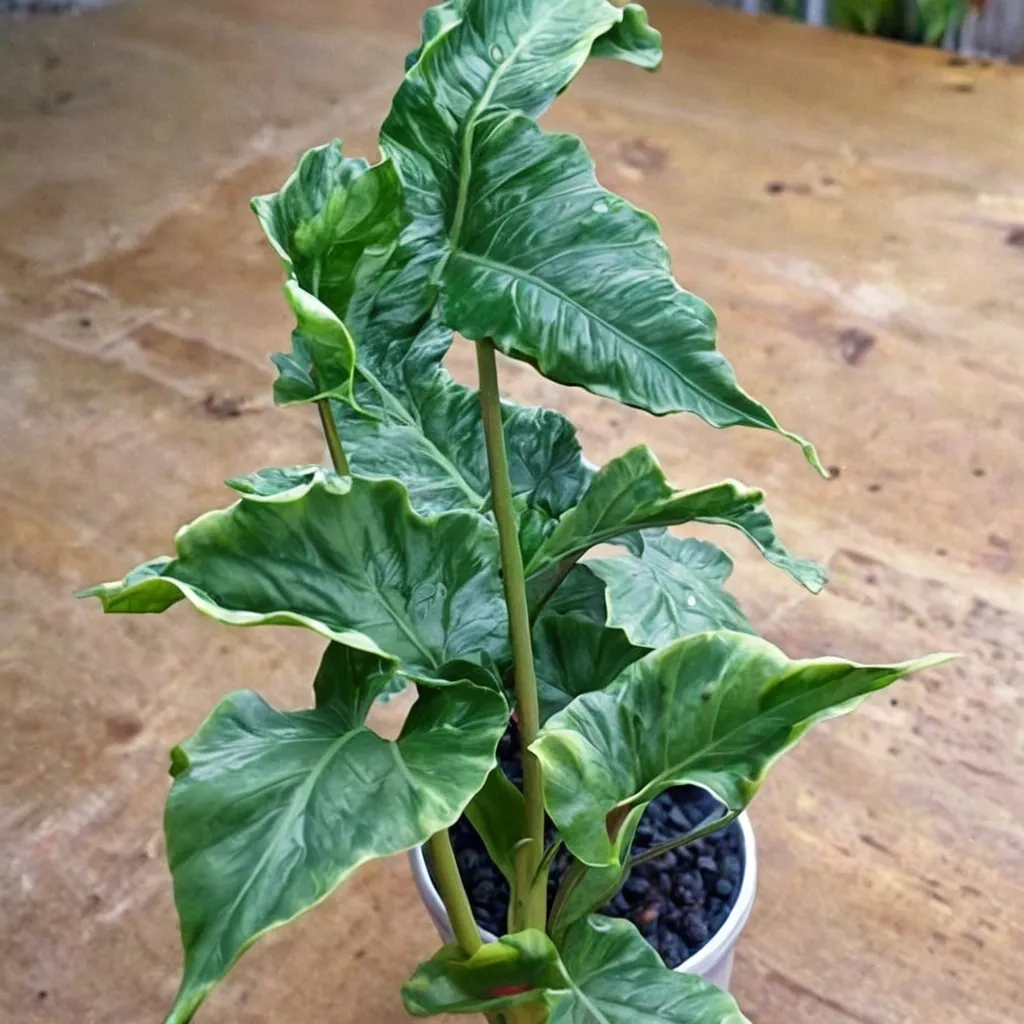
Giant Elephant Ear
Alocasia macrorrhizos 'Shock Treatment'
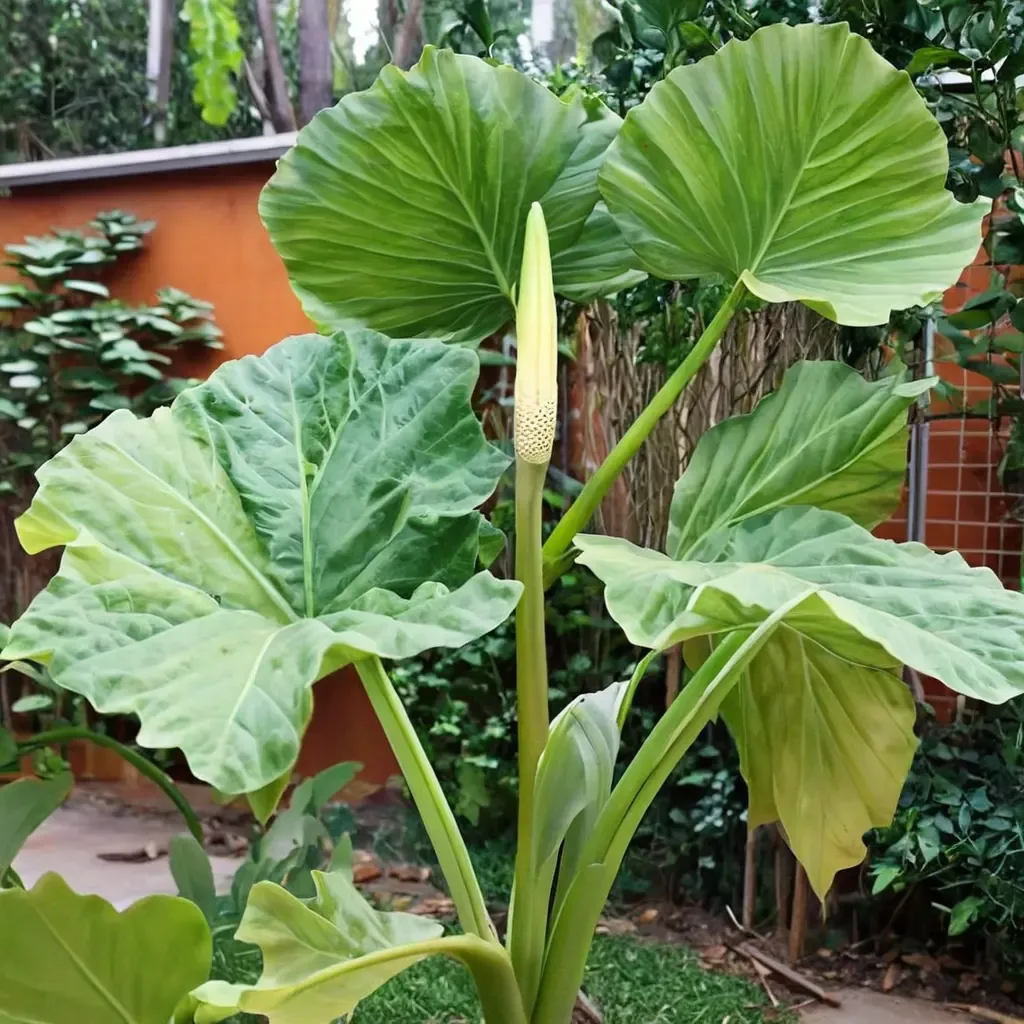
Giant Taro
Alocasia macrorrhizos
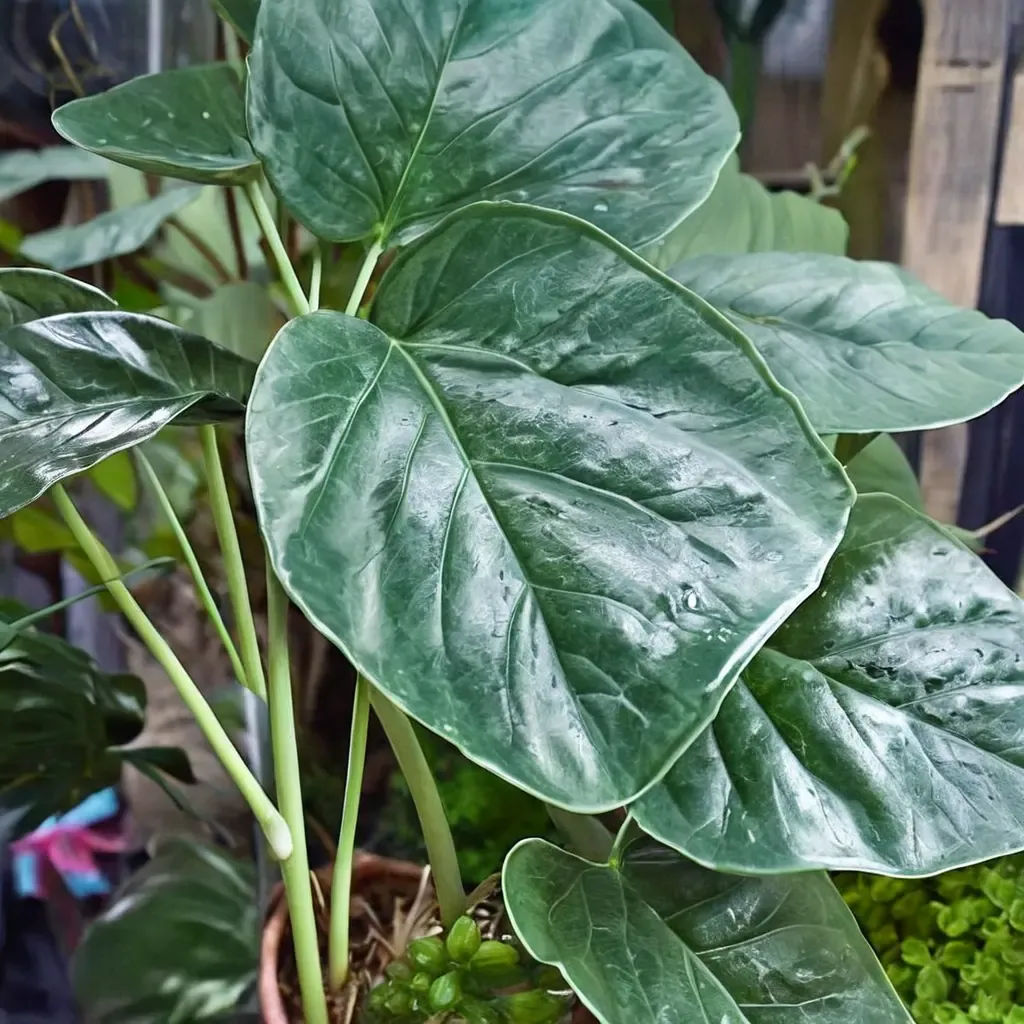
Hardy Elephant Ear
Alocasia wentii
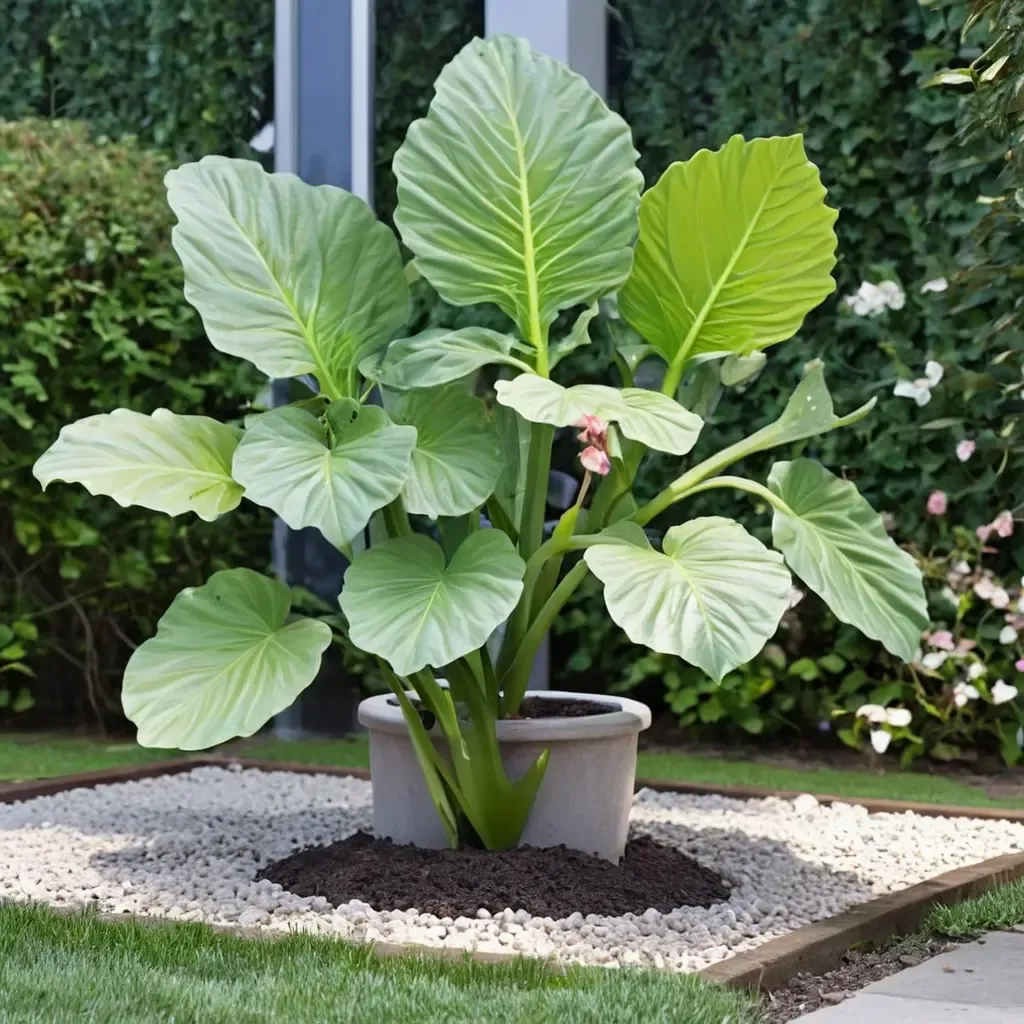
African Mask Plant Elephant Ear
Alocasia indica 'Odora'
Keep exploring
Explore the genus
Hardy in your zone?
Grow Cunjevoi with confidence
See it in a design of your actual yard, get zone-matched care reminders, and track it season by season in your garden journal.