The Story
Plant Bio
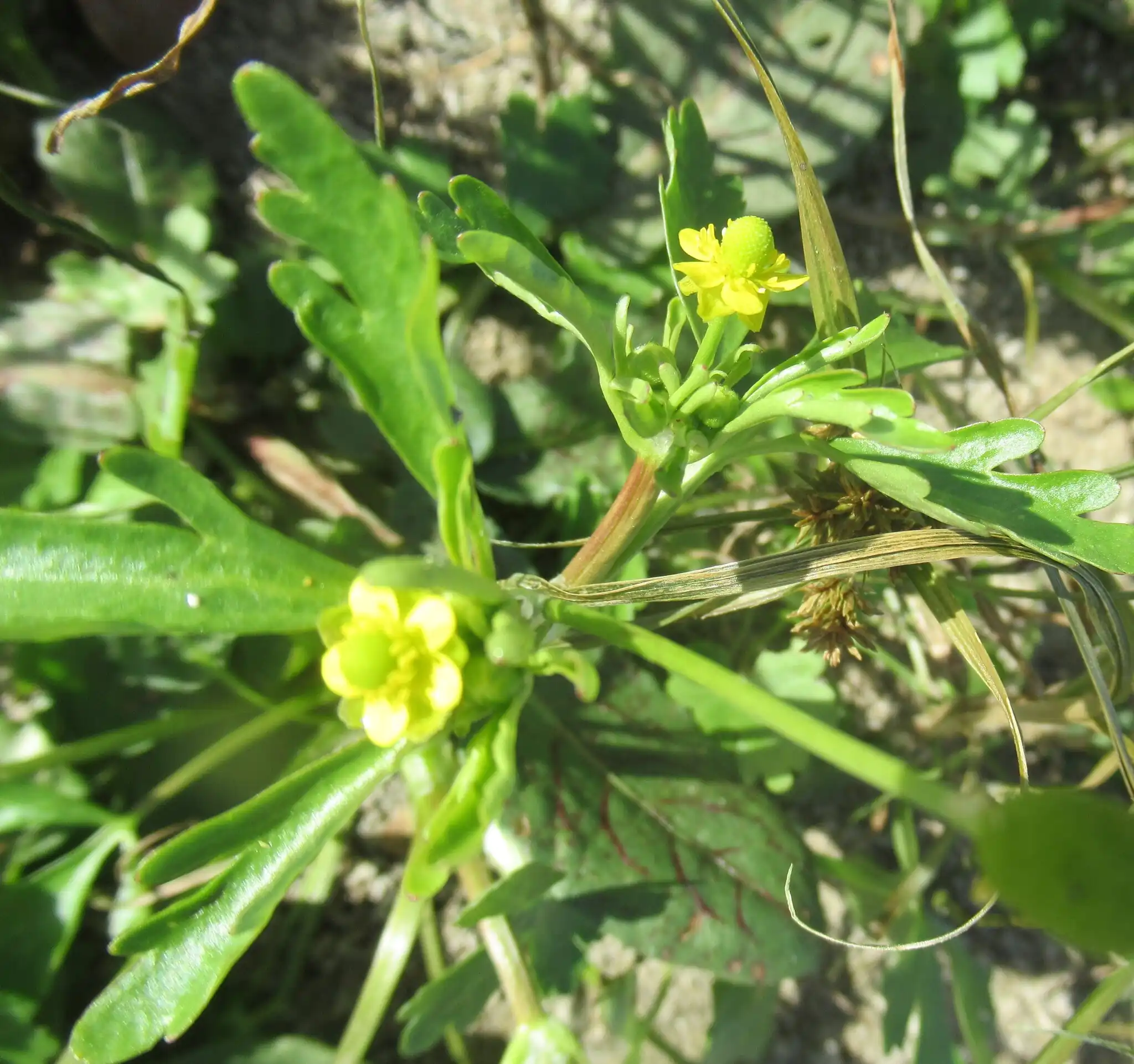
Ranunculus sceleratus, the cursed buttercup, is an erect, hollow-stemmed annual herb reaching eight to twenty-four inches in height, native to wet habitats across Eurasia and North America. The shiny green foliage is deeply lobed into three distinct segments resembling celery leaves, arising from a heavily branched, hairless main stem.
This species is distinguished by its exceptionally small, pale yellow flowers that feature an elongated central receptacle, which swells into a prominent cylindrical seed head as the achenes mature. The entire plant contains high concentrations of ranunculin, a toxic compound that causes severe skin blistering upon contact with the crushed foliage.
Uses & Benefits:
Essentials
At a Glance
Plant Type
Annual
Height
24"
Width
12"
Light
Full Sun, Partial Sun
Zones
4, 5, 6, 7, 8, 9
Water
High
Humidity
High
Lifespan
Annual
Native To
Eurasia, North America
Toxicity
Highly toxic; causes skin blistering and severe poisoning if ingested
Bloom period
Spring – Summer
In flower about 6 months of the year
Planting
How to Grow
- Sow seeds in late fall or early spring directly onto the surface of saturated, muddy soil.
- Maintain consistently wet conditions, as the seeds require constant moisture and light to germinate.
- Thin emerging seedlings to space them six to twelve inches apart in full sun to partial shade.
- Monitor the site during summer and hand-pull plants before the seed heads turn brown to control spread.
Pro Tip
Wear heavy gloves when handling this plant to avoid contact with the acrid sap, and manually pull the shallow roots before the cylindrical seed heads mature to prevent aggressive self-seeding in wet soils.
Keep It Thriving
Care Guide
Do
- Wear protective gloves and long sleeves whenever handling or weeding this plant.
- Keep the soil saturated or submerged in shallow standing water to mimic its natural wetland habitat.
- Allow the plant to complete its annual lifecycle naturally if establishing a wild wetland meadow.
Don't
- Do not plant this species near pastures, livestock areas, or residential gardens where children and pets play.
- Do not compost pulled plants with mature seed heads, as the seeds survive composting and will spread.
- Do not allow the soil to dry out, which causes rapid decline and premature death of the plant.
Seasonal Care Calendar
| Task | Jan | Feb | Mar | Apr | May | Jun | Jul | Aug | Sep | Oct | Nov | Dec |
|---|---|---|---|---|---|---|---|---|---|---|---|---|
| Pest Check | ||||||||||||
| Plant | ||||||||||||
| Prune | ||||||||||||
| Winter Prep |
Watch Out For
Pests & Diseases
Common Pests
Common Diseases
In the Garden
Landscape Uses & Companions
Landscape Uses
Companion Plants
Multiply
Propagation Methods
Good to Know
Common Questions
Cursed Buttercup questions
What zones can Cursed Buttercup grow in?
Cursed Buttercup is hardy in USDA Zones 4–9. Inside that range it survives winter in the ground; outside it, grow it as an annual or a container plant you protect.
Is Cursed Buttercup deer resistant?
Yes — Cursed Buttercup is rated deer-resistant. Deer typically pass it over, though extreme hunger can override any plant's defenses.
When does Cursed Buttercup bloom?
Cursed Buttercup typically blooms in spring through summer. Exact timing shifts a week or two with your zone — Sow's bloom calendar maps it to your garden.
Does Cursed Buttercup need full sun?
Cursed Buttercup does best in full sun to part shade. In hot climates, afternoon shade keeps blooms fresher longer.
More Ranunculus to compare
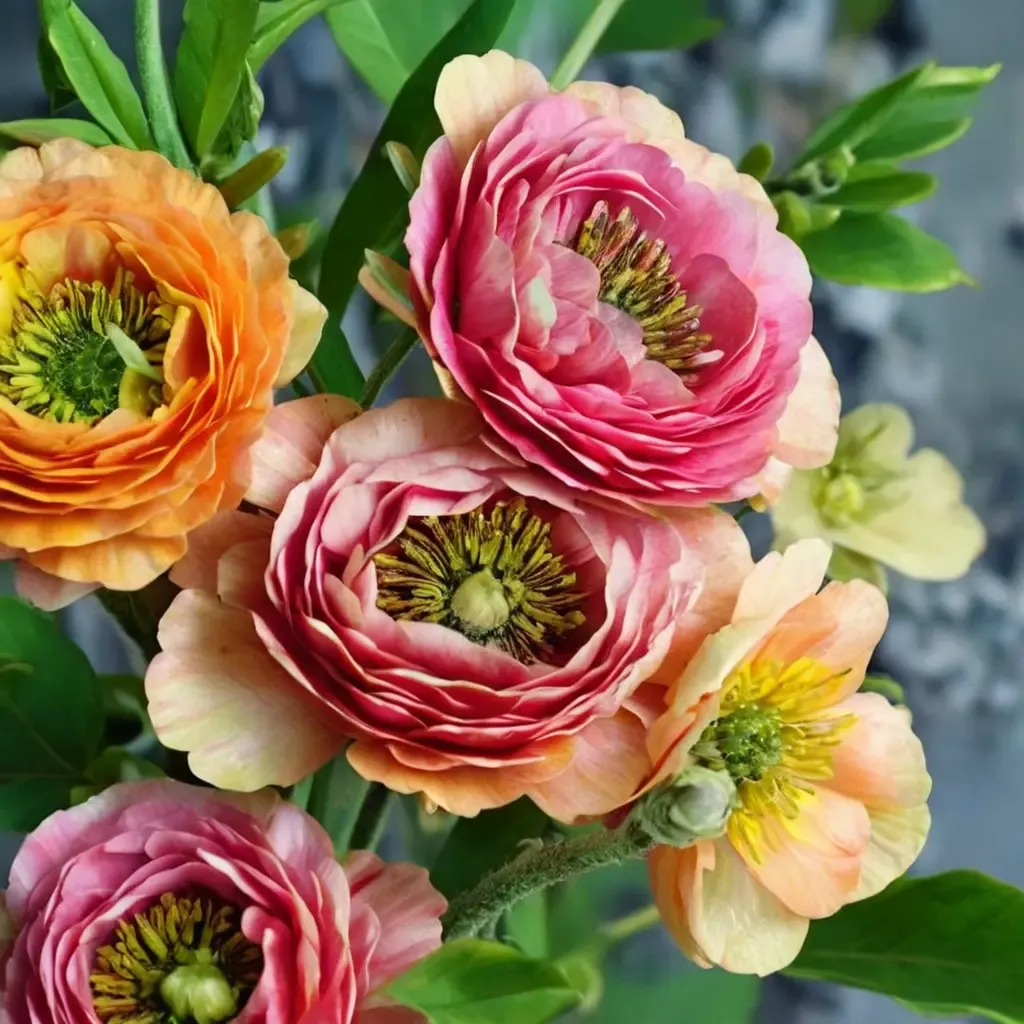
Greater Spearwort
Ranunculus lingua
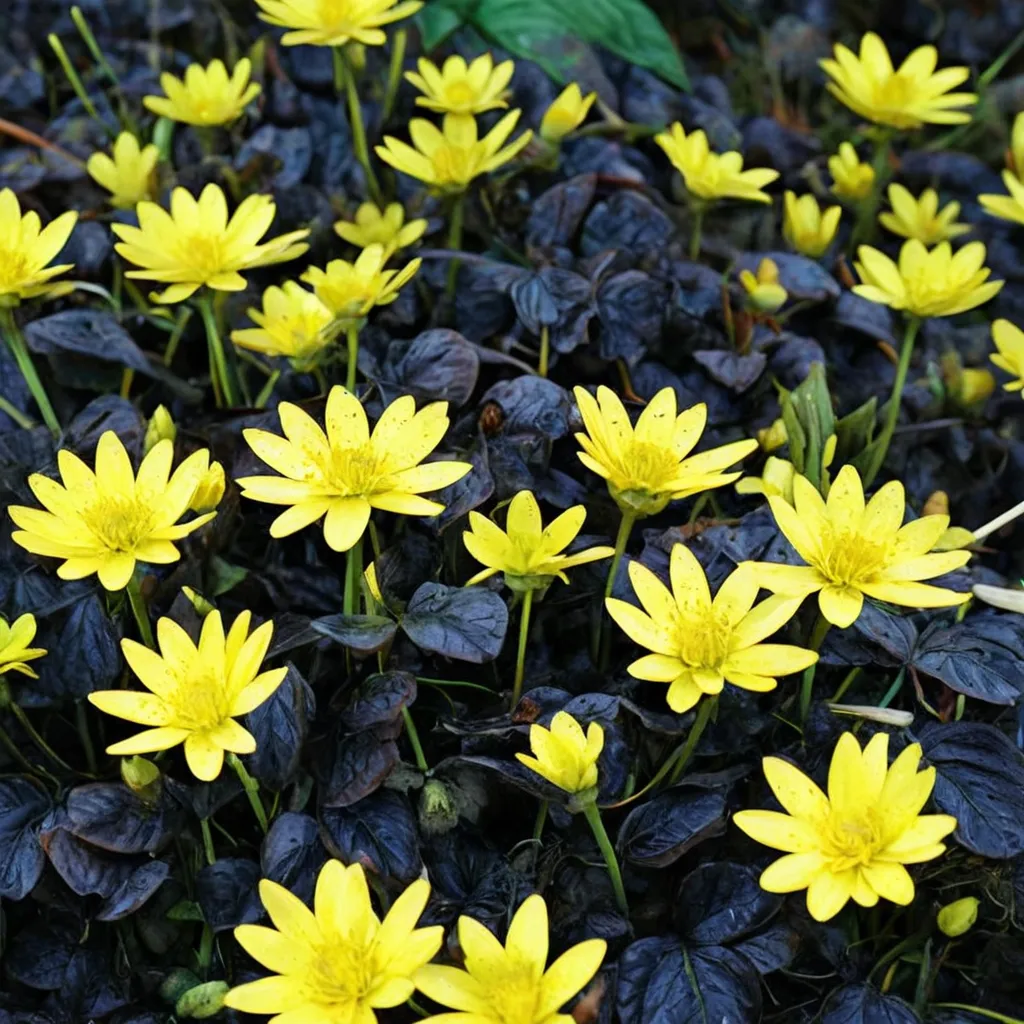
'Brazen Hussy' Lesser Celandine
Ranunculus ficaria 'Brazen Hussy'
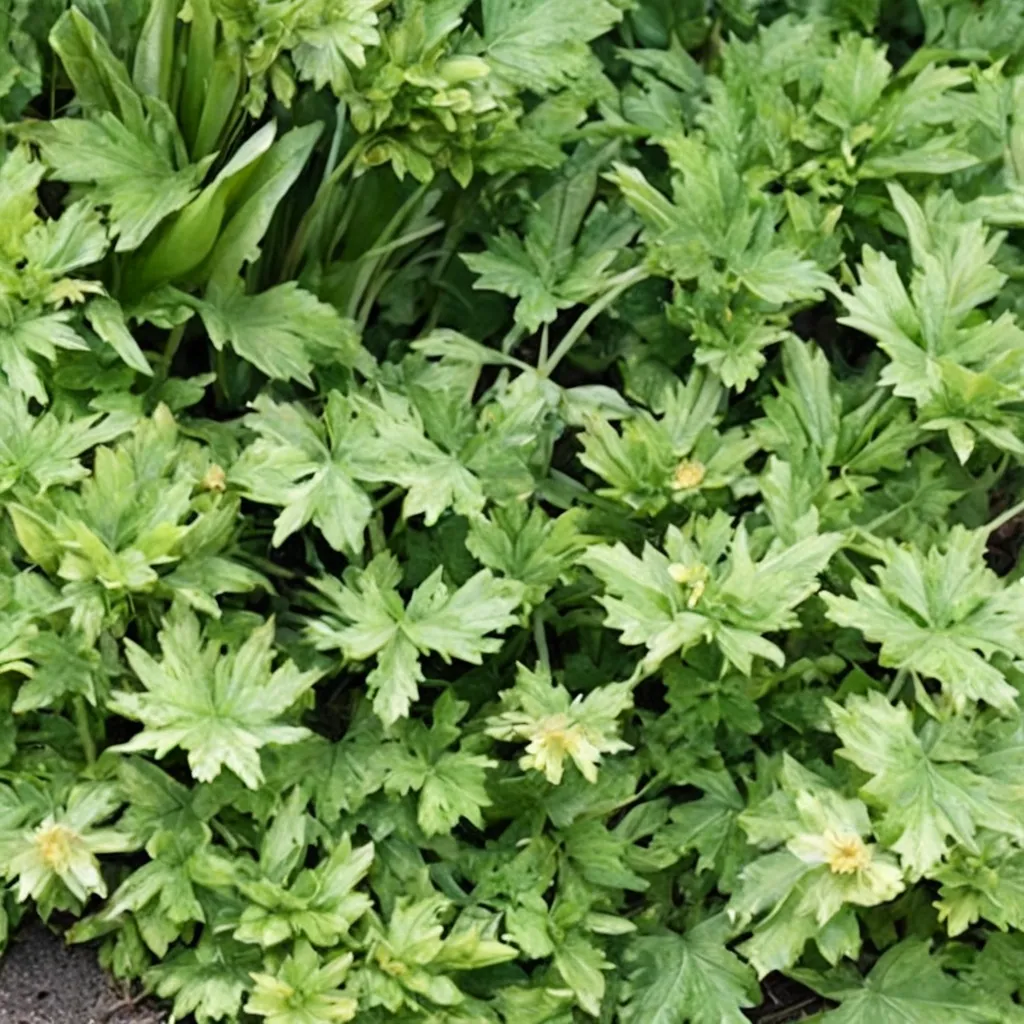
'Buttered Popcorn' Creeping Buttercup
Ranunculus repens 'Buttered Popcorn'
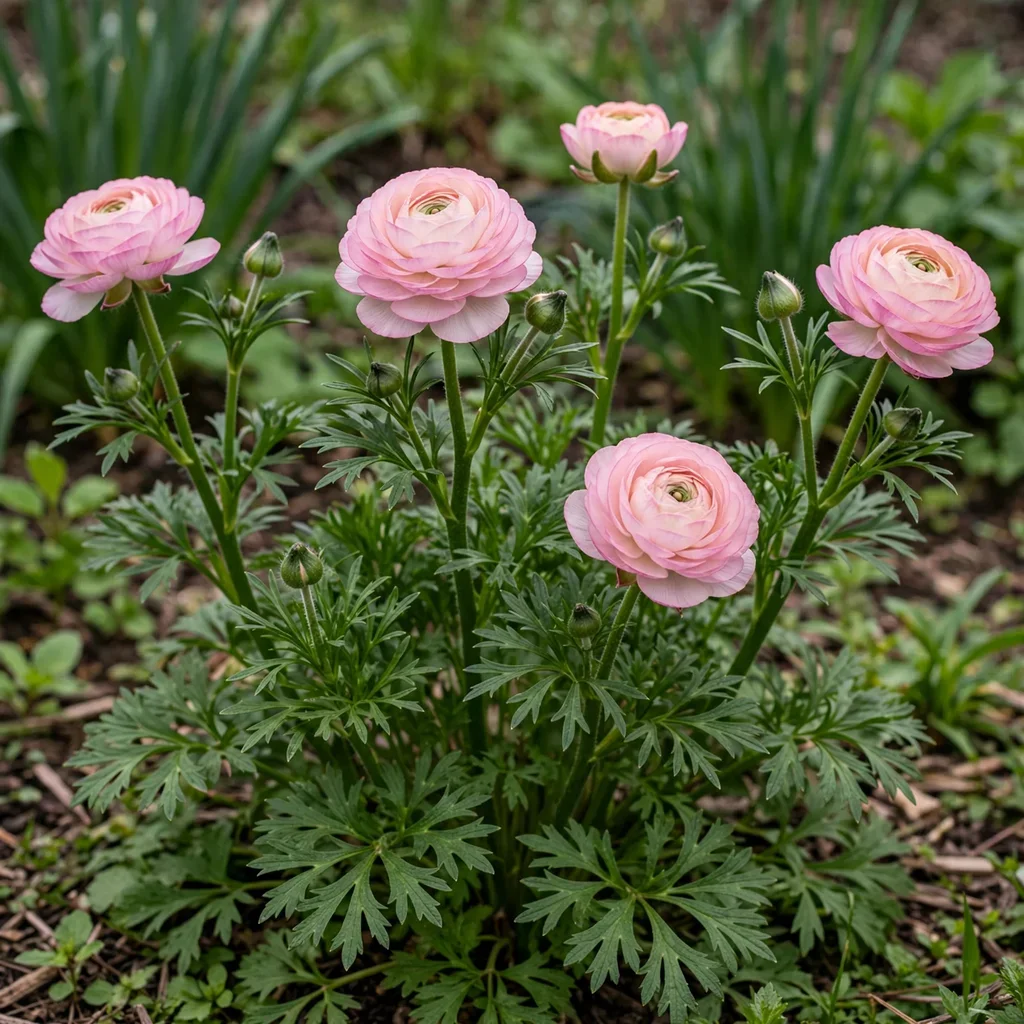
Persian Buttercup 'Amandine Pastel Pink'
Ranunculus asiaticus 'Amandine Pastel Pink'
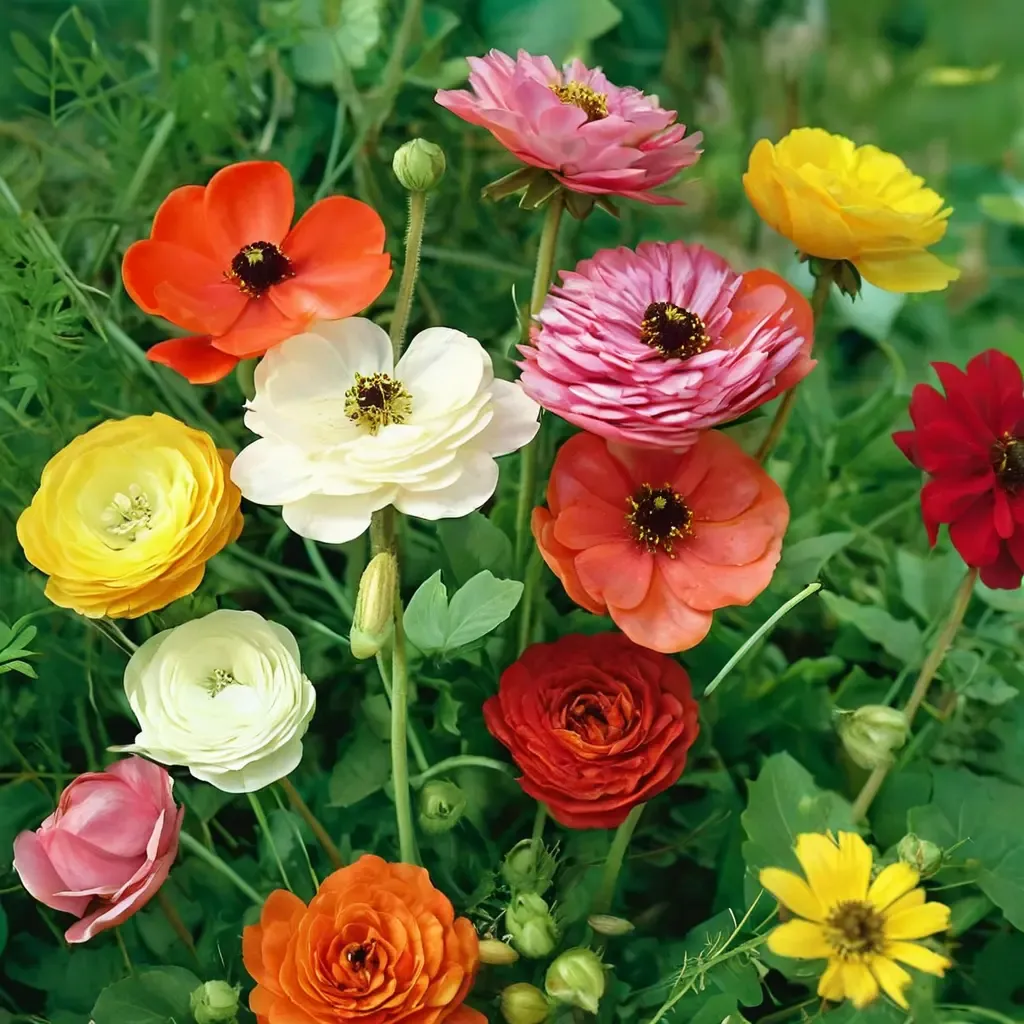
Persian Buttercup
Ranunculus asiaticus
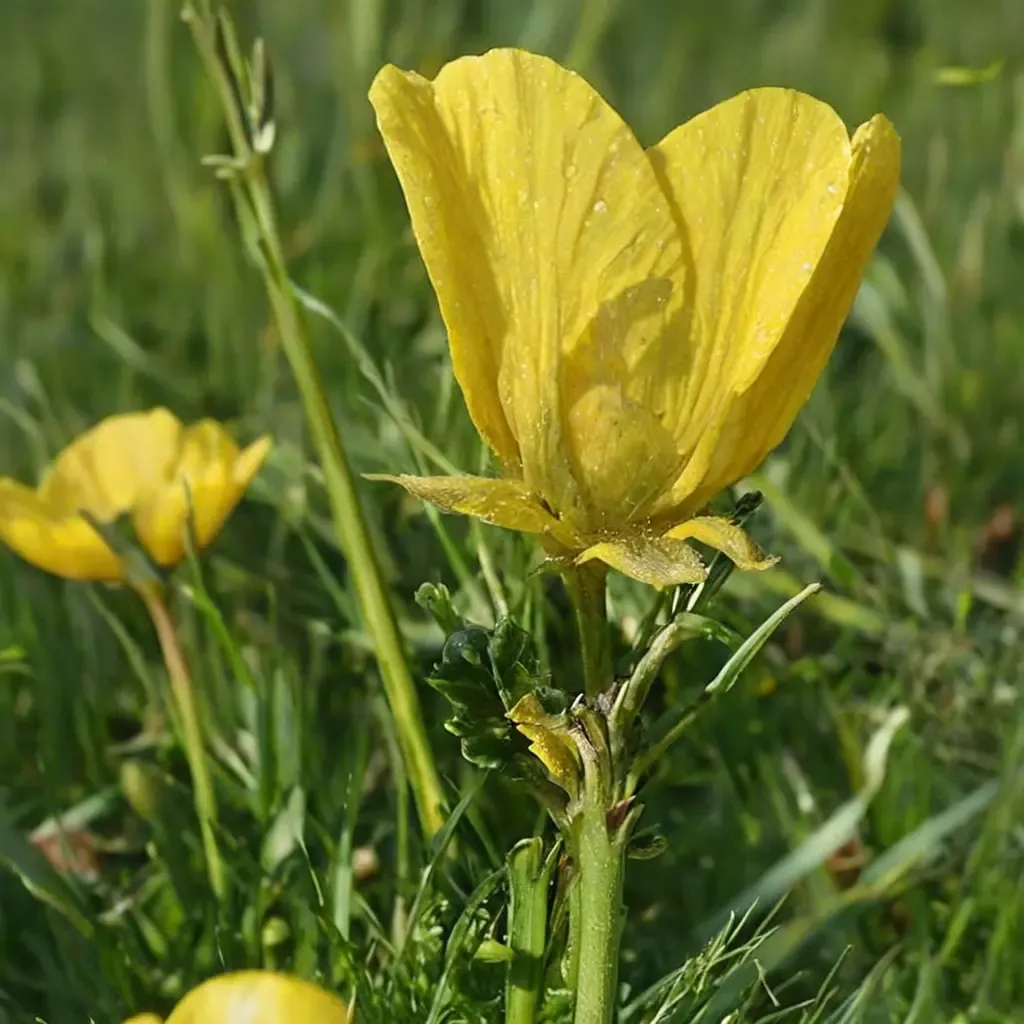
Bulbous Buttercup
Ranunculus bulbosus 'Mix'
Keep exploring
Explore the genus
Grow Cursed Buttercup with confidence
See it in a design of your actual yard, get zone-matched care reminders, and track it season by season in your garden journal.