1 named cultivar

The Story
Plant Bio
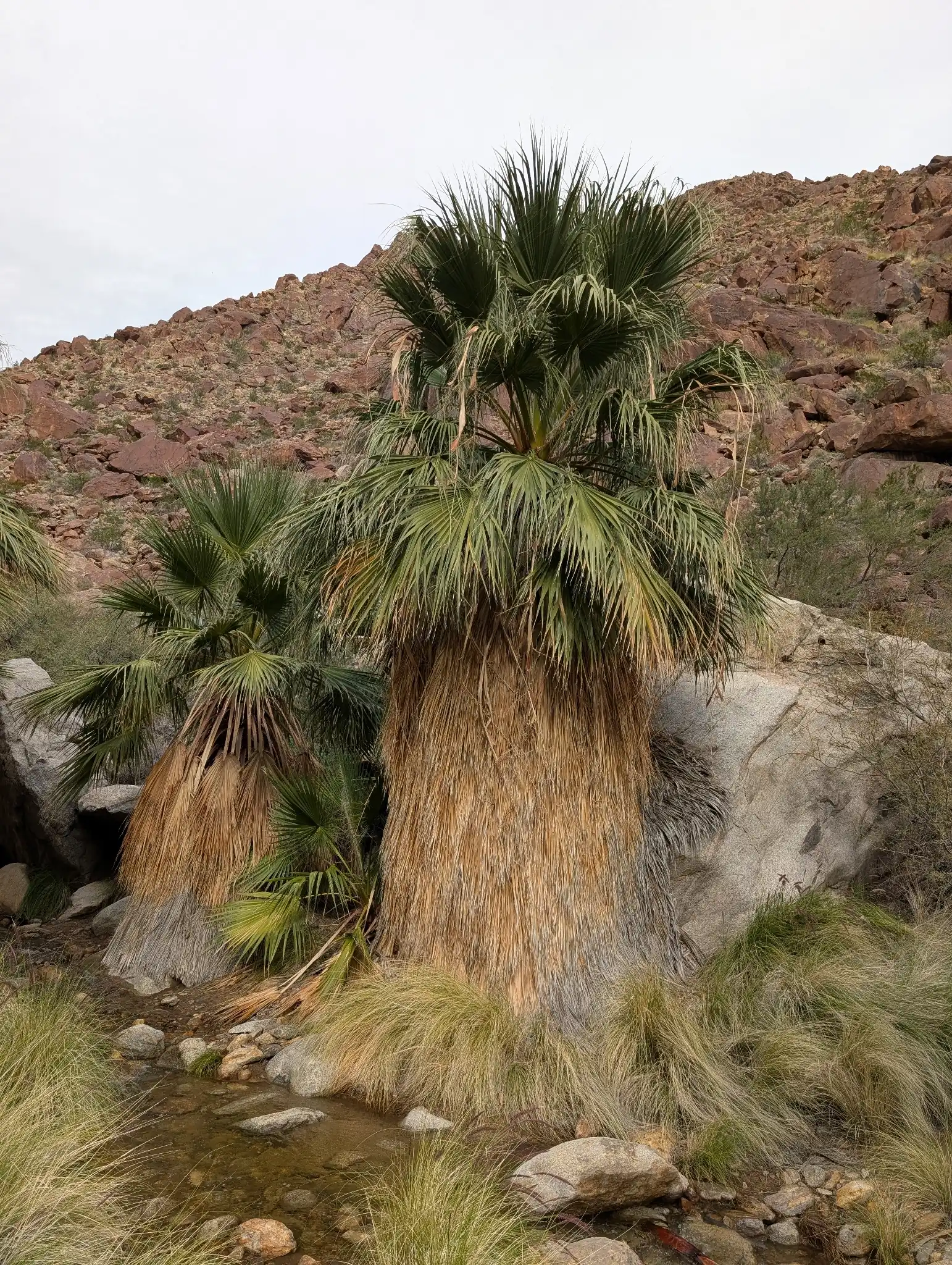
Washingtonia filifera is a massive, single-trunked palm native to the desert oases of the southwestern United States and northwestern Mexico. The thick, barrel-shaped trunk is ringed with old leaf scars and crowned by large, fan-shaped gray-green leaves that split into thread-like fibers.
Unlike the taller and more slender Washingtonia robusta, this species maintains a stockier trunk and broader, stiffer fronds. Dead leaves naturally persist on the trunk, folding downward to form a dense, protective shag or 'petticoat' that shields the bark from extreme temperatures.
Uses & Benefits:
Essentials
At a Glance
Plant Type
Tree
Height
708"
Width
177"
Light
Full Sun
Zones
8, 9, 10
Water
Low
Humidity
Low to Moderate
Lifespan
Long
Native To
Southwestern United States, Northwestern Mexico
Toxicity
Non-toxic
Marketplace
Where to Buy
Shipping costs Year-round shipping Free shipping
Planting
How to Grow
- Select a planting site in full sun with deep, exceptionally well-drained soil.
- Dig a hole twice as wide as the root ball but no deeper, ensuring the palm is planted at the same depth it grew in the container.
- Backfill with native soil, water deeply to settle the roots, and apply a thin layer of organic mulch around the base without letting it touch the trunk.
- Water regularly during the first growing season to establish the root system, then reduce irrigation to match local rainfall.
Pro Tip
Avoid 'hurricane cutting' or stripping the green fronds; removing horizontal or upward-pointing living tissue starves the palm and severely stunts trunk development.
Keep It Thriving
Care Guide
Do
- Leave the dead leaf skirt intact to naturally protect the trunk from temperature fluctuations unless local fire safety codes require its removal.
- Apply a slow-release, palm-specific fertilizer containing magnesium, manganese, and iron once or twice during the warm growing season.
- Use clean, sanitized pruning tools when removing dead fronds to prevent the transmission of vascular pathogens.
Don't
- Do not prune into green, living tissue or remove horizontal or upward-pointing fronds.
- Do not plant in heavy, poorly drained clay soils without grading or amending to ensure rapid drainage.
- Do not over-fertilize or apply high-nitrogen turf fertilizers near the root zone, which can cause nutrient imbalances.
Seasonal Care Calendar
| Task | Jan | Feb | Mar | Apr | May | Jun | Jul | Aug | Sep | Oct | Nov | Dec |
|---|---|---|---|---|---|---|---|---|---|---|---|---|
| Fertilize | ||||||||||||
| Pest Check | ||||||||||||
| Propagate | ||||||||||||
| Prune |
Watch Out For
Pests & Diseases
Common Pests
Common Diseases
In the Garden
Landscape Uses & Companions
Landscape Uses
Companion Plants
Multiply
Propagation Methods
Good to Know
Common Questions
California Fan Palm questions
What zones can California Fan Palm grow in?
California Fan Palm is hardy in USDA Zones 8–10. Inside that range it survives winter in the ground; outside it, grow it as an annual or a container plant you protect.
When does California Fan Palm bloom?
California Fan Palm typically blooms in spring through summer. Exact timing shifts a week or two with your zone — Sow's bloom calendar maps it to your garden.
Does California Fan Palm need full sun?
California Fan Palm does best in full sun (6+ hours).
Is California Fan Palm drought tolerant?
Yes — once established (usually after the first full season), California Fan Palm handles dry spells with minimal watering. Water deeply its first year to build the root system that makes that possible.
More Washingtonia to compare
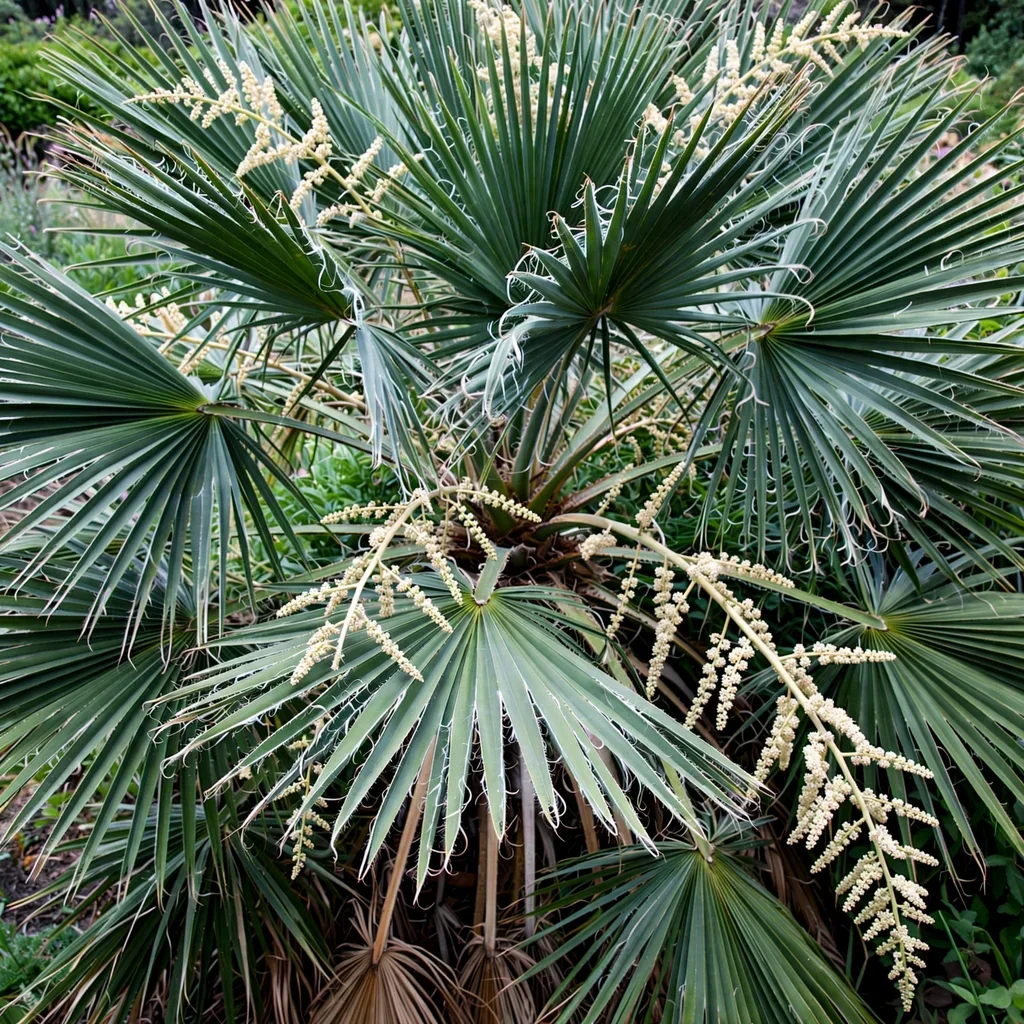
Truth or Consequences California Fan Palm
Washingtonia filifera 'Truth or Consequences'
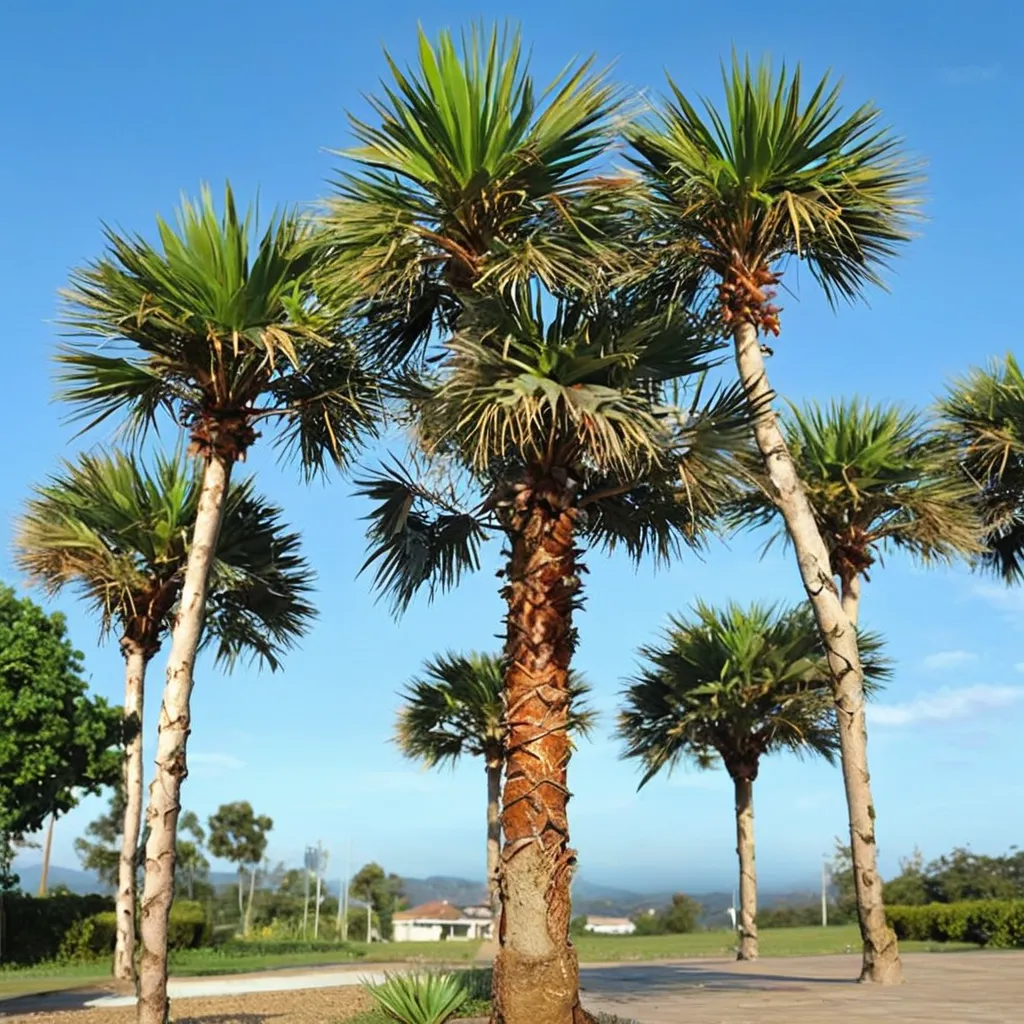
Mexican Fan Palm
Washingtonia robusta
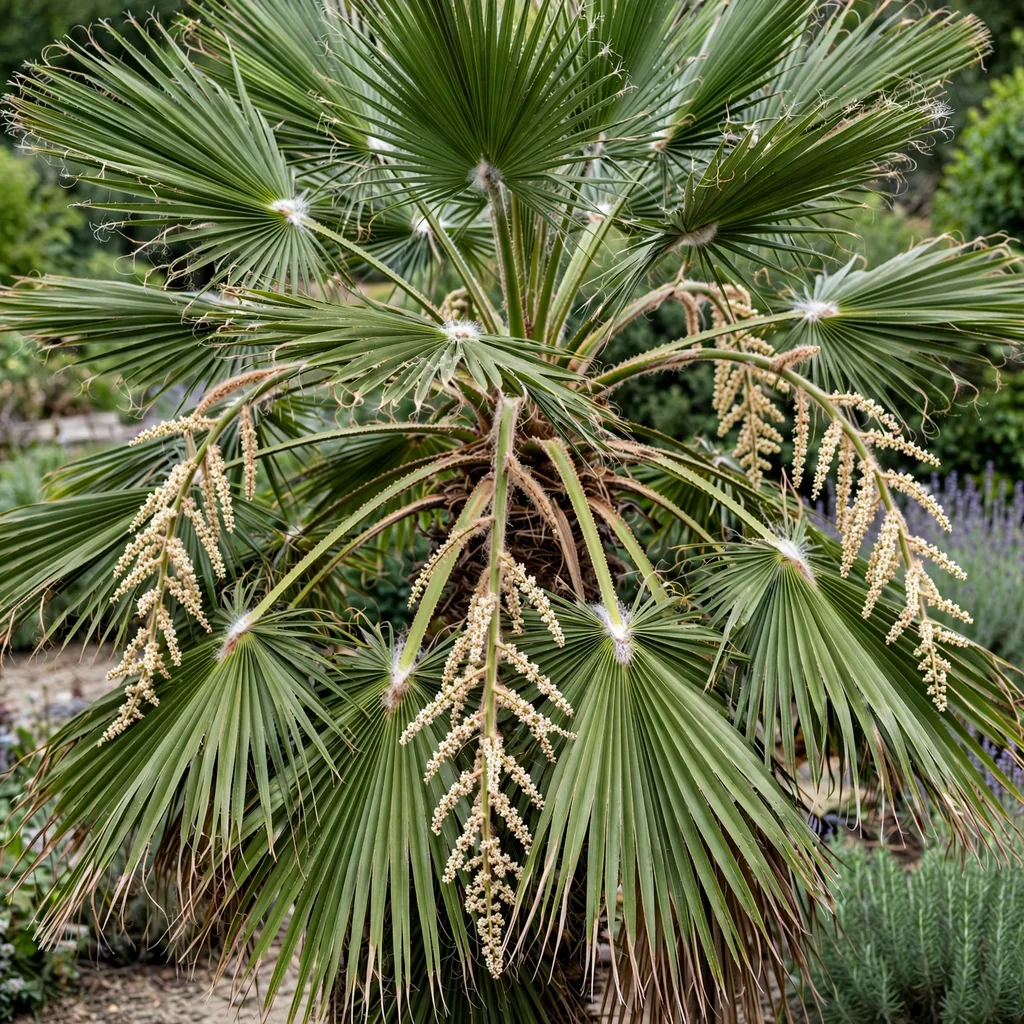
Washingtonia x filibusta
Washingtonia x filibusta

Dallas Form California Fan Palm
Washingtonia filifera 'Dallas Form'
Keep exploring
Explore the genus
Hardy in your zone?
Grow California Fan Palm with confidence
See it in a design of your actual yard, get zone-matched care reminders, and track it season by season in your garden journal.