The Story
Plant Bio
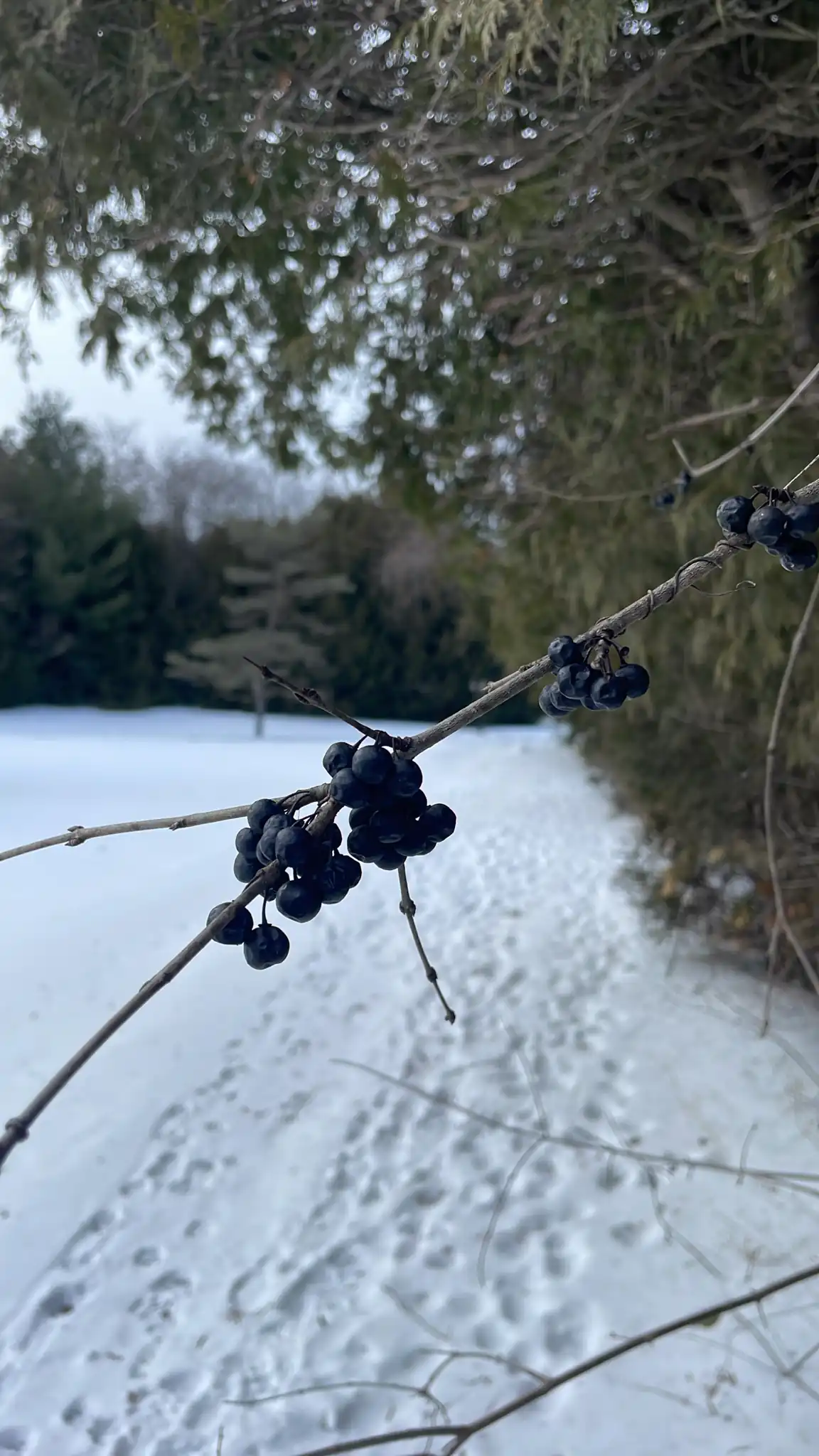
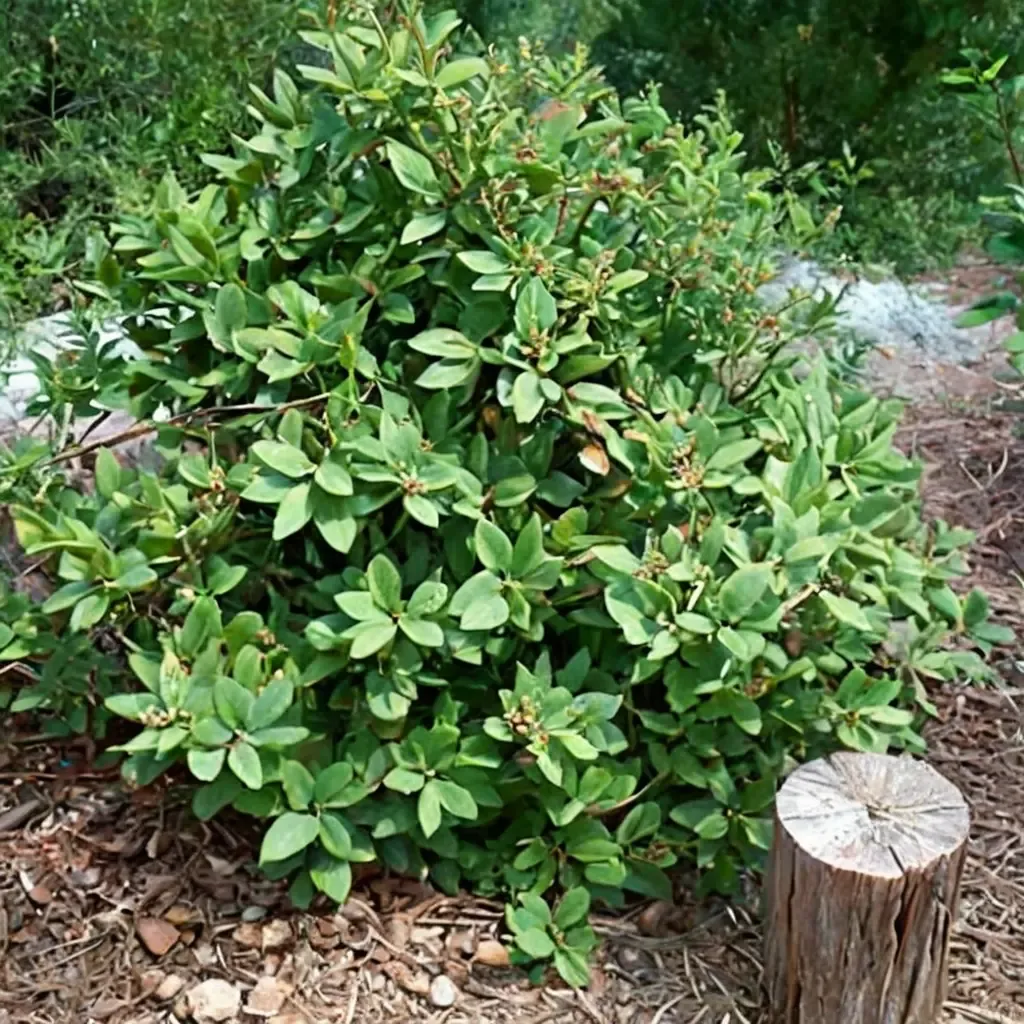
Rhamnus cathartica, commonly known as common buckthorn, is a vigorous deciduous shrub or small multi-stemmed tree native to Europe and western Asia. It features a spreading, rounded crown of dark glossy green leaves and twigs that frequently terminate in sharp, stout thorns.
This species is highly distinguished by its phenology, leafing out earlier in spring and retaining its green foliage much later into fall than native North American deciduous plants. In North America, it has become a highly invasive noxious weed that forms dense, monotypic thickets in forest understories.
Uses & Benefits:
Essentials
At a Glance
Plant Type
Shrub
Height
300"
Width
157"
Light
Full Sun, Partial Sun
Zones
4, 5, 6, 7
Water
Moderate
Humidity
Moderate
Lifespan
Perennial
Native To
Europe, northwestern Africa, western and central Asia
Toxicity
Toxic to humans and animals if ingested; thorns cause puncture wounds
Bloom period
Spring
In flower about 3 months of the year
Planting
How to Grow
- Select a site with full sun to partial shade and well-drained soil, ensuring local regulations permit cultivation.
- Sow stratified seeds in spring or plant softwood cuttings in a prepared bed.
- Monitor the plant closely to prevent self-seeding into nearby natural areas.
- Prune in late winter to remove dead or crossing branches, avoiding shearing into old wood.
Pro Tip
Identify and target buckthorn in late fall when native species have dropped their leaves; cut the stems close to the ground and immediately apply a systemic herbicide to the stump to prevent aggressive resprouting.
Keep It Thriving
Care Guide
Do
- Wear thick gloves when handling to protect against sharp thorns.
- Check local noxious weed lists before planting or maintaining.
- Remove female plants first to minimize seed production and dispersal.
Don't
- Do not allow berries to drop and spread into adjacent woodlands.
- Do not ingest any part of the plant, as the berries and bark are highly toxic.
- Do not shear the outer foliage, which results in patchy, weak regrowth.
Seasonal Care Calendar
| Task | Jan | Feb | Mar | Apr | May | Jun | Jul | Aug | Sep | Oct | Nov | Dec |
|---|---|---|---|---|---|---|---|---|---|---|---|---|
| Pest Check | ||||||||||||
| Propagate | ||||||||||||
| Prune | ||||||||||||
| Spring Cleanup |
Watch Out For
Pests & Diseases
Common Pests
Common Diseases
In the Garden
Landscape Uses & Companions
Landscape Uses
Multiply
Propagation Methods
Good to Know
Common Questions
Common Buckthorn questions
What zones can Common Buckthorn grow in?
Common Buckthorn is hardy in USDA Zones 4–7. Inside that range it survives winter in the ground; outside it, grow it as an annual or a container plant you protect.
When does Common Buckthorn bloom?
Common Buckthorn typically blooms in spring through spring. Exact timing shifts a week or two with your zone — Sow's bloom calendar maps it to your garden.
Does Common Buckthorn need full sun?
Common Buckthorn does best in full sun to part shade. In hot climates, afternoon shade keeps blooms fresher longer.
Is Common Buckthorn drought tolerant?
Yes — once established (usually after the first full season), Common Buckthorn handles dry spells with minimal watering. Water deeply its first year to build the root system that makes that possible.
More Rhamnus to compare
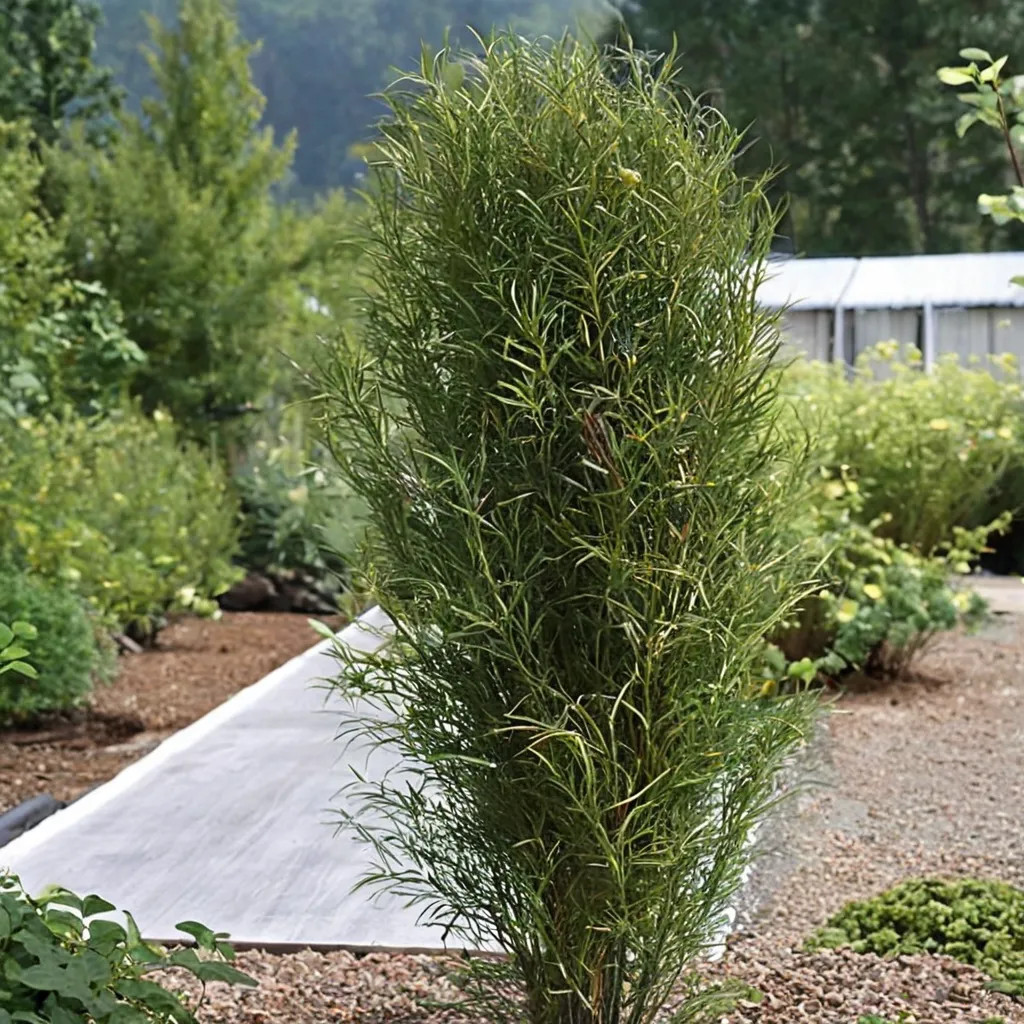
Fine Line Buckthorn
Rhamnus frangula 'Fine Line'
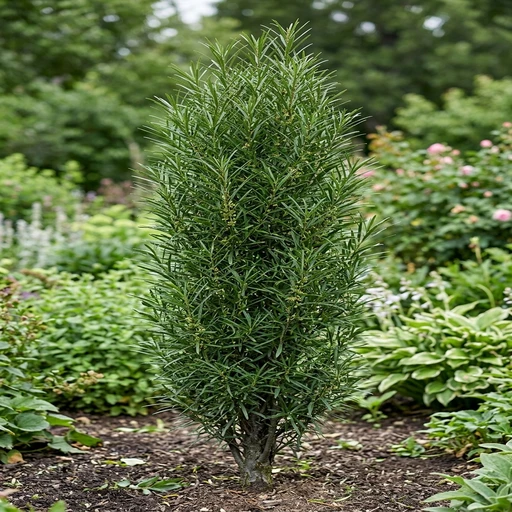
Ron Williams Fine Line Buckthorn
Rhamnus frangula 'Ron Williams'
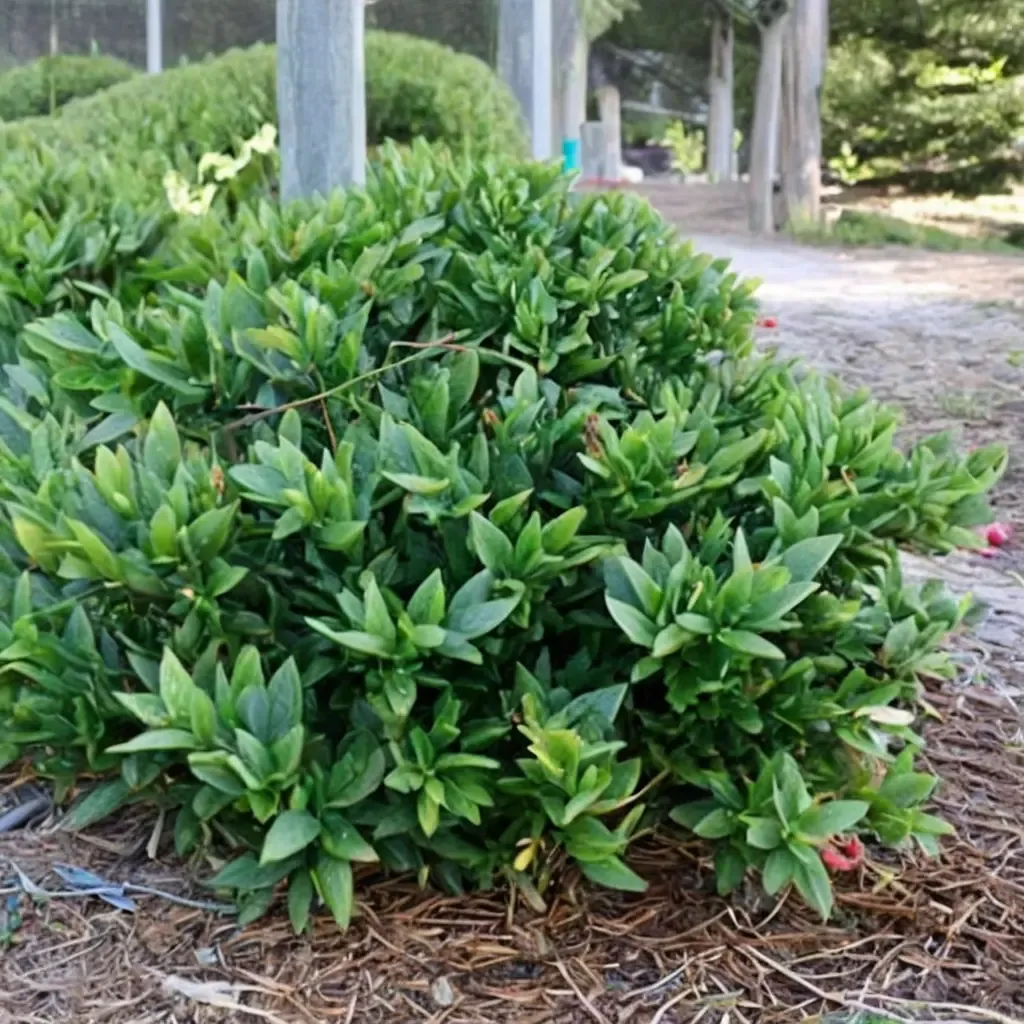
San Bruno Coffeeberry
Rhamnus californica 'Mound San Bruno'
Eve Case Coffeeberry
Rhamnus californica 'Eve Case'
Keep exploring
Explore the genus
Hardy in your zone?
Grow Common Buckthorn with confidence
See it in a design of your actual yard, get zone-matched care reminders, and track it season by season in your garden journal.