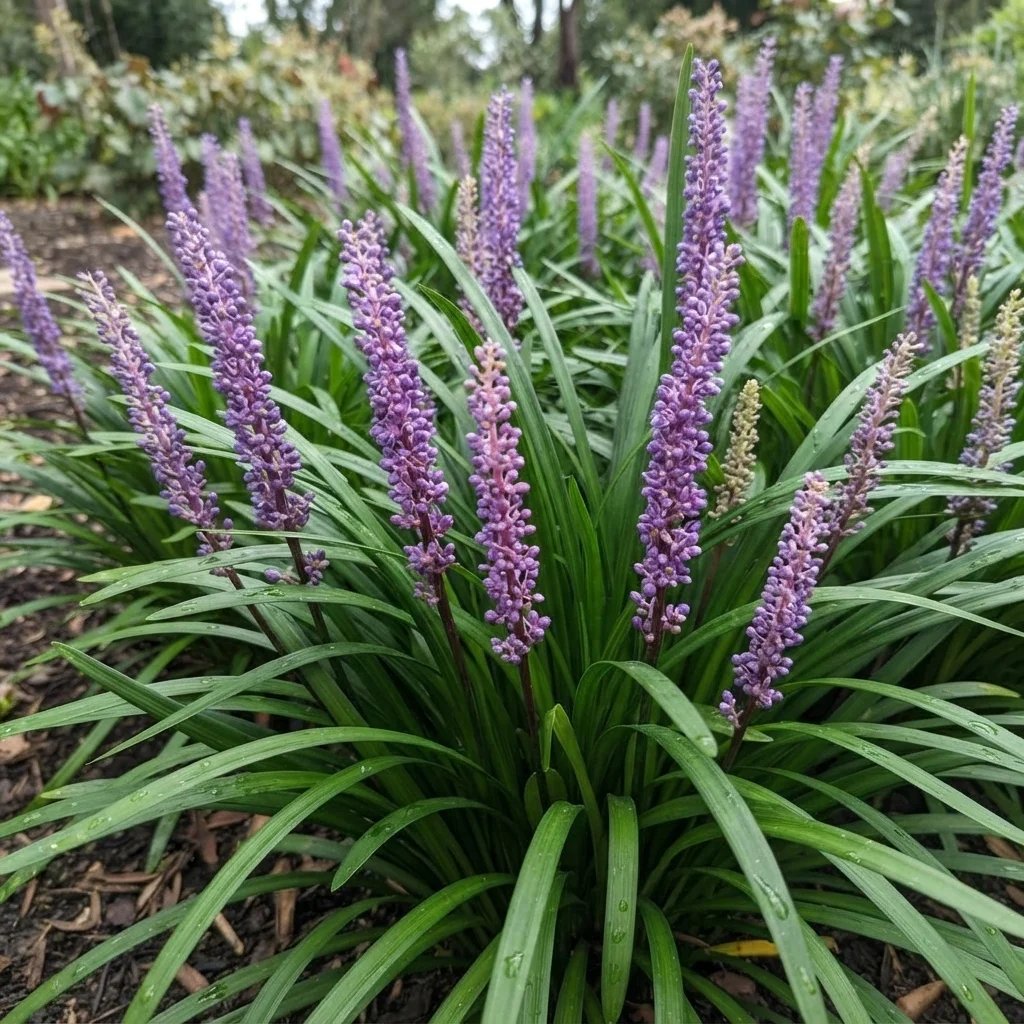
Species
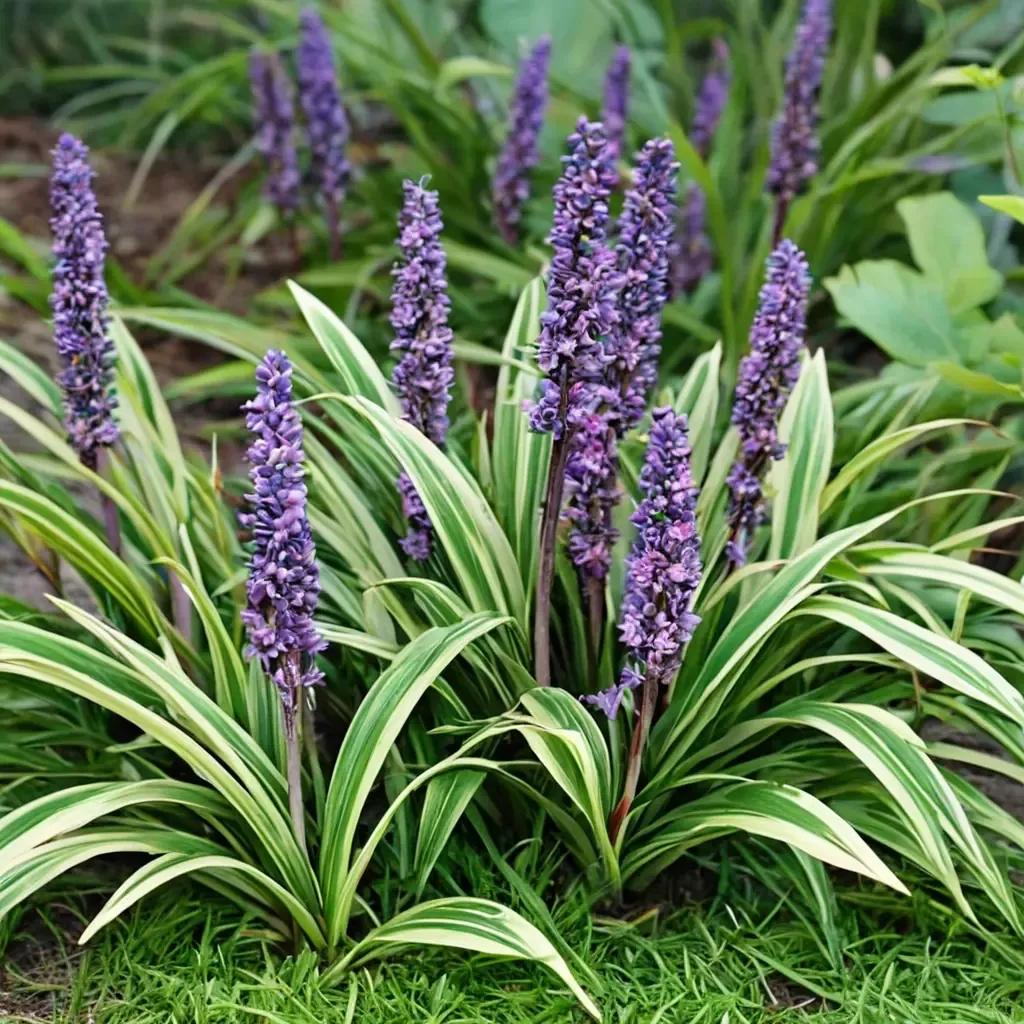 Liriope muscariLilyturf
16 other cultivars
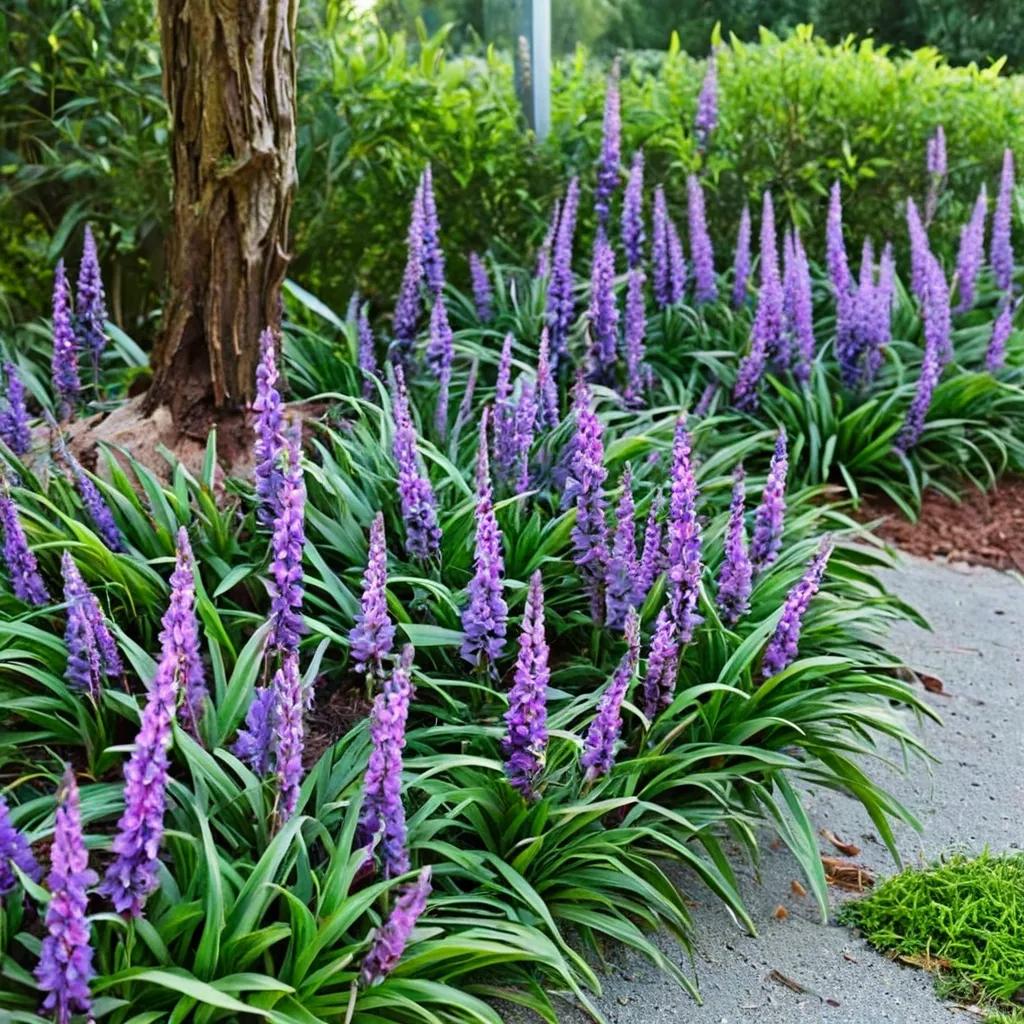 ‘Big Blue’Liriope muscari Big Blue
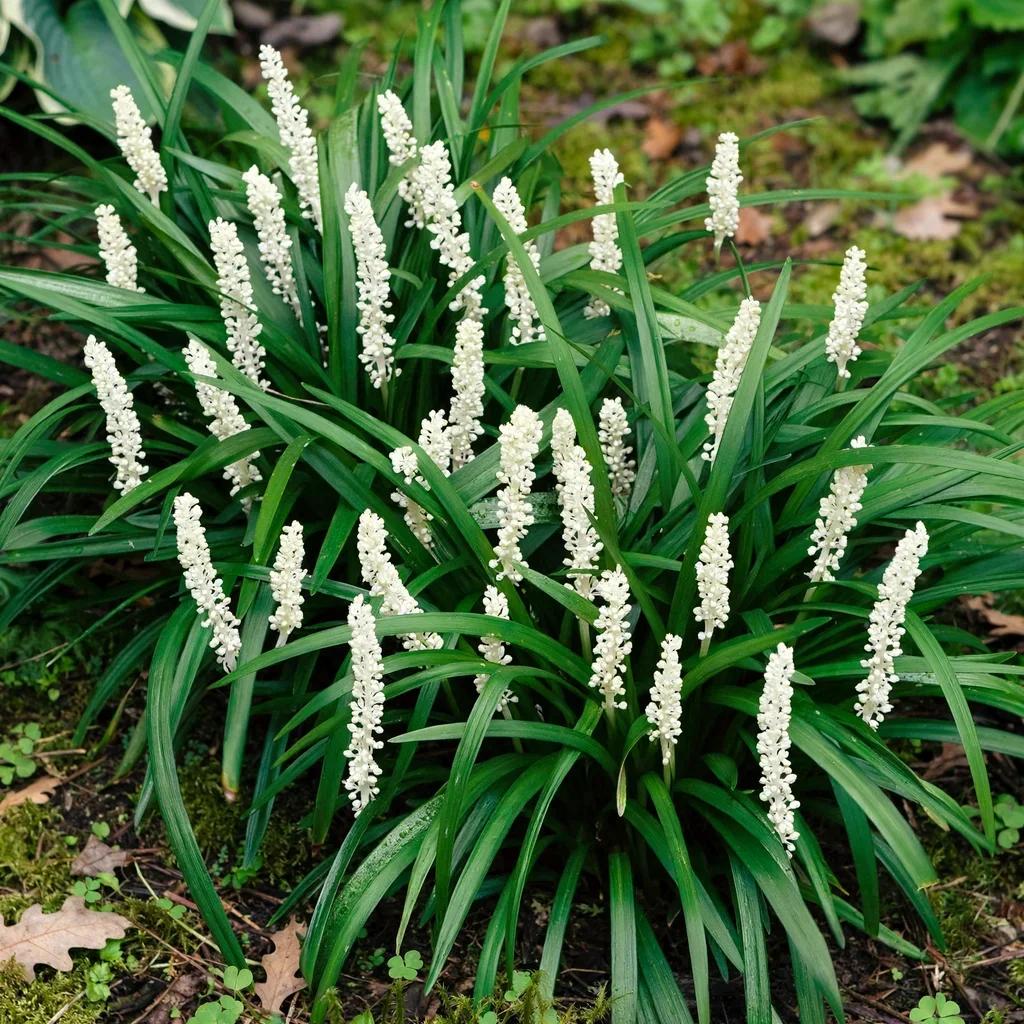 ‘Monroe White’Liriope muscari Monroe White
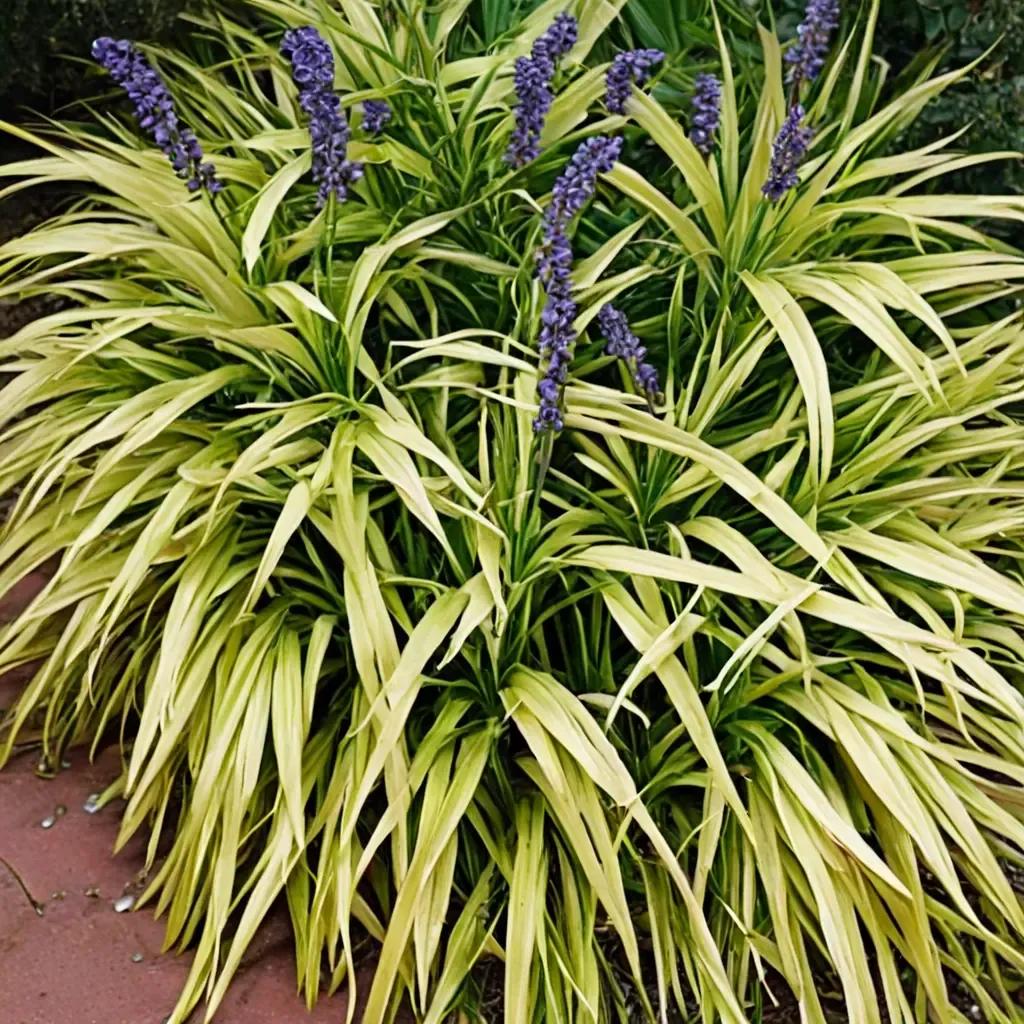 ‘Peedee Ingot’Peedee Ingot Lilyturf
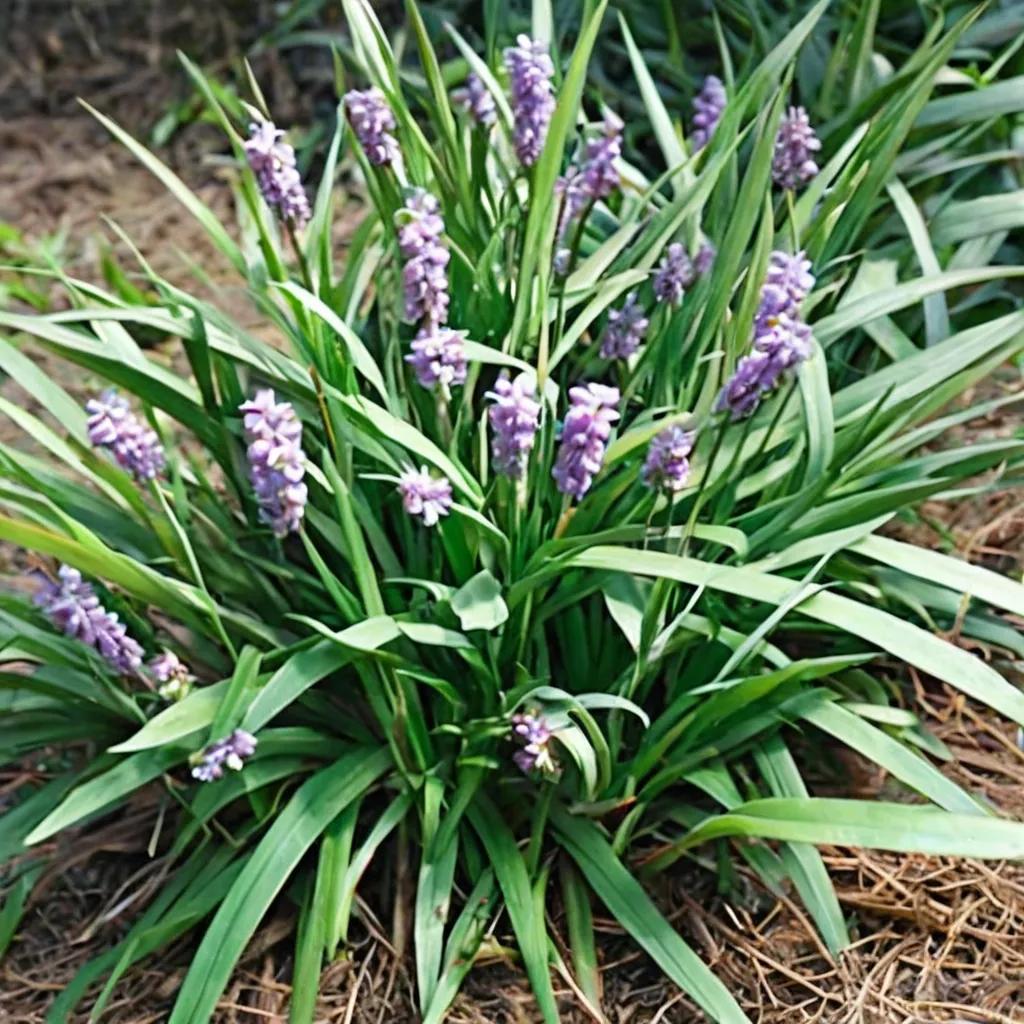 ‘Densiflora’Densiflora Lilyturf
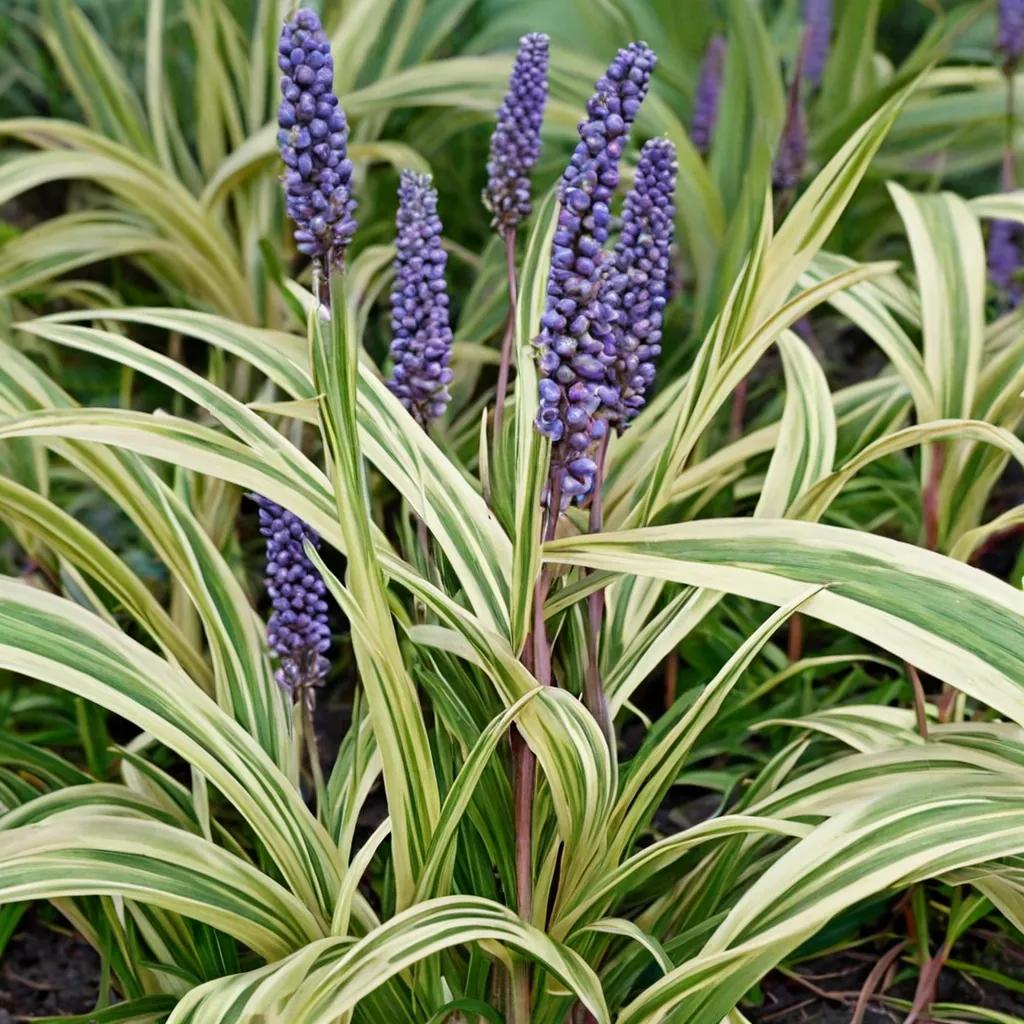 ‘Variegated’Variegated Lilyturf
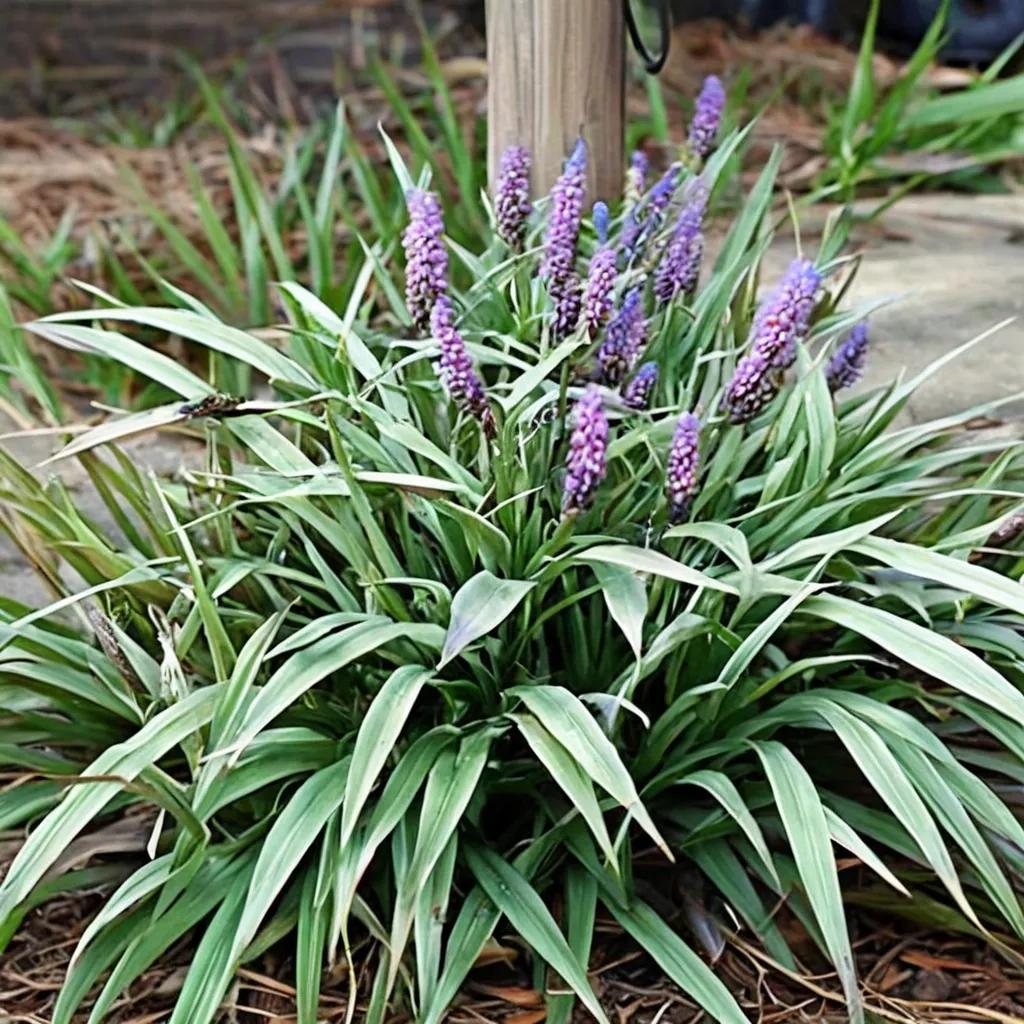 ‘Silver Midget’Liriope muscari Silver Midget
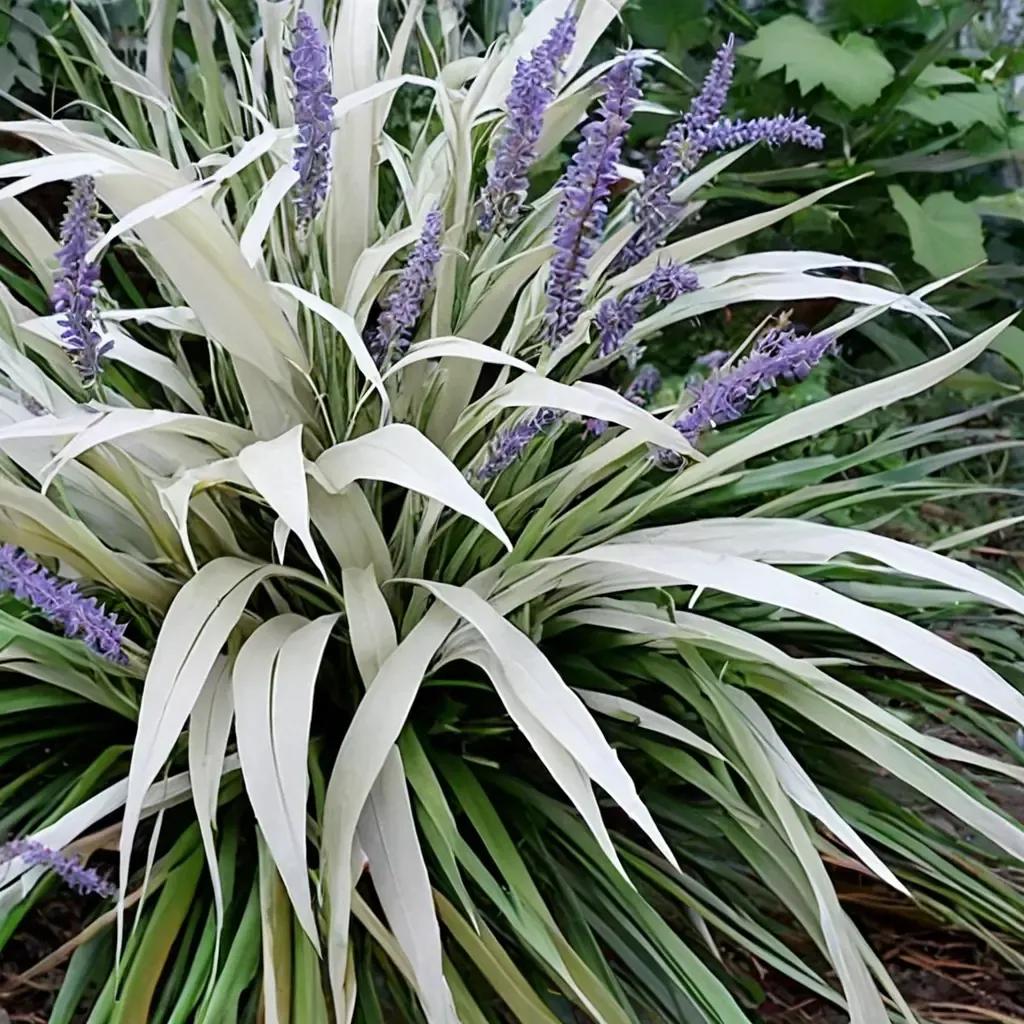 ‘Okina’Okina Lilyturf
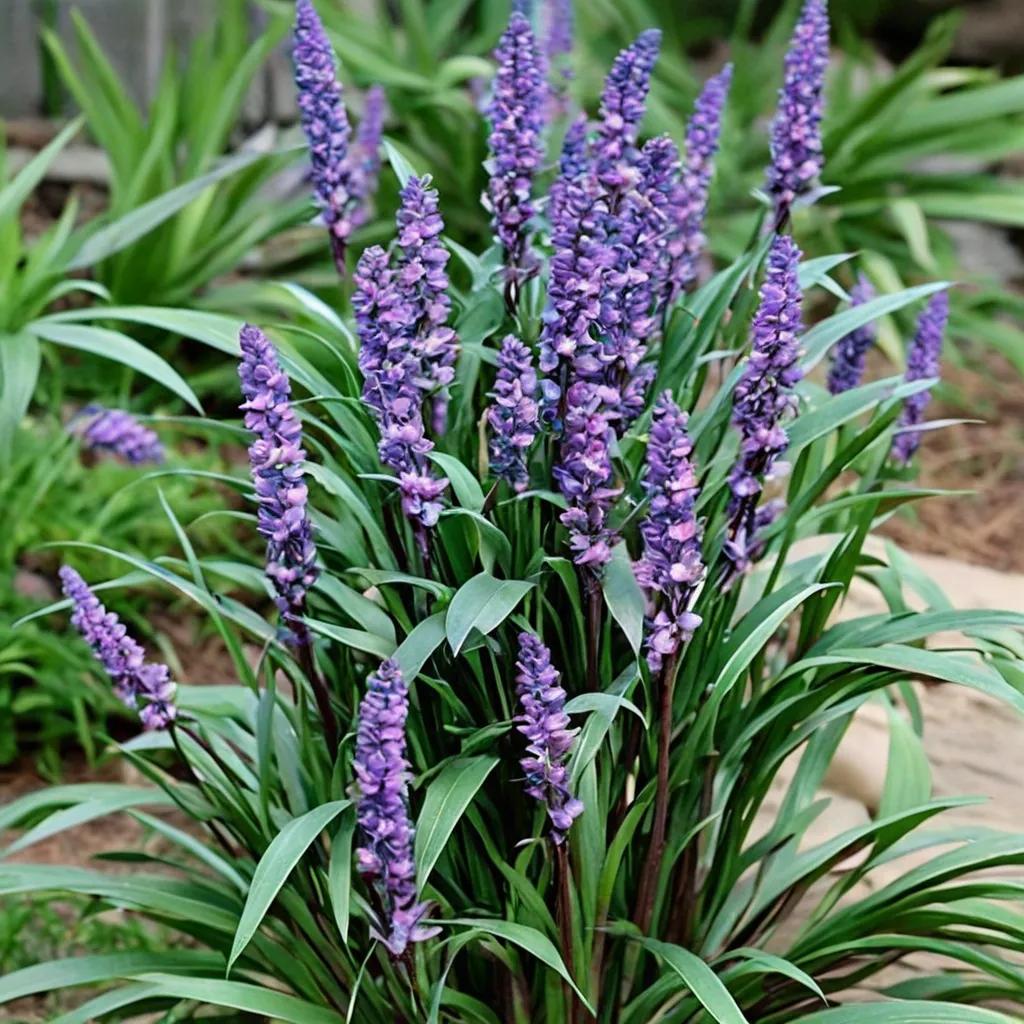 ‘Royal Purple’Royal Purple Lilyturf
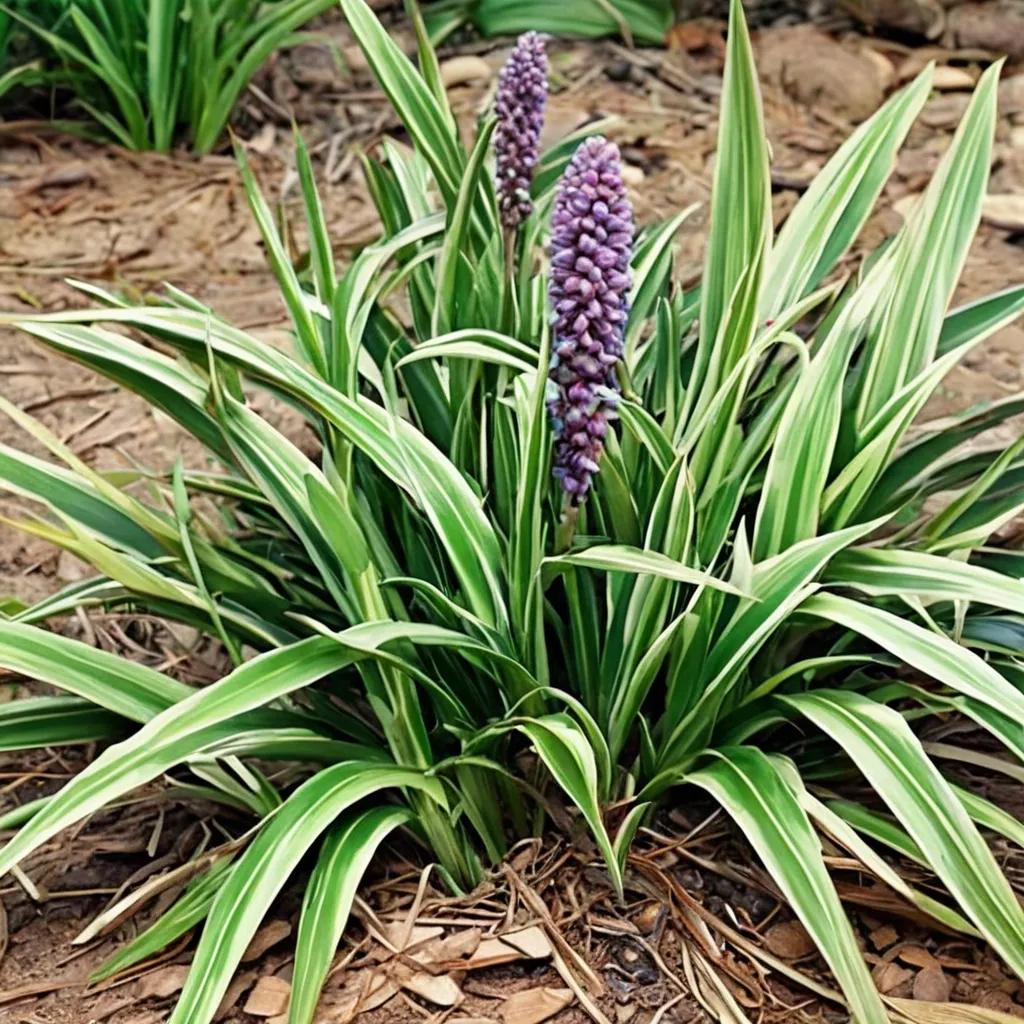 ‘John Burch’John Burch Lilyturf
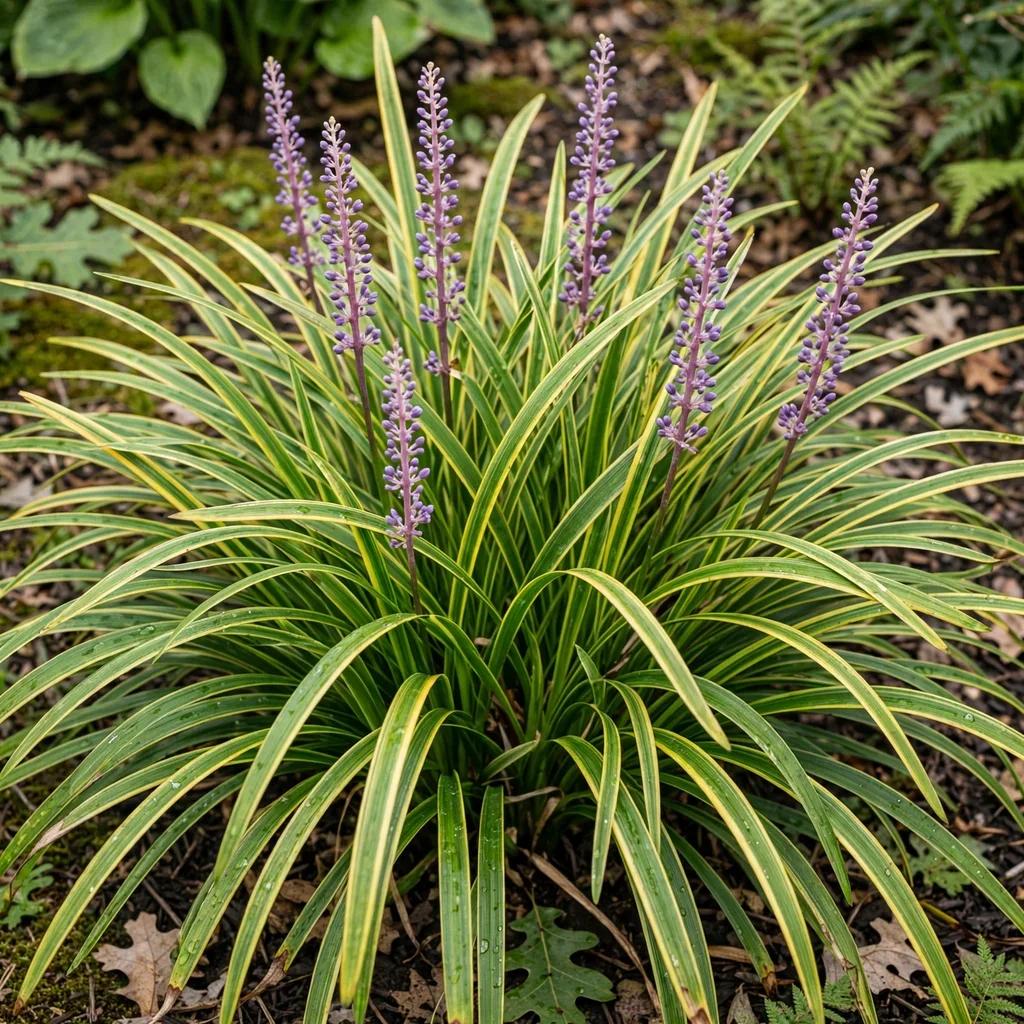 ‘Gold Band’Liriope muscari Gold Band
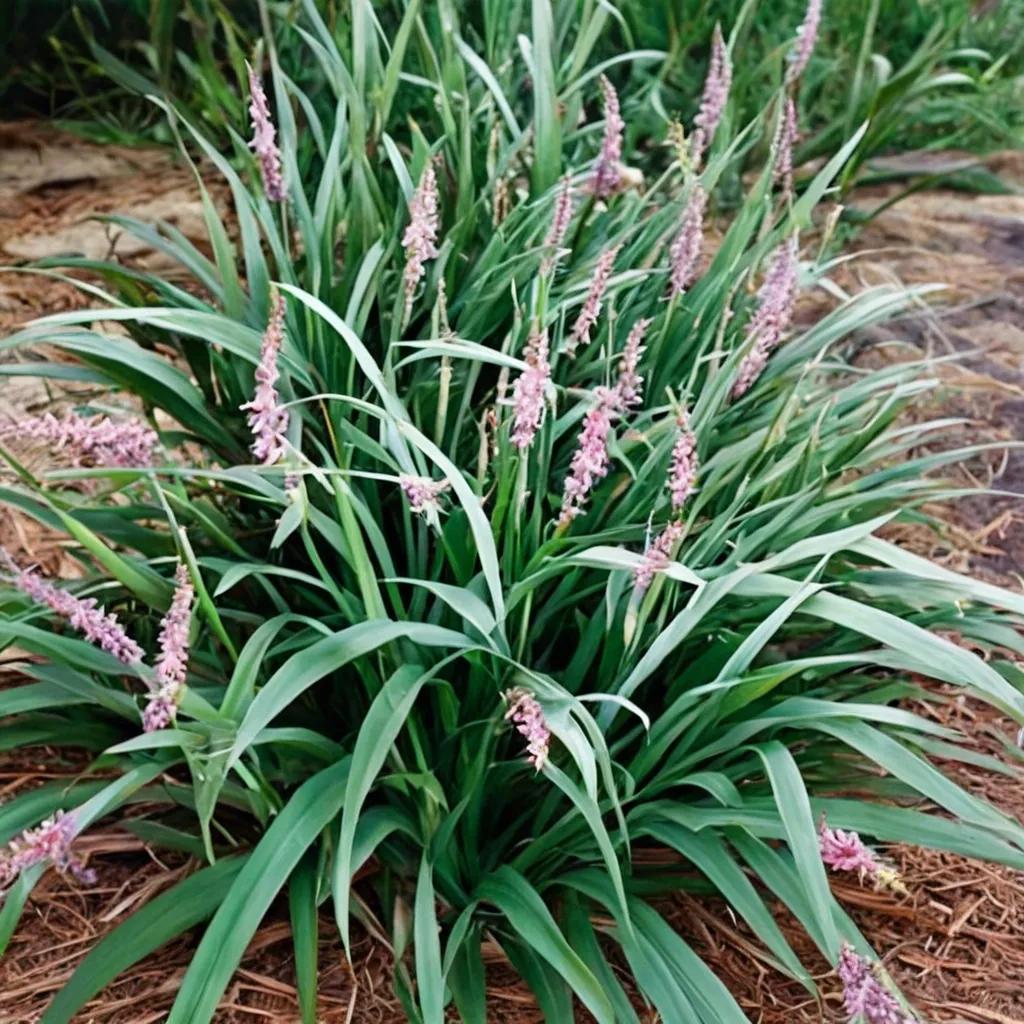 ‘Samantha’Samantha Lilyturf
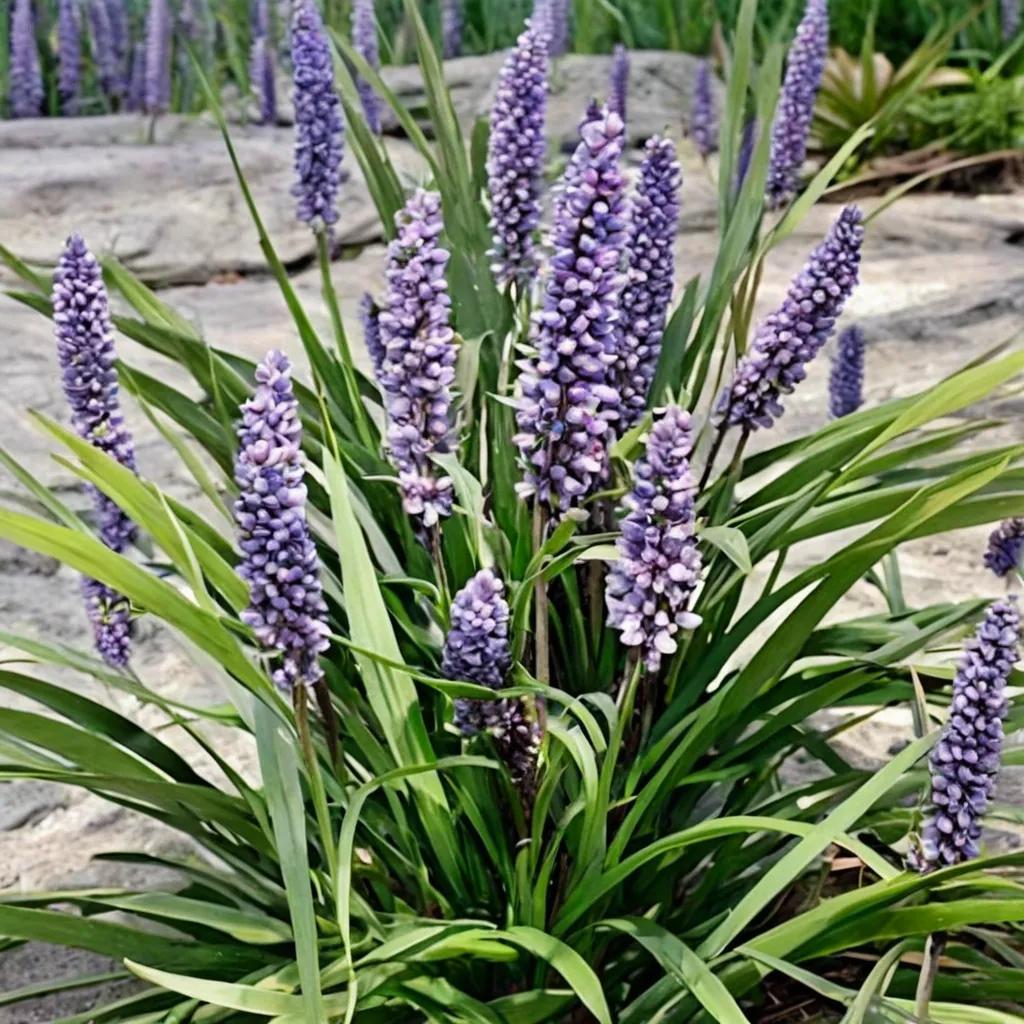 ‘Ingwersen’Ingwersen's Lilyturf
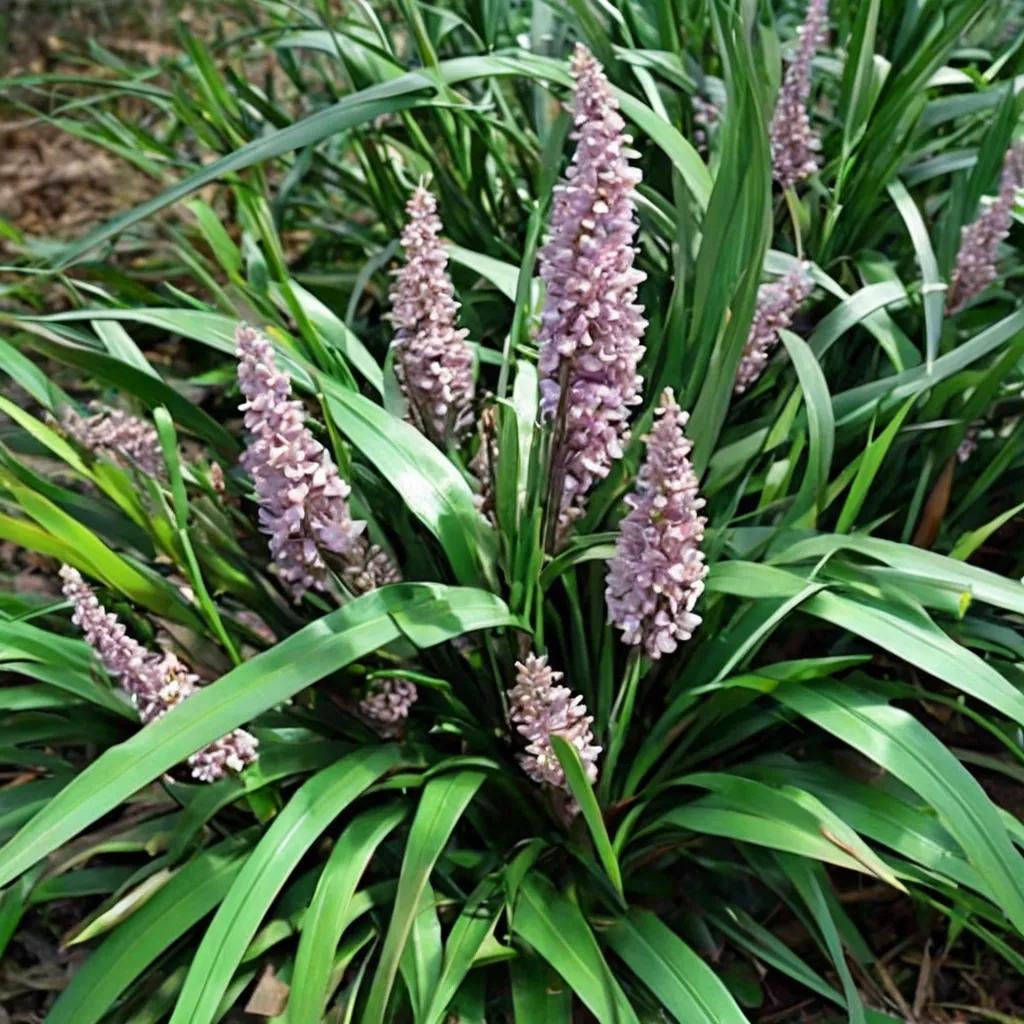 ‘Christmas Tree’Lilyturf 'Christmas Tree'
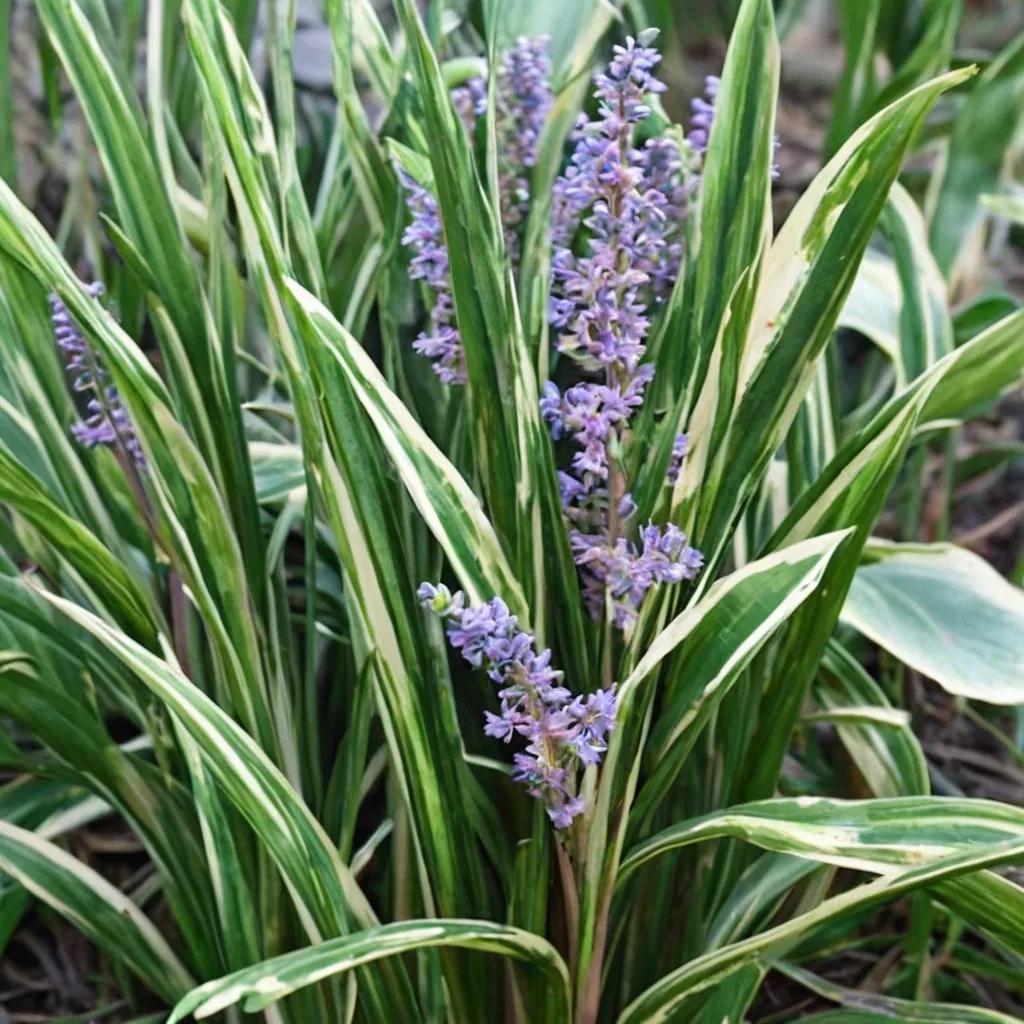 ‘Sideswiped’Liriope muscari Sideswiped
 ‘Just Right’Lilyturf
 ‘Amethyst’Big Blue Lilyturf
The Story
Plant Bio
Liriope muscari is a robust, clump-forming evergreen perennial native to East Asia, widely utilized as a durable groundcover in woodland borders and shaded landscapes. The species features dense tufts of arching, grass-like foliage and produces erect spikes of small, bell-shaped flowers in late summer, followed by dark, spherical berries.
'Evergreen Giant' is distinguished by its exceptionally large stature, reaching up to thirty inches in height, and its broad, glossy dark green leaves that maintain color through winter. This unpatented cultivar exhibits greater cold-hardiness and less winter dormancy than the standard species, though it must be propagated vegetatively to maintain its uniform size.
Uses & Benefits:
Essentials
At a Glance
Plant Type
Perennial
Height
30"
Width
30"
Light
Full Sun, Partial Sun, Shade
Zones
7, 8, 9, 10
Water
Low to moderate
Humidity
High
Lifespan
Perennial
Native To
East Asia
Toxicity
Toxic to pets and humans if ingested
Bloom period
Late summer – Early fall
In flower about 2 months of the year
Planting
How to Grow
- Select a planting site in full sun to deep shade with well-draining soil.
- Dig a hole twice the width of the root ball and set the plant so the crown sits level with the surrounding soil.
- Water thoroughly at planting and maintain consistent moisture until the root system is established.
- Apply a balanced, slow-release fertilizer once in early spring to support new foliage growth.
Pro Tip
Shear the foliage cleanly to the ground in late winter using sharp hand shears rather than a line trimmer, which shreds the leaf tips and leaves ragged, brown edges on spring growth.
Keep It Thriving
Care Guide
Do
- Cut back the entire clump to five inches above the ground in late winter before new shoots emerge.
- Divide congested clumps in early spring by slicing through the tough crown with a sharp spade.
- Ensure the planting site drains freely to prevent root rot in heavy clay soils.
Don't
- Do not use a string trimmer to cut back foliage, as this tears the leaves and causes permanent tip browning.
- Do not plant the crown too deep, which traps moisture and invites fungal decay.
- Do not rely on seed propagation, as seedlings show high genetic variability in height and form.
Seasonal Care Calendar
| Task | Jan | Feb | Mar | Apr | May | Jun | Jul | Aug | Sep | Oct | Nov | Dec |
|---|---|---|---|---|---|---|---|---|---|---|---|---|
| Divide | ||||||||||||
| Fertilize | ||||||||||||
| Pest Check | ||||||||||||
| Prune |
Watch Out For
Pests & Diseases
Common Pests
Common Diseases
In the Garden
Landscape Uses & Companions
Landscape Uses
Multiply
Propagation Methods
Good to Know
Common Questions
Giant Lilyturf questions
What zones can Giant Lilyturf grow in?
Giant Lilyturf is hardy in USDA Zones 7–10. Inside that range it survives winter in the ground; outside it, grow it as an annual or a container plant you protect.
Is Giant Lilyturf deer resistant?
Yes — Giant Lilyturf is rated deer-resistant. Deer typically pass it over, though extreme hunger can override any plant's defenses.
When does Giant Lilyturf bloom?
Giant Lilyturf typically blooms in late summer through early fall. Exact timing shifts a week or two with your zone — Sow's bloom calendar maps it to your garden.
Does Giant Lilyturf need full sun?
Giant Lilyturf does best in full sun to part shade. In hot climates, afternoon shade keeps blooms fresher longer.
Is Giant Lilyturf drought tolerant?
Yes — once established (usually after the first full season), Giant Lilyturf handles dry spells with minimal watering. Water deeply its first year to build the root system that makes that possible.
More Liriope to compare
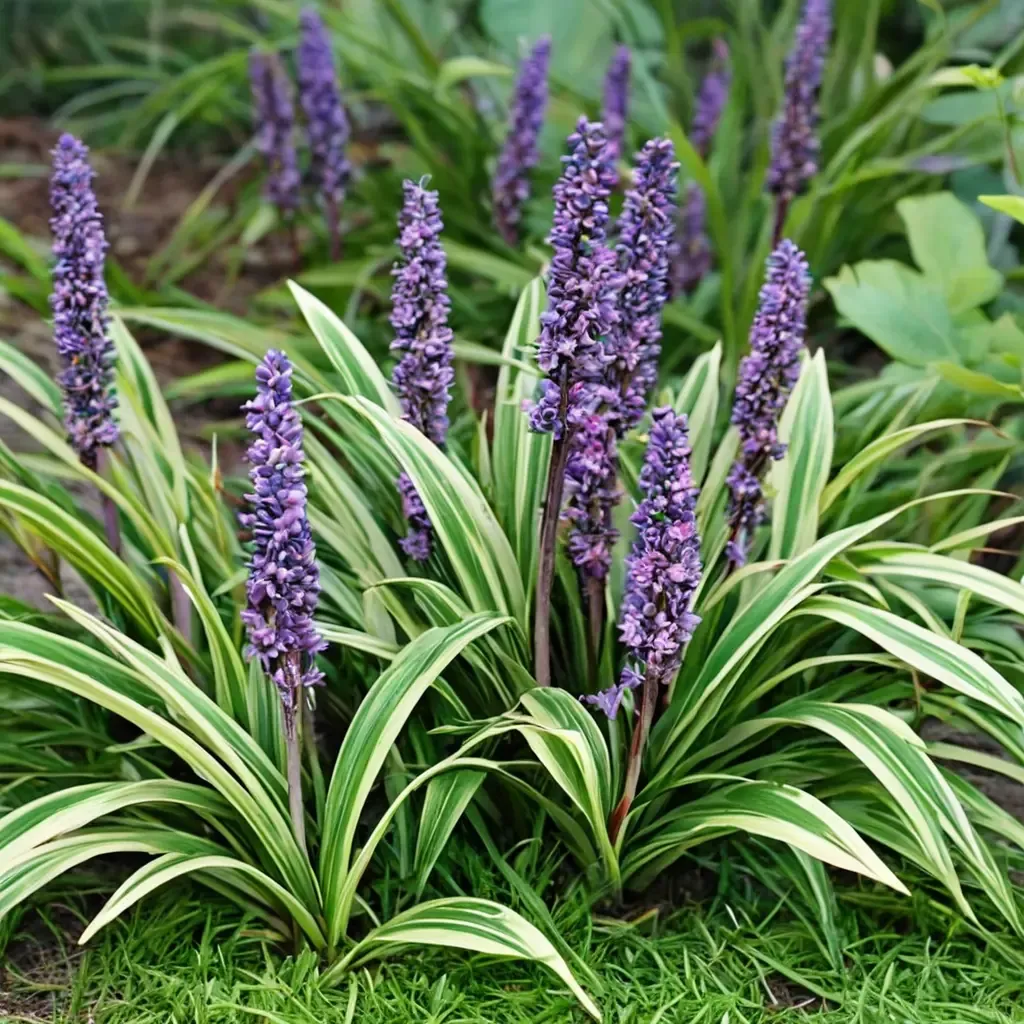
Lilyturf
Liriope muscari
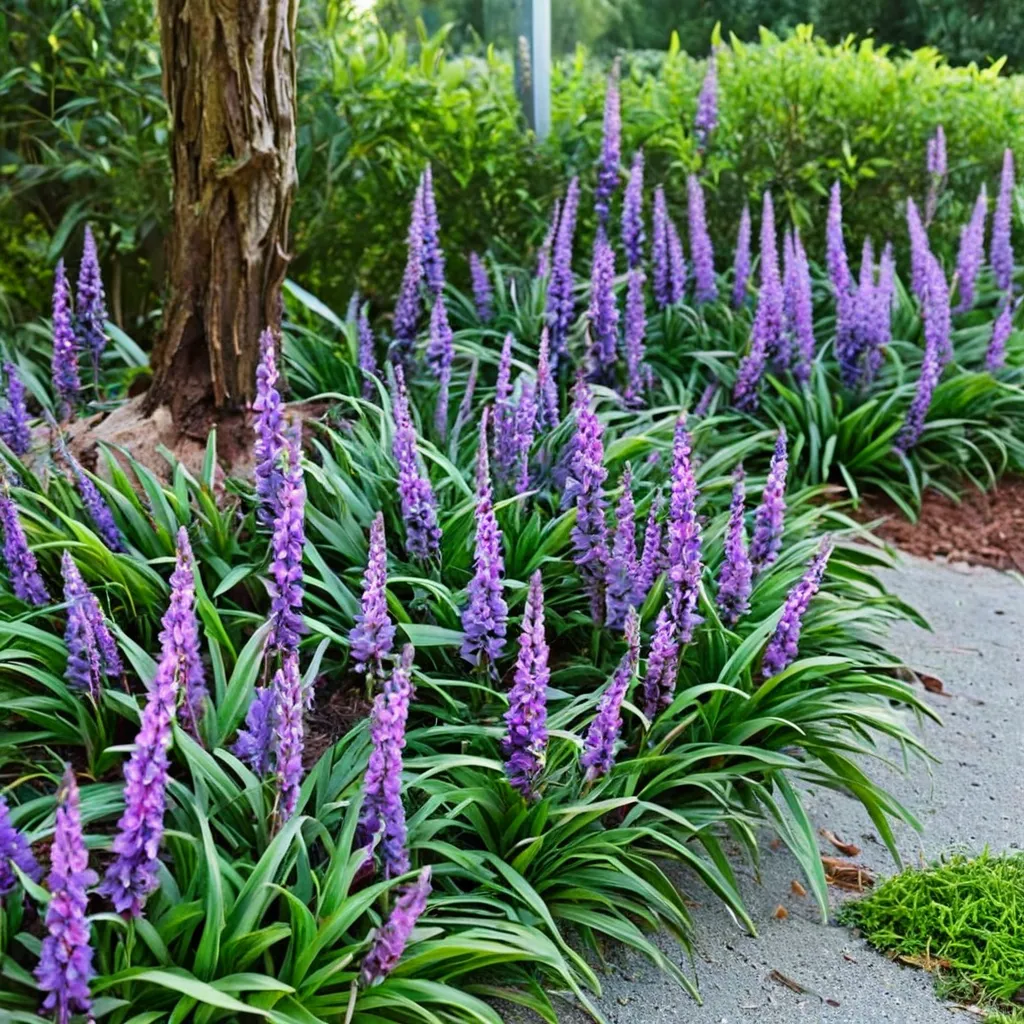
Liriope muscari Big Blue
Liriope muscari 'Big Blue'
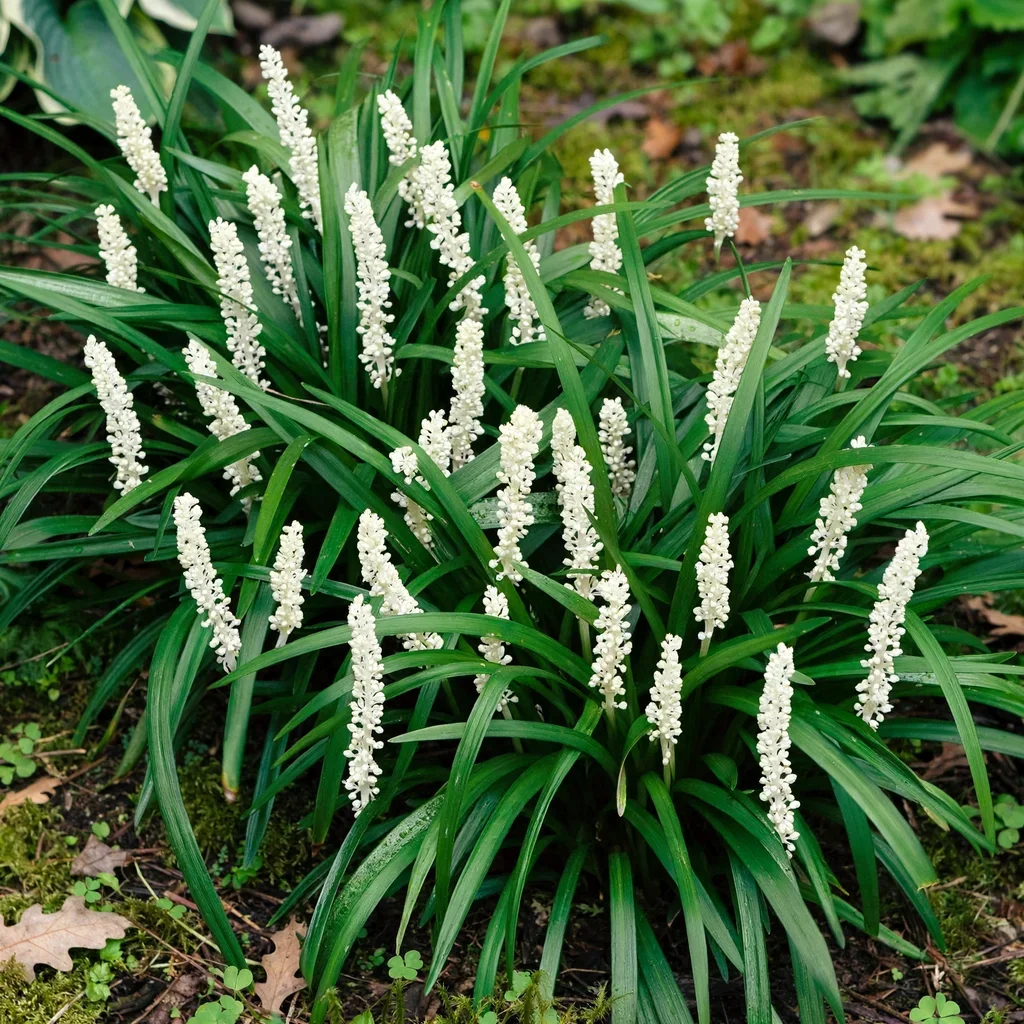
Liriope muscari Monroe White
Liriope muscari 'Monroe White'
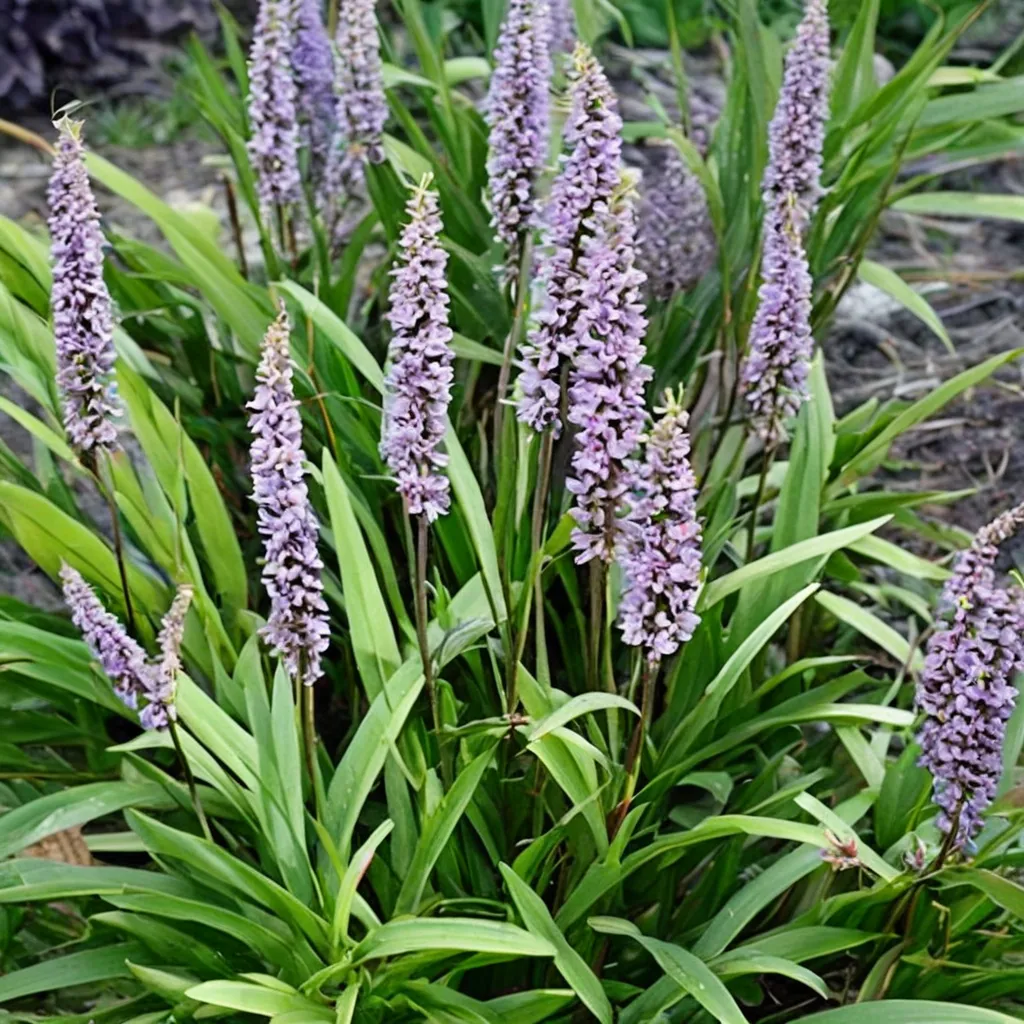
Bingo Lilyturf
Liriope platyphylla 'Bingo'
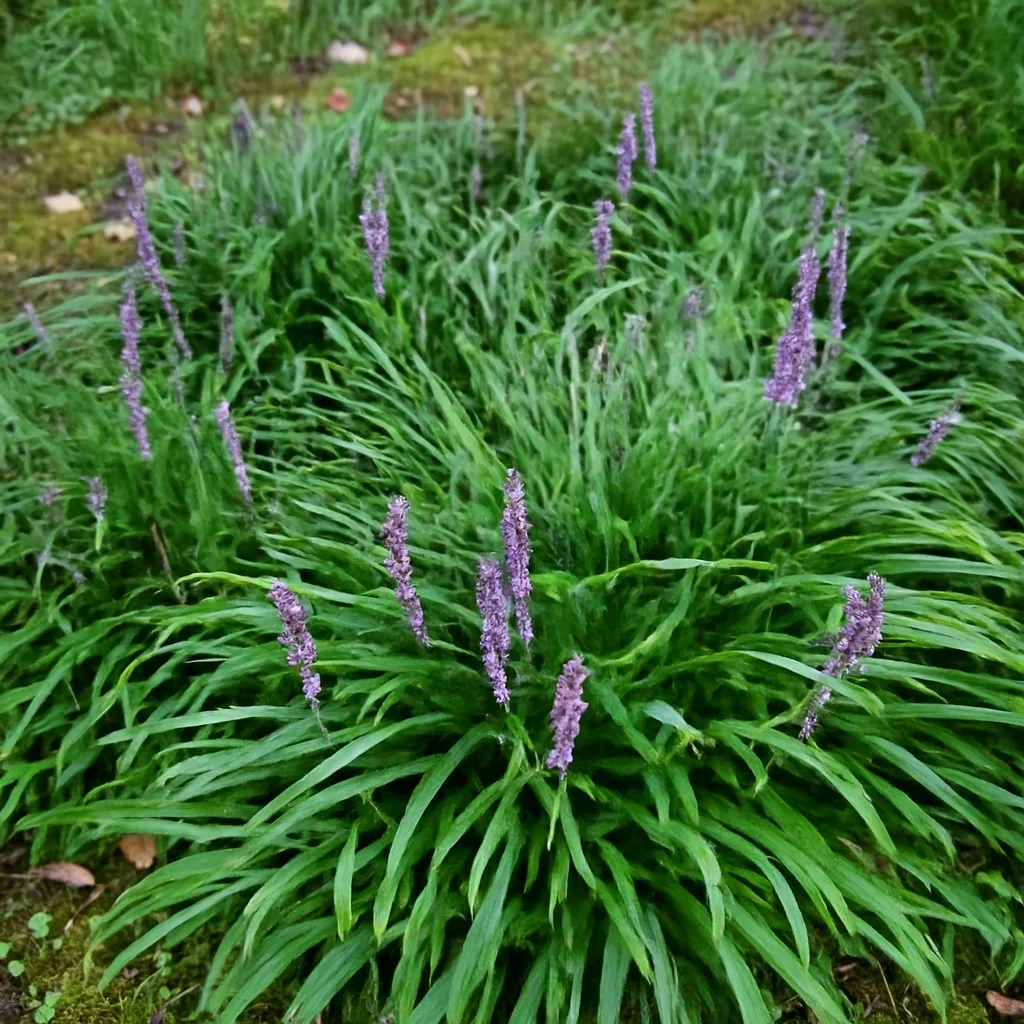
Creeping Lilyturf
Liriope spicata
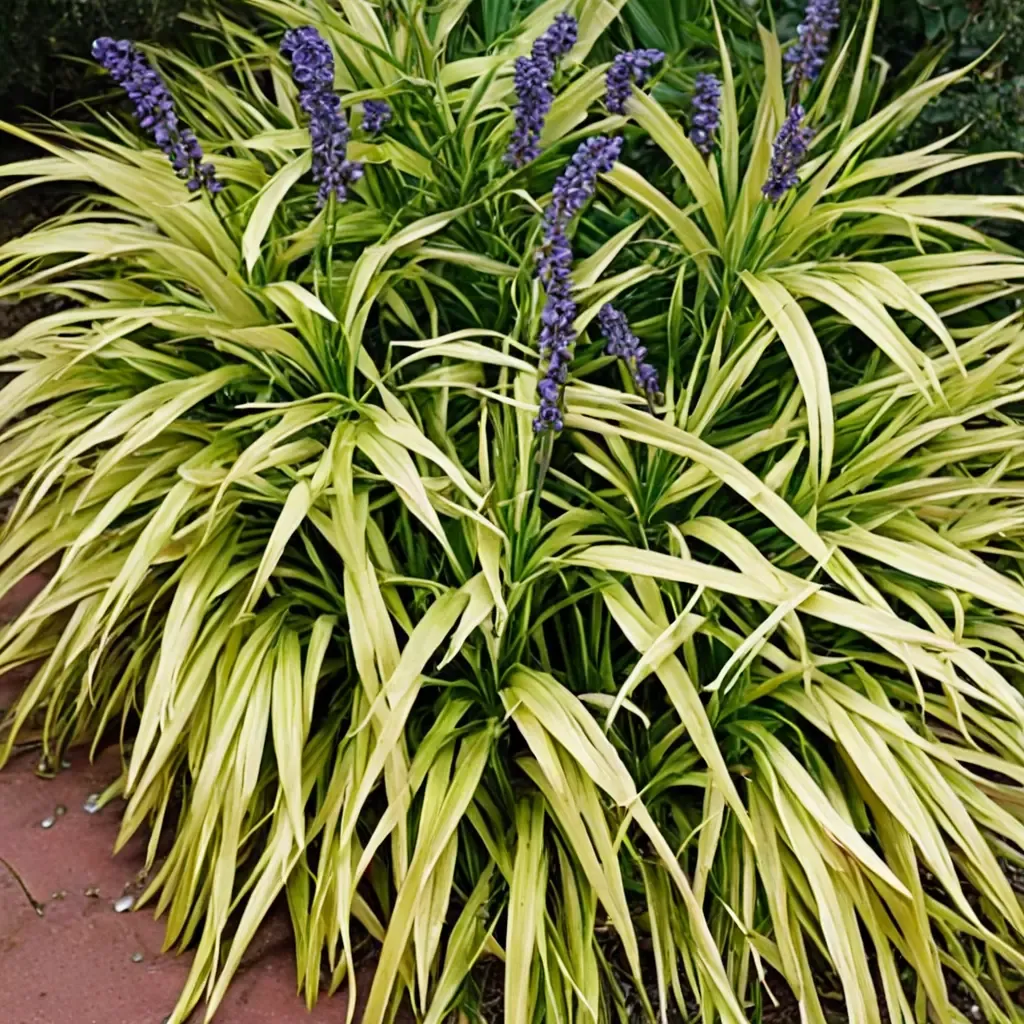
Peedee Ingot Lilyturf
Liriope muscari 'Peedee Ingot'
Keep exploring
Explore the genus
Hardy in your zone?
Grow Giant Lilyturf with confidence
See it in a design of your actual yard, get zone-matched care reminders, and track it season by season in your garden journal.